Driving habits from the ’80s that were shockingly unsafe
Velour seats, cassette tapes, and fast-food wrappers defined the automotive experience of the 1980s, but many driving habits from the era were shockingly unsafe by modern standards. According to Tpmblegal, seatbelt use grew from only 11% in 1980 to nearly universal adoption today as medical research revolutionized our understanding of crash physics and wellness priorities.
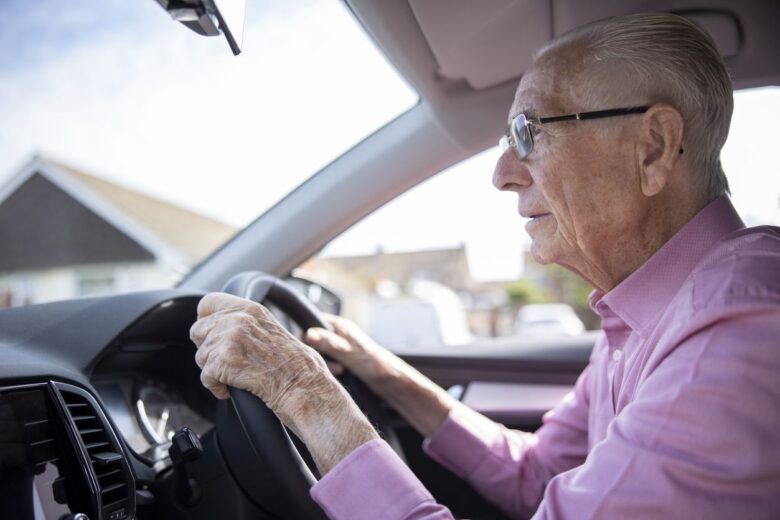
Driving without a seatbelt for short trips
The phrase “it’s just a quick trip” justified countless unbelted journeys during the 1980s, when only 14% of Americans regularly wore seatbelts, despite federal requirements that cars be equipped with them since 1968. Modern crash testing reveals that most accidents occur within five miles of home, making those “quick trips” particularly dangerous. New York became the first state to require seatbelt use in 1984.

Kids roaming freely in the backseat
Children stood on seats, climbed between rows, and rode without any restraints throughout the 1980s. By 1985, all states had passed laws requiring car seats, yet even in 1987, only 80% of children used them. Modern five-point harnesses, rear-facing requirements until age two, and booster seat standards represent dramatic improvements in protecting developing bodies from crash forces.

Smoking in the car with kids inside
Lighting cigarettes with children present was normalized entirely during the 1980s, before research revealed the dangers of confined-space exposure. Studies now show that secondhand smoke in vehicles can reach concentrations up to 60 times higher than in smoke-free homes, even with windows cracked. Children exposed to vehicle smoke face increased risks of respiratory infections, asthma, and cardiovascular problems extending into adulthood.

Holding the map while driving
Pre-GPS navigation meant unfolding massive paper maps while steering, creating severe cognitive overload and extended periods of eyes-off-road. Drivers routinely attempted to read street names, trace routes, and maintain lane position simultaneously. Modern navigation systems significantly reduce distraction, though smartphones have introduced new challenges that require hands-free operation.

Driving long distances with zero breaks
The “make good time” mentality encouraged marathon driving sessions without rest stops, leading to dangerous fatigue and micro-sleep episodes. Modern research on driver wellness emphasizes regular breaks every two hours, proper hydration, and recognizing drowsiness warning signs. Highway rest stops and ergonomic seating designs now acknowledge that sustained alertness requires physical movement and mental breaks.

Letting pets roam the car freely
Dogs sat on laps, perched on dashboards, and moved freely throughout vehicles without restraints. This created distraction risks for drivers and the potential for severe injury to animals during sudden stops. Modern pet restraint systems, including harnesses and carriers protect both human and animal passengers while reducing driver distraction.
Word of advice
The carefree driving culture of the 1980s reflected a limited understanding of crash physics, child development, respiratory health, and cognitive load. Today’s comprehensive safety standards, from advanced restraint systems to smoke-free vehicle laws, demonstrate how dramatically knowledge of wellness has evolved. We survived the ’80s, but we’re considerably more thoughtful now.
Related:
- 2025 car models with some of the highest safety rankings
- Avoid keeping these items in your car to stay safe
Like MediaFeed’s content? Be sure to follow us.
This article was syndicated by MediaFeed.org.