
Semaglutide Nausea: 11 Tips to Feel Less Sick
Key takeaways:
- Semaglutide nausea is common: About 20 percent of Ozempic® patients and 44 percent of those on Wegovy® experience it.
- Nausea can happen on semaglutide due to slower digestion.
- You can try eating smaller meals, avoiding high-fat foods, and taking anti-nausea medications.
Nausea is the most common side effect of semaglutide drugs like Ozempic® and Wegovy®.
Luckily, there are plenty of steps you can take to feel better, including minimizing fatty foods, eating more slowly, and trying nausea medication.
Our guide goes over home remedies and treatments to reduce semaglutide nausea. We’ll also cover how long semaglutide nausea lasts and why it happens in the first place.
This article was reviewed by Darragh O’Carroll, MD.

Does Semaglutide Cause Nausea?
Yes, semaglutide can cause nausea as a side effect, and it’s more likely with higher doses.
In Ozempic® clinical trials, nausea was reported in 15.8 percent of people taking a 0.5-milligram (mg) dose and 20.3 percent of those on a 1-mg dose.
For Wegovy®, which is a 2.4-mg dose of semaglutide, 44 percent of people in clinical trials reported nausea.
It’s not just semaglutide injections. Rybelsus® is an oral form of semaglutide used for type 2 diabetes. It, too, can cause nausea as a side effect, with 20 percent of people reportedly feeling nauseous during clinical trials.

Why Does Semaglutide Cause Nausea?
Semaglutide may cause nausea in a few ways, including by slowing gastric emptying, activating GLP-1 receptors, and making you feel overfull or bloated.
Here’s what we mean.

Slowed Gastric Emptying
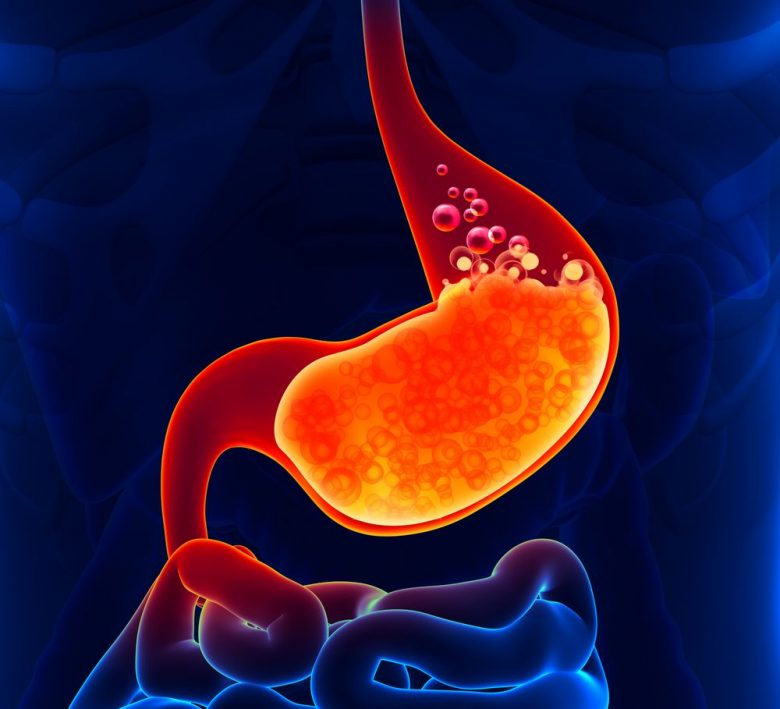
Semaglutide drugs slow gastric emptying, or how quickly food moves from your stomach to your intestines. This makes you feel fuller, which is one way semaglutide can promote weight loss. But this slower gastric emptying can also trigger nausea for some.
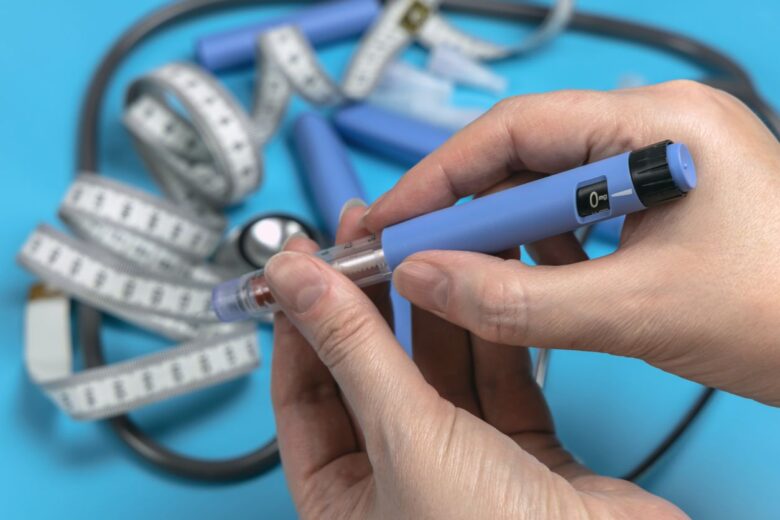
Activated GLP-1 Receptors
Semaglutide is a glucagon-like peptide-1 receptor agonist (GLP-1). GLP-1 medications activate GLP-1 receptors in the central nervous system. This can reduce appetite and promote fullness. But, again, it may trigger nausea too.

Feeling Full and Bloated
With less hunger and more fullness, eating your usual portion sizes might leave you overfull, uncomfortable, or bloated. Overfullness and bloating can make you feel nauseous.
How Long Does Nausea Last With Semaglutide?
Nausea on semaglutide may last the first eight to 12 weeks of your treatment. Nausea is typically worse when you first start taking the medication and each time your dose increases. But many people find it gets better over time.
If you still feel Ozempic® or Wegovy® nausea after a few months and it’s bothering you, reach out to your prescribing healthcare provider. They might want to lower your dose and can suggest treatments to help you stop feeling sick.

How to Relieve Nausea From Semaglutide: 11 Tips
Wegovy® or Ozempic® nausea usually gets better with time. But there are some things you can do to reduce your risk of nausea coming up — and feel better if it does.
Here’s how to stop semaglutide nausea.

1. Follow Your Dose Escalation Plan
Your prescribing healthcare provider will start you on a low dose of semaglutide that gradually increases every month. This gives your body time to adjust, reducing the chances of side effects like nausea.
If semaglutide nausea is severe, let your provider know. They may recommend staying on your current dose for longer before increasing it to give your body a bit more time.

2. Eat Smaller, More Frequent Meals
You might find that meals fill you up a lot quicker while on semaglutide — and that this fullness is uncomfortable.
Try eating smaller, more frequent meals throughout the day. This can help you get all the nutrients you need without overeating in one sitting.
Also, try tuning into your body and noticing when you start feeling full. Stop eating before you get overfull.

3. Avoid Foods and Drinks That Trigger Nausea
Certain foods and drinks can trigger nausea when taking semaglutide.
Try limiting or avoiding high-fat foods like:
- Fatty meats
- Baked goods
- Greasy foods
- Fried foods
These might also be triggering for some people taking semaglutide:
- Spicy foods
- Dairy products
- Salty foods
- Ultra-processed foods
- Acidic foods like tomatoes or citrus fruits
- Alcohol
- Caffeine
- Carbonated drinks
- Strong smells
Keep an eye on how your body reacts when you have these foods and drinks. Jotting things down in a food journal can help you spot patterns. If anything triggers nausea — or any other gastrointestinal side effects — avoid it, especially while your body is still adjusting to the drug.
The good news is that if you’re taking Ozempic® or Wegovy® for weight loss, limiting high-fat and processed foods can help you reach your weight loss goals and minimize nausea.

4. Eat Foods That Soothe (or Don’t Worsen) Nausea
Go for bland, easy-to-digest foods when you’re really feeling nauseous, such as:
- Chicken
- Fish
- Potatoes
- Rice
- Plain toast
- Bananas
You can also try eating these nausea-soothing foods 30 minutes after taking semaglutide:
- Apples
- Mint
- Plain crackers
- Ginger-based drinks

5. Drink Plenty of Water
Stay on top of your hydration. Instead of gulping tons of water in one go, take small sips throughout the day.
That said, you might want to avoid water 30 to 60 minutes before and after meals and during meals to see if that helps reduce nausea. The idea is that it leaves more room in your stomach for food.
Besides helping with nausea, drinking water can regulate your appetite, help with constipation, and replenish lost fluids if you experience semaglutide vomiting or diarrhea.

6. Limit Activity After Meals
Avoid vigorous activity right after meals. Schedule exercise earlier or later in the day, away from meal times.
On the flip side, avoid lying down when you’re feeling nauseous — this can make you feel worse. After you’ve eaten, or when nausea hits, sit comfortably or go for a gentle walk.

7. Do Something Distracting
Do an enjoyable or distracting activity to take your mind off your semaglutide side effects until they pass. If you’re not feeling up for much, try sitting comfortably and watching TV, listening to a podcast, or reading a book.
8. Try Anti-Nausea Medications
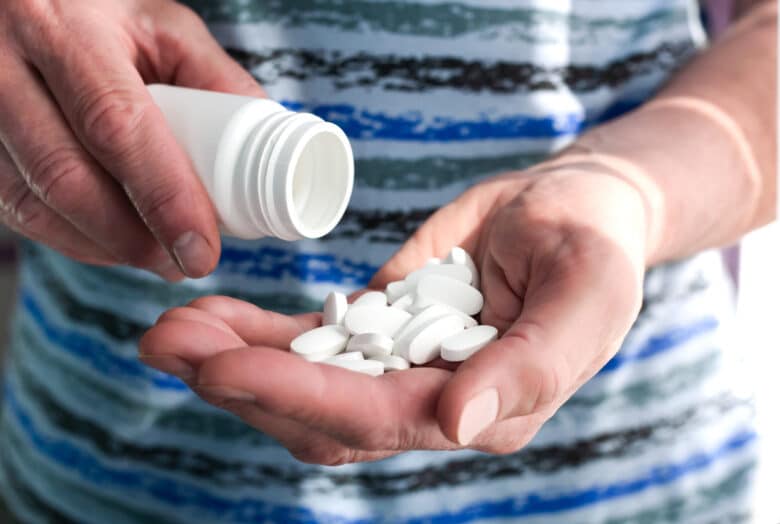
Anti-nausea medications can help reduce how sick you feel on semaglutide.
You can get over-the-counter anti-nausea medications or supplements, like bismuth subsalicylate (Pepto Bismol®), dimenhydrinate (Dramamine®), or ginger. You can also ask your healthcare provider about prescription anti-nausea medications like ondansetron (Zofran®).
Zofran is approved by the Food and Drug Administration (FDA) to reduce nausea and vomiting caused by radiation, surgery, and chemotherapy. Medical providers often prescribe it for other types of nausea, too.
You can take ondansetron as needed when nausea crops up. It should start working within an hour — sometimes sooner.

9. Speak to Your Healthcare Provider
Don’t be afraid to reach out to your prescribing healthcare provider if semaglutide nausea is hard to deal with. There are several things they might consider doing to help, including lowering your dose or keeping you on your current dose for longer.
Your provider might also prescribe anti-nausea medication or suggest other nausea remedies we haven’t listed here.

10. Consider Semaglutide Alternatives
If semaglutide nausea really doesn’t get better, your healthcare provider may recommend a different medication for weight loss or weight management.
Semaglutide alternatives could include:
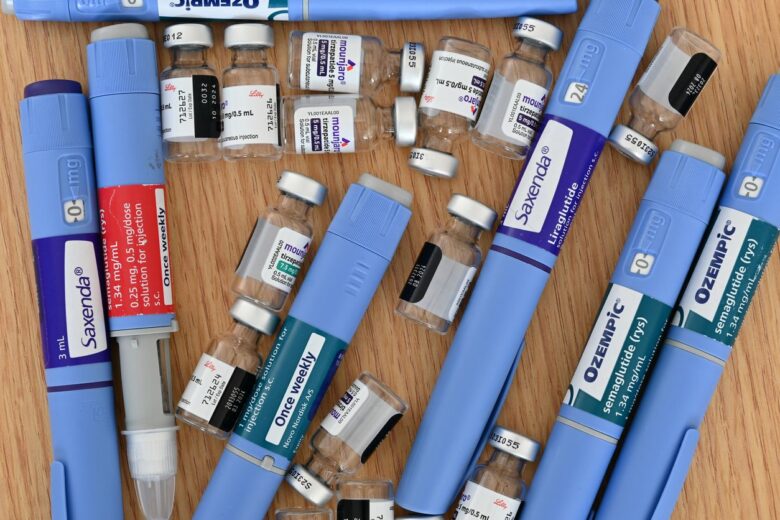
- Tirzepatide (Mounjaro®, Zepbound®)
- Liraglutide (Victoza®, Saxenda®)
- Metformin
- Topiramate
Some of these medications are FDA-approved to help people with type 2 diabetes manage their blood sugar levels. But a healthcare professional may prescribe them off-label for weight loss.
Others are FDA-approved for obesity or overweight if you have a weight-related medical condition.
A healthcare provider can help you decide on the best medication for you.

11. Look Out for Other Symptoms
Nausea and other semaglutide upset stomach symptoms are usually nothing to worry about. In rare cases, though, they could be a sign of something more serious.
A rare side effect of Wegovy® and Ozempic® is inflammation of the pancreas (pancreatitis). Reach out to a medical professional if you have any of these other symptoms of pancreatitis:
- Vomiting
- Severe, sharp stomach pain or cramping
- Stomach pain that radiates into the back
Semaglutide is also linked to gallbladder issues like gallstones. If you’re vomiting and have abdominal pain in your upper-right stomach, seek medical advice right away.
Semaglutide Nausea: Final Thoughts
Semaglutide nausea is a common adverse effect. But it should go away with time, and there are steps you can take to feel better in the meantime.
Here’s the key advice again:
- Think about what and how much you eat. Fatty foods can be triggering, whereas bland foods may help soothe nausea. Avoid large meals that make you feel bloated and uncomfortable.
- Think about what you drink. Carbonated drinks, alcohol, and coffee could trigger semaglutide nausea. Drink plenty of water, but avoid it close to and during mealtimes to see if that helps with feeling overly full.
- Talk to your healthcare provider. They may recommend a dose adjustment, a different medication, or prescription anti-nausea medication.

FAQs
See answers to common questions about semaglutide nausea.
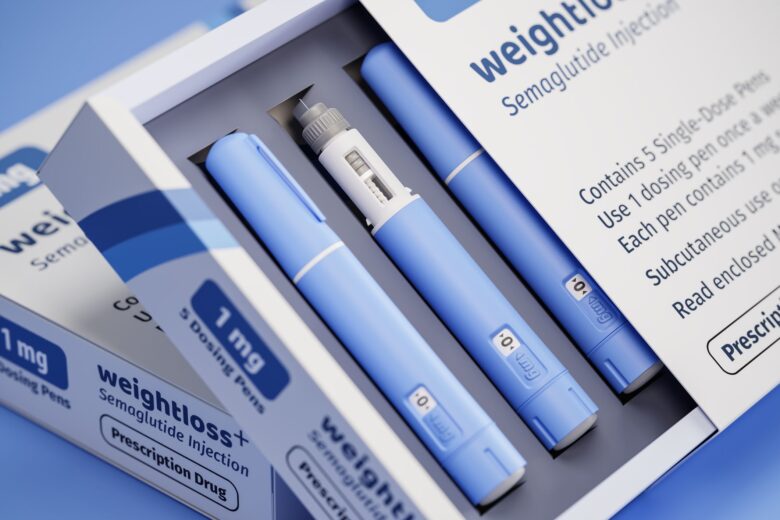
Where is the best place to inject semaglutide to avoid nausea?
You can inject semaglutide into your thigh, stomach, or upper arm. There isn’t one best place to inject semaglutide to avoid nausea, but you should choose a new injection site each week to avoid irritation.

Does Zofran work for semaglutide nausea?
Yes, Zofran works for semaglutide nausea. It can kick in in 30 to 60 minutes and provide short-term relief from an upset stomach or nauseous feeling.

Do Tums® help with semaglutide nausea?
Yes, Tums may help with semaglutide nausea. Tums may also reduce other semaglutide side effects like heartburn and indigestion.
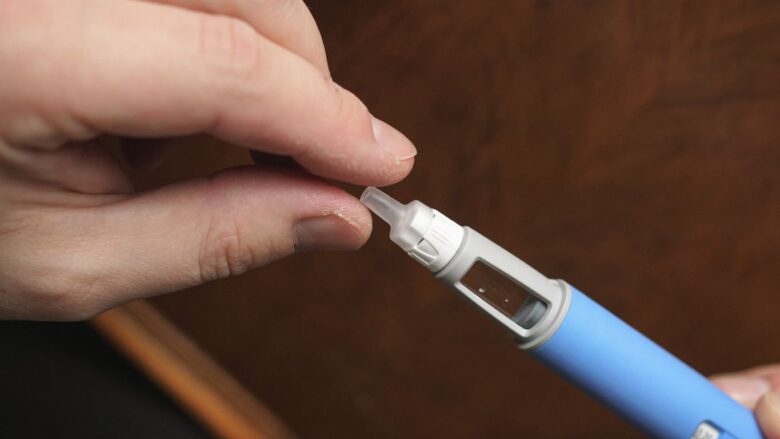
How do you get rid of nausea from semaglutide?
You can get rid of nausea from semaglutide by eating smaller meals more regularly, limiting activity after meals, and taking anti-nausea medication like ondansetron.
- Related: Compounded Semaglutide
- Related: The 6 Best Weight Loss Supplements for Men
Like MediaFeed’s content? Be sure to follow us.
This article originally appeared on Hims.com and was syndicated by MediaFeed.org.