
Historic events you only know about because of your grandparents
Personal history transmitted through oral tradition fills crucial gaps left by textbooks that focus on grand narratives, political leaders, and significant battles rather than the lived experiences of ordinary people navigating extraordinary times. Family stories preserve details about how historical events actually affected daily life, community relationships, and individual choices that shaped subsequent generations. These accounts provide texture and humanity that formal histories often lack through their emphasis on dates, statistics, and macro-level analysis.
The grandparent generation who lived through the early to mid-20th century witnessed technological and societal transformations more dramatic than any previous period in human history, experiencing changes from horse-drawn transportation to space exploration within a single lifetime. Their direct memories of events that shaped modern society provide irreplaceable perspectives on how ordinary people adapted to circumstances beyond their control. These living archives provide insights into resilience, community cooperation, and the human costs of historical forces that are often overlooked in conventional historical accounts.
The most compelling and humanizing historical events often weren’t front-page news but are preserved as family lore, offering intimate views of history’s true impact on individual lives and local communities that statistics and official narratives cannot capture.

Local responses to the Great Depression
The Great Depression’s impact extended far beyond Dust Bowl imagery and unemployment statistics, creating hyperlocal survival strategies through bartering networks, community aid systems, and resourcefulness that varied dramatically across neighborhoods and regions. Small towns developed informal economies where services and goods were exchanged without the use of currency, creating social bonds that endured long after the economic recovery. Families traded childcare for vegetables, repairs for meals, and skills for housing in arrangements that formal economic records never documented.
The psychological scars from bank failures and lost family businesses created lasting behavioral changes, including extreme thrift, distrust of financial institutions, and hoarding behaviors that seemed irrational to subsequent generations who didn’t experience the trauma. Grandparents who lost farms or businesses often maintained emergency food supplies and hidden cash reserves decades later, unable to trust that economic stability would persist. These personal responses to economic catastrophe shaped family cultures around money, risk, and security for multiple generations.
Prohibition’s hidden economy
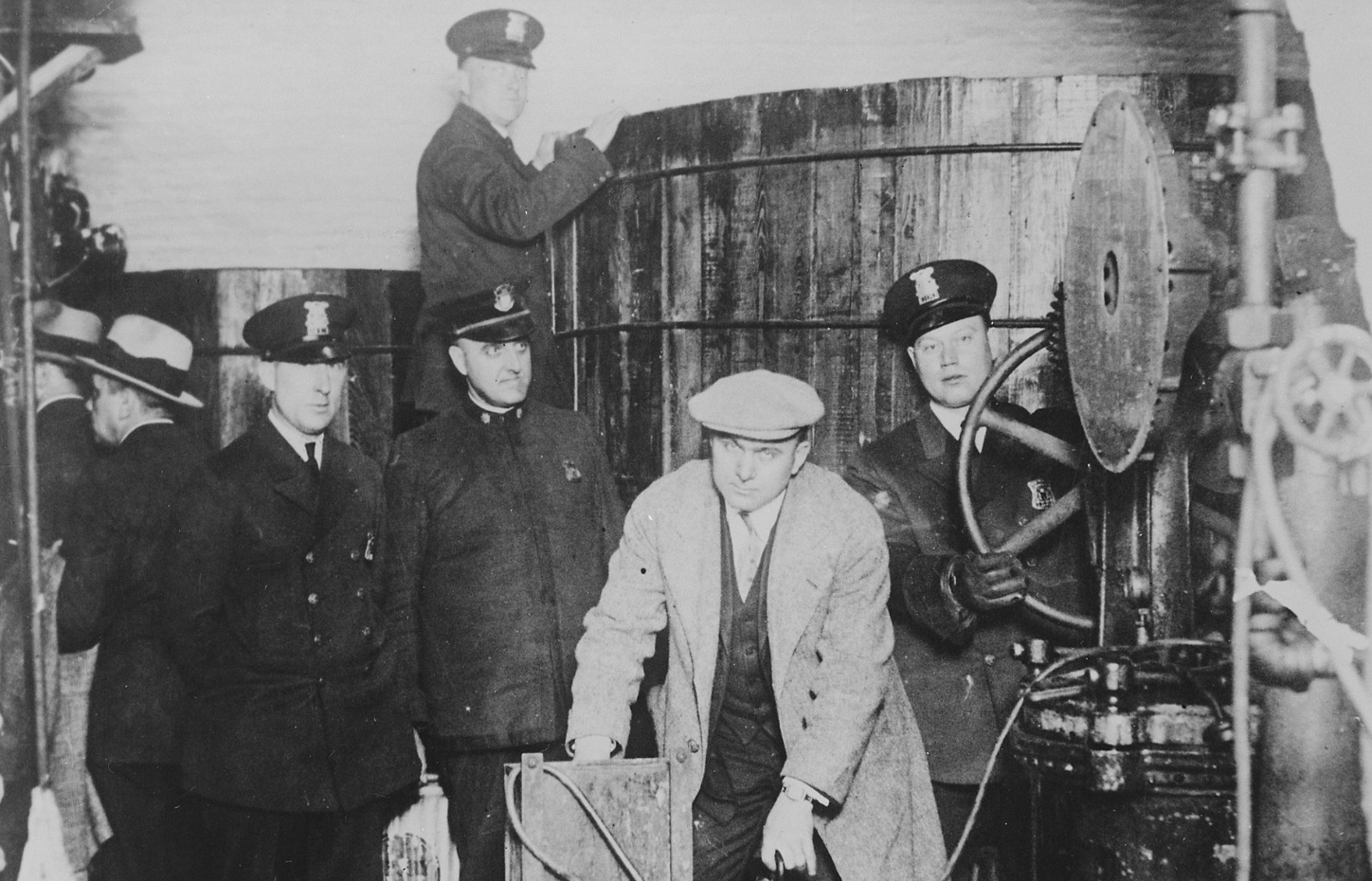
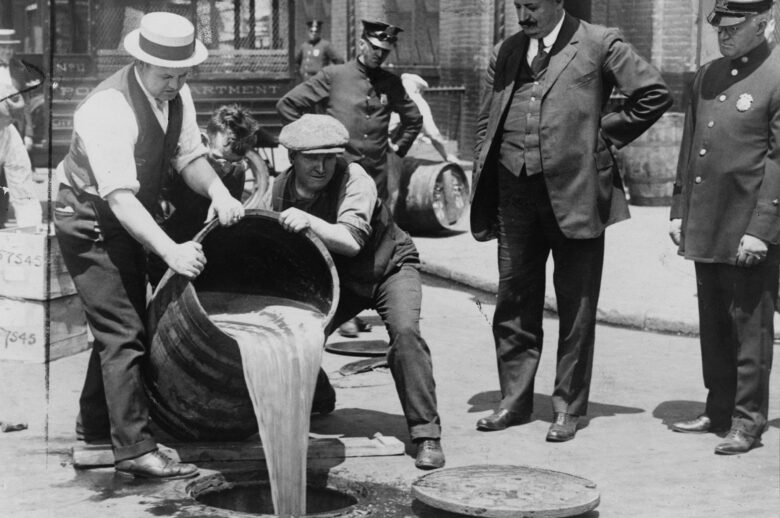
Prohibition created underground economies where ordinary families engaged in low-level bootlegging, including bathtub gin production and moonshine distribution as economic necessity rather than criminal enterprise. Many grandparents have stories of relatives who supplemented Depression-era incomes through illegal alcohol production or distribution, viewing it asa survival strategy rather than a moral failing. The widespread participation in prohibited activities normalized law-breaking in ways that shaped attitudes about regulatory authority for entire generations.
Local law enforcement often maintained uneasy truces with community bootleggers, creating complex relationships where police overlooked certain activities as long as violence remained absent and community standards were maintained. Grandparents recall specific confrontations, narrow escapes, and negotiated boundaries between bootleggers and police that reflected pragmatic compromises rather than strict law enforcement. These stories reveal how national prohibition policies played out through local power dynamics and economic realities, forcing communities to adapt laws to their specific circumstances.

Rural electrification transformations
The arrival of electricity to rural homes represented life-altering moments that grandparents remember with specificity about the exact dates when power lines reached their farms and the immediate transformations that followed. The wonder of electric lights, eliminating kerosene lamps; refrigeration, ending reliance on iceboxes and root cellars; and powered appliances, replacing manual labor, created changes more dramatic than any subsequent technological advancement. Families who had drawn water from wells, used outhouses, and washed laundry by hand suddenly had access to indoor plumbing, electric pumps, and washing machines that freed up hours of daily labor.
The elimination of ice delivery routes that had structured rural commerce, hand-washing that had consumed entire days, and manual food preservation that had required extensive seasonal work fundamentally restructured rural life within a single year. Grandparents recall the ice man’s final deliveries, the last time they hand-pumped water, and the first electric appliance purchases as watershed moments dividing their lives into before and after periods. These technological advancements ended centuries of manual labor practices and brought rural areas into modernity, a state that urban populations had enjoyed for decades.

Pre-interstate travel ordeals
Cross-country travel before the Interstate Highway System required days or weeks on unpaved roads, dirt tracks, and poorly marked routes, making modern road trips seem incomprehensibly easy by comparison. Grandparents recall specific journeys where families spent multiple days covering distances that now require hours, navigating by paper maps, local directions, and landmarks rather than GPS or highway signs. The physical toll of rough roads, frequent vehicle breakdowns far from assistance, and the absence of rest stops or reliable accommodations made long-distance travel a genuine adventure that required careful planning and significant risk tolerance.
Families camping roadside when no lodging was available, repairing their own vehicles when breakdowns occurred in remote areas, and relying on the hospitality of strangers for directions and assistance created travel experiences fundamentally different from modern highway driving. The journey itself consumed a significant portion of vacation time, as reaching destinations hundreds of miles away required multiple overnight stops. These travel stories reveal how geographic distance functioned differently before highway systems compressed space and time, keeping most people within limited ranges throughout their lives and creating regional isolation that shaped distinct local cultures.
Wartime rationing realities
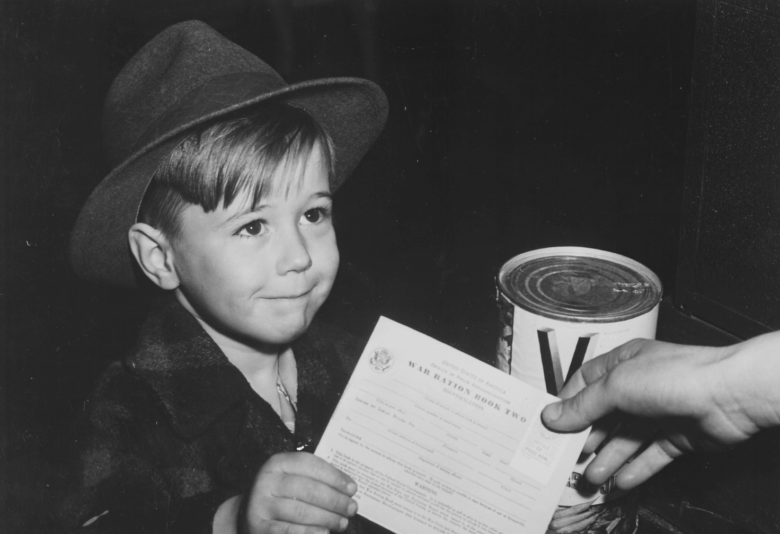
World War II rationing created daily challenges where families developed creative strategies for stretching limited resources, for example ration stamps for sugar, meat, butter, and gasolin,e that required careful household management. Grandparents recall specific recipes that used unusual substitute ingredients, such as mock apple pie made from crackers, victory cake without eggs or butter, and creative protein sources when meat was unavailable. The humor and ingenuity families applied to cooking restrictions provided psychological relief from wartime stress and uncertainty about loved ones in combat.
Clothing repairs extended garment lifespans years beyond their normal use through patching, darning, and creative alterations, making old items serviceable when new purchases were impossible. Women transformed adult clothing into children’s outfits, repurposed fabric scraps into quilts and household items, and maintained appearances despite shortages through resourcefulness that seems extreme by contemporary standards. The rationing experience created lasting habits, including waste avoidance, repair skills, and careful resource managemen,t that seemed outdated to subsequent generations raised in abundance.
Local wartime industries
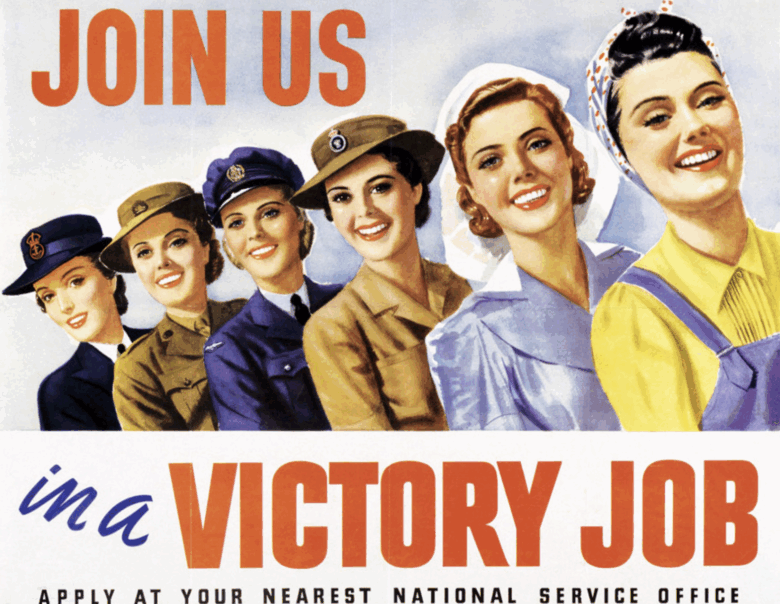
Communities hosted temporary specialized factories producing obscure military components, such as specific airplane parts, ship fittings, ammunition casings, and other war materiel that created sudden employment booms in areas previously lacking industrial infrastructure. Grandparents who worked in these facilities remember specific manufacturing processes, the intensity of wartime production schedules, and workplace cultures where productivity directly supported combat operations. The factories’ rapid construction and equally rapid closure after the war’s end created brief economic transformations followed by challenging transitions back to peacetime economies.
Women entering industrial work for the first time experienced economic independence and skilled labor that expanded their sense of capabilities and life possibilities beyond traditional domestic roles. The experience of earning substantial wages, mastering complex machinery, and contributing meaningfully to war efforts created confidence that peacetime pressure to return to homemaking couldn’t entirely erase. These personal accounts of wartime industry reveal how temporary economic and social changes affected individual lives in ways that aggregate statistics about female workforce participation cannot capture.

Draft day anxieties
The uncertainty surrounding draft notices created intense family anxiety as members waited to learn which sons, brothers, or fathers would be conscripted, with memories of specific moments when draft numbers arrived remaining vivid decades later. Grandparents recall the dread of checking mailboxes, the complex emotions when family members received high numbers providing temporary relief, and the grief when loved ones departed for service with uncertain return prospects. The pre-television era meant these pivotal moments occurred through letters and telegrams rather than instant communication, creating delayed information that intensified anxiety.
The rituals families developed around draft day, such as gathering for number announcements, supporting neighbors whose family members were selected, and the community-wide tension as local young men departed, created shared trauma that bonded communities. The randomness of draft selection meant families felt powerless as fate determined which members would face combat dangers. These memories preserve the home front emotional experience of conscription that military historieshave focused on battlefield events rarely address.
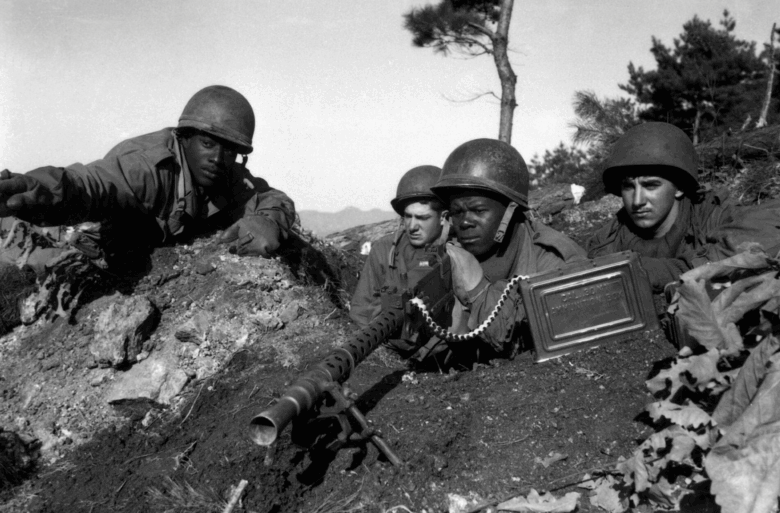
The Korean War’s invisibility
The Korean War exists primarily in the memories of veterans and their families rather than in the broader cultural consciousness, creating a forgotten conflict that profoundly affected those who served despite minimal public commemoration or collective memory. Grandparents who served in Korea or had family members deployed recall feeling forgotten by a nation eager to move past wartime sacrifice and focus on postwar prosperity. The absence of victory parades, limited media coverage compared to World War II, and rapid cultural amnesia about the conflict left veterans feeling their service was unappreciated and their sacrifices unrecognized.
The war’s complex political nature and inconclusive outcome meant it lacked the clear narrative structure that made World War II culturally comprehensible and celebratable. Veterans returned to communities that wanted to forget the conflict rather than honor it, creating isolation and resentment that lasted lifetimes. These personal accounts preserve a major military conflict that has largely been forgotten from public consciousness, despite its significant casualties and geopolitical consequences.

Veteran return struggles
Returning veterans faced psychological and physical challenges before modern veteran care systems, disability benefits, or public acknowledgment of combat trauma existed, forcing families to manage these burdens privately without professional support. Grandparents recall relatives who struggled with what would now be recognized as PTSD, coping through silence, alcohol, or isolation that damaged family relationships for years. The cultural expectation that veterans should simply resume normal life ignored the profound effects of combat trauma that many could never fully process or overcome.
Physical injuries often lacked adequate medical treatment or assistive technologies, forcing veterans to adapt to disabilities with limited support from the government or society. Missing limbs, hearing loss, respiratory damage from chemical exposure, and other service-connected conditions received minimal compensation or accommodation. The absence of public discussion about veteran struggles meant families bore these costs privately, creating legacies of unprocessed trauma and untreated injuries that affected multiple generations.

Immigrant community establishment
Immigrant families establishing themselves in unfamiliar American cities during the late 19th and early 20th centuries faced language barriers that made basic transactions challenging, cultural isolation in neighborhoods where they sought others from their homelands, and discrimination that limited employment and housing options. Grandparents recall parents or grandparents navigating American institutions without English proficiency, relying on community members for translation and guidance. The necessity of ethnic enclaves where shared language and customs provided support created tight-knit communities that preserved cultural traditions against pressure to assimilate completely.
Employment often involved exploitation as immigrants, lacking English skills and legal knowledg,e accepted dangerous work, unfair wages, and poor conditions that native workers refused. Grandparents recall family members working in factories, mines, or service positions where bosses exploited their vulnerable status. The combination of external hostility and internal community support created complex relationships with both American and heritage identities, as families balanced the preservation of traditions with the adoption of American practices necessary for economic survival and social acceptance.
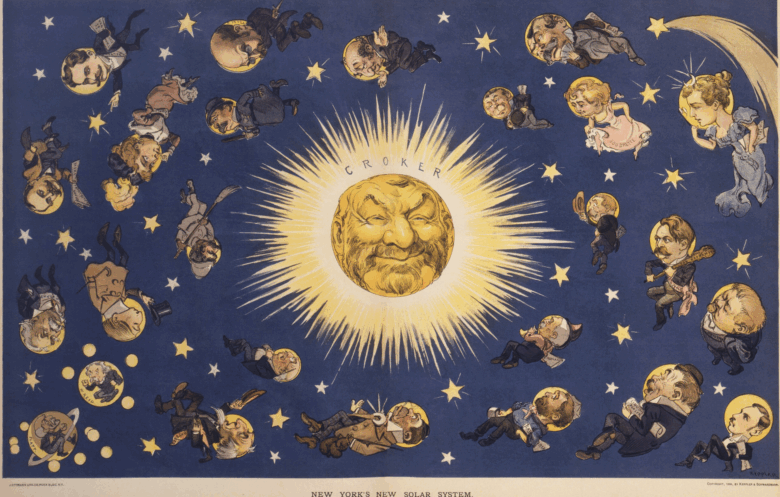
Local political machines
Urban political machines mediated between immigrant communities and broader American society, creating relationships where ward bosses and precinct captains provided essential services like job placement, legal assistance, and emergency aid, in exchange for political loyalty and votes. Grandparents recall specific political operators who served as community power brokers, corrupt yet effective in delivering results for their constituents. The transactional nature of machine politics meant neighborhoods received services and representation through informal networks rather than formal government channels.
These political relationships involved both genuine assistance and exploitation, as bosses demanded loyalty and sometimes resorted to intimidation to maintain control. Grandparents recall how neighborhoods functioned through these informal power structures where political connections determined access to employment, housing, and legal protection. These stories preserve urban political history that official records sanitize by presenting government as operating through formal democratic processes rather than the patronage networks that actually structured many communities.
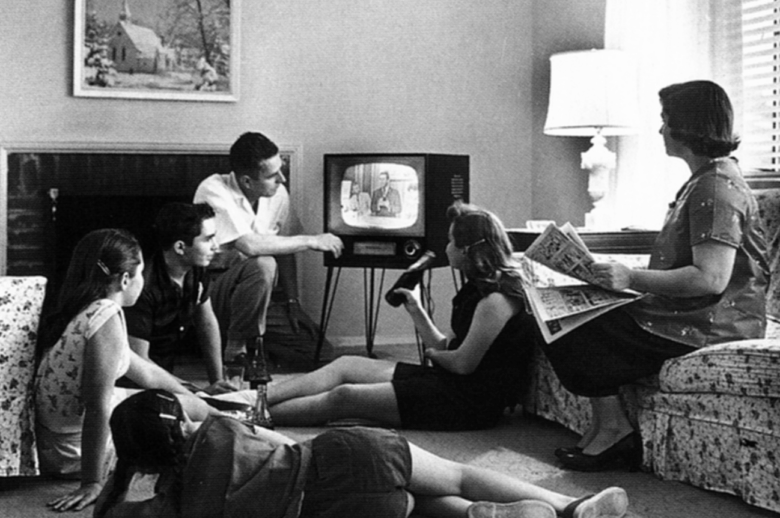
Television’s neighborhood arrival
The arrival of the first television set in a neighborhood created transformative social events where families gathered to watch limited programming on small black-and-white screens, fundamentally changing how communities consumed news and entertainment. Grandparents recall specific programs that drew neighborhood audiences, including early variety shows, sporting events, and news broadcasts that became communal viewing experiences. The technology’s novelty made early television watching a social activity rather than the solitary or nuclear family experience it would later become.
Neighbors who purchased television sets initially became informal community centers where others gathered to watch special broadcasts or regular programs. The social rituals around television viewing, including arranging chairs, preparing snacks for guests, and discussing program,s created bonds that later disappeared as television ownership became universal and viewing became private. These memories preserve the transition period when television was sufficiently rare to function as a shared community resource rather than an individual household appliance.
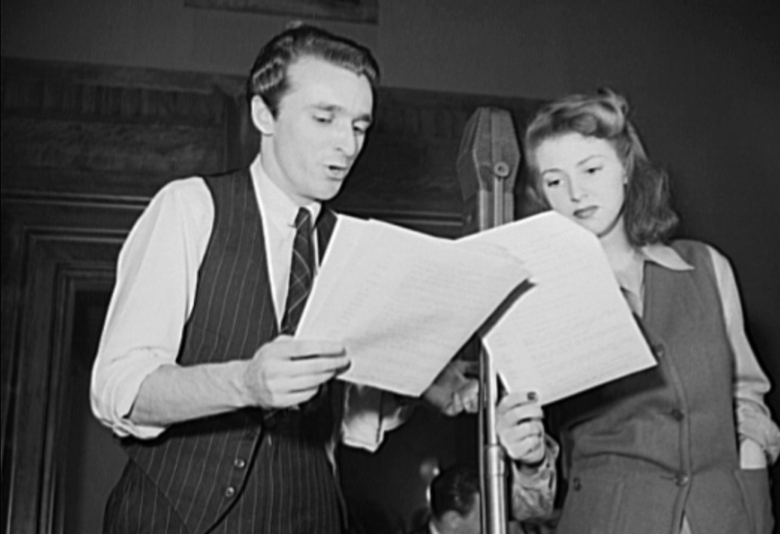
Radio’s golden age
Radio’s decline meant the loss of particular listening practices, including gathered family attention focused on serialized dramas, comedy programs, and news broadcasts that required imaginative engagement from audio-only storytelling. Grandparents recall their favorite radio programs with specificity, demonstrating how deeply these shows penetrated family life and cultural consciousness before the dominance of television’s visual appeal. The entire family gathering around radio sets for evening programming created shared experiences and discussion topics that structured social life.
Specific programs, including soap operas, mystery serials, comedy shows, and adventure program,s developed devoted followings where missing episodes meant missing crucial story developments and being excluded from next-day conversations. The appointment listening required by scheduled broadcasts created rhythms that structured daily routines around program times. The transition from radio to television reshaped not just entertainment consumption but family interaction patterns, conversation topics, and the imaginative work required by different media forms.
Forgotten regional disasters
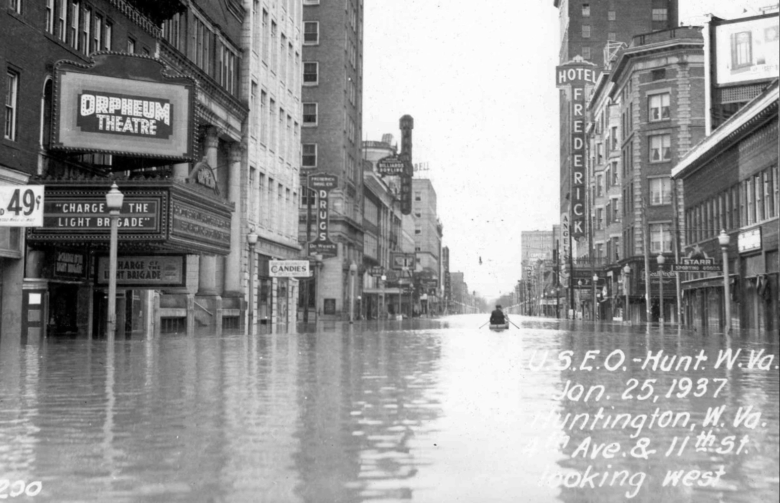
Regional floods, blizzards, fires, and other disasters that devastated local communities often fade from national memory, despite their profound local impacts, which include killing residents, destroying infrastructure, and requiring years of rebuilding that shape community identities. Grandparents recall specific catastrophes, including the Great Flood of 1937, affecting multiple states, regional blizzards that isolated communities for weeks, urban fires that destroyed entire neighborhoods, and other disasters that received minimal national attention. These events exist primarily in local memory and family stories rather than broader historical consciousness.
The community responses to these crises, including mutual aid networks, reconstruction efforts coordinated through churches and civic organizations, and the resilience required to rebuild homes and lives demonstrate how ordinary people responded to extraordinary challenges. The absence of federal disaster relief meant communities relied on themselves, neighboring towns, and charitable organizations for recovery assistance. Stories of neighbors sharing shelter, pooling resources for rebuilding, and supporting families who lost everything preserve local solidarity and tragedy that broader histories overlook in favor of nationally significant events.

Conclusion
The urgency of capturing these stories grows as the grandparent generation passes, taking irreplaceable firsthand accounts of 20th-century events that will never again be available from living witnesses who experienced them directly. Each lost storyteller represents lost historical detail, personal context, and human perspective that cannot be recovered from documents, photographs, or official records alone. The fragility of oral history means that undocumented stories disappear completely when their bearers die, creating permanent gaps in historical understanding.
Personal accounts provide emotional context and shared humanity that statistics and dates cannot convey, transforming abstract historical forces into individual experiences that demonstrate the human costs and triumphs of history. These stories make history tangible by connecting grand narratives to specific people, places, and moments that reveal how ordinary individuals navigated extraordinary times. The emotional truth of personal accounts often reveals more about historical reality than official histories, which often sanitize or simplify complex events to fit coherent narratives.
Ask your grandparents or elderly relatives specific, open-ended questions about their experiences with historical events, technological changes, economic hardships, wartime life, and community transformations to uncover unique historical archives before these irreplaceable perspectives are lost forever. Questions about specific objects, daily routines, community relationships, and memorable moments often elicit richer stories than broad questions about significant historical events. Check out our other oral history and family heritage articles here at MediaFeed to discover additional strategies for preserving family stories and understanding how personal histories connect to broader historical narratives that shape our understanding of the past.
Related:
Like MediaFeed’s content? Be sure to follow us.
This article was syndicated by MediaFeed.org.



