Movie plot twists that everyone predicted
The thrill of experiencing a well-executed cinematic twist creates memorable viewing moments that audiences discuss and debate for years after leaving theaters. However, some of the most famous plot revelations in film history telegraphed their surprises so clearly that attentive viewers recognized the twists long before their official reveals. These predictable moments often result from overused narrative patterns, obvious foreshadowing, or cultural saturation that spoils surprises before new audiences encounter them.
Filmmakers work extensively to craft shocking reveals that recontextualize entire narratives and force audiences to reconsider everything they witnessed, but execution quality varies dramatically across different films and genres. Some iconic “surprises” functioned more as confirmations of audience suspicions rather than genuine shocks, transforming anticipated revelations into satisfying validations of viewer intelligence. Understanding why certain twists become predictable reveals patterns in storytelling construction and the challenges filmmakers face when attempting to genuinely surprise sophisticated audiences genuinely.
This article explores iconic plot twists that audiences anticipated through careful attention to narrative clues, character behaviors, and familiar storytelling patterns, which made supposedly shocking revelations feel inevitable.

Miranda Tate reveals herself as Talia al Ghul
The Dark Knight Rises attempted to surprise audiences by revealing that Miranda Tate, Bruce Wayne’s romantic interest and a member of the Wayne Enterprises board, was actually Talia al Ghul, seeking revenge for her father’s death. The twist aimed to reframe the film’s conflict by exposing Bane as merely a lieutenant rather than the primary antagonist. However, the revelation felt predictable to viewers familiar with Batman mythology and attentive to the film’s narrative construction.
Marion Cotillard’s limited screen time and character development suggested hidden significance beyond her surface role as romantic interest and business ally. The film’s emphasis on Ra’s al Ghul’s legacy and the League of Shadows throughout the trilogy made the appearance of his daughter seem likely rather than shocking. Additionally, the absence of other compelling candidates for hidden antagonist roles made Miranda the apparent choice for viewers analyzing the narrative structure.

Tyler Durden’s true nature in Fight Club
Fight Club is constructed to reveal that Tyler Durden existed only as a dissociative identity of the unnamed narrator, recontextualizing the entire narrative as an exploration of fractured consciousness and a masculine identity crisis. The twist aimed to shock audiences into recognizing they had been watching a single character’s internal conflict externalized through separate personas. However, numerous clues throughout the film telegraphed this revelation to attentive viewers.
The film’s surreal visual style, the narrator’s unexplained blackouts, and Tyler’s impossible knowledge about the narrator’s private experiences all suggested something beyond surface reality. The reactions of other characters to conversations apparently involving both men hinted at the narrator’s solitary nature. The revelation confirmed what careful viewers had already deduced through accumulated evidence rather than delivering genuine surprise.
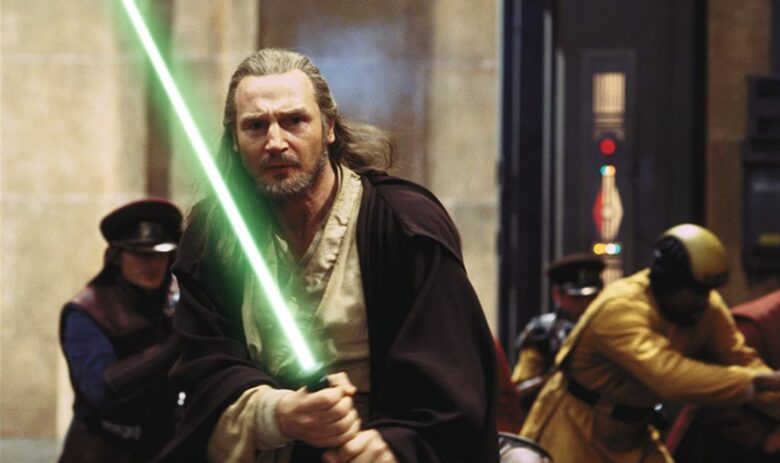
Senator Palpatine as Darth Sidious
The Phantom Menace attempted to conceal Senator Palpatine’s identity as Sith Lord Darth Sidious despite both characters being played by the same actor with minimal disguise or voice alteration. The film’s narrative structure positioned these as separate characters involved in galactic political machinations. However, the identical appearance and the lack of other viable candidates made the connection obvious to viewers.
The twist held no surprise for audiences familiar with the original Star Wars trilogy who knew Palpatine would become the Emperor. Even viewers encountering the prequels without prior knowledge could recognize the identical actors and suspicious narrative positioning. The “revelation” functioned more as inevitable plot confirmation than genuine twist.
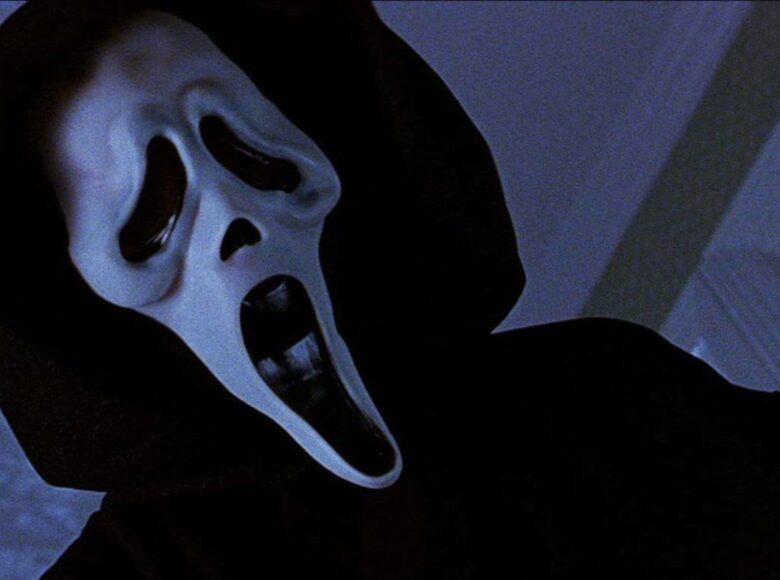
Billy and Stu as the Scream killers
Scream attempted to surprise audiences by revealing that the protagonist, Sidney’s boyfriend Billy, and his friend Stu were both the Ghostface killers working together to murder their classmates. The film positioned this as a shocking betrayal that subverted slasher genre conventions. However, the movie’s self-aware commentary on horror tropes and Billy’s suspicious behavior throughout made the revelation predictable to viewers analyzing character motivations.
Billy’s apparent connection to Sidney’s traumatic past and his convenient absences during key murder scenes both pointed toward his guilt. The film’s emphasis on questioning genre conventions prepared audiences to suspect the boyfriend character, who would typically be cleared as a suspect. The dual killer reveal functioned more as confirmation of the most statistically likely suspects than genuine surprise.
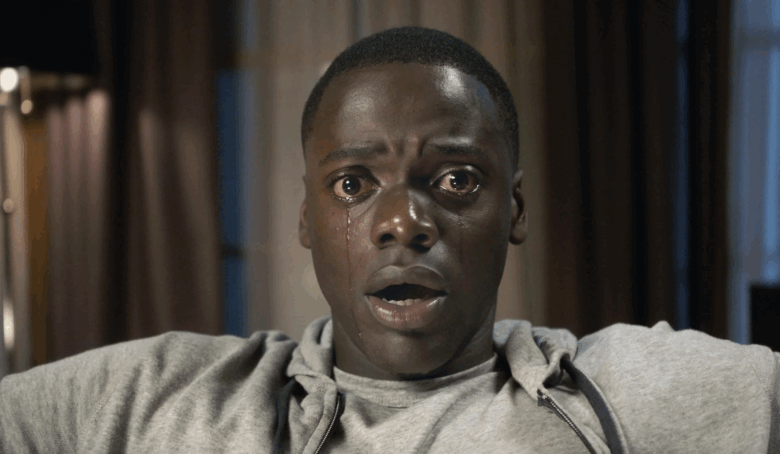
Rose’s complicity in Get Out
Get Out was built toward revealing that Chris’s girlfriend, Rose, had been luring Black victims to her family’s estate as part of their body-stealing operation rather than being an unknowing participant in her family’s crimes. The film portrayed this as a devastating betrayal, reframing Rose’s entire relationship with Chris as one of predatory manipulation. However, Rose’s defensive reactions when Chris questioned her family and her suspicious behavior during key moments telegraphed her involvement to attentive viewers.
The narrative’s emphasis on systemic racism and white complicity prepared audiences to question Rose’s innocence despite her apparent allyship. Her family’s openness about their activities in her presence suggested she knew more than she claimed. The revelation confirmed what viewers analyzing the film’s racial commentary had already suspected about performative white allyship.
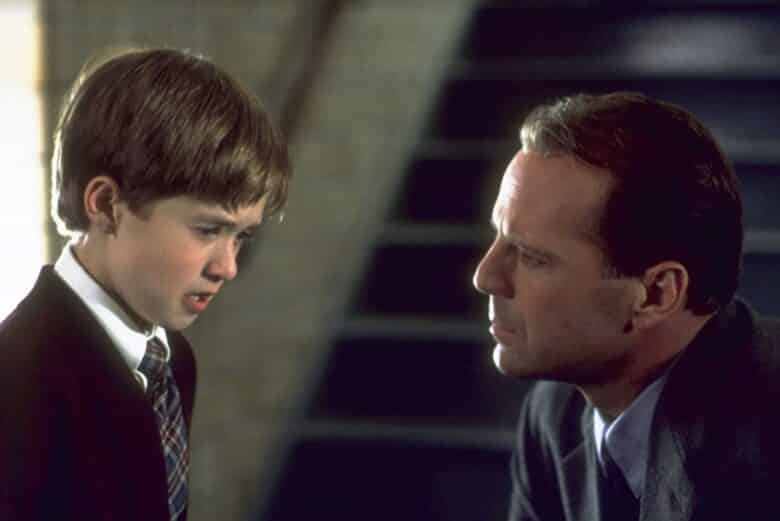
Malcolm Crowe’s death in The Sixth Sense
The Sixth Sense became famous for revealing that child psychologist Malcolm Crowe had been dead throughout the film after being shot in the opening sequence. The twist recontextualized all of Malcolm’s interactions as those of a ghost who was unaware of his own condition. However, numerous clues throughout the film signaled this revelation to observant viewers who questioned inconsistencies in Malcolm’s experiences.
Malcolm’s wife never directly interacted with him; his unchanged clothing throughout months of narrative time, and the general coldness of his environment all suggested something beyond surface reality. The film’s focus on Cole’s ability to see dead people who are unaware of their own mortality provided the interpretive framework for understanding Malcolm’s situation. Viewers who noticed these patterns predicted the twist well before its official reveal.
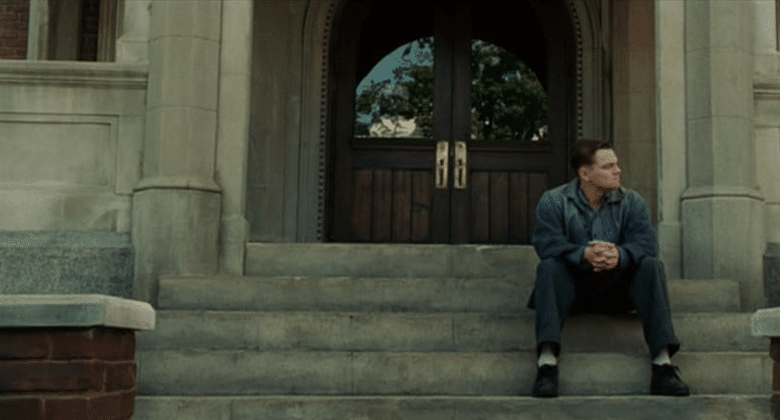
Teddy Daniels as a patient in Shutter Island
Shutter Island structured its narrative around U.S. Marshal Teddy Daniels investigating a missing patient at a psychiatric facility before revealing that Teddy himself was a patient living an elaborate delusion as part of his treatment. The film intended this revelation to force a complete narrative reinterpretation. However, the unreliable narrator framework and dreamlike quality of events telegraphed the twist to viewers familiar with psychological thriller conventions.
The exaggerated performances from facility staff, the impossibly elaborate investigation scenarios, and frequent reality distortions suggested the surface narrative couldn’t be trusted. The film’s structure mirrored other psychological thrillers that deployed similar patient-believing-themselves-investigator frameworks. Viewers recognizing these patterns anticipated the revelation before the film’s climactic disclosure.
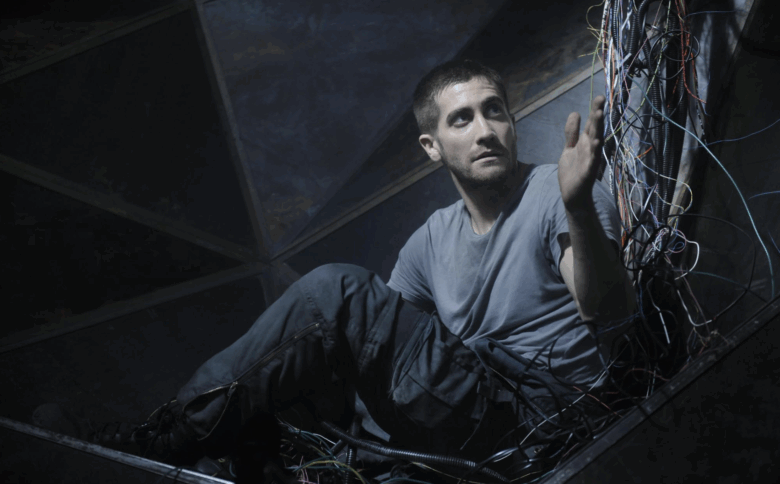
Source Code’s mission objectives
Source Code revealed that protagonist Colter Stevens was not physically traveling back in time to prevent a terrorist attack but rather experiencing the final eight minutes of a deceased passenger’s consciousness repeatedly as part of a military experiment. The film positioned this as a shocking recontextualization of the mission’s true nature. However, the impossible physics of the time travel mechanics and the suspicious nature of military oversight telegraphed the deception to viewers, questioning the premise.
The limited scope of the time window and the project’s military control both suggested something beyond the surface explanation provided to the protagonist. The film’s science fiction framework prepared audiences to expect revelations about the true nature of the technology. The twist confirmed suspicions that the seemingly straightforward time travel narrative concealed a darker experimental reality.
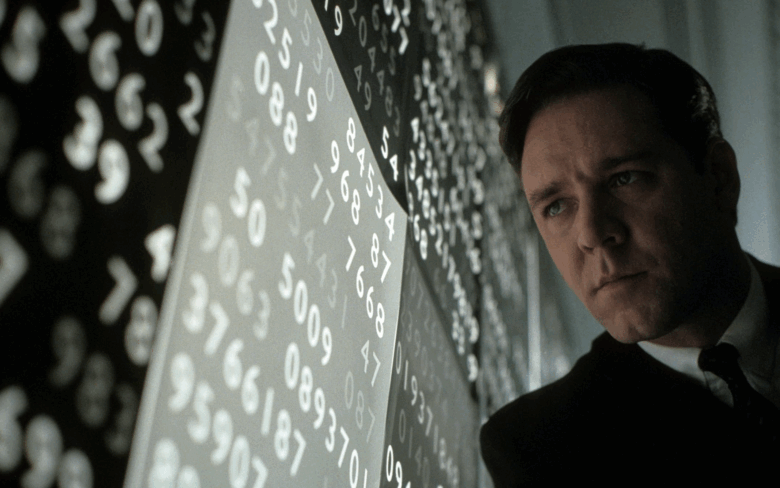
A Beautiful Mind’s imaginary characters
A Beautiful Mind structured its narrative around mathematician John Nash’s professional struggles before revealing that several key characters, including his roommate Charles, government agent William Parcher, and Parcher’s niece, existed only as manifestations of Nash’s schizophrenia. The film intended this as a shocking recontextualization of Nash’s experiences. However, the dreamlike quality of specific scenes and the suspicious nature of the government conspiracy subplot telegraphed the unreliable narrator framework to viewers.
The exaggerated spy thriller elements contrasted sharply with the film’s academic setting, suggesting something beyond surface reality. The limited interactions between the imaginary characters and Nash’s verified real-world contacts hinted at their fabricated nature. Visual cues, including the characters never aging and appearing in impossible locations, signaled their unreality. The revelation confirmed what viewers questioning the narrative’s tonal inconsistencies had already suspected.

The Village’s modern setting
The Village attempted to shock audiences by revealing that the seemingly 19th-century isolated community actually existed in contemporary times as an intentional retreat from modern society created by people traumatized by urban violence. The film positioned this as a major twist that reframed the entire horror premise. However, numerous anachronisms and the implausibility of maintaining complete isolation telegraphed the modern setting to attentive viewers.
The overly detailed period settings and the elders’ suspicious control over information both suggested deliberate construction rather than an authentic historical community—the lack of explanation for how such isolation could persist made the contemporary setting the logical solution. The appearance of modern elements, including a park ranger and medical supplies, confirmed what the narrative structure had already suggested to skeptical viewers.

Darth Vader as Luke’s father
The Empire Strikes Back delivered cinema’s most famous plot twist by revealing that Darth Vader was Luke Skywalker’s father rather than the murderer of Anakin Skywalker as Obi-Wan had claimed. The revelation was genuinely shocking to original theatrical audiences, who had no cultural context to prepare them for this connection. However, subsequent viewings and cultural saturation have rendered the twist entirely predictable for new audiences who encounter it after decades of exposure to spoilers and references.
The twist’s iconic status means that virtually every contemporary viewer knows the revelation before watching the film, transforming a genuine surprise into an anticipated moment. Even viewers attempting to avoid spoilers encounter countless references that telegraph the relationship. The “twist” now functions as a cultural touchstone rather than a narrative surprise for audiences who grew up knowing Vader’s true identity.

Ego as Star-Lord’s father
Guardians of the Galaxy Vol. 2 built toward revealing that the celestial being Ego was Peter Quill’s long-sought father, positioning this as a major emotional revelation and plot twist. However, the film telegraphed this connection so clearly through Ego’s immediate attachment to Peter and the narrative’s emphasis on paternity that the revelation felt inevitable rather than surprising.
Kurt Russell’s casting as a godlike being who takes immediate interest in the protagonist suggested a significant connection beyond a chance meeting. The film’s thematic focus on family and parenthood prepared audiences for a father revelation. The lack of alternative explanations for Ego’s interest in Peter made the paternal connection the obvious narrative destination from his first appearance.
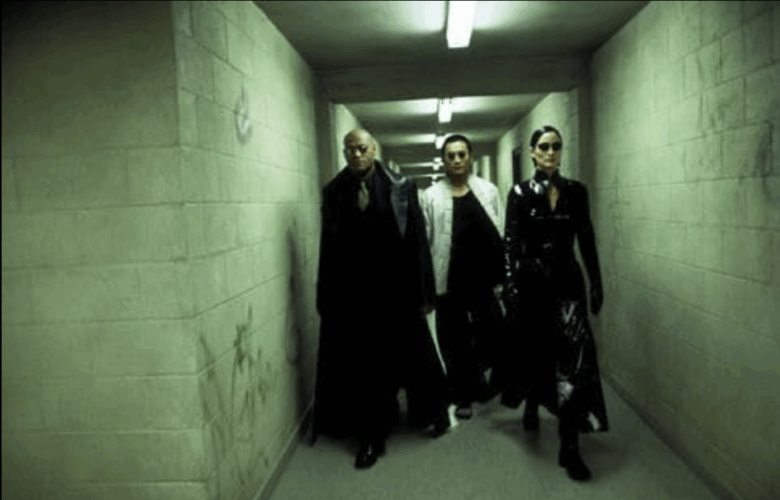
The Architect’s revelation in The Matrix Revolutions
The Matrix Revolutions revealed that the Architect had designed the Matrix with Neo’s rebellion as an intentional component of system control rather than genuine resistance against machine domination. The film positioned this as a philosophical reframing of the entire trilogy’s conflict. However, the increasing emphasis on cycles and systemic control throughout the sequels telegraphed this revelation to viewers, as they analyzed the series’s philosophical framework.
The repetitive nature of prophecies and the machines’ seeming tolerance of human resistance both suggested a deeper systemic design rather than a genuine threat to machine control. The trilogy’s philosophical themes about choice and determinism prepared audiences for revelations that questioned the authenticity of Neo’s free will. The twist confirmed what viewers analyzing the series’ increasingly complex mythology had already theorized.
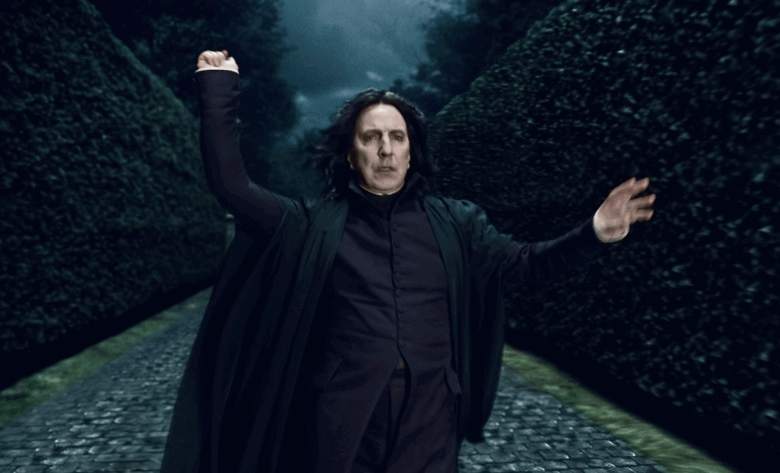
Professor Snape’s complex loyalties
The Harry Potter series builds toward revealing Professor Snape’s ultimate loyalty to Dumbledore and Harry, despite his appearance as an antagonist throughout most of the narrative, driven by his love for Harry’s mother, Lily. However, the series telegraphed Snape’s underlying protective motivations through his consistent prevention of actual harm to Harry, as well as the narrative emphasis on his past connection to Lily Potter.
Snape’s saving Harry’s life multiple times despite apparent hostility suggested hidden protective motivations that later revelations would explain. The character’s complexity and the series’ themes about the unreliability of surface appearances prepared readers and viewers for redemptive recontextualization. Dumbledore’s continued trust in Snape despite apparent betrayals signaled his ultimate loyalty to the light side.

The Mission: Impossible team betrayal
Mission: Impossible structured its plot around revealing that team leader Jim Phelps had betrayed the protagonist, Ethan Hunt, and orchestrated the mission disaster that resulted in the deaths of most of the team. The film positioned this as a shocking revelation that recontextualized earlier events. However, the limited suspect pool and Phelps’ suspicious survival made the betrayal predictable to viewers analyzing the narrative structure.
The absence of viable alternative betrayers and Phelps’ unexplained survival of the mission disaster both pointed toward his guilt. The spy thriller genre’s emphasis on betrayal and misdirection prepared audiences to suspect trusted authority figures. Jon Voight’s casting as the established leader suggested narrative importance beyond a simple mentor role, making betrayal the logical dramatic choice.
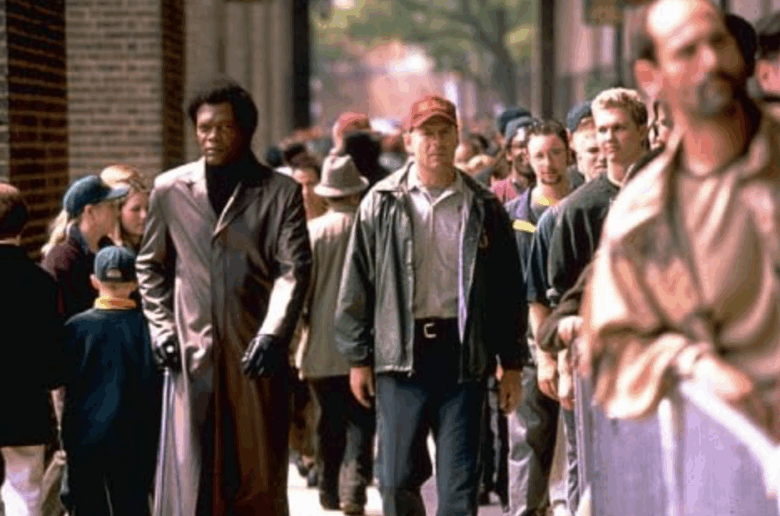
Mr. Glass revelation in Unbreakable
Unbreakable was built toward revealing that David Dunn’s mentor, Elijah Price, had orchestrated the disasters that demonstrated David’s superhuman abilities, positioning Elijah as a villain who created a hero to validate his own existence. The film intended this as a shocking betrayal that reframed the entire narrative. However, Elijah’s obsessive behavior and the narrative’s comic book framework telegraphed his antagonist role to viewers familiar with superhero origin story patterns.
The film’s emphasis on comic book villain archetypes and Elijah’s single-minded focus on proving the existence of superhuman abilities both suggested darker motivations beneath his surface mentorship. His self-chosen name, “Mr. Glass,” and his fixation on comics featuring supervillains provided clear foreshadowing. The lack of other candidates for antagonist roles made Elijah the obvious narrative choice for viewers analyzing the story’s superhero framework.

Prince Hans’ betrayal in Frozen
Frozen attempted to surprise audiences by revealing that Prince Hans had manipulated Anna’s affections as part of a plot to seize Arendelle’s throne rather than genuinely loving her. The film positioned this as a shocking betrayal that subverted Disney princess romance conventions. However, Hans’ sudden appearance, rapid romance with Anna, and convenient positioning to inherit the throne all suggested hidden motivations to viewers, who questioned the narrative’s surface romance.
The film’s themes about true love versus superficial attraction prepared audiences to question Hans’ sincerity from their first meeting. His lack of character development beyond the charming suitor role, combined with the narrative’s emphasis on Anna’s naiveté, both signaled that the relationship would not survive. The absence of real obstacles to their union suggested the relationship itself was the obstacle that would be revealed.
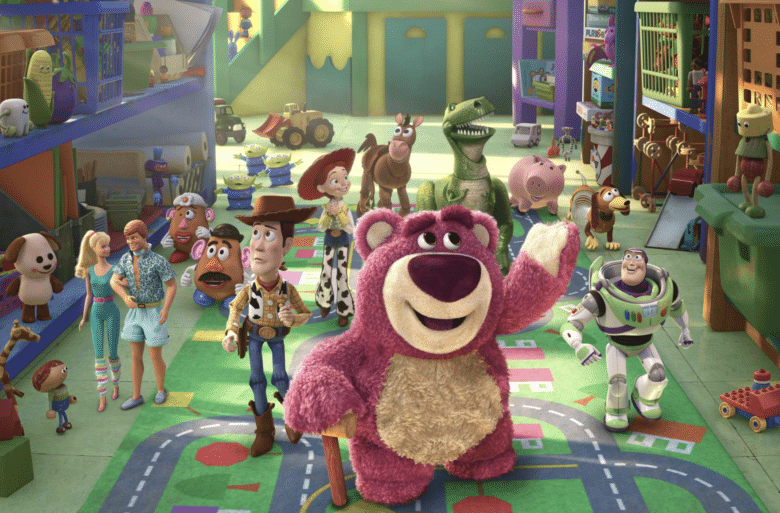
Lotso’s villainy in Toy Story 3
Toy Story 3 revealed that the friendly teddy bear Lotso ruled Sunnyside Daycare as a ruthless dictator, trapping toys in the toddler room and preventing escape attempts. The film positioned this as a betrayal that transformed the initially welcoming daycare into a prison. However, Lotso’s controlling behavior and the other toys’ fearful reactions signaled his antagonist role before the explicit reveal.
The excessively friendly initial presentation, combined with hints of underlying authoritarianism, made Lotso’s villainy predictable to viewers familiar with false-friend villain archetypes. Ken’s subservience and the regimented daycare structure both suggested authoritarian control beneath the welcoming surface. The narrative structure required an antagonist to drive conflict, making the welcoming bear who seemed too good to be true the obvious candidate.

Conclusion
The most effective cinematic twists deliver genuine shocks that force complete narrative reinterpretation, but many memorable revelations functioned more as satisfying confirmations of audience predictions. These predictable twists become part of a shared cultural experience where viewers recognize narrative patterns and enjoy validating their analytical skills. The phenomenon demonstrates how sophisticated audiences engage critically with storytelling rather than passively accepting surface narratives.
Predictability doesn’t necessarily diminish the effectiveness of twists when revelations feel earned through careful setup and thematic consistency. The transformation from surprise to confirmation creates different viewing pleasures as audiences appreciate their successful pattern recognition and the craftsmanship that made the foreshadowing work.
Related:
- 22 Disturbing Movies You’ll Never Forget (But Wish You Could)
- Our favorite anxiety-inducing movies of all time
Like MediaFeed’s content? Be sure to follow us.
This article was syndicated by MediaFeed.org.