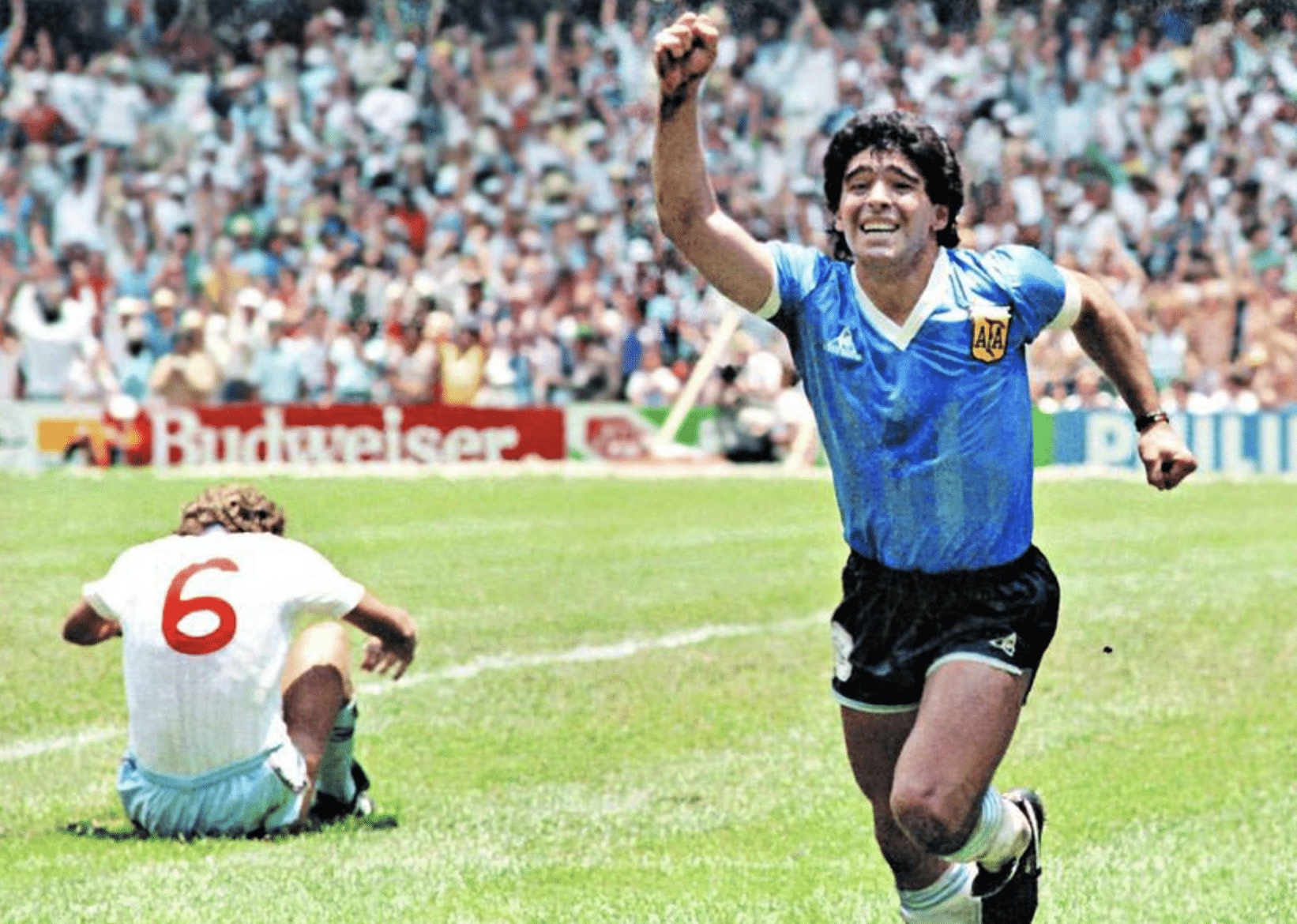
From goals to gigabills: Every World Cup price tag since 1990
Hosting the FIFA World Cup represents a national achievement that provides opportunities to showcase a country on the global stage through weeks of international attention and cultural celebration. The tournament brings millions of visitors, generates extensive media coverage, and creates moments of national pride that resonate for generations. However, the financial reality behind the spectacle reveals staggering and continuously escalating costs that host nations must absorb, often with questionable economic returns and lasting fiscal consequences that burden taxpayers long after the final match concludes.
World Cup hosting costs have spiraled dramatically over the past three decades, with recent tournaments representing fundamental departures from historical spending patterns that once made the event more financially manageable. The total cost of hosting encompasses both direct operational expenses, including tournament organization, security, and temporary facilities, as well as substantial indirect infrastructure spending on stadiums, transportation networks, and urban development projects accelerated or justified by the tournament. Understanding this financial escalation from the relatively modest investments of the 1990s to the astronomical spending of recent decades reveals how the World Cup has transformed from a sporting event into a vehicle for national transformation projects of dubious economic value.
This article examines the dramatic financial evolution of World Cup hosting from 1990 to 2022, analyzing how costs have increased from conservative billions to unprecedented hundreds of billions, while questioning whether these investments deliver the promised economic and social benefits to host nations.
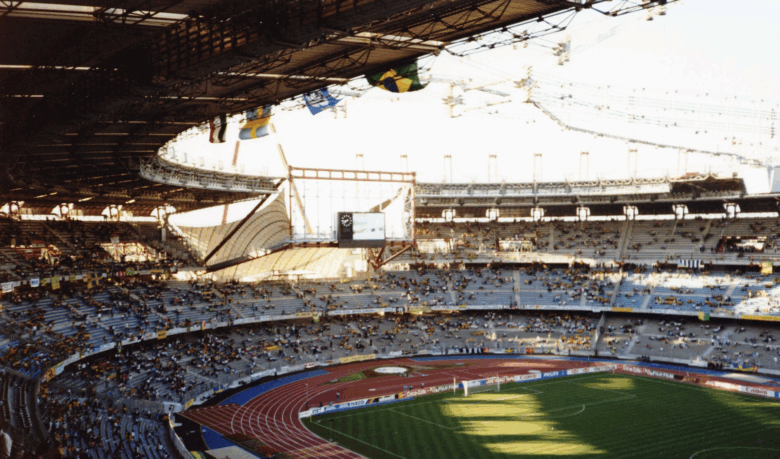
Italy 1990 and the foundation of modern costs
Italy’s 1990 World Cup established patterns for modern tournament economics, with total costs of around €1 billion, which seemed modest by contemporary standards but revealed troubling budget management issues that would plague future hosts. The tournament required substantial stadium renovations and new construction that exceeded initial projections significantly, creating financial pressures that forced increased government spending beyond planned allocations. Stadium projects alone reportedly exceeded their budgets by 84%, highlighting systematic underestimation of actual costs and the political pressures that prevent realistic budgeting for prestigious international events.
The Italian experience demonstrated how World Cup infrastructure projects can become vulnerable to cost overruns due to construction delays, specification changes, and compressed timelines that eliminate opportunities for cost-saving measures. These budget management failures established precedents that would be repeated across subsequent tournaments, as host nations consistently underestimated the actual costs of winning hosting rights. The pattern of initial conservative estimates followed by massive overruns has become standard practice in World Cup bidding and execution.
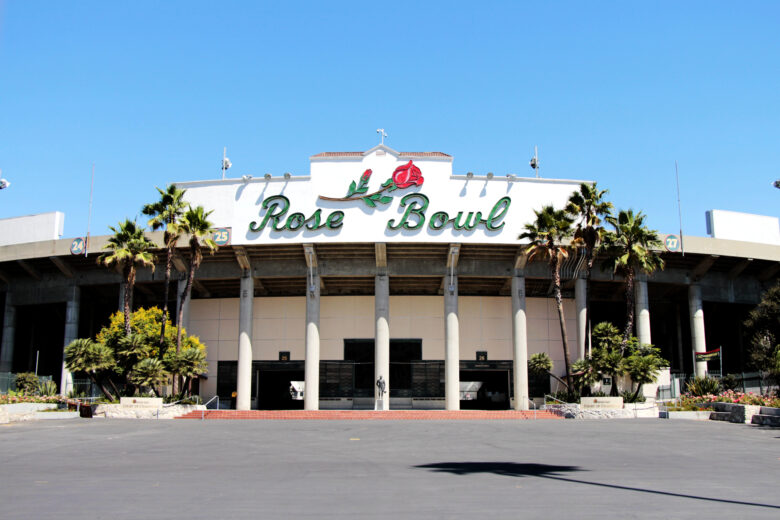
USA 1994 and the fiscally responsible model
The United States provided a blueprint for cost-effective World Cup hosting through the strategic use of existing infrastructure, which eliminated the massive stadium construction expenses that typically burden most host nations. Organizational costs reached as low as $30 million for certain aspects by leveraging the country’s extensive network of large-capacity American football and college stadiums, which required minimal modifications for soccer use. This approach demonstrated that successful tournaments could be staged without the enormous financial outlays on new infrastructure that characterized other hosts.
The American model’s reliance on existing facilities demonstrates that World Cup success depends more on organizational excellence and fan experience than on new construction projects, which often become long-term financial liabilities. However, this fiscally conservative approach has rarely been replicated as subsequent hosts viewed the tournament as justification for infrastructure projects that might otherwise lack political or economic support. The 1994 USA experience remains an outlier that demonstrates that cost-effective hosting is possible when nations prioritize financial responsibility over prestige construction projects.
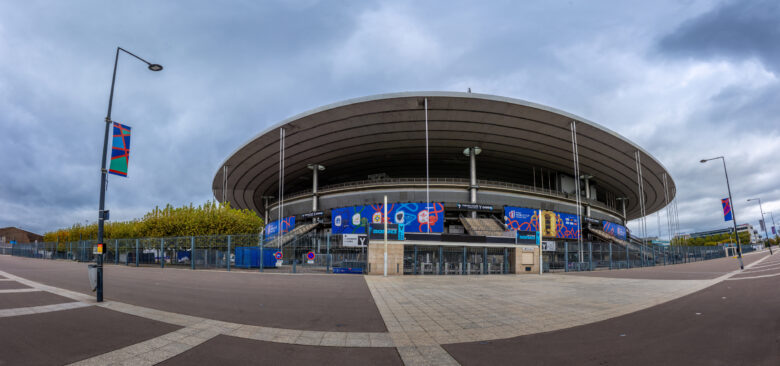
France 1998 and advanced infrastructure planning
France executed a moderate-cost tournament, focusing on venue renovations and select new construction, which was integrated into broader national infrastructure planning that preceded its World Cup hosting commitments. The majority of significant infrastructure spending occurred well in advance of the tournament, reducing the direct financial impact visible to the public and allowing costs to be absorbed over a longer time frame. This approach created the appearance of more modest World Cup expenses by distributing capital investments across multiple budget cycles rather than concentrating them in the immediate pre-tournament period.
The French model demonstrated how advanced planning and integration with existing national development priorities can reduce the apparent cost of hosting major sporting events. However, this approach still required substantial public investment justified partially by the World Cup, even if the timing and presentation made these expenses less visible to critics of tournament spending. The strategy of advanced infrastructure development has influenced subsequent hosts seeking to minimize public opposition to World Cup-related spending.
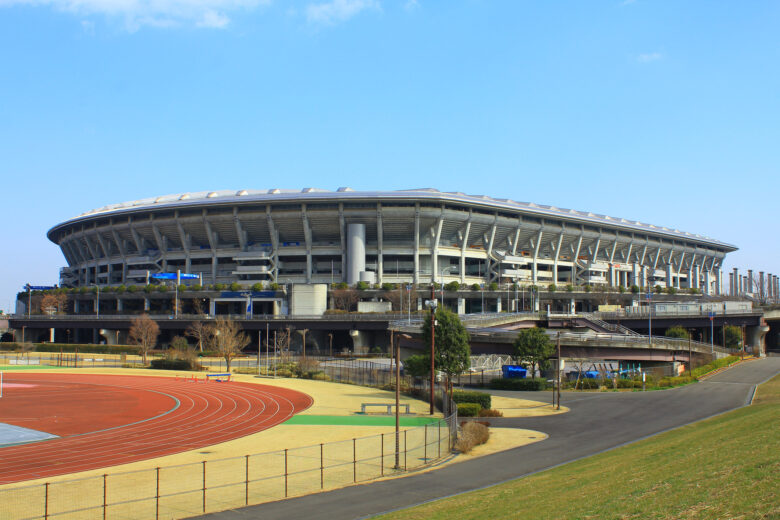
South Korea and Japan, 2002: the co-hosting costs
The first co-hosted World Cup required two separate, extensive construction programs, which drove combined costs to approximately $7 billion, representing a substantial increase in financial expenditure from previous tournaments. Both nations built numerous state-of-the-art stadiums specifically for the tournament, creating redundant capacity that would prove challenging to utilize effectively in the years following the event. The co-hosting model doubled infrastructure requirements without proportionally reducing per-nation costs, as each country needed adequate facilities to host its allocated matches independently.
The 2002 tournament demonstrated that co-hosting does not necessarily reduce financial burdens and can actually increase total spending due to duplicated infrastructure and organizational complexity. Both nations struggled with post-tournament stadium utilization as the number of new venues exceeded domestic sporting needs. The experience demonstrated that co-hosting arrangements must be carefully structured to avoid duplicating expensive infrastructure that becomes burdensome after the event concludes.
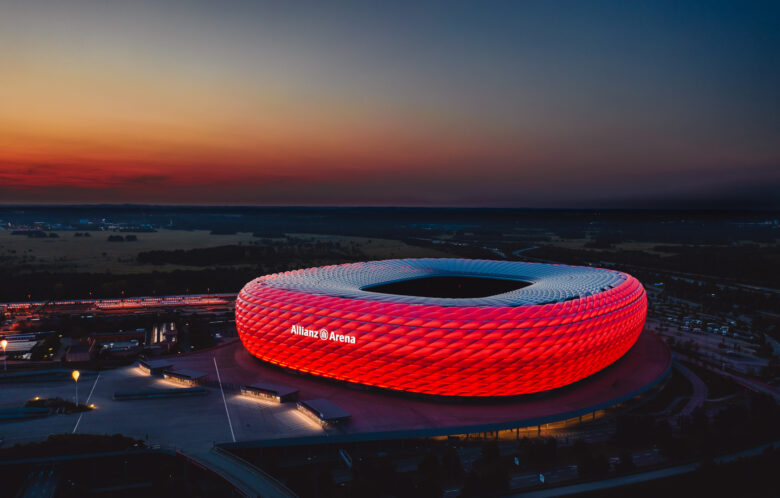
Germany 2006 and sustainable event management
Germany leveraged existing Bundesliga stadium infrastructure to execute a highly efficient tournament that focused on profitability rather than prestige construction, spending a reported $4.6 billion. The tournament pioneered the “Green Goal” initiative, which included specific environmental programs featuring large rainwater cisterns, solar panel installations, and energy-efficiency upgrades, representing early efforts in sustainable mega-event management. Germany’s approach demonstrated how countries with robust existing sports infrastructure can host successfully without the massive construction programs that burden nations lacking adequate facilities.
The German model achieved financial success through careful cost management, the use of existing infrastructure, and a focus on operational excellence, which generated substantial revenues without corresponding infrastructure debt. However, this approach remains available only to nations with established stadium networks and transportation systems that meet World Cup requirements. The tournament’s environmental initiatives, while modest by current standards, established precedents for considering sustainability in mega-event planning.
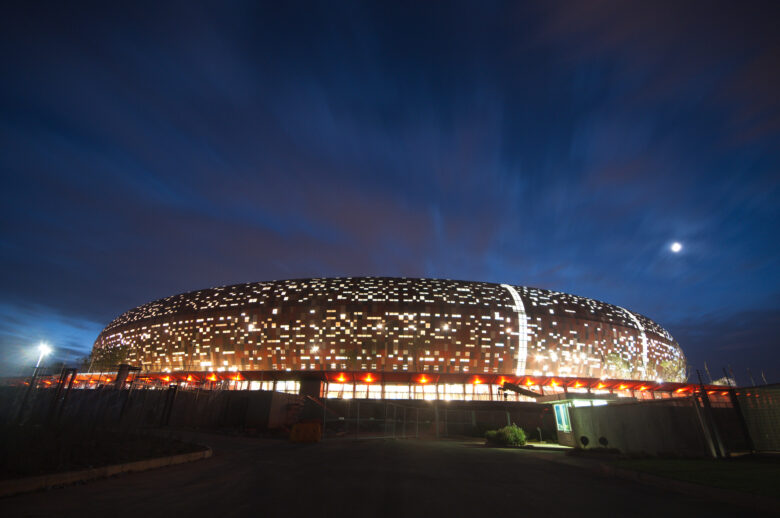
South Africa 2010 and the white elephant problem
South Africa spent approximately $3.6 billion as the first African host, investing in new infrastructure to further the continent’s international recognition through the successful execution of the tournament. However, significant spending went toward new stadiums in cities lacking professional teams capable of sustaining these venues through regular use, creating long-term maintenance burdens that drain municipal budgets without generating corresponding revenues. These “white elephant” stadiums have become symbols of misallocated resources that fail to deliver the promised post-tournament legacy benefits.
The South African experience highlighted how World Cup infrastructure requirements often exceed the actual sporting needs of host nations, creating facilities that cannot be economically sustained after the tournament concludes. Several purpose-built stadiums now sit largely unused or require ongoing subsidies to maintain, representing continuing costs that offset any economic benefits generated during the tournament. The white elephant phenomenon has become a central issue in debates about the value of hosting the World Cup and the sustainability of FIFA’s infrastructure requirements.
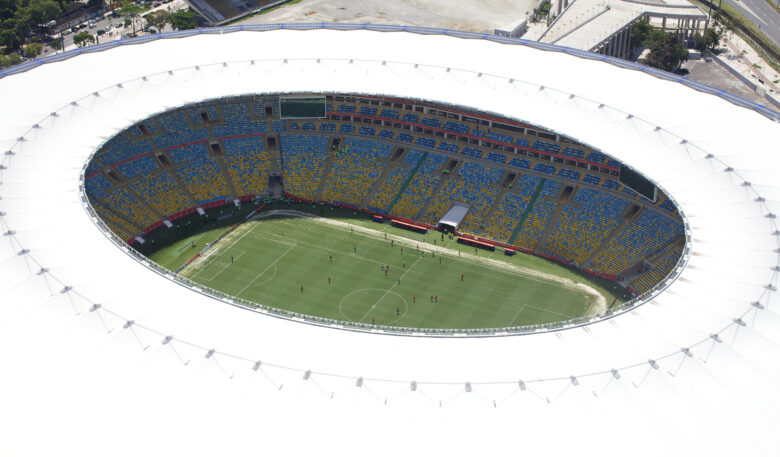
Brazil 2014 and public opposition
Brazil’s tournament represented a monumental spending leap, exceeding $15 billion, that triggered widespread public protest over massive stadium investments and unfulfilled infrastructure promises, diverting resources from education, healthcare, and other social needs. Construction projects suffered delays and mismanagement issues, with a major overpass collapse in Belo Horizonte killing two people and symbolizing the human costs of rushed construction timelines. The tournament became deeply controversial as Brazilians questioned whether World Cup spending represented an appropriate use of public resources given the country’s significant social and economic challenges.
The Brazilian experience demonstrated how World Cup costs can create political crises when populations perceive tournament spending as competing with essential public services and infrastructure needs. Post-tournament evaluations revealed that many stadiums struggle with utilization and maintenance costs, validating protesters’ concerns about long-term value. The 2014 World Cup marked a turning point in public attitudes toward mega-event hosting as costs spiraled beyond levels that could be justified through tourism revenue and economic stimulus arguments.
Russia 2018 and transportation infrastructure
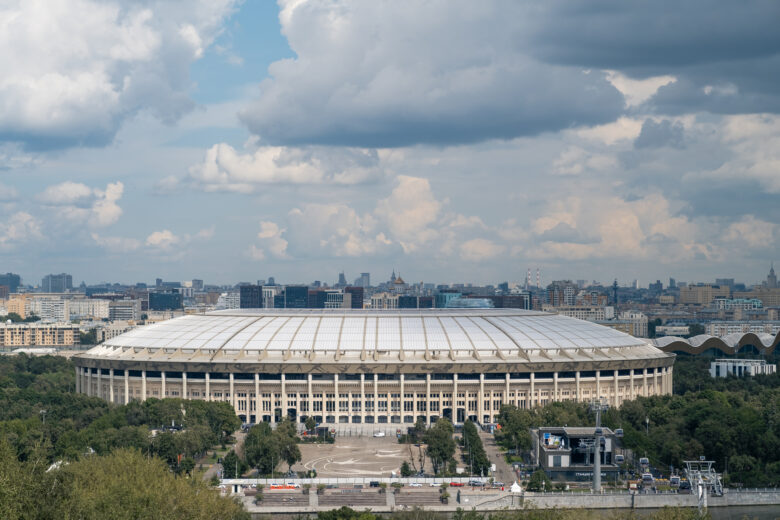
Russia exceeded Brazil’s spending by over $14.2 billion, with approximately 60% of the costs covered by federal government subsidies that socialized expenses across the entire nation, rather than concentrating them in host cities. The tournament emphasized the importance of transportation infrastructure, including new airports and railways connecting far-flung host cities to accommodate the influx of visitors across Russia’s vast geography. This infrastructure focus represented strategic national development priorities that were accelerated and justified through the World Cup hosting requirements.
The Russian approach demonstrated how hosting the World Cup can catalyze infrastructure projects that might otherwise lack political support or budget priority. However, questions remain about whether these investments represent the optimal allocation of resources. Transportation improvements offer lasting benefits that extend beyond the tournament, although their costs may exceed the economic returns if utilization falls short of projections. The heavy government subsidy model spreads costs across taxpayers nationwide rather than concentrating them in benefiting regions.
Qatar 2022 and unprecedented spending
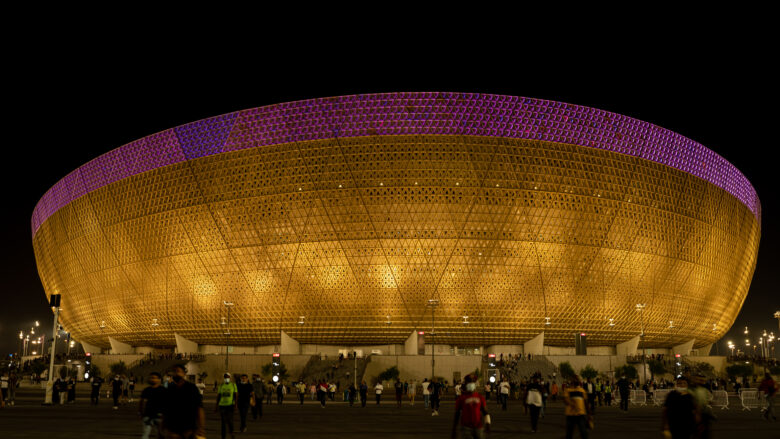
Qatar’s World Cup shattered all previous spending records, with costs exceeding $220 billion, making it the most expensive mega-event in human history. Less than 10% of this spending went directly to stadiums, with the vast majority funding entirely new national infrastructure, including a new airport, a comprehensive metro system, and the creation of Lusail, a completely new city built from scratch and accelerated by the tournament hosting. The scale of spending represented a fundamental national transformation, utilizing the World Cup as justification and a catalyst for development projects that far exceeded typical tournament requirements.
Qatar’s approach fundamentally redefined World Cup hosting from a sporting event to a national development program, raising questions about whether such spending can be justified through tournament hosting or represents separate infrastructure investment coinciding with the event. The astronomical costs reflect Qatar’s unique circumstances as a wealthy nation seeking rapid modernization and international prestige, creating a model that few countries could replicate even if they desired a similar transformation. The tournament’s legacy will be judged partly on whether the massive infrastructure investments prove sustainable and beneficial beyond the brief period of the tournament.

Understanding cost escalation drivers
Stadium infrastructure represents the single most significant variable cost, with new construction far exceeding renovation expenses and creating long-term maintenance burdens when venues lack post-tournament utilization plans. The financial liability of maintaining underused stadiums as white elephants persists for decades after tournaments conclude, representing hidden costs that initial budgets often fail to adequately account for. Security, transportation, and urban infrastructure spending have increased dramatically as hosts build airports, roads, and metro networks to accommodate millions of visitors during compressed tournament periods.
Hotel and hospitality facility development, along with cutting-edge technological requirements for broadcasting and communications, drive additional spending that compounds total costs beyond core stadium and transportation infrastructure. Each successive tournament establishes new standards that future hosts must meet or exceed, creating a ratcheting effect where costs can only increase as FIFA requirements become more demanding. The competitive bidding process incentivizes unrealistic cost projections that win hosting rights but prove dramatically insufficient once actual construction and organization begin.

Economic impact: reality versus promises
Despite immense costs, purported economic benefits, including tourism revenue, job creation, and GDP growth, rarely materialize in ways that generate net profits for host nations or justify the massive public investments required. Long-term infrastructure benefits often become financial burdens rather than assets, as demonstrated in South Africa and Brazil, where stadiums and facilities struggle to generate sufficient revenue to cover maintenance costs. The “legacy myth” of hosting suggests that tournaments have a lasting, positive impact. Still, evidence frequently shows that promised benefits fail to materialize or prove far smaller than projected during bidding processes.
Social and political impacts on host populations often manifest through public protests over misallocated funds that divert resources from essential services, such as education, healthcare, housing, and other social priorities, toward prestige projects serving temporary events. The displacement of residents for construction projects and the opportunity costs of World Cup spending compared to alternative uses of public resources create lasting resentment that undermines the national unity and pride that tournaments are supposed to generate. Economic analyses consistently reveal that host nations rarely recover their investments through direct tournament-related revenues.

Conclusion
The financial evolution from the fiscally conservative 1994 model to Qatar’s astronomical 2022 spending raises fundamental questions about the sustainability and value proposition of hosting the World Cup for nations seeking international prestige through sporting events. Modern tournaments have become less about showcasing existing national infrastructure and more about using the World Cup as justification for massive public works projects of questionable economic necessity. The transformation of hosting from a sporting event to a national development catalyst creates risks that costs will continue to escalate as future hosts attempt to exceed the ambitions of previous tournaments.
Future co-hosted tournaments, including the 2026 World Cup across the USA, Mexico, and Canada, may revive more responsible, cost-effective hosting models by distributing infrastructure requirements across multiple nations with existing facilities. Whether this represents a sustainable return to fiscal responsibility or merely a temporary pause in the era of mega-spending remains uncertain, as FIFA’s requirements and host nation ambitions continue to push costs upward. Check out our other sports economics articles here at MediaFeed to discover additional analysis of mega-event hosting costs and their impacts on host nations and communities.
Related:
- World Cup rituals & superstitions from fans around the world
- 11 infamous World Cup moments we still think about
Like MediaFeed’s content? Be sure to follow us.
This article was syndicated by MediaFeed.org.