The brutal reality of being a ’90s child star in Hollywood today: The unseen costs of early fame
Television audiences remember the bright smiles and infectious energy of 1990s child stars who dominated Saturday morning programming and family-friendly movies, creating lasting memories for millions of viewers who grew up watching their performances. These young performers seemed to have everything – fame, fortune, adoring fans, and the kind of recognition most actors spend decades trying to achieve. Their faces graced magazine covers, their catchphrases became cultural phenomena, and their success appeared limitless during an era when child-friendly entertainment reached unprecedented popularity and commercial success.
The transition from 1990s child stardom to a sustainable adult career presents unique challenges marked by severe typecasting, intense personal struggles, and the unforgiving nature of modern celebrity culture, which offers little patience for former stars attempting to reinvent themselves. Unlike adult actors who can gradually evolve their public personas, child stars face the impossible task of convincing audiences to forget their most iconic roles and accept them as mature performers. The entertainment industry’s preference for fresh faces and the public’s tendency to freeze child stars in amber at their peak popularity create barriers that many find insurmountable.
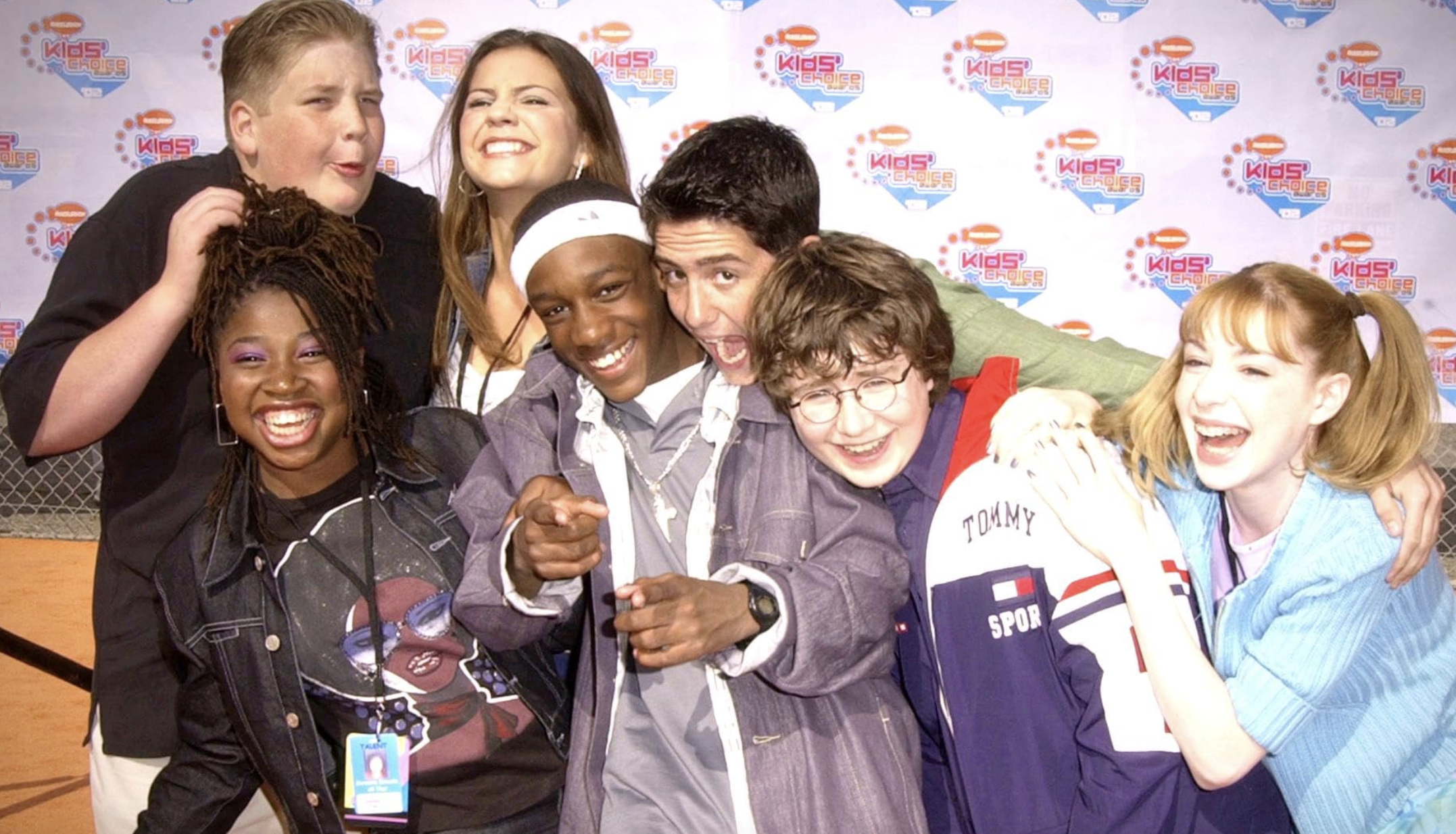
In 2024, the documentary Quiet on Set: The Dark Side of Kids TV gave the world a deeper look into the lives of former childhood actors. It exposed some of the toxic and abusive environment behind some of Nickelodeon’s most popular shows of the late 1990s and early 2000s, primarily those created by producer Dan Schneider. Former child actors like Drake Bell, Alexa Nikolas, and Giovonnie Samuels give firsthand accounts of alleged abuse, sexism, and racism they experienced on sets like The Amanda Show, Zoey 101, and All That.
This article examines the transition difficulties, mental health challenges, financial complications, and modern media scrutiny that define the contemporary experiences of performers who achieved fame as children during the 1990s entertainment boom.

The permanent image problem
Child stars from the 1990s often face an enduring association with their most famous roles, which creates professional obstacles that persist for decades after their initial success, as audiences and casting directors struggle to perceive them as capable adult performers. The iconic youthful characters they portrayed become career anchors, preventing them from being considered for mature or dramatic roles that would demonstrate their growth as actors. Macaulay Culkin remains forever linked to Kevin McCallister, despite decades of adult performances, while Amanda Bynes struggled to escape her Nickelodeon persona, even during her more serious dramatic attempts.
Physical maturation undermines the marketable appeal that initially made child stars successful, leading to sudden unemployment as their cute factor diminishes through natural adolescent development. The entertainment industry, which once celebrated its youthful energy, often abandons these performers when they no longer fit the specific image that brought them initial fame. This transition period usually occurs during the crucial teenage years, when identity formation and career development should be the highest priorities, creating additional psychological pressure during already challenging developmental phases.

Mental health consequences of early fame
Growing up in the entertainment industry deprives child stars of everyday developmental experiences, including regular education, peer relationships, and the privacy necessary for healthy identity formation outside public scrutiny. The artificial environment of film sets and publicity tours replaces typical childhood experiences with adult responsibilities and professional pressures that most children lack the emotional maturity to handle effectively. Former child stars frequently report feeling like they missed essential formative experiences that help develop coping mechanisms and social skills necessary for adult relationships and career management.
The connection between early entertainment industry exposure and adult mental health issues appears in numerous documented cases of anxiety, depression, and identity crises among former child performers. The pressure to maintain public personas, handle criticism, and meet professional expectations during crucial developmental years can create lasting psychological damage that affects adult functioning. Many former child stars report struggling with self-worth issues tied to their perceived relevance and value beyond their childhood fame, creating ongoing challenges in personal relationships and career satisfaction.

Substance abuse and behavioral challenges
Easy access to adult environments and substances, combined with irregular supervision, creates conditions where young performers can develop dangerous habits without appropriate intervention or guidance. The entertainment industry’s culture of excess and the availability of drugs and alcohol at industry events expose children to temptations they lack the maturity to resist or manage safely. Financial resources and celebrity status can enable destructive behaviors by removing expected consequences and providing access to substances and experiences typically unavailable to minors.
Family dynamics often become complicated when children become primary income earners, creating power imbalances that can lead to exploitation and inadequate protection from harmful influences. Parents may prioritize career opportunities over their child’s well-being, either through financial necessity or personal ambition, resulting in insufficient supervision and support during crucial developmental periods. The “momager” phenomenon can create situations where financial interests conflict with parental responsibilities, leaving young performers vulnerable to exploitation and poor decision-making.

Modern media scrutiny challenges
Social media and digital celebrity culture have created unprecedented levels of public scrutiny, making every mistake or struggle visible to millions of people, in contrast to the relatively private entertainment press of the 1990s. Former child stars attempting comebacks or pursuing personal growth must navigate constant public commentary about their appearance, behavior, and career choices, which can derail recovery efforts and personal development. The permanent nature of digital content means that mistakes and struggles become part of their permanent public record, making redemption and reinvention significantly more difficult.
Competition from newer generations of performers who grew up with social media savvy and modern entertainment industry training creates additional challenges for 1990s child stars attempting career revivals. Disney Channel and Nickelodeon have developed more sophisticated systems for transitioning young performers to adult careers, giving contemporary child stars advantages that earlier generations lacked. Reality television and social media influencer culture have created new pathways to fame that bypass traditional entertainment industry gatekeepers, further reducing opportunities for former child stars seeking career reentry.

Financial mismanagement consequences
The Coogan Law provides some protection for the earnings of child performers. Still, loopholes and inadequate enforcement often result in financial exploitation that leaves former child stars struggling economically as adults despite earning substantial sums during their peak popularity. Poor financial management by parents or representatives often results in depleted trust funds and inadequate savings, forcing former child stars into financial hardship as they attempt to establish adult careers. The assumption that childhood fame guarantees lifetime financial security proves false when mismanagement or exploitation depletes earnings before performers reach adulthood.
Stories of former child stars working minimum-wage jobs or struggling with basic living expenses illustrate how quickly wealth in the entertainment industry can disappear without proper management and protection. The irregular nature of entertainment industry income and the specific skills required for financial management often leave young performers unprepared for the adult financial responsibilities that follow. Many discover their childhood earnings have been spent or mismanaged only after reaching adulthood and seeking financial independence from their families.

Amanda Bynes: Public struggle and recovery
Amanda Bynes exemplifies the tragic trajectory that affects some former child stars who struggle publicly with mental health issues and legal problems that overshadow their previous entertainment achievements. Her transition from beloved Nickelodeon performer to tabloid fixture highlighted how quickly public perception can shift and how mental health crises become entertainment for public consumption. The intersection of mental health struggles with celebrity status created a situation where her personal difficulties became a public spectacle rather than private health matters requiring professional intervention.
Her conservatorship and subsequent recovery efforts demonstrate both the potential for healing and the ongoing challenges facing former child stars seeking to rebuild their lives away from public scrutiny. The legal and medical interventions required to address her mental health crisis illustrate the serious consequences that can result from untreated trauma and the pressures of early fame. Her story serves as a poignant reminder that the entertainment industry’s treatment of young performers can have lasting consequences, requiring professional support and family intervention to be addressed effectively.

Joseph Gordon-Levitt: Successful reinvention
Joseph Gordon-Levitt represents a successful transition from child star to respected adult actor through careful career choices and deliberate efforts to distance himself from his early television work on “3rd Rock from the Sun.” His strategic selection of independent films and dramatic roles helped establish credibility as a serious actor capable of handling complex material beyond his childhood persona. The transition required patience and willingness to accept more minor roles and lower-profile projects that demonstrated his range and commitment to craft development.
His expansion into writing and directing, as seen in projects like “Don Jon,” demonstrates how former child stars can create opportunities by developing skills beyond acting that give them more control over their careers and creative output. His approach emphasizes artistic growth and personal fulfillment over commercial success, offering a model for other former child performers seeking sustainable careers in the entertainment industry. The success of his production company and ongoing creative projects shows how former child stars can leverage their industry experience and connections to build lasting careers beyond their original fame.

Cameron Diaz: Quiet industry exit
Cameron Diaz represents former child performers who choose to leave the entertainment industry entirely for personal fulfillment and privacy, allowing them to develop identities beyond their previous fame. Her decision to retire from acting at the height of her success demonstrates that some former performers prioritize personal happiness and family life over continued career achievement. The decision to step away from Hollywood entirely enables former child stars to develop normal relationships and life experiences without the pressures and scrutiny of ongoing public attention.
Her post-acting focus on wellness, family, and business ventures demonstrates how former performers can apply the skills and resources gained through their entertainment industry experience to other areas of life. The ability to make this choice often depends on financial security and personal support systems that not all former child stars possess, highlighting the importance of proper career and financial management during peak earning years. Her successful transition demonstrates that leaving the entertainment industry can be a positive choice rather than a failure or retreat from public life.

Industry reform and future protection
Recent awareness of child performer exploitation has led to improved legal protections and industry practices designed to prevent some of the problems that affected 1990s child stars, though significant challenges remain. Enhanced education requirements, mandatory therapy services, and stricter financial oversight help protect contemporary young performers from some forms of exploitation and neglect. However, the fundamental challenges of balancing childhood development with professional demands remain difficult to address through regulatory measures alone.
Modern entertainment industry training and transition support provide contemporary child performers with resources that previous generations lacked, potentially improving outcomes for current young actors. Social media literacy, financial education, and mental health support represent areas where the industry has developed better practices based on lessons learned from previous generations of child performers. The ongoing evolution of child performer protection demonstrates recognition that early fame requires specialized support and intervention to prevent long-term negative consequences.

Conclusion
The experiences of 1990s child stars reveal systemic problems within the entertainment industry that prioritize short-term commercial success over the long-term well-being of young performers, resulting in lasting consequences that impact adult functioning and career development. Their struggles with typecasting, mental health issues, financial exploitation, and modern media scrutiny demonstrate the need for continued reform and support systems that protect vulnerable young performers. Understanding these challenges helps society recognize the actual costs of childhood fame and the responsibility to protect children in the entertainment industry.
The future of child performer protection depends on continued advocacy, improved legal frameworks, and the industry’s commitment to prioritizing performer well-being over commercial interests that have historically exploited young talent for profit. Check out our other entertainment industry articles here at MediaFeed to discover additional insights into the challenges facing performers and the ongoing efforts to create safer, more supportive environments for young talent in Hollywood.
Related:
- Here’s what your favorite childhood actors are doing now
- 9 A-listers who were totally traumatized by their roles
Like MediaFeed’s content? Be sure to follow us.
This article was syndicated by MediaFeed.org.