The 5 car brands that have the worst resale value (& why you should never buy them)
Car ownership costs extend far beyond monthly payments and insurance premiums, with depreciation representing the single most significant expense most buyers never calculate upfront. The moment a new vehicle leaves the dealership lot, it begins to lose value at rates that can reach thousands of dollars per year, making resale value one of the most critical factors in total ownership costs. This hidden expense often exceeds the combined costs of maintenance, fuel, and repairs over the typical ownership period.
Resale value represents the percentage of the original purchase price a vehicle retains after a specific time period, typically measured at three and five-year intervals to reflect common ownership patterns. Substantial resale value protects buyers from catastrophic financial losses when trading or selling vehicles, functioning as insurance against depreciation that can devastate personal finances. Understanding which brands consistently perform poorly in resale rankings helps buyers avoid cars that will financially penalize them, regardless of how much they enjoy driving them.
This article examines five major automotive brands that consistently appear at the bottom of resale value studies, representing different categories of vehicles that share common characteristics leading to rapid depreciation. These brands lose value faster than market averages due to reliability concerns, oversaturation, technological obsolescence, or poor brand perception that creates weak demand in used car markets.

Understanding automotive depreciation
New car depreciation begins immediately upon purchase, with vehicles typically losing 20-30% of their value within the first year and up to 60% within five years under normal market conditions. This “new car smell tax” represents the premium buyers pay for being first owners, covering dealer margins, marketing costs, and the psychological value of ownership newness that disappears permanently once the vehicle enters the used market. The steepest depreciation occurs within the first 12-24 months when the transition from new to used status creates the most significant value gap.
Several key factors contribute to poor resale performance across various vehicle categories and price points. Reliability concerns and high maintenance costs deter potential buyers, who fear incurring expensive repairs once the manufacturer’s warranties expire. Market oversaturation from fleet sales and aggressive dealer incentives floods the used car market with similar vehicles, driving down prices due to excess supply. Rapid technological advancement makes older models obsolete quickly, particularly affecting luxury vehicles and early-generation electric cars. Brand perception problems lead to weak consumer demand, which in turn translates directly into poor resale performance, regardless of the vehicle’s actual quality.

BMW 7 Series
The BMW 7 Series consistently ranks among luxury sedans with the worst resale value, typically losing 65-70% of its original value within five years of purchase. A vehicle with an original MSRP of $90,000 sells typically for less than $30,000 after five years, resulting in a depreciation loss of over $60,000 for the original buyers. This dramatic value decline affects all generations of the 7 Series, making it one of the most financially punishing luxury vehicles to purchase new.
The primary reason to avoid buying a new 7 Series involves the astronomical maintenance and repair costs that await second and third owners once the comprehensive warranty expires. BMW’s flagship sedan incorporates complex technology systems, air suspension, and intricate electrical components that require specialized service at premium labor rates. Used buyers understand these potential expenses and demand significant discounts to offset future repair risks, creating a poor resale environment that punishes original purchasers who absorb the majority of the vehicle’s depreciation.

Tesla Model S (early generations)
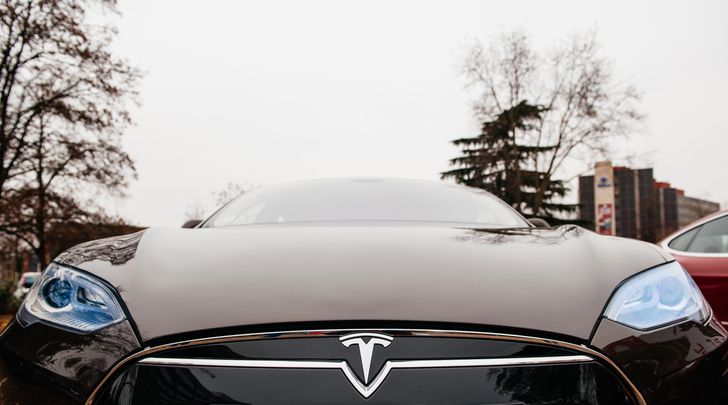
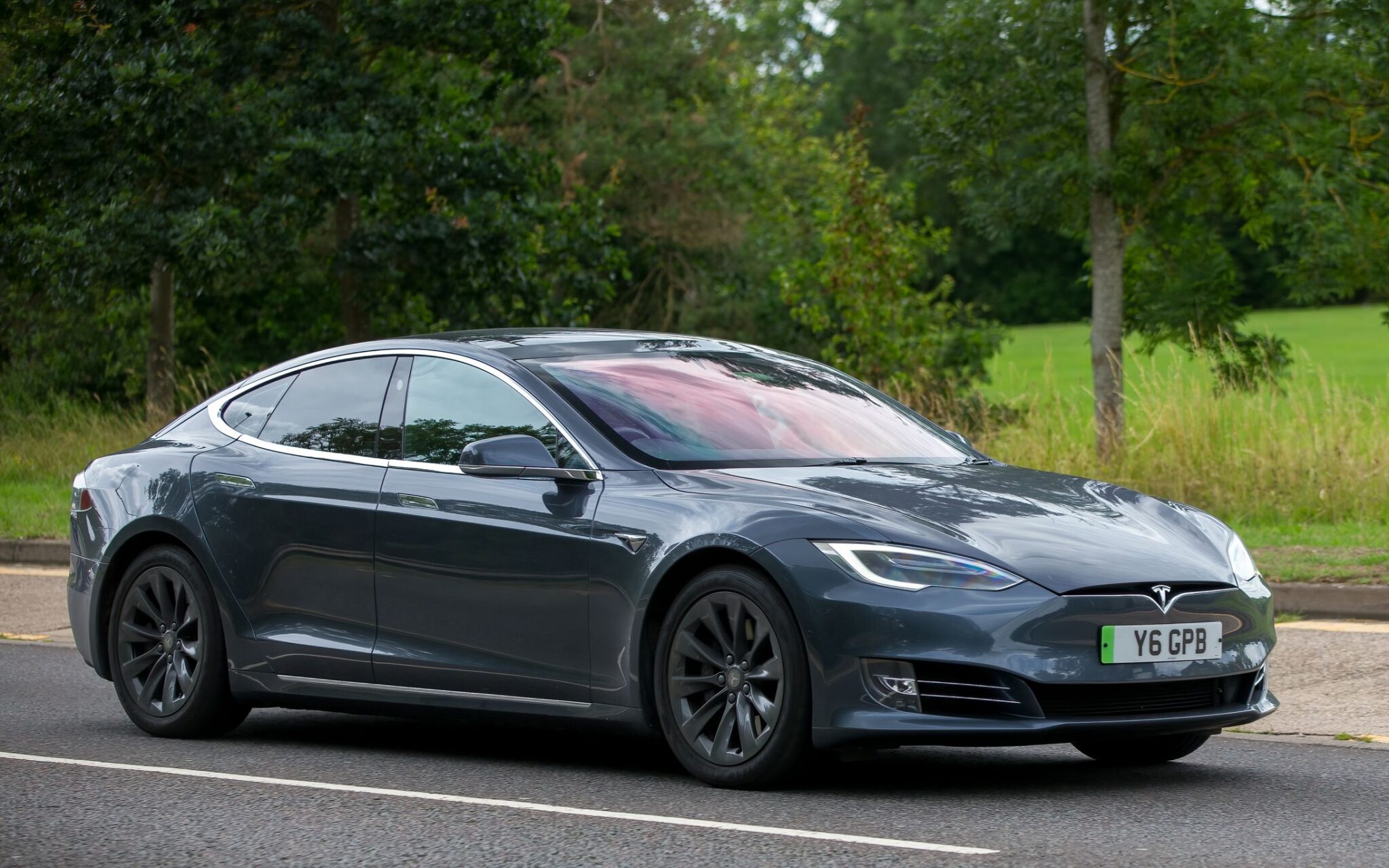
Early Tesla Model S vehicles illustrate how rapid technological advancements can significantly impact resale values in emerging technology categories, with 2012-2014 models losing approximately 70% of their original value within seven years. These vehicles initially sold for $70,000 to $100,000 but now trade for $20,000 to $30,000 due to concerns about battery degradation and significant improvements in newer Tesla models. The depreciation rate exceeds traditional luxury vehicles due to the unique challenges facing early electric vehicle adoption.
Technological obsolescence drives the Model S depreciation crisis as newer Tesla vehicles offer dramatically improved range, charging speed, and autonomous driving capabilities that make early models feel outdated. Advancements in battery technology mean that newer electric vehicles offer better performance and reliability than earlier generations, creating strong incentives for buyers to choose current models over used alternatives. The rapid pace of electric vehicle development makes early adopters particularly vulnerable to depreciation as their vehicles become technologically inferior within just a few years.

Chrysler 200
The discontinued Chrysler 200 exemplifies how market oversaturation and weak brand demand can erode the resale value of mainstream vehicles, resulting in a loss of approximately 68% of the original value within five years of purchase. Fleet sales to rental companies flooded the used market with identical vehicles, creating an oversupply that continues to depress prices years after production ended. The sedan’s original MSRP of $22,000 to $30,000 translates to used values of $7,000 to $10,000 after five years.
Brand perception issues and lack of consumer enthusiasm for Chrysler products in the used market create ongoing demand problems that prevent value stabilization. The 200 suffered from reliability concerns and build quality issues that deterred potential used car buyers. In contrast, the brand’s overall reputation for poor long-term reliability made the model particularly undesirable in secondary markets. Market oversaturation from rental fleet disposal, combined with weak brand appeal, creates perfect conditions for catastrophic depreciation that affects all trim levels and model years.

Land Rover Range Rover Evoque
The Range Rover Evoque demonstrates how reliability concerns can significantly impact the resale values of luxury SUVs, despite strong initial sales and an appealing styling that attracted buyers to showrooms. These vehicles typically lose 63-68% of their original purchase price, which ranges from $40,000 to $50,000, within five years, reflecting skepticism in the used market about Land Rover’s long-term dependability. The Evoque’s depreciation exceeds most luxury SUV competitors due to specific reliability issues that create expensive repair scenarios for subsequent owners.
Electrical system problems, transmission issues, and suspension failures plague Evoque ownership beyond warranty coverage, creating repair bills that can exceed the vehicle’s depreciated value. Used car buyers research these reliability problems extensively and demand significant discounts to compensate for potential future expenses, driving down resale values across all model years. The combination of luxury vehicle repair costs and Land Rover’s reputation for expensive maintenance creates a toxic environment for retaining resale value.

Cadillac CT6
The discontinued Cadillac CT6 exemplifies how rapid value descent from a high initial MSRP can result in substantial dollar losses for luxury sedan buyers, with vehicles losing approximately 66% of their original price range of $54,000 to $90,000 within five years. The total depreciation amount ranges from $35,000 to $60,000, depending on the trim level, making the CT6 one of the most financially devastating luxury purchases available. The combination of high initial pricing and poor value retention creates losses that exceed many buyers’ annual income.
The CT6’s depreciation stems from Cadillac’s overall brand perception challenges and limited demand for large luxury sedans in current market conditions. American luxury brands face skepticism from used buyers who question long-term reliability and worry about expensive repairs without comprehensive warranty coverage. The sedan’s sophisticated technology and premium materials require specialized service, which costs significantly more than that of mainstream brands, creating additional barriers to used market acceptance that consistently drive down resale values across all model years.

Smart purchasing strategies for depreciation-heavy vehicles
Buyers determined to own vehicles with poor resale characteristics can minimize financial damage by purchasing used models after the original owner absorbs the steepest depreciation curve. Three-year-old examples of these vehicles often sell for 50-60% less than original MSRP, allowing second owners to access luxury features and performance at significantly reduced prices. This strategy transfers the depreciation burden to original buyers, providing access to desirable vehicles at more reasonable cost structures.
The successful use of purchasing depreciation-heavy vehicles requires extensive verification of their service history and realistic budgeting for future maintenance and repair costs, which initially reduces their resale value. Buyers should secure comprehensive pre-purchase inspections, verify the completion of all recall and service campaigns, and establish relationships with qualified, independent service providers who can maintain these vehicles affordably. The reduced purchase price must account for higher ongoing ownership costs to avoid financial problems that exceed the initial savings from buying a used vehicle.

Conclusion
Resale value represents a genuine ownership cost that affects total financial exposure, regardless of how long buyers intend to keep their vehicles; therefore, awareness of depreciation is essential for making informed purchasing decisions. The five brands discussed demonstrate different paths to poor value retention, ranging from reliability concerns and technological obsolescence to market oversaturation and brand perception issues that create weak demand in the used market. Understanding these patterns helps buyers avoid vehicles that will financially penalize them, regardless of driving satisfaction or initial purchase incentives.
Savvy buyers prioritize brands with proven reliability records and strong market demand, such as Toyota and Honda, as well as specific pickup truck models that maintain their value through consistent performance and broad appeal. Drive the vehicle that satisfies you, but make purchasing decisions with a realistic understanding of total ownership cost, including the inevitable depreciation that begins the moment you take delivery.
Related:
Like MediaFeed’s content? Be sure to follow us.
This article was syndicated by MediaFeed.org.