’80s bands you loved then but can’t listen to anymore
The 1980s delivered a unique, vibrant, and often extravagant musical landscape that defined an entire generation. For those who grew up in the era, the decade’s hits usually evoke powerful feelings of nostalgia, transporting them back to a simpler time of big hair, neon colors, and synthesizers that seemed to promise the future had arrived. Every song felt like an event, every band like they were part of something revolutionary happening in real time.
However, not all musical memories age gracefully. What once sounded fresh and exciting might now feel dated, overproduced, or even cringeworthy when heard through modern ears. The very elements that defined the ’80s sound—the gated reverb, the digital synths, the maximalist production—can become unbearable to listeners whose tastes have evolved over the decades. Sometimes the magic was tied so specifically to that moment in time that it simply can’t survive the journey forward.
This exploration examines 10 bands and their hits that were once adored, played on repeat, and perhaps even defined entire party playlists, but which many listeners now find themselves skipping or actively avoiding. These aren’t necessarily bad bands or terrible songs, but rather casualties of changing tastes and the relentless march of time.

Starship’s corporate rock excess
Before they became the poster children for everything wrong with mid-’80s rock, Starship delivered anthemic, radio-friendly pop-rock with powerful vocals and often uplifting messages that fit perfectly into the era’s soundscape. “We Built This City,” “Nothing’s Gonna Stop Us Now,” and “Sara” dominated the airwaves, with “We Built This City” becoming a massive, ubiquitous hit that seemed to define the decade’s optimistic spirit. The band’s polished sound and Mickey Thomas’s soaring vocals made them staples on MTV.
Today, “We Built This City” is frequently cited as one of the worst songs of all time, a reputation that seems almost impossible to escape. The saccharine lyrics, over-the-top production, and perceived corporate rock sterility have turned it into a punchline rather than an anthem. The entire Starship sound often feels generic and aggressively “’80s” in the worst way possible, lacking genuine grit or timeless appeal. What once felt celebratory now sounds calculated and hollow, making it nearly impossible for many listeners to enjoy without a sense of irony.

Culture Club’s faded chameleon
Boy George’s distinctive voice and flamboyant image, combined with Culture Club’s catchy pop-reggae-soul fusion, made them global superstars and MTV darlings throughout the early ’80s. “Karma Chameleon,” “Do You Really Want to Hurt Me?” and “Church of the Poison Mind” showcased a band that seemed to blend genres while delivering undeniably catchy hooks effortlessly. Their colorful aesthetic and George’s gender-bending persona felt revolutionary at the time.
While Boy George’s vocals still possess their unique charm, the production on many Culture Club tracks now sounds thin and overly synthesized, particularly the drum machines that dominate their rhythm sections. Lyrics that once felt charmingly innocent now seem simplistic, and the overall kitsch factor can be overwhelming for casual listening. The band’s visual impact was so tied to the era’s specific cultural moment that the music alone struggles to carry the same weight without that context.

A-Ha’s dated European synth-pop
The Norwegian trio’s innovative rotoscoped music video for “Take On Me” was a genuine phenomenon, propelling their catchy synth-pop track to superstardom worldwide. Their sound felt fresh and distinctly European, offering something different from the American rock dominating the charts. “The Sun Always Shines on T.V.” further established them as masters of atmospheric, melancholic pop that seemed ideally suited for the MTV generation.
Beyond the iconic video that everyone still remembers, “Take On Me’s” highly processed synth sounds and Morten Harket’s distinctive, almost shrill falsetto can make the song feel incredibly dated and even grating to contemporary ears. The production techniques that once seemed cutting-edge now sound like sonic artifacts from a particular technological moment. Separated from the visual spectacle that made it famous, the song loses much of its initial magic and charm.
Poison’s formulaic hair metal
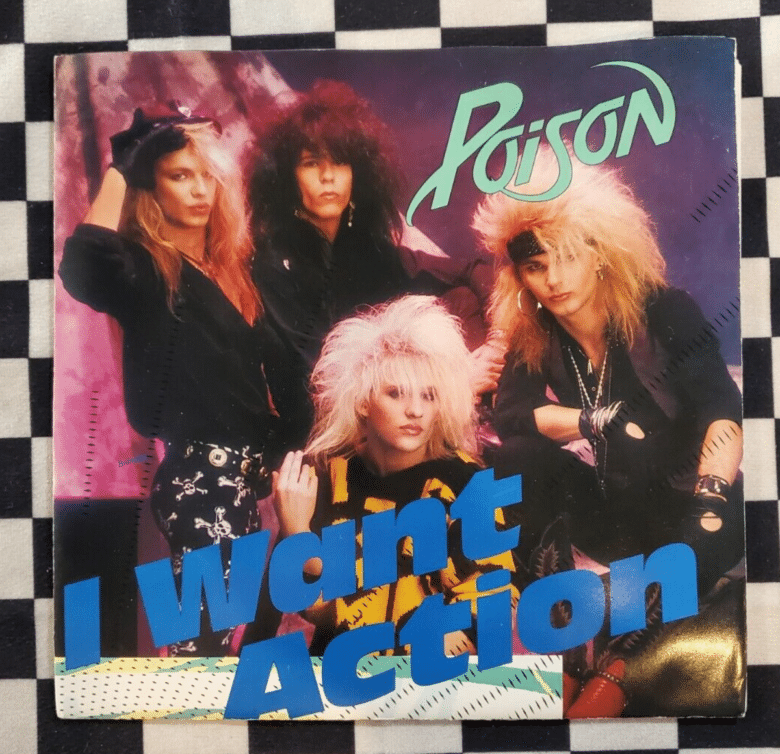
As a quintessential hair metal band, Poison was known for catchy party anthems like “Nothin’ but a Good Time,” power ballads like “Every Rose Has Its Thorn,” and raucous rockers like “Talk Dirty to Me.” Their wild, flamboyant image and Bret Michaels’ charismatic frontman persona perfectly defined late ’80s rock excess. They embodied everything that made hair metal exciting: the attitude, the hooks, and the unapologetic pursuit of a good time.
The genre’s reliance on formulaic song structures, cheesy lyrics, and overly dramatic power balladry now feels incredibly dated and somewhat silly to many listeners. Michaels’ vocal delivery, once considered edgy and rebellious, can sound forced and theatrical in ways that haven’t aged well. The glossy, compressed production that was state-of-the-art in the late ’80s now sounds artificial and sterile, stripping away much of the raw energy that rock music is supposed to convey.
Mr. Mister’s bland perfection
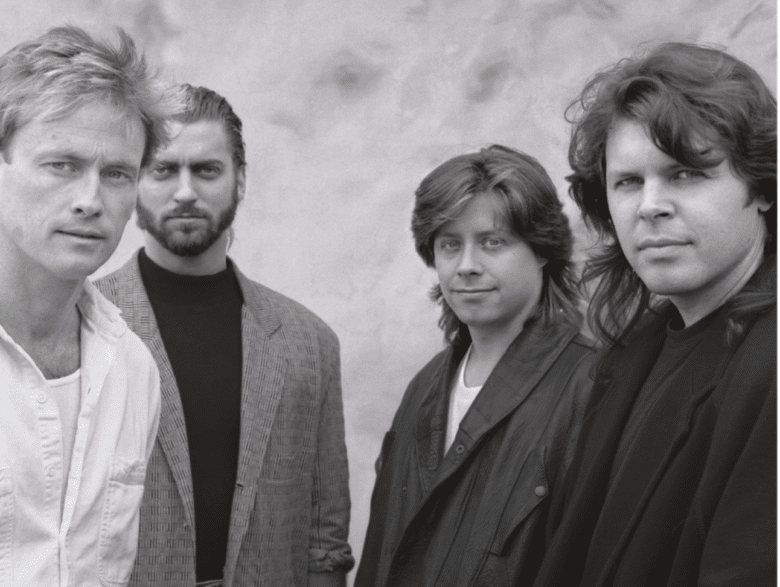
Mr. Mister delivered slick, polished synth-pop and AOR rock that dominated adult contemporary and pop radio with hits like “Broken Wings” and “Kyrie.” Their smooth vocals, soaring choruses, and technically proficient musicianship made them radio darlings who represented the sophisticated side of ’80s pop. The band’s sound was carefully crafted to appeal to the broadest possible audience.
Their technically proficient sound now feels overly polished to the point of being completely bland and characterless. The generic ’80s synth patches and drum sounds, combined with a complete lack of raw edge or personality, make their biggest hits feel like sonic wallpaper that hasn’t aged well for listeners seeking more substance. What once sounded professional and radio-ready now comes across as sterile and forgettable, lacking any distinguishing characteristics that might give it lasting appeal.
Kenny Loggins’ soundtrack king excess
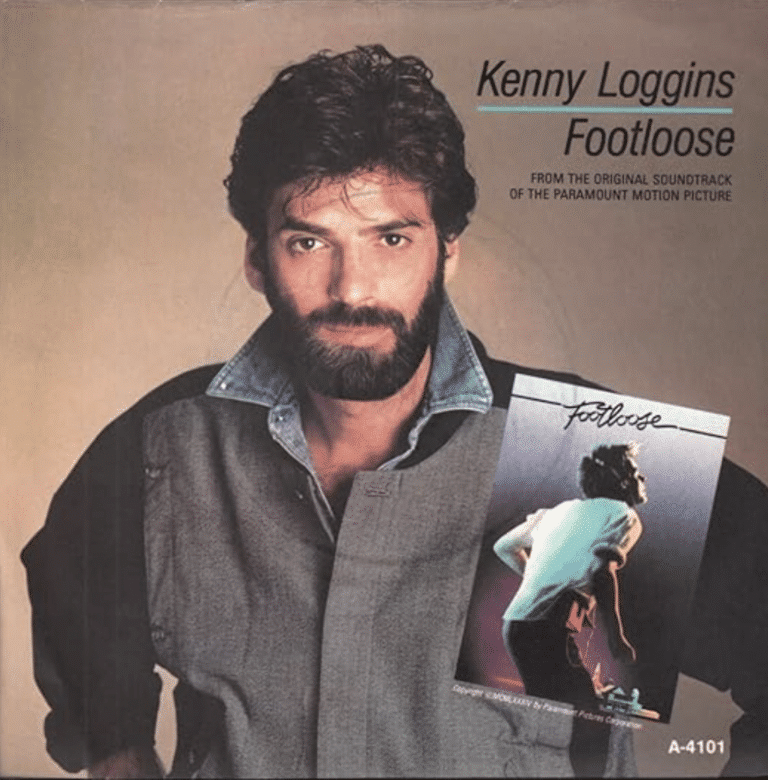
Kenny Loggins earned the title “King of the Movie Soundtrack” with high-energy hits like “Footloose,” “Danger Zone,” and “I’m Alright” that became synonymous with blockbuster films. His songs brought energetic pop-rock to the forefront, perfectly capturing the optimistic, can-do spirit that Hollywood wanted to project. Each track seemed designed to make audiences feel like they could conquer the world.
While these songs remain enjoyable in a nostalgic context or when watching their associated films, the production is aggressively and almost cartoonishly “’80s.” The harsh digital synths, gated reverb on drums, and frantic energy that once felt exciting can now be overwhelming when experienced outside their original film contexts. The sheer earnestness of the performances can tip into unintentional comedy, making it difficult to take the songs seriously as standalone musical experiences.

Flock of Seagulls’ new wave parody
Defined by their iconic haircuts as much as their synth-heavy new wave sound, A Flock of Seagulls created instantly recognizable hits with “I Ran (So Far Away)” and “Space Age Love Song.” The former featured an unforgettable guitar riff combined with memorable synth hooks, while Mike Score’s distinctive vocal delivery felt avant-garde and futuristic. They embodied everything exciting about the new wave’s artistic possibilities.
The extreme ’80s production, particularly the synth tones and artificial-sounding drums, combined with Score’s detached vocal delivery, now sounds more like a parody than serious music. What once felt avant-garde and futuristic now comes across as unintentionally comedic, making it nearly impossible to take the songs seriously. The band’s aesthetic was so tied to specific technological and cultural moments that it struggles to transcend its era.

Wham!’s saccharine pop excess
George Michael and Andrew Ridgeley delivered infectious, upbeat pop with hits like “Wake Me Up Before You Go-Go,” “Freedom,” and “Bad Boys” that radiated pure feel-good energy. Their irresistible danceability, charismatic performances, and glossy production made them global superstars who seemed to embody the decade’s optimistic spirit. Every song felt like a celebration waiting to happen.
The bright, glossy, and sometimes almost childishly cheerful production, coupled with very simplistic lyrics, can feel shallow and overly saccharine to adult listeners today. While George Michael’s later solo work, like “Careless Whisper,” has endured, Wham!’s most upbeat hits can be overwhelming in their relentless positivity. The songs that once felt joyous and carefree now often come across as artificial and manufactured, lacking the depth that contemporary listeners usually seek.

Europe’s cartoon metal excess
This Swedish band brought power metal to the mainstream with anthemic rock songs, soaring vocals, and unforgettable synth riffs that defined arena rock excess. “The Final Countdown” became a global phenomenon, while “Carrie” showcased their ability to craft power ballads. Joey Tempest’s dramatic vocals and the band’s larger-than-life sound promise that rock music can be both theatrical and genuinely exciting.
The overblown, almost cartoonish synth riff of “The Final Countdown,” coupled with Tempest’s dramatically overwrought vocals and highly processed sound, now screams “dated ’80s excess” to many listeners. What once felt epic and anthemic now sounds like a caricature of rock music, making it challenging to enjoy except as an ironic guilty pleasure. The cutting-edge production techniques have become sonic markers of a particular era that many find difficult to take seriously.

Cutting Crew’s formulaic balladry
“(I Just) Died in Your Arms” was a quintessential power ballad that dominated the radio with its dramatic lyrics, memorable chorus, and emotional intensity, capturing the decade’s romantic sensibilities. The song’s success helped define what adult contemporary radio would sound like throughout the late ’80s, and its popularity proved that audiences craved emotional authenticity in their pop music.
While undeniably a huge hit, the song now embodies many of the generic and formulaic aspects of 1980s pop-rock ballads that have aged poorly. The standard ’80s production techniques and the song’s forced emotional intensity can feel melodramatic and artificial when heard today. What once seemed like genuine emotion now comes across as calculated manipulation, making it easily skippable for listeners who have developed more sophisticated tastes over the decades.

Conclusion
The bands on this list were undeniably successful and beloved, often defining the sound and style of the 1980s in ways that influenced countless other artists. They weren’t necessarily bad musicians or poor songwriters, but rather victims of their own era’s specific aesthetic and technological choices. Their success was often tied to capturing a particular cultural moment that simply couldn’t be sustained indefinitely.
Musical tastes and production trends evolve constantly, and what was once cutting-edge or universally appealing can become a sonic artifact that no longer resonates with contemporary ears. The digital revolution in music production, changing cultural values, and simply the passage of time have all contributed to making these once-beloved sounds feel dated or even unlistenable to many who once cherished them.
While you might not spin their albums anymore, these bands and their hits remain an indelible part of ’80s pop culture history. They forever evoke a particular and often polarizing era of music that continues to influence artists today, even though the original recordings have lost their power to move us as they once did. Sometimes the best thing you can do for a cherished memory is to leave it undisturbed.
Related:
- Are these the worst summer songs from the ’90s?
- Can you name these ’70s rock hits from a single line?
Like MediaFeed’s content? Be sure to follow us.
This article was syndicated by MediaFeed.org.