
Boomer-era albums that are absolutely perfect, start to finish
For Baby Boomers, the 1960s and 1970s represented far more than an era of memorable hit singles scattered across radio playlists. This generation witnessed the birth of the album as a cohesive, immersive artistic statement, where musicians embraced the LP format to tell complete stories, explore complex themes, and craft sonic journeys that demanded to be experienced from start to finish. The 33⅓ RPM long-playing record became a canvas for artists to paint their most ambitious musical visions, creating works that transcended the limitations of individual songs.
The concept of the “no-skip” album emerged during this golden age, establishing a standard that few recordings have achieved since. A truly perfect album is one where every track serves an essential purpose, with no filler material or awkward transitions, and where the complete listening experience builds and resonates with each encounter. These masterpieces unfold like novels or films, with each song contributing to a larger narrative or emotional arc that rewards patient and attentive listening.
This article celebrates eleven such albums from the Boomer era that continue to stand as monuments to their creators’ artistic genius. Decades after their original release, these records still offer flawless listening experiences that justify sitting down, dropping the needle on track one, and surrendering to the complete journey these visionary artists intended us to take.
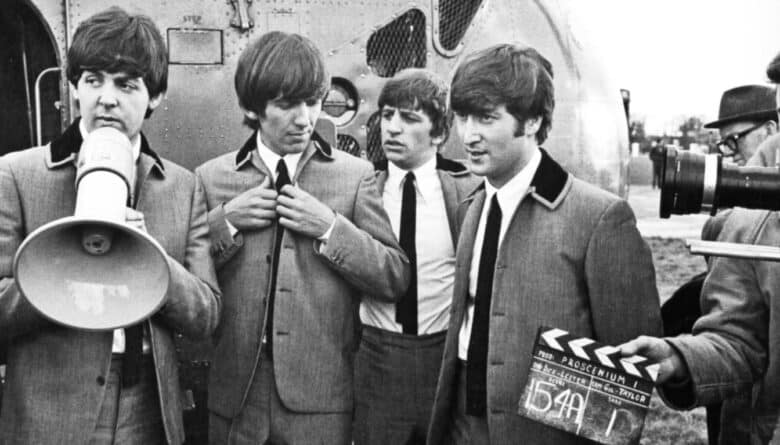
The Beatles – Sgt. Pepper’s Lonely Hearts Club Band (1967)
The Beatles’ eighth studio album arrived at the height of their creative powers, representing a radical departure from their touring-focused early career toward studio experimentation that would redefine popular music forever. This groundbreaking concept album introduced the fictional Sgt. Pepper’s Lonely Hearts Club Band. Pepper’s Lonely Hearts Club Band. Pepper’s band was a vehicle for the Fab Four to explore musical territories they had never approached before. The record opens with the titular track’s crowd noise and carnival atmosphere, immediately establishing a theatrical framework that transforms the listening experience into attending a live performance by this imaginary ensemble.
What makes Sgt. Pepper’s true perfection lies in its kaleidoscopic journey through diverse musical styles, all unified by whimsical experimentation and innovative production techniques that pushed 1960s recording technology to its absolute limits. The seamless transitions between tracks create a continuous flow that makes individual songs feel like movements in a larger symphony. From the nostalgic music hall charm of “When I’m Sixty-Four” to the psychedelic orchestral chaos of “A Day in the Life,” every track feels like a carefully placed piece of an elaborate musical puzzle that reveals new details with each listening session.
The album’s influence on popular music cannot be overstated, as it demonstrated that rock albums could be serious artistic statements worthy of the same critical attention given to classical compositions or literary works. Its impact extended far beyond music into visual art, fashion, and cultural attitudes, helping to define the aesthetic and philosophical spirit of the late 1960s counterculture movement while establishing new possibilities for what popular music could achieve as an art form.

The Beach Boys – Pet Sounds (1966)
Brian Wilson’s orchestral pop masterpiece emerged from his desire to create the most beautiful album ever recorded, resulting in a profound and emotionally complex song cycle that redefined the possibilities of popular music production. Working primarily with session musicians while his bandmates toured, Wilson crafted intricate arrangements that incorporated unconventional instruments, such as bicycle bells, barking dogs, and Coca-Cola bottles, to create textures that had never been heard in pop music before. The album’s lush soundscapes and innovative recording techniques set new standards for studio craftsmanship, influencing countless artists across multiple generations.
The emotional journey of Pet Sounds unfolds beautifully through themes of love, innocence, and the bittersweet process of growing up, with each song building upon the emotional foundation established in the previous track. Wilson’s introspective lyrics, often co-written with Tony Asher, explore the complexities of relationships and the anxiety of young adulthood with remarkable sophistication for mid-1960s pop music. The harmonies, featuring Wilson’s distinctive falsetto alongside his bandmates’ contributions, create ethereal vocal arrangements that complement the ornate instrumental textures to produce an almost otherworldly listening experience.
Pet Sounds’ influence on subsequent artists, most notably Paul McCartney’s work on Sgt Pepper’s Lonely Hearts Club Band. Pepper’s demonstrates its pivotal role in elevating popular music’s artistic ambitions during the late 1960s. The album’s impact extended beyond rock and pop into jazz, classical, and experimental music communities, proving that commercially oriented music could achieve the same level of artistic sophistication as any other musical form while maintaining its emotional accessibility and popular appeal.

Marvin Gaye – What’s Going On (1971)
Marvin Gaye’s ninth studio album represented a dramatic artistic evolution from his earlier romantic material toward urgent social commentary that addressed the pressing issues of early 1970s America. Inspired by his brother’s experiences in the Vietnam War and the social upheaval surrounding him, Gaye created a groundbreaking concept album that tackled war, poverty, drug addiction, and environmental destruction with unprecedented directness for mainstream soul music. The album’s jazzy, sophisticated arrangements and multi-layered vocal performances created a cohesive musical statement that felt both musically adventurous and politically essential.
The seamless transitions between tracks create the impression of one continuous piece of music, with recurring musical motifs and overlapping vocal arrangements that blur the boundaries between individual songs. Gaye’s innovative use of overdubbed vocals, often featuring conversations and ad-libs that connect different tracks, creates an intimate atmosphere that makes listeners feel like they’re eavesdropping on deeply personal reflections about society’s problems. The lush orchestral arrangements, featuring prominent bass lines and subtle percussion, provide a musical sophistication that elevates the serious subject matter without overwhelming the emotional impact of Gaye’s passionate vocal performances.
The legacy of ‘ What’s Going On’ as a pivotal work in soul music demonstrates the genre’s capacity for profound social commentary and artistic ambition, extending beyond mere entertainment. The album’s influence extended across racial and musical boundaries, inspiring artists in rock, jazz, and hip-hop to use their platforms for social activism while maintaining the musical excellence that made such messages accessible to diverse audiences seeking both artistic satisfaction and meaningful cultural engagement.

Carole King – Tapestry (1971)
Carole King’s breakthrough solo album emerged from her transition from behind-the-scenes songwriter to performing artist, creating a seminal work that defined the confessional singer-songwriter genre for decades to come. Having written numerous hits for other artists throughout the 1960s, King brought her masterful songwriting skills to deeply personal material that explored relationships, self-discovery, and emotional growth with unprecedented honesty and vulnerability. The album’s intimate production, recorded primarily with a small group of sympathetic musicians, creates an atmosphere that makes listeners feel like they’re sharing a private conversation with King in her living room.
Every song on Tapestry functions as a perfectly formed gem, showcasing King’s ability to transform personal experiences into universal truths that resonate with the lives of different listeners. Her expressive vocals, ranging from tender whispers to powerful emotional declarations, perfectly complement the sophisticated but uncluttered arrangements that highlight the songs’ melodic and lyrical strengths. The album flows like chapters in an autobiography, with each track revealing different aspects of King’s personality and emotional landscape while maintaining musical consistency that makes the complete listening experience feel cohesive and satisfying.
Tapestry’s commercial success, spending 15 consecutive weeks at number one and eventually selling over 25 million copies worldwide, proved that intimate, personal music could achieve massive mainstream appeal without compromising artistic integrity. The album’s influence on subsequent generations of singer-songwriters, particularly women artists seeking to express their own experiences and perspectives, established a template for honest, craft-focused popular music that prioritized emotional authenticity over commercial calculation while achieving both critical acclaim and enormous commercial success.

Pink Floyd – The Dark Side of the Moon (1973)
Pink Floyd’s eighth studio album represents the ultimate synthesis of their experimental inclinations with accessible songwriting, creating a philosophical and sonic masterpiece that explores universal themes of life, death, madness, and human greed. The band’s use of synthesizers, tape loops, and innovative studio effects created immersive soundscapes that had never been attempted in popular music, while maintaining strong melodic foundations that made the experimental elements serve the songs rather than overwhelming them. The album’s famous use of found sounds, including heartbeats, clocks, and cash registers, creates a conceptual framework that transforms abstract ideas into tangible sonic experiences.
The seamless transitions between tracks, including several songs that flow directly into each other without pause, create a continuous journey that demands to be experienced as a complete work rather than a collection of individual songs. Each track contributes essential elements to the album’s overarching themes, from the opening heartbeat of “Speak to Me” through the climactic madness of “Brain Damage” to the final whisper of “Eclipse.” The band’s use of recurring musical motifs and lyrical themes creates a unified artistic statement that rewards careful listening and reveals new details with each encounter.
The Dark Side of the Moon’s unprecedented commercial longevity, spending 14 years on the Billboard 200 chart, demonstrates its enduring appeal across multiple generations of listeners who continue to discover new meanings in its complex musical and philosophical content. The album’s influence on progressive rock, ambient music, and concept albums established new possibilities for how popular music could address serious subjects while maintaining the sonic innovation and emotional impact that make repeated listening both rewarding and essential for full appreciation.

Fleetwood Mac – Rumours (1977)
Fleetwood Mac’s eleventh studio album was forged in the crucible of interpersonal drama, as multiple romantic relationships within the band dissolved during the recording process, creating emotional raw material that the members transformed into their most commercially successful and artistically cohesive work. The album’s creation story, involving two couples within the band breaking up while continuing to work together professionally, provided a wealth of authentic emotional content that infused every track with genuine feeling and dramatic tension. Rather than destroying the band’s chemistry, these personal conflicts inspired their most focused and powerful songwriting.
Every song on Rumours serves as a meticulously crafted pop-rock gem, combining unforgettable melodies with intricate harmonies and emotionally charged lyrics that transform personal pain into universal experiences of love, loss, and betrayal. The album’s production, supervised by the band along with Ken Caillat and Richard Dashut, strikes a perfect balance between polish and rawness, allowing the emotional content to shine through sophisticated arrangements without losing the immediate impact of the underlying feelings. The seamless flow between tracks creates an irresistible cohesion that makes the complete album experience feel inevitable and satisfying.
Rumours’ massive commercial success, eventually selling over 40 million copies worldwide, proved that deeply personal material could achieve unprecedented mainstream appeal when combined with exceptional songwriting and production values. The album’s enduring popularity across multiple generations demonstrates how authentic emotional expression, when channeled through superior musical craftsmanship, creates art that transcends its original circumstances to become timeless entertainment, resonating with new audiences who discover these songs for the first time.

Led Zeppelin – Led Zeppelin IV (1971)
Led Zeppelin’s fourth studio album, officially untitled but commonly known as Led Zeppelin IV, represents the band’s most successful synthesis of heavy rock power with folk music influences and mystical themes that defined their unique approach to popular music. The album demonstrates remarkable diversity while maintaining undeniable thematic unity, ranging from the thunderous opening riff of “Black Dog” through the epic journey of “Stairway to Heaven” to the delicate acoustic beauty of “Going to California.” Each track contributes essential elements to the album’s exploration of contrasts between power and subtlety, ancient wisdom and modern energy, as well as acoustic intimacy and electric grandeur.
The band’s decision to sequence the album with careful attention to emotional and musical flow creates a listening experience that builds tension and releases it in perfectly timed waves throughout the record’s duration. Robert Plant’s vocals, ranging from gentle folk crooning to primal rock screaming, provide emotional continuity across the diverse musical styles. At the same time, Jimmy Page’s guitar work establishes recurring musical themes that unify the varied material. John Paul Jones’s bass and keyboard contributions, along with John Bonham’s powerful drumming, create a rhythmic foundation that supports both the heaviest and most delicate moments with equal effectiveness.
Led Zeppelin IV’s cultural impact extends far beyond its impressive sales figures to include its influence on the heavy metal, folk rock, and progressive rock movements that continue to shape popular music decades after its release. The album’s mysterious symbols and mythological references created an aura of mystique that enhanced its musical content. At the same time, “Stairway to Heaven” became perhaps the most recognizable and influential rock song ever recorded, demonstrating how ambitious songwriting could achieve both artistic sophistication and massive popular appeal.

Stevie Wonder – Innervisions (1973)
Stevie Wonder’s sixteenth studio album represents the pinnacle of his creative evolution from child prodigy to visionary artist, showcasing his complete mastery of multiple instruments, innovative use of synthesizers, and sophisticated approach to social commentary through popular music. The album seamlessly blends funk, soul, jazz, and pop elements with socially conscious lyrics that address racism, spirituality, urban decay, and personal growth, all achieved with unprecedented musical sophistication for early 1970s popular music. Wonder’s one-man-band approach, in which he plays most instruments himself while overdubbing complex arrangements, creates a cohesive sonic vision that feels both intensely personal and universally relevant.
Every track on Innervisions serves as a tour de force of songwriting, arrangement, and performance, demonstrating Wonder’s unique ability to combine serious social messages with irresistibly catchy melodies and rhythms. The album’s rich sonic tapestry, featuring Wonder’s innovative use of the Moog synthesizer and clavinet alongside traditional soul instrumentation, creates textures that were completely unprecedented in popular music. Songs like “Living for the City” and “Higher Ground” address serious social issues while maintaining the musical joy and spiritual optimism that characterized Wonder’s best work throughout his classic period.
Innervisions’ critical acclaim and commercial success, including multiple Grammy Awards, established Wonder as one of popular music’s most important artistic voices while proving that socially conscious material could achieve mainstream success without compromising its political message. The album’s influence on subsequent generations of R&B, hip-hop, and pop artists demonstrates how Wonder’s integration of advanced musical technology with traditional soul values created a template for using popular music as a vehicle for both entertainment and social change.

The Rolling Stones – Exile on Main St. (1972)
The Rolling Stones’ tenth studio album, recorded primarily in Keith Richards’ basement during the band’s tax exile in France, captures the group at their most raw, loose, and gloriously decadent, creating a sprawling double album that embraces blues, country, gospel, and rock ‘n’ roll with uncompromising authenticity. The chaotic recording circumstances, involving a makeshift studio in a villa’s basement with irregular schedules and constant partying, somehow produced the band’s most cohesive artistic statement that perfectly captured their swagger and musical diversity. The album’s rough, unpolished production aesthetic serves the material perfectly, making every song sound as if it were recorded in a honky-tonk bar or roadhouse, rather than a professional studio.
Despite its varied influences and sometimes chaotic recording process, Exile on Main St. maintains a remarkable sense of cohesion and grit, transforming eighteen tracks into a unified celebration of American roots music filtered through British sensibilities. The album’s sequencing creates a journey through different musical landscapes, from the gospel-influenced “Tumbling Dice” through the country-tinged “Sweet Virginia” to the blues workout of “Ventilator Blues,” with each track contributing to an overall atmosphere of hedonistic celebration and musical exploration. Mick Jagger’s vocals, often mixed low in the arrangements, become another instrument in the overall sonic fabric rather than dominating the proceedings.
The critical re-evaluation of Exile on Main St. from initial mixed reviews to its current status as one of the Stones’ greatest works demonstrates how innovative albums sometimes require time to be fully appreciated by audiences accustomed to more conventional approaches. The album’s influence on alternative rock, punk, and roots rock movements proved that authenticity and musical adventurousness could coexist with mainstream rock success, inspiring countless bands to prioritize artistic integrity over commercial calculation while maintaining the rebellious spirit that made rock music a cultural force.

Joni Mitchell – Blue (1971)
Joni Mitchell’s fourth studio album represents perhaps the most emotionally vulnerable and artistically brave recording in the history of popular music, stripping away elaborate production to focus entirely on Mitchell’s confessional songwriting and haunting vocal performances. The sparse arrangements, featuring primarily Mitchell’s guitar and piano, with occasional bass and subtle orchestration, create an intimate atmosphere that makes listeners feel as though they’re sharing deeply personal secrets with the artist. The album’s emotional honesty, which addresses themes of love, loss, loneliness, and self-discovery with unprecedented directness, established new standards for how popular music could serve as personal expression rather than mere entertainment.
Every song on Blue functions as a masterclass in emotional truth and musical simplicity, with Mitchell’s poetic lyrics and distinctive vocal phrasing transforming personal experiences into universal statements about the human condition. The album’s careful sequencing creates an emotional arc that moves from the optimistic wanderlust of “All I Want” through the devastating heartbreak of “River” to the tentative hope of “The Last Time I Saw Richard,” with each track revealing different facets of Mitchell’s emotional landscape. Her innovative guitar tunings and sophisticated harmonic sense, combined with her painter’s attention to detail in lyrics, create songs that work simultaneously as musical compositions and literary statements.
Blue’s influence on subsequent generations of singer-songwriters, particularly women artists seeking to express their own experiences and perspectives, cannot be overstated in its impact on the evolution of popular music toward greater emotional authenticity and artistic sophistication. The album’s continued relevance across multiple generations of listeners demonstrates how Mitchell’s fearless emotional honesty, combined with her exceptional musical craftsmanship, created a timeless work that transcends its early 1970s origins to remain perpetually contemporary and deeply moving for new audiences discovering these songs.

Queen – A Night at the Opera (1975)
Queen’s fourth studio album represents the band’s most ambitious and successful attempt to create a theatrical rock experience, showcasing their complete musical versatility and Freddie Mercury’s visionary approach to popular music as grand entertainment. The album demonstrates breathtaking stylistic diversity, leaping effortlessly from operatic rock spectacle to vaudeville pastiche to hard rock anthems to delicate ballads. Yet, every track feels perfectly placed within the album’s grand artistic statement. The band’s meticulous attention to production detail, including innovative use of overdubbing and multi-tracking, creates sonic textures that have never been attempted in rock music, serving the songs rather than overwhelming them with technical showmanship.
The centerpiece, “Bohemian Rhapsody,” with its unprecedented combination of rock, opera, and ballad elements within a single six-minute composition, exemplifies the album’s ambitious approach to expanding the boundaries of popular music while maintaining emotional accessibility and commercial appeal. Each track contributes unique elements to the overall experience, from Brian May’s acoustic guitar work on “Love of My Life” through Roger Taylor’s vocal showcase on “I’m in Love with My Car” to Mercury’s music hall tribute “’39,” with the diversity somehow enhancing rather than fragmenting the album’s cohesive identity. The careful sequencing creates a dramatic flow that builds to multiple climaxes while maintaining listener interest throughout the album’s substantial duration.
A Night at the Opera’s massive commercial success and enduring popularity proved that audiences were ready for rock music that took itself seriously as art while never forgetting to entertain, inspiring countless bands to pursue their own ambitious artistic visions. The album’s influence on progressive rock, heavy metal, and theatrical pop music established Queen as pioneers in using popular music as a vehicle for grand artistic statements that could achieve both critical respect and massive mainstream appeal, demonstrating how technical excellence and creative audacity could coexist with accessibility and emotional impact.

Conclusion
These eleven albums transcend their status as mere collections of songs to function as complete artistic visions that continue to captivate and inspire listeners across multiple generations of music lovers. Each represents a perfect storm of creative circumstances where talented artists, working at the peak of their abilities, created works that have withstood decades of critical scrutiny and changing musical fashions. They remind us that the album format, when approached with serious artistic intent and exceptional execution, can create immersive experiences that single songs, however brilliant, cannot achieve on their own.
For Baby Boomers, these records often served as soundtracks to pivotal moments in their lives, providing depth, innovation, and emotional resonance that invited repeated listening and careful attention to lyrical and musical details, revealing new meanings with each encounter. The physical act of placing these records on turntables and experiencing them as their creators intended, from first note to final fade, became a ritual that enhanced their impact and created lasting emotional connections between artists and audiences seeking meaningful cultural experiences.
Whether you experienced these albums during their original release or are discovering them for the first time, we encourage you to set aside distractions and listen to them in their entirety, appreciating the perfection that emerges when visionary artists commit completely to their creative visions. Check out our other music retrospectives and album analysis pieces here at MediaFeed, where we continue celebrating the artistic achievements that shaped popular music history and created the standards by which musical excellence continues to be measured.
Related:
- 14 songs from 1968: Can you name them from just one line?
- Can You Name These Classic Rock Albums From Just One Song
Like MediaFeed’s content? Be sure to follow us.
This article was syndicated by MediaFeed.org.