
Boomer-era B-movies that are actually masterpieces
Born from necessity and often relegated to the lower half of double features, B-movies were typically low-budget, quickly produced genre films that rarely aimed for critical acclaim. Studio executives viewed them as disposable entertainment, cranked out to fill theater seats before the main attraction. Critics dismissed them as formulaic trash, and audiences often treated them as background noise for teenage dates or mindless escapes from daily routine.
Yet for those who grew up during the Baby Boomer era, watching films from the 1950s through early 1970s, something magical happened in those darkened drive-ins and neighborhood theaters. Beneath the cheesy special effects and melodramatic acting, certain films possessed an unexpected spark of genius. Through unique vision, surprising depth, or groundbreaking innovation, these seemingly simple movies quietly transcended their humble origins, becoming influential works that would reshape cinema forever.
This article celebrates 10 such films that were once considered mere B-fare but have been re-evaluated by critics and audiences alike as essential masterpieces. These diamonds in the rough prove that artistic brilliance can emerge from the most unlikely circumstances, transforming what was once dismissed as throwaway entertainment into timeless cinema that continues to captivate and inspire new generations of filmmakers and movie lovers.
Invasion of the Body Snatchers (1956)
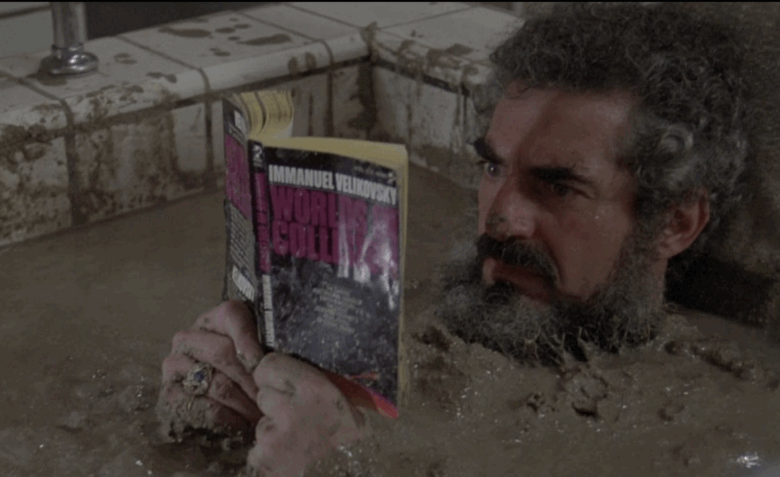
When Allied Artists released this modestly budgeted science fiction thriller, most viewers saw nothing more than another alien invasion story capitalizing on Cold War paranoia. Director Don Siegel worked with a minimal budget and a tight shooting schedule, creating what appeared to be standard drive-in fare about mysterious seed pods replacing human beings with emotionless duplicates.
Time has revealed the film’s true genius as a chilling, masterful allegory that works on multiple levels. The pervasive sense of dread builds methodically as protagonist Dr. Miles Bennell discovers his neighbors becoming hollow shells of their former selves. Siegel’s taut direction creates an atmosphere of mounting paranoia that mirrors both McCarthyism and the conformist pressures of 1950s suburbia. The film’s subtle approach to horror, relying on psychological terror rather than graphic violence, makes it profoundly unsettling even today.
Critics now recognize it as one of the most influential works of psychological horror ever made. Its themes of dehumanization and loss of individuality resonate across generations, while its documentary-style realism gives the fantastic premise an uncomfortably plausible edge. The ambiguous ending, suggesting the invasion’s success, was revolutionary for its time and continues to send chills down viewers’ spines decades later.
The Incredible Shrinking Man (1957)
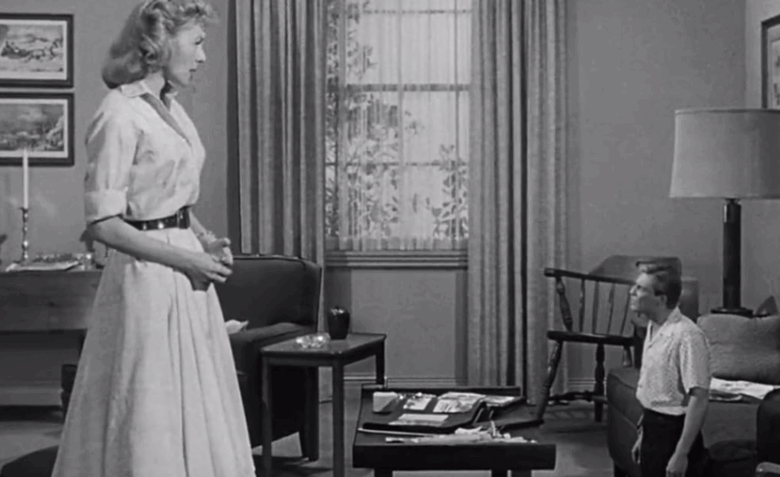
Universal Pictures marketed this Jack Arnold film as a standard creature feature, emphasizing the spectacle of a man gradually diminishing in size after exposure to radioactive mist. Audiences expected typical monster movie thrills, complete with oversized props and cheesy special effects designed to showcase the protagonist’s shrinking predicament.
However, screenwriter Richard Matheson crafted something far more profound than its fantastical premise suggested. The film becomes a deeply philosophical meditation on humanity’s place in the vast cosmos, exploring themes of identity, mortality, and our fear of insignificance. As Scott Carey shrinks beyond microscopic size, the story transforms into an existential journey that questions the very nature of existence and meaning.
The groundbreaking special effects were genuinely innovative for their time, creating convincing illusions of scale that still impress modern viewers. More importantly, the film’s surprisingly poetic ending suggests that even at the subatomic level, consciousness retains dignity and purpose. This optimistic conclusion elevates the material from simple science fiction into something approaching spiritual philosophy, making it a uniquely thoughtful entry in the genre that continues to inspire contemplation about our place in the universe.
The Fly (1958)
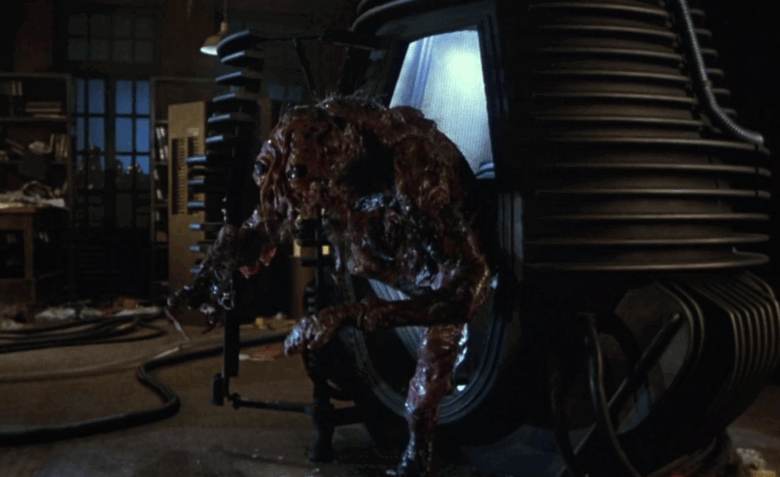
20th Century Fox promoted this film as a gruesome monster movie from the horror specialists at the studio, emphasizing the shocking transformation of scientist Andre Delambre into a hideous human-fly hybrid. The marketing focused on the grotesque visual of Vincent Price discovering his brother-in-law’s fate, promising audiences the kind of visceral thrills typical of 1950s creature features.
Beneath its monster movie surface lies a genuinely disturbing and tragic tale of scientific ambition corrupted by hubris. The film’s central conceit of body horror creates visceral unease that goes far beyond mere shock value. Director Kurt Neumann and screenwriter James Clavell crafted a story that examines the dangerous intersection of scientific progress and human folly, creating a cautionary tale that feels remarkably prescient in our age of genetic engineering and technological advancement.
The emotional core of the story, focusing on the devastating impact on Andre’s family, elevates it beyond typical creature feature territory. The iconic ending sequence, with the tiny human-headed fly trapped in a spider’s web crying “Help me! Help me!” remains one of cinema’s most memorably horrific moments. This scene alone has ensured the film’s place in horror history, but the deeper themes of scientific responsibility and unintended consequences give it lasting relevance that transcends its B-movie origins.
Kiss Me Deadly (1955)
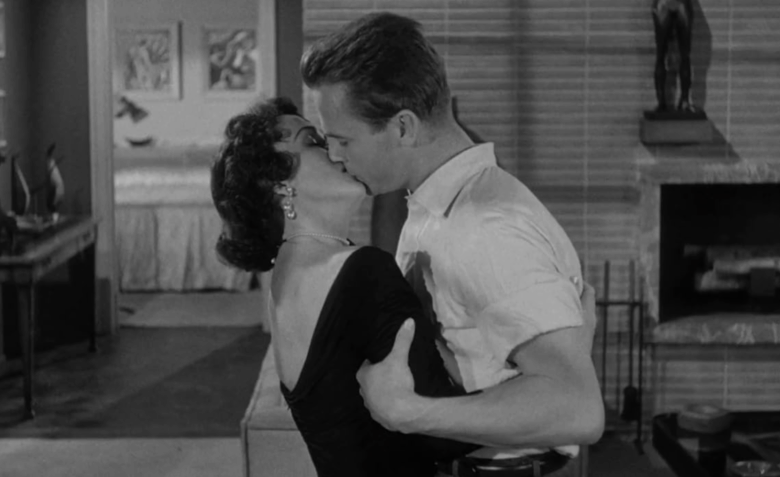
United Artists released this film as another entry in the popular film noir cycle, featuring tough-guy detective Mike Hammer in what appeared to be a standard hard-boiled mystery. Audiences expected the usual formula of dangerous women, shadowy conspiracies, and violent confrontations that had made Mickey Spillane’s private eye character a popular fixture in both literature and cinema.
Director Robert Aldrich created something far more brutal and nihilistic than typical noir fare. The film pushes the genre’s boundaries with unprecedented cynicism, presenting a world where traditional moral codes have completely collapsed. Mike Hammer himself becomes an almost anti-heroic figure, driven by greed and violence rather than any sense of justice or righteousness. The stark brutality of the violence was shocking for its time and influenced a generation of filmmakers exploring darker themes.
The mysterious glowing briefcase that drives the plot became one of cinema’s most famous MacGuffins, directly inspiring Quentin Tarantino’s Pulp Fiction decades later. The film’s ambiguous apocalyptic ending, suggesting nuclear annihilation, was remarkably prescient given the era’s atomic anxieties. Critics now recognize it as wildly ahead of its time, influencing everyone from French New Wave directors to modern action filmmakers with its unflinching examination of American moral decay.
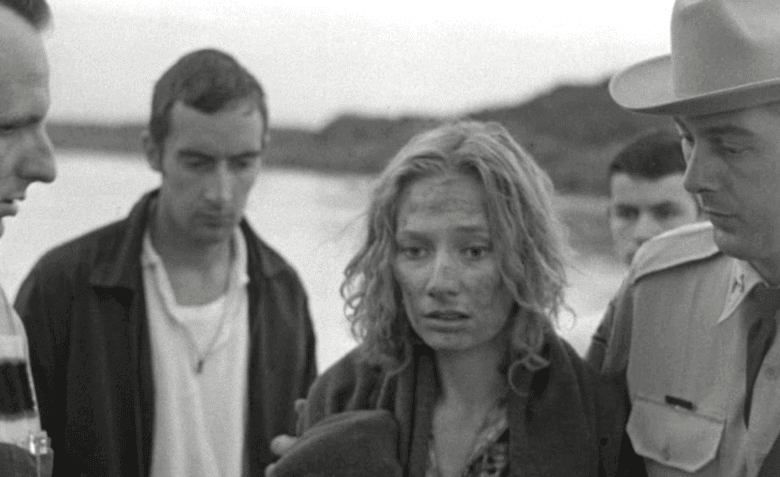
Carnival of Souls (1962)
This micro-budget independent horror film, produced for just $33,000 in Lawrence, Kansas, was largely invisible upon its initial release. Director Herk Harvey, working primarily in educational films, created what appeared to be an amateur effort with limited resources, non-professional actors, and minimal production values that relegated it to the bottom tier of drive-in programming.
Time has revealed it as an atmospheric masterpiece that pioneered psychological horror techniques still used today. The film’s dreamlike quality creates an unsettling sense of unreality that keeps viewers perpetually off-balance. Harvey’s use of the abandoned Saltair Pavilion as a ghostly gathering place provides genuinely eerie visuals that are both beautiful and terrifying. The sparse, discordant organ score by Gene Moore creates an atmosphere of cosmic dread that perfectly complements the surreal imagery.
The film’s shocking twist ending, revealing the protagonist’s true fate, predates similar revelations in more famous films by decades. Its influence on independent horror cinema cannot be overstated, proving that creative vision could triumph over budget limitations. Modern critics now recognize it as a foundational work that demonstrated how psychological horror could be more effective than graphic violence, inspiring generations of indie filmmakers to pursue atmospheric storytelling over expensive special effects.
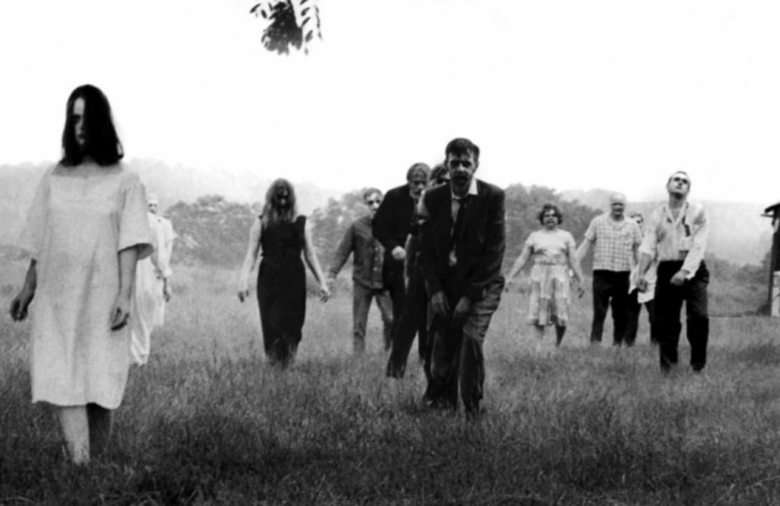
Night of the Living Dead (1968)
Independent producer Karl Hardman and his small Pittsburgh-based production company created what appeared to be another low-budget exploitation film, capitalizing on the era’s appetite for graphic violence. Shot in stark black and white with unknown actors and a minimal budget of $114,000, the film looked like typical grindhouse fare designed to shock audiences with its gruesome zombie attacks and cannibalistic imagery.
George A. Romero’s directorial debut revolutionized horror cinema and redefined an entire genre. The film’s relentless tension, created through claustrophobic cinematography and increasingly desperate situations, maintains its power to disturb modern audiences. More importantly, Romero introduced serious social commentary to horror, with the casting of African American actor Duane Jones as the heroic Ben carrying powerful racial implications during the tumultuous civil rights era.
The film’s bleak ending, where the hero becomes a victim of human prejudice rather than zombie violence, was unprecedented in its nihilism. This downbeat conclusion, combined with the graphic violence and social themes, established a new template for horror that continues to influence filmmakers today. Critics now recognize it as a groundbreaking masterpiece that proved independent filmmakers could create works of lasting artistic merit while working outside the studio system.
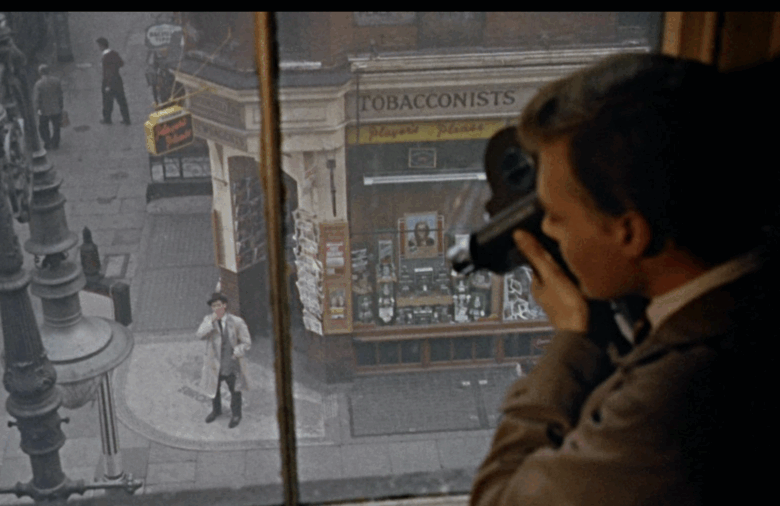
Peeping Tom (1960)
Anglo-Amalgamated released this British thriller to such a hostile reception that it effectively ended director Michael Powell’s career. Critics were appalled by its disturbing subject matter involving a serial killer who films his victims’ final moments, and audiences stayed away from what they perceived as a depraved, exploitative horror film that pushed boundaries of acceptable content far beyond contemporary standards.
Decades of critical re-evaluation have revealed it as a brilliant psychological horror film that was simply too far ahead of its time. Powell’s exploration of voyeurism and the relationship between filmmaker and audience creates a disturbing meta-commentary on the act of watching that predates and perhaps even inspired Alfred Hitchcock’s Psycho. The film’s sophisticated examination of how movies manipulate audiences was revolutionary in its self-awareness.
The character of Mark Lewis, the disturbed photographer-filmmaker, becomes a complex study of how childhood trauma can create monsters. Powell’s direction creates genuine psychological depth rather than relying on simple shock tactics. Modern critics now recognize it as decades ahead of its time in its understanding of cinematic voyeurism and the darker implications of visual media. Its influence on subsequent psychological horror films, particularly those dealing with filmmaking and observation, has been profound and lasting.
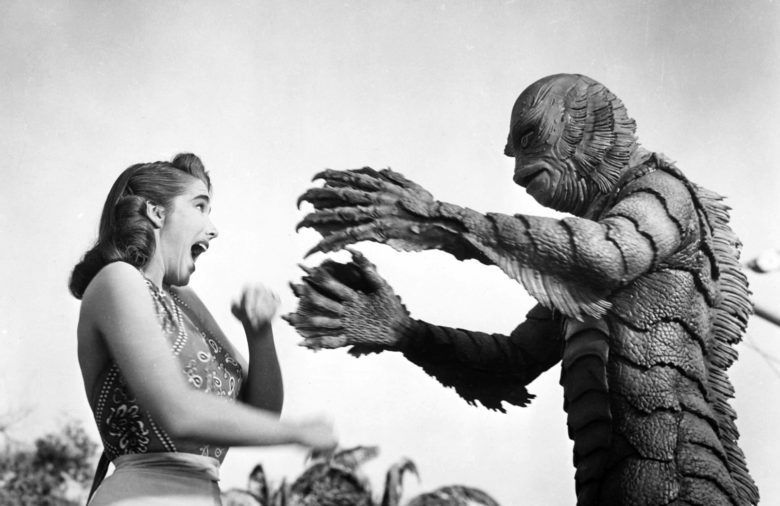
Creature from the Black Lagoon (1954)
Universal Pictures promoted this film as the latest entry in their classic monster movie tradition, following in the footsteps of Dracula, Frankenstein, and The Wolf Man. The studio marketed it as a straightforward creature feature designed to capitalize on the newfound popularity of 3D technology, emphasizing the spectacular underwater sequences and the monster’s threatening presence.
Director Jack Arnold created something more sophisticated than typical monster movie fare. The Gill-Man emerges as a surprisingly sympathetic creature, driven by loneliness and attraction rather than pure malevolence. The film’s underwater cinematography was genuinely innovative, creating graceful, almost balletic sequences that showcase the creature’s natural habitat with unprecedented beauty. These aquatic scenes remain visually stunning and technically impressive even by modern standards.
The romantic triangle between the creature, Kay Lawrence, and her male companions adds unexpected emotional depth to the proceedings. The Gill-Man’s attraction to Kay creates genuine pathos, transforming him from a simple monster into a tragic figure caught between two worlds. The iconic design by Millicent Patrick remains one of cinema’s most memorable creature creations, influencing countless subsequent monster movies and establishing a template for sympathetic movie monsters that continues to resonate with audiences today.
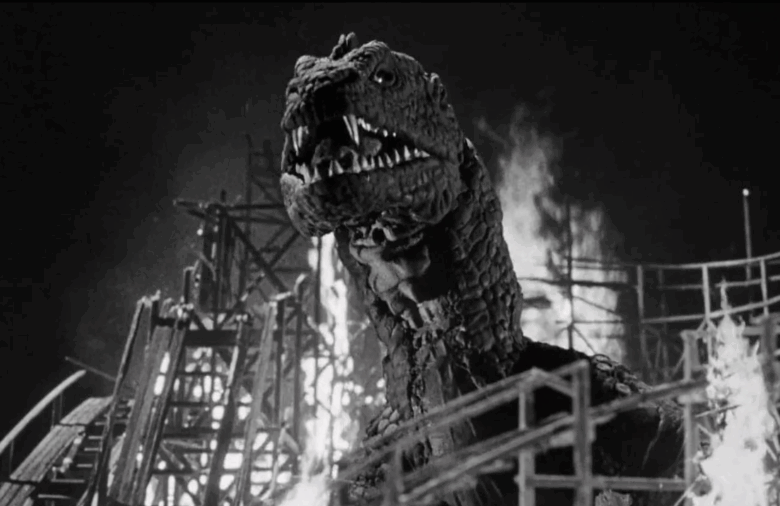
The Beast from 20,000 Fathoms (1953)
Warner Bros. released this monster movie as another entry in the growing cycle of atomic age creature features, capitalizing on public anxieties about nuclear testing and radiation. The film appeared to be a standard formula picture about a dinosaur awakened by atomic testing, designed to provide audiences with spectacular destruction scenes and monster movie thrills.
The film’s true significance lies in Ray Harryhausen’s groundbreaking stop-motion animation, which brought the titular Rhedosaurus to life with unprecedented realism and artistry. Harryhausen’s meticulous frame-by-frame work created a creature that moved with convincing weight and personality, establishing new standards for special effects that influenced generations of filmmakers. His techniques proved that special effects could be genuine art rather than mere technical trickery.
The film established the template for countless monster movies that followed, including the famous Godzilla franchise that began the following year in Japan. The scenes of the beast attacking New York City, particularly the Coney Island sequence, created a new vocabulary for urban destruction that became standard in the genre. Harryhausen’s artistry elevated what could have been routine monster movie material into something approaching visual poetry, demonstrating how technical innovation could serve storytelling and create lasting cinematic magic.
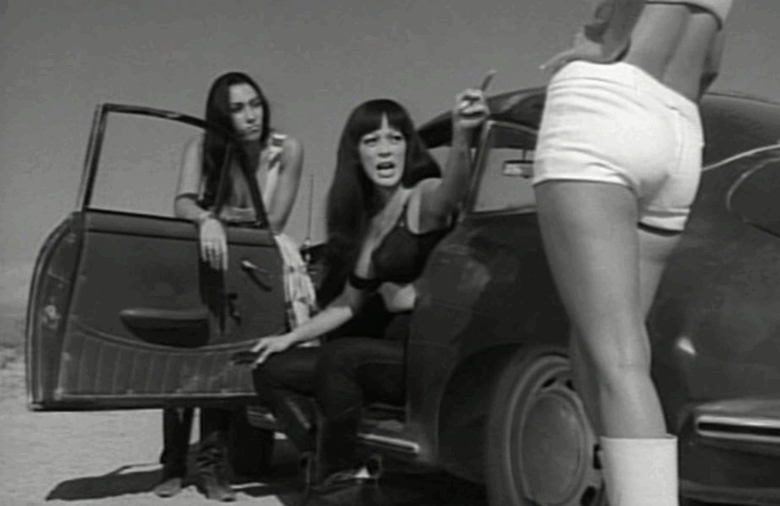
Faster, Pussycat! Kill! Kill! (1965)
RM Films International released this Russ Meyer production as an exploitation film designed for the drive-in circuit, featuring the director’s trademark combination of violence, sexuality, and over-the-top characters. Critics dismissed it as crude, misogynistic trash that appealed to the lowest common denominator, while mainstream audiences were often baffled or offended by its aggressive, in-your-face style.
Time has revealed the film as a seminal work of underground cinema that was decades ahead of its time in its presentation of female empowerment. The three protagonists, led by the commanding Varla, are genuinely powerful characters who refuse to be victims or objects. They take control of their destinies through violence and cunning, creating a template for strong female characters that prefigures riot grrrl culture and feminist punk aesthetics by decades.
Meyer’s hyper-stylized visual approach, with its stark desert landscapes and bold cinematography, creates a unique aesthetic that has influenced countless independent filmmakers. The film’s raw, rebellious energy and unapologetic celebration of camp sensibility have made it a cornerstone of cult cinema. Its influence on counterculture filmmaking extends far beyond its exploitation origins, inspiring directors from John Waters to Quentin Tarantino with its commitment to pushing boundaries and celebrating outsider perspectives.

Conclusion
These ten remarkable films demonstrate that artistic merit transcends budget limitations and initial critical reception. For an entire generation of moviegoers, these B-movies provided genuine thrills, unexpected chills, and groundbreaking cinematic innovation that mainstream Hollywood productions often failed to deliver. They proved that creativity and vision could flourish in the most unlikely circumstances, creating lasting works of art from what appeared to be disposable entertainment.
The test of time has been remarkably kind to these once-dismissed films. Their enduring appeal and continued influence on contemporary filmmakers highlight their true masterpiece status, far removed from their original labels as cheap exploitation fare. Modern audiences discovering these gems often find them more engaging and innovative than many big-budget productions of their era.
We encourage readers to seek out these often-overlooked treasures and experience the unexpected artistry of Boomer-era B-cinema for themselves. Explore our other film retrospectives and classic movie coverage here at MediaFeed, where we continue to celebrate the hidden gems and forgotten masterpieces that have shaped cinema history.
Related:
- 10 long (but incredible) movies perfect for your next flight
- 10 movies that are just as bad as people say they are
Like MediaFeed’s content? Be sure to follow us.
This article was syndicated by MediaFeed.org.