70s albums that were way ahead of their time (and are still underrated)
The 1970s were a crucible for musical innovation, witnessing the birth and evolution of numerous genres, including progressive rock, glam, punk, and disco. While we all know the blockbuster albums that defined the decade—think “Dark Side of the Moon,” “Led Zeppelin IV,” or “Rumours”—many equally groundbreaking records quietly pushed boundaries, often going completely unappreciated in their time. These were albums that dared to experiment, blending genres, utilizing unconventional techniques, or exploring themes that wouldn’t become mainstream until years or even decades later.
Some ’70s albums are rightfully enshrined as classics, their influence prominent and celebrated. But others, equally revolutionary, remained under the radar despite their forward-thinking approach to music-making. These hidden gems showcased artistic courage and foresight that would eventually reshape how we think about popular music, even if few people were paying attention when they first appeared.
This exploration highlights 10 such albums from the 1970s that were truly ahead of their time, and despite their enduring influence on countless artists, remain woefully underrated by many music fans today. Prepare to have your sonic perceptions expanded and your record collection significantly enhanced.
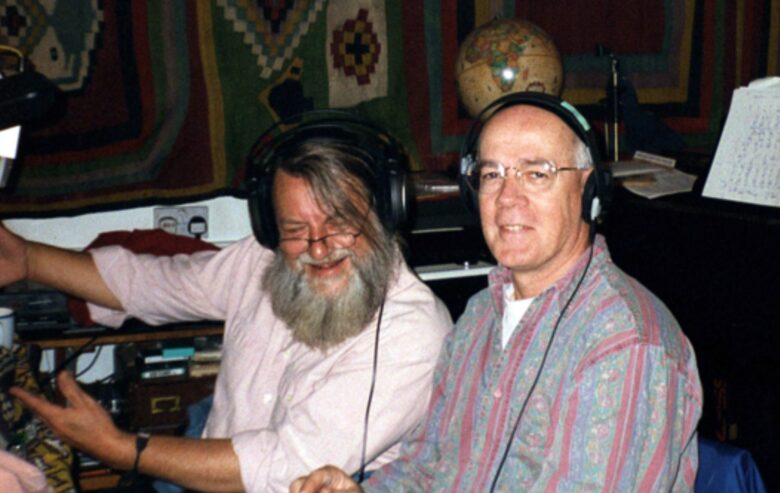
Robert Wyatt – “Rock Bottom” (1974)
Robert Wyatt’s “Rock Bottom” emerged from profound personal tragedy, created after a life-altering accident left the former Soft Machine drummer paralyzed. What resulted was a deeply introspective work that blended avant-garde jazz, progressive rock, and folk with a unique, almost ethereal soundscape. The album’s melancholic, sparse arrangements and unconventional instrumentation foreshadowed later experimental and lo-fi movements by decades, creating something that felt both deeply personal and universally affecting.
Released during the height of glam rock and early prog excess, its raw vulnerability and experimental nature made it largely inaccessible to mainstream audiences seeking more conventional entertainment. The album’s quiet intensity and emotional honesty were qualities that wouldn’t become widely appreciated in popular music until much later. While it became a cult classic among serious music listeners, it remained largely unknown outside dedicated music circles.
The lasting influence of “Rock Bottom” can be heard across genres today, from Radiohead’s most experimental moments to contemporary jazz explorations. Its emotional honesty and sonic bravery established a template for how personal trauma could be transformed into transcendent art, influencing artists who weren’t even born when it was released.

Shuggie Otis – “Inspiration Information” (1974)
Shuggie Otis crafted a masterful blend of psychedelic soul, funk, jazz, and early electronic textures on “Inspiration Information,” performing almost all instruments himself to create a dreamy, sophisticated, and laid-back groove that felt incredibly futuristic. The album’s multi-layered production and innovative use of synthesizers created soundscapes that wouldn’t become common in popular music until the neo-soul revival of the 1990s. His approach to rhythm, melody, and texture prefigured the lo-fi pop and bedroom recording aesthetics that would become trendy decades later.
Despite its innovative approach, the album was released to little commercial fanfare and was quickly overshadowed by the rise of disco and more conventional funk. Record labels didn’t know how to market something so ahead of its time, and radio programmers found it too experimental for mainstream play. The album was largely forgotten until its rediscovery decades later, when a new generation of musicians recognized its visionary qualities.
The influence of “Inspiration Information” became undeniable, as artists like Prince, J Dilla, and D’Angelo cited it as a significant source of inspiration. Its DIY approach to sophisticated soul music and innovative production techniques helped establish a template that countless contemporary R&B and hip-hop producers still follow today.

Big Star – “Third/Sister Lovers” (1978)
Big Star’s “Third/Sister Lovers” was a haunting, fractured, and emotionally raw masterpiece that pushed the boundaries of power pop into what would later be recognized as proto-alternative rock. The album’s dark, often chaotic sound and experimental production techniques were a stark contrast to the polished, arena-ready sounds dominating the late ’70s. Alex Chilton’s fragmented songwriting and the band’s willingness to embrace sonic discord created something that felt like a transmission from a parallel universe where pop music could be beautiful and disturbing simultaneously.
Due to ongoing band turmoil and record label issues, the album was barely released and received virtually no promotion at the time, leading to its obscurity for years. The few copies that made it into stores found little audience among fans expecting the catchy power pop of the band’s earlier work. Its experimental nature and emotional intensity made it a difficult sell to both radio and retail, ensuring it would remain buried for years.
“Third/Sister Lovers” eventually became a massive cult classic, profoundly influencing generations of alternative and indie rock bands, including R.E.M., The Replacements, and Elliott Smith. Its template of beautiful melodies wrapped in sonic chaos became a blueprint for alternative rock, proving that pop music could be both accessible and artistically challenging.
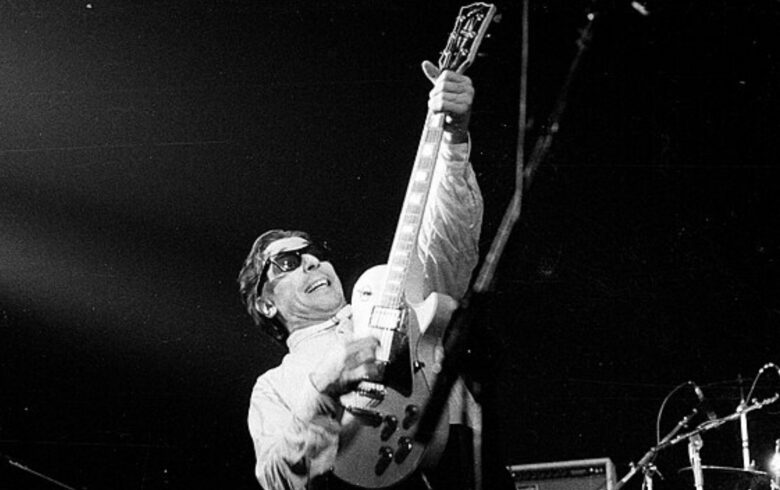
John Cale – “Paris 1919” (1973)
Coming from a former Velvet Underground avant-garde pioneer, “Paris 1919” surprised everyone with its lush, baroque pop sophistication. The album showcased an unexpected melodic sensibility and poetic lyricism, blending orchestral arrangements with intellectual folk-rock in ways that diverged dramatically from Cale’s experimental past. His collaboration with the UCLA Symphony Orchestra created something that felt both timeless and thoroughly modern, establishing a new template for how art rock could embrace beauty without sacrificing intelligence.
While critically acclaimed upon release, the album’s subtle beauty and intellectual depth made it less commercially impactful than other ’70s releases that traded in more obvious hooks or shock value. It existed somewhat outside traditional rock categories, making it difficult for record stores to categorize it and radio programmers to understand how to present it. Its sophisticated approach to songcraft was perhaps too refined for the era’s taste for excess and spectacle.
“Paris 1919” has been consistently praised for its refined craftsmanship and lyrical brilliance, serving as a quiet testament to Cale’s versatility and a clear precursor to the sophisticated art-pop that would emerge decades later. Artists from David Bowie to more contemporary acts have cited its influence on their approach to combining accessibility with artistic ambition.

Linda Perhacs – “Parallelograms” (1970)
Linda Perhacs, a dental hygienist turned musician, created a haunting and ethereal psychedelic folk masterpiece that featured layered harmonies, experimental vocal effects, and nature-infused spiritual themes that were incredibly unique and otherworldly for 1970. Working with minimal resources but maximum creativity, she crafted an album that sounded like it had been transmitted from some peaceful dimension where folk music had evolved along entirely different lines. Her use of tape manipulation and vocal layering techniques predated similar experiments by decades.
The album was barely released as a “private press” record with virtually no promotion, quickly vanishing into complete obscurity upon its initial debut. Most record stores never carried it, and those that did had no idea how to categorize or sell something so unusual. The few copies that existed became collector’s items almost by accident, traded among folk music enthusiasts who recognized they had stumbled upon something special.
Rediscovered during the late ’90s and early 2000s, “Parallelograms” is now hailed as a visionary work of outsider folk, profoundly influencing artists in the “New Weird America” movement and beyond. Its approach to combining traditional folk structures with experimental production techniques has become a template for contemporary psychedelic folk artists seeking to push the genre’s boundaries.

Sensations’ Fix – “Vision’s Fugitives” (1977)
This Italian band’s cosmic rock opus blended shimmering synthesizers, krautrock rhythms, and intricate guitar work to create spacious, hypnotic soundscapes that echoed early Tangerine Dream or Brian Eno but with a distinct rock sensibility. Their approach to electronic music felt more organic and less clinical than that of many of their contemporaries, incorporating human elements into their technological explorations. The album’s expansive compositions and innovative use of synthesizers created a bridge between progressive rock and the emerging ambient music.
Despite their unique sound and obvious innovation, Sensations’ Fix never gained international recognition. It remained a cult act, overshadowed by more prominent electronic and progressive bands with better distribution and marketing. Their Italian origins also worked against them in an era when most experimental music fans looked to Germany or Britain for cutting-edge sounds. The band’s complex music required patient listening in an era increasingly dominated by shorter, more immediate forms of entertainment.
The album has become a favorite among collectors of rare progressive and electronic music, with its forward-thinking approach to electronic rock anticipating elements of ambient, post-rock, and contemporary electronic music. Modern artists exploring the intersection of electronic and organic sounds often rediscover this album and recognize its pioneering vision.

Gene Clark – “No Other” (1974)
Gene Clark’s “No Other” was a sprawling, cinematic, and deeply melancholic album that transcended the traditional boundaries of folk rock and country rock. Incorporating lush orchestration, gospel choirs, and innovative production techniques, Clark created a unique “cosmic country” sound, characterized by profound, often dark lyrical themes that explored spiritual and existential questions with uncommon depth. The album’s ambitious scope and emotional intensity created something that felt like a lost classic from the moment it was completed.
Its exorbitant recording budget and complex sound initially alienated both rock and country audiences, leading to poor sales and critical indifference from reviewers who struggled to comprehend something so ambitious and genre-defying. Radio programmers found it too complex for country stations and too country for rock stations, leaving it to fall between the cracks in the market. The album’s failure nearly ended Clark’s recording career, becoming a cautionary tale about the perils of artistic ambition in the music industry.
“No Other” has since been completely re-evaluated as a masterpiece, praised for its ambitious scope and emotional depth while influencing countless artists in the Americana and indie-folk genres. Modern listeners, equipped with decades of genre-blending precedents, can finally appreciate what Clark was attempting and recognize his vision as ahead of its time rather than confused.

Dear Mr. Time – “Grandfather” (1970)
This British band created a symphonic progressive rock “rock opera” that featured orchestral flourishes, complex melodies, and a dark, conceptual narrative, successfully fusing garage rock energy with the grand ambition of early progressive rock. As a one-album wonder, they managed to encapsulate everything exciting about progressive rock’s potential while maintaining the immediacy and energy that would later be lost as the genre evolved into a more academic form. Their approach to combining accessibility with complexity would later become a holy grail for progressive musicians.
The album was an obscure release that quickly faded from view, never gaining the traction of more famous contemporaries despite its innovative blend of styles and apparent ambition. Without proper promotion or distribution, it became one of those records that existed mainly in the collections of serious record collectors who had stumbled upon it by chance. Its complex narrative and musical sophistication required the kind of dedicated listening that was becoming increasingly rare.
“Grandfather” remains a hidden gem for progressive rock aficionados, showcasing a band unafraid to tackle ambitious concepts and diverse sounds from the very beginning of the decade. Its approach to combining storytelling with musical complexity influenced later concept albums, even if few people realized where some of those ideas had originated.

Neu! – “Neu!” (1972)
Neu!’s debut album pioneered German krautrock by establishing the “motorik” beat—a repetitive, hypnotic rhythm that created an irresistible sense of forward motion. Their minimalist approach, extended instrumental passages, and emphasis on texture over traditional song structure were genuinely revolutionary, creating music that felt like it was moving toward some inevitable future rather than looking backward to established forms. The album’s relentless drive and innovative use of repetition established new possibilities for what rock music could accomplish.
As part of the German experimental scene, Neu! They weren’t widely known in the mainstream rock world, and their unconventional structure wasn’t immediately palatable to audiences expecting traditional verse-chorus-verse arrangements. Their music required a different kind of listening, one that embraced repetition and gradual change rather than obvious hooks and dynamic shifts. Most rock fans were unsure how to react to something so radically different from established rock conventions.
Neu!’s influence became enormous across multiple genres, profoundly affecting punk, post-punk, ambient music, and modern electronic artists. Their motorik beat became a foundational element in countless songs, and their approach to repetition and texture helped establish the template for everything from ambient techno to post-rock, cementing their status as a foundational text for experimental rock.

Television – “Marquee Moon” (1977)
While often associated with the punk and new wave scene due to its CBGB origins, Television’s “Marquee Moon” featured intricate, intertwining guitar solos and complex song structures that were far more sophisticated than the raw simplicity typically associated with punk. Tom Verlaine and Richard Lloyd’s guitar interplay created something entirely new, establishing a template for how lead guitars could work together rather than simply trading solos. The album’s intellectual approach to rock music and emphasis on instrumental prowess laid the crucial groundwork for both art rock and indie rock.
Despite receiving critical adoration from the music press, “Marquee Moon” never achieved massive commercial success, overshadowed by more accessible punk and new wave bands who offered simpler pleasures and more obvious hooks. Radio programmers didn’t know how to handle something that was simultaneously part of the punk scene and far more musically complex than anything else emerging from that movement. Its 10-minute title track alone ensured it would never receive conventional radio play.
“Marquee Moon” is now widely regarded as a masterpiece and a seminal work of post-punk, profoundly influencing countless guitar-driven bands with its innovative approach to interplay and intellectual engagement with rock music. Its template for combining punk’s energy with sophisticated musicianship became essential DNA for alternative and indie rock, proving that intelligence and accessibility could coexist in popular music.

Conclusion
These albums, though perhaps not immediately embraced by mainstream audiences, showcased genuine foresight and artistic courage that laid the groundwork for future musical landscapes we now take for granted. Each one pushed against the boundaries of what popular music was supposed to sound like, often paying the price for their innovation with commercial failure and critical indifference. Yet their influence has proven more lasting and significant than many of the era’s biggest hits.
The artists behind these records were willing to risk everything for their vision, creating music that spoke to future possibilities rather than current market demands. They trusted that their innovations would eventually find an audience, even if that audience took decades to materialize. Their patience and artistic integrity serve as an inspiration for contemporary musicians who continue to push boundaries and challenge expectations.
These underrated masterpieces deserve rediscovery and appreciation for their timeless innovation and fearless creativity. Each one offers rewards that become more apparent with repeated listening, revealing new layers of sophistication and influence that weren’t immediately obvious. For listeners willing to delve deeper into the ’70s catalog beyond the obvious classics, these albums offer a masterclass in how great art often goes overlooked before being recognized as essential.
What overlooked ’70s albums have shaped your musical understanding? The decade was so rich with innovation that countless other visionary works are still waiting to be rediscovered by new generations of listeners ready to appreciate their ahead-of-their-time brilliance.
Related:
Like MediaFeed’s content? Be sure to follow us.
This article was syndicated by MediaFeed.org.