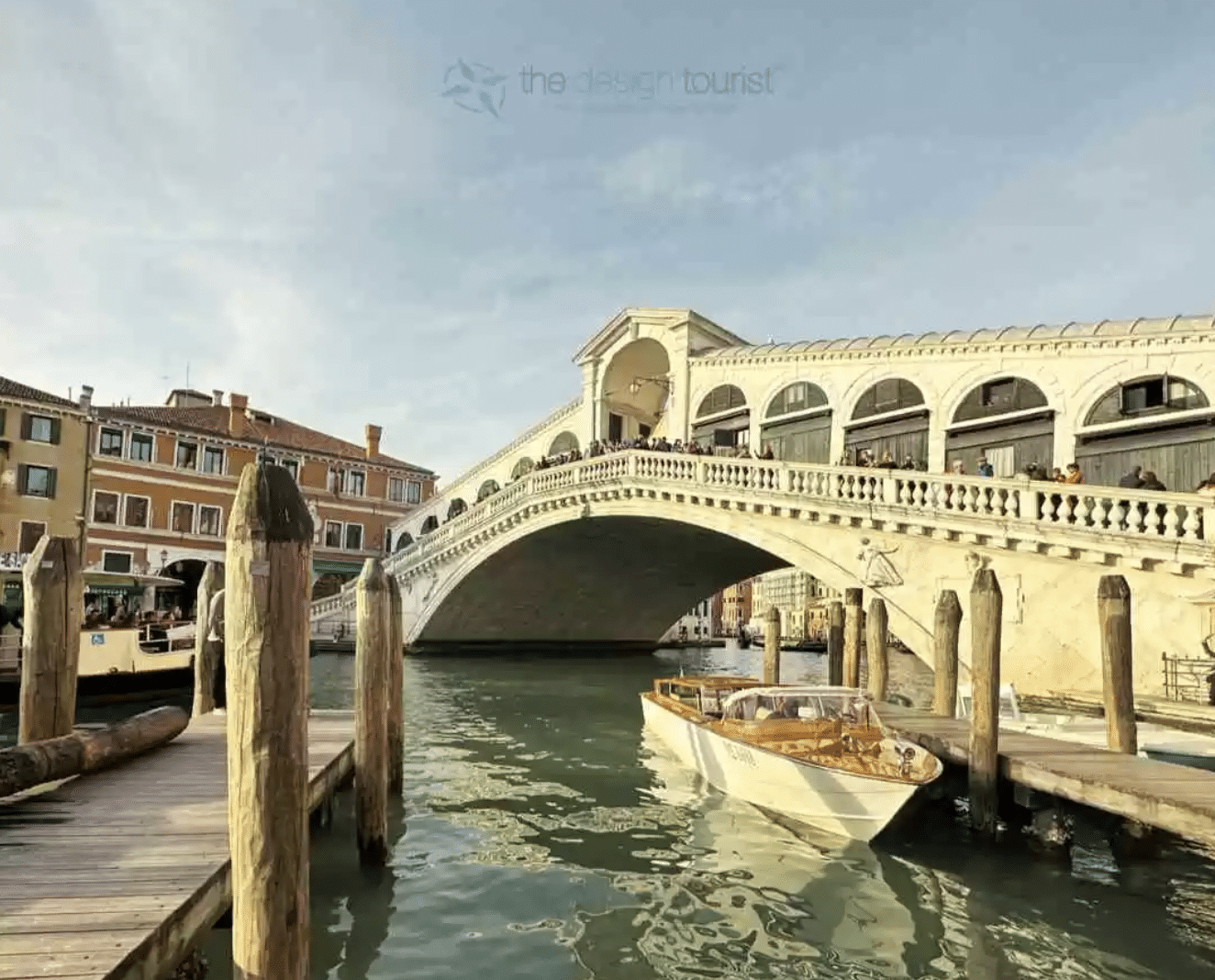
8 once-posh destinations now completely overrun by tourists
Travel has always promised transformation, carrying us beyond familiar boundaries into places where culture, history, and natural beauty converge in extraordinary ways. For generations, specific destinations remained sanctuaries for the discerning traveler, places where serenity and authentic experience took precedence over convenience and crowds. These were the hidden corners of Europe where artists found inspiration, the remote islands where spirituality flourished undisturbed, the ancient cities where history whispered rather than shouted through megaphones.
Yet the digital age has fundamentally altered this landscape of discovery. Social media platforms showcase once-secret locations to millions of followers, budget airlines make distant shores accessible to weekend warriors, and the democratization of travel has turned exclusive retreats into overcrowded destinations struggling to cope with unprecedented visitor numbers. What was once carefully guarded knowledge passed between sophisticated travelers has become viral content, driving mass tourism to fragile locations.
Truth be told, these destinations face a crisis of identity as their unique character dissolves under the pressure of commercialization and infrastructure strain. The very qualities that made them special disappear beneath layers of tourist-focused development, leaving behind hollow shells of their former selves. Understanding these changes isn’t just about nostalgia for a more exclusive era of travel. It’s about recognizing our collective responsibility to protect the places we claim to love before they become unrecognizable casualties of our own wanderlust.
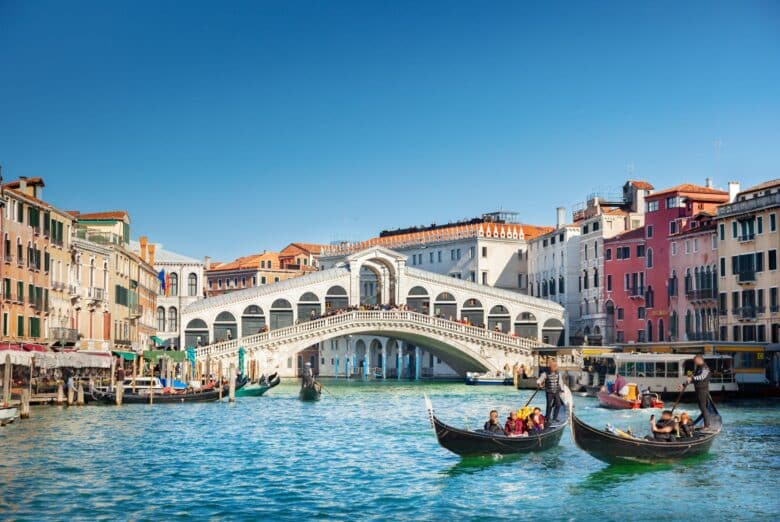
1. Venice drowns in its own popularity
Venice once embodied European sophistication like no other city in Europe. The floating masterpiece attracted discerning travelers who understood that its labyrinthine canals and Byzantine architecture represented centuries of artistic achievement and maritime power. Writers, painters, and nobility made pilgrimages here not for quick photo opportunities but for extended stays that allowed the city’s unique rhythm to penetrate their consciousness.
Today, Venice staggers under the weight of over 30 million annual visitors descending upon a city built for perhaps 200,000 residents. Massive cruise ships dwarf the historic skyline as they disgorge thousands of passengers for brief, superficial encounters with one of humanity’s most significant urban achievements. The constant parade of day-trippers creates human traffic jams on bridges designed centuries ago, transforming peaceful walks along ancient waterways into frustrating battles through pressing crowds.
The consequences extend far beyond inconvenience. Local Venetians are increasingly abandoning their ancestral city as short-term vacation rentals price out long-term residents, leaving behind empty shells that masquerade as neighborhoods. Traditional craftsmen close workshops, unable to compete with souvenir shops, while restaurants cater to tourists seeking familiar foods rather than authentic Venetian cuisine. The city risks becoming a theme park version of itself, beautiful but hollow, spectacular but spiritually vacant. Environmental concerns compound these cultural losses as wave action from countless water taxis and cruise ships accelerates the deterioration of building foundations already threatened by rising sea levels.
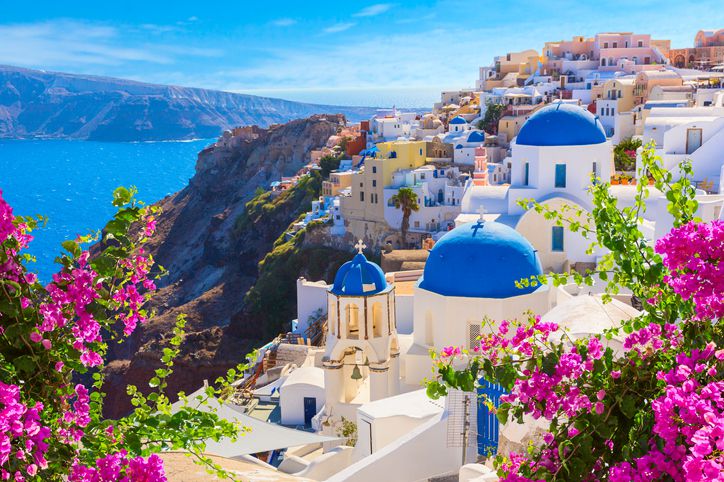
2. Santorini’s sunset spectacle loses its magic
The Greek island of Santorini has achieved legendary status due to its dramatic volcanic caldera views and impossibly picturesque villages, perched on clifftops overlooking the Aegean Sea. The destination represented the pinnacle of Mediterranean romance, where whitewashed buildings cascaded down volcanic slopes toward infinity pools that seemed to merge with the azure horizon. Sophisticated travelers discovered intimate tavernas serving local wines pressed from volcanic soil, creating memories that felt both exclusive and authentic.
Instagram transformed Santorini into a global phenomenon, with millions of followers seeking to recreate perfect sunset photographs from Oia’s famous windmills and blue-domed churches. Budget airlines made the island accessible to weekend travelers from throughout Europe, while cruise ships began including it as a mandatory stop on their Mediterranean routes. The initial growth in boutique hotels and luxury resorts seemed optimistic, elevating the island’s infrastructure and international profile.
However, success brought devastating consequences during the peak summer months. The narrow streets of Oia become impassable rivers of humanity fighting for prime sunset viewing positions, while restaurants charge outrageous prices for mediocre meals with views. Water scarcity reaches crisis levels as swimming pools and luxury accommodations strain resources never designed for such intensive use. Waste management systems collapse under pressure, and the island’s delicate ecosystem suffers from overtourism. Most tragically, the intimate charm that initially attracted visitors vanishes beneath layers of commercialization and crowd management, leaving behind spectacular views wrapped in commercial chaos.
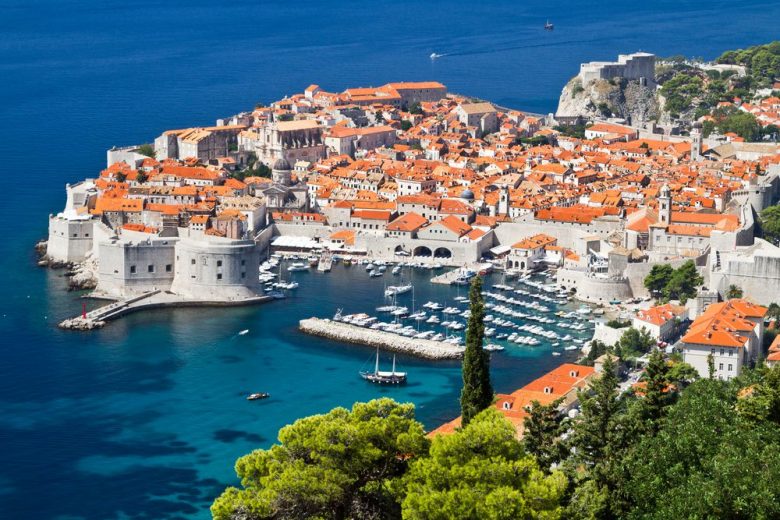
3. Dubrovnik transforms from hidden gem to Hollywood circus
Following Yugoslavia’s dissolution, Dubrovnik emerged as one of Europe’s most compelling destinations, offering medieval architecture virtually untouched by mass tourism. The walled Adriatic city offered sophisticated travelers Gothic and Renaissance treasures, crystalline waters, and a relaxed Mediterranean atmosphere, where centuries of maritime history were visible in every stone. The city felt like a secret shared among those who appreciated authentic cultural experiences over manufactured attractions.
“Game of Thrones” changed everything dramatically. The HBO series transformed Dubrovnik into King’s Landing for millions of global viewers, creating pilgrimage sites from fortress walls and ancient streets. Simultaneously, cruise ship companies discovered the city’s photogenic appeal, scheduling multiple massive vessels to arrive simultaneously and overwhelm the historic center with temporary invasions of passengers seeking quick photo opportunities.
The medieval streets designed for horse-drawn carts now accommodate shoulder-to-shoulder crowds shuffling through narrow passages like cattle through chutes. Residents find their daily lives disrupted by constant filming activities, tourist groups, and the conversion of traditional apartments into profitable vacation rentals. Restaurant prices soar to exploit captive audiences, while authentic Croatian culture is transformed into a performance art for visitor consumption. The city struggles to maintain its identity as a living community rather than an elaborate movie set, fighting to preserve dignity beneath layers of commercial exploitation.

4. Prague’s fairytale becomes a bachelor party backdrop
Prague emerged from communist control as Central Europe’s most enchanting destination, offering Gothic spires, baroque palaces, and cobblestone squares that seemed lifted from storybooks. The city attracted cultured travelers seeking artistic inspiration, historical understanding, and the unique experience of witnessing a significant European capital rediscovering its identity after decades of political suppression. The combination of architectural magnificence and affordability made Prague especially appealing to sophisticated travelers on moderate budgets.
Budget airlines quickly identified Prague as a perfect destination for European weekend breaks, marketing the city’s beauty alongside its favorable exchange rates and liberal alcohol policies. The rise of stag and hen parties transformed the historic center into an outdoor party venue, complete with beer bikes, pub crawls, and other activities that reduced one of Europe’s great cultural capitals to a destination for cheap drinking and debauchery.
Charles Bridge, once a peaceful crossing where morning light illuminated Gothic statuary, now resembles a crowded carnival midway packed with street performers, souvenir vendors, and tourist groups following flag-wielding guides. Old Town Square loses its medieval grandeur beneath waves of visitors seeking obligatory photographs rather than cultural understanding. Traditional Czech restaurants either close under commercial pressure or transform into tourist traps serving generic European food. The city’s profound historical significance and architectural beauty remain intact. Still, the experience of discovery and contemplation that once defined Prague visits has disappeared mainly beneath layers of mass tourism and commercial exploitation.

5. Ibiza abandons its bohemian soul for superclub profits
Ibiza began as a sanctuary for artists, musicians, and spiritual seekers, who were drawn to the island’s mystical energy and bohemian community. Throughout the 1960s and 1970s, creative individuals discovered a place where artistic expression flourished alongside spiritual exploration, creating a unique culture that valued creativity over commerce. The island’s natural beauty provided the perfect backdrop for a lifestyle that emphasized personal growth, artistic collaboration, and connection to the Mediterranean’s ancient rhythms.
The electronic music revolution initially seemed compatible with Ibiza’s alternative culture, as DJs and producers created intimate spaces where music and spirituality merged in transcendent experiences. However, aggressive marketing transformed the island into a global party capital, attracting massive crowds seeking hedonistic escape rather than spiritual connection. Superclubs replaced intimate venues, package tourism displaced individual exploration, and commercial interests overwhelmed the island’s original community-focused culture.
Contemporary Ibiza struggles under the weight of its party reputation, with noise pollution, environmental degradation, and skyrocketing costs pricing out the artistic community that created its initial appeal. Water shortages threaten the island’s sustainability while waste from massive parties creates ongoing environmental challenges. The spiritual energy that once attracted genuine seekers has been commercialized mainly into wellness tourism packages, stripping away authenticity in favor of marketable experiences. Residents find their home transformed into a seasonal playground for wealthy visitors, with traditional Ibicenco culture reduced to tourist entertainment rather than lived experience.

6. Maya Bay closes to heal from Hollywood fame
Maya Bay achieved global recognition through “The Beach,” the Leonardo DiCaprio film that showcased Thailand’s pristine tropical paradise to international audiences. The protected marine area on Phi Phi Leh Island represents Southeast Asia’s natural perfection, featuring turquoise waters, dramatic limestone cliffs, and coral reefs that support a diverse array of marine ecosystems. The location seemed too beautiful to be real, inspiring wanderlust among viewers worldwide.
Fame brought catastrophic consequences as tour operators began shuttling thousands of daily visitors to the small bay via speedboat and longtail boat. The constant boat traffic damaged coral reefs through fuel pollution, anchor damage, and sediment disruption. At the same time, massive crowds trampled beach vegetation and left behind tons of waste that overwhelmed the area’s natural systems. The pristine paradise featured in the film gradually deteriorated into an environmental disaster zone.
Thai authorities eventually closed Maya Bay indefinitely to allow ecological recovery, marking one of tourism’s most dramatic acknowledgments of environmental destruction. The closure highlighted how quickly natural paradise can be destroyed by unmanaged tourism, serving as a sobering reminder that some places simply cannot sustain unlimited visitor numbers without losing the very qualities that make them worth visiting. The bay’s recovery process continues, but the damage serves as a cautionary tale about the environmental costs of turning natural wonders into mass tourism destinations.

7. Bali loses its spiritual center to influencer culture
Bali has earned recognition as the “Island of the Gods” due to its unique Hindu culture, artistic traditions, and spiritual practices, which have created a lifestyle that emphasizes balance, creativity, and a connection to nature. The Indonesian island attracted travelers seeking authentic cultural experiences, artistic inspiration, and spiritual growth within communities that had maintained traditional ways of life for centuries. Rice terraces cascaded down volcanic slopes, temple ceremonies honored ancient traditions, and local artisans crafted works that reflected a profound spiritual understanding.
Social media has transformed Bali into a global lifestyle destination, as influencers showcase photogenic locations, affordable luxury accommodations, and the appeal of digital nomad culture. The island’s favorable exchange rate for Western currencies made extended stays economically attractive. At the same time, wellness tourism packages commodified traditional spiritual practices for Western consumption—the combination of natural beauty, cultural exoticism, and economic accessibility created unprecedented tourism growth.
Traffic congestion now paralyzes roads designed for traditional village life, while waste management systems collapse under pressure from unprecedented visitor numbers. Water scarcity threatens both agricultural traditions and tourism infrastructure as swimming pools and resort facilities compete with rice paddies for limited resources. Traditional Balinese culture is transformed into a performance art for tourist consumption, with sacred ceremonies adapted to accommodate visitor schedules rather than their spiritual significance. Rising property values displace residents while digital nomads establish temporary communities that contribute little to long-term cultural preservation. Layers of commercialization and cultural appropriation erode the island’s spiritual authenticity.
8. Amsterdam battles its own liberal reputation
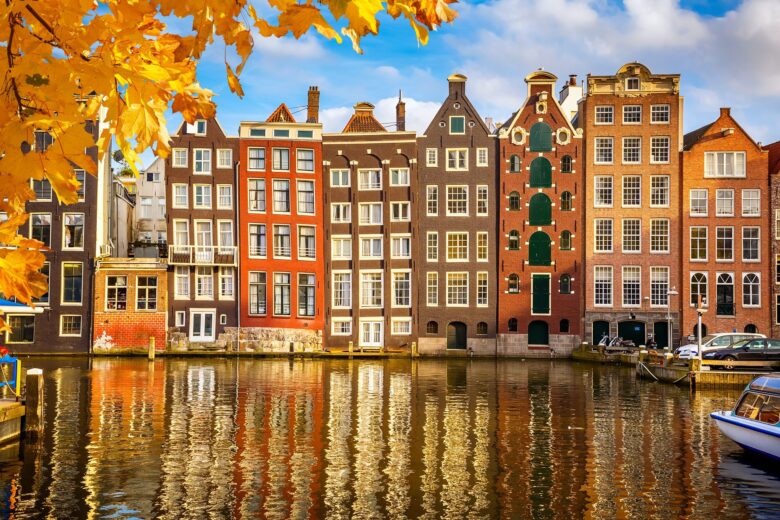
Amsterdam built its reputation as a sophisticated European capital that balanced historical preservation with progressive social policies, creating a unique urban environment where art, culture, and individual freedom flourished together. The city’s canal network framed centuries of architectural achievement, while world-class museums showcased artistic treasures, and the city’s famous tolerance attracted travelers seeking authentic cultural experiences within a framework of personal liberty.
Budget airlines and aggressive marketing transformed Amsterdam into a weekend party destination, particularly attracting groups seeking to exploit the city’s liberal cannabis laws and red-light district for bachelor parties and similar celebrations. The combination of easy accessibility, perceived permissiveness, and compact geography made Amsterdam seem perfect for short-term hedonistic tourism that prioritized consumption over cultural appreciation.
Central neighborhoods now struggle with noise complaints, public urination, and antisocial behavior that disrupts residents’ daily lives and undermines the city’s carefully maintained social fabric. Property values soar as vacation rentals displace long-term housing, while traditional businesses close under pressure from tourist-focused commercial development. City officials are implementing increasingly aggressive measures to manage visitor behavior and numbers, including campaigns that explicitly discourage certain types of tourism. The liberal values that once made Amsterdam attractive are now being used against its own quality of life, forcing residents to choose between economic benefits and community preservation.
Conclusion
These eight destinations show us a crucial truth: sometimes, when a place becomes too popular, it can lose the very qualities that make it unique. As social media makes sharing these locations easier, we often see them turning into cookie-cutter tourist traps in just a matter of months, rather than allowing them to evolve naturally over time.
But here’s the silver lining: by acknowledging these challenges, we can explore new ways to travel that prioritize the preservation of these incredible places over mere profit. It’s about seeking experiences that respect and celebrate the local culture and environment, rather than just aiming for that perfect Instagram shot.
Embracing sustainable tourism invites us to rethink our travel habits. This might mean choosing destinations that can genuinely handle visitors, rather than just flocking to the most Instagrammable spots. Instead of rushing to check everything off a bucket list, why not take the time to connect with fewer places truly? Supporting local businesses, honoring cultural traditions, and being mindful of our environmental impact are not only the right things to do but also vital for ensuring the places we cherish continue to thrive.
As travelers, we have the power to prioritize quality over quantity. Let’s seek deeper connections and authentic experiences, rather than settling for what merely looks good on social media.
If you’re eager for more travel tips, be sure to explore our other insights here at MediaFeed. We’re here to help you uncover genuine experiences while protecting the beautiful places that fuel our wanderlust.
Related:
- 5 Tips for Planning Your Dream Retirement Trip in 2025
- Fun things to do in Orlando while you’re there for the World …
Like MediaFeed’s content? Be sure to follow us.
This article was syndicated by MediaFeed.org.