Sit-com TV character deaths we’ll never, ever get over
Sitcoms have traditionally served as reliable sources of comfort and escapism, creating fictional worlds where problems are resolved within thirty minutes and laughter provides healing for life’s daily frustrations. These shows build intimate relationships between characters and audiences through years of shared experiences, inside jokes, and familiar routines that become part of viewers’ weekly rituals. The genre’s fundamental promise involves consistency and emotional safety, making audiences feel like part of an extended family.
However, some sitcom character deaths shattered these expectations by introducing genuine grief, mortality, and loss into spaces previously reserved for lighthearted entertainment. Whether resulting from real-life circumstances, creative decisions, or behind-the-scenes conflicts, these departures transcended typical plot developments to become cultural moments that audiences discuss and reflect on long after the fact. The unexpected emotional impact proved that comedy could deliver devastating dramatic punches when circumstances demanded authentic responses to loss.
These particular character deaths achieved lasting significance because they violated genre conventions in ways that felt both shocking and emotionally honest. They demonstrated television’s power to reflect real human experiences of grief and separation, transforming familiar comedy settings into spaces where audiences confronted their own mortality and attachment to fictional relationships. The following departures continue resonating with viewers because they represent moments when sitcoms acknowledged life’s most difficult realities.
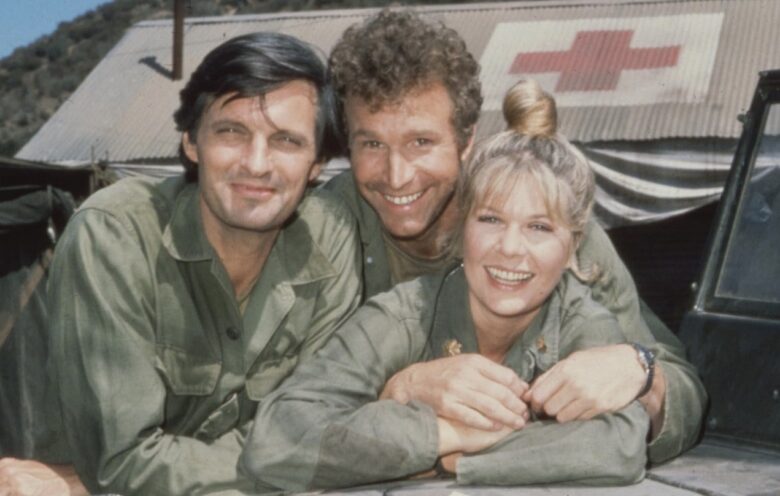
Lt. Colonel Henry Blake’s shocking departure from MAS*H
Lt. Colonel Henry Blake’s death in the Season 3 finale “Abyssinia, Henry” established the template for unexpected sitcom character deaths that prioritize emotional impact over audience comfort. McLean Stevenson’s portrayal of the affable, sometimes bumbling commanding officer had provided comic relief and paternal warmth throughout the series’ early seasons, making his departure feel like losing a beloved family member rather than simply writing out a cast member.
The episode’s structure deliberately manipulated audience expectations by presenting Blake’s farewell as a typical happy ending, complete with emotional goodbyes and promises of future reunions in civilian life. The final moments reversed this trajectory with Radar’s devastating announcement that Blake’s plane had been shot down over the Sea of Japan with no survivors, delivered in a single take that captured the cast’s genuine shock and grief.
This death achieved cultural significance because it introduced the Vietnam War’s brutal reality into a show that had previously balanced comedy with serious themes without fully embracing war’s ultimate consequences. The decision to kill Blake off-screen rather than showing his death emphasized the random, senseless nature of wartime mortality. At the same time, the cast’s authentic emotional responses demonstrated that even fictional losses could generate real grief. The episode proved that sitcoms could handle weighty subject matter without abandoning their comedic identity, establishing MAS*H as television’s most sophisticated exploration of war’s psychological and emotional costs.
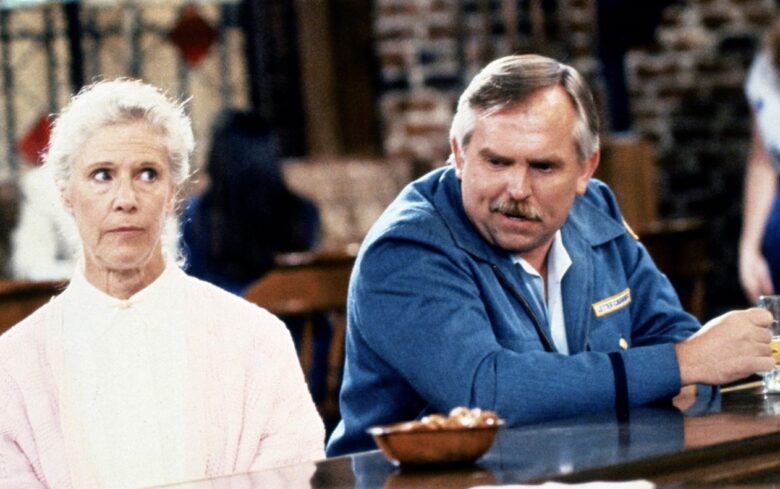
Coach Ernie Pantusso’s gentle farewell honors real loss
Coach Ernie Pantusso’s death, which occurred between Cheers’ third and fourth seasons, represented television’s most respectful handling of an actor’s real-life passing and its impact on both fictional and actual communities. Nicholas Colasanto’s portrayal of the kind-hearted, occasionally confused former baseball player had established Coach as the bar’s emotional anchor, providing gentle wisdom and unconditional acceptance that balanced the show’s sharper comedic elements.
The Season 4 premiere “Birth, Death, Love and Marriage” approached Coach’s absence with remarkable sensitivity, acknowledging his death without exploiting it for dramatic effect or cheap emotional manipulation. The episode allowed characters to grieve naturally while introducing Woody Boyd as a replacement who honored Coach’s memory rather than simply filling his role, demonstrating how fictional worlds can acknowledge loss while continuing their essential functions.
The coach’s death resonated powerfully because it reflected genuine affection between the cast members and their characters, creating a meta-textual layer where audiences mourned both the fictional character and the real person who brought him to life. The show’s decision to keep Coach’s picture behind the bar and reference his memory in subsequent episodes established a model for how television series can honor departed cast members while maintaining narrative continuity. This approach transformed a potentially devastating loss into an ongoing celebration of the character’s positive impact on both fictional and real communities.
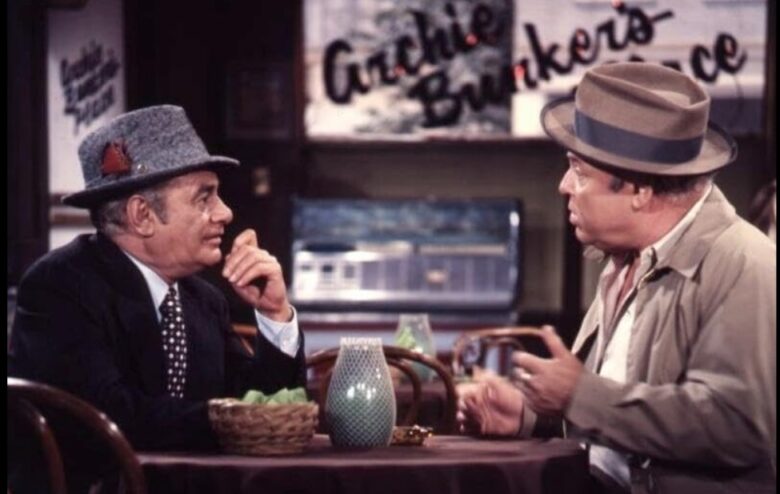
Edith Bunker’s off-screen death devastates Archie
Edith Bunker’s death in Archie Bunker’s Place created one of television’s most emotionally powerful explorations of spousal grief within a comedic context. Jean Stapleton’s decision to leave the spin-off series necessitated writing out a character who had served as All in the Family’s moral center and emotional stabilizer, transforming Archie from a lovable bigot into a genuinely sympathetic widower struggling with profound loss.
The Season 2 premiere “Archie Alone” focused entirely on Archie’s attempts to process Edith’s death from a stroke, showcasing Carroll O’Connor’s dramatic range while exploring how grief affects daily routines and long-held assumptions about life’s permanence. The episode avoided sentimentality by portraying Archie’s anger, confusion, and denial alongside his sorrow, creating a realistic portrayal of bereavement that acknowledged the complexity of grief rather than reducing it to simple sadness.
Edith’s death had a lasting impact because it represented the loss of innocence and moral clarity within the show’s universe, forcing characters and audiences to confront the intrusion of mortality into familiar domestic spaces. Her absence fundamentally altered the series’ dynamic by removing the gentle presence that had balanced Archie’s rough edges, demonstrating how a single character’s departure can transform an entire show’s premise. The handling of her death elevated sitcom storytelling by proving that comedy could address life’s most difficult experiences without losing authenticity or emotional honesty.
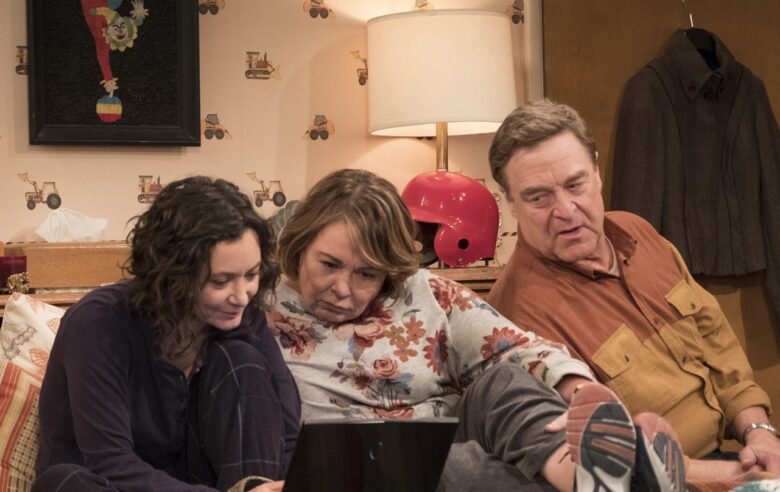
Dan Conner’s retconned death infuriates audiences
Dan Conner’s reveal as having died earlier in Roseanne’s controversial series finale “Into That Good Night” created one of television’s most divisive creative decisions by retroactively negating years of character development and storyline progression. The revelation that Dan had suffered a fatal heart attack earlier in the series, with subsequent episodes representing Roseanne’s fictional narrative, felt like a betrayal of the trust audiences had invested in the show’s blue-collar authenticity.
The decision to kill Dan off-screen, while maintaining John Goodman’s presence throughout most of the final season, created a narrative paradox that confused rather than enlightened viewers about the show’s reality. Critics and audiences rejected this twist because it invalidated emotional investments in character relationships and storylines that had defined the series’ identity, suggesting that the working-class struggles and family dynamics that made Roseanne revolutionary were merely fictional constructs rather than authentic representations.
Dan’s death achieved notoriety because it demonstrated how creative decisions motivated by behind-the-scenes considerations rather than storytelling logic can damage audience relationships with beloved characters and shows. The subsequent revival series’s decision to ignore this finale and restore Dan to life acknowledged that some creative choices prove so unpopular that they require complete reversal rather than narrative justification. This character’s death became a cautionary tale about respecting audience investment in fictional relationships and the dangers of prioritizing shock value over emotional authenticity.
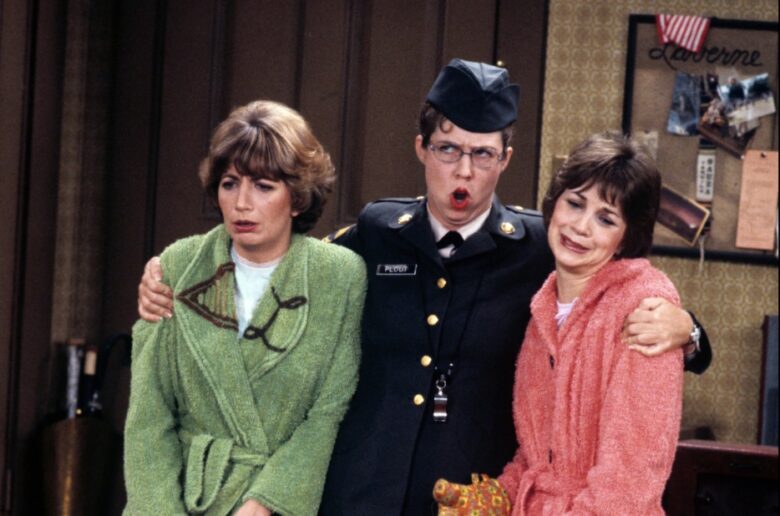
Laverne DeFazio’s departure destroys iconic friendship
A persistent myth claims that Laverne DeFazio died during the final season of Laverne & Shirley, but this is factually incorrect. It was actually Shirley Feeney who left the series after just two episodes of season eight, when Cindy Williams departed due to pregnancy and contract disputes with producers who wanted her to work on her due date. Shirley’s character was written out by having her marry Army medic Walter Meany and move away when he was transferred, leaving only a note to explain her absence. Penny Marshall’s Laverne continued to appear throughout the remaining episodes and was present in the series finale, although the show struggled without its core dynamic and was soon canceled.
The confusion likely stems from several factors: the show retained its “Laverne & Shirley” title despite losing half its duo, Shirley’s abrupt exit felt unsatisfying to viewers who may have mentally substituted a more dramatic explanation, and the real-life deaths of both Penny Marshall (2018) and Cindy Williams (2023) decades later may blur memories of their characters’ fictional fates. Additionally, the show’s creative “death” after Williams’ departure—its inability to maintain ratings or identity without both leads—reinforced the sense that something essential had died, even though Laverne herself remained very much alive throughout the series’ conclusion.
Shirley’s departure marked the end of television’s most famous female friendship during an era when such representations were rare, highlighting how behind-the-scenes conflicts and inflexible production demands can destroy both fictional relationships and successful shows. The circumstances surrounding Williams’ exit became synonymous with the series’ own demise, creating a meta-textual tragedy where real-world business decisions severed a beloved creative partnership. While the friendship that had anchored eight seasons ended not with resolution but with a hastily written note, the enduring confusion about which character actually left demonstrates the lasting impact of a show that celebrated working-class female camaraderie.
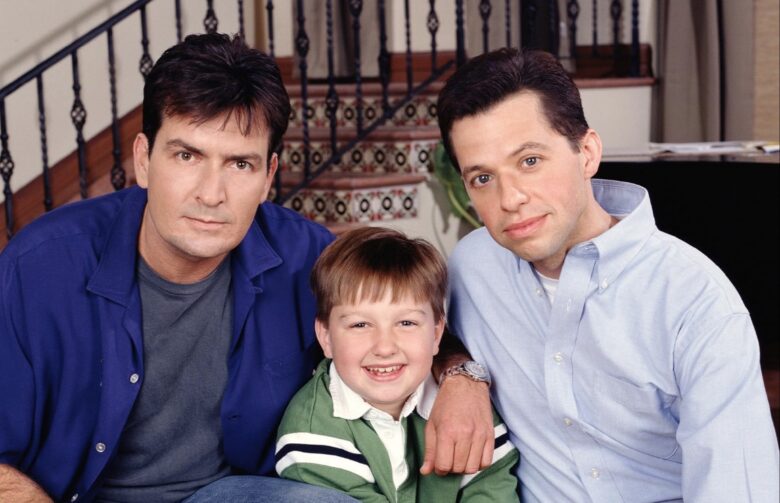
Charlie Harper’s death ends real-life feud
Charlie Harper’s death in the Season 9 premiere of Two and a Half Men, “Nice to Meet You, Walden Schmidt,” represented television’s most public and contentious character assassination, directly resulting from Charlie Sheen’s highly publicized conflicts with series creator Chuck Lorre. The character’s death by train accident felt less like narrative necessity and more like creative revenge, transforming what could have been a respectful departure into a bitter commentary on Hollywood power dynamics.
The over-the-top nature of Charlie’s demise, combined with subsequent episodes’ jokes about his death and eventual resurrection as a vengeful zombie, demonstrated how personal animosity between actors and producers can poison fictional narratives. The show’s decision to mock rather than honor the character who had anchored eight successful seasons created an uncomfortable viewing experience that prioritized settling scores over serving the story or respecting audience investment.
Charlie’s death achieved cultural significance because it illustrated how real-world controversies can overwhelm fictional narratives, transforming entertainment into vehicles for personal vendettas rather than audience satisfaction. The character’s fate became inextricably linked with Sheen’s public struggles and professional conflicts, creating a cautionary tale about how off-screen behavior can ultimately determine on-screen destiny. This death proved that sometimes character departures become more memorable for their controversy than their emotional impact, establishing new precedents for how Hollywood disputes can play out through fictional surrogates.
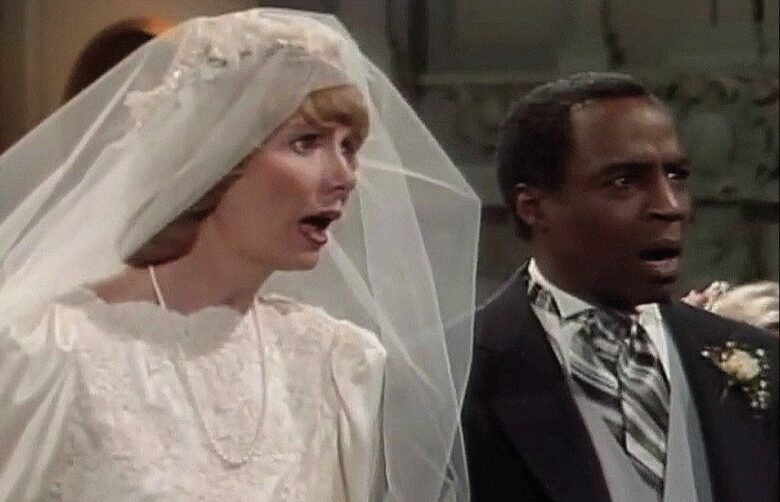
Clayton Endicott’s ambiguous finale confounds expectations
A persistent myth claims that both Benson and Clayton Endicott died in the series finale, but this is entirely false. The actual Benson’s finale, “And the Winner Is…,” ended with an unresolved election cliffhanger between Benson DuBois and Governor Gatling for the governor’s seat. After the campaign had strained their friendship, the two characters actually reconciled during a live television debate, then sat together peacefully in the mansion’s kitchen waiting to hear the election results. The series concluded when the scene froze on a reporter saying, “And the winner is…”—leaving the outcome forever unknown due to ABC’s last-minute cancellation of the show.
The cliffhanger was particularly frustrating because it wasn’t an artistic choice but a business accident. The producers had filmed four different endings – one with Benson winning, one with Gatling winning, one with a third candidate winning, and the cliffhanger version that aired. The network had requested the cliffhanger, expecting to renew the show, but then canceled it due to high production costs, leaving seven seasons of character development without resolution. According to producer Bob Fraser, if the show had continued, Gatling would have won the election and Benson would have become a U.S. senator.
The death myth likely persists due to several factors: the emotional impact of a beloved show being “killed” by cancellation, confusion with other series that ended with character deaths, and the unsatisfying nature of the cliffhanger, which may have led viewers to imagine more dramatic explanations. Additionally, the real-life deaths of actors Robert Guillaume (2017) and René Auberjonois (2019) years later may blur memories of their characters’ fictional fates. The finale actually ended on a positive note of friendship and reconciliation, making the persistent death rumors all the more ironic given the show’s hopeful final moments.
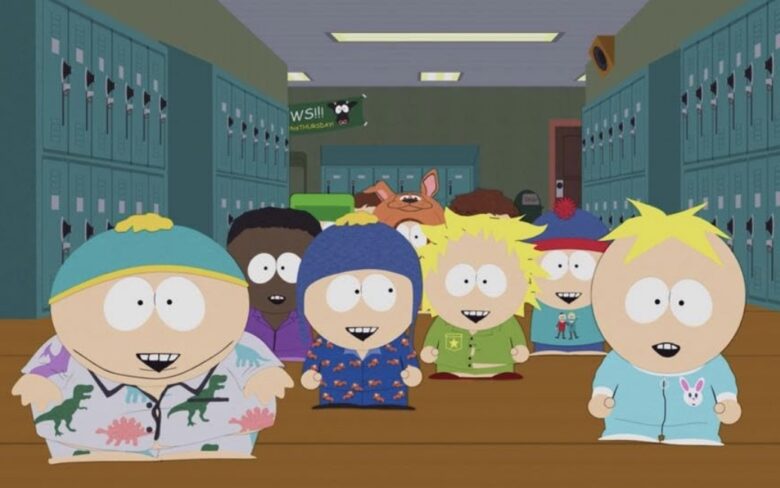
Chef’s controversial death reflects real-world disputes
Chef’s death in South Park’s “The Return of Chef” represented the series’s most ruthless character assassination, directly targeting Isaac Hayes following his departure over the show’s satirical treatment of Scientology. The episode’s brutal depiction of Chef’s brainwashing, rejection of his friends, and gruesome death sequence felt designed to punish both the character and the actor for challenging the show’s satirical freedom.
The decision to resurrect Chef as “Darth Chef” and continue mocking the character even after his death demonstrated South Park’s willingness to prioritize creative revenge over respectful character conclusions. The episode’s treatment of a beloved character who had provided warmth and wisdom to the show’s young protagonists felt particularly cruel because it transformed positive memories into sources of discomfort and controversy.
Chef’s death achieved cultural significance because it illustrated how animated series can weaponize fictional characters against real people, using creative freedom as a tool for personal attacks rather than artistic expression. The character’s fate became inextricably linked to Hayes’ religious beliefs and professional decisions, creating a cautionary tale about how satirical content can blur the lines between comedy and cruelty. This death proved that even beloved characters are not immune to becoming casualties in real-world disputes, establishing new boundaries for how far creators will go to defend their artistic territory.

Conclusion
These character deaths achieved lasting cultural significance because they demonstrated television comedy’s capacity to address serious themes while maintaining entertainment value, proving that sitcoms could serve as vehicles for exploring mortality, loss, and human relationships with the same depth as dramatic programming. Their continued relevance reflects how effectively they balanced emotional honesty with genre expectations, creating viewing experiences that satisfied both comedy and drama audiences.
The varied approaches to handling these deaths, from respectful tribute to bitter revenge, illustrate the range of creative choices available when writing out significant characters and the long-term consequences of these decisions on audience relationships with shows and characters. These examples established templates for future character departures while demonstrating how off-screen circumstances inevitably influence on-screen narratives in ways that can enhance or diminish artistic integrity.
Check out our other television retrospectives here at MediaFeed for more analysis of the moments that defined our favorite shows and changed the medium’s creative possibilities.
Related:
Like MediaFeed’s content? Be sure to follow us.
This article was syndicated by MediaFeed.org.