From the inside out: Simple habits that make your home a hard target
Home security extends far beyond expensive alarm systems and reinforced deadbolts, though these physical deterrents certainly play essential roles in comprehensive protection. The most effective home defense strategies often emerge from thoughtful daily routines that create layers of security through consistent behavior patterns. A truly secure home reflects innovative living practices that make it both challenging and unappealing for potential intruders to target.
Understanding criminal psychology reveals that burglars consistently seek opportunities offering quick entry, minimal risk of detection, and valuable rewards for their efforts. They conduct informal surveillance of neighborhoods, looking for homes that display vulnerability through predictable patterns, obvious absence indicators, or easy access points. Professional criminals and opportunistic thieves alike gravitate toward properties that promise simple success rather than complicated challenges.
The transformation from vulnerable target to hardened home requires developing consistent security habits that become second nature. These practices work around the clock, creating the impression of constant vigilance and occupancy even when you’re away. The most powerful security measures cost nothing but attention and consistency, demonstrating that protection stems from mindful living rather than relying solely on expensive technology.

Varied lighting patterns create realistic activity
The foundation of residential security lies in projecting continuous activity through innovative lighting systems that mimic natural human behavior. Rather than leaving single lights burning continuously, program different rooms to illuminate and darken at realistic intervals that mirror genuine living patterns. Simple timer switches can effectively create these varied illumination schedules without expensive technology investments.

Sound of life suggests presence
Audio elements significantly enhance occupancy illusions because sound can travel beyond visual barriers that limit the effectiveness of lighting. Television programming or radio broadcasts played at conversational volumes suggest human presence to anyone conducting external surveillance. However, avoid predictable patterns, such as the same station playing identical programming daily, as observant criminals may recognize these artificial patterns.

Mail and deliveries management prevents obvious absence signals
Package management becomes critical during any absence lasting more than a day. The postal service prevents accumulation that advertises vacancy, while trusted neighbors can collect deliveries and maintain a normal appearance. Coordinate with reliable friends or family members to ensure your property maintains lived-in characteristics throughout your absence.
Lawn and landscape maintenance maintains normal appearance
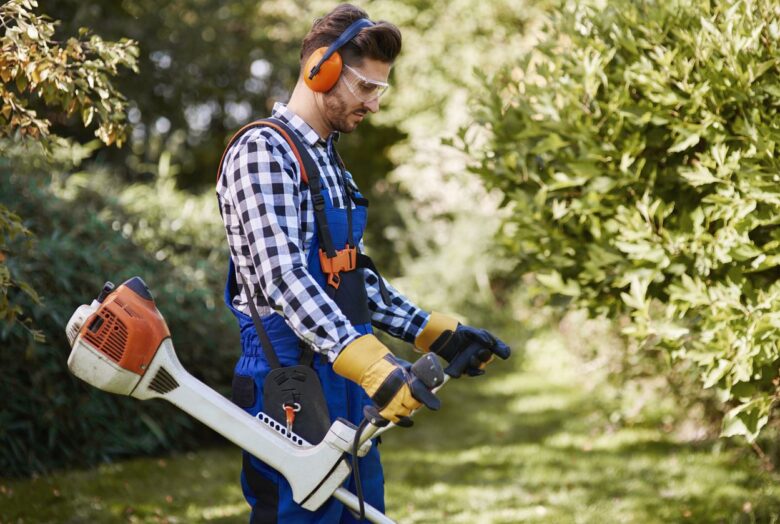
Exterior maintenance standards must remain consistent regardless of your presence or travel schedule. Overgrown lawns, accumulated newspapers, unchanged seasonal decorations, or uncleared walkways immediately signal absence to anyone observing neighborhood patterns. Arrange for continued lawn care, snow removal, and basic upkeep during extended trips to maintain usual appearance standards.

Car in the driveway reinforces occupancy impression
Multiple-vehicle households should strategically position their cars to suggest ongoing occupancy. Leave one vehicle in its typical location while traveling, or arrange for neighbors to occasionally use your driveway space. The presence of familiar vehicles in expected locations reinforces the impression that residents remain active and alert within the property.

Lock up every time for automatic security
Physical security begins with adhering to religious protocols that become automatic responses rather than conscious decisions. FBI crime statistics consistently show that significant percentages of residential break-ins occur through unlocked doors and windows, making basic security practices your first line of defense. Every departure, regardless of duration, should trigger the complete securing of all entry points, including upper-story windows that might seem inaccessible.
Secure sliding doors with additional barriers
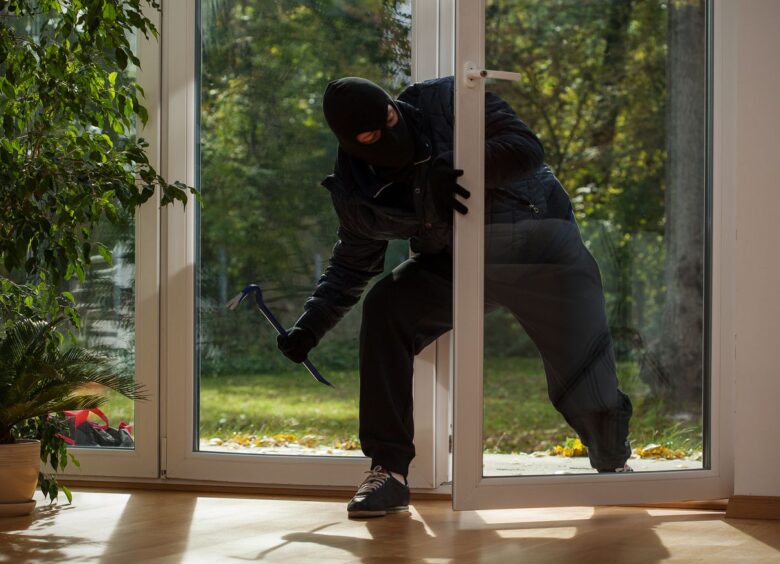
Sliding glass doors require additional attention because standard locks often provide minimal security against determined intrusion attempts. Installing security bars or placing dowels in door tracks creates backup protection that prevents forced entry even if primary locks fail. Similarly, sliding windows benefit from track barriers that prevent opening beyond ventilation positions.

Garage door discipline prevents easy access
Garage security deserves special emphasis because these spaces often contain valuable items while providing direct access to home interiors. Never leave garage doors open unattended, even briefly, during yard work or quick errands. Install automatic closing mechanisms if forgetfulness tends to compromise garage security, and continuously engage manual locks during extended absences.

Trust neighbors instead of hiding keys
Traditional spare key hiding spots provide criminals with predictable discovery opportunities, compromising your entire security system. Security experts universally discourage hiding keys under doormats, in fake rocks, above door frames, or in plant containers because burglars systematically check these prominent locations. Instead, entrust emergency keys to reliable neighbors or close friends who can provide access during genuine emergencies without compromising security.

Social media silence protects travel plans
Social media platforms create unprecedented opportunities for criminals to gather intelligence about potential targets through public posts and location sharing. Vacation announcements, real-time location updates, and absence notifications provide detailed information that previously required criminals to conduct physical surveillance to obtain. Practice social media discipline by sharing travel experiences and location details only after you have returned home safely.

Trash disposal savvy prevents valuable item advertising
Waste disposal practices inadvertently advertise valuable acquisitions to anyone observing neighborhood trash patterns. Crime prevention specialists recommend breaking down boxes from expensive electronics, appliances, or other valuable purchases before placing them curbside. Large, intact packaging from televisions, computers, or gaming systems can create advertising for potential thieves about your home’s contents.

Window wisdom keeps valuables hidden
Window visibility management requires ongoing attention to prevent casual observation of valuable items within your home. Ground-floor windows, in particular, require consistent screening through blinds, curtains, or strategic furniture placement to maintain privacy. Expensive electronics, artwork, jewelry displays, or collections should never be visible from exterior vantage points that allow criminal reconnaissance.

Verify unexpected visitors thoroughly
Unexpected visitor protocols protect against social engineering attempts where criminals gather information through direct contact. Legitimate service providers, delivery personnel, and officials carry proper identification and can verify their purposes through independent contact with their employers. Never provide personal information, discuss security arrangements, or reveal absence plans to unverified individuals, regardless of their claimed authority or purpose.

Never leave “gone shopping” notes on doors
Avoid leaving any notes on doors indicating absence, regardless of how brief the departure might seem. Messages like “Gone shopping,” “Back in 20 minutes,” or “At the store” essentially invite opportunistic criminals to act quickly while you’re away. Even seemingly innocent notes to delivery personnel can signal vulnerability to anyone observing your property.

Neighborly watch creates mutual protection
Neighborhood relationships create informal surveillance networks that dramatically enhance individual home security through collective awareness and mutual protection agreements. Developing genuine relationships with immediate neighbors creates natural security partnerships where residents automatically notice unusual activity around each other’s properties. These relationships should include sharing contact information, understanding regular schedules and patterns, and agreeing to report concerning observations promptly to appropriate parties.

Neighborhood watch programs amplify security efforts
Neighborhood watch programs have demonstrated proven effectiveness in reducing residential crime rates, as criminals tend to avoid areas where residents actively monitor suspicious activity and maintain communication with local law enforcement. Participating in organized community security initiatives amplifies individual efforts through coordinated vigilance and shared resources. Many neighborhoods benefit from formal watch groups, communication networks, or security cooperatives that pool resources for enhanced protection.

Building community engagement strengthens security
Regular communication with local law enforcement helps establish your commitment to community security while providing authorities with insight into neighborhood concerns and patterns. Many police departments offer security consultations, crime prevention presentations, or community liaison programs that strengthen relationships between residents and professional security resources. Active participation in community meetings and safety initiatives creates networks of mutual support that benefit everyone’s security while fostering stronger neighborhood bonds.

Conclusion
Home security transformation requires integrating these practices into daily routines until they become automatic responses rather than conscious efforts. The most effective security measures work consistently without requiring active thought or effort, creating reliable protection that functions regardless of stress, distraction, or time pressures that might otherwise compromise your safety. Developing security consciousness means evaluating daily activities through the lens of protection and deterrence, identifying opportunities to enhance safety without significant cost or inconvenience. Small behavioral changes, when compounded over time, can create comprehensive security improvements that far exceed their individual contributions to your overall protection profile.
Check out our other home safety articles here at MediaFeed for additional strategies to protect your property and family through innovative, practical approaches to residential security.
Related:
Like MediaFeed’s content? Be sure to follow us.
This article was syndicated by MediaFeed.org.