Actors whose careers got derailed after one bad TV role
Television has always been a double-edged sword in Hollywood. For every actor who found stardom through the small screen, countless others discovered how quickly success can evaporate. The medium that launched careers to unprecedented heights can just as easily become the graveyard where promising trajectories meet their end. What makes television particularly treacherous is its unforgiving nature once audiences and critics turn away.
Taking on a new TV role after experiencing success represents one of the highest-stakes gambles in entertainment. Unlike film, where a single flop can be forgotten among other projects, television demands sustained audience commitment week after week. When a show fails spectacularly, it doesn’t just disappear quietly. The failure becomes public, persistent, and often career-defining. Critics dissect every misstep, ratings become public knowledge, and the industry watches as reputations crumble in real time.
The following eight actors learned this harsh lesson firsthand. Despite previous acclaim, awards, and audience adoration, each saw their careers significantly altered by one ill-fated television venture. Their stories serve as cautionary tales about the volatile nature of show business and how quickly fortune can change in Hollywood’s unforgiving landscape.
Chevy Chase’s late-night disaster
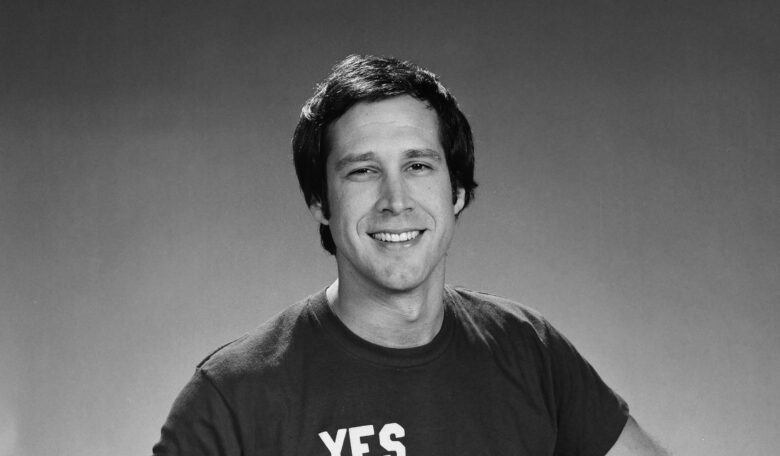
Before becoming synonymous with career self-sabotage, Chevy Chase stood among comedy’s elite performers. His tenure as a breakout star on Saturday Night Live launched him into film stardom throughout the 1980s. Chase dominated comedy with iconic roles in Caddyshack and the National Lampoon’s Vacation franchise, establishing himself as one of Hollywood’s most bankable comedic leading men.
In 1993, Fox handed Chase his own late-night talk show, competing directly with established titans like Jay Leno and David Letterman. The network invested heavily in The Chevy Chase Show, positioning it as their answer to NBC’s dominance of The Tonight Show. Industry insiders predicted Chase’s natural comedic timing would translate perfectly to the talk show format.
Instead, the show became one of television’s most spectacular failures. Lasting only five weeks, it suffered from abysmally low ratings, scathing critical reviews, and widespread backstage chaos involving Chase’s challenging behavior. The public nature of this failure severely damaged his reputation within the industry. Following this debacle, leading roles became increasingly scarce, and Chase found himself relegated to supporting parts and direct-to-video projects, never fully recovering his former comedic prominence.
Geena Davis’s sitcom struggle
Academy Award winner Geena Davis entered the 2000s as one of Hollywood’s most respected actresses. Her powerful performances in Thelma & Louise, A League of Their Own, and The Accidental Tourist established her as both a critical darling and box office draw. Davis possessed that rare combination of dramatic depth and comedic timing that studios coveted for leading roles.
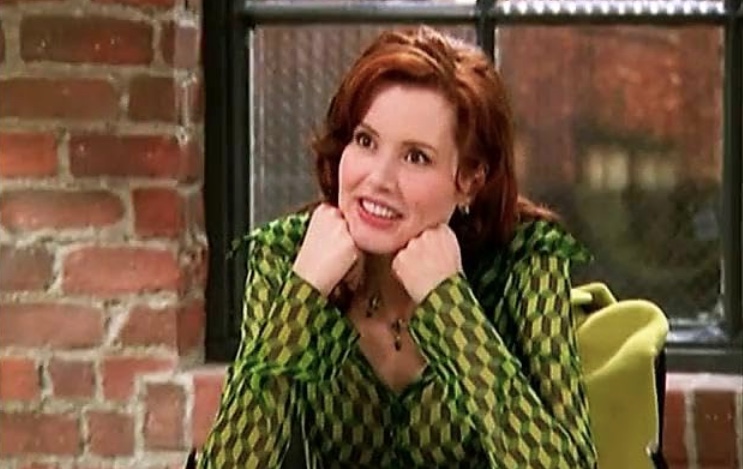
ABC approached Davis with The Geena Davis Show, a prime-time sitcom designed specifically around her talents. The show cast her as a successful New York architect balancing career demands with family life, seemingly perfect material for an actress of her caliber. Network executives expected her star power to guarantee audience loyalty and critical acclaim.
The series struggled from its debut, failing to connect with audiences despite Davis’s committed performance. Critics found the writing formulaic, and ratings remained disappointingly low throughout its single-season run. This high-profile failure marked a turning point, after which Davis’s film opportunities became less frequent and less prominent. Her subsequent television attempts, including later guest appearances and smaller projects, never achieved the sustained success that might have restored her A-list status.

Sarah Michelle Gellar’s mystery misfire
Sarah Michelle Gellar had conquered television with Buffy the Vampire Slayer, creating an iconic character that defined a generation. Her successful transition to films like Scream 2 and Cruel Intentions proved her versatility beyond supernatural drama. When Buffy ended in 2003, Gellar commanded significant industry respect and audience loyalty, making her return to television a highly anticipated event.
The CW’s Ringer promised to showcase Gellar’s range through dual roles in a complex mystery thriller. Playing both a woman fleeing her troubled past and her wealthy twin sister, the series offered Gellar meaty dramatic material far removed from her days as a vampire slayer. Industry observers predicted the show would demonstrate her evolution as a serious dramatic actress.
Despite the initial buzz and Gellar’s strong performance, Ringer suffered from convoluted plotting that confused viewers and declining ratings, which disappointed network executives. The show’s quick cancellation after one season derailed Gellar’s television comeback momentum. Rather than launching her into a new phase of prestigious television work, the failure led to more sporadic appearances and lower-profile projects, never quite recapturing the cultural impact or sustained success of her Buffy years.

Matthew Perry’s post-Friends fumble
Matthew Perry’s portrayal of Chandler Bing on Friends made him one of television’s most beloved comedic actors. His impeccable timing and neurotic charm contributed to the creation of one of the most successful sitcoms in television history. When Friends concluded in 2004, the cast members faced the challenge that confronted all of them: proving their individual talents extended beyond their iconic ensemble roles.
Aaron Sorkin’s Studio 60 on the Sunset Strip represented Perry’s ambitious attempt to showcase dramatic range. The behind-the-scenes look at a Saturday Night Live-style sketch show garnered critical acclaim and seemed ideal for showcasing Perry’s versatility beyond comedy. Many industry observers viewed this as Perry’s opportunity to establish himself as a serious dramatic leading man.
Despite critical praise, Studio 60 struggled with audiences and network executives, lasting only one season. The show’s commercial failure proved particularly damaging for Perry because it represented his most high-profile attempt to prove his post-Friends range. The inability to translate critical acclaim into popular success made subsequent casting directors hesitant to offer him major leading roles, contributing to a pattern of smaller parts and less successful projects that never achieved the cultural impact or longevity of his success with Friends.
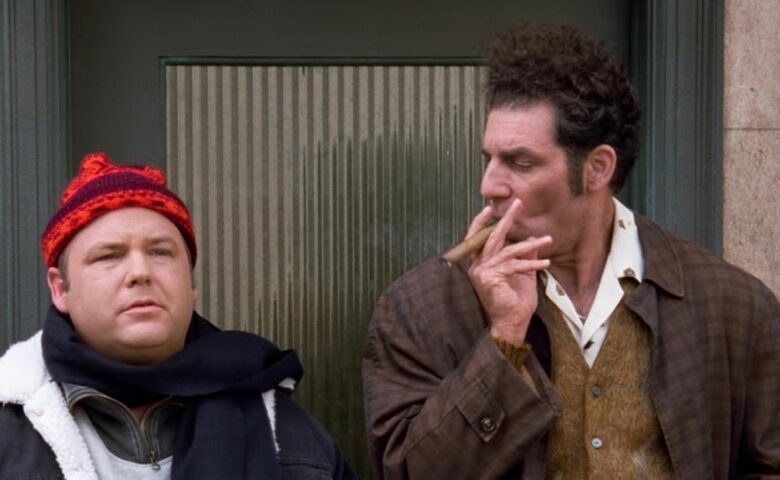
Michael Richards’s post-Seinfeld setback
Michael Richards created television gold as Cosmo Kramer, one of the most beloved and memorable characters in sitcom history. His physical comedy genius and impeccable timing made Kramer an integral part of Seinfeld’s unprecedented success. When the series ended in 1998, Richards enjoyed enormous goodwill and industry respect, with everyone eager to see what comedic magic he would create next.
NBC developed The Michael Richards Show specifically as a star vehicle to capitalize on his post-Seinfeld popularity. The series attempted to recreate his physical comedy prowess in a new context, casting him as a bumbling private detective. Network executives and audiences expected Richards to effortlessly transfer his comedic brilliance to this new character and setting.
The show proved to be both a critical and commercial disaster, failing to capture any of the magic that made Kramer so endearing. Critics found the writing to be weak and the character unlikable; audiences rejected it immediately, resulting in swift cancellation. This spectacular failure dealt a devastating blow to Richards’s career from which he never recovered. The inability to recreate his Seinfeld success, combined with later controversial incidents, effectively ended his mainstream comedic career, relegating him to occasional minor appearances and guest roles.
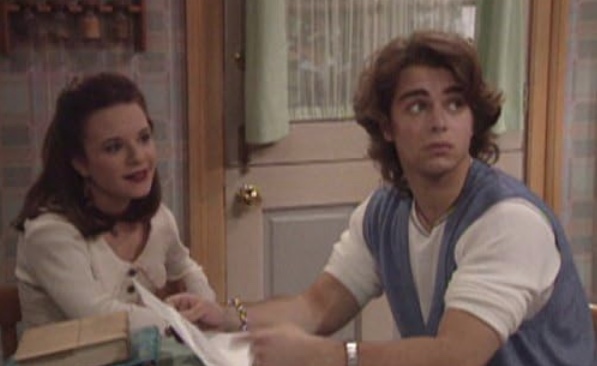
Joey Lawrence’s transition troubles
Joey Lawrence had successfully navigated the challenging transition from child star to teen heartthrob. His work on Gimme a Break! and Blossom established him as a reliable comedic performer, and his pop music success demonstrated his broader entertainment appeal. As he entered his twenties, Lawrence appeared poised for continued success in adult leading roles.
Brotherly Love represented Lawrence’s attempt to transition into more mature comedy by co-starring with his real-life brothers in a family-oriented sitcom. The show promised to leverage both his established fan base and the novelty of real siblings working together. Industry observers expected this combination to create a winning formula for sustained success.
Though the series ran for two seasons across two networks, it never achieved the cultural impact or ratings success of his previous work. More significantly, it established a pattern where Lawrence struggled to secure consistent, high-profile leading roles as an adult actor. The show’s failure to launch him into A-list territory meant subsequent opportunities became increasingly limited, often involving smaller parts, made-for-TV movies, or reality television appearances rather than the leading man status his earlier success had seemed to promise.
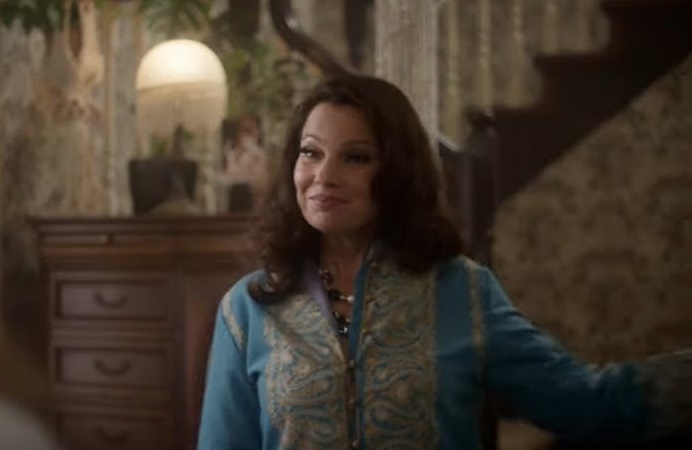
Fran Drescher’s follow-up flop
Fran Drescher achieved international stardom as the creator and star of The Nanny, a series that showcased her distinctive comedic voice and established her as a prominent television personality. The show’s success demonstrated her ability to carry a series while maintaining creative control, making her one of the most powerful women in television comedy during the 1990s.
Living with Fran was positioned as Drescher’s triumphant return to network television, reuniting her with similar comedic territory and her signature style. The series cast her as a middle-aged woman navigating dating and family relationships, seemingly perfect material for an actress who had already proven her ability to mine comedy from domestic situations.
Despite familiar premises and Drescher’s committed performance, the show failed to connect with audiences the way The Nanny had. Critics found it derivative of her previous work, and ratings remained disappointingly low throughout its two-season run. This high-profile failure significantly hindered Drescher’s ability to secure another long-running, defining lead role in network television, resulting in guest appearances and smaller projects rather than the sustained stardom she had previously enjoyed.

Shelley Long’s advice gone wrong
Shelley Long commanded enormous respect as one of television’s premier comedic actresses during her tenure on Cheers. Her portrayal of Diane Chambers earned multiple Emmy and Golden Globe nominations, and her decision to leave the hit series for film opportunities initially seemed vindicated by movies like Outrageous Fortune and Hello Again.
Good Advice was intended as Long’s return to television success, casting her as a marriage counselor in what seemed like perfect material for her comedic talents. The series promised to reestablish her as a leading lady on network television, while drawing on the audience loyalty she had built during her years on Cheers.
The sitcom proved to be both a critical and commercial failure, lasting only one season and receiving scathing reviews that questioned both the writing and Long’s performance. This spectacular flop, combined with mixed results from her film career, made it extraordinarily difficult for her to regain her earlier leading lady status. The failure effectively ended her run as a major network television star, leading to sporadic guest appearances and more minor roles, rather than the sustained success that had defined her “Cheers” era.

Conclusion
These eight examples illustrate how a single poorly received television role can significantly impact an actor’s career trajectory, regardless of their previous achievements or accumulated goodwill. Television’s unique demands create a perfect storm where failure becomes both public and persistent, making recovery extraordinarily difficult even for established performers.
The entertainment industry’s memory for failure often proves longer and more damaging than its appreciation for past success. Each of these actors discovered that audience loyalty, critical acclaim, and industry respect could evaporate quickly when a new project failed to meet expectations. Their experiences highlight television’s unforgiving nature and the immense pressure that comes with attempting to recapture or exceed previous success.
Check out our other entertainment articles here at MediaFeed for more insights into Hollywood’s most fascinating career stories and industry trends.
Related:
Like MediaFeed’s content? Be sure to follow us.
This article was syndicated by MediaFeed.org.