Foods That Lower Testosterone: Here’s What to Know
Testosterone is an important male hormone that regulates drive, fertility, fat distribution, muscle mass, and more. Maintaining healthy testosterone levels is crucial for preserving one’s quality of life and overall well-being.
Unfortunately, it’s not always so simple: Testosterone levels naturally decrease with advanced age. Other factors, like the foods you eat and your fitness level, also play a role.
What foods lower testosterone levels? Keep reading to explore what to minimize in your diet (or avoid altogether) if you’re trying to optimize your male hormone levels.
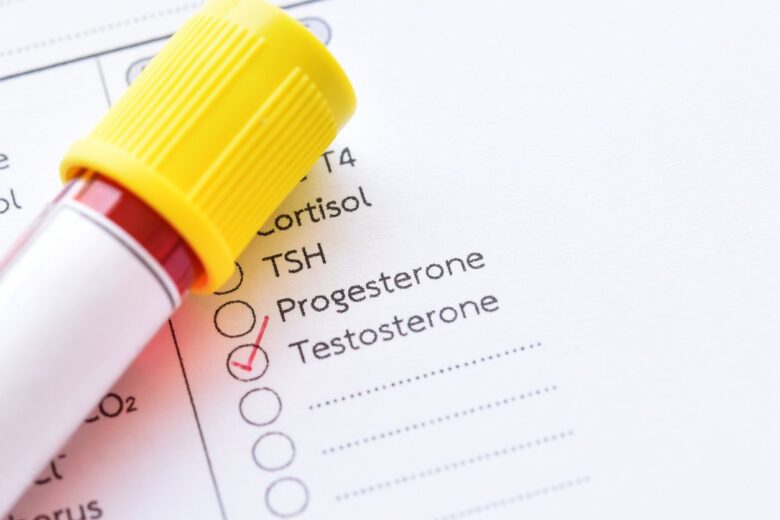
Can Food and Nutrition Affect Testosterone Levels?
Your body uses various nutrients to create hormones like testosterone. And research shows that what you eat can influence hormone production and reproductive health.
For optimal health and function, your body requires a variety of vitamins and minerals, like zinc, magnesium, and vitamin D, and a good balance of macronutrients (fat, protein, and carbohydrates).
Healthy men can typically get these things from a well-balanced diet (some other necessary elements, like cholesterol, are also manufactured within the body).
Another way your diet can impact your hormonal health is via weight issues, like obesity, which can also affect testosterone levels. Eating a healthy, balanced diet may help you maintain a healthy weight, which supports optimal hormone levels.
For example, a 2021 study found that men who ate diets high in refined (low-fiber) carbohydrates and saturated fats had lower total testosterone levels than those who ate less inflammatory foods. This was particularly pronounced among men with obesity.
It’s important to note that findings like these are correlational rather than causal. In many cases, these dietary patterns are also linked to obesity and insulin resistance, which are known to negatively impact hormone production. As such, it’s difficult to isolate whether the foods themselves directly reduce testosterone or whether the broader metabolic dysfunction they contribute to is the underlying cause.
Consuming a balanced diet alone likely won’t reverse chronically low testosterone levels or treat hypogonadism. However, prioritizing the right foods and avoiding others can have a positive effect on your ability to maintain healthy levels of the androgen (male hormone).

6 Foods That Kill Testosterone
A healthy diet helps improve well-being in many ways, including possibly boosting testosterone production. But just as there are foods that benefit hormonal health, there are also foods that may have adverse effects — either due to their direct impact on hormone regulation or more so because they contribute to factors like weight gain, inflammation, or metabolic issues that can indirectly affect testosterone levels.” Foods don’t directly “kill” testosterone, but instead influence hormone levels indirectly through effects on weight, inflammation, and overall metabolic health.
Foods that lower testosterone in men can include:
-
Processed meats
-
Alcohol
-
Trans fats
-
Flaxseed
-
Licorice Root
-
Mint
Let’s dive into why.

1. Processed Meats
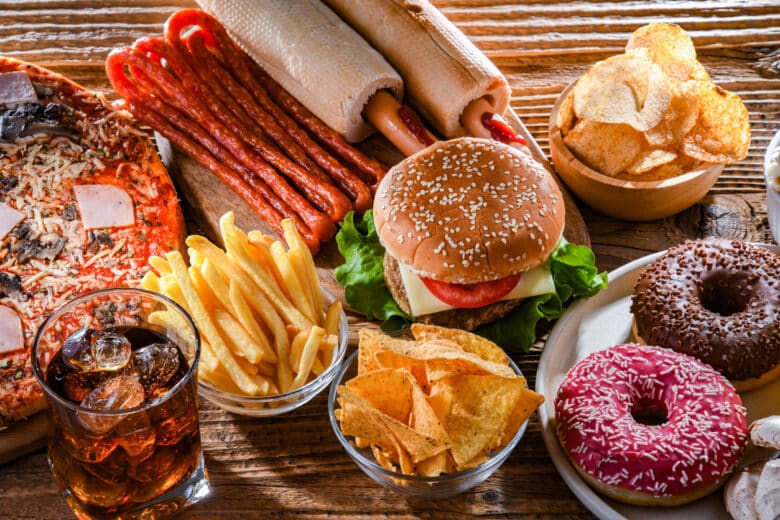
While many processed foods taste good, your testosterone levels might not love them. That’s because these meats often contain high levels of sodium, saturated and trans fats, and preservatives like nitrates, all of which have been shown to have hormone-disruptive properties due to oxidative stress and inflammation.
Some research has found that men who consume large quantities of processed red meat — which is commonplace in many Western diets—have comparatively lower sperm quality and other fertility issues. Other studies have connected diets high in processed meats to chronic inflammation, another factor that may suppress testosterone production. Plus, many processed meats are calorie-dense but nutrient-poor, contributing to weight gain and metabolic issues that can negatively impact testosterone levels.
While the occasional hot dog won’t wreck your hormones for life, guys trying to optimize testosterone may want to focus on consuming less processed meat and more fruits, veggies, and lean proteins.

2. Alcohol
According to research, excessive and chronic drinking may be connected to low testosterone levels.
A study published in Current Drug Abuse Review found that heavy or regular drinking over long periods caused testosterone declines in males. A 2019 review concurred, finding that men who drink alcohol heavily have lower testosterone levels. More specifically, men who drink more than eight alcoholic drinks per week may be more likely to have low T compared to non-drinkers. Another small study found drunkenness to be associated with decreased levels of testosterone in men.
Alcohol can be calorie-dense, which means heavy drinking may lead to weight gain, which may further impact hormone levels.
More data is needed to confirm specific adverse effects of excessive alcohol consumption on serum testosterone levels or sperm quality. Still, some research has found that alcohol negatively affects semen volume and antioxidant contents.
3. Trans Fats
The types of fat you eat affect your overall health and may also impact testosterone levels.
A study published in the Asian Journal of Andrology examined the dietary patterns of more than 200 men in Spain, specifically how their food habits affect hormone levels and testicular function. It found that eating trans fats may lower testosterone levels in the body, and too many omega-6 fatty acids—a type of polyunsaturated fatty acid found in refined vegetable oils and processed foods — may reduce testicular size and function.
However, the research also suggested that eating plenty of omega-3 fatty acids—another type of polyunsaturated fatty acids—may increase parts of the privates size and improve function.
More research is needed to pinpoint the full effect of certain fats. But guys worried about their testosterone levels may want to avoid vegetable oils and limit other omega-6 fatty acid intake.

4. Flaxseed
Flaxseed is a great source of healthy fats, including omega-3 fatty acids and certain proteins. However, research is mixed about its implications for reproductive health.
Flaxseed is high in lignans, compounds that can affect the usable testosterone in the body by binding with your supply of free testosterone. Lignans also bind to 5α-reductase, the enzyme that converts testosterone to dihydrotestosterone.
A small clinical trial from 2001, conducted among 25 men with prostate cancer, found that flaxseed supplementation combined with a low-fat diet resulted in significantly reduced testosterone levels.
Conversely, a 2023 systematic review and meta-analysis highlighted some research showing that flaxseed increased total testosterone in men with prostate cancer.
Ultimately, larger-scale studies are needed to pinpoint the long-term effects of this food and establish safe standards for flaxseed consumption for people with low T. Overall, moderate flaxseed consumption as part of a balanced diet is unlikely to cause hormone issues in healthy men.
5. Licorice Root
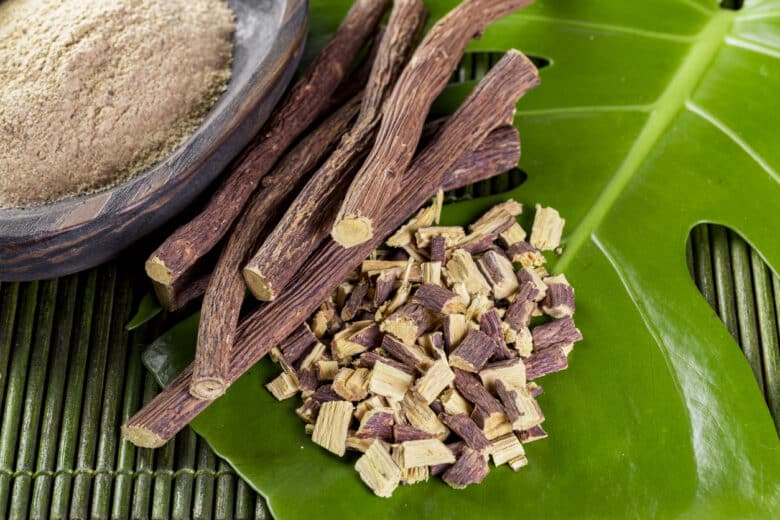
Though licorice root is often consumed as a tasty tea for overall health and wellness, some limited studies suggest it has weak anti-androgen properties and may reduce serum testosterone levels.
Newer research has occasionally produced conflicting data.
Still, it’s probably best to avoid supplements containing licorice root or high amounts of naturally flavored candy if your testosterone levels are unreliable.

6. Mint
Some research suggests that mint may be on the list of “testosterone-killing” foods, but there is insufficient human data in men to conclude that it actually lowers testosterone.
For instance, in a study published in the Advanced Pharmaceutical Bulletin, female rats with polycystic ovarian syndrome (PCOS) were treated with spearmint essential oil, which reduced testosterone levels in these rats.
But since most research on mint and testosterone focuses on women or animal studies, further data is needed—particularly to know the effects of mint on men and testosterone.
What About Soy?
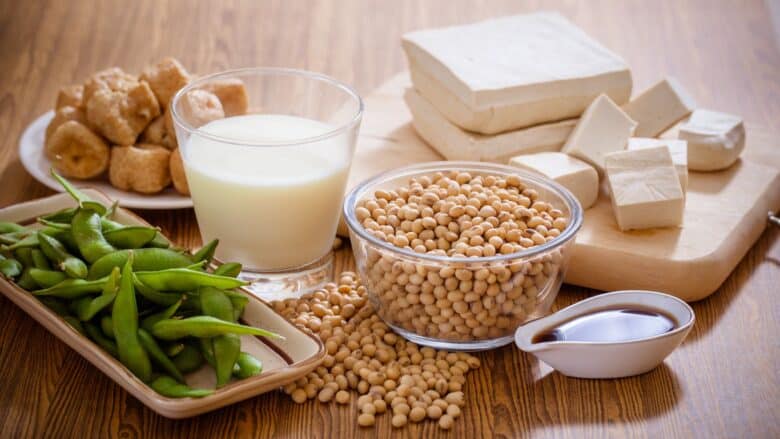
There’s a widespread misconception that consuming soy products hurts male reproductive health and may even cause lower testosterone levels.
Soy-based foods—including tofu, tempeh, soy milk, edamame, and miso—are natural sources of phytoestrogens, plant compounds that mimic the hormone estrogen in the body.
The idea is that eating a lot of phytoestrogens may alter estrogen levels in the body and reduce levels of testosterone.
However, the majority of research has shown that men who eat soy foods don’t have to worry about it having a significant effect on testosterone. These foods may even have anti-cancer properties and offer benefits for heart health.

Other Causes of Lowered Testosterone
Besides foods that may lower testosterone levels, a few other factors may influence hormonal imbalances or lead to low testosterone.
These include:
-
Side effects from medication
-
Obesity
-
Diabetes
If you’re concerned about your testosterone levels and think your diet may be the culprit, you might also explore foods for boosting testosterone.
Additionally, our guide on how to increase testosterone levels naturally explains simple habits and lifestyle changes for healthier testosterone production in more detail.
While a healthy diet is always a good idea, if you are experiencing any symptoms of low testosterone, you should also consult with a healthcare provider to rule out any medical conditions or medication side effects that may be the culprit.
Your provider might suggest testosterone replacement therapy (TRT), a treatment that can provide tangible improvements in testosterone levels. That said, TRT can also cause side effects, such as a reduction in sperm count, privates shrinkage, prostate enlargement, sleep problems, and heart health issues.

Foods That Decrease Testosterone: Takeaways
Though no one particular food kills testosterone, a balanced diet can support healthy testosterone production.
Here’s what to remember about foods that may lower testosterone:
-
Certain foods offer more health benefits than others, but some may belong on a list of “the worst foods for testosterone.”
-
Most foods don’t directly impact hormone levels, but they can indirectly influence testosterone and other hormones through effects on weight, inflammation, and overall metabolic health.
-
It’s best to think of your diet as one of many factors that might increase testosterone production rather than the sole cause of high or low testosterone levels.
-
Processed meats, alcohol, certain fats, flaxseed, licorice root, and mint may all negatively impact testosterone production. However, more research is needed on all these foods to understand the effect’s significance.
Seeing a healthcare provider is also a smart step to take to gain more insight about possible low testosterone. From there, you can focus on how to boost testosterone.
Related:
- Intimacy after prostate removal: What to expect & how to adjust
- What does it mean to be fluidly attracted to people?
Like MediaFeed’s content? Be sure to follow us.
This article originally appeared on Hims.com and was syndicated by MediaFeed.org