
For men, the key hormone testosterone triggers the development of the male reproductive organs during fetal development, drives puberty during adolescence, and helps maintain intimacy drive, bone density, and fertility throughout the rest of your life.
When hormone levels drop to lower-than-normal ranges, you may experience a number of effects, including fatigue, performance issues, and more. But what’s considered “normal” when it comes to testosterone ranges depends on a number of factors, including your age.
In this guide, learn how a man’s testosterone levels fluctuate naturally throughout life, how to measure your testosterone levels, and what to do if you think you have a hormonal imbalance.
Reviewed by Felix Gussone, MD
Image Credit: Ridofranz / iStock.
What are normal testosterone levels?
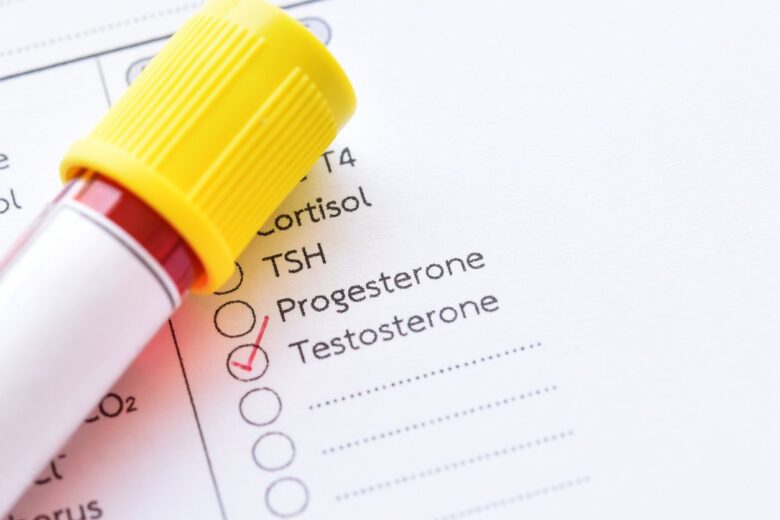
The normal range of testosterone is typically defined as 300 to 1,000 nanograms per deciliter (ng/dL), and the American Urological Association (AUA) defines low testosterone as a total testosterone level below 300 nanograms per deciliter (ng/dL). A diagnosis of low testosterone typically requires two separate early-morning blood tests showing consistently low levels, combined with symptoms of testosterone deficiency. So, for instance, having a testosterone level lower than 300 on one occasion isn’t enough to diagnose low T.
A more accurate way to determine if your testosterone levels are notably low is to look for symptoms and/or signs associated with low testosterone in combination with low total testosterone levels. This is why another important factor in understanding normal testosterone levels is the difference between total and free testosterone.
Image Credit: jarun011/Istockphoto.
Total testosterone versus free testosterone

Testosterone circulates in the bloodstream in two forms: bound and unbound. Most testosterone is bound to proteins, with only around 2 to 3 percent of total testosterone being unbound. The unbound testosterone is called free testosterone and is thought to be the most active type in your body, and is ready to bind to androgen receptors Testosterone that is tightly bound is essentially “inactive” and can’t do much until it’s freed from the protein it’s bound to.
Studies support that testosterone levels fluctuate due to aging and certain health conditions. Sometime in a man’s 30s, total testosterone levels slowly decline by about 1 percent per year on average.
When testing for testosterone, your provider may measure total testosterone, free testosterone, or both. Total testosterone includes both bound and unbound hormone, while free testosterone reflects only the small portion readily available for use in the body. A free testosterone test is usually only needed when total levels are borderline or normal. Still, symptoms persist, or when issues with a protein called SHBG, which affects testosterone availability, are suspected.
Image Credit: GeorgeRudy / iStock.
What is a healthy testosterone level by age?

Studies have shown that serum testosterone levels tend to decline with age. In childhood, testosterone levels are low in both males and females and then rise around age 11, though far more significantly for boys. Testosterone peaks in young men around age 19, then stabilizes, and typically starts to decline between the ages of 30 and 40.
Within different age groups, total testosterone levels range widely, including by lab, and are usually based on large population studies, not fixed clinical cutoffs. Here are the typical ranges for childhood, adulthood, and older age for men:
|
Age |
Total testosterone (ng/dL) |
|---|---|
|
Infancy and childhood |
<7-20 ng/dL |
|
10-14 years old |
<7-1,200 ng/dL |
|
15-18 years old |
100-1,200 ng/dL |
|
19-39 years old |
264-916 ng/dL |
|
40–79 years old |
264-916 ng/dL |
Image Credit: DepositPhotos.com.
Infancy and childhood

Testosterone levels are relatively low in both males and females in infancy and childhood, and they increase significantly in males around age 11.
Even when it exists in low levels, testosterone has a big job: In the womb, the hormone triggers the development of the male internal and external reproductive organs. One 2018 study concluded that prenatal testosterone levels may also affect how different sides of the brain are used for certain cognitive tasks (though more research is needed).
Some studies have also found a relationship between testosterone levels in infancy and fertility in adulthood. This 2022 study indicated that testosterone levels and the testosterone/LH ratio in three-month-old boys are associated with function and total sperm count in young adulthood. While more research is needed, early hormonal factors may affect future fertility.
Image Credit: DepositPhotos.com.
Adolescence and puberty

Testosterone levels increase nearly sevenfold between 10 and 15 years old. The rate of this increase slows as males reach young adulthood, between 16 and 17 years old.
In adolescence and puberty, the hypothalamus secretes gonadotropin-releasing hormone (GnRH), which triggers the pituitary gland to release luteinizing hormone (LH) and follicle-stimulating hormone (FSH). These hormones, particularly LH, act on the Leydig cells in the testes to increase testosterone production.
This sharp incline in testosterone drives the development of the secondary characteristics in puberty, such as hair growth (body and facial hair), voice deepening, and growth spurts.
Image Credit: jacoblund / istockphoto.
Adulthood

In healthy adult males, testosterone helps to maintain sperm production, red blood cell count, bone density, muscle mass, intimacy drive, and an overall sense of well-being.
Though the normal cutoff for low testosterone is 300 ng/dL, a 2022 study sought to rethink this figure, given a hypothesis that it’s based on older men. The study authors proposed the following age-specific reference ranges for total testosterone levels in young men:
-
20-24 years old. 409-558 ng/dL
-
25-29 years old. 413-575 ng/dL
-
30-34 years old. 359-498 ng/dL
-
35-39 years old. 352-478 ng/dL
-
40-44 years old. 350-473 ng/dL
Major medical societies have not formally adopted these proposed ranges as diagnostic thresholds.
Image Credit: depositphotos.com.
Older men

As mentioned earlier, testosterone often starts to decline around age 40 and continues to decrease as age progresses. This age-related decline in testosterone, sometimes colloquially referred to as “male menopause,” is thought to occur due to a combination of failure (primary hypogonadism) and failure of the hypothalamic-pituitary axis (secondary hypogonadism). The Leydig cells that produce testosterone also become less responsive to gonadotropin stimulation in elderly males.
However, it’s important to note that this decline is not universal, and some men may maintain relatively higher testosterone levels well into their twilight years. While declining testosterone levels are a normal part of aging, low testosterone can become a diagnosable issue requiring treatment.
If you’re experiencing undesirable symptoms, like fatigue, low libido, muscle weakness, or low quality of life, and think testosterone levels may be an explanation, seek the care of a healthcare provider.
Image Credit: DepositPhotos.com.
Symptoms of low testosterone levels

Whether you’re in your 20s, your 60s, or otherwise, knowing the symptoms associated with low testosterone may be important for prompting you to get your hormone levels checked.
Common signs of low T include:
-
Low intimacy drive
-
Fewer nighttime arousals
-
Low energy levels
-
Loss of muscle mass
-
Increased body fat
-
Lack of body hair
-
Loss of bone density
-
Private shrinkage
-
Low sperm count and quality
-
Mood changes
-
Reduced red cell blood count
-
Breast enlargement (gynecomastia)
Image Credit: FotoDuets / iStock.
What causes low testosterone?

Several health issues or lifestyle factors are associated with low testosterone. Causes of low T also depend on your type: primary or secondary hypogonadism.
For instance, if you have primary hypogonadism, which originates from an issue in the privates, possible causes include:
-
Undescended privates
-
Klinefelter syndrome
-
Infections like mumps orchitis
-
Private injuries
-
Cancer treatments
Common causes of secondary hypogonadism, which originates in the brain, include:
-
Pituitary disorders
-
Tumors
-
Kallmann syndrome
-
Obesity
-
HIV/AIDS
-
Metabolic disorders
-
Alcohol abuse
-
Anabolic steroid use
-
Certain medications
Image Credit: designer491 / iStock.
Signs of high testosterone levels

Hypergonadism, or hyperandrogenism, occurs when testosterone levels are abnormally high. In prepubertal boys, abnormally high testosterone can cause private enlargement, excess hair growth, and voice deepening.
High testosterone in adult males may cause hair loss, acne, and aggression.
Image Credit: ruigsantos / iStock.
What causes high testosterone?

Abnormally high testosterone levels are uncommon and usually result from anabolic steroid use, private tumors, and disorders affecting the adrenal glands.
Image Credit: adamkaz / iStock.
How to diagnose low levels of testosterone

If you think you may have a testosterone imbalance, it’s important to see your healthcare provider so they can assess your T levels and your symptoms. Keep in mind that symptoms like fatigue, low intimacy drive, and mood changes aren’t unique to low testosterone. Conditions like thyroid issues or depression can also cause them. That’s why getting them checked out is important, regardless of the cause.
There are various types of testosterone level tests. Providers might measure your total testosterone along with your free testosterone, as well as your LH and FSH levels. These are typically simple blood tests, which can help your provider determine the root cause of your hormone imbalance and decide if you’re a good candidate for testosterone replacement therapy (TRT).
Image Credit: Depositphotos.
Testosterone replacement therapy

If your provider decides you’re a good candidate for TRT, you’ll have many options, including injections, topical gels, creams, patches, intranasal testosterone, oral testosterone, and pellets.
When done correctly and under medical supervision, TRT can help improve common symptoms of low T by increasing your energy, boosting your intimacy drive, improving ED, supporting weight loss, and elevating your mood.
Before you start TRT, be sure to discuss the risks and side effects thoroughly, which include infertility, skin irritation for topical therapies and injections, emotional effects, and more.
Image Credit: monkeybusinessimages/Istockphoto.
Lifestyle changes

Lifestyle changes may also help support testosterone production, such as:
-
Exercising regularly
-
Getting adequate sleep
-
Minimizing your stress levels
-
Limiting your alcohol consumption
-
Maintaining a healthy weight
-
Eating a testosterone-boosting diet
-
Closing nutritional gaps with vitamins and supplements
Image Credit: DepositPhotos.com.
Other support for low T

Your healthcare provider may also suggest other medications used off-label to increase testosterone production, like clomiphene Clomid or aromatase inhibitors like anastrozole (Arimidex).
Or they may suggest treating symptoms of low testosterone, such as ED, with ED medications like sildenafil (Viagra) or tadalafil (Cialis).
Hims also offers access to a 2-in-1 pill for better intimacy and testosterone support: Rx + Testosterone Support. This medication contains tadalafil for longer-lasting arousals alongside zinc and L-arginine to support testosterone and blood circulation.
Get advice from a healthcare provider today to ask about these medications and other strategies to amp up your testosterone.
Image Credit: Liudmila Chernetska / iStock.
Testosterone levels vary with age and health factors

Testosterone naturally fluctuates throughout a man’s life, but what is considered “normal” depends on several factors, including age.
-
Levels peak in young adulthood (around age 19). Then they decline slowly, starting at age 40, about 1 percent per year.
-
Symptoms matter more than numbers on a chart. A total testosterone level below 300 ng/dL doesn’t automatically mean low T in every man. Symptoms like low libido, fatigue, muscle loss, and mood changes, combined with testosterone levels, are more important in diagnosing low testosterone than the number alone.
-
Low T is treatable. Treatment options include TRT, lifestyle changes, and oral medications that stimulate testosterone production. Your provider may also suggest treating symptoms of low testosterone, like ED, with ED medications.
- Related: Viagra and Blood Pressure: What You Should Know
- Related: Honey Pack for Men: Does Honey Make You Last Longer?
Like MediaFeed’s content? Be sure to follow us.
This article originally appeared on Hims.com and was syndicated by MediaFeed.org.
Image Credit: DepositPhotos.com.