
Key Takeaways:
- The U.S. population grew by 6% from 2014 to 2023, reaching 332 million. Out of 2,510 cities, 80% experienced population growth.
- The South dominates the list of the fastest-growing cities, with 25 Texas cities making the cut. Leading the pack is Fulshear, TX, which saw a staggering 1,000% population increase, followed by Woodbridge, VA. Meanwhile, the Northeast is notably absent from the fastest-growing regions.
- Among large cities, the South and West are tied for the fastest-growing regions. In midsize and small cities, the South takes the lead, with Texas showing the highest population growth.
- On the flip side, the Midwest ranks first for population decline.
- Against a background of population booms, home prices nearly doubled, increasing 90% from 2014 to 2023. Among the 100 fastest-growing cities, only 21 still offer home prices below the national average.
- Self storage, which can ease space challenges as cities grow, has generally kept up with population growth. The industry expanded by 34%, adding 452 million square feet of new storage space over the decade.
Population growth is far from even across the U.S. Some cities are experiencing significant increases, directly driven by steady in-migration, rising immigration and birth rates outpacing death rates. But what’s fueling these trends runs deeper — economic and social forces like shifting job markets, the rise of remote and hybrid work and soaring living costs are all reshaping where people choose to live.
With self storage often used by people adjusting to new living situations, we wanted to explore which cities are emerging as today’s population magnets. Beyond the numbers, we also looked at what these cities offer in terms of livability and housing friendliness. As it turns out, it’s not just about sunshine and low taxes — factors like affordability, career opportunities and lifestyle perks all contribute to a city’s growing population, whether by attracting newcomers or encouraging residents to put down roots and grow their families.
Image Credit: svetikd.
Where is the U.S. Population Growing The Fastest? The 100 Cities With Staggering Growth Over The Last Decade

Based on our analysis of 2,510 U.S. cities with at least 10,000 residents, a remarkable 80% experienced population growth over the past decade. Perhaps unsurprisingly, the South tops the charts, posting massive gains across cities of all sizes. The region has emerged as an economic powerhouse thanks largely to its overall quality of life and business- and tax-friendly climate — factors that have fueled job creation and drawn in new residents.
Texas leads the way, not just in the South, but nationwide, with 25 of the 100 fastest-growing cities located in the Lone Star State alone.
Outside the South, every region except the Northeast is represented among the top 100. Another notable trend? Small cities within metro areas are growing the fastest, in line with the suburban and exurban housing boom that’s reshaped American migration patterns in recent years.
Image Credit: storagecafe.
Texas Takes The Lead in America’s Population Boom
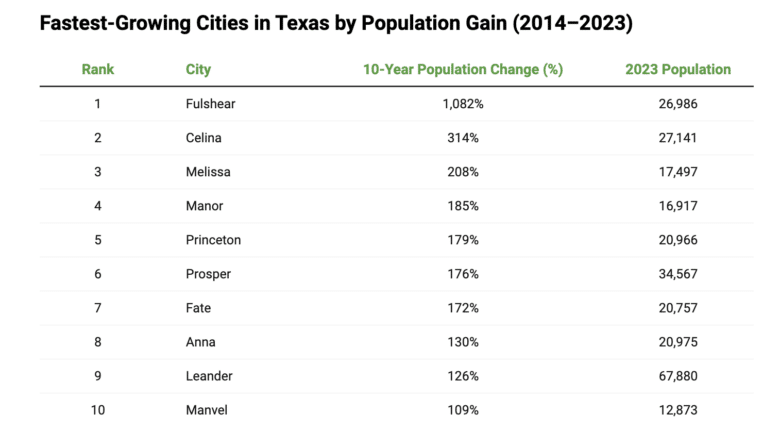
Texas dominates the podium when it comes to population growth, with Fulshear claiming the top spot nationwide. This Houston suburb saw its population skyrocket by an astonishing 1,000% between 2014 and 2023 — cementing its status as the fastest-growing city in the country during that period.
With its blend of a relaxed lifestyle, urban conveniences, top-rated schools and strong job opportunities, Fulshear consistently ranks among the best places to live in Texas. Beyond Fulshear, several other cities in the Houston metro area also experienced significant growth. Manvel doubled its population between 2014 and 2023, while Katy and Conroe each recorded increases of over 50%. By contrast, Houston itself grew by just 6%, aligning with the average growth rate for large U.S. cities.
This surge in population has naturally fueled demand for housing, and with that, rising prices. Across all four Houston-area cities, home values rose by 60% from 2014 to 2023. Still, there’s a silver lining: Katy and Conroe remain relatively affordable, with home prices still below the national average of $354,000.
The Dallas metro area has emerged as another major population hotspot, with 11 of the top 100 cities experiencing significant growth between 2014 and 2023. Aside from Frisco, which is already a well-established suburb, the rest are smaller cities — six of which more than doubled in size during this period. The remaining cities still saw impressive gains, with population increases exceeding 60%. Meanwhile, Dallas proper experienced more modest growth, with a 5% increase over the decade.
Among the metro’s rising stars, Celina stands out, boasting a population surge of over 300%. A mix of diverse housing options, proximity to city amenities, a strong local economy and access to top-rated schools and entertainment have made it one of the most attractive places to settle in the region.
Unsurprisingly, this rapid population growth has also driven up home prices. Today, only three cities in the Dallas metro area in the top 100 — Princeton, Royse City and Forney — still offer homes priced below the national average. All three are considered safe, with Princeton and Forney reporting crime rates below 1%, adding to their appeal for families and new residents alike.
The Greater Austin area has also seen rapid expansion, with five small cities recording major population increases between 2014 and 2023. Manor leads the pack, with its population soaring by 185%. Meanwhile, Austin itself posted a 12% growth rate — still notably higher than most large cities across the country.
Image Credit: storagecafe.
One of The Biggest Drivers Behind This Growth?

One of the biggest drivers behind this growth? Affordable housing. Cities like Manor, Kyle and Hutto continue to offer home prices below the national average, making them appealing alternatives to Austin. Despite the steady influx of new residents, these cities have managed to keep housing costs relatively stable. In fact, home prices in the area have risen in line with — or just slightly above — the national average increase of 90%, allowing these communities to maintain much of their original affordability even as they grow in popularity.
As populations surged, self storage demand rose in tandem. Storage inventories expanded by 50% or more across all Austin-area cities in the top 100, offering homeowners and renters much-needed space in an increasingly competitive housing market.
Image Credit: istockphoto.
Virginia’s Woodbridge is on The Population Fast Track

Woodbridge, VA, ranks second nationwide for population growth, with its population surging ninefold between 2014 and 2023. Its proximity to Washington, D.C., Alexandria and Arlington makes it especially appealing, offering residents easy access to jobs, entertainment and other urban amenities. To keep pace with rising demand, Woodbridge has significantly expanded its housing stock, increasing it sevenfold between 2013 and 2022.
Despite its rapid growth, home prices remain more affordable than in D.C., with the average home in Woodbridge priced at $488K, compared to $601K in the nation’s capital. Meanwhile, Washington, D.C., itself saw a much more modest 6% growth rate over the same decade.
Image Credit: Norm Lane/istockphoto.
Population Shoots Up Across Several Florida Cities

Florida is home to 13 cities that stand out for their rapid population growth, primarily clustered in the Lakeland, Orlando, Tampa, and Miami metro areas. Davenport, Groveland and Wimauma each saw their populations double or more between 2014 and 2023. By comparison, growth was more moderate in the major metro anchors — Orlando led with a 25% increase, while Tampa rose 13% and Miami just 7%.
With housing demand soaring, it’s no surprise that markets in Florida’s fastest-growing cities have become increasingly competitive. Still, Ruskin bucks the trend, offering homes below the national average price. Davenport, Groveland and Wimauma also remain relatively affordable, with average home prices under $400K. On the higher end, Doral, located in the sought-after Miami area, stands out with the highest average price at $566K.
Image Credit: eyfoto / iStock.
Two Tennessee Cities Among The Fastest-Growing in The U.S.

Heading inland, two cities in Tennessee’s Nashville metro area have emerged as standout growth hubs. While Nashville itself posted a considerable 10% population increase over the past decade, nearby Nolensville experienced a staggering 137% growth, and Spring Hill saw its population expand by roughly half that rate.
This rapid growth has gone hand in hand with rising home values. Home prices in both cities have climbed by around 120%, reflecting the area’s increasing demand. Today, the average home price in Nolensville sits at $808K, compared to $507K in Spring Hill — both surpassing Nashville’s average. Despite their rising profiles, both cities maintain a strong appeal for families, offering safe environments with crime rates below 1%.
Image Credit: Kruck20/istockphoto.
South Carolina Joins The Nation’s Population Boom

South Carolina continues to draw younger generations, thanks to a strong job market and a thriving housing sector. Fort Mill and Bluffton lead the way, with population growth exceeding 120%, while two additional cities in the Charleston and Charlotte metro areas have seen increases of over 50%. Growth in the urban cores was more moderate but still noteworthy — Charleston grew by 21% and Charlotte by 14%, impressive figures for larger cities.
In terms of affordability, Moncks Corner, located near Charleston, still offers relatively accessible housing, with average home prices around $362K. In contrast, home values in Fort Mill and Bluffton now top $500K, reflecting their growing appeal.
This housing boom has also fueled significant growth in the self storage sector. Fort Mill, part of the Charleston metro, saw the most dramatic expansion, with inventory increasing 136% and surpassing 1 million square feet by the end of 2023. Steady new construction across all four cities continues to support the rising demand for storage.
Image Credit: Kruck20 // istockphoto.
Western Cities Stand Out For Rapid Population Growth
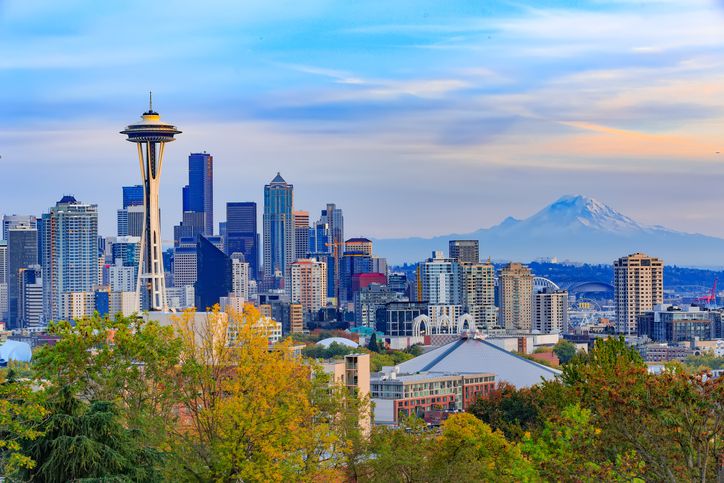
Across the West, 26 cities experienced rapid population growth between 2014 and 2023. In Washington state, four standout cities — located in the Portland, Seattle and Spokane metro areas — have each seen their populations surge by over 50%. These cities offer the best of both worlds: a suburban lifestyle paired with easy access to urban job opportunities. Unsurprisingly, home prices have more than doubled in all four locations over the past decade.
Rising housing demand has also fueled expansion in the self storage sector. In the Portland-area city of Ridgefield, storage inventory has more than quadruppled, while Airway Heights, near Spokane, has seen an 80% increase. Despite these gains, storage supply remains largely undersupplied across this group of fast-growing cities — pointing to continued opportunity and strong demand ahead.
Image Credit: aiisha5 / istockphoto.
One Arizona city is growing fast

In Arizona, Queen Creek — a suburb of Phoenix — ranks among the fastest-growing cities in the nation, with its population more than doubling between 2014 and 2023. That’s a sharp contrast to Phoenix proper, which recorded a more modest 9% increase over the same period.
Often recognized as one of the best cities to raise a family in the West, Queen Creek offers a high quality of life, with abundant green space, convenient access to shopping and dining and a strong sense of community. It’s also known for its safety, with a crime rate below 1%. Housing demand has surged along with its popularity — home prices have jumped 130% over the past decade, reaching $638K in November 2024, significantly outpacing the national average increase of 90%.
Image Credit: Kruck20/Istockphoto.
Utah’s Fastest-Growing Cities Are Clustered Around Salt Lake City And Provo
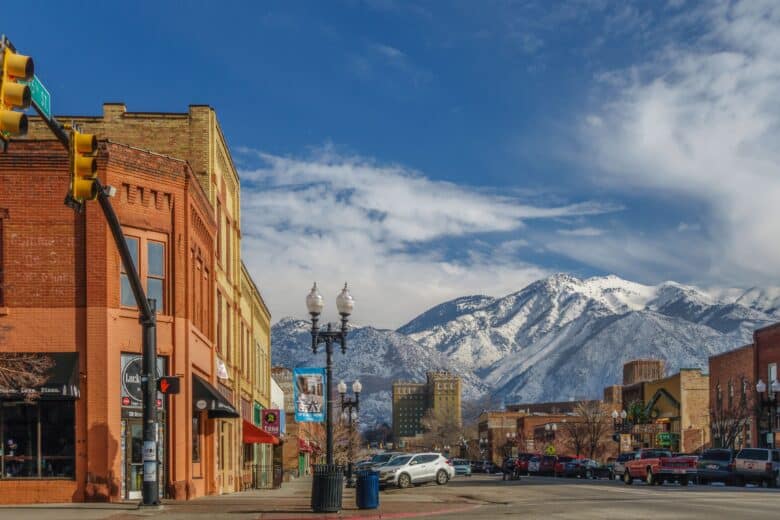
In Utah, four cities within the Salt Lake City and Provo metro areas saw their populations more than double between 2014 and 2023. Leading the charge are Herriman and Bluffdale, the state’s two fastest-growing cities.
Interestingly, despite their rapid population growth, home prices in both cities have increased at a slower pace compared to other parts of Utah — rising less than 90% over the past decade. That said, they still command the highest home values among Utah’s fastest-growing cities, with Bluffdale averaging $610K and Herriman at $595K.
In contrast, Santaquin, located near Provo, remains the most affordable city in the group, with home prices still below $500K, offering a more budget-friendly option amid Utah’s housing boom.
Image Credit: HABesen/istockphoto.
Colorado Snatches Several Spots For Population Surges

Colorado stands out among the fastest-growing states, with eight cities posting significant population gains between 2014 and 2023. Berthoud, located near Fort Collins, leads the pack with triple-digit growth. Meanwhile, five cities in the Greeley metro area saw their populations rise by more than 50%.
Thanks to their proximity to Denver and other major hubs, these fast-growing areas offer residents access to diverse job opportunities and outdoor recreation. By comparison, population growth in the metro anchors was more modest — Greeley grew by 14%, while in Denver and Fort Collins the growth rate stood at 13%. In Colorado Springs, the number of residents rose by 11%.
When it comes to housing, Johnstown is the most affordable among the Greeley-area boomtowns, with average home prices at $512K, slightly below Denver’s median. In contrast, home prices in the other fast-growing cities exceed $550K, reflecting their rising popularity.
Image Credit: Sean Pavone/ istockphoto.
Big Cities: The West And South Tie For Population Growth

Across the country, large cities — those with populations over 250,000 — are seeing significant growth, with the West and South evenly matched. Each region is home to nine of the fastest-growing big cities from 2014 to 2023.
California leads with Irvine and Bakersfield
In California, Irvine ranks first nationally among large cities, with a 34% population increase over the past decade. The city is known for its high quality of life, abundant job and education opportunities and lifestyle amenities that support active living. However, this desirability comes at a price — average home values exceed $1.5 million. Fortunately, a median household income of around $123,000 helps offset some of the housing burden.
Further north, Bakersfield recorded 14% growth over the same period. The city benefits from relative proximity to Los Angeles, a family-friendly atmosphere and some of the most affordable housing in the state, with average home prices around $390K.
Image Credit: storagecafe.
Nevada Shines with Triple Growth Centers

In Nevada, three major cities have made impressive gains. Henderson and North Las Vegas each saw their populations rise by over 20%, while Reno grew by 16%. Economic diversification in the Las Vegas metro area has helped create new job opportunities, attracting residents from across the country.
This growth has driven home values to nearly double in all three cities. Among them, North Las Vegas remains the most affordable, with an average price of $407K, compared to $545K in Reno.
Image Credit: photoquest7 / istockphoto.
Arizona Cities Continue Their Upward Climb
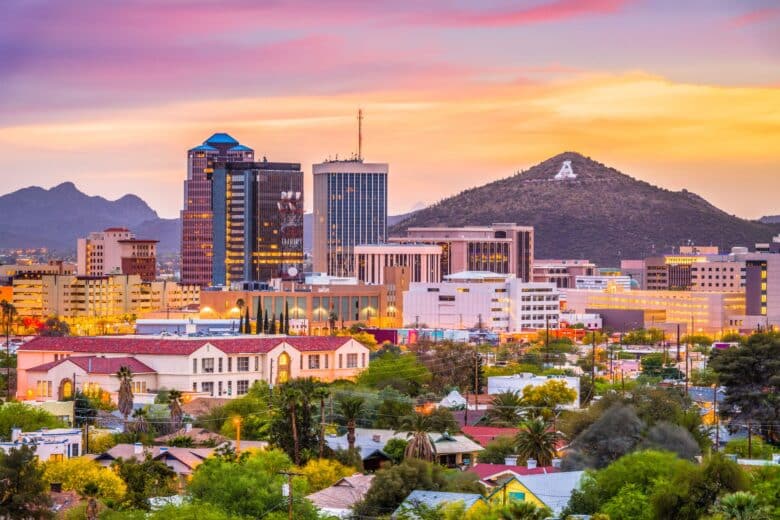
In the Phoenix metro area, Gilbert and Chandler are among Arizona’s fastest-growing large cities. Both boast strong job markets, with unemployment at just 2.9%, well below the national average of 4.1%.
Home prices have more than doubled, now averaging over $500K in both cities. This housing boom has also fueled the self storage sector, with each city now offering over two million square feet of storage space. However, supply hasn’t caught up with demand — with only about four square feet of storage per capita, both cities remain significantly undersupplied, signaling plenty of room for growth.
Image Credit: Sean Pavone / iStock.
Florida’s Big Cities Welcome a Surge of New Residents

Florida is firmly on the growth map, with three major cities — Orlando, Jacksonville and Tampa — seeing impressive population increases. Orlando leads the pack with 25% growth, supported by strong economic development, a warm climate and a relatively attractive housing market.
Despite the influx, average home prices remain below $400K in all three cities. Jacksonville stands out as the most affordable option, with average home prices at just $290K.
Image Credit: ddmitr / iStock.
Texas Sees Strong Gains in Fort Worth and Irving
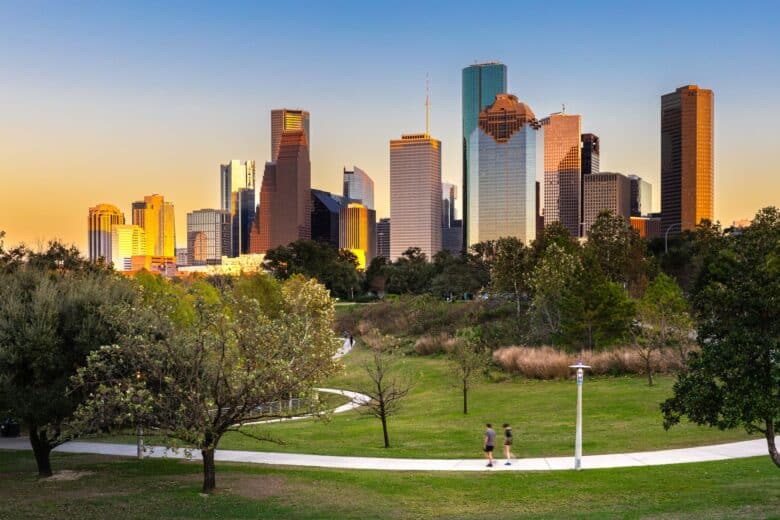
In the Dallas metro area, Fort Worth and Irving have seen robust population gains of 21% and 13%, respectively. Both cities offer affordable housing, with average home prices of $299K in Fort Worth and $340K in Irving — well below the national average.
To meet growing demand, both cities have expanded their self storage infrastructure. Fort Worth added over 2.7 million square feet of new storage over the last decade, but with 6.3 square feet per capita, there’s still room for expansion. Irving offers slightly better availability at 6.8 square feet per resident, though demand remains strong as the city continues to grow.
Image Credit: Nantiya Rattanatum/istockphoto.
From Boom to Bust: The U.S. Cities Losing The Most People
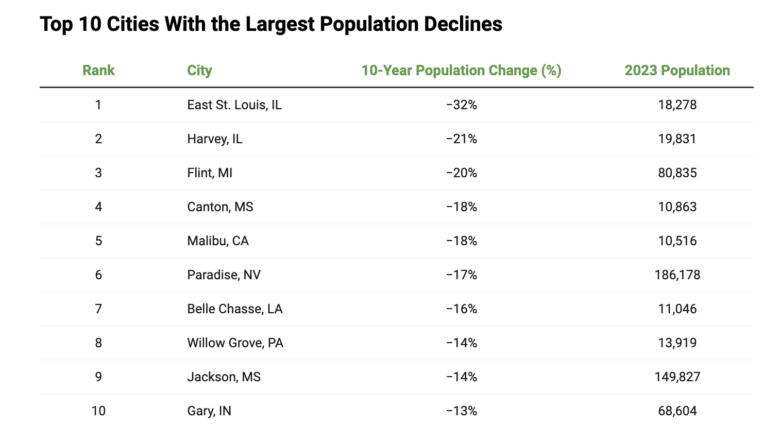
When it comes to cities experiencing the sharpest population declines, the Midwest is at the forefront, with economic challenges playing a major role. In other regions, factors like extreme weather events and rising living costs are prompting residents to relocate to other cities and states.
East St. Louis, IL, ranks first nationwide for population decline, with a 32% drop between 2014 and 2023. Harvey – located in the Chicago metro area – comes in second with 21% population drop. In neighboring Gary, the number of locals went down by 13% in the last decade. Economic stagnation is the likely factor behind this trend. Meanwhile, Chicago proper held steady over the same period, and St. Louis, MO, saw its population shrink by around 7%. Similarly, economic difficulties might also be behind the 20% population drop in Flint, MI, as well.
In the South, the drivers shift: weather-related disasters and economic downturns have hit parts of Mississippi and Louisiana hard. Canton, MS, Jackson, MS and Belle Chase, LA, have experienced double-digit population losses.
Image Credit: storagecafe.
Self Storage Supports Booming Cities, Adding Nearly a Quarter of Its Inventory in The Last Decade
In cities where population growth is surging, the need for extra space often follows — whether it’s driven by people relocating or expanding households.
That’s where self storage steps in as a key resource, helping residents manage their belongings during moves, downsizing, renovations or lifestyle transitions. Fortunately, the industry has kept pace with demand: Over the past decade, developers have expanded the national storage footprint by 34%.
Between 2014 and 2023, more than 452 million square feet of self storage space came online, bringing the total inventory to nearly 2 billion square feet by the end of 2024.
While urban hotspots have traditionally been better supplied with self storage space, suburban communities are quickly catching up. In a couple of them, inventory expansion exceeded four digits. For instance, Pompton, NJ, located in the New York metro area, has seen a whopping 5,000% jump in self storage supply over the decade, bringing the 2023 inventory to almost 82K square feet. Similarly, New Britain, CT, Wilmington, MA, and Englewood, OH experienced inventory surges of over 2,000% for the same period. New Britain ended up with the highest inventory of 168K square feet by the end of 2023.
Following the same trend of suburban expansion, approximately 82 cities grew the entirety of their self storage inventory within the last decade. For example, in Wauwatosa, part of the Milwaukee metro area, the self storage market added 430,000 square feet between 2014 and 2023. Similarly, Woodlawn, located in the Baltimore metro, now boasts nearly 345,000 square feet of storage space developed during the same period.
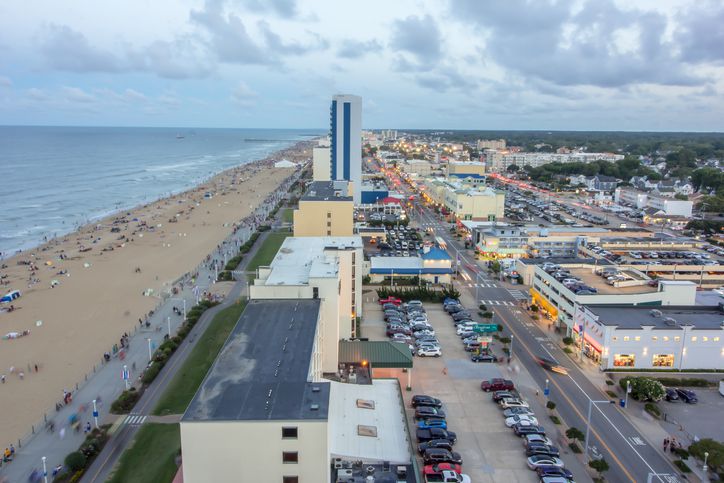
Among major cities, six stand out for their abundant self storage supply, with per capita availability in the double digits. Lubbock, TX, and Reno, NV, lead the way, each offering over 14 square feet of storage per resident.
Other well-supplied cities include Corpus Christi, TX, Colorado Springs, CO, Greensboro, NC, and Virginia Beach, VA — each providing more than 10 square feet per capita, indicating a market that effectively meets local demand.
Explore the fastest-growing and fastest-shrinking U.S. cities based on population changes from 2014 to 2023 — plus the key factors driving these trends.
Self Storage Inventory Growth Across U.S. Cities (2014-2023) full ranking.
Image Credit: TK Fotoshop / istockphoto.
U.S. Cities Ranked by Population Changes (2014–2023)

If the early 2000s and early 2010s were defined by an urban revival — fueled largely by millennials flocking to major metropolitan areas — the past decade has marked a notable shift toward smaller cities, many of them suburban. These smaller communities have emerged as some of the fastest-growing places in the U.S., a trend especially pronounced in the South, where a strong economy, affordable housing and a business-friendly climate continue to attract new residents and drive sustained population growth.
Image Credit: storagecafe.
Methodology

This analysis was conducted by StorageCafe, a nationwide online platform providing self storage unit listings.
For this study, we analyzed 2,510 cities with populations of at least 10,000 and ranked them based on percentage population changes from 2014 to 2023. We’ve excluded cities without available population and self storage data from the analysis.
For city size classifications, we used the National Center for Education Statistics (NCES) framework and categorized cities into three groups:
- Big cities: 250K+ residents
- Mid-size cities: 100K–250K residents
- Small cities: Under 100K residents
Population data was sourced from the U.S. Census. Home price data was obtained from Zillow and reflects November 2024 figures. Unemployment rates were sourced from the Bureau of Labor Statistics (October 2024), and crime rates came from the Federal Bureau of Investigation (2023).
Data on self storage rates and inventory — as of February 2024 — came from our sister division Yardi Matrix, a business development and asset management tool for brokers, sponsors, banks and equity sources underwriting investments in the multifamily, office, industrial and self storage sectors.
Fair use and distribution
This study serves as a resource for the general public on issues of common interest and should not be regarded as investment advice. The data is true to the best of our knowledge but may change if amendments to it are made. We agree to the distribution of this content, but we do require a mention in return for attribution purposes.
Related: CA To WA Migration: Top Talent Is Moving To Washington — And Bringing Their Wallets
Related: The South And Mountain West Are Outpacing The Nation For Self Storage Performance
Like MediaFeed’s content? Be sure to follow us.
This article originally appeared on Storagecafe.com and was syndicated by MediaFeed.org
Image Credit: xphotoz/Istockphoto.