

Reviewed by Craig Primack, MD, FACP, FAAP, MFOMA
Losing weight and sustaining a healthy weight are notoriously difficult. If you’re struggling to reach your weight goals, you might consider taking an appetite suppressant to aid with appetite control.
But not all appetite suppressants are made equal.
Keep reading to learn about prescription and over-the-counter appetite suppressants that may help with weight loss and support overall wellness.
Image Credit: Panupong Piewkleng / iStock.
What Are Appetite Suppressants?

As you might have guessed, appetite suppressants are medications or supplements that dull your desire to eat. They can help you stick to nutritious food choices and the right portion sizes for your needs, ultimately promoting weight loss.
Although appetite suppressants can be effective, they’re not meant to be magical weight loss pills. To get the best results, they should be combined with regular exercise and a reduced-calorie diet.
Your healthcare provider may recommend taking these medications if you have obesity or overweight. It’s also important to talk to your provider before taking over-the-counter (OTC) weight loss supplements since many products marketed for weight loss aren’t known to be safe or effective.
Image Credit: weight loss by (None).
How Do Appetite Suppressants Work?

Appetite suppressants work in a few different ways, depending on the medication or supplement you use.
For example, glucagon-like peptide-1 receptor agonists (GLP-1s) are a group of medications often used to aid with weight loss or help people with type 2 diabetes control their blood sugar.
GLP-1 agonists work by mimicking a naturally occurring hormone produced in the digestive tract called GLP-1. This hormone is one of the body’s incretin hormones, which act on the pancreas to increase insulin production and decrease glucagon production. (Insulin lowers blood sugar, while glucagon raises it.)
Wegovy is one example of a GLP-1 drug that binds to receptors in the body involved with appetite regulation.
Let’s dive into the different types of appetite suppressants.
Image Credit: fcafotodigital / iStock.
GLP-1 Weight Loss Injections
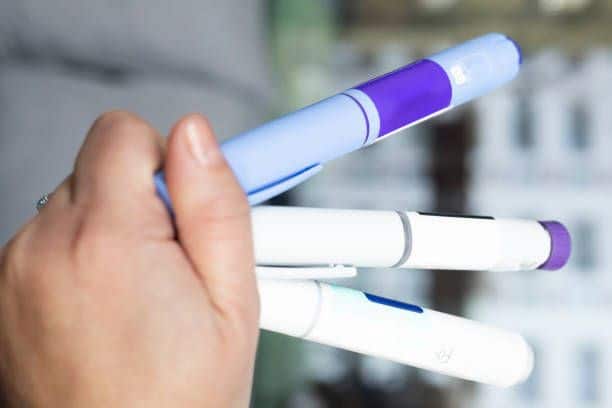
A few different GLP-1 injections can help you on your weight loss journey by reducing your appetite. Here’s a rundown of your options.
Image Credit: camacho9999 / iStock.
Wegovy
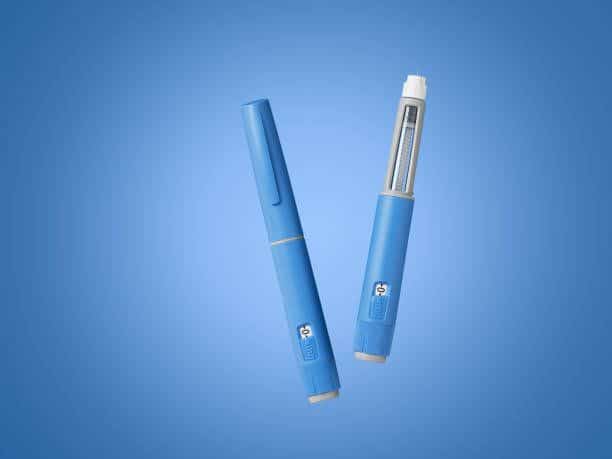
Let’s start with one major player when it comes to weight loss medications: Wegovy.
Wegovy is a once-a-week GLP-1 injection containing the active ingredient semaglutide. It activates receptors in the brain and gut to reduce appetite and enhance satiety (the feeling of being full). It also slows the speed at which food moves through the stomach.
It’s approved by the U.S. Food and Drug Administration (FDA) for:
-
People with a body mass index (BMI) of 30 or more (obesity)
-
People with a BMI of 27 or more (overweight) who have at least one weight-related health condition, like hypertension (high blood pressure), type 2 diabetes, sleep apnea, or high cholesterol
Don’t know your BMI? Check out our BMI calculator.
Image Credit: Munro / iStock.
Wegovy Effectiveness

While appetite levels haven’t been studied specifically with this drug, weight loss has. For instance, in a 2021 study, researchers compared the effectiveness of Wegovy injections to a placebo.
The study included almost 2,000 people with a BMI over 30 or a BMI above 27 with at least one weight-related condition that wasn’t diabetes. Participants took a once-weekly injection containing 2.4 milligrams of semaglutide for 68 weeks and made lifestyle changes, like following a reduced-calorie diet and exercising more.
Here’s what the results showed:
-
People in the Wegovy group lost around 33.7 pounds on average.
-
People in the placebo group lost around 5.7 pounds.
This translates to an average decrease of about 15 percent in body weight in the Wegovy group.
As with any appetite suppressant medication, Wegovy has some potential side effects. These are mostly gastrointestinal, like constipation and nausea, and usually go away when your body adjusts to the medication.
Learn more about Semaglutide Side Effects.
Image Credit: Carolina Rudah / iStock.
Other Weight Loss Injections

Beyond Wegovy, other GLP-1 injections can reduce your appetite and help you move toward a healthier weight. Those include:
-
Ozempic. You’ve no doubt heard of Ozempic. It contains the same active ingredient as Wegovy (semaglutide). It’s FDA-approved for type 2 diabetes, but it is sometimes prescribed off-label for weight loss. This is when a drug is prescribed to treat a condition it isn’t FDA-approved for.
-
Mounjaro. Mounjaro contains the active ingredient tirzepatide. It’s a once-weekly injection FDA-approved for diabetes, but it’s sometimes prescribed off-label for weight loss.
-
Zepbound. Zepbound is Mounjaro’s weight loss counterpart. It contains the same active ingredient and is also a weekly injection. The difference? It’s FDA-approved for overweight and obesity.
-
Victoza. Victoza contains the active ingredient liraglutide. This diabetes drug can be prescribed off-label for weight loss. The big difference here is it’s a daily injection.
-
Saxenda. Saxenda is also a daily injection that contains the active ingredient liraglutide. It’s FDA-approved for weight loss.
Check out our full guide to weight loss injections to learn more.
Image Credit: coldsnowstorm / iStock.
Prescription Weight Loss Pills

As well as injections, there are oral prescription medications that can help suppress appetite and promote weight loss. These medications are usually taken as a daily pill. Here are some examples.
Image Credit: Kubra Cavus/ istockphoto.
Bupropion
Bupropion is an antidepressant. It’s FDA-approved to treat depression and seasonal affective disorder (SAD), as well as to help people quit smoking. It’s sometimes prescribed off-label for overweight or obesity as part of a weight loss treatment plan.
Image Credit: Milko / iStock.
Metformin

You might recognize this diabetes drug. Metformin is a daily pill FDA-approved for diabetes and sometimes prescribed off-label to aid weight loss.
It works by:
-
Lowering blood sugar production in the liver
-
Diminishing intestinal absorption of blood sugar
-
Enhancing insulin sensitivity
Metformin’s ability to lower blood sugar levels can potentially help with appetite suppression when insulin acts on a part of the brain called the hypothalamus.
Image Credit: Thinglass/Istockphoto.
Topiramate

Sold under the brand name Topamax, topiramate.
is FDA-approved to treat seizures and prevent migraines. It’s also sometimes prescribed off-label for weight loss.
Topiramate can reduce your appetite and increase how long you feel full after meals. There are a few other ways it can promote weight loss, including altering reward pathways associated with food.
Image Credit: South_agency / iStock.
Naltrexone
Naltrexone stops opioids from affecting the brain. It’s used to treat opioid dependence and alcohol use disorder, and sometimes as part of a weight loss treatment plan.
These oral medications are only available with a prescription. Through Hers, if eligible, you can access oral weight loss medication kits. These kits contain a combination of the above oral medications in a formulation that suits your body and needs.
Image Credit: Oleg Elkov / iStock.
Short-Term Appetite Suppressants

The following medications can potentially help with weight loss. But they’re meant to be taken short-term by people who struggle to lose weight with exercise and a healthy diet alone. They have the potential to be addictive.
Short-term appetite suppressants include:
-
Benzphetamine. Benzphetamine acts on the hypothalamus to decrease appetite. It’s generally only prescribed for a few weeks since it can be addictive, and you build a tolerance.
-
Diethylpropion. Diethylpropion is generally approved for up to 12 weeks of use. It can aid weight loss by stimulating the central nervous system.
-
Phendimetrazine. Phendimetrazine also works by stimulating the central nervous system to reduce your appetite.
-
Phentermine. Phentermine can aid weight loss by suppressing appetite when combined with exercise and a healthy diet. It’s only FDA-approved for up to 12 weeks.
Image Credit: CR / iStock.
Over-the-Counter Appetite Suppressants

Many dietary supplements available over the counter have purported appetite-suppressing properties. You might think the convenience of over-the-counter products makes for the best appetite suppressant, but the science behind them is flimsy.
Keep in mind that the FDA doesn’t approve dietary supplements. And some products advertised as natural appetite suppressants contain ingredients that aren’t effective, and they may even be harmful.
Always consult a healthcare provider before starting any new supplements.
OTC appetite suppressant pills include:
-
Garcinia cambogia. Garcinia cambogia contains the active ingredient hydroxycitric acid (HCA). Diet pills containing HCA may increase serotonin levels to reduce appetite. Research on its effectiveness for body fat loss is mixed.
-
Green tea extract. Green tea extract contains catechins and caffeine. These chemicals may help reduce appetite and increase metabolism.
-
Glucomannan. Glucomannan is a dietary fiber from the root of the konjac plant. It absorbs water in the stomach, expanding to create a feeling of fullness. Research on its effectiveness is mixed, but some reviews have found a potential benefit.
-
Cayenne pepper. Cayenne pepper contains a group of chemicals called capsaicinoids. These chemicals may dull appetite and increase metabolism.
We’ve covered more OTC weight loss supplements (and how effective they are) in our full guide.
Image Credit: isa-7777 / istockphoto.
What Is the Best Appetite Suppressant in 2025? Final Thoughts

Here’s what to keep in mind when considering the best appetite suppressant:
-
Several weight loss medications can help suppress appetite and help control cravings, including injectable GLP-1s like Wegovy and liraglutide and oral medications like metformin and topiramate.
-
Of course, effectiveness varies, and you may have to meet certain criteria to get a prescription. Medications have the potential to cause side effects, and some pills or injections aren’t suitable for people with certain underlying health conditions.
-
In short, there’s no single best appetite suppressant. The best one for you will depend on your health profile and personal needs.
-
Finally, as with other weight loss methods, a calorie deficit is crucial. Appetite suppressants can help you reduce your calorie intake, but for best results, they should be combined with regular movement, nutritious foods, plenty of water, and adequate sleep. All of this can add up to healthy, sustainable weight loss.
Related: The Best (and Worst) Cities for Healthy Living in the US— Where Does Yours Rank?Related: Him & Hers Weight Loss: What to Expect
This article originally appeared on ForHers.com and was syndicated by MediaFeed.org.
Image Credit: aprott / iStock.



