

If you came here wondering what prediabetes means, we’ll answer it simply:
Prediabetes, often considered the step before diabetes, is when you have higher than usual blood glucose (blood sugar) levels. Your levels aren’t high enough to be classified as type 2 diabetes. But left untreated, prediabetes typically develops into type 2 diabetes.
But there is hope! Lifestyle changes can stop prediabetes in its tracks. You may be able to delay the onset of type 2 diabetes or prevent it entirely.
Prediabetes is common — it affects about one in three people.
However, most people don’t experience any symptoms of the condition. Prediabetes isn’t usually discovered until someone gets tested for the condition.
Prediabetes increases your risk of:
-
Type 2 diabetes
-
Heart disease
-
Stroke
-
Heart attack
The long-term complications associated with type 2 diabetes, like damage to your organs, can begin during prediabetes. So, despite the “pre,” it’s still a serious health condition. (Learn more about The Best Weight Loss Supplements for Men.)
Image Credit: Halfpoint / iStock.
Symptoms of Prediabetes

Prediabetes doesn’t come with many symptoms, so most people with the conadition — about 90 percent — don’t know they have it.
If you do experience prediabetes symptoms, you may notice:
-
Small skin growths
-
Darkened skin in your armpits or around your neck
-
Increased appetite
-
Unexplained weight loss or weight gain
-
High body mass index (BMI)
-
Fatigue
-
Weakness
-
Sweating
-
Blurred vision
-
Bleeding gums
-
Cuts and bruises that take a while to heal
-
Frequent skin infections
Image Credit: FotoDuets / iStock.
Causes of Prediabetes

Prediabetes happens when your body stops using insulin as efficiently as it should.
Insulin is a hormone produced by the pancreas. It works like a key, opening the door to your cells and allowing glucose to enter.
You get glucose from the foods you eat, which means your blood glucose level rises after you eat. In response, your pancreas releases insulin. This allows glucose to enter your cells, decreasing the amount of glucose left in your bloodstream and allowing your body to use the sugar for energy.
If you have prediabetes, your cells don’t always respond to insulin the way they should — this is known as insulin resistance.
When this happens, too much glucose remains in your blood instead of entering your cells. This leaves you with the elevated blood sugar levels characteristic of prediabetes (and diabetes).
Prediabetes can also happen when your body doesn’t make enough insulin. Without an adequate insulin supply, glucose can’t enter your cells, meaning more stays in your blood. (Learn more about The Average Weight for Men.)
Image Credit: monkeybusinessimages / istockphoto.
Risk Factors for Prediabetes

There are many factors that put you at a higher risk of developing prediabetes. As with many health conditions, you have control over some risk factors but not others.
Risk factors for prediabetes include:
- Having excess weight or obesity
- A lack of physical activity
- Having a family history of prediabetes
- Being 45 or older
- Health conditions like high blood pressure, high cholesterol, metabolic syndrome, or sleep apnea
- Having a medical history of gestational diabetes, heart disease, or stroke
- Being African American, Asian American, Native Hawaiian, Alaska Native, American Indian, Hispanic/Latino, or Pacific Islander American
Image Credit: monkeybusinessimages / istockphoto.
Diagnosing Prediabetes

To diagnose prediabetes, your healthcare provider may recommend one of the following blood tests:
- Fasting plasma glucose test
- A1C test
- Oral glucose tolerance test
- Random plasma glucose test
Image Credit: istockphoto / Korrawin.
Fasting Glucose Test

A fasting plasma glucose test measures your blood sugar levels at a single moment in time. You’ll avoid eating for at least eight hours before the test — sometimes longer.
Image Credit: Hims.
A1C

An A1C test also measures your blood sugar levels, but as a cumulative average over the past three months. You’ll see these results as a percentage — the higher the percentage, the higher your blood sugar levels.
Image Credit: Hims.
Glucose Tolerance and Random Plasma Glucose Test
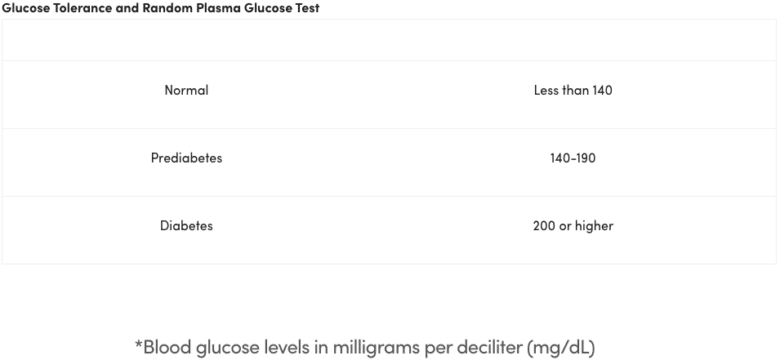
An oral glucose tolerance test checks how your body responds to glucose. Your blood glucose levels are measured before you consume 75 grams of glucose solution. Two hours later, your blood glucose levels are measured again, and changes are observed.
A random plasma glucose test, on the other hand, checks your blood glucose levels at any time — regardless of when you last ate.
The measurements are the same for both tests.
You may need a follow-up test to check your results.
When you’re diagnosed with prediabetes, you should check your blood sugar levels every one to two years to see if your prediabetes is progressing into type 2 diabetes and if any changes are needed to your treatment.
Image Credit: Hims.
Prediabetes Treatment

Can you reverse prediabetes? Certainly. If you have prediabetes, you’re not doomed to get type 2 diabetes, so long as you’re proactive about getting — and keeping — your blood sugar levels below the prediabetes range. Making the right lifestyle changes could cut your risk of type 2 diabetes in half.
If you can’t avoid it, you may still be able to delay prediabetes from developing into type 2 diabetes.
Lifestyle changes to treat prediabetes include:
Image Credit: lucigerma/istockphoto.
Eating Nutritious Foods

There’s no specific prediabetes diet to follow, but eating whole foods can help. Opt for fresh fruits and vegetables, nuts, seeds, whole grains, lean protein, and healthy fats like olive oil and avocados.
Image Credit: piotr_malczyk/istockphoto.
Getting Regular Exercise

Aim for at least 150 to 300 minutes of moderate-intensity aerobic exercise a week or 75 to 150 minutes of vigorous-intensity aerobic exercise a week, or a combination of the two. This can include walking, jogging, cycling, swimming, your favorite sports — or all of the above.
Image Credit: PeopleImages / iStock.
Weight loss

If you have overweight or obesity, losing weight can help keep your blood sugar levels in check. This may involve losing five to seven percent of your body weight. Eating nutritious foods and getting exercise regularly — along with things like drinking more water and prioritizing a full night’s sleep — can help.
Image Credit: shironosov/istockphoto.
Cutting Down on Alcohol

Consuming just one alcoholic beverage a day (or no alcohol at all, ideally) can help prediabetes from developing. Limiting alcohol can also help with weight loss.
Image Credit: Ridofranz / istockphoto.
Quitting Smoking

You can quit the habit by slowly cutting down, avoiding triggers, and getting support from a group, healthcare provider, or friends and family.
Image Credit: Depositphotos.com.
Reducing Stress

Try stress-management techniques like meditation, mindfulness, and yoga. Regular exercise, spending time with loved ones, and speaking to a mental health professional can also help.
Your healthcare provider may also recommend medications to help control your prediabetes. These include:
Weight loss medications can also help you achieve your weight loss goals. These include:
-
Semaglutide (Ozempic, Wegovy®, compounded semaglutide)
-
Tirzepatide (Mounjaro, Zepbound®, compounded tirzepatide)
-
Metformin
-
Bupropion
-
Naltrexone
Your provider can let you know if these medications are suitable for you.
Image Credit: Depositphotos.com.
Prediabetes Prevention Tips

In most cases, prediabetes is avoidable. Many treatments for prediabetes can prevent the condition from developing in the first place.
Prediabetes preventative measures include:
-
Keeping your weight within a healthy range
-
Eating nutritious foods
-
Making regular movement a part of your routine
-
Cutting down on alcohol
-
Quitting smoking
If you have an increased risk of developing prediabetes, bring it up to your healthcare provider. They may recommend more regular screenings.
But generally, men ages 30 to 45 with an ordinary risk of prediabetes may require screening at least every three years.
It’s important to keep an eye on your blood sugar and take charge of your health.
This article originally appeared on Hims.com and was syndicated by MediaFeed.org.
Image Credit: Depositphotos.com.
More from MediaFeed

Fatty Liver Disease: Risk Factors & Treatment Options
Image Credit: DepositPhotos.com.



