Semaglutide drugs like Ozempic and Wegovy seemingly exploded onto the scene in the past couple of years. But the drug has been around longer than that.
How long has semaglutide been around exactly?
Under the brand name Ozempic, semaglutide was approved by the U.S. Food and Drug Administration (FDA) in 2017 to help people with type 2 diabetes manage their blood sugar. In 2021, it was FDA-approved under the brand name Wegovy to help those with overweight and obesity lose weight.
How long has Ozempic been studied? How long has Ozempic been on the market? You’ve got more questions, we’ve got more answers.
Image Credit: CR/istockphoto.
How Long Have People Been Using Semaglutide?
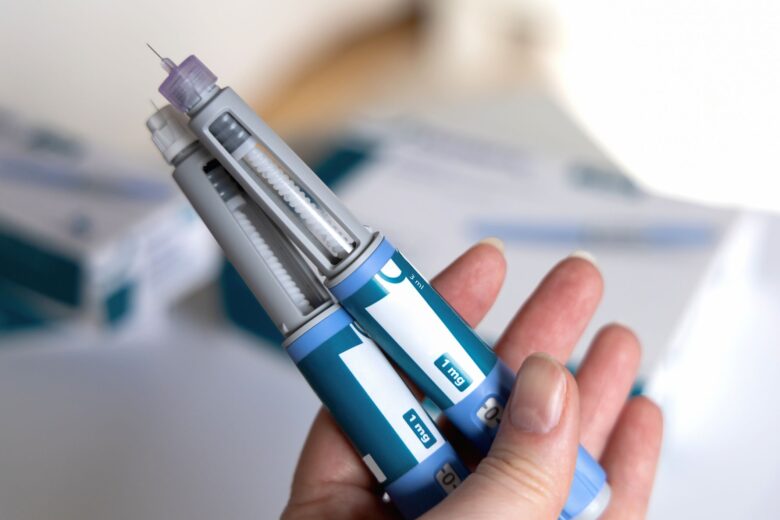
People have been using semaglutide since 2017 when it was FDA-approved as a diabetes drug. It was later used as a weight loss drug and eventually FDA-approved for weight loss in 2021.
Here’s a quick rundown of when semaglutide drugs first hit the market:
-
Ozempic. Ozempic was FDA-approved in December 2017 as a diabetes drug. It’s prescribed off-label for weight loss. This is when a doctor prescribes a drug for something it hasn’t been approved for.
-
Rybelsus. Rybelsus — the tablet form of semaglutide — was FDA-approved in September 2019 as a diabetes drug. Rybelus also isn’t approved for weight loss, but it’s often prescribed off-label.
-
Wegovy. Wegovy was FDA-approved in June 2021. It’s the only semaglutide drug that’s approved for weight loss. In March 2024, Wegovy was also approved to reduce the risk of major adverse cardiovascular events in those with cardiovascular disease and either overweight or obesity.
Millions of people now use semaglutide and similar drugs. According to a 2023 report from Trilliant Health, prescriptions for glucagon-like peptide-1 receptor agonist (GLP-1) medications — a class of drug that includes semaglutide — increased by 300 percent from the start of 2020 to the end of 2022.
Healthcare providers wrote a whopping 9 million prescriptions for GLP-1 drugs in the final three months of 2022 — that includes semaglutide drugs like Ozempic and Wegovy. Ozempic is the most prescribed drug of its kind.
(Related: Ozempic vs Metformin For Weight Loss)
Image Credit: Carolina Rudah/istockphoto.
The History of Semaglutide

Believe it or not, semaglutide was inspired by lizard venom.
A scientist and endocrinologist at the University of Toronto named Daniel Drucker learned that the venom of the Gila monster — yes, that’s its real name — contained hormones that could regulate blood glucose levels.
Drucker began experimenting on the venom in 1995. By 2005, a synthetic version of a hormone in the venom — a GLP-1 receptor agonist — was used to treat type 2 diabetes.
Next, the drugs exenatide (Byetta) and liraglutide (Victoza and Saxenda) were developed. Byetta was FDA-approved in 2005, Victoza was approved in 2010, and Saxenda was approved in 2014.
These drugs help with blood sugar regulation and weight loss, but they require daily injections. As daily injections are no fun for anyone, researchers began to develop a similar drug that only needed a weekly injection.
Danish pharmaceutical company Novo Nordisk — who are also the makers of liraglutide — developed semaglutide as a long-acting type 2 diabetes drug.
Semaglutide was first tested on mice, and when it was found to be effective, it progressed to clinical trials.
Weight loss was never the aim, but it emerged as a common side effect of semaglutide.
Here’s how it went down:
-
Findings from the first clinical trials on semaglutide injections were published in 2017. These trials were on people with type 2 diabetes.
-
Findings from clinical trials on oral semaglutide for type 2 diabetes were published in 2021.
-
Findings from clinical trials on semaglutide injections for weight loss were published in 2021.
When did semaglutide come out? After successful clinical trials, it eventually got FDA approval in December 2017 to go out into the world under the brand name Ozempic.
And voila — the drug we know today was born.
From here, similar diabetes and weight loss drugs have been developed, including tirzepatide, sold under the brand names Mounjaro and Zepbound.
Image Credit: Peter Hansen/Istockphoto.
What Are the Different Forms of Semaglutide?
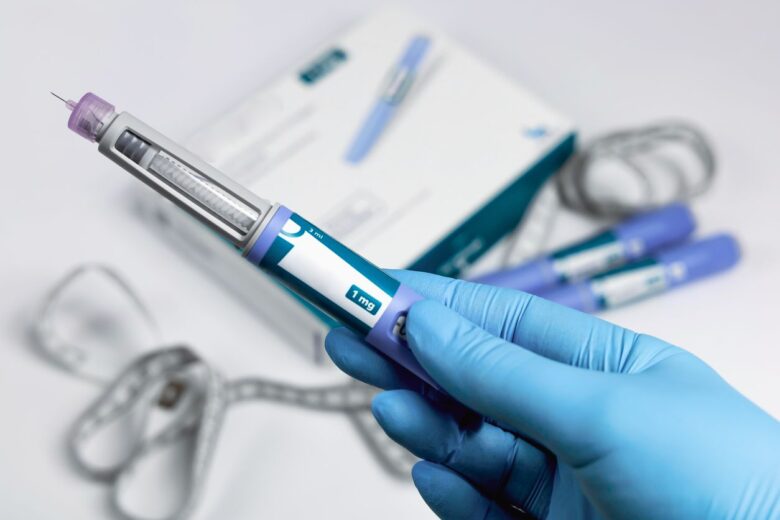
Semaglutide is sold under the brand names Ozempic, Wegovy, and Rybelsus. They all work in a similar way, but they’re taken in different forms and are approved for different people.
Here’s what you need to know.
Ozempic
Ah, Ozempic. This is the brand name that probably comes to mind when you think about semaglutide.
Ozempic is a weekly subcutaneous (under the skin) injection that’s approved to help people with type 2 diabetes manage their blood sugar levels. It’s also approved to reduce the risk of major adverse cardiovascular events in people with type 2 diabetes and cardiovascular disease.
While it has never been approved for weight loss, it’s often prescribed off-label for this use.
Ozempic works by suppressing your appetite and curbing cravings. This naturally reduces your food intake, helping you lose body weight.
The most common side effects are gastrointestinal issues, including stomach pain, constipation, nausea, vomiting, and diarrhea.
Image Credit: Carolina Rudah/istockphoto.
Rybelsus

Rybelsus is an oral version of semaglutide that’s taken as a tablet once a day. It’s approved to help people with type 2 diabetes manage their blood sugar.
Like Ozempic, Rybelus isn’t approved for weight loss, but it’s often prescribed off-label as a weight loss treatment.
Side effects are similar to those found with Ozempic.
(Related: Weight Loss Medications: Are They Effective?)
Image Credit: KucherAV/ iStockphoto.
Wegovy

Wegovy is a once-a-week semaglutide injection that’s available at a higher dose than Ozempic.
It’s approved for chronic weight management in adults with a body mass index (BMI) of 30 or higher. It’s also available to people with a BMI of 27 or higher and at least one weight-related health condition, such as high blood pressure, high cholesterol, or type 2 diabetes.
Wegovy is prescribed alongside a balanced diet and regular exercise.
As of March 2024, Wegovy is also approved to reduce the risk of major adverse events in those with cardiovascular disease and either overweight or obesity.
Side effects are similar to Ozempic.
Image Credit: Carolina Rudah/istockphoto.
Compounded Semaglutide

Compounded drugs include the same active ingredient (or combination of ingredients) as other drugs. Although compounded medications are not FDA-approved, they can provide solutions for people with personalized medication needs.
Semaglutide drugs have grown in popularity, resulting in shortages of Ozempic and Wegovy. To help meet demand, some licensed compounding pharmacies have begun producing compounded semaglutide.
If you’re considering compounded semaglutide, it’s important to work with a licensed healthcare provider and a reputable pharmacy.
Image Credit: SeventyFour/istockphoto.
Who Should Take Semaglutide?

Semaglutide can help those with type 2 diabetes or those with overweight or obesity.
For weight loss, semaglutide is usually prescribed to people with a BMI of 30 or more, or 27 or more with at least one weight-related health condition like high blood pressure, high cholesterol, or type 2 diabetes.
Speak to a healthcare provider to find out if semaglutide is right for you.
Image Credit: Liudmila Chernetska/istockphoto.
Who Shouldn’t Take Semaglutide?

Semaglutide drugs come with a black box warning stating that they can cause thyroid C-cell tumors in rodents. But it’s unclear if the risk is there in humans.
For now, people with a personal or family history of medullary thyroid cancer or people with multiple endocrine syndrome 2 shouldn’t take semaglutide.
You also shouldn’t take semaglutide if you have a serious hypersensitivity reaction to the drug.
Semaglutide has been linked to pancreatitis (inflammation of the pancreas). Let your prescribing healthcare provider know if you’ve got a history of pancreatitis, as well as any other health condition.
Image Credit: nortonrsx/Istockphoto.
Semaglutide History: Wrapping It Up

Today, semaglutide is a popular weight loss drug, but it’s been around longer than most of us think.
Here’s a recap of the key questions you might have:
-
How long has Ozempic been around? Ozempic was FDA-approved in 2017 as a diabetes medication. It’s prescribed off-label for weight loss.
-
How long has Wegovy been around? Wegovy was FDA-approved in 2021 as a weight loss drug.
-
How long has semaglutide been used for weight loss? Semaglutide is often used for weight loss in the form of Ozempic, but it was approved for weight loss in 2021 under the brand name Wegovy.
FYI, semaglutide isn’t your only option if you’re looking to lose weight.
Lifestyle changes — like eating nutritious foods, doing more movement, getting enough sleep, and drinking more water — can help. These habits can boost your weight loss efforts whether you’re taking semaglutide or not.
Other weight loss medications like metformin can also be helpful for some.
This article originally appeared on Forhers.com and was syndicated by MediaFeed.org
Image Credit: Rawpixel/Istockphoto.
More from MediaFeed

Should I Eat Before or After a Workout to Lose Weight?
Image Credit: Prostock-Studio/istockphoto.