
If you’re a parent, keeping your child safe on the road is likely one of your top priorities. Fortunately, as vehicle technology and safety regulations progress, parents have more ways than ever to keep their kids safe in the car. Today, we’re looking at some of the best car safety features for children.
Is your kid preparing to get behind the wheel themselves? Stay tuned, we’re tackling the best car safety features for teens soon.
The Must-Have Car Safety Feature for Children: A Good Car Seat
Child safety seats are probably one of the most recognizable car safety features for children. Despite that, a surprising number of parents don’t use them — a recent study by State Farm showed that almost 20% of parents didn’t use a child restraint in their vehicles. Moreover, many parents stop using car and booster seats too early. In California, for example, children are supposed to be secured in a car or booster seat until they turn eight or reach 4’9″ in height. However, according to that State Farm study, over 40% of parents for children aged six and seven reported not using a recommended child restraint.
Long story short: Many people who should use car or booster seats don’t — perhaps because they don’t know how effective they are. According to the Centers for Disease Control and Prevention (CDC), a properly-used car and/or booster seat can reduce the risk of injury in a crash by 71-82% compared to only using a seatbelt.
In other words, if you have a child under eight years old or 4’9″, it’s more than worth investing in a good car or booster seat. So, how do you find a car or booster seat that will protect your child? You’re in luck, the Insurance Institute for Highway Safety (IIHS) has already done the hard work for you. You can find comprehensive car and booster seat rankings and best practices here.
The Nice-to-Haves: Child-Safe Locks, Windows, and Sun Shades
All cars sold in the U.S. have child-safe locks on their rear doors, but their use is left up to the parents. In many newer models, a panel on the driver’s side door allows the driver to lock car doors individually, ensuring back-seat passengers don’t have access unless the driver allows it. However, some older models have a lock on the rear door instead — make sure you understand how to use your car’s child-safe locks.
Similarly, having anti-pinch windows can be… well, maybe not a life-saver, but certainly a digit-preserver. While most newer models come with window sensors that automatically prevent a window from closing if anything is in its way, many older models do not — and car windows can easily bruise or even break a finger trapped between it and the window sill.
If you have car with anti-pinch window sensors, you don’t need to do much. However, if you have an older model and your child is prone to danger, you may want to consider installing a rear seat mirror. It will help you quickly check and make sure no fingers are in windows before rolling them up.
Lastly, it’s easier to get sunburned through a car window than many realize. If you don’t want to go through the hassle of tinting your windows, you may want to pick up a rear-window sun-screen. Limiting sunlight exposure is particularly important for babies and toddlers, so having something that blocks the sun is a good idea for parents with younger children.
General Tips & Recommendations: Know Your Car’s Safety Features
Do you know how many airbags your vehicle has, or where they’re located? Are your side-view mirrors properly positioned to monitor traffic next to you? Does your car have any sort of advanced driver assistance systems, and if so, are you using them to their full potential?
If your answer to any of the above was “I’m not sure…,” it’s time to break open the ol’ owner’s manual and get a bit more comfortable with your vehicle.
For example, while many newer models come with a slew of safety features – four to six airbags, rear-view cameras, lane-change assistance, auto-braking, etc. – plenty of older models lack many or all of those systems. Knowing exactly what your car can — and can’t — do to protect your child enabled you to drive in a way that takes advantage of, or compensates for, your vehicle’s strengths and weaknesses.
A quick aside: If you have a “tall” car, such as an SUV or truck, you should consider investing in a front camera and/or blind spot monitors for your vehicle. If your car is too tall you may not be able to see a child directly in front of (or behind) it. To learn more about dealing with front and back blind spots in tall vehicles, read this article.
That about covers the car safety features for children you need to know about! Stay tuned for next week’s blog to learn more about car safety features that can help keep teens safe on and off the road.
This article originally appeared on Carvana.com and was syndicated by MediaFeed.org.
More from MediaFeed:
Yikes: These electric car costs may be much higher than they are for gas cars

At first, electric vehicles (EVs) were marketed as luxury cars with price tags that put them out of reach for most people. However, as interest in eco-friendly cars rises, more automakers are releasing electric cars aimed at the masses. S&P Global Mobility forecasts there will be more than 28 million electric cars in operation by 2030.
These cars promise to be environmentally friendly and save you money at the gas pump. However, the price of gas isn’t the only cost to consider. Read on to learn the factors that can affect the cost of an electric car, as well as look at whether electric cars are more cost-effective.
(Learn more atPersonal Loan Calculator)
martin-dm/istockphoto

Electric cars, also known as electric vehicles or EVs, are expected to surge in popularity as tax incentives make electric car costs more affordable.
Consumers who buy a new electric car in the years 2023 through 2032 may be eligible for a $7,500 clean vehicle tax credit. The Inflation Reduction Act of 2022 also offers federal tax credits of up to $4,000 for eligible consumers who buy a used electric car.
Electric cars are typically more expensive than your average auto, but the ongoing cost of maintaining an electric car can be cheaper. One of the reasons for this is that electric cars have fewer moving parts than traditional cars and don’t require oil changes.
Sofi

As of August 2023, the average price of an electric car stood at $53,376, down 18.7% from the year before, according to Kelley Blue Book® data. Across the auto industry, the average transaction price of new cars stood at $48,451.
Although the average transaction price of electric cars has declined in 2023, electric cars still remain more expensive than conventional cars on average.
Here are some of the average car transaction prices by category as of August 2023, according to KBB data:
wellphoto/istockphoto

In addition to the price you’ll pay to drive an electric car off the lot, there will be other costs you’ll have to account for over the life of the vehicle, from charging to maintenance to insurance. We examine some of those added costs below.
Electric Car Maintenance Costs
Electric cars have fewer moving parts than their gas-powered counterparts. As a result, there are fewer parts subject to wear and tear and therefore in need of regular maintenance. You’ll never have to worry about getting an oil change with an electric car.
Any vehicle can have ongoing maintenance costs, such as the costs of rotating tires or replacing windshield wipers. But the average cost of maintaining an electric car over a five-year period is about $300 less than the cost of maintaining a gas-powered vehicle, according to the National Automobile Dealers Association (NADA).
Over the course of a vehicle’s lifecycle, some metrics suggest that electric car maintenance costs are 60% to 70% less than the average cost of maintaining a traditional car. The average internal combustion engine (ICE) car has nearly 10,000 parts, whereas an electric car has about 700, according to Cox Automotive.
Electric cars generally have an expected battery lifetime of 12 to 15 years. If your battery dies, one of the most expensive car repairs is replacing your electric car battery. EV battery replacements can cost $5,000 to $15,000, but the battery may have a manufacturer’s warranty covering eight years or 100,000 miles.
jozzeppe/istockphoto

When you charge your electric vehicle, you’ll pay per kilowatt-hour (kWh). The price typically ranges from 10 cents to 35 cents per kWh, whereas regular gasoline typically costs between $3 and $4 per gallon in 2023.
If you charge your electric car at home, it could inflate your electric bill by $48 to $72 each month. By comparison, pumping 25 to 40 gallons of gasoline into a gas-powered vehicle at a price of $3.50 per gallon each month could cost between $87.50 to $140.
Charging your electric vehicle at home is typically the slowest but most cost-effective method of charging. You can also go to public charging stations, which are typically faster but more expensive than charging at home.
Some charging stations may offer free charging, although the fastest charging stations with direct current (DC) fast charging may cost up to 40 cents per kWh. Overall, the cost of recharging your electric car is typically lower than the cost of fueling up a gas-powered car.
saruservice/istockphoto

In general, owners of electric vehicles can face higher insurance premiums compared with those of gas-only vehicles. This is due in part to the fact that vehicles that are more expensive tend to cost more to insure. Additionally, repairs for electric vehicles may be more costly due to the price of their parts as well as the more limited options in technicians who know how to repair electric vehicles.
Of course, as electric vehicles grow more popular, their sticker price and the cost of repairs will likely go down, which will likely also push down insurance rates for EVs.
As of 2023, the average five-year cost of collision and liability insurance for electric cars is $6,824 vs. $5,707 to insure the average gas-powered vehicle, according to Kelley Blue Book data cited by NADA.
boschettophotography/istockphoto

Electric cars have a higher rate of depreciation than conventional cars, according to new research. An empirical analysis of the depreciation of electric cars vs. gasoline vehicles found electric cars can lose 13.9% of their value each year compared with 10.4% for gas-powered cars.
Cars typically depreciate in value over time, and car depreciation diminishes the resale value of your vehicle.
deepblue4you/istockphoto

Here are some of the environmental benefits of electric cars:
- Electric cars are powered by electric motors fueled by rechargeable batteries, not internal combustion engines
- Electric cars produce zero tailpipe emissions
- Electric cars typically have a smaller carbon footprint than conventional cars
- Electric cars don’t leak motor oil and don’t require any oil changes by design
Electric cars don’t emit carbon dioxide or smog when operating on the roadways. This can help improve air quality over time, although manufacturing electric cars and recharging their batteries can create carbon pollution.
When comparing the carbon footprint of electric cars vs. conventional cars, the U.S. Environmental Protection Agency says electric cars typically have a smaller carbon footprint than gas-powered vehicles.
In the future, electric cars can become greener over their lifecycle if and when power plants and energy grids transition to zero-emission electricity. The United States has set a goal of 100% carbon pollution-free electricity by 2035, according to a May 2023 report prepared by the U.S. Department of Energy’s Office of Policy.
SimonSkafar/istockphoto

If you’re choosing between an electric vehicle and a traditional gas-powered option, it’s important to weigh out the pros and cons of electric cars.
Sofi

While the average upfront cost of purchasing a new electric vehicle may be more than the average gas-powered car, they are cheaper to operate and maintain, and you could ultimately save thousands of dollars over the life of the car. What’s more, government incentive programs may reduce your out-of-pocket costs by a significant amount, making an electric car a more feasible option for those with smaller budgets.
Still, there is some give and take with the costs of owning an electric vehicle to keep in mind. For one, insurance premiums tend to be higher. And while there is less maintenance needed overall, some repairs like battery replacement can be costly.
You’ll also want to keep in mind the cost of charging, including if you want to install an at-home charger, the most cost-effective option. All told, however, the annual cost of charging electric cars is typically cheaper than the annual cost of fueling up a gas-powered car.
Pollyana Ventura/istockphoto
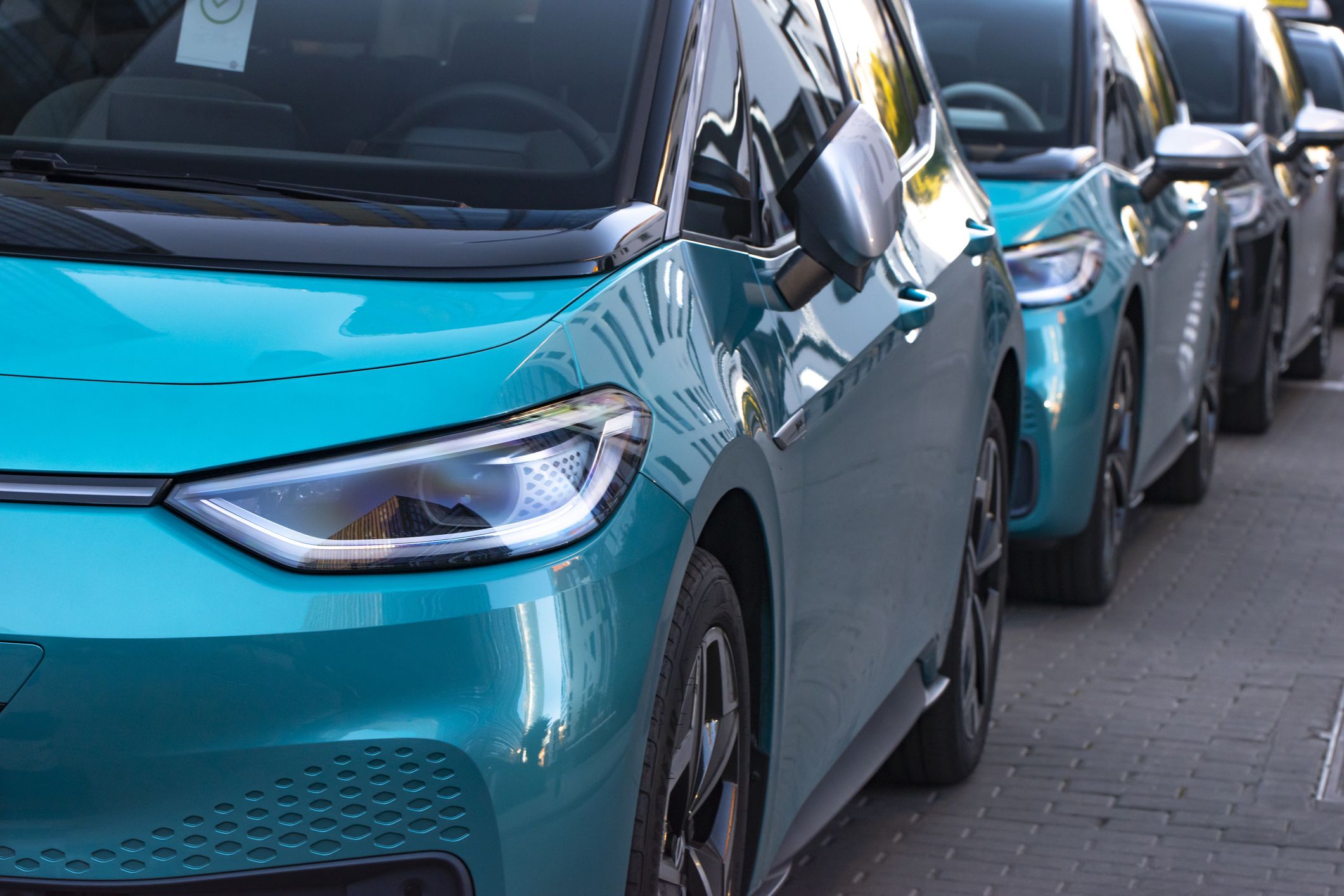
When it comes to purchasing an electric vehicle, your options are the same as buying a traditional car. Here’s a look at the ways you can pay for an electric car:
Cash
If you have enough savings on hand, you can buy a vehicle in cash. Doing so may give you some leverage as you negotiate a purchase price. It will also mean you don’t have to pay any extra costs in the form of loan fees and interest. You’ll own the car outright with 100% equity and no lienholders listed on your car title.
Financing
You may also choose to finance your car purchase, taking out a loan through a bank or other financial institution. Or, you may consider dealership financing. These are among the different types of car loans you can explore.
When you take out an auto loan, you usually make a down payment and then pay off the rest of the cost of the vehicle, also known as your car loan principal, over a series of monthly payments. In return for allowing you to borrow the funds, your lender will typically charge interest, adding to the cost of your loan. Some lenders offer 0% annual percentage rate (APR) car loans.
The amount of interest a lender charges will depend on a number of factors, including your credit score, income, and whether you’re using a co-borrower. Lenders typically offer their best rate to borrowers with excellent credit.
Leasing
Another option you have when it comes to getting an electric car is leasing. There are a number of benefits to leasing an electric car as opposed to buying it outright, including being able to avoid the steep depreciation that comes with electric vehicles, steering clear of dealing with eventual battery degradation, and getting access to newer, evolving technology when you trade in your car at regular intervals.
However, you’ll lose out on potential federal and state tax credits when you lease instead of buy — though sometimes the leasing company may pass on their savings to the consumer. Plus, with leasing, you won’t actually own the vehicle.
Tramino/istockphoto

In the future, you may consider refinancing your auto loan. When you refinance car loan debt, you take out a new loan with better terms or interest rates and pay off your old loan.
You may be wondering, when should you consider refinancing a car? If your financial situation improves, interest rates drop, or your electric car payments become unmanageable, looking into refinancing may be worthwhile.
It’s important to consider the benefits and disadvantages of refinancing, though. On the plus side, you may be able to settle on more manageable monthly payments, save money on interest, and free up cash to put toward other financial goals. On the other hand, you may also find yourself dealing with prepayment penalties and fees to originate a new loan.
Olivier Le Moal/istockphoto
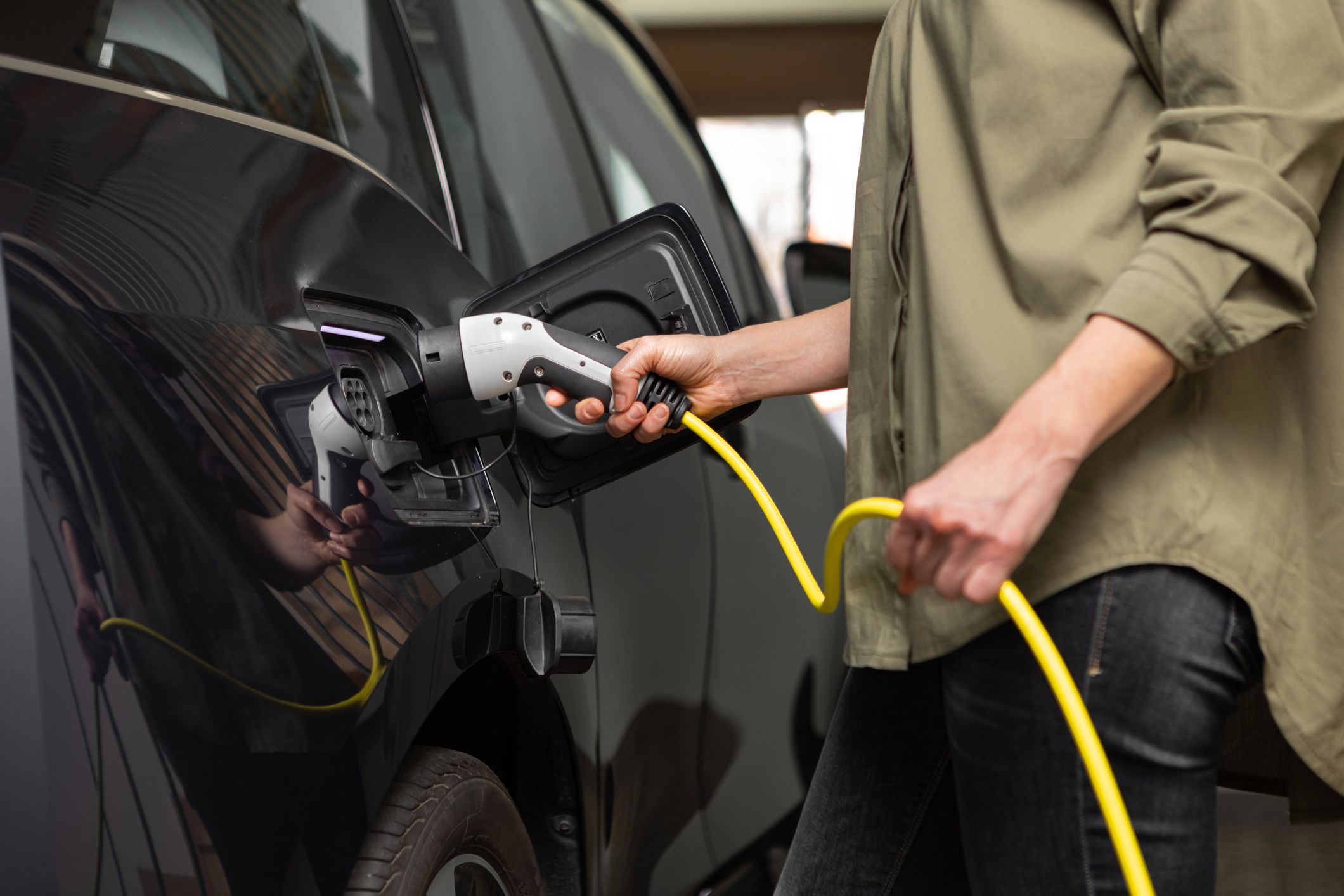
While you’ll skip costs at the gas station with an electric vehicle, there are still costs of an electric car to keep in mind if you’re considering getting one. Added costs can include charging — both at public stations and at home — as well as maintenance and insurance. Still, overall, the average cost of an electric car does tend to be cheaper in terms of operation and maintenance than its gas-powered counterparts, even if their sticker price is currently higher.
This article originally appeared on SoFi.com and was syndicated by MediaFeed.org.
Lantern By
SoFiSoFi receives compensation in the event you obtain a loan, financial product, or service through the Lantern marketplace. This Lantern website is owned by SoFi Lending Corp., a lender licensed by the Department of Financial Protection and Innovation under the California Financing Law, license number 6054612; NMLS number 1121636. (www.nmlsconsumeraccess.org). This site is NOT owned and operated by SoFi Bank. Loans, financial products, and services may not be available in all states.
All rates, fees, and terms are presented without guarantee and are subject to change pursuant to each provider’s discretion. There is no guarantee you will be approved or qualify for the advertised rates, fees, or terms presented. The actual terms you may receive depends on the things like benefits requested, your credit score, usage, history and other factors.
*Check your rate: To check the rates and terms you may qualify for, Lantern and/or its network lenders conducts a soft credit pull that will not affect your credit score. However, if you choose a product and continue your application, the lender(s) you choose will request your full credit report from one or more consumer reporting agencies, which is considered a hard credit pull and may affect your credit.
All loan terms, including interest rate, and Annual Percentage Rate (APR), and monthly payments shown on this website are from lenders and are estimates based upon the limited information you provided and are for information purposes only. Estimated APR includes all applicable fees as required under the Truth in Lending Act. The actual loan terms you receive, including APR, will depend on the lender you select, their underwriting criteria, and your personal financial factors. The loan terms and rates presented are provided by the lenders and not by SoFi Lending Corp. or Lantern. Please review each lender’s Terms and Conditions for additional details.
Many factors affect your credit scores and the interest rates you may receive. SoFi is not a Credit Repair Organization as defined under federal or state law, including the Credit Repair Organizations Act. SoFi does not provide “credit repair” services or advice or assistance regarding “rebuilding” or “improving” your credit record, credit history, or credit rating. For details, see the FTC’s website on credit (consumer.ftc.gov)
Financial Tips & Strategies: The tips provided on this website are of a general nature and do not take into account your specific objectives, financial situation, and needs. You should always consider their appropriateness given your own circumstances.¹
SoFi’s Insights tool offers users the ability to connect both SoFi accounts and external accounts using Plaid, Inc.’s service. When you use the service to connect an account, you authorize SoFi to obtain account information from any external accounts as set forth in SoFi’s Terms of Use. SoFi assumes no responsibility for the timeliness, accuracy, deletion, non-delivery or failure to store any user data, loss of user data, communications, or personalization settings. You shall confirm the accuracy of Plaid data through sources independent of SoFi. The credit score provided to you is a VantageScore® based on TransUnion® (the “Processing Agent”) data.
Personal Loan
SoFi Lending Corp. (“SoFi”) operates this Personal Loan product in cooperation with Engine by MoneyLion. If you submit a loan inquiry, SoFi will deliver your information to Engine by MoneyLion, and Engine by MoneyLion will deliver to its network of lenders/partners to review to determine if you are eligible for pre-qualified or pre-approved offers. The lenders/partners receiving your information will also obtain your credit information from a credit reporting agency. If you meet one or more lender’s and/or partner’s conditions for eligibility, pre-qualified and pre-approved offers from one or more lenders/partners will be presented to you here on the Lantern website. More information about Engine by MoneyLion, the process, and its lenders/partners is described on the loan inquiry form you will reach by visiting our Personal Loans page as well as our Student Loan Refinance page. Click to learn more about Engine’s Licenses and Disclosures, Terms of Service, and Privacy Policy.Personal loan offers provided to customers on Lantern do not exceed 35.99% APR. An example of total amount paid on a personal loan of $10,000 for a term of 36 months at a rate of 10% would be equivalent to $11,616.12 over the 36 month life of the loan.
Student Loan RefinanceSoFi Lending Corp. (“SoFi”) operates this Student Loan Refinance product in cooperation with Engine by MoneyLion. If you submit a loan inquiry, SoFi will deliver your information to Engine by MoneyLion, and Engine by MoneyLion will deliver to its network of lenders/partners to review to determine if you are eligible for pre-qualified or pre-approved offers. The lenders receiving your information will also obtain your credit information from a credit reporting agency. If you meet one or more lender’s and/or partner’s conditions for eligibility, pre-qualified and pre-approved offers from one or more lenders/partners will be presented to you here on the Lantern website. More information about Engine by MoneyLion, the process, and its lenders/partners is described on the loan inquiry form you will reach by visiting our Personal Loans page as well as our Student Loan Refinance page. Click to learn more about Engine’s Licenses and Disclosures, Terms of Service, and Privacy Policy.
NOTICE: The debt ceiling legislation passed on June 2, 2023, codifies into law that federal student loan borrowers will be reentering repayment. The US Department of Education or your student loan servicer, or lender if you have FFEL loans, will notify you directly when your payments will resume For more information, please go to https://docs.house.gov/billsthisweek/20230529/BILLS-118hrPIH-fiscalresponsibility.pdf https://studentaid.gov/announcements-events/covid-19
If you are a federal student loan borrower considering refinancing, you should take into account the new income-driven payment plan, SAVE, which replaces REPAYE, seeks to make monthly payments more affordable, and offers forgiveness of balances that were originally $12,000 or lower after 120 payments, among other improvements. Also, please note that once you refinance federal student loans you will no longer be eligible for current or future flexible payment options available to federal loan borrowers, including but not limited to income-based repayment plans, such as SAVE, or extended repayment plans.
Auto Loan RefinanceAutomobile refinancing loan information presented on this Lantern website is from Caribou, AUTOPAY, Engine by MoneyLion, and each of Engine’s partners (along with their affiliated companies). Caribou, AUTOPAY, and Engine by MoneyLion pay SoFi compensation for marketing their products and services on the Lantern site.
Auto loan refinance information presented on this Lantern site is indicative and subject to you fulfilling the lender’s requirements, including but not limited to: credit standards, loan size, vehicle condition, and odometer reading. Loan rates and terms as presented on this Lantern site are subject to change when you reach the lender and may depend on your creditworthiness, consult with the lender for more details. Additional terms and conditions may apply and all terms may vary by your state of residence.
Secured Lending DisclosureTerms, conditions, state restrictions, and minimum loan amounts apply. Before you apply for a secured loan, we encourage you to carefully consider whether this loan type is the right choice for you. If you can’t make your payments on a secured personal loan, you could end up losing the assets you provided for collateral. Not all applicants will qualify for larger loan amounts or most favorable loan terms. Loan approval and actual loan terms depend on the ability to meet underwriting requirements (including, but not limited to, a responsible credit history, sufficient income after monthly expenses, and availability of collateral) that will vary by lender.
BankingSoFi Lending Corp. (“SoFi”) operates this website in cooperation with Engine by MoneyLion presenting promotions for products and services offered by other banks, lenders, and financial institutions. If you select a promotion above, you will be connected to the website of the company offering the product. The promotions presented on this site are from companies that pay SoFi and Engine by MoneyLion compensation for marketing their products and services. This may affect whether a provider is featured on this site and could affect the order of presentation. Lantern and Engine by MoneyLion do not include all providers in the market or all of their available offerings. Click to learn more about Engine’s Licenses and Disclosures, Terms of Service, and Privacy Policy.
Basilico Studio Stock/istockphoto

kate_sept2004/istockphoto
Featured Image Credit: DepositPhotos.com.