
If you’re looking for a new home, you may be wondering when is the best time to buy. There are a number of factors that go into deciding when to purchase a house, from buying when interest rates are low to the times of the year you’re most likely to get a deal.
Ultimately, when you decide to buy will depend on your financial situation and local market factors.
Here’s how to determine the best time to buy a house.
Do a Financial Checkup
Before going down the rabbit hole of timing the real estate market or watching the Federal Reserve like a hawk, it’s a good idea to explore if buying a home is right for your current personal and financial situation. There are a number of signs that can help you know if the time is right to buy a house.
First, is your budget big enough to cover any required down payment, closing costs, a mortgage payment, and other costs associated with homeownership?
Second, do you plan on staying put for a while, which may give the home you buy time to appreciate in value (subject to market fluctuations)? Also, consider whether you will benefit from itemizing and potentially deducting your home interest.
If you answered yes to those questions, it’s a good idea to check on your credit. A better overall financial profile and credit history may help you secure better financing terms when you purchase a home. And finally, take a look at whether rent in your chosen area is relatively high compared to the cost of homeownership. Should you buy or rent? If you can rent a home in your city for much less than what you would pay in mortgage payments, it may not make sense to make a purchase right now.
If your budget for buying a house and your credit are strong, you’re prepared to stay in the new house for the long haul, and importantly, that renting is relatively costly compared to buying, you may be ready to buy a home. Now you can begin looking at other factors to decide when to start house hunting.
Watch Interest Rates
One major factor to consider when deciding whether to buy is interest rates. Banks charge interest to cover the costs of loaning you money when they offer you a mortgage. The mortgage interest rate banks charge is influenced in part by the Federal Reserve, but mortgage backed securities are considered the main driver.
If interest rates are low, borrowing money is cheaper for you. Borrowing gets more expensive as interest rates increase. So if you think interest rates are going to rise soon, buying a home now with a fixed-rate mortgage loan may allow you to lock in better terms than you might otherwise get in the future. Conversely, if you think interest rates are high, it may be worth waiting to see if they’ll drop.
Time the Real Estate Market
The idea behind timing any market is that you buy when prices are low and sell when prices are high. Ideally, you would buy your home when there are more sellers than there are buyers, a situation known as a buyer’s market.
In a buyer’s market, the overabundance of housing options drives down the price of homes. Additionally, it may give you leverage to ask for more concessions from sellers desperate to close a deal, such as giving credit toward the buyer’s closing costs or covering the cost of repairs or new appliances.
In a seller’s market, the opposite is true. More people want to buy than there are houses available for sale and housing prices are driven up.
To identify what times may be beneficial to be a buyer, there are a number of factors you can watch. First, take a look at pricing trends in your area. Use real estate websites like Zillow, Redfin or Trulia to see what houses have sold for in your chosen area.
If prices are low or seem in line with historic trends, it could be a good time to buy. If prices are much higher than they have been historically, it may not be the ideal time to buy, and/or the area may be experiencing a real estate bubble. Bubbles tend not to be sustainable, but many factors play into real estate market conditions.
You can also take a look at how long houses in your desired area are sitting on the market. If houses in good condition are taking a long time to sell, it could mean demand is low and the market is in your favor.
Additionally, examine larger economic factors such as new construction and months of supply. When fewer houses are being built, demand and prices are higher.
The government keeps track of new residential construction. Visit the U.S. Census Bureau to take a look at current trends.
Months of supply is a measure of how many months it would take to sell the current number of houses on the market in your area at the current rate of sale. To do this, divide the total number of homes for sale by the number of homes sold in one month. For example, if there are 40 houses on the market and they are selling at the rate of 10 a month, there are four months of supply. When this measure creeps above six months of supply, it generally indicates that it’s a buyer’s market.
Understand Your Local Market
Real estate is generally considered a location driven market, so prices can vary widely from area to area, and general rules of thumb regarding pricing may not be applicable in every case. The same can be true of particularly desirable neighborhoods within a city.
Local economics can also play a part in housing demand. Say a large company leaves a city sending its manufacturing overseas. That city may experience an economic downturn that puts downward pressure on house prices.
This local variation means that it’s important to pay close attention to economic and housing trends in your chosen area. That way you’ll be more likely to find the best time to get your dream home.
The Takeaway
Figuring out the best time to buy a house first involves taking stock of your financial and personal situation. Make sure you have enough money saved up to cover the costs of buying plus your mortgage payment, and review your credit history to make sure it’s strong.
Then, look at rental prices compared to home prices in your area to see whether buying makes financial sense for you. Assess the interest rates to see if home buying is affordable, and look at the trends in the real estate market to determine how favorable they are as you start house hunting.
This article originally appeared on SoFi.com and was syndicated by MediaFeed.org.
Third-Party Brand Mentions: No brands, products, or companies mentioned are affiliated with SoFi, nor do they endorse or sponsor this article. Third-party trademarks referenced herein are property of their respective owners.
Disclaimer: Many factors affect your credit scores and the interest rates you may receive. SoFi is not a Credit Repair Organization as defined under federal or state law, including the Credit Repair Organizations Act. SoFi does not provide “credit repair” services or advice or assistance regarding “rebuilding” or “improving” your credit record, credit history, or credit rating. For details, see the FTC’s website .
Financial Tips & Strategies: The tips provided on this website are of a general nature and do not take into account your specific objectives, financial situation, and needs. You should always consider their appropriateness given your own circumstances.
SoFi Mortgages
Terms, conditions, and state restrictions apply. Not all products are available in all states. See SoFi.com/eligibility for more information.
SoFi Loan Products
SoFi loans are originated by SoFi Bank, N.A., NMLS #696891 (Member FDIC). For additional product-specific legal and licensing information, see SoFi.com/legal. Equal Housing Lender.
*SoFi requires Private Mortgage Insurance (PMI) for conforming home loans with a loan-to-value (LTV) ratio greater than 80%. As little as 3% down payments are for qualifying first-time homebuyers only. 5% minimum applies to other borrowers. Other loan types may require different fees or insurance (e.g., VA funding fee, FHA Mortgage Insurance Premiums, etc.). Loan requirements may vary depending on your down payment amount, and minimum down payment varies by loan type.
Disclaimer: Many factors affect your credit scores and the interest rates you may receive. SoFi is not a Credit Repair Organization as defined under federal or state law, including the Credit Repair Organizations Act. SoFi does not provide “credit repair” services or advice or assistance regarding “rebuilding” or “improving” your credit record, credit history, or credit rating. For details, see the FTC’s website .
Tax Information: This article provides general background information only and is not intended to serve as legal or tax advice or as a substitute for legal counsel. You should consult your own attorney and/or tax advisor if you have a question requiring legal or tax advice.
More from MediaFeed:
Holiday budget looking not-so holly jolly? Make sure to check this list of money tips twice

Paying yourself first is a personal finance strategy in which you prioritize saving money before you spend it. Doing so may mean you transfer funds into a savings or investment account before bills, such as housing and loan payments, get taken care of.
By paying yourself first, you can help build wealth and achieve money goals, whether that means accumulating the down payment on a house or being able to pay for your child’s education. It can also be a way to avoid overspending.
If this “pay yourself first” strategy sounds good, read on to learn tips for making it a reality by budgeting well and using tools such as automatic transfers.
It may help to know that plenty of financial planners believe in this approach, as it can help you build a nice nest egg. Here’s a few ways paying yourself first can help you financially.
triocean / iStock

The beauty of this approach is that it focuses on consistent, prioritized savings and investment, along with a frugal mindset, which could give you the freedom to ultimately put your money where it matters most to you.
(Learn more: Personal Loan Calculator)
staticnak1983/istockphoto

Everyone has unique savings and investment goals, and it’s helpful to be clear about your own — then you could use those goals as motivation to consistently pay yourself first.
To get started, it could help to brainstorm how much you’d like to save and what you would do with that money.
You might, for example, want to put a certain amount of money aside for things like a downpayment on a house or to help your children attend college. Or you may want to travel.
RichVintage/istockphoto

Because some of the bigger financial goals may take a while to achieve, it could help to also have shorter-term goals to stay motivated to save.
Your shorter-term goal, for example, might be to put enough away in savings to cover a month’s worth of expenses — and then three months, and then six months. Or you may want to save to buy a new car. Paying yourself first can make meeting those shorter-term goals more doable.
Doucefleur/istockphoto
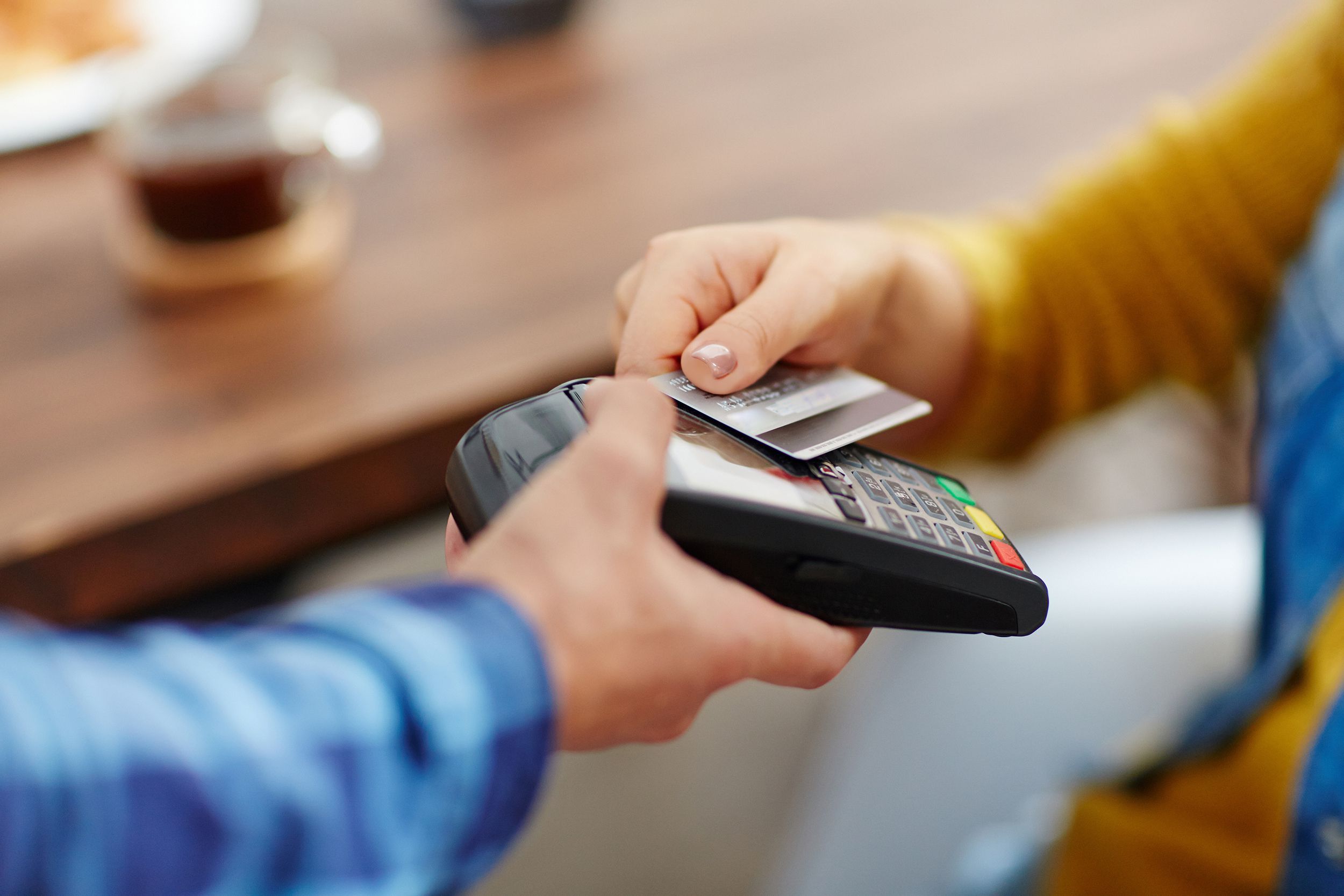
If saving enough money to meet your goals seems out of reach, then it might help to take an honest look at your spending habits. Maybe you find yourself making impulse purchases when you’re feeling stressed. If so, know that you’re not alone when indulging in some retail therapy.
If you only rarely indulge in impulse shopping, and the dollar amounts are within your means, then this isn’t likely to cause significant harm. But, if this becomes a habit, crossing over into compulsive spending, then this could have a serious impact on your financial well-being. Consider the following:
- If you believe that you’re not achieving savings goals because of overspending, then it could make sense to address that issue first. It might help to identify your emotional triggers and then avoid shopping during those times.
- If you aren’t yet sure what those triggers are, track impulse purchases and reverse engineer when you’re more likely to spend too much. You may notice it happens after a long day at work or when you’re worried about something.
- As another strategy, if you’re not sure whether something fits into your budget, you could wait a couple days before making a buying decision or call a friend when you’re feeling the urge to shop.
- Another potential challenge: FOMO spending — based on the fear of missing out. Many people admit to feeling pressured by others to spend money on purchases they didn’t need, just to keep up with their friends, coworkers, or even influencers on social media.
- If that feels familiar to you, there are strategies to help conquer FOMO spending. You can brainstorm free alternatives to high-cost plans a friend might suggest. When is a local art museum, for example, offering a free community day? What movie can you get from the library and invite friends to watch with you? What about a hike in the local park system?
- If you find that FOMO kicks in when you have your credit or debit card handy, you might want to only carry cash when you go out to your favorite restaurant, bar, or shop. And if ads and posts on social media cause you to want to shop, you could reduce your time on Instagram, Facebook, Twitter, and the like.
- Another strategy: If you’re tempted to put a discretionary purchase on your credit card, you could use a credit card interest calculator to see how much interest you might really pay on that impulse buy. The amount might shock you and cause you to put the item down and walk away.
mediaphotos/istockphoto

Before you can really know how much money you can pay yourself first, you might need to be confident in your budget. Although the word “budget” can have a negative connotation, it’s really a way to take control of your money to make sure you’re saving and spending in a way that meshes with your wants and needs, dreams, and goals.
By tracking your spending for a period of time, say 30 days (or more), you might get a sense of where your money is going. You could create a list of your monthly expenses, including your rent or mortgage payment, car payment, credit card payments, student loan payments, and more.
You might also consider listing what you pay for your utilities, cell phone, groceries, and so forth, along with discretionary purchases, in order to see a more complete picture of monthly costs.
Ideally, when you add these up, you’ll be spending less than what you earn, and you could use that information to help determine how much you can potentially deduct from your paycheck and put into savings or investment accounts.
If you discover that you’re not currently living within your means, or that you aren’t able to save as much as you’d like, then one good idea is to see where you can trim expenses. You may also consider ways to grow your income, whether that means asking for a raise or picking up a side gig.
Based on this information, you can set up a monthly budget. One budget strategy is the 50-30-20 budget. In this budget, you allocate your take-home pay into three categories; needs (50% of your take-home pay), wants (30% of your take-home pay), and savings (20% of your take-home pay). Allocating your money with this budget offers flexibility so that you can save and spend on the things that are most important to you.
damircudic/istockphoto
Let’s look at a few steps you can take to make paying yourself first a priority.
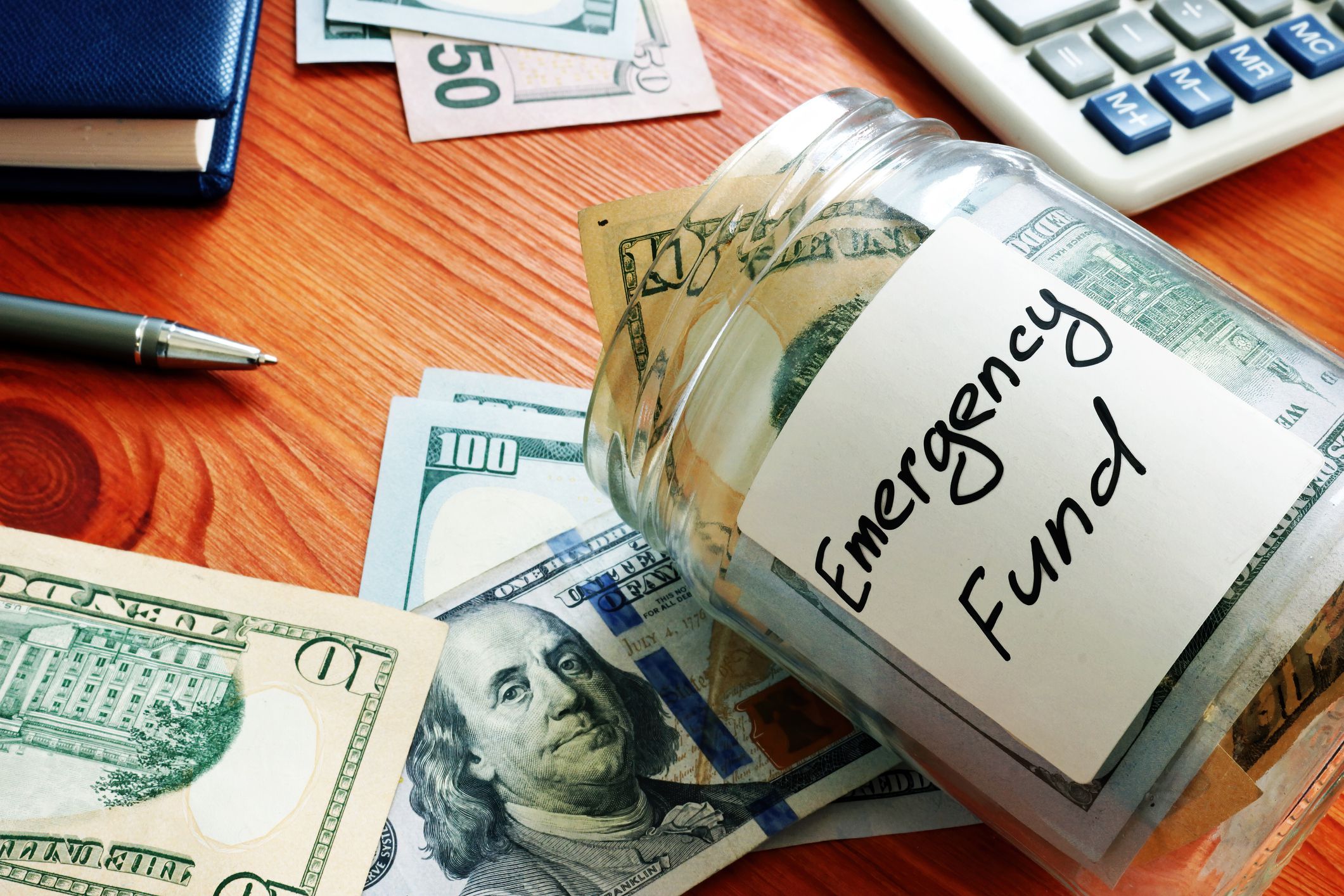
Create an Emergency Savings Account
As a first step in paying yourself first, it may make sense to create an emergency savings account if you don’t already have one or if it needs an extra infusion of cash.
That way, if your car or HVAC system breaks down or you have unexpected medical bills, you’ll have cash to help address the situation without simply relying on high-interest credit cards or other forms of debt.
Conventional wisdom suggests an emergency account that contains three to six months’ worth of basic living expenses, put into an account that’s accessible at any time.
Then you could move on to saving for other short- and long-term goals, including but not limited to saving for retirement.
When trying to determine how much money you should pay yourself first in the beginning, one idea is to start with a small amount and then incrementally increase it until you reach your goals.
Or it might make sense to determine how much you’ll need for your goals and reverse engineer how much you’ll need to put away to reach them in a certain time frame.
Also, if you receive a bonus or inherit money, you could consider putting all of the additional money into a savings or investment account. You could do the same if you get a raise.
designer491/istockphoto

If you are looking to kickstart your savings and build it up fast, there are several strategies you might consider. You may choose to review your expenses and get rid of unnecessary ones.
What online subscriptions and streaming services are you paying for? Are you using them? If you review an entire month’s worth of debits from your account, how many do you see that are discretionary, ones you could live without?
Once you’ve eliminated some expenses, consider adding that combined dollar amount to the money you’re sending directly to your savings account. Even if the amounts, overall, are small, over time they can really add up.
Delmaine Donson/istockphoto
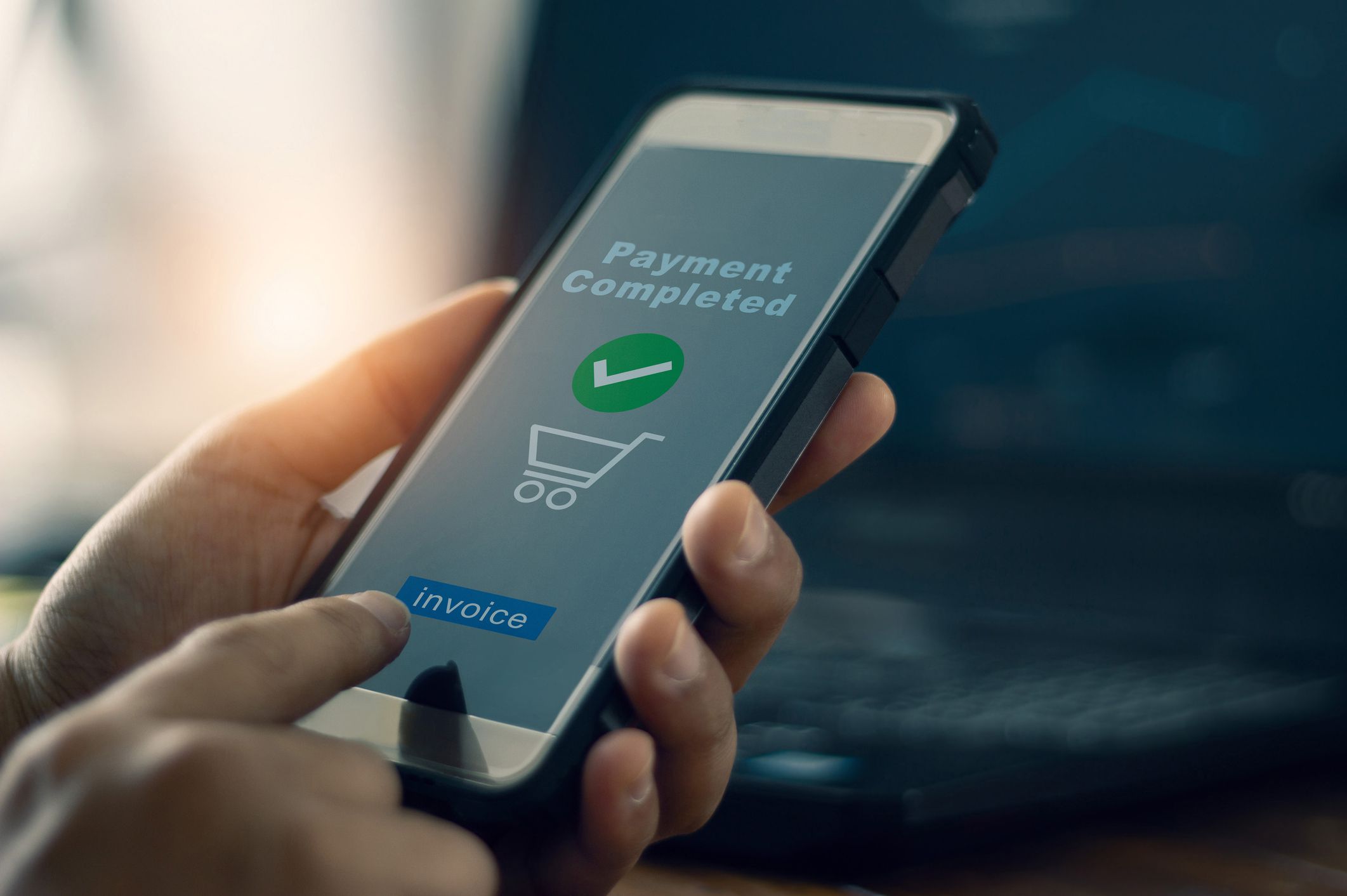
Sometimes, if you owe a monthly payment to a company, they’ll give you a discounted rate if you set up autopay and have your payment automatically deducted from your account. This could help to assure the company that the bill will be paid on the due date. Meanwhile, you could benefit from a discount and the convenience of not having to manually pay the bill each month.
This may help you avoid late fees, as well, but you might want to be cautious. If you don’t have enough money in your account on the day the bill is due to be deducted, you might be charged additional fees, such as an overdraft fee by your bank.
ipopba/istockphoto

Automating your savings can be just as useful as automating your bill pay. Ways to automate your savings include, setting up direct deposit, funneling a set amount to your savings each month, and taking advantage of employer programs like a 401(k) and any employer match offered to employees.
Thai Liang Lim/istockphoto

What about going on a spending fast? You might, for example, pick a day or two of the week when you don’t spend any money outside of what it takes you to get to and from work.
You could also consider other cost-saving ideas like packing your lunch, skipping the stop at the coffee shop, and getting your book from the library on the way home, not from the bookstore. Besides saving you money on your “fasting” days, employing these strategies may help you to pay more attention to discretionary spending on the other days.
ilona titova/istockphoto

Also, you might want to review your bank accounts. Are you getting as much interest as you can, given the wide gap between what different financial institutions pay? Could you earn more interest with your funds in an account at an online bank vs. traditional bank? What fees does your bank charge? Have you shopped around to see if you could get a better deal?
Anchiy/istockphoto

Here’s another strategy you may want to consider as a tool to help with overspending: the 30-day rule. It has two parts and, combined, the rule might help you save money more quickly. In the first half, if you’re tempted to buy anything outside of what’s necessary to meet basic needs, then you write down what you want to buy, how much it costs, where you saw it, and the date.
Then, give yourself 30 days to think about whether you really want to buy this item. If, after 30 days has gone by, you still want to make that purchase, you could price shop it and then buy the item.
As an added twist, take the amount of the item and put those dollars in your savings account. Then, when 30 days have passed, decide whether you’d be happier having more money in your savings or with making this purchase.
If it’s the former, then you have more savings built up. If you still want the item, you could withdraw the money from your savings, rather than putting it on a credit card.
MStudioImages/istockphoto

Paying yourself first is a great way to prioritize saving, especially if you find yourself tempted to make unnecessary purchases often. Taking some time to think about your financial goals, reevaluating your spending habits, and prioritizing your savings, can help you get to a more secure place financially.
Having the ability to track your spending and savings may be one key to help in creating an effective plan to pay yourself first. Reviewing your checking and savings accounts might help you determine if better options are available to boost your financial health.
This article originally appeared on SoFi.com and was syndicated by MediaFeed.org.
SoFi® Checking and Savings is offered through SoFi Bank, N.A. ©2023 SoFi Bank, N.A. All rights reserved. Member FDIC. Equal Housing Lender.
The SoFi Bank Debit Mastercard® is issued by SoFi Bank, N.A., pursuant to license by Mastercard International Incorporated and can be used everywhere Mastercard is accepted. Mastercard is a registered trademark, and the circles design is a trademark of Mastercard International Incorporated.
SoFi members with direct deposit activity can earn 4.60% annual percentage yield (APY) on savings balances (including Vaults) and 0.50% APY on checking balances. Direct Deposit means a deposit to an account holder’s SoFi Checking or Savings account, including payroll, pension, or government payments (e.g., Social Security), made by the account holder’s employer, payroll or benefits provider or government agency (“Direct Deposit”) via the Automated Clearing House (“ACH”) Network during a 30-day Evaluation Period (as defined below). Deposits that are not from an employer or government agency, including but not limited to check deposits, peer-to-peer transfers (e.g., transfers from PayPal, Venmo, etc.), merchant transactions (e.g., transactions from PayPal, Stripe, Square, etc.), and bank ACH funds transfers and wire transfers from external accounts, do not constitute Direct Deposit activity. There is no minimum Direct Deposit amount required to qualify for the stated interest rate.
SoFi members with Qualifying Deposits can earn 4.60% APY on savings balances (including Vaults) and 0.50% APY on checking balances. Qualifying Deposits means one or more deposits that, in the aggregate, are equal to or greater than $5,000 to an account holder’s SoFi Checking and Savings account (“Qualifying Deposits”) during a 30-day Evaluation Period (as defined below). Qualifying Deposits only include those deposits from the following eligible sources: (i) ACH transfers, (ii) inbound wire transfers, (iii) peer-to-peer transfers (i.e., external transfers from PayPal, Venmo, etc. and internal peer-to-peer transfers from a SoFi account belonging to another account holder), (iv) check deposits, (v) instant funding to your SoFi Bank Debit Card, (vi) push payments to your SoFi Bank Debit Card, and (vii) cash deposits. Qualifying Deposits do not include: (i) transfers between an account holder’s Checking account, Savings account, and/or Vaults; (ii) interest payments; (iii) bonuses issued by SoFi Bank or its affiliates; or (iv) credits, reversals, and refunds from SoFi Bank, N.A. (“SoFi Bank”) or from a merchant.
SoFi Bank shall, in its sole discretion, assess each account holder’s Direct Deposit activity and Qualifying Deposits throughout each 30-Day Evaluation Period to determine the applicability of rates and may request additional documentation for verification of eligibility. The 30-Day Evaluation Period refers to the “Start Date” and “End Date” set forth on the APY Details page of your account, which comprises a period of 30 calendar days (the “30-Day Evaluation Period”). You can access the APY Details page at any time by logging into your SoFi account on the SoFi mobile app or SoFi website and selecting either (i) Banking > Savings > Current APY or (ii) Banking > Checking > Current APY. Upon receiving a Direct Deposit or $5,000 in Qualifying Deposits to your account, you will begin earning 4.60% APY on savings balances (including Vaults) and 0.50% on checking balances on or before the following calendar day. You will continue to earn these APYs for (i) the remainder of the current 30-Day Evaluation Period and through the end of the subsequent 30-Day Evaluation Period and (ii) any following 30-day Evaluation Periods during which SoFi Bank determines you to have Direct Deposit activity or $5,000 in Qualifying Deposits without interruption.
SoFi Bank reserves the right to grant a grace period to account holders following a change in Direct Deposit activity or Qualifying Deposits activity before adjusting rates. If SoFi Bank grants you a grace period, the dates for such grace period will be reflected on the APY Details page of your account. If SoFi Bank determines that you did not have Direct Deposit activity or $5,000 in Qualifying Deposits during the current 30-day Evaluation Period and, if applicable, the grace period, then you will begin earning the rates earned by account holders without either Direct Deposit or Qualifying Deposits until you have Direct Deposit activity or $5,000 in Qualifying Deposits in a subsequent 30-Day Evaluation Period. For the avoidance of doubt, an account holder with both Direct Deposit activity and Qualifying Deposits will earn the rates earned by account holders with Direct Deposit.
Members without either Direct Deposit activity or Qualifying Deposits, as determined by SoFi Bank, during a 30-Day Evaluation Period and, if applicable, the grace period, will earn 1.20% APY on savings balances (including Vaults) and 0.50% APY on checking balances.
Interest rates are variable and subject to change at any time. These rates are current as of 10/24/2023. There is no minimum balance requirement. Additional information can be found at SoFi.
Financial Tips & Strategies: The tips provided on this website are of a general nature and do not take into account your specific objectives, financial situation, and needs. You should always consider their appropriateness given your own circumstances.
SoFi® Checking and Savings is offered through SoFi Bank, N.A. ©2023 SoFi Bank, N.A. All rights reserved. Member FDIC. Equal Housing Lender.
The SoFi Bank Debit Mastercard® is issued by SoFi Bank, N.A., pursuant to license by Mastercard International Incorporated and can be used everywhere Mastercard is accepted. Mastercard is a registered trademark, and the circles design is a trademark of Mastercard International Incorporated.
SoFi members with direct deposit activity can earn 4.60% annual percentage yield (APY) on savings balances (including Vaults) and 0.50% APY on checking balances. Direct Deposit means a deposit to an account holder’s SoFi Checking or Savings account, including payroll, pension, or government payments (e.g., Social Security), made by the account holder’s employer, payroll or benefits provider or government agency (“Direct Deposit”) via the Automated Clearing House (“ACH”) Network during a 30-day Evaluation Period (as defined below). Deposits that are not from an employer or government agency, including but not limited to check deposits, peer-to-peer transfers (e.g., transfers from PayPal, Venmo, etc.), merchant transactions (e.g., transactions from PayPal, Stripe, Square, etc.), and bank ACH funds transfers and wire transfers from external accounts, do not constitute Direct Deposit activity. There is no minimum Direct Deposit amount required to qualify for the stated interest rate.
SoFi members with Qualifying Deposits can earn 4.60% APY on savings balances (including Vaults) and 0.50% APY on checking balances. Qualifying Deposits means one or more deposits that, in the aggregate, are equal to or greater than $5,000 to an account holder’s SoFi Checking and Savings account (“Qualifying Deposits”) during a 30-day Evaluation Period (as defined below). Qualifying Deposits only include those deposits from the following eligible sources: (i) ACH transfers, (ii) inbound wire transfers, (iii) peer-to-peer transfers (i.e., external transfers from PayPal, Venmo, etc. and internal peer-to-peer transfers from a SoFi account belonging to another account holder), (iv) check deposits, (v) instant funding to your SoFi Bank Debit Card, (vi) push payments to your SoFi Bank Debit Card, and (vii) cash deposits. Qualifying Deposits do not include: (i) transfers between an account holder’s Checking account, Savings account, and/or Vaults; (ii) interest payments; (iii) bonuses issued by SoFi Bank or its affiliates; or (iv) credits, reversals, and refunds from SoFi Bank, N.A. (“SoFi Bank”) or from a merchant.
SoFi Bank shall, in its sole discretion, assess each account holder’s Direct Deposit activity and Qualifying Deposits throughout each 30-Day Evaluation Period to determine the applicability of rates and may request additional documentation for verification of eligibility. The 30-Day Evaluation Period refers to the “Start Date” and “End Date” set forth on the APY Details page of your account, which comprises a period of 30 calendar days (the “30-Day Evaluation Period”). You can access the APY Details page at any time by logging into your SoFi account on the SoFi mobile app or SoFi website and selecting either (i) Banking > Savings > Current APY or (ii) Banking > Checking > Current APY. Upon receiving a Direct Deposit or $5,000 in Qualifying Deposits to your account, you will begin earning 4.60% APY on savings balances (including Vaults) and 0.50% on checking balances on or before the following calendar day. You will continue to earn these APYs for (i) the remainder of the current 30-Day Evaluation Period and through the end of the subsequent 30-Day Evaluation Period and (ii) any following 30-day Evaluation Periods during which SoFi Bank determines you to have Direct Deposit activity or $5,000 in Qualifying Deposits without interruption.
SoFi Bank reserves the right to grant a grace period to account holders following a change in Direct Deposit activity or Qualifying Deposits activity before adjusting rates. If SoFi Bank grants you a grace period, the dates for such grace period will be reflected on the APY Details page of your account. If SoFi Bank determines that you did not have Direct Deposit activity or $5,000 in Qualifying Deposits during the current 30-day Evaluation Period and, if applicable, the grace period, then you will begin earning the rates earned by account holders without either Direct Deposit or Qualifying Deposits until you have Direct Deposit activity or $5,000 in Qualifying Deposits in a subsequent 30-Day Evaluation Period. For the avoidance of doubt, an account holder with both Direct Deposit activity and Qualifying Deposits will earn the rates earned by account holders with Direct Deposit.
Members without either Direct Deposit activity or Qualifying Deposits, as determined by SoFi Bank, during a 30-Day Evaluation Period and, if applicable, the grace period, will earn 1.20% APY on savings balances (including Vaults) and 0.50% APY on checking balances.
Interest rates are variable and subject to change at any time. These rates are current as of 10/24/2023. There is no minimum balance requirement. Additional information can be found at sofi.
Financial Tips & Strategies: The tips provided on this website are of a general nature and do not take into account your specific objectives, financial situation, and needs. You should always consider their appropriateness given your own circumstances.
SOBK0923008
SoFi® Checking and Savings is offered through SoFi Bank, N.A. ©2023 SoFi Bank, N.A. All rights reserved. Member FDIC. Equal Housing Lender.
The SoFi Bank Debit Mastercard® is issued by SoFi Bank, N.A., pursuant to license by Mastercard International Incorporated and can be used everywhere Mastercard is accepted. Mastercard is a registered trademark, and the circles design is a trademark of Mastercard International Incorporated.
SoFi members with direct deposit activity can earn 4.60% annual percentage yield (APY) on savings balances (including Vaults) and 0.50% APY on checking balances. Direct Deposit means a deposit to an account holder’s SoFi Checking or Savings account, including payroll, pension, or government payments (e.g., Social Security), made by the account holder’s employer, payroll or benefits provider or government agency (“Direct Deposit”) via the Automated Clearing House (“ACH”) Network during a 30-day Evaluation Period (as defined below). Deposits that are not from an employer or government agency, including but not limited to check deposits, peer-to-peer transfers (e.g., transfers from PayPal, Venmo, etc.), merchant transactions (e.g., transactions from PayPal, Stripe, Square, etc.), and bank ACH funds transfers and wire transfers from external accounts, do not constitute Direct Deposit activity. There is no minimum Direct Deposit amount required to qualify for the stated interest rate.
SoFi members with Qualifying Deposits can earn 4.60% APY on savings balances (including Vaults) and 0.50% APY on checking balances. Qualifying Deposits means one or more deposits that, in the aggregate, are equal to or greater than $5,000 to an account holder’s SoFi Checking and Savings account (“Qualifying Deposits”) during a 30-day Evaluation Period (as defined below). Qualifying Deposits only include those deposits from the following eligible sources: (i) ACH transfers, (ii) inbound wire transfers, (iii) peer-to-peer transfers (i.e., external transfers from PayPal, Venmo, etc. and internal peer-to-peer transfers from a SoFi account belonging to another account holder), (iv) check deposits, (v) instant funding to your SoFi Bank Debit Card, (vi) push payments to your SoFi Bank Debit Card, and (vii) cash deposits. Qualifying Deposits do not include: (i) transfers between an account holder’s Checking account, Savings account, and/or Vaults; (ii) interest payments; (iii) bonuses issued by SoFi Bank or its affiliates; or (iv) credits, reversals, and refunds from SoFi Bank, N.A. (“SoFi Bank”) or from a merchant.
SoFi Bank shall, in its sole discretion, assess each account holder’s Direct Deposit activity and Qualifying Deposits throughout each 30-Day Evaluation Period to determine the applicability of rates and may request additional documentation for verification of eligibility. The 30-Day Evaluation Period refers to the “Start Date” and “End Date” set forth on the APY Details page of your account, which comprises a period of 30 calendar days (the “30-Day Evaluation Period”). You can access the APY Details page at any time by logging into your SoFi account on the SoFi mobile app or SoFi website and selecting either (i) Banking > Savings > Current APY or (ii) Banking > Checking > Current APY. Upon receiving a Direct Deposit or $5,000 in Qualifying Deposits to your account, you will begin earning 4.60% APY on savings balances (including Vaults) and 0.50% on checking balances on or before the following calendar day. You will continue to earn these APYs for (i) the remainder of the current 30-Day Evaluation Period and through the end of the subsequent 30-Day Evaluation Period and (ii) any following 30-day Evaluation Periods during which SoFi Bank determines you to have Direct Deposit activity or $5,000 in Qualifying Deposits without interruption.
SoFi Bank reserves the right to grant a grace period to account holders following a change in Direct Deposit activity or Qualifying Deposits activity before adjusting rates. If SoFi Bank grants you a grace period, the dates for such grace period will be reflected on the APY Details page of your account. If SoFi Bank determines that you did not have Direct Deposit activity or $5,000 in Qualifying Deposits during the current 30-day Evaluation Period and, if applicable, the grace period, then you will begin earning the rates earned by account holders without either Direct Deposit or Qualifying Deposits until you have Direct Deposit activity or $5,000 in Qualifying Deposits in a subsequent 30-Day Evaluation Period. For the avoidance of doubt, an account holder with both Direct Deposit activity and Qualifying Deposits will earn the rates earned by account holders with Direct Deposit.
Members without either Direct Deposit activity or Qualifying Deposits, as determined by SoFi Bank, during a 30-Day Evaluation Period and, if applicable, the grace period, will earn 1.20% APY on savings balances (including Vaults) and 0.50% APY on checking balances.
Interest rates are variable and subject to change at any time. These rates are current as of 10/24/2023. There is no minimum balance requirement. Additional information can be found at sofi.
Financial Tips & Strategies: The tips provided on this website are of a general nature and do not take into account your specific objectives, financial situation, and needs. You should always consider their appropriateness given your own circumstances.
SOBK0923008
shapecharge/istockphoto

FG Trade/istockphoto
Featured Image Credit: sturti/istockphoto.