Ohio has about 1 million small business owners statewide who can apply for small business grants. Submitting an application and competing for Ohio small business grants can help you grow your small or medium-sized enterprise in the Buckeye State.
Ohio’s statewide economy has a gross domestic product of $822.7 billion as of 2022. That’s the seventh largest GDP in the United States out of the 50 states and the District of Columbia. Small businesses contribute to the nation’s economy.
Small and medium-sized firms exported about $9.4 billion worth of goods from Ohio in 2020, which ranks 13th in the nation out of the 50 states and Washington, D.C., according to the most recent U.S. Census Bureau export data.
Below we highlight some of the top small business grants in Ohio that you can explore.
Grants for Small Businesses in Ohio
If you’re looking for small business grants in Ohio, here are some potential options to consider:
International Market Access Grant for Exporters (IMAGE)
- Program description: The IMAGE program can help you export your goods or services from the Buckeye State to foreign markets.
- Incentive: Eligible businesses can receive up to $10,000 in reimbursements for eligible business expenses, including translations of company marketing materials and international trade show participation costs.
- General requirements: Here are some of the general requirements for this grant:
- Be an Ohio small business owner
- Manufacture, assemble, and distribute a product or provide an exportable service
- Have a strategic plan for exporting
- Have a product or service consisting of at least 51% U.S. content
- Have at least 12 months of operational experience
- Be in good standing with all Ohio state regulatory agencies
- Not be debarred from doing business with the federal government
- Attest that you will not enter knowingly into any transactions with a person in the Excluded Parties List System
- How to apply: You can apply for IMAGE and export training grants on Ohio’s Department of Development application portal.
Safety Intervention Grant (SIG) Program
- Program description: The SIG Program provides matching grants to eligible employers who buy workplace equipment to substantially reduce or eliminate injuries and illnesses associated with a particular task or operation.
- Incentive: Receive up to $40K in matching funds comprising $3 for every $1 you contribute toward making your workplace safer.
- General requirements: Here are some of the general requirements for this grant:
- Be a private, state-fund employer or a public employer taxing district covered by Ohio’s State Insurance Fund
- Maintain active coverage
- Complete sufficient payroll or true-up reporting as required
- Be current on all monies owed to the Ohio Bureau of Workers’ Compensation (BWC)
- Demonstrate a need for safety intervention
- Provide one-year baseline data
- How to apply: You can apply for SIG funding through the BWC online grant management portal.
Trench Safety Grant (TSG) Program
- Program description: The TSG program provides matching grants to eligible employers who buy qualified items that substantially reduce or eliminate injuries associated with trenching operations.
- Incentive: Receive up to $12K in matching funds comprising $4 for every $1 you contribute toward making your trenching operations safer.
- General requirements: Here are some of the general requirements for this grant:
- Employ workers who perform excavations or who work in trenches
- Be a private, state-fund employer or a public employer taxing district covered by Ohio’s State Insurance Fund
- Have active Ohio workers’ compensation coverage and maintain continuous active coverage while participating in the program
- Be current on all monies owed to BWC
- Have at least 12 months of operational experience
- Have reported payroll for at least one full policy year
- Demonstrate a need for trench safety intervention
- How to apply: Access the TSG funding application online and submit your completed application to BWC via email.
Drug-Free Safety Program (DFSP) Grants
- Program description: DFSP grants can offset some of the costs of fostering a drug-free workplace in compliance with Ohio’s Drug-Free Safety Program.
- Incentive: Be reimbursed for some of the costs involved in developing a written DFSP policy in conjunction with legal review, educating employees on the misuse of alcohol and other drugs, and offering relevant supervisor training.
- General requirements: Here are some of the general requirements for this grant:
- Be a private, state-fund employer or a public employer taxing district covered by Ohio’s State Insurance Fund
- Have active Ohio workers’ compensation coverage and maintain continuous active coverage while participating in the program
- Be current on all monies owed to BWC
- Have reported payroll for at least one full policy year
- Participate in BWC’s DFSP
- How to apply: Access the DFSP grant application online and mail your completed application to the BWC.
Toledo Facade Improvement Grant Program
- Program description: The City of Toledo typically offers Facade Improvement Grant funding to eligible property owners who enhance the facade of a building used for commercial, industrial, or mixed-use purposes.
- Incentive: Be reimbursed between $10,000 to $40,000 for implementing a comprehensive facade improvement project that enhances an eligible building in the City of Toledo.
- General requirements: Here are some of the general requirements for this grant if you’re a small business owner:
- Own eligible property in the City of Toledo used for commercial, industrial, or mixed-use purposes
- Be in good standing with local, state, and federal government agencies
- Propose a comprehensive facade improvement project to an eligible building
- Comply with Toledo’s zoning and building codes
- The following businesses are not eligible for this grant:
- Liquor stores
- Tobacco stores
- Pawn shops
- Payday loan businesses
- Weapons dealers
- Adult entertainment firms
- Franchise or chain businesses
- How to apply: Anyone interested in Toledo’s Facade Improvement Grant Program
can apply when the program reopens. In the interim, you can submit your interest for updates pending the reopening of the program.
Who Provides Small Business Grants in Ohio?
Local and state government agencies, including the Ohio Bureau of Workers’ Compensation, offer a variety of small business grants in Ohio.You can compare small business grants in Ohio with similar programs in other states, such as:
- Arizona small business grants
- California small business grants
- Colorado small business grants
- Florida small business grants
- Georgia small business grants
- Illinois small business grants
- Indiana small business grants
- Maryland small business grants
- Michigan small business grants
- NC small business grants
- New York small business grants
- NJ small business grants
- Pennsylvania small business grants
- Texas small business grants
- Wisconsin small business grants
Do You Have to Pay Back a Small Business Grant?
A small business grant typically comes with terms and conditions, and you may be responsible for paying back the grant if you violate those terms. In general, small and midsized business owners are not required to pay back an SMB grant absent any violations.
You typically have to sign a funding agreement to accept a small business grant. As mentioned above, the grant may come with certain conditions. Using the grant for an illegitimate purpose may violate the agreement and require business owners to pay back the grant.
Small business grants may require you to spend the money by a certain date. You may also have to provide proof of payment and a written statement detailing how you’ve spent the grant.
(Learn more: Personal Loan Calculator)
Who Is Eligible for Small Business Grants in Ohio?
Local business owners or operators of an enterprise with fewer than 500 employees may be eligible for small business grants in Ohio.
The U.S. Small Business Administration’s Office of Advocacy generally defines a small business as an independent business having fewer than 500 employees. A small business, including individuals with freelancing business ideas, may be eligible for small business grants.
What Industries Does Ohio Support With Grants?
Ohio offers a variety of grants supporting the following industries:
- Advanced manufacturing
- Aerospace
- Construction
- Dairy product manufacturing
- Landscaping services
- Nursing and residential care facilities
- Packaging and labeling services
- Retail trade (store and nonstore retailers)
Ohio Resources for SMB Owners Looking for Funding
Here are some resources for small and medium-sized businesses looking for funding in the Buckeye State:
Ohio Small Business Development Center (SBDC)
The Ohio SBDC is a statewide program that can provide Ohio’s small business owners with the following services:
- Cash flow analysis
- Export assistance
- Market feasibility and research
- One-on-one business counseling at no cost
- Workshops and training programs
SBA District Offices in Ohio
The U.S. Small Business Administration (SBA) is a federal agency that provides resources and support to small business owners. The SBA has two district offices in Ohio:
- SBA Cleveland District Office. This SBA district serves 28 urban and rural counties in northern Ohio. It’s based in Cleveland.
- SBA Columbus District Office. This SBA district serves 60 counties in southern Ohio. Depending on where you’re based, you can contact the main office in Columbus, satellite office in Cincinnati, or the virtual office in Dayton.
Alternative Funding Sources for Small Businesses in Ohio
Here are some alternative funding sources for small businesses in Ohio:
Ohio State Small Business Credit Initiative (SSBCI)
Ohio’s SSBCI is a federally funded program for small business owners in the Buckeye State. Federal law — the American Rescue Plan Act of 2021 — allocates more than $182 million to Ohio’s State Small Business Credit Initiative program.Here’s how Ohio plans to use the SSBCI funding:
- Ohio Venture Fund — $75 million. This program will help eligible growth-stage technology companies access venture capital.
- Community Development Financial Institutions (CDFI) Loan Participation Program — $45.7 million. This program uses SSBCI funds alongside private funds to support loans to Ohio entrepreneurs who need financing for working capital, research and development, real estate transactions, or other eligible purposes.
- Ohio Early Stage Focus Fund — $36.7 million. This program will help eligible early-stage technology companies access venture capital, including minority woman-owned small businesses in the Buckeye State.
- Collateral Enhancement Program — $24.9 million. This program provides cash collateral to help Ohio small businesses qualify for small business loans.
Ohio Microloan Lenders
Community-based nonprofits may offer microloans of up to $50,000 to small business owners in Ohio, including microloans for women-owned small businesses. In general, microloans can range from $500 to $50K and may be available to startups.
Ohio SMB Loans from Private Lenders
Banks, credit unions, and private lenders may offer different types of small business loans to Ohio business owners.Here are some of the funding products you may consider depending on your needs:
- Commercial real estate loans
- Equipment financing
- Small business loans for startups
- Working capital lines of credit
This article originally appeared on SoFi.com and was syndicated by MediaFeed.org.
Lantern By
SoFiSoFi receives compensation in the event you obtain a loan, financial product, or service through the Lantern marketplace. This Lantern website is owned by SoFi Lending Corp., a lender licensed by the Department of Financial Protection and Innovation under the California Financing Law, license number 6054612; NMLS number 1121636. (nmlsconsumeraccess). This site is NOT owned and operated by SoFi Bank. Loans, financial products, and services may not be available in all states.
All rates, fees, and terms are presented without guarantee and are subject to change pursuant to each provider’s discretion. There is no guarantee you will be approved or qualify for the advertised rates, fees, or terms presented. The actual terms you may receive depends on the things like benefits requested, your credit score, usage, history and other factors.
*Check your rate: To check the rates and terms you may qualify for, Lantern and/or its network lenders conducts a soft credit pull that will not affect your credit score. However, if you choose a product and continue your application, the lender(s) you choose will request your full credit report from one or more consumer reporting agencies, which is considered a hard credit pull and may affect your credit.
All loan terms, including interest rate, and Annual Percentage Rate (APR), and monthly payments shown on this website are from lenders and are estimates based upon the limited information you provided and are for information purposes only. Estimated APR includes all applicable fees as required under the Truth in Lending Act. The actual loan terms you receive, including APR, will depend on the lender you select, their underwriting criteria, and your personal financial factors. The loan terms and rates presented are provided by the lenders and not by SoFi Lending Corp. or Lantern. Please review each lender’s Terms and Conditions for additional details.
Many factors affect your credit scores and the interest rates you may receive. SoFi is not a Credit Repair Organization as defined under federal or state law, including the Credit Repair Organizations Act. SoFi does not provide “credit repair” services or advice or assistance regarding “rebuilding” or “improving” your credit record, credit history, or credit rating. For details, see the FTC’s website on credit (consumer.ftc.gov)
Financial Tips & Strategies: The tips provided on this website are of a general nature and do not take into account your specific objectives, financial situation, and needs. You should always consider their appropriateness given your own circumstances.¹
SoFi’s Insights tool offers users the ability to connect both SoFi accounts and external accounts using Plaid, Inc.’s service. When you use the service to connect an account, you authorize SoFi to obtain account information from any external accounts as set forth in SoFi’s Terms of Use. SoFi assumes no responsibility for the timeliness, accuracy, deletion, non-delivery or failure to store any user data, loss of user data, communications, or personalization settings. You shall confirm the accuracy of Plaid data through sources independent of SoFi. The credit score provided to you is a VantageScore® based on TransUnion® (the “Processing Agent”) data.
Personal Loan
SoFi Lending Corp. (“SoFi”) operates this Personal Loan product in cooperation with Engine by MoneyLion. If you submit a loan inquiry, SoFi will deliver your information to Engine by MoneyLion, and Engine by MoneyLion will deliver to its network of lenders/partners to review to determine if you are eligible for pre-qualified or pre-approved offers. The lenders/partners receiving your information will also obtain your credit information from a credit reporting agency. If you meet one or more lender’s and/or partner’s conditions for eligibility, pre-qualified and pre-approved offers from one or more lenders/partners will be presented to you here on the Lantern website. More information about Engine by MoneyLion, the process, and its lenders/partners is described on the loan inquiry form you will reach by visiting our Personal Loans page as well as our Student Loan Refinance page. Click to learn more about Engine’s Licenses and Disclosures, Terms of Service, and Privacy Policy.Personal loan offers provided to customers on Lantern do not exceed 35.99% APR. An example of total amount paid on a personal loan of $10,000 for a term of 36 months at a rate of 10% would be equivalent to $11,616.12 over the 36 month life of the loan.
Student Loan RefinanceSoFi Lending Corp. (“SoFi”) operates this Student Loan Refinance product in cooperation with Engine by MoneyLion. If you submit a loan inquiry, SoFi will deliver your information to Engine by MoneyLion, and Engine by MoneyLion will deliver to its network of lenders/partners to review to determine if you are eligible for pre-qualified or pre-approved offers. The lenders receiving your information will also obtain your credit information from a credit reporting agency. If you meet one or more lender’s and/or partner’s conditions for eligibility, pre-qualified and pre-approved offers from one or more lenders/partners will be presented to you here on the Lantern website. More information about Engine by MoneyLion, the process, and its lenders/partners is described on the loan inquiry form you will reach by visiting our Personal Loans page as well as our Student Loan Refinance page. Click to learn more about Engine’s Licenses and Disclosures, Terms of Service, and Privacy Policy.
NOTICE: The debt ceiling legislation passed on June 2, 2023, codifies into law that federal student loan borrowers will be reentering repayment. The US Department of Education or your student loan servicer, or lender if you have FFEL loans, will notify you directly when your payments will resume For more information, please go to https://docs.house.gov/billsthisweek/20230529/BILLS-118hrPIH-fiscalresponsibility.pdf https://studentaid.gov/announcements-events/covid-19
If you are a federal student loan borrower considering refinancing, you should take into account the new income-driven payment plan, SAVE, which replaces REPAYE, seeks to make monthly payments more affordable, and offers forgiveness of balances that were originally $12,000 or lower after 120 payments, among other improvements. Also, please note that once you refinance federal student loans you will no longer be eligible for current or future flexible payment options available to federal loan borrowers, including but not limited to income-based repayment plans, such as SAVE, or extended repayment plans.
Auto Loan RefinanceAutomobile refinancing loan information presented on this Lantern website is from Caribou, AUTOPAY, Engine by MoneyLion, and each of Engine’s partners (along with their affiliated companies). Caribou, AUTOPAY, and Engine by MoneyLion pay SoFi compensation for marketing their products and services on the Lantern site.
Auto loan refinance information presented on this Lantern site is indicative and subject to you fulfilling the lender’s requirements, including but not limited to: credit standards, loan size, vehicle condition, and odometer reading. Loan rates and terms as presented on this Lantern site are subject to change when you reach the lender and may depend on your creditworthiness, consult with the lender for more details. Additional terms and conditions may apply and all terms may vary by your state of residence.
Secured Lending DisclosureTerms, conditions, state restrictions, and minimum loan amounts apply. Before you apply for a secured loan, we encourage you to carefully consider whether this loan type is the right choice for you. If you can’t make your payments on a secured personal loan, you could end up losing the assets you provided for collateral. Not all applicants will qualify for larger loan amounts or most favorable loan terms. Loan approval and actual loan terms depend on the ability to meet underwriting requirements (including, but not limited to, a responsible credit history, sufficient income after monthly expenses, and availability of collateral) that will vary by lender.
BankingSoFi Lending Corp. (“SoFi”) operates this website in cooperation with Engine by MoneyLion presenting promotions for products and services offered by other banks, lenders, and financial institutions. If you select a promotion above, you will be connected to the website of the company offering the product. The promotions presented on this site are from companies that pay SoFi and Engine by MoneyLion compensation for marketing their products and services. This may affect whether a provider is featured on this site and could affect the order of presentation. Lantern and Engine by MoneyLion do not include all providers in the market or all of their available offerings. Click to learn more about Engine’s Licenses and Disclosures, Terms of Service, and Privacy Policy.
More from MediaFeed:
Home for the holidays: Foreclosure rates are through the roof in these states

Foreclosures are once again on the rise this quarter, returning to levels not seen since the expiration of foreclosure moratoriums over two years ago. According to property data provider ATTOM , the number of housing units with foreclosure filings in September was 37,679, an 18.4% increase from the previous year. Despite the current economic upturn, many homeowners are still struggling to deal with the financial fallout from the pandemic.
With the U.S. median home price hovering around $394,300, home ownership is becoming increasingly challenging for new buyers and existing owners alike. Experts believe that high mortgage interest rates are worsening the crisis, with the interest rate for a 30-year fixed mortgage lingering near 7.79% as of October 26th. This represents a week-over-week increase of 0.16% and a year-over-year increase of 0.85%.
The Federal Reserve has been raising interest rates to battle inflation, but these hikes are also causing mortgage rates to rise, making it more expensive to finance a home or refinance an existing mortgage. Borrowers should stay up to date on their mortgage payments and work closely with their lenders to explore options for assistance if needed.
Read on for the foreclosure rates in September 2023 – plus the five counties, or county equivalents, with the highest rates within those states.
damircudic/istockphoto
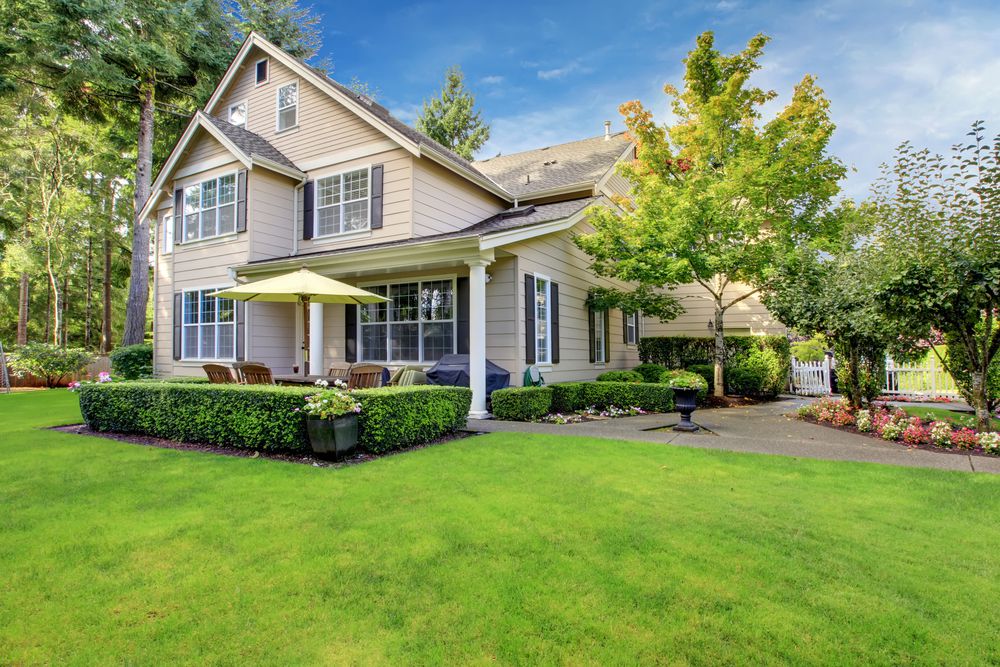
As previously noted, foreclosure rates increased substantially compared to last month and to last year. Read on for September foreclosure rates for all 50 states — plus the District of Columbia — beginning with the state that had the lowest rate of foreclosure filings per housing unit.
Related: The safest cities in the US
DepositPhotos.com
Ranking in population between Vermont and Alaska, the country’s second-and-third-least populous states, Washington, D.C. observed 143 foreclosures in September, up nearly 96% from the previous month. With a total of 344,306 housing units, the foreclosure rate of the Nation’s Capital was one in every 2,408 households, putting it in between the states of Delaware (#4) and New Jersey (#5).
DepositPhotos.com

In 49th place for population, the Green Mountain State ranked 50th yet again for its foreclosure rate this month. Of the state’s 333,519 housing units, four homes went into foreclosure at a rate of one in every 83,380 households. Only two counties in Vermont saw foreclosures. The counties with the most foreclosures per housing unit were (from highest to lowest): Washington and Windsor.
” DonLand”
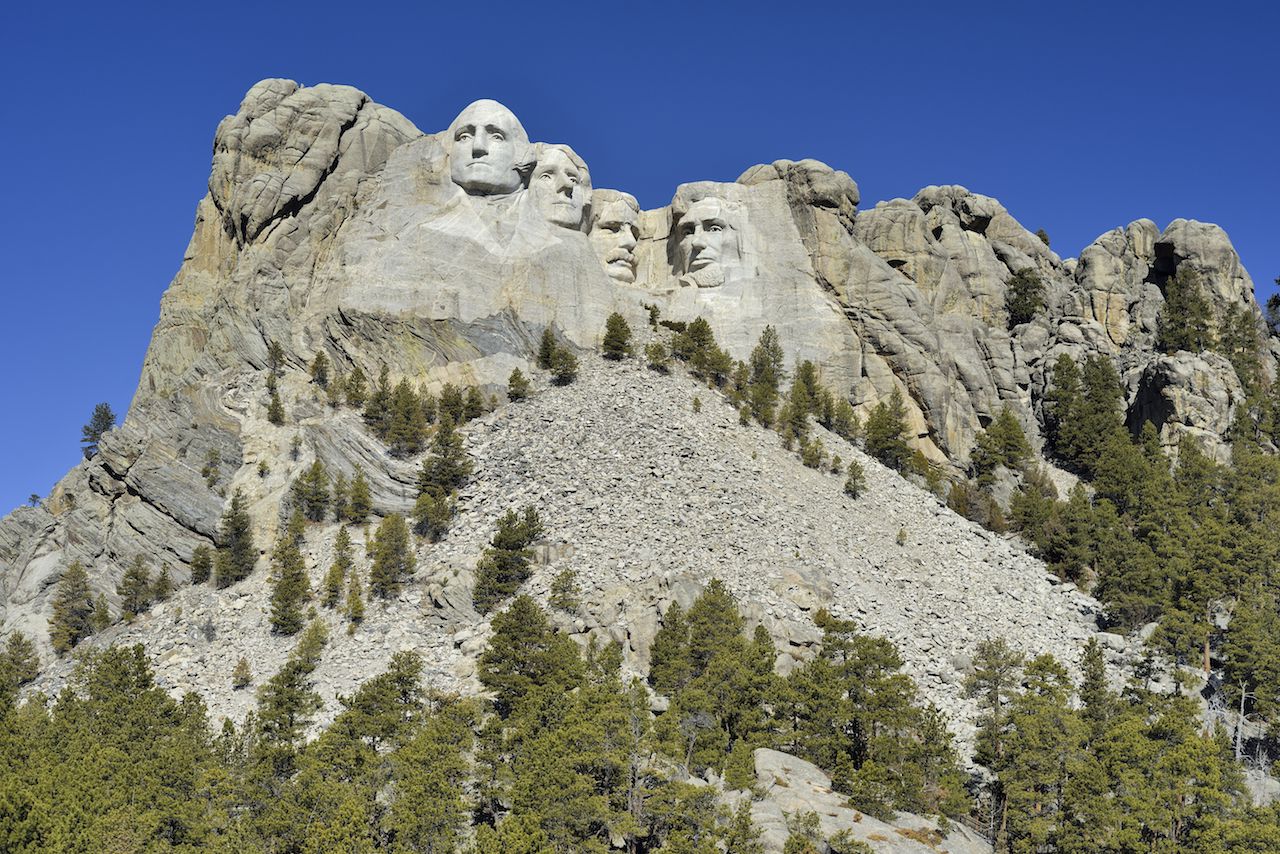
The Mount Rushmore State nabbed the 49th spot for the third month in a row. Having 388,373 total housing units, the fifth-least populous state had a foreclosure rate of one in every 21,576 households with 18 foreclosures. The counties with the most foreclosures per housing unit were (from highest to lowest): Fall River, Codington, Pennington, Minnehaha, and Brown.
RiverNorthPhotography
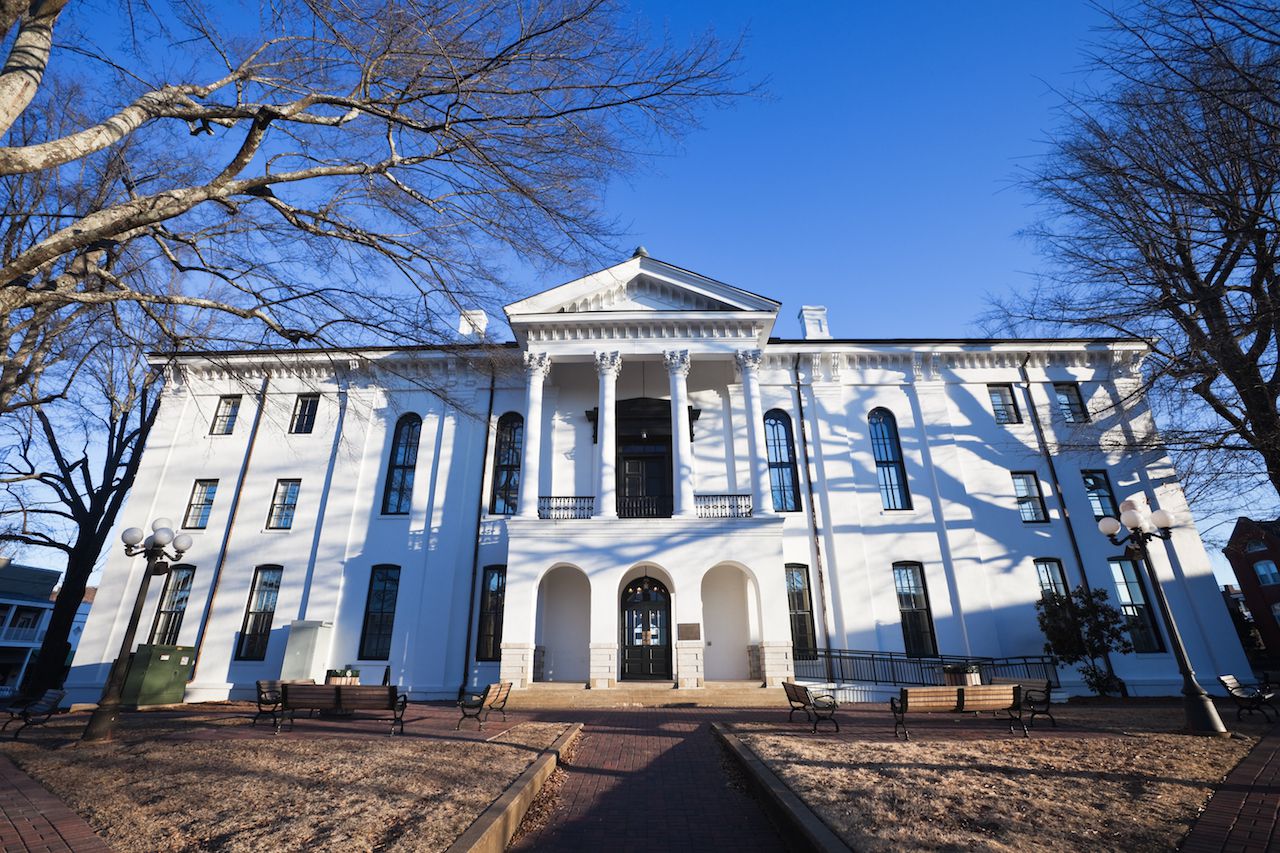
Ranked 34th in population, the Magnolia State experienced 117 foreclosures out of 1,317,375 total housing units. This puts the foreclosure rate at one in every 11,260 homes and into the 48th spot this month. The counties with the most foreclosures per housing unit were (from highest to lowest): Issaquena, Calhoun, Jefferson, Itawamba, and Noxubee.
stevegeer

Ranked 39th in population, the Mountain State claimed the 47th spot in September. It has a total of 859,437 housing units, of which 77 went into foreclosure. This means that the foreclosure rate was one in every 11,162 homes. The counties with the most foreclosures per housing unit were (from highest to lowest): Hancock, Raleigh, Marion, Randolph, and Kanawha.
hkim39 // istockphoto

Listed as 44th in population, the Treasure State rated 46th for highest foreclosure rate this month. With 46 foreclosures out of 512,553 housing units, Montana’s foreclosure rate was one in every 11,142 homes. The counties with the most foreclosures per housing unit were (from highest to lowest): Prairie, Granite, Roosevelt, Richland, and Carbon.
Depositphotos.com

The Peace Garden State’s foreclosure rate was one in every 10,575 homes. This puts the fourth-least populous state — with 370,111 housing units and 35 foreclosures — in 45th place. The counties with the most foreclosures per housing unit were (from highest to lowest): Divide, Pierce, McHenry, Ward, and McKenzie.
sequential5
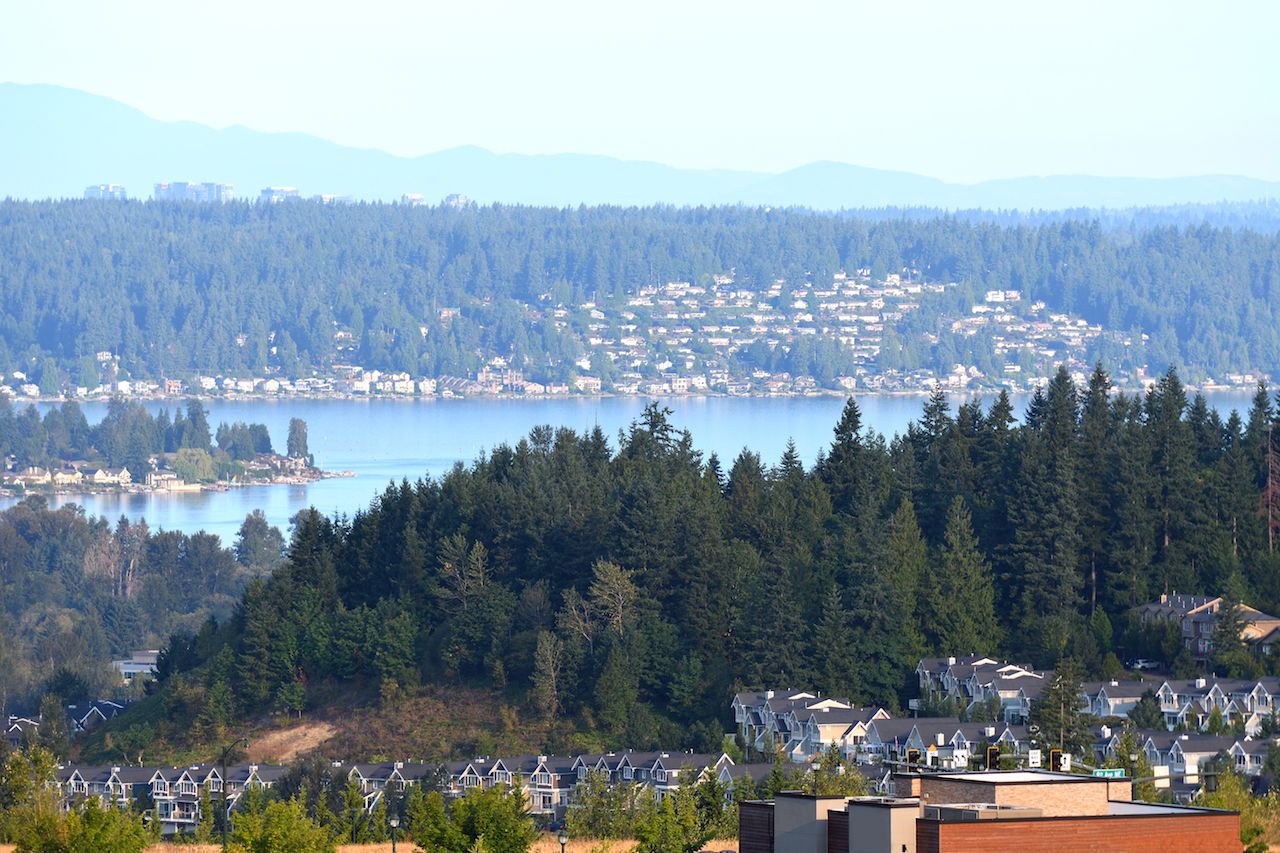
Sorted as 13th in population, the Evergreen State ranked 44th yet again for its foreclosure rate this month. Of its 3,170,695 housing units, 324 went into foreclosure, making the state’s foreclosure rate one in every 9,786 households. The counties with the most foreclosures per housing unit were (from highest to lowest): Garfield, Pacific, Columbia, Skagit, and Asotin.
4nadia

The 27th most populous state ranked 43rd for highest foreclosure rate in September. Of the Pacific Wonderland’s 1,798,864 homes, 189 went into foreclosure, making for a foreclosure rate of one in every 9,518 homes. The counties with the most foreclosures per housing unit were (from highest to lowest): Jefferson, Grant, Lake, Josephine, and Baker.
HaizhanZheng

The Sunflower State ranked 42nd for highest foreclosure rate this month. With 1,272,290 homes and a total of 137 housing units going into foreclosure, the 35th most populous state’s foreclosure rate was one in every 9,287 households. The counties with the most foreclosures per housing unit were (from highest to lowest): Lane, Wichita, Marshall, Morton, and Logan.
Tiago_Fernandez / istockphoto
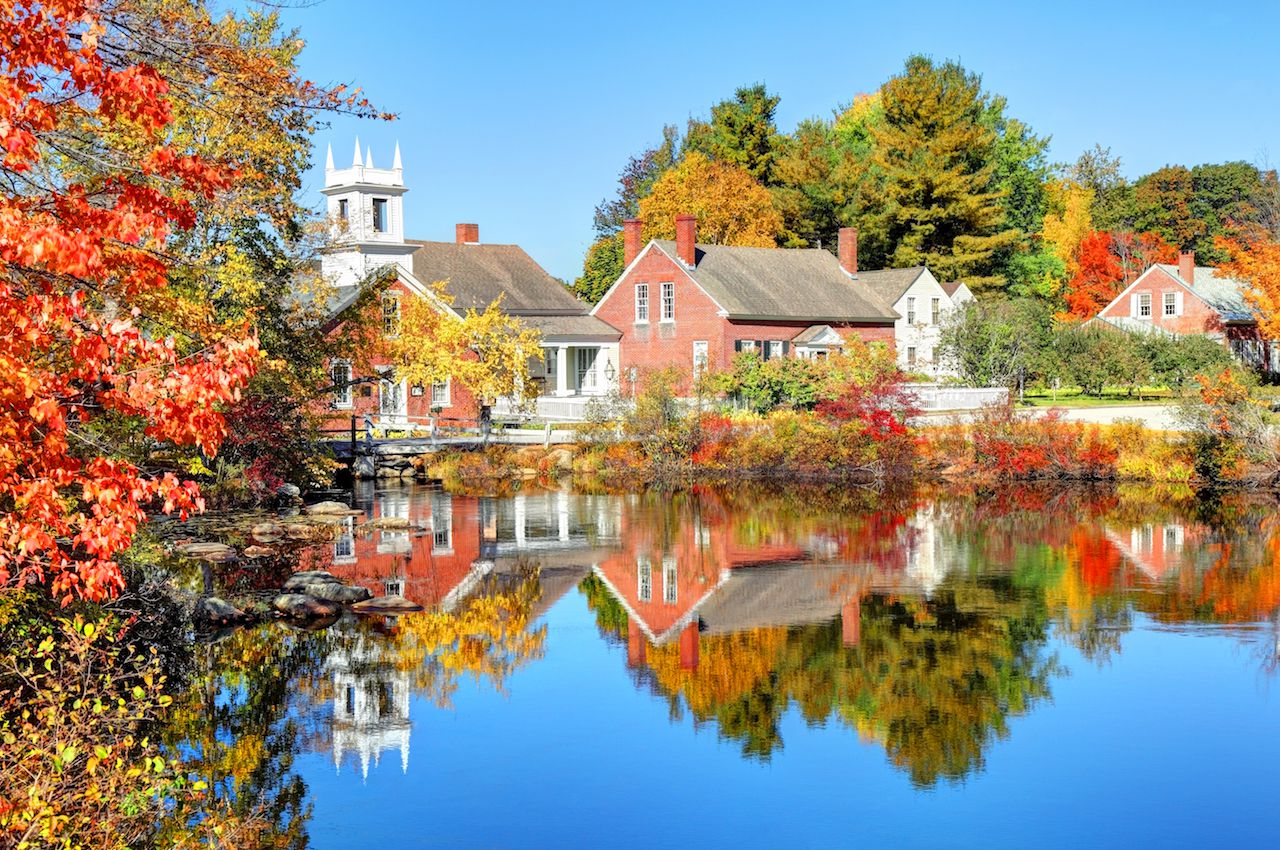
The Granite State, and the 41st most populous state in the U.S., also ranked 41st for highest foreclosure rate. New Hampshire saw 74 of its 636,480 homes go into foreclosure, making for a foreclosure rate of one in every 8,601 households. The counties with the most foreclosures per housing unit were (from highest to lowest): Coos, Belknap, Sullivan, Merrimack, and Strafford.
Recommended: Tips on Buying a Foreclosed Home
DenisTangneyJr

The Paradise of the Pacific, and the 40th most populous state, fittingly came in 40th for highest foreclosure rate as well. Of its 556,937 homes, 68 went into foreclosure, making for a foreclosure rate of one in every 8,190 households. Only four of the five counties in the state saw foreclosures. They were (from highest to lowest): Hawaii, Honolulu, Kauai, and Maui.
Art Wager

With a total of 1,988,420 housing units, the Bluegrass State saw 246 homes go into foreclosure, thus landing in 39th place this month. This puts the foreclosure rate for the 26th most populous state at one in every 8,083 households. The counties with the most foreclosures per housing unit were (from highest to lowest): Bath, Trimble, Hardin, Nelson, and Greenup.
Thomas Kelley

Ranked 16th in population, the Volunteer State endured 391 foreclosures out of its 3,011,124 housing units. This puts the foreclosure rate at one in every 7,701 households and in 38th place this month. The counties with the most foreclosures per housing unit were (from highest to lowest): Meigs, Grundy, Hardeman, Stewart, and Hawkins.
Swarmcatcher
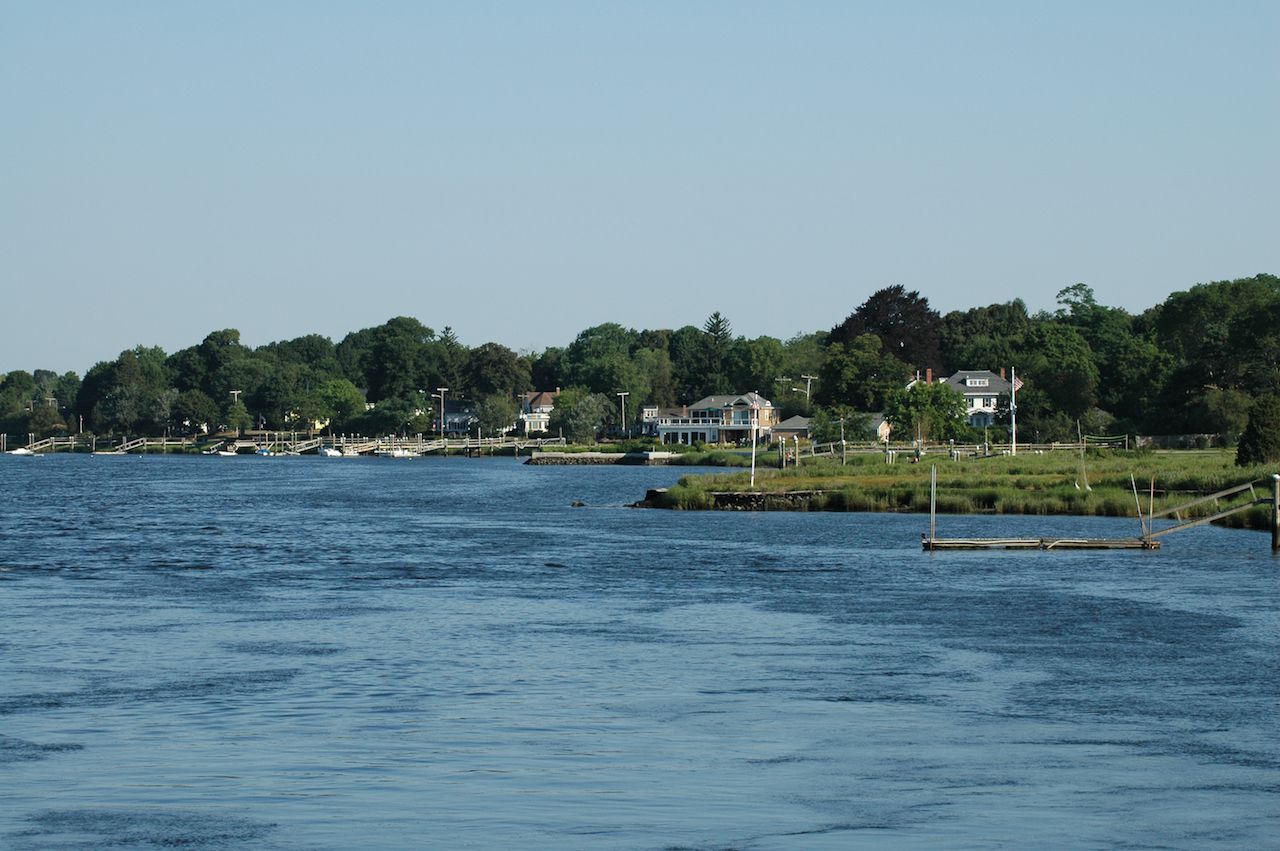
The eighth-least populous state placed 37th for highest foreclosure rate in September. A total of 64 homes went into foreclosure out of 481,168 total housing units, making the foreclosure rate for the Ocean State one in every 7,518 households. The counties with the most foreclosures per housing unit were (from highest to lowest): Providence, Kent, Washington, Bristol, and Newport.
danlogan

Ranking 37th in population, the Cornhusker State placed 36th this month with a foreclosure rate of one in every 7,125 homes. With a total of 840,802 housing units, the state had 118 foreclosure filings. The counties with the most foreclosures per housing unit were (from highest to lowest): Clay, Gosper, Burt, Webster, and Morrill.
marekuliasz

Coming in at 19th in population, the Show-Me State took the 35th spot for highest foreclosure rate in September. Of its 2,782,081 homes, 391 went into foreclosure, making for a foreclosure rate of one in every 7,115 homes. The counties with the most foreclosures per housing unit were (from highest to lowest): Barton, Scott, Lincoln, Bates, and Newton.
DepositPhotos.com

Ranked 38th in population, the Gem State received the 34th spot due to its 109 housing units that went into foreclosure this month. With 742,145 total housing units, the state’s foreclosure rate was one in every 6,809 households. The counties with the most foreclosures per housing unit were (from highest to lowest): Lewis, Lemhi, Owyhee, Gem, and Bonneville.
shanecotee

Ranked 22nd for most populous state, the Land of 10,000 Lakes obtained the 33rd spot for highest foreclosure rate in September. It has 2,470,483 housing units, of which 382 went into foreclosure, making the state’s foreclosure rate one in every 6,467 households. The counties with the most foreclosures per housing unit were (from highest to lowest): Kanabec, Isanti, Redwood, Mille Lacs, and Chisago.
JoeChristensen

The 21st most populous state ranked 32nd for highest foreclosure rate this month. Of the Centennial State’s 2,454,873 housing units, 399 went into foreclosure, making for a foreclosure rate of one in every 6,153 homes. The counties with the most foreclosures per housing unit were (from highest to lowest): Washington, Mesa, Morgan, Weld, and Pueblo.
Unsplash

The Last Frontier saw 52 foreclosures in September, making the foreclosure rate one in every 6,073 homes. This caused the third-least populous state, with a total of 315,797 housing units, to claim the 31st spot. The boroughs with the most foreclosures per housing unit were (from highest to lowest): North Slope, Matanuska-Susitna, Juneau, Anchorage, and Kodiak Island.
Recommended: What Is a Short Sale?
Chilkoot

The country’s least populous state claimed the 30th spot for highest foreclosure rate this month. With 271,818 housing units, of which 45 went into foreclosure, the Equality State’s foreclosure rate was one in every 6,040 households. The counties with the most foreclosures per housing unit were (from highest to lowest): Sweetwater, Carbon, Campbell, Natrona, and Uinta.
AnujSahaiPhotography

With 461 foreclosures out of 2,718,369 total housing units, America’s Dairyland and the 20th most populous state secured the 29th spot with a foreclosure rate of one in every 5,897 households. The counties with the most foreclosures per housing unit were (from highest to lowest): Dodge, Richland, Douglas, Marinette, and Juneau.
FierceAbin

Sorted as 14th in population, the Grand Canyon State withstood 535 foreclosures out of its total 3,056,890 housing units. This puts the foreclosure rate at one in every 5,714 homes and into the 28th spot for the second month in a row. The counties with the most foreclosures per housing unit were (from highest to lowest): Cochise, Pinal, Yuma, Graham, and Yavapai.
wanderluster

With 647 homes going into foreclosure, the 12th most populous state ranked 27th for highest foreclosure rate this month. Having 3,596,100 total housing units, the Old Dominion saw a foreclosure rate of one in every 5,558 households. The counties and independent cities with the most foreclosures per housing unit were (from highest to lowest): Lunenburg, Martinsville City, Waynesboro City, Buena Vista City, and Lancaster.
ABEMOS / istockphoto

Listed as 24th in population, the Yellowhammer State came in 26th for highest foreclosure rate in September. Of its 2,278,526 homes, 455 went into foreclosure, making for a foreclosure rate of one in every 5,008 homes. The counties with the most foreclosures per housing unit were (from highest to lowest): Chambers, Geneva, Fayette, Jefferson, and Coffee.
James Deitsch

Ranked 42nd in population, the Pine Tree State placed 25th for highest foreclosure rate this month. With a total of 737,782 housing units, Maine saw 152 foreclosures for a foreclosure rate of one in every 4,854 homes. The counties with the most foreclosures per housing unit were (from highest to lowest): Penobscot, Somerset, Oxford, Washington, and Piscataquis.
DepositPhotos.com
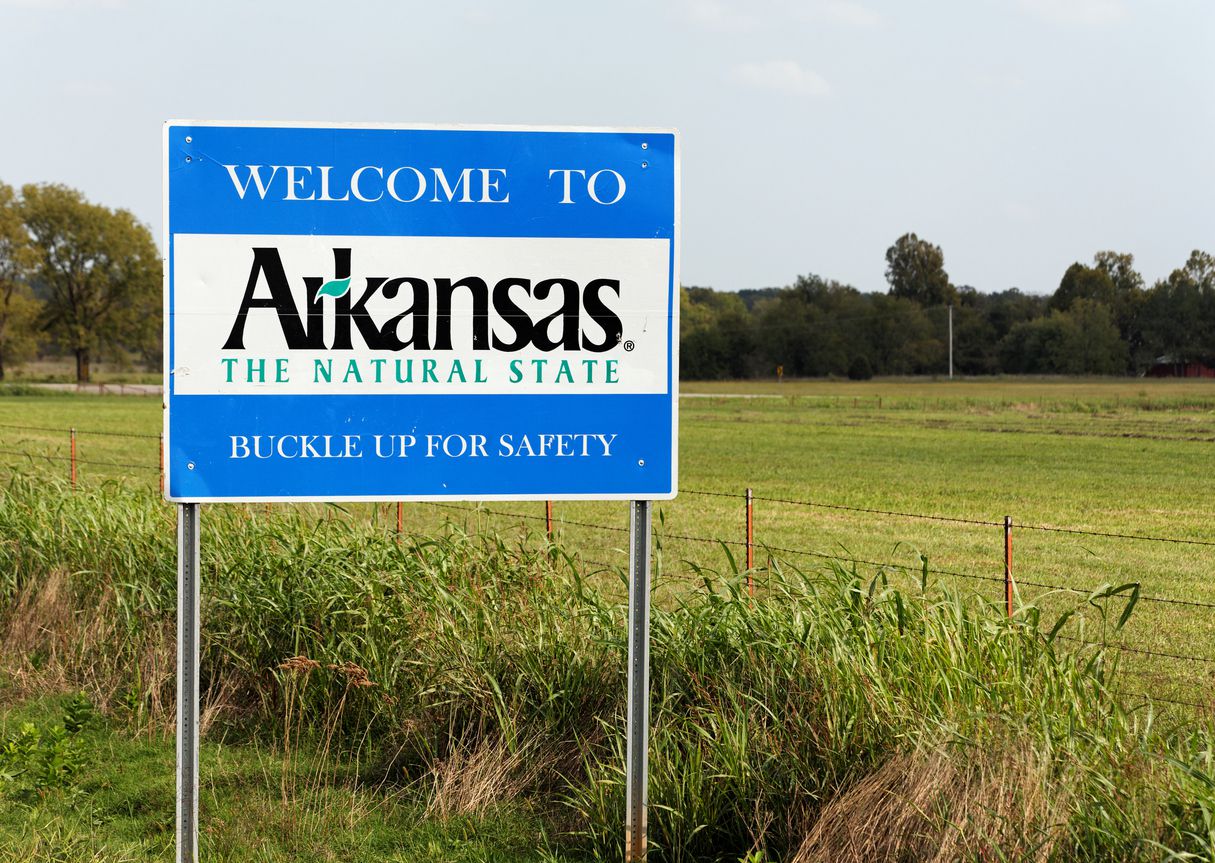
Listed as the 33rd most populous state, the Land of Opportunity ranked 24th for highest foreclosure rate in September. The state contains 1,361,880 housing units, of which 290 went into foreclosure, making its latest foreclosure rate one in every 4,696 households. The counties with the most foreclosures per housing unit were (from highest to lowest): Lonoke, Scott, Bradley, Cleveland, and Greene.
wellesenterprises / istockphoto
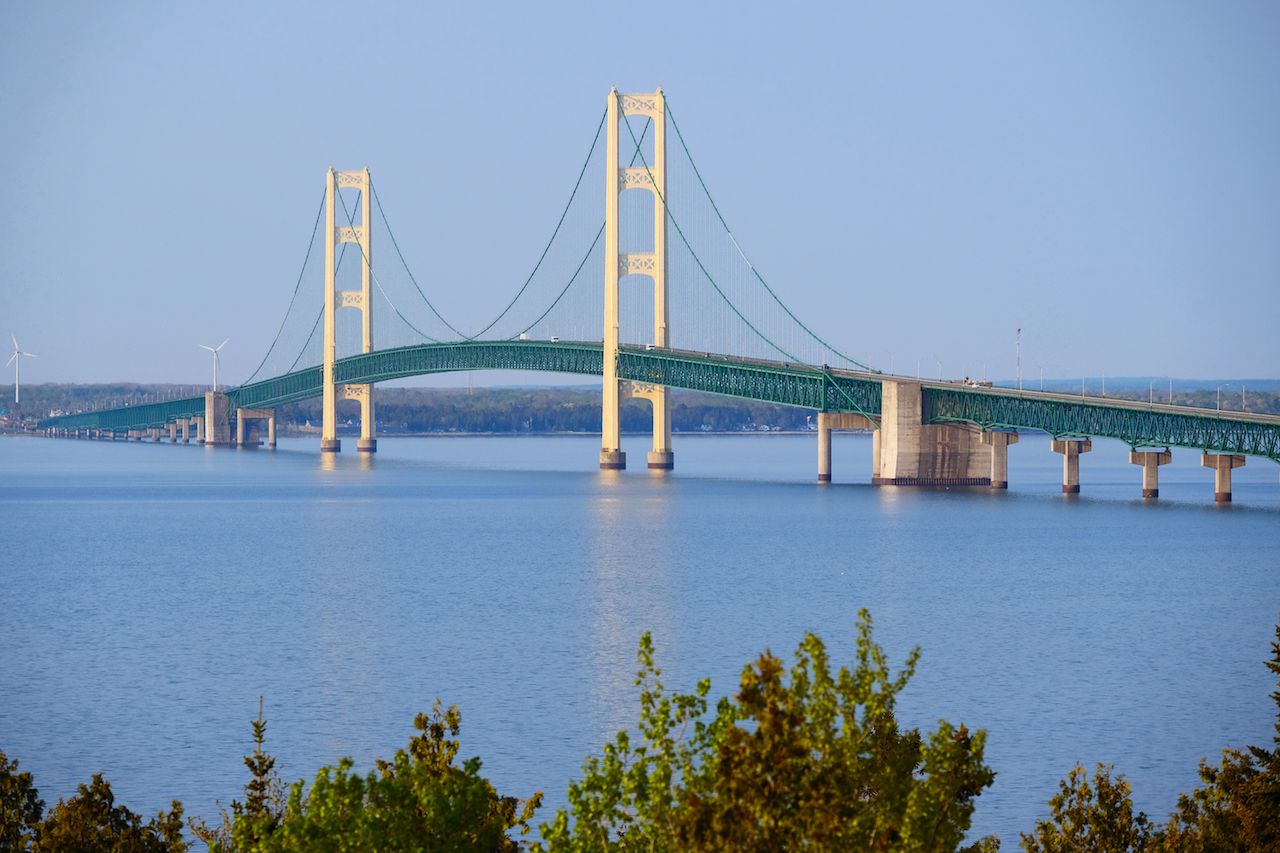
Ranked 10th in population, the Wolverine State secured the 23rd spot this month with a foreclosure rate of one in every 4,316 homes. With a total of 4,566,504 housing units, the state had 1,058 foreclosure filings. The counties with the most foreclosures per housing unit were (from highest to lowest): St. Joseph, Midland, Van Buren, Jackson, and Muskegon.
haveseen

Sorted as 25th in population, the Pelican State placed 22nd for highest foreclosure rate in September. Louisiana had a foreclosure rate of one in every 4,296 households, with 481 homes out of 2,066,323 housing units going into foreclosure. The parishes with the most foreclosures per housing unit were (from highest to lowest): Plaquemines, De Soto, La Salle, Franklin, and West Baton Rouge.
DenisTangneyJr
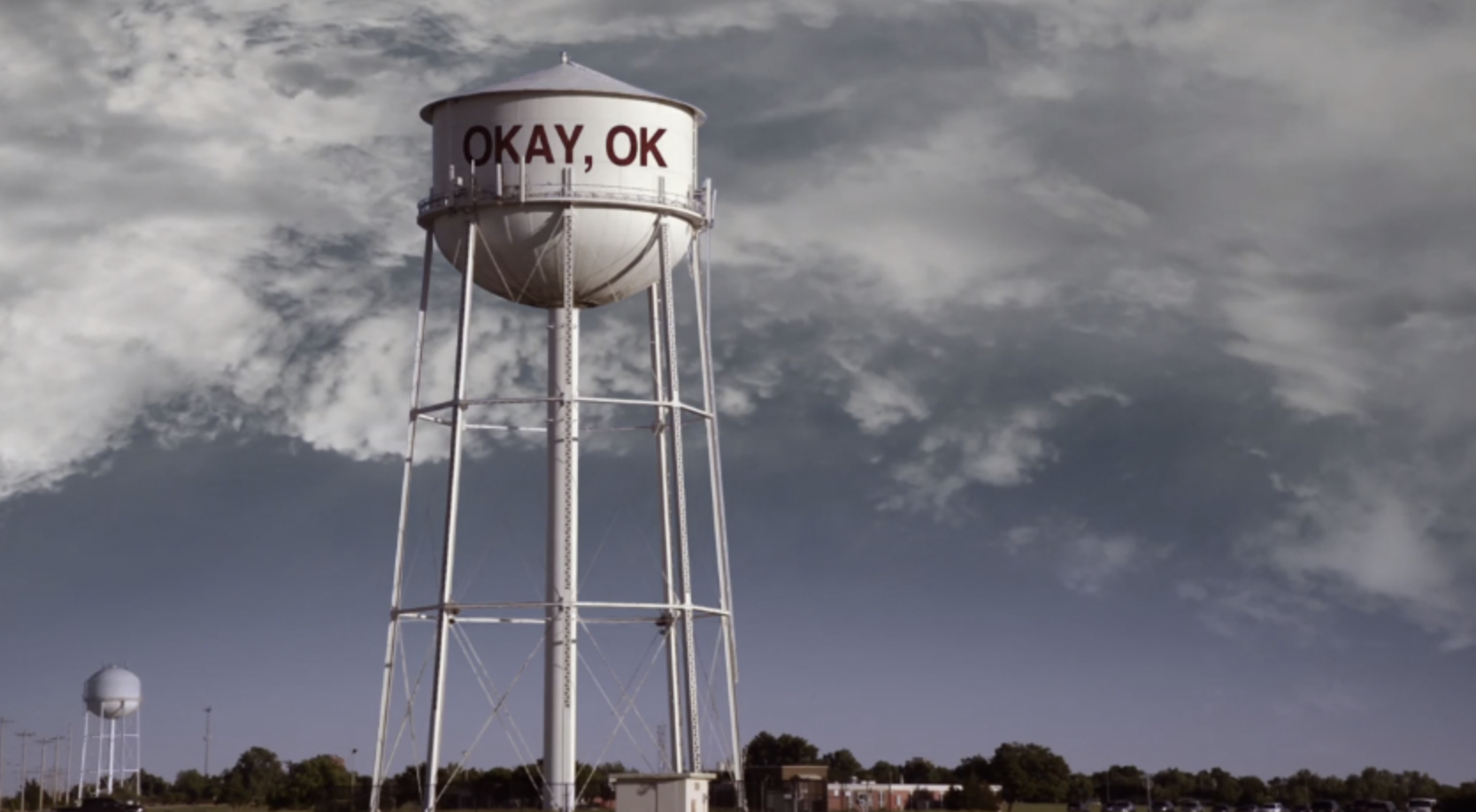
The Sooners State landed the 21st spot this month. With housing units totaling 1,741,721, the 28th most populous state saw 420 homes go into foreclosure at a rate of one in every 4,147 households. The counties with the most foreclosures per housing unit were (from highest to lowest): Tulsa, Oklahoma, Garfield, Ottawa, and Cleveland.
Recommended: 4 Signs You May Be Ready to Buy
Wiki
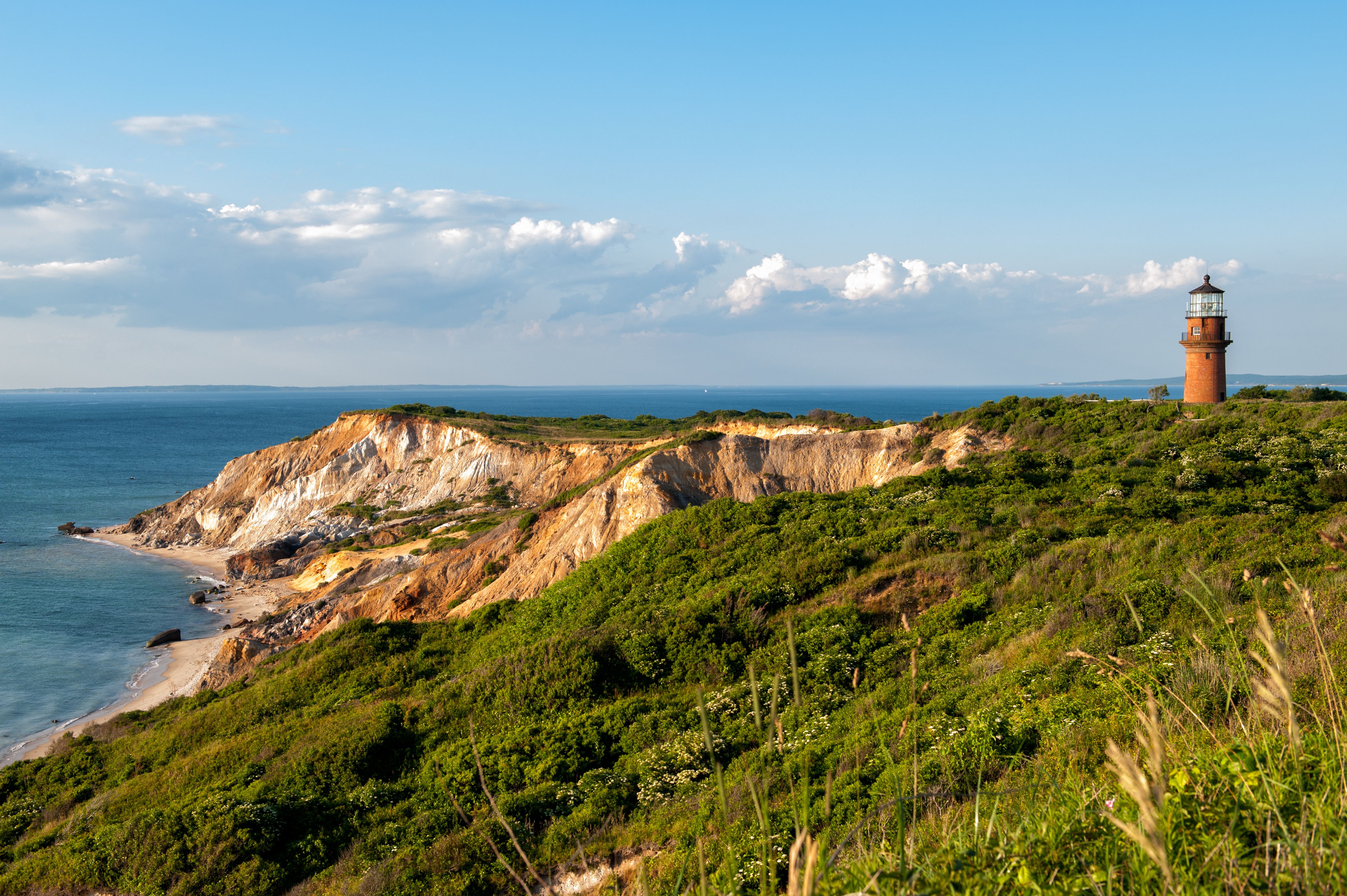
The 15th most populous state ranked 20th for highest foreclosure rate in September. Of the Bay State’s 2,979,634 housing units, 732 went into foreclosure, making for a foreclosure rate of one in every 4,071 homes. The counties with the most foreclosures per housing unit were (from highest to lowest): Franklin, Berkshire, Dukes, Hampden, and Plymouth.
Rolf_52

Ranked eighth in population, the Peach State took the 19th spot for highest foreclosure rate this month. Of its 4,375,039 homes, 1,089 were foreclosed on. This puts the state’s foreclosure rate at one in every 4,017 households. The counties with the most foreclosures per housing unit were (from highest to lowest): Evans, Wheeler, Henry, Jefferson, and Peach.
Depositphotos.com
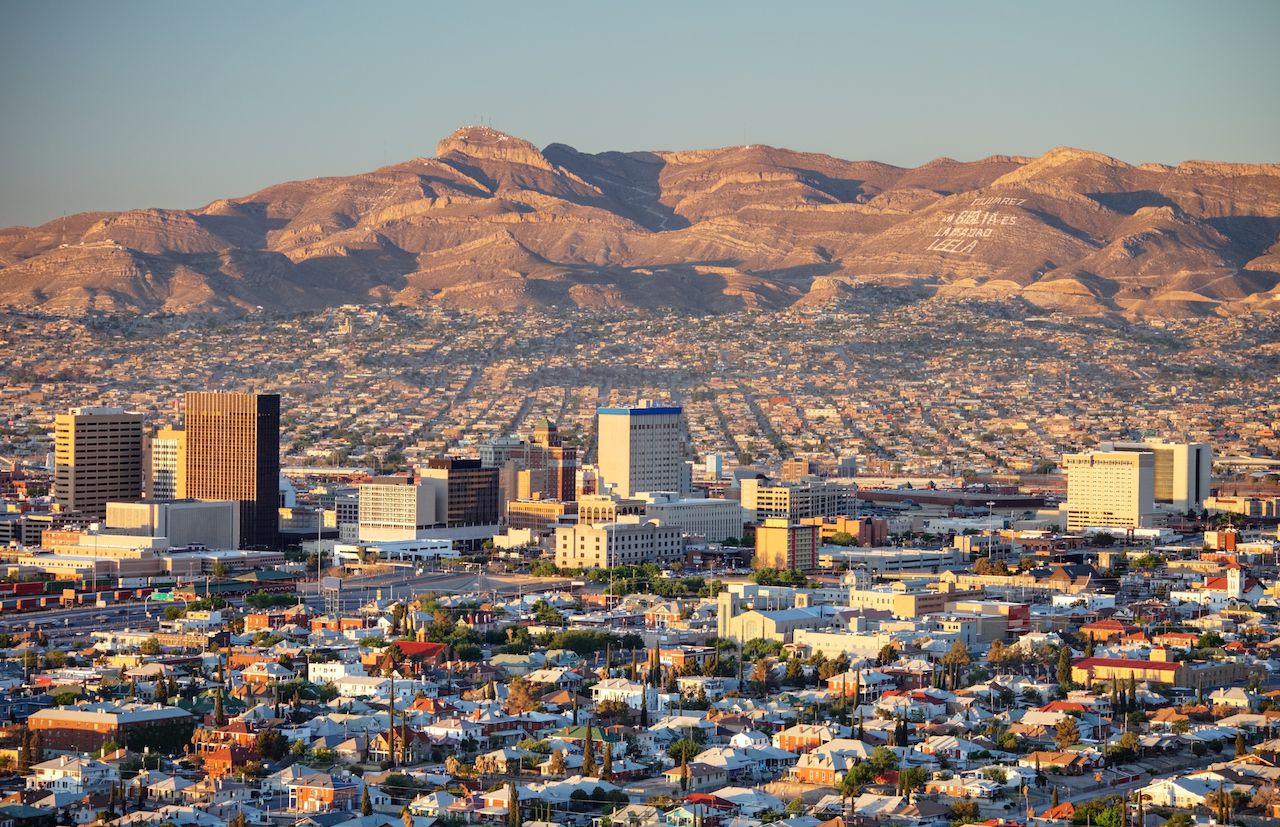
The Lone Star State withstood 2,990 foreclosures in September. With a foreclosure rate of one in every 3,824 households, this puts the second-most populous state in the U.S., with a whopping 11,433,880 housing units, into 18th place. The counties with the most foreclosures per housing unit were (from highest to lowest): Liberty, Culberson, Yoakum, Grimes, and Dimmit.
DenisTangneyJr
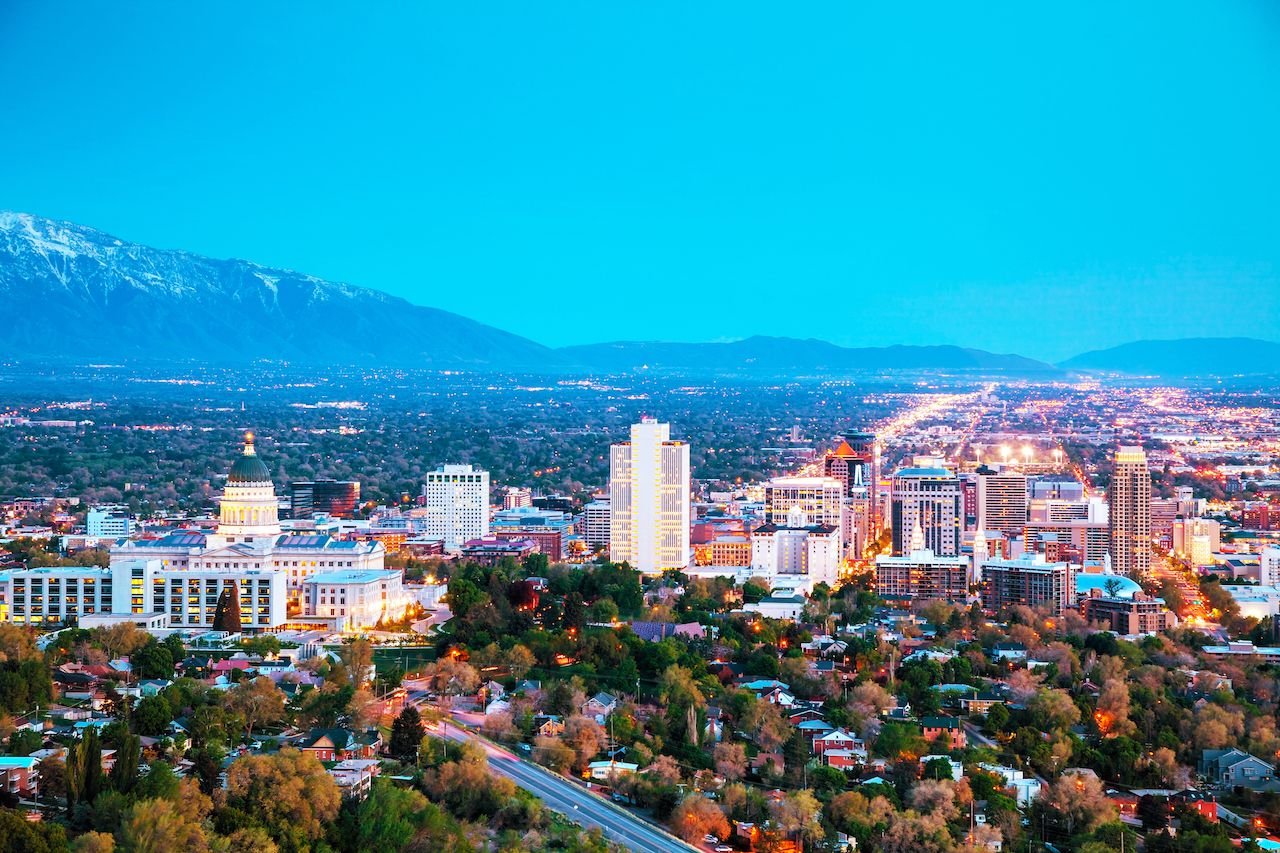
The Beehive State placed 17th for highest foreclosure rate this month. Of its 1,133,558 housing units, 307 homes went into foreclosure, making the 17th most populous state’s foreclosure rate one in every 3,692 households. The counties with the most foreclosures per housing unit were (from highest to lowest): Juab, Carbon, Garfield, Tooele, and Utah.
AndreyKrav

The Hawkeye State had the 16th highest foreclosure rate in September. With 388 out of 1,407,100 homes going into foreclosure, the 31st most populous state’s foreclosure rate was one in every 3,627 homes. The counties with the most foreclosures per housing unit were (from highest to lowest): Webster, Fayette, Grundy, Keokuk, and Benton.
JoeChristensen

The 36th most populous state claimed the 15th spot for highest foreclosure rate this month. Of the Land of Enchantment’s 937,397 homes, 275 went into foreclosure, making for a foreclosure rate of one in every 3,409 homes. The counties with the most foreclosures per housing unit were (from highest to lowest): Torrance, Valencia, Union, Curry, and Otero.
Davel5957

With 2,532 out of a total 8,449,178 housing units going into foreclosure, the Empire State claimed the 14th spot for the second month in a row. The fourth-most populous state’s foreclosure rate was one in every 3,337 households. The counties with the most foreclosures per housing unit were (from highest to lowest): Montgomery, Orange, Nassau, Jefferson, and Lewis.
Eloi_Omella

The Keystone State had the 13th highest foreclosure rate in September. The fifth-most populous state saw 1,733 homes out of 5,728,788 total housing units go into foreclosure, making the state’s foreclosure rate one in every 3,306 households. The counties with the most foreclosures per housing unit were (from highest to lowest): Philadelphia, Delaware, Allegheny, Schuylkill, and Montgomery.
AppalachianViews

The 17th largest state by population, the Crossroads of America landed the 12th spot with a foreclosure rate of one in every 3,158 homes. Of its 2,911,562 housing units, 922 went into foreclosure this month. The counties with the most foreclosures per housing unit were (from highest to lowest): Benton, Pulaski, Newton, Howard, and Lake.
f11photo

The country’s most populous state ranked 11th for highest foreclosure rate once again. Of its impressive 14,328,539 housing units, 4,789 went into foreclosure, making the Golden State’s foreclosure rate one in every 2,992 households. The counties with the most foreclosures per housing unit were (from highest to lowest): Lake, Trinity, Mendocino, Kern, and Plumas.
Recommended: Your 2022 Guide to All Things Home
mlauffen

The ninth-most populous state claimed 10th place once more for highest foreclosure rate. Out of 4,673,933 homes, 1,598 went into foreclosure. This puts the Tar Heel State’s foreclosure rate at one in every 2,925 homes. The counties with the most foreclosures per housing unit were (from highest to lowest): Perquimans, Chowan, Greene, Gaston, and Northampton.
” Darwin Brandis”

The Land of Lincoln claimed the ninth spot for highest foreclosure rate this month. Of its 5,412,995 homes, 1,872 went into foreclosure, making the sixth-most populous state’s foreclosure rate one in every 2,892 households. The counties with the most foreclosures per housing unit were (from highest to lowest): Montgomery, Kankakee, St. Clair, Madison, and Will.
ibsky
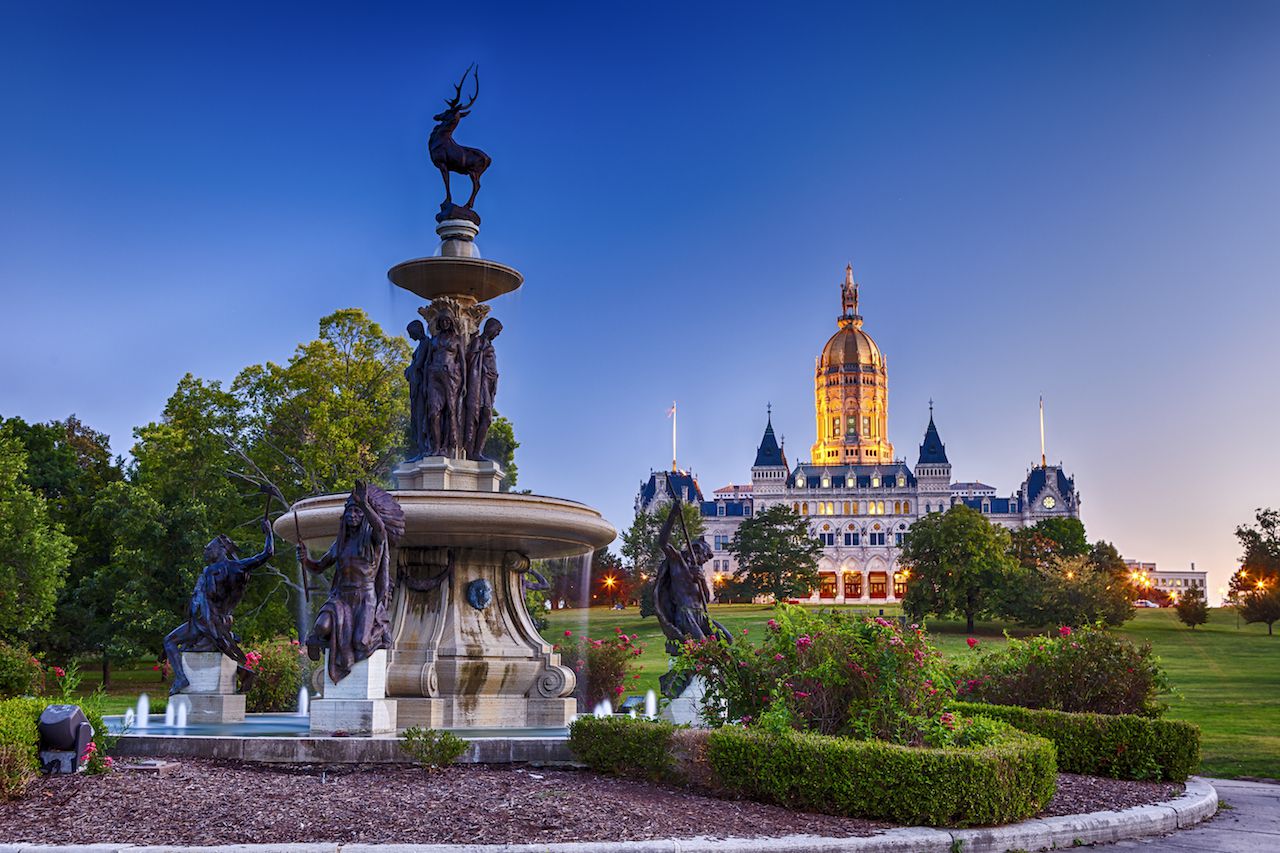
With 539 of its 1,527,039 homes going into foreclosure, the Constitution State had the eighth highest foreclosure rate at one in every 2,833 households. In this 29th most populous state, the counties that had the most foreclosures per housing unit were (from highest to lowest): Windham, Hartford, New Haven, New London, and Fairfield.
traveler1116
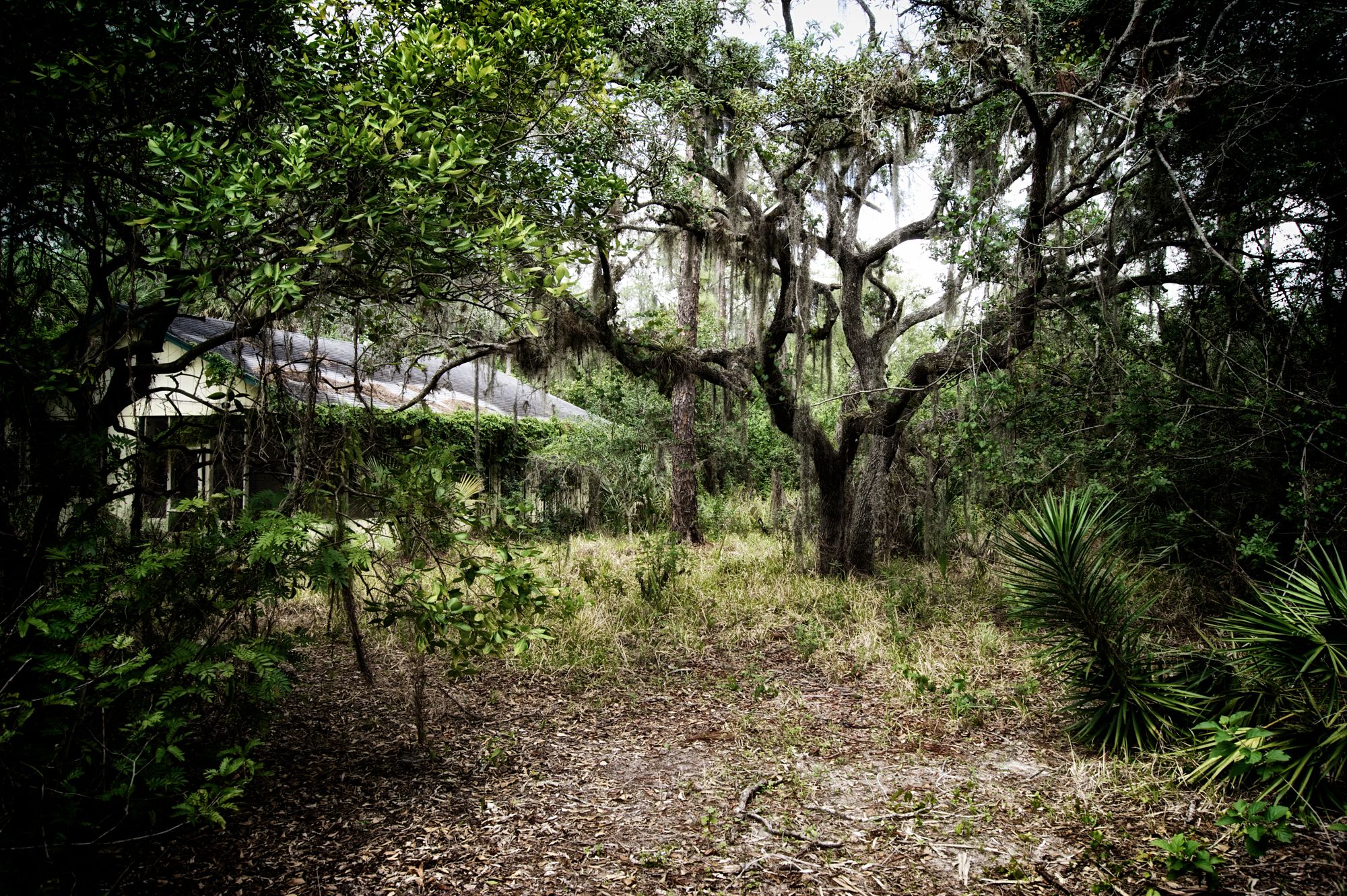
The third-most populous state in the country has a total of 9,764,897 housing units, of which 3,619 went into foreclosure. This puts the Sunshine State’s foreclosure rate at one in every 2,698 homes and into seventh place. The counties with the most foreclosures per housing unit were (from highest to lowest): Baker, Gulf, Osceola, Charlotte, and Levy.
Depositphotos.com

The Buckeye State placed sixth in September with a foreclosure rate of one in every 2,658 homes. With a total of 5,232,733 housing units, the seventh-most populous state had a total of 1,969 filings. The counties with the most foreclosures per housing unit were (from highest to lowest): Guernsey, Cuyahoga, Muskingum, Lucas, and Pickaway.
espiegle/iStock

With a foreclosure rate of one in every 2,531 homes, the Garden State ranked fifth for highest foreclosure rate this month. The 11th most populous state contains 3,738,342 housing units, of which 1,477 went into foreclosure. The counties with the most foreclosures per housing unit were (from highest to lowest): Cumberland, Salem, Gloucester, Sussex, and Camden.
aimintang
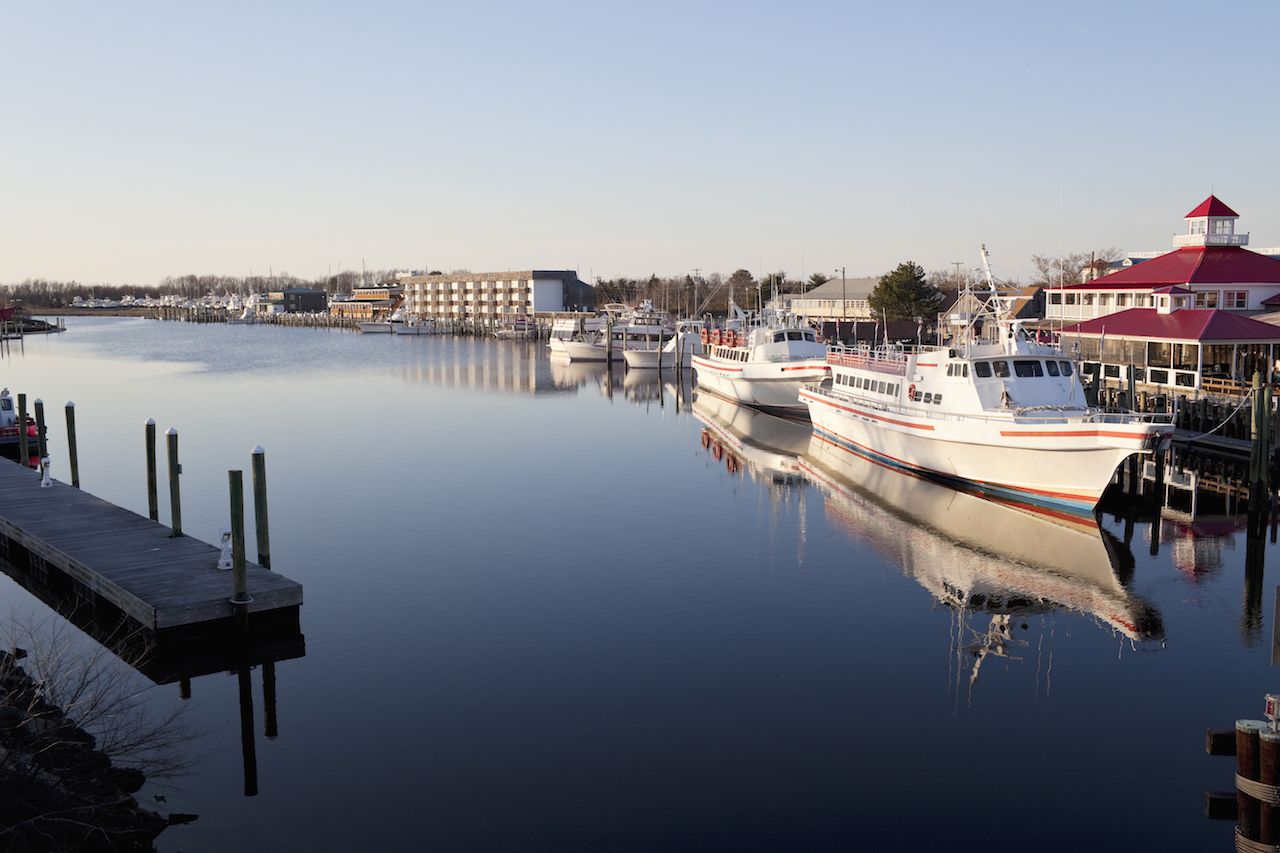
The sixth-least populous state in the country, the Small Wonder took fourth place in September. With one in every 2,380 homes going into foreclosure and a total of 445,104 housing units, the state saw 187 foreclosures filed. Having only three counties in the state, the most foreclosures per housing unit were (from highest to lowest): Kent, Sussex, and New Castle.
mdgmorris
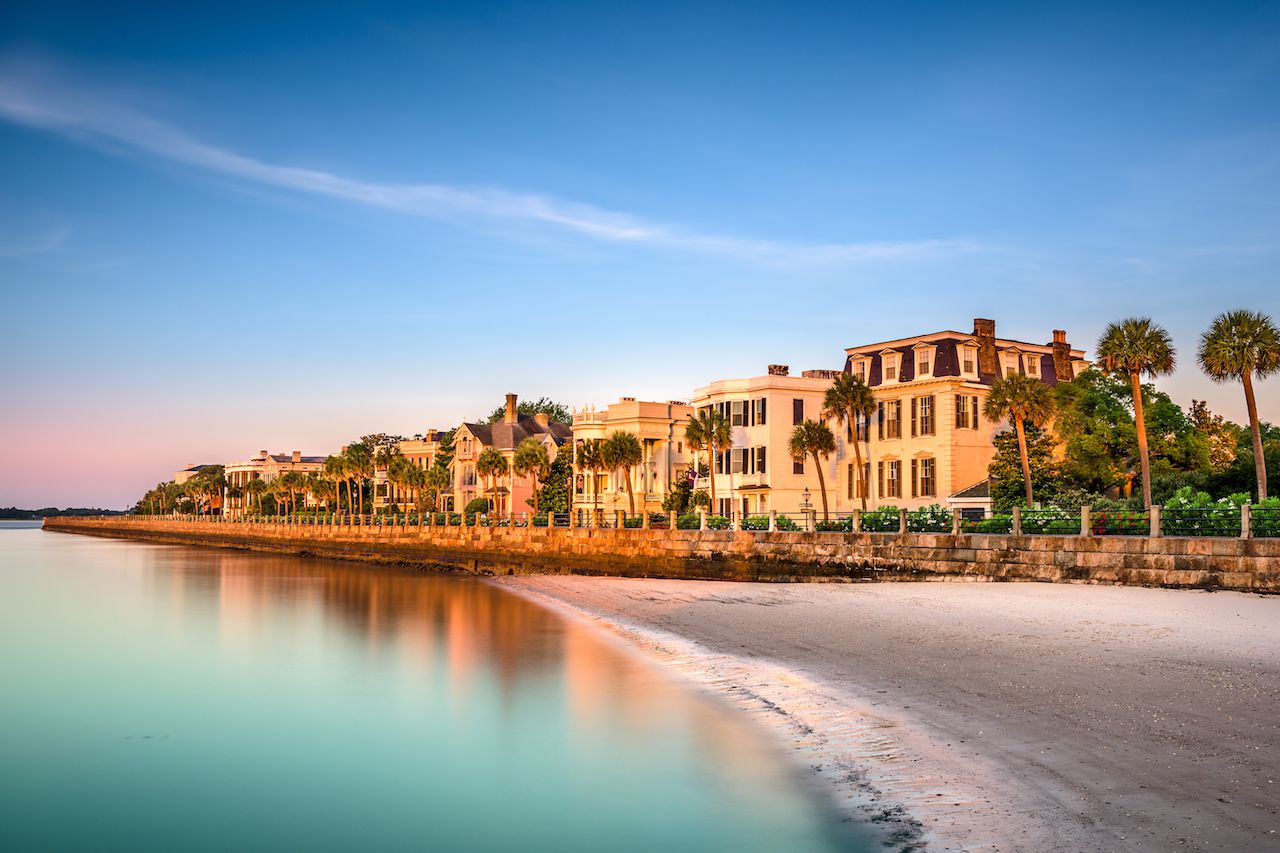
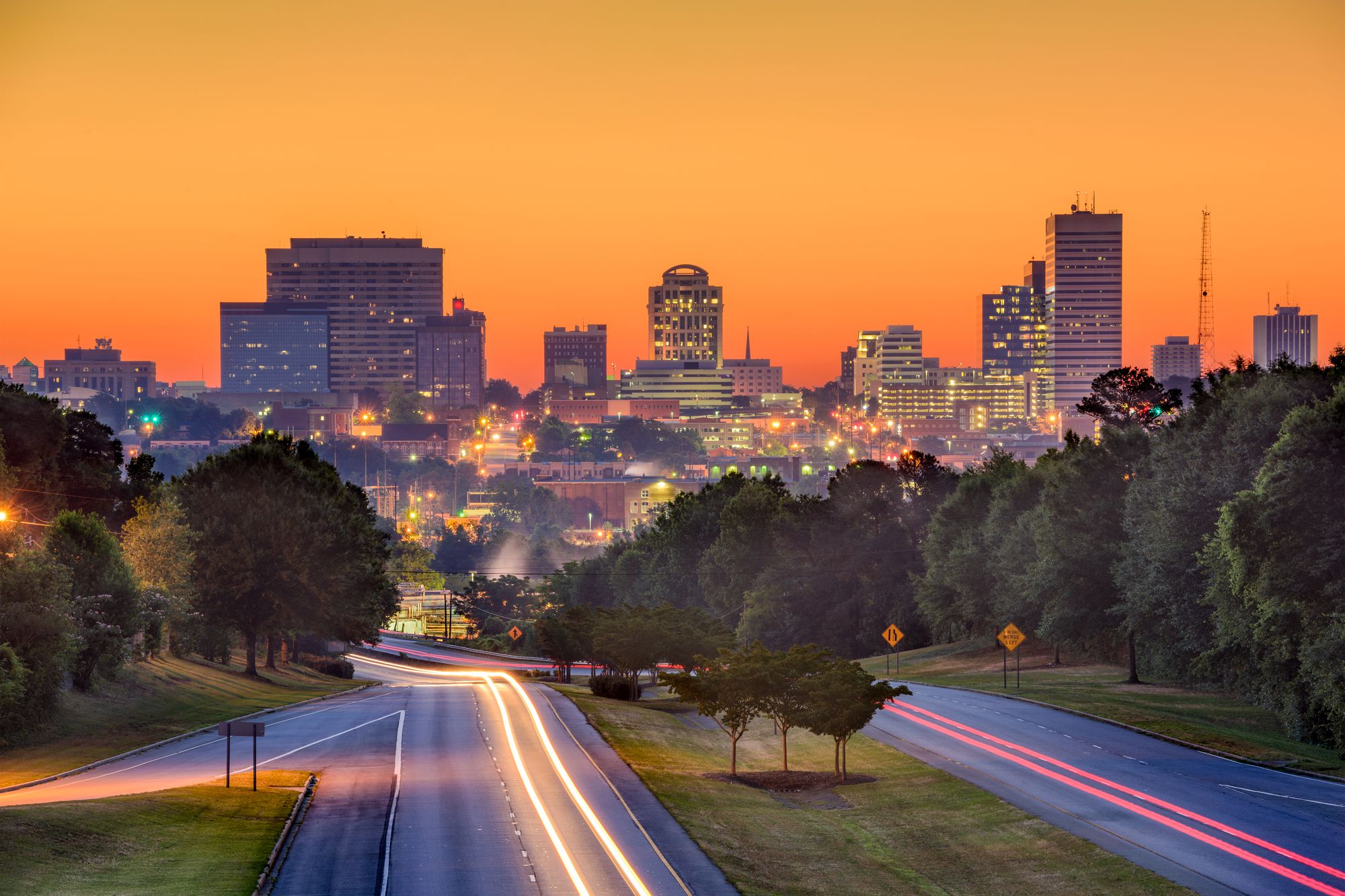
The 23rd most populous state had the third highest foreclosure rate yet again with one in every 2,260 homes going into foreclosure. Of the Palmetto State’s 2,325,248 housing units, 1,029 were foreclosed on this month. The counties with the most foreclosures per housing unit were (from highest to lowest): Kershaw, Dorchester, Bamberg, Marion, and Chester.
SeanPavonePhoto
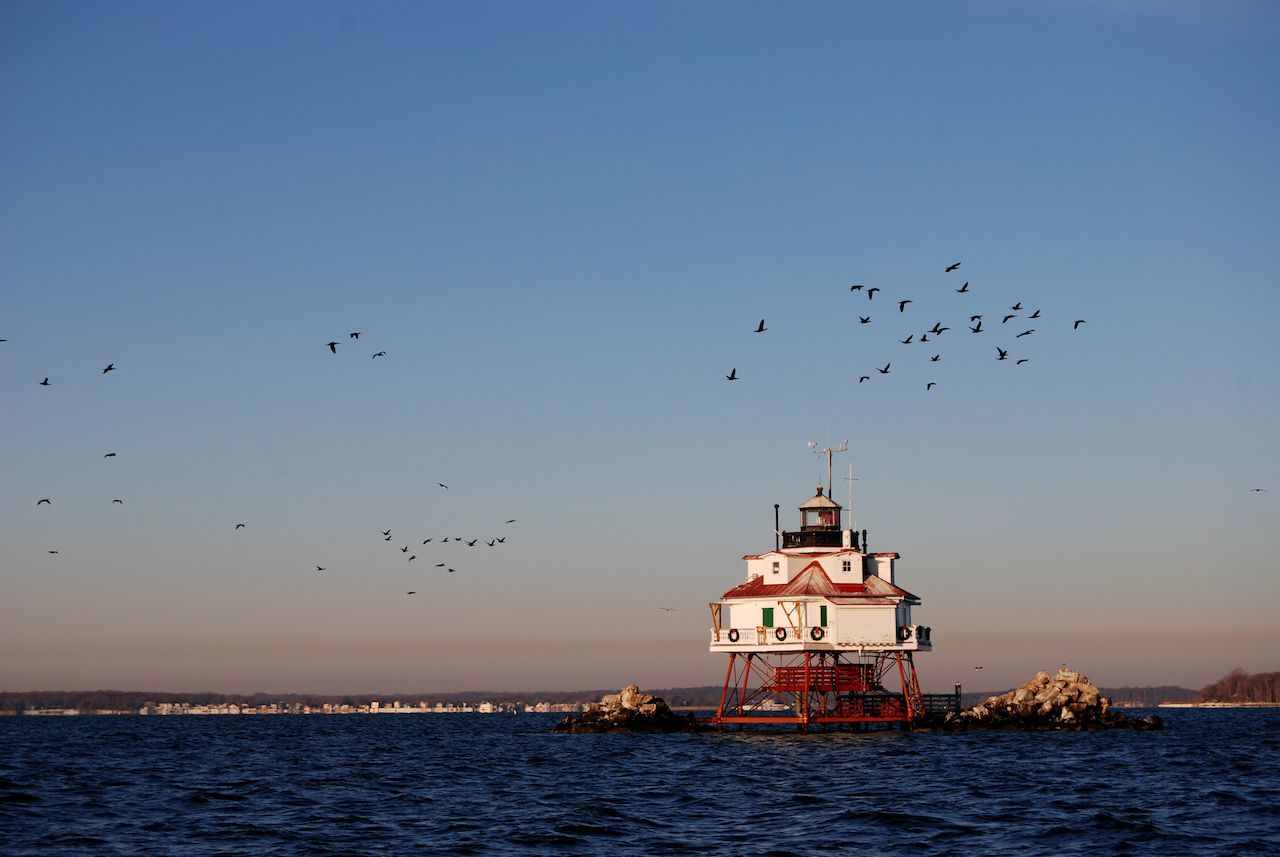
Ranked 18th for most populous state, America in Miniature placed second for highest foreclosure rate this month. With a total of 2,516,341 housing units, of which 1,117 went into foreclosure, the state’s foreclosure rate was one in every 2,253 households. The counties and independent city with the most foreclosures per housing unit were (from highest to lowest): Caroline, Kent, Baltimore City, Dorchester, and Charles.
James_Lane
The Land of Lincoln made the top spot for highest foreclosure rate for the fourth month in a row, the longest of any state. Of its 5,426,429 homes, 2,260 went into foreclosure, making the sixth-most populous state’s foreclosure rate one in every 2,401. The counties with the most foreclosures per housing unit were (from highest to lowest): Mason, Livingston, Rock Island, Logan, and Marshall.
Byelikova_Oksana / istockphoto
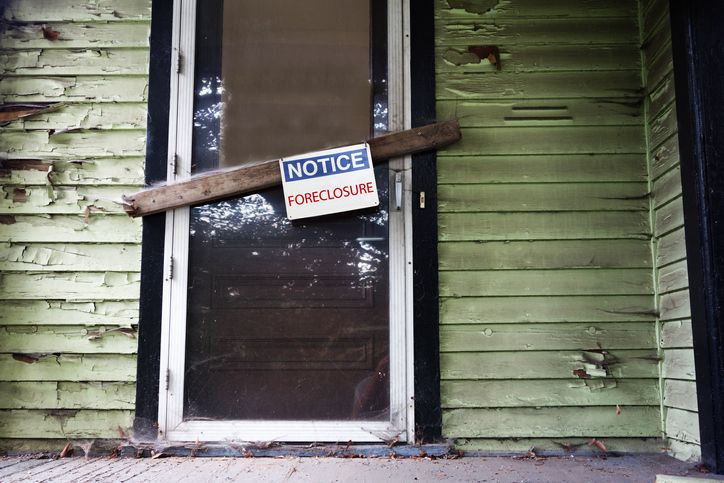
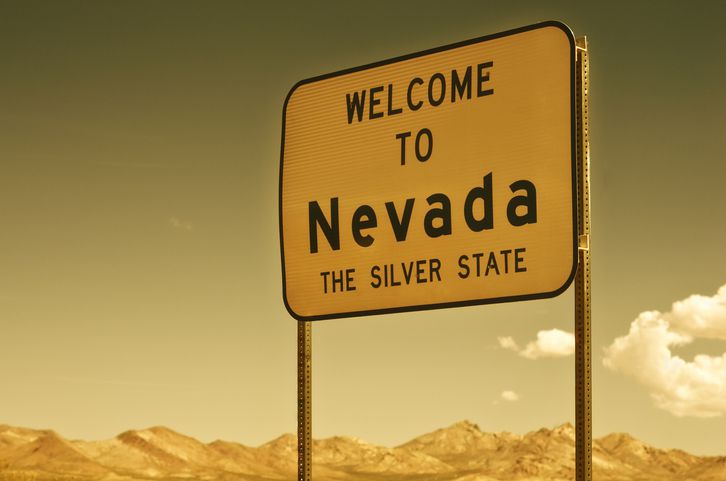
Of all 50 states, California had the most foreclosure filings (4,789), and Vermont had the least (4). As for the states with the highest foreclosure rates, Nevada, Maryland, and South Carolina took the top three spots, respectively.
Two regions – the Southeast and the Mideast – tied for having the largest presence among the 10 states that ranked the highest for foreclosure rates. The states in the Southeast region were (from highest to lowest): South Carolina, Florida, and North Carolina. The states in the Mideast region were (from highest to lowest): Maryland, Delaware, and New Jersey.
The Plains region had the largest presence among the 10 states that ranked the lowest for foreclosure rates. These states were (from highest to lowest): Kansas, North Dakota, and South Dakota.
Learn More:
This article originally appeared on SoFi.comand was syndicated by MediaFeed.org.
SoFi Loan Products
SoFi loans are originated by SoFi Lending Corp. or an affiliate (dba SoFi), a lender licensed by the Department of Financial Protection and Innovation under the California Financing Law, license # 6054612; NMLS # 1121636. For additional product-specific legal and licensing information, see our disclosures.
SoFi Home Loans
Terms, conditions, and state restrictions apply. SoFi Home Loans are not available in all states. See our criteria for more information.
External Websites: The information and analysis provided through hyperlinks to third party websites, while believed to be accurate, cannot be guaranteed by SoFi. Links are provided for informational purposes and should not be viewed as an endorsement.
zimmytws / istockphoto

Depositphotos
Featured Image Credit: yokeetod/istockphoto.