
There are many aspects of being a business owner that drive success.
Sales, production, and employee retention are all extremely important. And while it may not be the most glamorous topic, bookkeeping also plays a part.
But who wants the task of sifting through receipts and organizing statements when there’s a whole slew of business operations to attend to? It may be time for you to make the executive decision of hiring a bookkeeper to take the reins.
And now that you know the answer to the question “How much does a bookkeeper cost?” you may wonder what exactly a bookkeeper does and the different types of bookkeeping services you can pay for.
To learn more about the cost of bookkeeping, follow this small business guide.
What does a bookkeeper do?
A bookkeeper is responsible for recording transactions and keeping track of a business’s finances. Some common responsibilities of a bookkeeper include:
- Posting journal entries
- Assisting with payroll
- Reconciling bank accounts
- Reviewing the general ledger
- Paying client’s bills
On top of this, it is also a bookkeeper’s job to keep everything organized. That way, when it is time to file your small business taxes, you can easily access all the data you need.
Additionally, a bookkeeper may work with an accountant, who is responsible for more advanced tasks such as assessing the health of a business or generating financial statements.
Types of bookkeeping: Basic vs. full-service accounting
There are two main types of bookkeeping to be aware of when deciding what type of bookkeeper to hire. These include basic and full-service bookkeeping, where the decision largely depends on your business goals and needs.
Basic bookkeeping
Basic bookkeeping is exactly what you would expect it to be: the basics. This includes things like payroll, employment taxes, and tracking expenses.
- Time and service: While the length of time basic bookkeeping requires can vary based on the size and complexity of your business, it generally requires less time than full-service bookkeeping. Bookkeepers are often only required to maintain records and manage financial transactions.
- Average bookkeeper cost differences: Due to the additional education and experience required to be a full-service accountant, the average cost of a bookkeeper is lower than a full-service accountant.
Full-service bookkeeping (and accounting)
Full-service bookkeeping is everything you’d find in basic bookkeeping with additional accounting services and financial statement analysis.
- Time and service: Accounting requires a much higher level of time and service simply because accountants are responsible for managing the books as well as interpreting and analyzing the financial statements to report a holistic view of the company’s financial health.
- Average cost differences: Due to extensive education and certification requirements, the average salary for an accountant will exceed that of a bookkeeper.
Whether you opt for basic bookkeeping or full-service bookkeeping and accounting, either option can help you be better prepared come tax season.
Costs for bookkeepers vs. accountants vs. CPAs
Accountants maintain a wide range of skill sets, including managing spending and budgets, taxes, and analysis of financial statements. To be exceptional at these tasks, accountants must complete years of training and earn special certifications, which their salaries reflect. Depending on the type of accountant, years of experience, and certifications, you could be paying a pretty penny.
For example, a Certified Public Accountant (CPA) is paid more than a traditional accountant due to having to meet higher education and licensing requirements depending on their state.
On the other hand, bookkeepers are the more affordable option. They require the least amount of education and focus on recording transactions, whereas an accountant or CPA spends their time analyzing financial data and generating financial statements.
While these exact figures can change over time, the cost comparisons of covering your bookkeeping and accounting needs can vary greatly depending on the type of individual you hire.
Signs you’re ready to hire a bookkeeper
As with any new hire, you’ll need a careful assessment to warrant bringing in additional hands to help run your small business. Below are some signs to help point you toward the right choice:
- Significant growth: If your business is booming, it also means your records are growing and likely getting left in the dust when it comes to updates. Hiring a bookkeeper could help keep you on track during this business growth phase.
- Mistakes in the books: Finding mistakes in the books are common, but if they’re not caught early, they can easily sneak up on you and cause major malfunctions during reconciliation. Having someone dedicated to catching and correcting accounting errors could make all the difference.
- Time constraints: Time is arguably the most precious element we have, and as a small business owner, it is a fleeting resource. Calling on a bookkeeper to take on the task of record management could give you back countless hours that are desperately needed to run your business effectively.
If any of these warning signs resonate with you, it may be time to hire a bookkeeper. But before you do, let’s look at some questions you should ask yourself before making the decision.
4 questions to ask yourself before hiring a bookkeeper
As you’ve seen, there are several solutions to this bookkeeping dilemma, but they also come with additional questions you should keep in mind before making a decision. To help you on this decision-making journey, we’ve gathered four questions to ask yourself before hiring a bookkeeper.
1. How will your business size factor in?
There is no magic number to know when you’re ready to take on a bookkeeper for additional support. Instead, it’s more of a holistic view of time, resources, and the ability to become more efficient that will make or break your decision. Do you need help managing your books? If the answer is yes, then size shouldn’t be your deciding factor.
However, be aware that business size does affect a bookkeeper’s workload and may lead to you paying more or even for a second bookkeeper to alleviate some of that burden.
2. Which tasks do you need help with?
Bookkeepers have a wide variety of skills, so one of the factors you need to consider is what you need them for. If it’s basic client billing and documentation, a good solution may be accounting software that can assist you if you still want to play a more hands-on role.
But if it’s more complex, like building out your financial outlook, you might be better off with hiring an accountant.
3. Is contracted services or in-house better?
Depending on how much work you have and how long you need services, a contracted worker might be a better option. For example, if you’re in a sector that finds business heavier in the fourth quarter than any other time of the year (we’re talking to you, holiday bloggers), contracting may be more cost-effective than keeping someone in-house year-round.
Bringing someone on as an in-house full-time employee requires extra costs on your end, such as benefits and health care, whereas contractors are not entitled to these perks. You may not know how long you’ll need someone, but comparing the monthly bookkeeping cost of a contractor versus an in-house employee is the best way to see this angle side by side.
4. Does location matter?
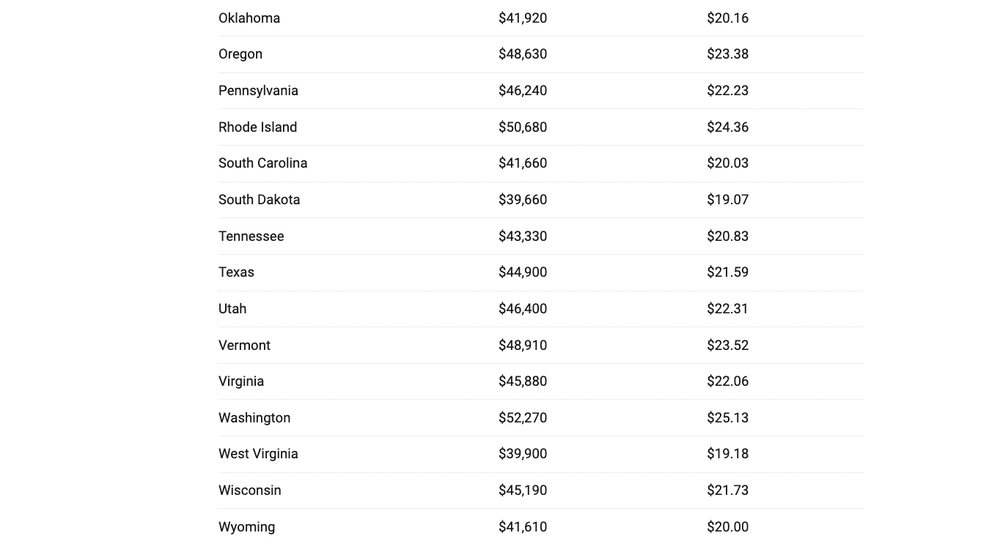
Where you live could cost you more. Bookkeeper salaries vary state by state (see our chart below), and depending on where you live, you could be paying a large difference in one place versus another. A better option would be to use a service like QuickBooks Live virtual bookkeeping, where your bookkeeper costs would not be affected by where you live but rather how much your business expenses are per month.
Bookkeeper salary and hourly cost by state
As great as it is to talk about potential bookkeeping costs and get estimates, we know that seeing an actual average for your state can yield excellent value for you as a business owner. Please see the chart below with data pulled directly from the US Bureau of Labor Statistics 2022 data to learn more about the average salary and hourly rate for bookkeeping.
This article originally appeared on the QuickBooks Resource Center and was syndicated by MediaFeed.org.


More from MediaFeed:
8 ways to get the best credit score you can
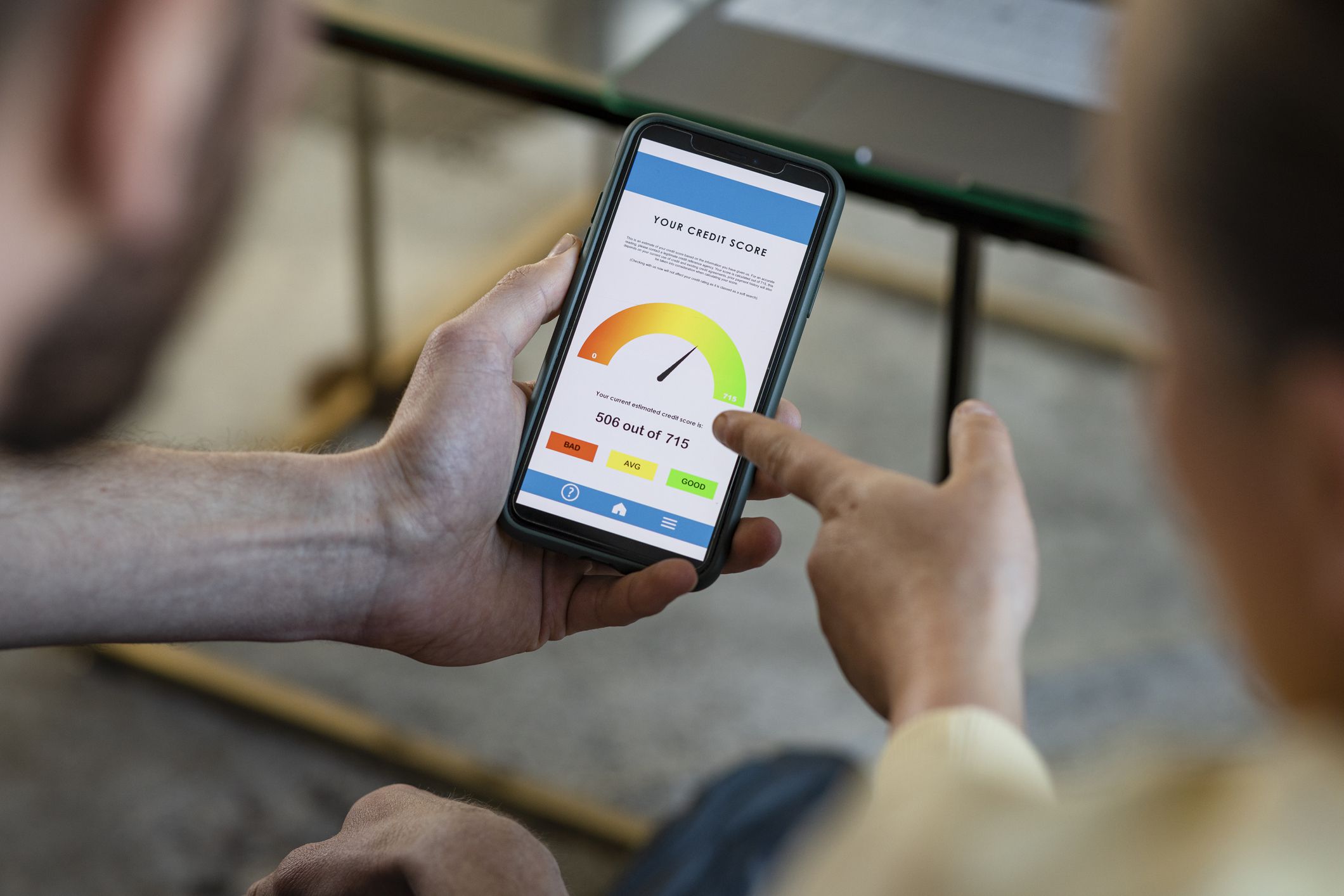
Learning how to achieve and maintain a good credit score is a crucial part of your financial health. Not only can it be a badge that says your financial life is in good shape, it can also help you access credit and get approved for loans and insurance at more competitive rates. Being approved for lower interest rates and premiums can in turn save you tens of thousands of dollars over your lifetime.
A solid credit score can also have other perks, such as helping you get approved for products with better features, such as rewards credit cards.
While there’s no one size fits all solution on how to keep a good credit score, there are some best practices you can follow. Read on to learn more about this topic and actual tactics, including:
- What is a credit score?
- How can you maintain a good credit score?
- What are tips to keep your credit score high?
- How can new credit card users establish a credit score?
SolStock/istockphoto
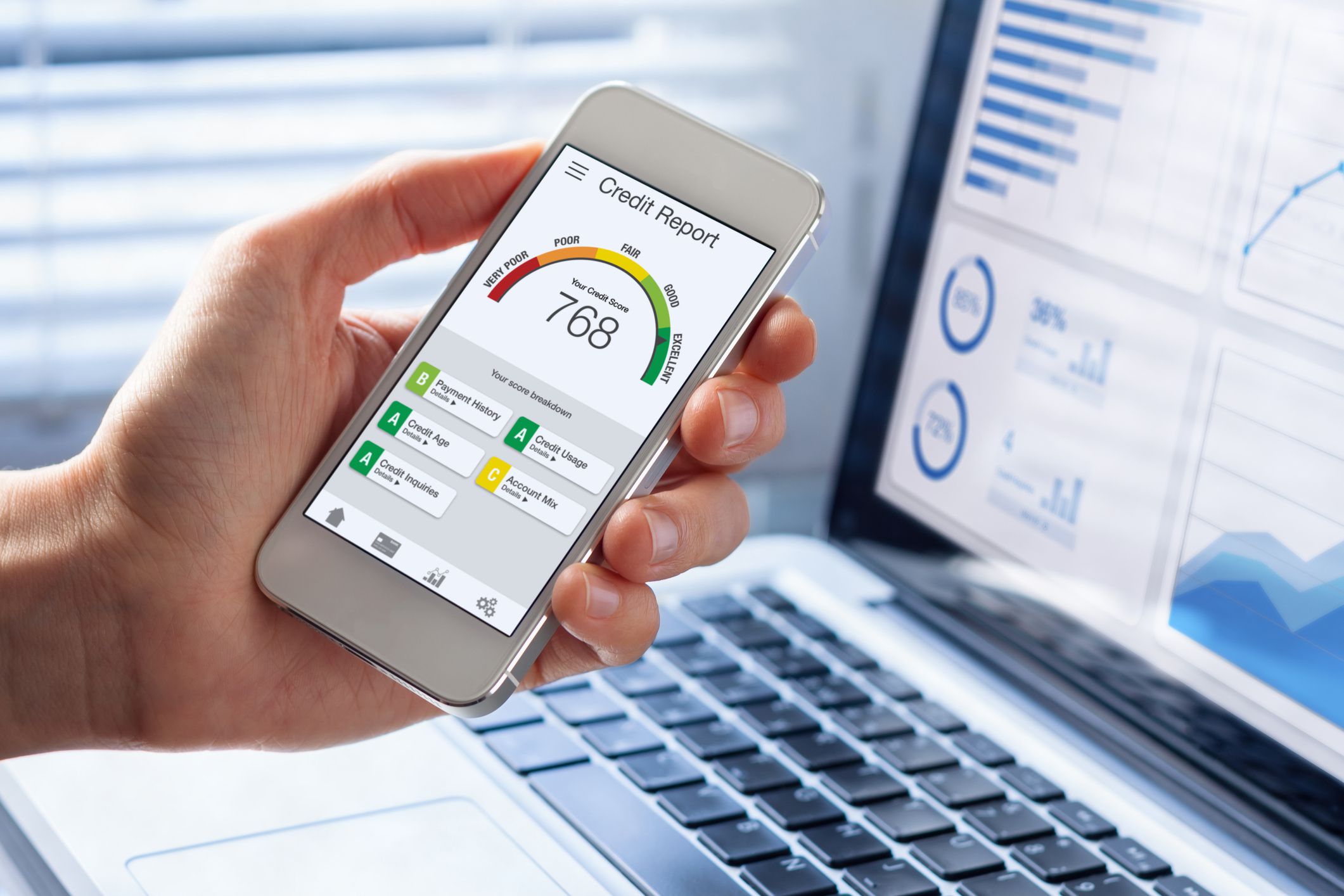
A credit score is a three digit number ranging from 300 to 850 that is an indicator of your credit behavior. Your score is calculated based on your credit history from all three credit bureaus — Experian, Equifax, and TransUnion — and is based on how lenders may perceive your risk as a borrower.
What exactly does that mean? By reviewing your past use of credit, your score reveals if you are more or less likely to pay back your loans on time. If you are more likely to repay your debts in a timely manner, the less risky you are.
The higher your credit score, the more creditworthy you are in the eyes of lenders.
NicoElNino/istockphoto

Several factors can affect your credit score, such as your payment history, the number of loan or credit applications submitted, and the age of your accounts you hold. There are also different scoring models, such as FICO vs. VantageScore. Each weighs factors differently to arrive at a credit score.
Meaning, there may be some differences in your credit score.
Lenders may look at one credit score or all of them, plus different qualification criteria when deciding whether to approve you for a loan and at what interest rate.
tolgart/istockphoto

Though there are different credit scoring models, most use similar financial behaviors to calculate them.
They’re grouped in the following categories:
- Payment history: This factor is one of the most important factors in your credit score as it assesses whether you’re likely to pay your loan on time. Credit scoring models will look into current and past account activity, including any late or missed payments.
- Amounts owed or available credit: The percentage of the available balance you’re using is your credit utilization. The more you are using available credit in your revolving accounts (like your credit cards and lines of credit), the more it could appear you rely too much on credit. This can make you look like a risky person to whom to lend.
- Age of credit history: The longer your credit history, the more a lender can look into your credit behavior. It’s usually considered good to have a long credit history vs. a very short or recent one.
- Account types: Having a different mix of loans offers more insight into how you handle various accounts. Credit-scoring models may not, however, use this as a major factor when calculating your score.
- New or recent credit: The more recent applications you submit for new loans or credit accounts, the more risky you may appear to be. That’s because it may look like you need to rely on credit; that you are quickly trying to acquire different forms of access to funds.
(There are some exceptions, such as shopping around for mortgages within a short span of time.)
Thai Liang Lim/istockphoto

Understanding the importance of a good credit score and what goes into it can help you protect the one you have. The following are eight suggestions on how to maintain a good credit score.
1. Pay Your Credit Card Bills on Time
Ensuring you’re on top of your bills (not just your credit cards) will help keep a positive payment history in your credit reports. This is the single biggest contributing factor to your credit score at 30% to 40%. Consider setting up automatic payments or regular reminders to ensure you’re paying on time.
damircudic/istockphoto

Your credit utilization is the percentage of the available limit you’re using on your revolving accounts like credit cards. Basically, you don’t want to spend close to or at your credit limit. A good rule of thumb to follow is to now use more than 30% of your overall credit limit.
So if you have one credit card with up to $10,000 as the limit, you want to keep your balance at $3,000 or lower.
JulPo/istockphoto

Even if you don’t use your older credit cards that often, keeping them open means you can maintain your long credit history. Consider charging a small or occasional amount, whether an espresso or gas station fuel-up, to ensure your account stays open. This can reassure prospective lenders that you have been managing credit well for years.
alice-photo/istockphoto

Consider this as you try to keep a good credit score: Go slow. Since credit-scoring models look at the number of times you apply for new credit, only open one when you really need it. Stay strong in the face of offers to get free shipping or 10% off if you sign up for a card that many retailers promote.
Spreading out your applications is a good idea rather than regularly or heavily putting in a lot of card applications. By moving steadily and choosing a credit card and other types of funding carefully, you likely won’t raise red flags, such as that you need to rely heavily on credit.
AndreyPopov/istockphoto

Mistakes can happen, and errors in your credit reports could negatively affect your score. You can get your credit reports for free at AnnualCreditReport.com from all three credit bureaus.
It’s wise to check your credit scores regularly, which won’t impact your score. If you see an error — whether it’s an account you don’t own or a bill marked unpaid that you know you took care of — dispute it as soon as possible.
courtneyk/istockphoto

Making payments in full will help you maintain a positive payment history and lower your credit utilization. Both of these can maintain your creditworthiness and save you money on interest charges.
Liderina/istockphoto

Closing your old credit cards could shorten your credit history. It could also increase your credit utilization because it will lower your available credit limit. Even if you make the same amount in purchases, your credit utilization would go up when your credit score updates.
For example, if you currently have an overall credit limit of $28,000 and you have $7,000 in credit card balances, your credit utilization is 25%. If you close a credit card which had a $7,000 limit, you then lower your total available credit to $21,000 your credit utilization will go up to 33%.
Farknot_Architect/istockphoto

It can be hard to say no to an invitation to try a pricey new restaurant or not tap to buy when scrolling through social media. But when you let your spending get out of hand, you may use your credit cards too much. It can feel like free money in the moment — but you still have to pay it back. If you overextend yourself, you may find it hard to pay your balance on time and risk a late or missed payment.
Instead, spend only what you can afford and try to avoid lifestyle creep (having your spending rise with your pay increases or even beyond them). That can help provide some guardrails for using credit cards responsibly.
andreswd/istockphoto

Trying to establish a credit score can be a challenge since, ironically enough, you need credit to build credit.
If you are in this situation, there are several options to pursue, such as the following:
- Open a secured credit card: A secured credit card is one where you’ll put down a refundable cash deposit that will act as your credit line. You can use this to establish credit and apply for an unsecured credit card. Some issuers will upgrade you once you make consistent on-time payments for a predetermined amount of time.
- Apply for a credit builder loan: These types of loans are specifically geared towards helping you establish and build credit over time. Instead of getting the loan proceeds like a traditional loan, the funds are held in an escrow account until you pay back the loan in full.
- Become an authorized user: You can ask a loved one, like a parent or even a close friend, if they’re willing to add your name on their credit card account. Doing so means the credit account will go in your credit history. Of course, that doesn’t give you access to use their account without restraint. The guardrails can be established between you and the original card holder.
jpm.foto/istockphoto

Maintaining a good credit score (and keeping that score high over time) comes with perks such as increasing the likelihood of getting approved for loans at more favorable terms. You might qualify for lower interest rates, saving you a considerable amount of money over time.
Using a credit card wisely is one of the ways you can build and maintain your credit score. But that’s not all there is to opening a credit: You also likely want one with great perks.
This article originally appeared on SoFi.comand was syndicated by MediaFeed.org.
Financial Tips & Strategies: The tips provided on this website are of a general nature and do not take into account your specific objectives, financial situation, and needs. You should always consider their appropriateness given your own circumstances.
Third-Party Brand Mentions: No brands, products, or companies mentioned are affiliated with SoFi, nor do they endorse or sponsor this article. Third-party trademarks referenced herein are property of their respective owners.
Disclaimer: Many factors affect your credit scores and the interest rates you may receive. SoFi is not a Credit Repair Organization as defined under federal or state law, including the Credit Repair Organizations Act. SoFi does not provide “credit repair” services or advice or assistance regarding “rebuilding” or “improving” your credit record, credit history, or credit rating. For details, see the FTC’s website .
External Websites: The information and analysis provided through hyperlinks to third-party websites, while believed to be accurate, cannot be guaranteed by SoFi. Links are provided for informational purposes and should not be viewed as an endorsement.
DepositPhotos.com

ValentynVolkov/istockphoto
Featured Image Credit: PeopleImages/istockphoto.