Cash and checks used to be the norm for payroll, bill payments, and more. But in today’s digital age, the electronic transfer of funds is now a necessity when accepting payments.
When it comes to digital payments, there are two main players: ACH transfers and wire transfers. While both are ways to send money electronically, they’re very different processes.
In this post, we’ll review ACH vs. wire transfers and their key differences and benefits so you can find the electronic transfer solution that works best for your business.
What is an ACH transfer?
An ACH transfer is a type of electronic payment between bank accounts through the Automated Clearing House (ACH) network.
The ACH Network is a network of banks and other financial institutions that use batch processing to transfer funds from bank to bank. Essentially, these financial institutions group ACH transactions together and transfer them three times each day. This process is overseen by an organization called Nacha, which connects all US bank accounts and implements rules and standards for financial transactions.
ACH transfers don’t require the bank as a middleman, instead, it used the ACH Network to make transfers. This allows people to send and request money transfers independently. These types of transfers are usually used for payroll, bill payments, and recurring transactions.
ACH payments fall into two different categories:
- ACH direct deposit: This is when a government entity or a business makes payments to an individual.
- ACH direct payment: This is when an individual or business sends money through the ACH Network. It uses a debit and credit system to send money from one bank account to another.
If you’ve ever used a payment app like PayPal or Venmo, you’ve made an ACH direct payment.
What is a wire transfer?
A wire transfer is an electronic payment that sends money from one bank account to a different bank. This type of transfer is also known as an interbank payment.
The sender issues a payment to their bank, which issues it to the recipient’s bank, and finally to the recipient. This way, the bank acts as the middleman for the payment. Some people think of wire transfers as eChecks because they are a lot like an electronic version of a cashier’s check—as soon as you initiate the transfer, the funds are taken out of your account.
Unlike transferring money from your checking account to your savings account, a wire transfer does not require the bank accounts to be linked together. Instead, a wire transfer uses the recipient’s bank account number and American Bankers Association(ABA) routing number, a unique nine-digit number that identifies each banking institution.
While wire transfers can be used for any amount of money, they are most commonly used to transfer larger transactions, like real estate or during mergers and acquisitions, since they have a faster transfer speed and usually a high transfer limit.
ACH vs. wire transfer: 4 key differences
Though people may use the two terms interchangeably, ACH transactions and wire transactions are very different transfer services. Let’s look at the key differences between the two.
1. Speed
Winner: Wire transfer
When it comes to money transfer, speed is always key. Recipients usually don’t want to wait days for payment processing before their funds become available to them.
Wire transfer is king when it comes to transfer speed. When sending money domestically, wire transfer payments are almost always available by the next business day. In many cases, wire transfers can even be available on the same day, as long as you meet the bank’s deadline for same-day transfers. However, human error, holidays, and location can extend this period up to 10 days.
ACH payments, on the other hand, can take three to five days for the funds to become available, though sometimes they can be available much sooner. You might also have the option to pay extra to get funds transferred faster.
2. Costs
Winner: ACH transfer
If you’re looking for a cost-effective way to send money, ACH is the way to go. ACH transactions are usually free for consumers depending on the bank you use, but the average cost ranges from 26 to 50 cents per transaction. Though when using payment services like PayPal or Venmo, you might have to pay a higher fee.
Business owners and institutions that use ACH payments for direct deposit have to pay a fee, but it’s never charged to individuals. Therefore, ACH transfers can be a great choice for payroll.
Wire transfers, on the other hand, have costs associated with them. Most domestic wire transfers cost between $20 and $35 to send, and the cost is higher for international wire transfers. Receiving banks may even charge the recipients a small fee for the transfer into their accounts.
3. Availability
Winner: Wire transfer
While both services send money within the United States, only wire transfers offer international transfers. ACH only offers domestic money transfers, although it does have a partner system called Global ACH that can transfer internationally through other bank-to-bank networks.
ACH transfers are bidirectional and allow the receiver to initiate the request to transfer funds. On the other hand, only the sender can start the transfer with wire payments.
4. Safety
Winner: ACH transfer
ACH payments are considered the more secure payment option for senders since Nacha oversees the ACH Network to ensure safety. If there’s an error or mistake with the money transfer, there are ways to reverse the payment.
While there have been scams associated with ACH payments, the transfers typically require you to enter a significant amount of bank account information, which makes them a more secure money transfer option.
Wire transfer is a less secure system for money senders. Wire transfers are fairly instant and once processed, cannot be reversed. If your money is transferred in error or as a result of fraud, it’s almost impossible to get back.
Recipients of wire transfers, however, don’t have too much to worry about, as the funds are accessible immediately.
Which one is better for your business?
While there are certainly pros and cons of each method of fund transfer, there are only a few scenarios in which a wire transfer will be the better payment option for your needs.
The majority of businesses use ACH payments, as this type of money transfer is considerably less expensive while offering more security. Unless you need your money to arrive that same day, ACH payments are a great option.
In the event that you do need to send money for same-day delivery or you need to send money internationally, wire transfers may be your best bet. However, always be sure to verify the legitimacy of your recipient.
You can also use a combination of both methods in your business. For example, you might use ACH transfers for recurring payments, payroll, and business-to-business transfers and use wire transfers for large sums of money, one-off payments, and down payments.
This article originally appeared on the QuickBooks Resource Center and was syndicated by MediaFeed.org.
More from MediaFeed:
Hey retirees! These states have the lowest taxes for you

Thinking about packing up and heading to a new state for retirement? You’re not alone! A lot of folks look at moving as a way to stretch those hard-earned retirement dollars. But hold on, before you start bubble-wrapping the china, let’s talk taxes. You’ve got to check out the whole tax scene in your dream retirement spot – that means not just state taxes on your retirement income, but local taxes, property tax, and yes, even the sales tax on your weekly groceries.
And here’s a curveball: some places might lure you in with low taxes, but then wham! They hit you with high living costs for everything else. So that tax saving? Yeah, it can vanish like ice cream on a hot day.
But hey, don’t get discouraged. It’s not just about numbers. Where you retire should feel right too. Think about the weather, healthcare, and all the stuff that’ll make your golden years really shine. We’ve scoped out the best states for taxes in retirement, so keep reading to find out where you could be living the dream without breaking the bank.
Deposit Photos

A surprising number of states will let your Social Security income roll in tax-free, and some even give you a break on other retirement goodies like IRAs, 401(k) plans, and even those sweet, sweet dividends.
Is your dream destination on the list of states with the lowest taxes for retirees? Here are the top 10 places where you can kick back without the taxman cramping your style:
- Delaware – It’s more than just a river!
- Hawaii – Aloha to tax savings!
- Wyoming – Ride off into that tax-free sunset!
- District of Columbia – Where politics might be the only thing taxing.
- Nevada – What happens in Vegas, stays in your wallet!
- South Carolina – The Palmetto State’s a real peach for retirees!
- Colorado – Rock those Rockies without rocky taxes!
- Alabama – Sweet home, low taxes!
- Arizona – Sunsets, cacti, and tax relief!
- Tennessee – Volunteer for some great savings!
But hey, don’t go slapping a stamp on that change-of-address card just yet. You’ve got to take a peek at the whole picture. You know, what’s the cost of living, the local weather, and whether the state bird matches your aesthetic. Dive into the details and find the best spot for your golden years!
DepositPhotos.com

Choosing where to settle down is a big decision. First and foremost, think about what makes you feel at home. Consider safety, the nearest healthcare facilities, how far your friends and family will be, and whether you want neighbors your own age. It’s about making your retirement as enjoyable as possible.
Now, time for some daydreaming. Picture your ideal retirement place and jot down what you see. Want to live near the grandkids or a golf course? Keep in mind that some of these desires might impact your cost of living.
Next, let’s dig into the real day-to-day stuff: housing, food, transportation, cultural outings, the whole shebang. Believe it or not, these day-to-day expenses might make a more significant dent in your retirement budget than taxes.
Now, let’s dive deeper into determining whether a state is tax-friendly for retirees by considering these factors.
DepositPhotos.com

You know that Social Security income you’ve been eyeing for retirement? Well, Uncle Sam usually takes a bite out of that at the federal level. But hold up, some states want a taste too, and they’ll tax Social Security if you’re above a certain income threshold. Other states, though, play it nice and give tax exemptions if you’re hanging out in the lower tax brackets.
Now, if you’re scribbling down notes, here’s the roll call of states that might tap into your Social Security benefits in the form of taxation: Colorado, Connecticut, Kansas, Minnesota, Missouri, Montana, Nebraska, New Mexico, North Dakota, Rhode Island, Utah, Vermont, and West Virginia. Keep those in mind, and you’ll be one step closer to making your golden years truly golden!
Zinkevych / istockphoto

Thinking about where your pensions and 401(k) plans will land when you retire? Well, in most places, those funds will get a trim from state taxes. But hey, there’s good news: 12 states wave the scissors and let those funds grow untouched. We’re talking about Alaska, Florida, Illinois, Mississippi, Nevada, New Hampshire, Pennsylvania, South Dakota, Tennessee, Texas, Washington, and Wyoming.
In fact, most of these tax havens don’t have state income tax at all, but Illinois, Mississippi, and Pennsylvania are the exceptions to the rule. And just to keep you on your toes, Alabama and Hawaii decided they’ll tax your 401(k) plans and IRAs, but they’re letting pension plans off the hook.
DepositPhotos.com

When picking the perfect spot for your retirement, don’t just flip a coin! You’ve got to take a look at sales tax and property taxes, too. Some states are rolling out the red carpet, shouting, “No sales tax here!” You’ll find that warm welcome in Alaska, Delaware, New Hampshire, Montana, and Oregon.
But wait, don’t pack your bags for New Hampshire just yet. They might lure you in with the promise of no sales tax, but they’ll get you with those sky-high property taxes. Kind of takes the shine off that sales tax benefit, doesn’t it?
insta_photos/iStock

When it comes to the hunt for the best state to hang up your work boots and enjoy retirement, sometimes it’s about striking a balance. Want top-notch safety and healthcare, but dreaming of endless summers? You might have to sacrifice one for the other. And let’s be honest, a high cost of living can be a major party pooper.
Now, brace yourself. The annual cost of living in these 10 states are really gonna make your piggy bank squeal:
- Hawaii: where paradise costs you a pretty $99,170 a year
- California: living at a not-so-sunny $71,809
- New York: where the Big Apple bites $69,847 out of your wallet
- Massachusetts: taking $69,279, probably for all those clam chowders
- Oregon: coming in at $68,712, and that’s not even counting the fancy coffee
- Maryland: demanding $67,214, crabs not included
- Alaska: where the cold will cost you $66,956
- Connecticut: weighing in at $66,543, insurance sold separately
- New Jersey: snagging $64,736, and that’s before the tolls
- Rhode Island: the smallest state with a not-so-small price tag of $62,413
twinsterphoto / iStock

Alright, so you’ve taken a look at your budget, considered your lifestyle, and thought about what really matters to you in retirement. Now, where are all the cool retirees headed these days? Let’s peek at the trends.
Here are the top 10 states that are turning into hotspots for retirees:
- Florida
- Arizona
- North Carolina
- South Carolina
- Texas
- Tennessee
- Idaho
- Oregon
- Nevada
- Alabama
DisobeyArt/ iStock

Plain and simple. If you’re mainly worried about the cost of living, here are the 10 least expensive states where your money might go the furthest:
- West Virginia
- Arkansas
- Mississippi
- Indiana
- Alabama
- Ohio
- Kansas
- Kentucky
- Iowa
- Oklahoma
Halfpoint / istockphoto
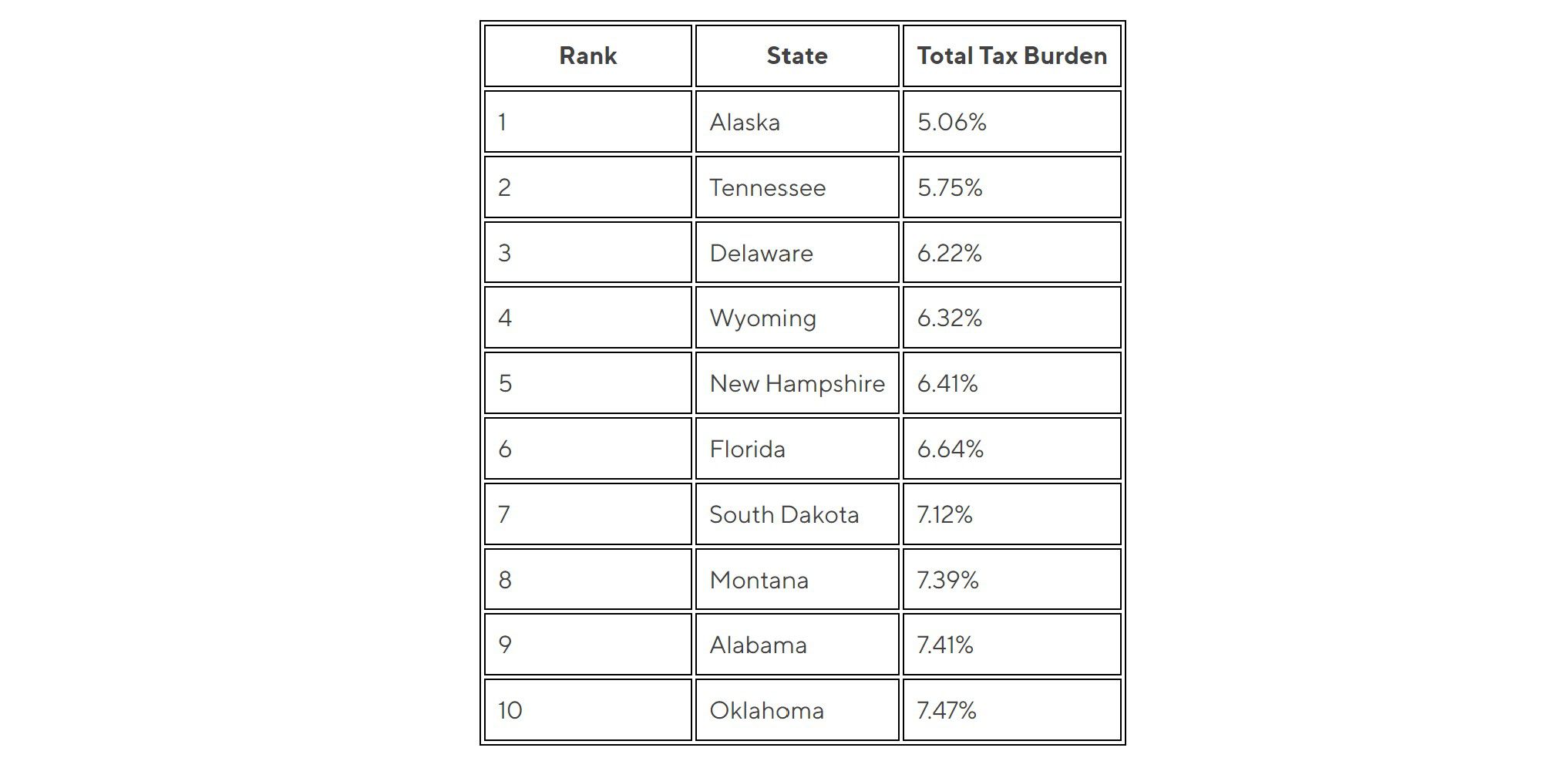
Taxes, taxes, and more taxes – they’re everywhere! An area’s total tax burden is like a giant, confusing pot of property taxes, sales taxes, excise taxes (the sneaky ones that make your shopping more expensive), and individual income taxes. Want to know where you can get a break? These states have the lowest total tax burden for retirees:
SoFi
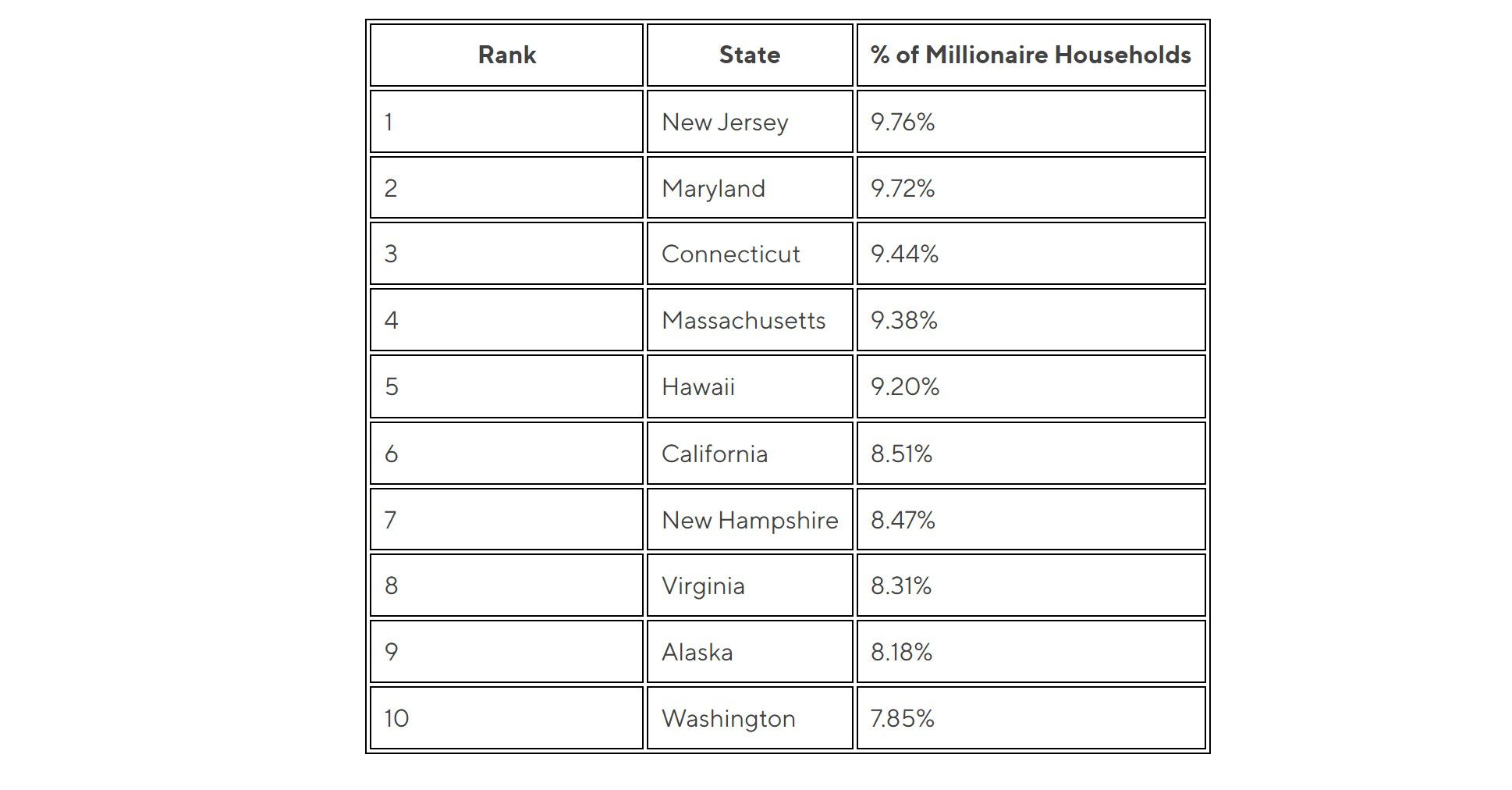
Want to know where the cool kids hang out? And by “cool kids,” we mean millionaires. This group can afford to live in places with top-notch healthcare, sun-kissed weather, and enough cultural flair to make your head spin.
Sure, these aren’t the bargain-basement spots in terms of cost of living or taxes, but hey, if it’s good enough for the millionaires, maybe it’s worth a look for the rest of us too! So if you’re making that retirement destination list, maybe add a few “nice-to-haves” alongside those “must-haves.” You never know, rubbing elbows with the rich and famous might just be your new favorite pastime!
SoFi

If you’re comfortably settled in a state with reasonable taxes, close to family, and you’re pretty happy with the way things are going, moving might not even be on your radar. Why fix what isn’t broken, right? But, if you’re eyeing a change of scenery or looking to take it easy on your wallet during those golden years, relocating could be a financial win.
Just keep in mind, though, that the cost of your new pad, groceries, getting around, and other daily expenses might end up stealing the show. Taxes might get all the attention, but these ordinary costs are often the real game-changers in your retirement lifestyle. So plan wisely, and don’t let those taxes distract you from the big picture!
shapecharge

- You could enjoy a reduced cost of living in a different area
- You might stumble upon a community filled with retirees who share your interests
- You could end up fulfilling other criteria that are important to you on your list of preferences
Ridofranz/istockphoto

- Savings on taxes might be offset by other living expenses
- Relocating isn’t cheap, and it can certainly be a stressful process
- Finding a new place to live might be tough, especially in a market that favors sellers
monkeybusinessimages / istockphoto

What states won’t touch my retirement income with taxes?
There are nine states where your retirement plan income is safe from state taxes because they don’t have state income taxes at all. They are Alaska, Florida, Nevada, New Hampshire, South Dakota, Tennessee, Texas, Washington, and Wyoming. Additionally, Illinois, Mississippi, and Pennsylvania won’t tax money from your 401(k)s, IRAs, or pensions. But be careful with Alabama and Hawaii; they won’t tax pensions but will tax your 401(k)s and IRAs.
Where should I live if I want the best tax rates?
Looking for the best deal on taxes? Alaska wins with the lowest overall tax rates.
I don’t want my 401(k) taxed when I retire. Where should I go?
You’ve got some good choices if you want to keep your 401(k) from being taxed when you retire. The states that won’t touch those funds are Alaska, Alabama, Hawaii, Florida, Illinois, Mississippi, Nevada, New Hampshire, Pennsylvania, South Dakota, Tennessee, Texas, Washington, and Wyoming.
adamkaz
Finding the best state to retire in for tax reasons is kind of like hunting for the perfect pair of shoes; it all depends on your budget, style, and what feels right. Some states might lure you in with those tempting low taxes, but then they’ll get you with pricier homes and transportation.
So, is packing up and chasing those tax benefits worth the fuss? It’s like asking if you should get those shoes in both colors. A chat with a financial advisor might help you figure it out. They’ll help you see if those tax savings will dance in harmony with your life, or if they’ll just step on your toes. Either way, it’s worth a good look before you make your move.
shapecharge

Are you bored in retirement? Check out these cheap hobbies that will engage your body & mind
- 10 of the greatest, most sought-after Chevy models of all time
- 10 of the wildest UFO stories we’ve ever heard
Like MediaFeed’s content? Be sure to follow us.
Rawpixel / istockphoto
Featured Image Credit: Moon Safari/istockphoto.