Who doesn’t like a bit of extra cash in their pocket? And earning money from spending you’re already doing is arguably even better. If you prefer cash-back rewards with your credit cards, a card that features a 2% cash back flat rate — meaning 2% back on all purchases — can be a solid way to reap rewards.
Let’s go over the ins and outs of what 2% cash back actually means, as well as the pros and cons of a 2% cash-back credit card, to help you determine whether it’s worth your while.
What Is Cash Back?
Cash back is a form of reward that cash-back credit cards offer that allows you to earn money back on purchases you make. Other examples of credit card rewards include points or travel miles.
With a flat-rate cash-back card, all of your purchases earn the same amount in cash back. Other credit card issuers might offer higher cash-back rates on certain spending categories, such as on gas or groceries.
Meanwhile, some may feature rotating bonus categories to give your rewards-earning abilities a boost. For example, you might earn 5% cash back in the fall months on purchases made at restaurants and on gas.
You can redeem the cash-back rewards you earn in the form of a check, bank transfer, or gift card, or as a statement credit. Other options might include making a charitable donation or making a purchase through the issuer’s online portal. Depending on the credit card, there might be a spending threshold you need to meet before you can redeem your cash-back rewards.
What Is 2% Cash Back?
If you’re wondering, ‘What does 2% cash back mean exactly?,’ here’s how it works. Earning 2% cash back simply means that for every $100 you spend on your credit card, you’ll get $2 back. So if you were to spend $1,000, that’s $20 back in your pocket — though you’ll then have to redeem that cash back in order to make the rewards usable.
How 2% Cash-Back Credit Cards Work
As mentioned previously, having a 2% cash-back credit card means you’ll earn 2 cents back for every $1 you spend using the card, or $2 for every $100, and so forth.
There might not be a limit to how much you can earn in cash back. However, in other cases, the card may cap the amount of cash-back rewards you can earn for either regular spending or spending in bonus categories.
Pros and Cons of 2% Cash Back
While a 2% cash back card does come with some advantages, there are some drawbacks as well. Let’s take a look at both:
Pros
- Easy to use: A major benefit of a 2% cash-back credit card is that the rules are simple: You spend money, and get a certain amount back. Plus, redeeming rewards is usually pretty straightforward, and you have a choice of how to do so.
- Can rack up rewards quickly: If you use your credit card for everyday purchases, you’ll accrue rewards fairly fast. Of course, only put everyday purchases on your card if you can afford to pay them off, and always use your card responsibly, considering what a credit card is and the implications overspending can have for your credit score.
- Often no annual fee: Many cash-back cards don’t have an annual fee. That means you won’t need to worry about spending enough to offset the fee.
Cons
- Higher APRs compared to non-rewards credit cards: While your annual percentage rate (APR) on a card partly depends on your credit and other financial factors, rewards credit cards like cash-back cards tend to carry higher interest rates. If you keep a balance on your account, you can expect to pay a pretty penny in interest, given how credit cards work.
- Earning caps may apply: While some credit cards allow you to earn unlimited cash-back rewards, others place a limit on how much you can earn. If you’re looking to max out your rewards potential, a cap could make that harder to do.
- Don’t often offer travel rewards or perks: If you’re hoping to earn rewards that apply to travel, such as airline trips or hotel stays, a cash-back credit card likely isn’t the form of rewards credit card for you. While some cards may offer travel redemption options, most don’t, and many also charge foreign transaction fees.
Is a 2% Cash Back-Credit Card Worth It?
Whether a 2% cash-back credit card is worth it really depends on how you’ll use the credit card. This includes what types of purchases you’d like to make, and if you plan on using your card for bills and everyday expenses, such as gas and groceries. If you use the credit card regularly, you’ll be able to earn a greater amount of cash-back rewards.
However, you’ll also want to balance that spending with sticking to important credit card rules, like not spending more than you can afford to pay off. Because rewards credit cards tend to have higher interest rates, it’s important to avoid carrying a balance so you don’t cancel out the cash back you earn.
A cash-back rewards card might not be worth it if you prefer to use your credit card rewards for travel. In that case, a travel rewards credit card typically will offer more lucrative ways to earn points or miles to use on trips.
Guide to Using a 2% Cash-Back Credit Card
If you get a 2% cash-back card, here are some tips to keep in mind to use it effectively:
- Read the redemption rules. Familiarize yourself with credit card requirements, and see if there are any limits on how much cash back you can earn. Similarly, check if you need to hit a minimum amount in cash-back earnings before you can redeem those rewards.
- Be intentional with your purchases. Devise a plan for how you intend to use your cash-back credit card. Perhaps you would prefer to use it on big-ticket items, or maybe on seasonal purchases, such as during the holidays or back-to-school season. This will help you make the most of your card.
- Choose how you’ll receive your rewards. You’ll also want to decide whether you plan on receiving the cash-back in the form of an ACH transfer to your account, as statement credit, or as a check dropped in the mail. You also might be able to use your rewards by making online purchases through the credit card’s shopping portal, or by purchasing gift cards or donating to charity.
Maximizing 2% Cash-Back Earnings
If you have a cash-back credit card, it’s worth your while to take the time to determine how to maximize your earnings. Here are several ways to do so.
Use Your Card For Everyday Purchases and Bills
Consider using your cash-back card on major spending categories to earn the most on rewards. For example, if you spend $4,500 a year on food for you and your family and put all of your groceries and dining expenses on your card, you’ll get $90 in cash-back on just that spending alone.
You might also consider putting your recurring bills and subscription services on your credit cards. This will allow you to scoop up points in areas you already spend.
Just make sure you aren’t spending beyond your means. Keep an eye on your expenditures, and commit to paying off your balance in full each month.
Put Big-Ticket Buys on Your Card
If you’ve been saving up for a sleek new laptop or coveted designer shoes, consider putting that cost on your 2% cash-back card. That way, you can get the item and earn a bit of cash back on the purchase.
Your card may even come with added perks, such as purchase protection or an extended manufacturer’s warranty.
Look for a Card With No Annual Fee
A card without an annual fee means you won’t need to spend as much to make the cash-back rewards worthwhile. Case in point: If you get a card with a $40 annual fee, you’ll need to put $2,000 in purchases to break even at a 2% cash-back rewards rate.
Pay Off Your Balance in Full Each Month
As cash-back credit cards tend to have higher APRs, make it a point to pay off your card in full. This will help you avoid racking up interest charges, which can cut into the cash-back rewards you earn.
Strategize When You’d Like to Redeem Your Cash Back
To maximize your 2% cash-back rewards card, it helps to be intentional with how you choose to redeem your cash-back rewards as well as when you do so. For instance, if you tend to dig a debt hole during the holidays, use your rewards to pay for gifts and other related expenses. Or, you can put the rewards you’ve accumulated toward a statement credit, or redeem it for a gift card for your loved one.
The Takeaway
Whether a 2% cash-back credit card is right for you may depend on a few considerations, such as how often you plan to use the card, whether you may purchase higher-priced items with it, and if you plan to pay off the balance in full each month. It’s also important to understand all of the rules that apply to the credit card. Some cards have limits on how much you can earn in cash back or have annual fees that could cut into the value of your rewards.
A 2% cash-back credit card that’s used regularly, however, can provide you with a steady stream of extra cash that could benefit your budget, and you can also be strategic about how you redeem the rewards depending on your needs at a given time.
This article originally appeared on SoFi.com and was syndicated by MediaFeed.org.
Financial Tips & Strategies: The tips provided on this website are of a general nature and do not take into account your specific objectives, financial situation, and needs. You should always consider their appropriateness given your own circumstances.
The SoFi Credit Card is issued by SoFi Bank, N.A. pursuant to license by Mastercard® International Incorporated and can be used everywhere Mastercard is accepted. Mastercard is a registered trademark, and the circles design is a trademark of Mastercard International Incorporated.
New and existing Checking and Savings members who have not previously enrolled in direct deposit with SoFi are eligible to earn a cash bonus when they set up direct deposits of at least $1,000 over a consecutive 25-day period. Cash bonus will be based on the total amount of direct deposit. The Program will be available through 12/31/23. Full terms at sofi.com/banking. SoFi Checking and Savings is offered through SoFi Bank, N.A. Member FDIC.
SoFi members with direct deposit can earn up to 4.00% annual percentage yield (APY) interest on Savings account balances (including Vaults) and up to 1.20% APY on Checking account balances. There is no minimum direct deposit amount required to qualify for these rates. Members without direct deposit will earn 1.20% APY on all account balances in Checking and Savings (including Vaults). Interest rates are variable and subject to change at any time. These rates are current as of 3/17/2023. Additional information can be found at sofi.
More from MediaFeed:
9 ways stores trick you into spending during the holidays

For years the holiday shopping season kicked off on the day after Thanksgiving, aka Black Friday. Now retailers have started to offer deals as early as Nov. 1.
The National Retail Federation reports that these “Black November” specials, both online and in stores, focus heavily on typical gift categories like electronics, clothing and toys.
Super-early shopping is a new way for retailers to part consumers from their dollars. The stakes are huge: The NRF predicts spending to reach as high as $730.7 billion during November and December 2019.
Here are nine other ways stores can trick us into spending.
DepositPhotos.com

As noted above, deals launched as early as Nov. 1. But the period from Thanksgiving Day through Cyber Monday encompasses some of the busiest shopping days of the year. In 2018, an estimated 165 million consumers spent an average of just over $313 each during that five-day span.
Journalists, shopping websites (some devoted solely to Black Friday) and social media influencers report on the lowest prices and hottest trends. Getting the best deal is “a sport” for some consumers, according to shopping expert Trae Bodge.
“But not everything that’s on sale over Black Friday/Cyber Monday is the deepest discount you’re going to see,” says Bodge.
Electronics and beauty items are deeply discounted during that five-day period. However, Bodge says that children’s items like toys and bicycles generally cost less in December.
PeopleImages

Seasonal decorations. Nonstop holiday music. Red or green vests and maybe even reindeer antlers on store associates. Shopping bags with holiday designs or slogans. Special holiday foods, with free samples. Toys everywhere you look, even in the automotive section.
“We try and create an ambience that’s completely immersive,” says Georganne Bender, a retail expert and industry consultant.
Shopping even smells different in November and December. Customers get whiffs of scents like pine needles, oranges and cinnamon via in-store fragrance machines – and not just to get us in the holiday spirit.
“The sense that is most tied to our memories is our sense of smell,” Bender says. When we remember childhood celebrations, we’re often spurred to create picture-perfect holiday memories for our own loved ones.
Depositphotos

You go to Store X for the $199.99 big-screen television. But while you’re there, you can’t help noticing a display of $89 tablets, or the bin full of $7.99 Blu-ray movies. Suddenly your cart gets a lot fuller.
Another tactic is called “cross-merchandising.” Retailers place items in unexpected places – for example, scented candles and inexpensive jewelry near the cash registers – to encourage you to grab an extra gift for someone on your list.
Or you’ll see displays that make absolute sense, such as cranberry sauce, jarred gravy, stuffing mix, cans of pumpkin, gingerbread house kits and disposable foil pans displayed right next to the freezer with all the turkeys. Normally you’d have to walk through multiple aisles to get all these things.
These “merchandise outposts” encourage extra purchases, Bender says. You might have come in to buy just the loss-leader turkey, but decide to get everything else while you’re at it, regardless of whether or not those items are also on sale.
Other merchandise outposts will be set up right in the middle of a store’s widest aisles, “where you can’t miss them,” she says. Maybe you came in to buy flashlight batteries and pet food, but when you see a display of gift baskets you remember you need something for the office gift exchange.
Again, it might not be the best price, but it’s convenient, so you buy it.
DepositPhotos.com

Getting one thing absolutely free sounds a lot better than “get 50% off each of two items,” doesn’t it?
Sometimes this can work in your favor. For example, if you planned to buy a teddy bear for your youngest kid, getting an additional one means a second gift – for that child or someone else – that you don’t have to pay for.
However, if the quality of the toy isn’t as good as you hoped, you now have two substandard bears. Another possibility: This isn’t the best price on stuffed toys (or whatever you’re buying), so you spend more than you’d planned.
And sometimes all you need is one toy or one perfume set.
“I don’t appreciate being pushed into buying a higher quantity than I want,” Bodge says.
Depositphotos
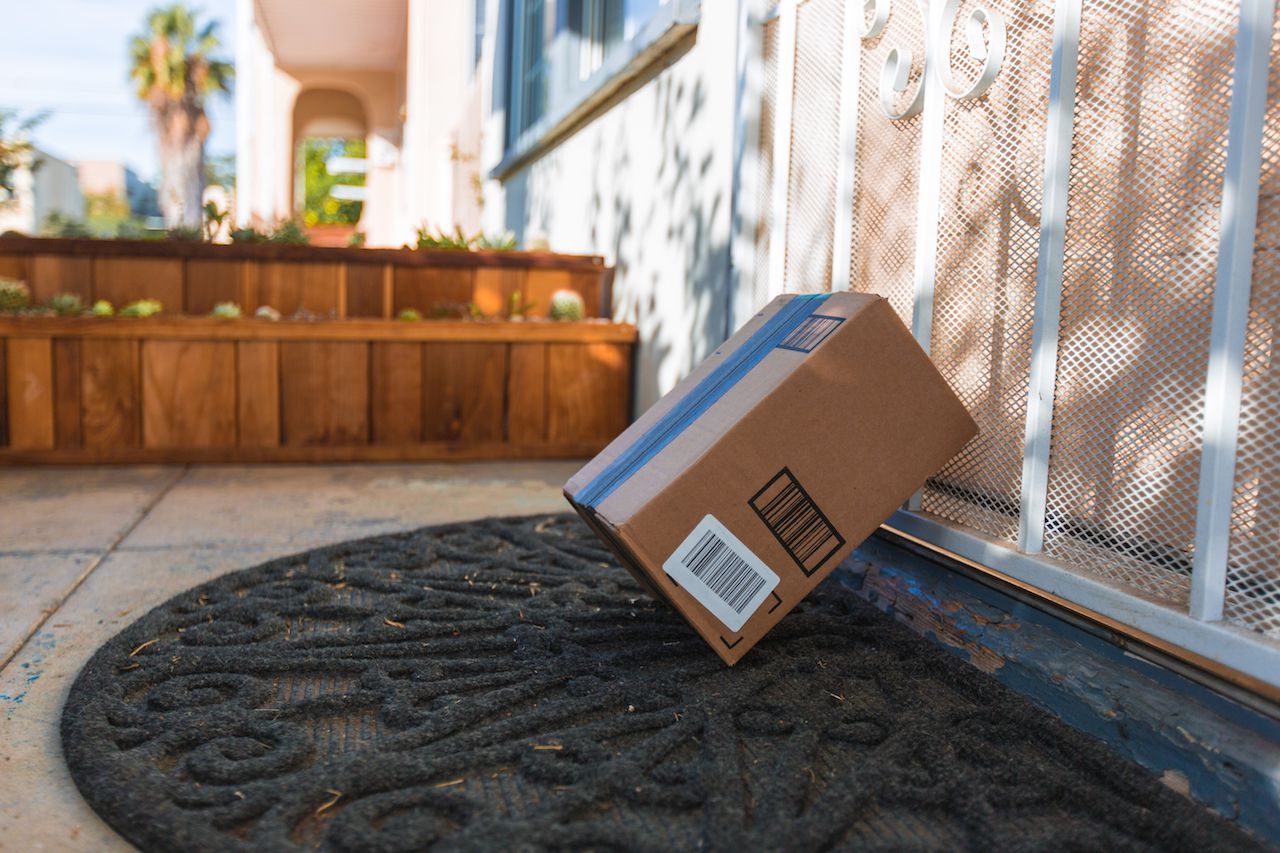
Free shipping is generally available year-round if you spend a certain amount. Come the holidays, “we’ll see that shipping threshold disappear,” Bodge says.
While it’s nice to get something sent for free, that’s not necessarily a good reason to buy. You might find a better deal elsewhere. And if you don’t, here are a couple of possible workarounds:
-
Free Shipping Day, when some retailers offer delivery by Christmas Eve; this year, it’s on Dec. 14
-
If your Amazon order comes in just under the $25 minimum for free shipping, sites like Filler Item Finder and CheapFiller.com will help you make up the difference. For example, if you’re at $24.45 you could add a 55-cent light switch plate cover. Even if you don’t need one, it’s still cheaper than adding an unnecessary item, or paying for shipping.
Jorge Villalba

Fear of missing out, or FOMO, sometimes leads people to buy without thinking things through. For example, a retailer might offer gift cards to its first 200 customers on a given day. Suppose you receive a $10 card and use it on a planned $25 purchase.
You saved $10, but, that discount could also lead to overbuying: I was only going to spend $25, but there’s this really cool thing that’s only $45 and with my gift card it’s only $35.
Except now you’re $10 over your gift budget. You didn’t save $10 – you overspent by $10.
Another example is short-term “lightning deals” on Amazon. These can be more stressful than empowering because they create “the feeling you have to be online all the time,” according to Bodge.
Check out our list of 40 freebies, discounts and deals for Amazon Prime members.
“Getting a good deal should not be a full-time job,” she says.
And speaking of jobs: Yours could be in jeopardy if the boss catches you obsessively checking for deals.
nicoletaionescu / istockphoto

Some retailers have reinstituted the old tradition of “layaway,” in which you put down a deposit and make payments until the purchase is paid in full. Buy-now-pay-later companies like Afterpay and Klarna are also making it possible to stretch out the cost over time.
Sounds great, right? Especially if you’re on a tight budget, or don’t have a credit card.
But since relatively few retailers offer layaway, your shopping options are limited. If you miss a payment you could be charged a fee. And if you don’t pay it off in time, you’ll likely have to pay a cancellation fee (possibly as high as 20% of the purchase, depending on where you shop), and you might get a store gift card rather than a cash refund.
artiemedvedev / istockphoto

This is particularly effective on Black Friday, when stores serve coffee and doughnuts to early-bird shoppers, according to Bender: “When you feed people at a promotional event, they generally stay longer and spend more money.”
zoff-photo / istockphoto

Some people are tempted to buy lingerie or beauty supplies because of the promise of a freebie. But is the extra gift needed? Is it worth the amount you spent on the first gift? While it might be a good deal for someone else, is it a good deal for you?
This is especially true if the free item is a gift card. The retailer might specify that the card can’t be used until after the holidays, which means you can’t use it to boost your gift budget. And it’s not likely that the free card will have a high enough value to buy something you actually need, so you’ll have to fork over some cash to redeem it.
Note, too, that this “gift” can’t be used anywhere else.
“You may walk away with something free,” says Bodge, “but it brings you back into the store.”
This article originally appeared in Policygenius and was syndicated by MediaFeed.org.
Bobex-73 / istockphoto
Featured Image Credit: RichVintage/istockphoto.