Buying a house at auction could be a great opportunity to scoop up a deal on a property. When homes are auctioned off, either due to foreclosure or other reasons, the highest bidder gets the property. Once the property is yours, you could move in, rent it out, or fix and flip it.
How does a house auction work? In terms of the mechanics, they’re not that different from other types of auctions. If you’ve ever been to an estate auction or charity auction, for example, then you might already have an idea of what to expect. But the dollar amounts are likely higher than you would encounter in a typical auction, so if you’re considering buying a house at auction, it’s wise to study the landscape before you start. Here’s what you need to know.
What Are House Auctions?
An auction is a sale that’s open to the public in which something is sold to the highest bidder. House auctions are regulated by state laws. An auction house or company can run the auction on behalf of whoever owns the home, which may be a bank, lender, or individual. How does an auction house work? Auction companies typically get a share of the sale proceeds in exchange for running the auction.
Real estate auctions can save buyers the time and stress of house-hunting for weeks or months on end. If you’re paying cash for the home — and most auction winners do — you don’t have to go through the home mortgage loan process either.
Why Are Some Houses Sold at Auction?
There are different reasons why a home may be sold at auction, but it’s often due to financial hardship on the part of the owner. For example, a home could be auctioned for sale if the owner:
- Defaulted on the mortgage payments and the home is in foreclosure
- Agreed to a short sale with the bank in order to avoid foreclosure
- Failed to make property tax payments
- Had their property seized as part of a government forfeiture
- Didn’t pay homeowners association fees as agreed
In other instances, a homeowner may decide to put a property up for auction simply to unload it quickly. If someone inherits a home, for instance, they might decide to auction it off so they can walk away with cash in hand rather than listing the property on the market and waiting for it to sell.
How Do Auctions Work?
How does an auction work for a house? It’s not that different from any other type of auction. The auction company can announce the date and time of the auction beforehand, giving prospective bidders a chance to research the details of the property. People place bids on the property, either in person or online, by a prearranged deadline, and the person submitting the highest bid wins.
Types of Auctions
House auctions can be absolute, minimum bid, or reserve. How the auction is structured can depend on the seller’s preferences. Here’s how each type of auction works.
- Absolute auction. In an absolute auction, the property is sold to the highest bidder. Unless there are no bidders at all, a sale is guaranteed.
- Minimum bid auction. In a minimum bid auction, the auction company sets a minimum bid amount. Bidders must then submit starting bids that are equal to or above that amount.
- Reserve auction. In this scenario, a minimum bid is not published but the seller reserves the right to reject any bids that don’t meet their reserve price — sometimes as much as several days after the auction concludes. This means there is no guarantee that the property will actually be sold, even to the highest bidder.
House auctions can be held online or in person. The format may depend on the auction house or again, the seller’s preferences.
Most auctions, including house auctions, also involve a buyer’s premium in addition to the so-called “hammer price” (the winning bid). The buyer’s premium is typically a percentage of the hammer price, usually under 10%. The premium is not part of your bid, but you should know what it is and factor that into your overall budget for bidding so that you don’t exceed your resources.
Types of Bids
In addition to there being different types of house auctions, there can also be different types of bids. The seller has the option to choose whether they’d like bids to be blind or open.
- Blind bids. In a blind bid auction, bids are not disclosed. In other words, you won’t know what the person next to you is bidding. This type of bidding requires buyers to be able to make an educated guess in order to avoid overpaying for a property.
- Open bids. In an open bid auction, bidders can see what price everyone else is offering for a property. This type of arrangement offers transparency and makes it less likely that you’ll overbid, however, it can lead to a bidding war if there’s a lot of competition for a property.
If you’re researching how buying a house at auction works, it’s important to know which type of bid arrangement the auction house uses beforehand. Otherwise, you could end up in a situation where bidding gets tricky and you risk going over budget or losing the property.
How Much Should I Bid?
There is no simple answer to this question, as the amount you’ll need to bid to win a house at auction can depend on the terms of the auction itself. If you’re in a minimum bid auction, for instance, then you’ll need to bid at least enough to meet the seller’s base requirements. However, you may need to bid well above the minimum to win the auction.
Doing your research before auction day can help you get a better idea of how much to bid on a house at auction. If you know, for example, that there’s still $100,000 remaining on the mortgage of a foreclosed home then you might set that amount as your maximum bid if there is no minimum.
However, you’d also want to know what the home is worth. If the property’s appraised value is only $70,000, then you’d likely want to adjust your maximum bid down. The more you know about the property, the easier it becomes to establish your minimum and maximum thresholds for bidding.
Example of a House Auction
How does buying a house at auction work in real life? Again, it can depend on several factors, including the state the auction is being held in, the auction company that’s being used, the seller’s preferences, and the home itself. Here’s an example of what an absolute, open-bid auction might look like.
You, along with other prospective buyers, are bidding on a home with no minimum. You know from your research that the property has an appraised value of $80,000 so you decide your maximum bid will be $70,000. Another buyer makes an opening bid of $30,000, which is followed by bids of $35,000, $42,000, $53,000, and $60,000 from the remaining bidders.
At this point, you decide to bid $63,000, which is still under your maximum bid threshold. As the auction continues, buyers one and two stop making new bids. Buyer three counters with $65,000 and you bid $67,000. Buyer three bumps their bid to $69,000, which prompts you to go to $70,000.
If there are no more bids, then you win the property and move on to the next step, which is to arrange payment with the auction company. If buyer three counters with $72,000, you’d need to decide if you want to go above your maximum bid or let the property go.
Buying a House at Auction: In Person vs. Online
Auction companies can host home auctions in person or online. The process is still largely the same, though there are some differences to know.
In Person
At an in-person auction, you and other interested bidders will meet at an appointed date, time, and place to make your bids. An auctioneer will run the auction and accept bids, according to the seller’s preferences. Should you win an in-person home auction, you’ll need to make arrangements for payment that day.
Attending an in-person auction can be more stressful if you’re in an open bidding situation and it starts to get competitive. You might be driven by emotion to make a bid that you otherwise wouldn’t if you felt less pressure to secure a particular property.
Online
Online house auctions also require you to show up at an appointed day and time to place your bids but you’re able to do it from the comfort of home or wherever you happen to be at the moment, as long as you have a strong internet connection. You and other buyers can make bids on the property and again, the winner gets the home.
Buying a house at auction online may be more convenient if you’re not able to go to the auction site in person. You could bid on homes on your lunch break at work or while you’re waiting in the carpool line to pick up kids from school. You may feel less pressure since you’re not surrounded by other eager buyers shouting out bids.
How to Find Real Estate Auctions
There are several ways to find real estate auctions near you, starting with an online search. You can visit real estate auction websites and filter for properties near you by your current location. Auction websites may also allow you to filter by property type or opening bid so you can narrow down your search to find properties that fit your budget. The number of properties available is driven in part by foreclosure rates in each state.
You can also look for home auctions near you using other means, including:
- Craigslist
- Local newspaper advertisements
- County treasurer or tax assessment notices online
- County court websites
If you know a local real estate agent, you might also contact them to ask if they know of any upcoming property auctions. Finally, you can ask around with friends, family, or coworkers to see if anyone in your circle has a lead on a home that may be going up for auction.
What Bidders Need to Know
Before buying a house at auction, there are a few rules to be aware of. If you’re a first-time homebuyer or investor, here’s what you’ll need to know.
- You don’t need a real estate agent to buy a house at auction, though it might be helpful to talk to one informally about how the auction works or the details of a home you’re interested in.
- Houses sold at auction are usually as-is, meaning that if you buy a home that needs repairs, you’re responsible for making them.
- Depending on the reason for the auction and who the seller is, you may not be able to get a full home inspection (or any inspection) before buying.
- You may need to bring cash to the auction house to make a down payment or pay in full for any properties you win.
- If you’d like to attend a house auction online, you may first need to demonstrate to the auction company that you’re a qualified, legitimate buyer.
- Failing to follow through on the purchase after winning can result in the loss of any down payment or deposit you’ve made and you could also be barred from participating in future auctions.
It’s usually a good idea to read through the auction company’s policies beforehand so you know what obligations you have in attending the auction and if you win a bid.
Pros and Cons of Real Estate Auctions
Should you buy a house at auction? There are some advantages and disadvantages involved. On the pro side, you could buy a home for much less than what you could purchase one for on the open market. Homes that sell at auction may sell for below their appraised value, which could make it easier to find a bargain on a property. That might appeal to you if home prices are where you live have put home buying out of reach.
How much money you can save when buying a house at auction can depend on how motivated the seller is to get rid of it as well as the overall demand for properties in that area. When you compare the cost of living by state, the cost of living in California is much higher than other areas, largely because of how competitive the housing market is.
In terms of the downsides, most homes at auction are sold as-is. You run the risk of buying a home that looks like a great deal on paper, only to find out that it needs extensive repairs in order for it to be livable. If you’re trying to make some quick money with a fix and flip investment, for example, the final profit may fall short of your goals.
Another concern is ensuring a clear title on the property, particularly if it is in foreclosure or bank-owned. Order a title report on the property and look for secondary mortgage or tax liens. Sometimes the auction agreement will make the buyer responsible for these costs, so it’s a good idea to read the agreement carefully and to buy title insurance as well.
Unless the auction house offers a financing option, you’ll need to have cash on hand to complete the purchase. Coming up with tens of thousands of dollars to buy a home in cash may not be realistic for the average buyer. Last but not least, house auctions aren’t guaranteed. You’ll still need to go through escrow and closing on the property and, during that time, if the original homeowner is able to work out an agreement with the lender or bank that allows them to keep the home, your efforts to try to buy it could come to nothing. Think of winning a house auction as winning the right to buy the house, not winning the house itself.
Tips to Buying Auction Homes
If you’re interested in how to buy a foreclosed home or bank-owned property at auction, it pays to do your research as mentioned. For example, you might ask these questions before the auction.
- Why is the home being sold?
- Is it a foreclosure or bank-owned?
- Will I be able to inspect the property beforehand or is it being sold as-is?
- What type of auction is it and are bids open or blind?
- How much cash will I need to bring? How much would I need to have easily at hand in the event that I have the winning bid?
- Does the auction house allow financing?
- What happens if the owner is able to reclaim the property?
The other tip to keep in mind is to know what you can comfortably bid, based on your budget. A real estate agent can also give you some valuable insight into the condition of the local housing market, which may make it easier to identify a good or bad buy.
If you go into a house auction without a firm limit set, it’s easy to go over budget and potentially end up paying too much for a property.
Risks of Buying Houses at House Auctions
House auctions are not risk-free, as you’re not always guaranteed total transparency. Some of the biggest risks to be aware of include:
- Buying a home as-is, only to find out it needs a lot of work to make it livable. Big-ticket problems that may not be immediately visible might include mold, a defective septic system, or electrical problems.
- Getting caught in a bidding war and paying too much for a property
- Tying up all of your cash in an investment property that may take months to become profitable
- Having your bid superseded if the homeowner is able to work out a last-minute agreement with the bank or lender
Being aware of the risks can help you to decide if buying a house at auction is right for you. And remember that there are other ways to invest in property, without having to own it directly. For example, you might collect dividends from a real estate investment trust (REIT), hold real estate mutual funds or exchange-traded funds (ETFs) in your brokerage account, or buy property alongside other investors through a real estate crowdfunding platform. If you are open to investing in commercial real estate, real estate options contracts are, well, another option.
The Takeaway
If you’re interested in how to buy a house on auction for yourself, it’s important to know what the risks are and what the process involves. At the end of the day, you might find that it’s easier to go the traditional route for buying a home.
This article originally appeared on SoFi.com and was syndicated by MediaFeed.org.
SoFi Loan Products
SoFi loans are originated by SoFi Bank, N.A., NMLS #696891 Opens A New Window.(Member FDIC). For additional product-specific legal and licensing information, see SoFi.Equal Housing Lender.
SoFi Mortgages
Terms, conditions, and state restrictions apply. Not all products are available in all states. See SoFi for more information.
*SoFi requires Private Mortgage Insurance (PMI) for conforming home loans with a loan-to-value (LTV) ratio greater than 80%. As little as 3% down payments are for qualifying first-time homebuyers only. 5% minimum applies to other borrowers. Other loan types may require different fees or insurance (e.g., VA funding fee, FHA Mortgage Insurance Premiums, etc.). Loan requirements may vary depending on your down payment amount, and minimum down payment varies by loan type.
Financial Tips & Strategies: The tips provided on this website are of a general nature and do not take into account your specific objectives, financial situation, and needs. You should always consider their appropriateness given your own circumstances.
More from MediaFeed:
The states where foreclosures are spiking

Foreclosures are once again on the rise this quarter, returning to levels not seen since the expiration of foreclosure moratoriums over two years ago. According to property data provider ATTOM , the number of housing units with foreclosure filings in September was 37,679, an 18.4% increase from the previous year. Despite the current economic upturn, many homeowners are still struggling to deal with the financial fallout from the pandemic.
With the U.S. median home price hovering around $394,300, home ownership is becoming increasingly challenging for new buyers and existing owners alike. Experts believe that high mortgage interest rates are worsening the crisis, with the interest rate for a 30-year fixed mortgage lingering near 7.79% as of October 26th. This represents a week-over-week increase of 0.16% and a year-over-year increase of 0.85%.
The Federal Reserve has been raising interest rates to battle inflation, but these hikes are also causing mortgage rates to rise, making it more expensive to finance a home or refinance an existing mortgage. Borrowers should stay up to date on their mortgage payments and work closely with their lenders to explore options for assistance if needed.
Read on for the foreclosure rates in September 2023 – plus the five counties, or county equivalents, with the highest rates within those states.
damircudic/istockphoto
As previously noted, foreclosure rates increased substantially compared to last month and to last year. Read on for September foreclosure rates for all 50 states — plus the District of Columbia — beginning with the state that had the lowest rate of foreclosure filings per housing unit.
Related: The safest cities in the US
DepositPhotos.com
Ranking in population between Vermont and Alaska, the country’s second-and-third-least populous states, Washington, D.C. observed 143 foreclosures in September, up nearly 96% from the previous month. With a total of 344,306 housing units, the foreclosure rate of the Nation’s Capital was one in every 2,408 households, putting it in between the states of Delaware (#4) and New Jersey (#5).
DepositPhotos.com

In 49th place for population, the Green Mountain State ranked 50th yet again for its foreclosure rate this month. Of the state’s 333,519 housing units, four homes went into foreclosure at a rate of one in every 83,380 households. Only two counties in Vermont saw foreclosures. The counties with the most foreclosures per housing unit were (from highest to lowest): Washington and Windsor.
” DonLand”
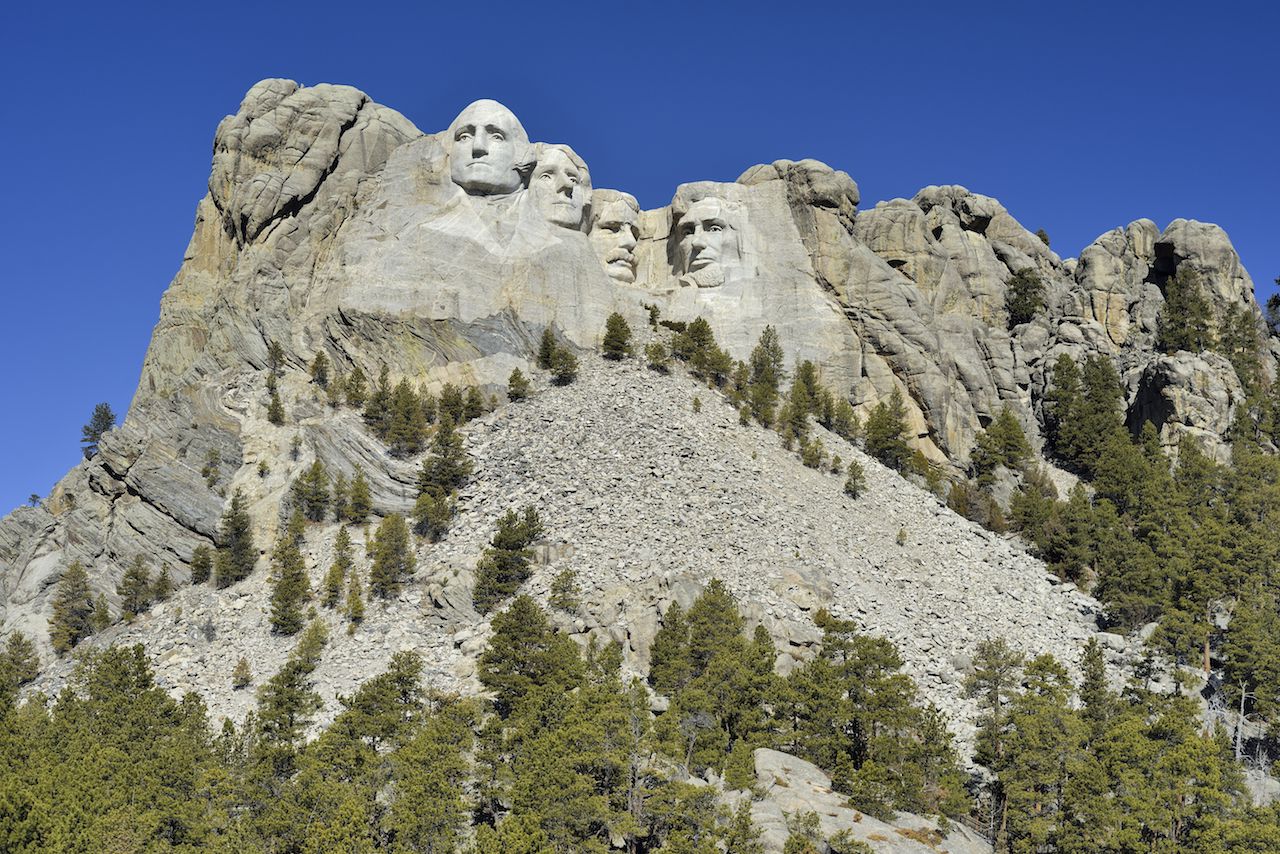
The Mount Rushmore State nabbed the 49th spot for the third month in a row. Having 388,373 total housing units, the fifth-least populous state had a foreclosure rate of one in every 21,576 households with 18 foreclosures. The counties with the most foreclosures per housing unit were (from highest to lowest): Fall River, Codington, Pennington, Minnehaha, and Brown.
RiverNorthPhotography

Ranked 34th in population, the Magnolia State experienced 117 foreclosures out of 1,317,375 total housing units. This puts the foreclosure rate at one in every 11,260 homes and into the 48th spot this month. The counties with the most foreclosures per housing unit were (from highest to lowest): Issaquena, Calhoun, Jefferson, Itawamba, and Noxubee.
stevegeer

Ranked 39th in population, the Mountain State claimed the 47th spot in September. It has a total of 859,437 housing units, of which 77 went into foreclosure. This means that the foreclosure rate was one in every 11,162 homes. The counties with the most foreclosures per housing unit were (from highest to lowest): Hancock, Raleigh, Marion, Randolph, and Kanawha.
hkim39 // istockphoto

Listed as 44th in population, the Treasure State rated 46th for highest foreclosure rate this month. With 46 foreclosures out of 512,553 housing units, Montana’s foreclosure rate was one in every 11,142 homes. The counties with the most foreclosures per housing unit were (from highest to lowest): Prairie, Granite, Roosevelt, Richland, and Carbon.
Depositphotos.com
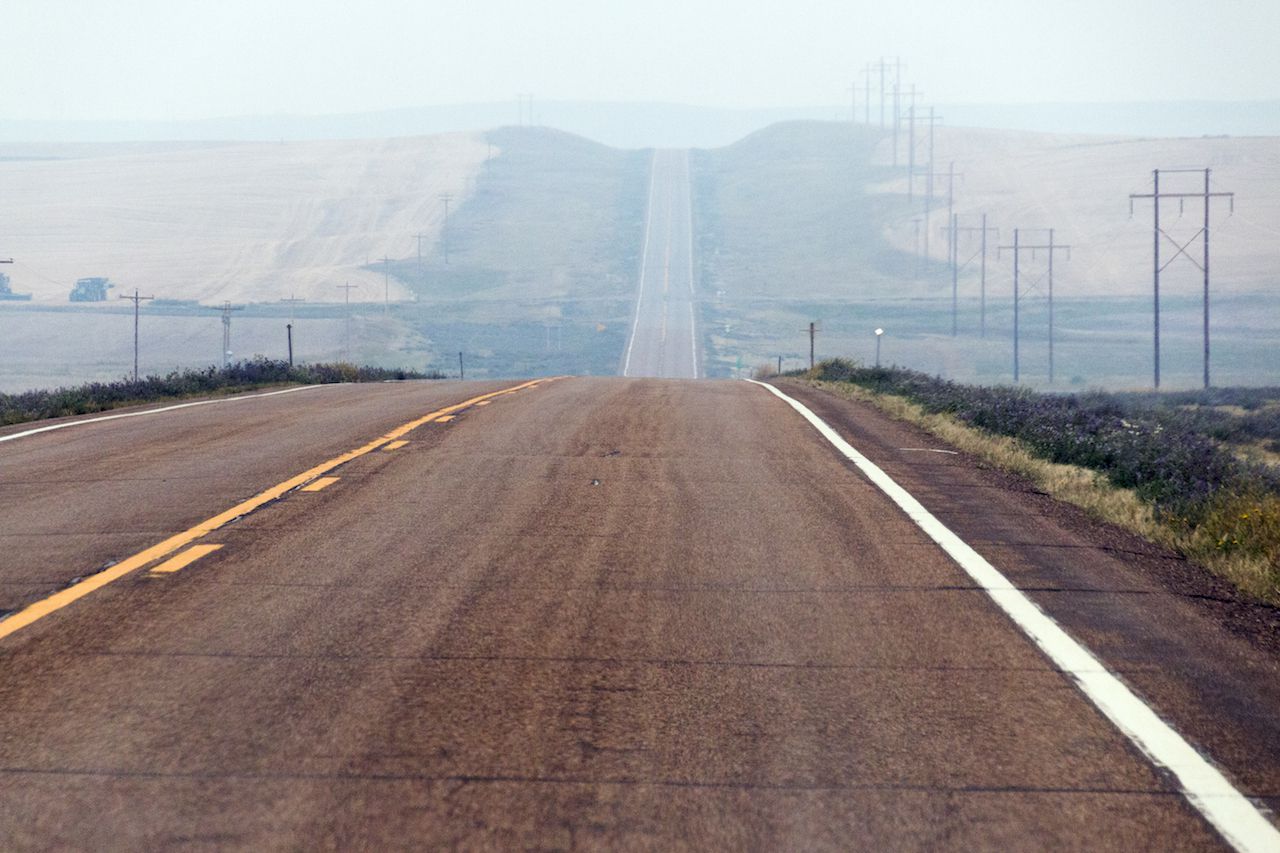
The Peace Garden State’s foreclosure rate was one in every 10,575 homes. This puts the fourth-least populous state — with 370,111 housing units and 35 foreclosures — in 45th place. The counties with the most foreclosures per housing unit were (from highest to lowest): Divide, Pierce, McHenry, Ward, and McKenzie.
sequential5
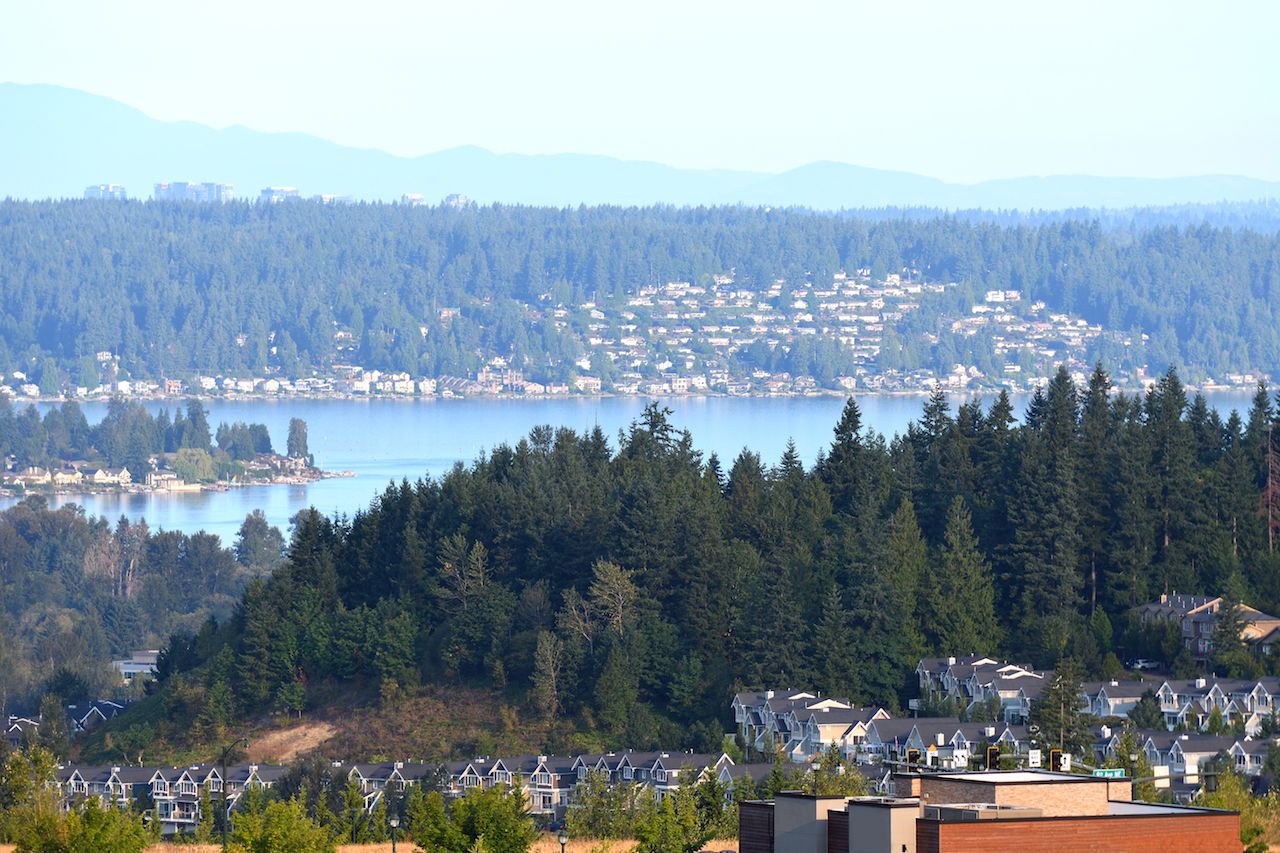
Sorted as 13th in population, the Evergreen State ranked 44th yet again for its foreclosure rate this month. Of its 3,170,695 housing units, 324 went into foreclosure, making the state’s foreclosure rate one in every 9,786 households. The counties with the most foreclosures per housing unit were (from highest to lowest): Garfield, Pacific, Columbia, Skagit, and Asotin.
4nadia

The 27th most populous state ranked 43rd for highest foreclosure rate in September. Of the Pacific Wonderland’s 1,798,864 homes, 189 went into foreclosure, making for a foreclosure rate of one in every 9,518 homes. The counties with the most foreclosures per housing unit were (from highest to lowest): Jefferson, Grant, Lake, Josephine, and Baker.
HaizhanZheng

The Sunflower State ranked 42nd for highest foreclosure rate this month. With 1,272,290 homes and a total of 137 housing units going into foreclosure, the 35th most populous state’s foreclosure rate was one in every 9,287 households. The counties with the most foreclosures per housing unit were (from highest to lowest): Lane, Wichita, Marshall, Morton, and Logan.
Tiago_Fernandez / istockphoto
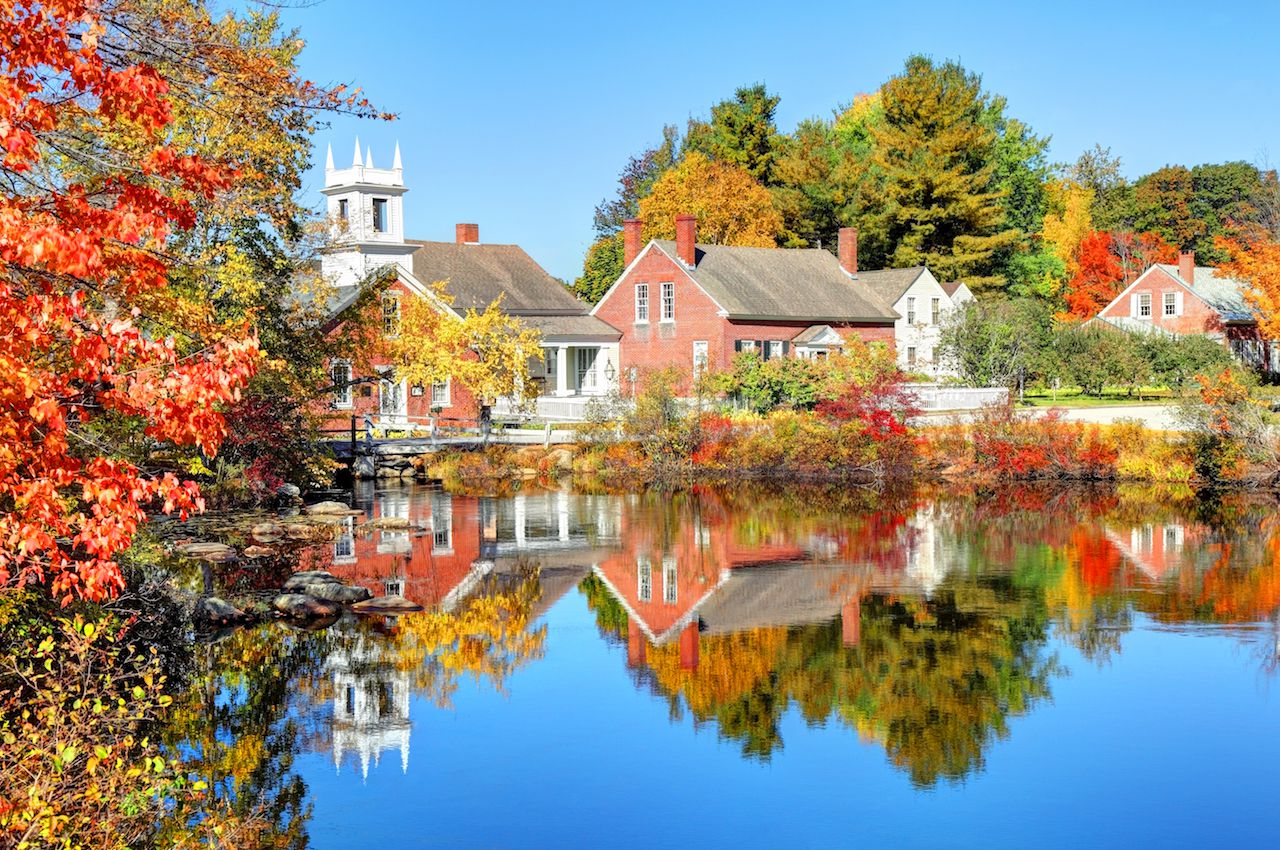
The Granite State, and the 41st most populous state in the U.S., also ranked 41st for highest foreclosure rate. New Hampshire saw 74 of its 636,480 homes go into foreclosure, making for a foreclosure rate of one in every 8,601 households. The counties with the most foreclosures per housing unit were (from highest to lowest): Coos, Belknap, Sullivan, Merrimack, and Strafford.
Recommended: Tips on Buying a Foreclosed Home
DenisTangneyJr

The Paradise of the Pacific, and the 40th most populous state, fittingly came in 40th for highest foreclosure rate as well. Of its 556,937 homes, 68 went into foreclosure, making for a foreclosure rate of one in every 8,190 households. Only four of the five counties in the state saw foreclosures. They were (from highest to lowest): Hawaii, Honolulu, Kauai, and Maui.
Art Wager
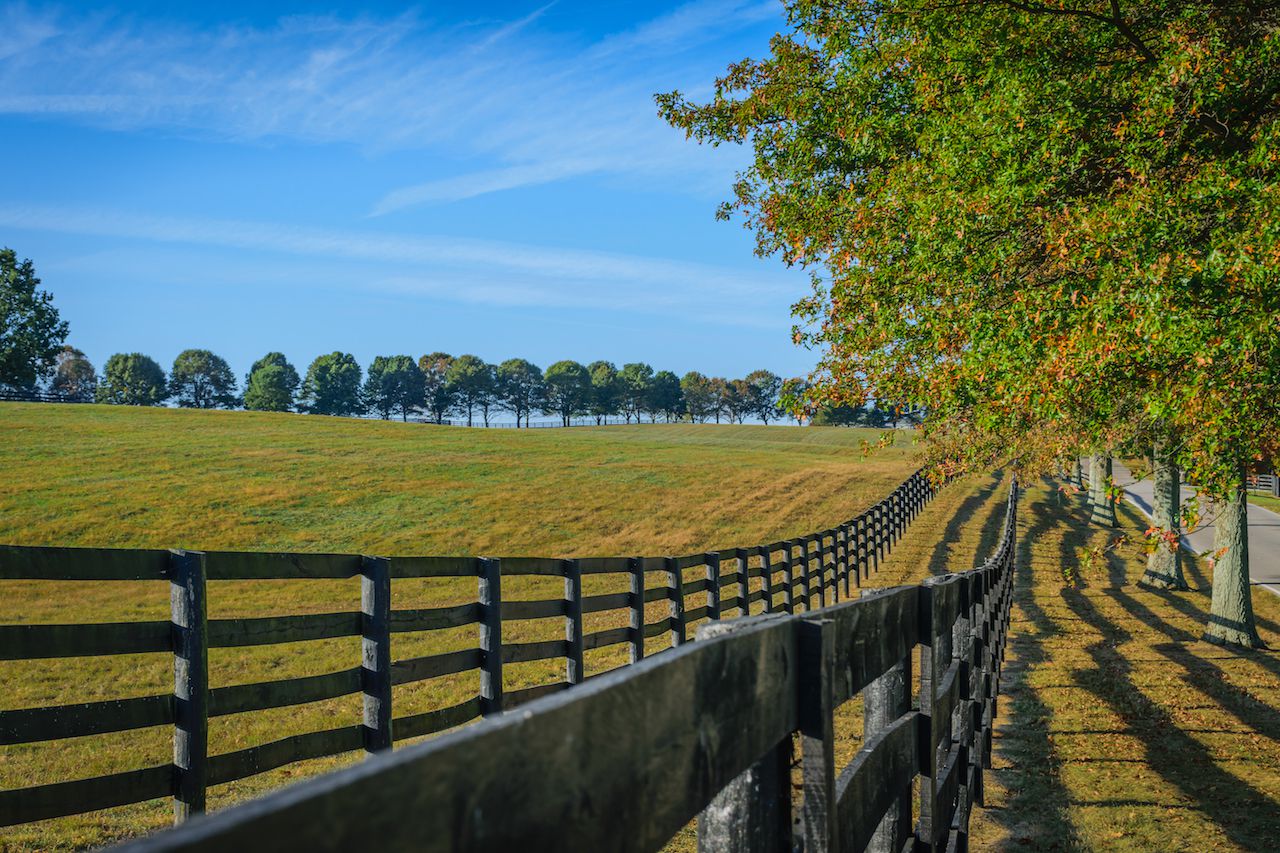
With a total of 1,988,420 housing units, the Bluegrass State saw 246 homes go into foreclosure, thus landing in 39th place this month. This puts the foreclosure rate for the 26th most populous state at one in every 8,083 households. The counties with the most foreclosures per housing unit were (from highest to lowest): Bath, Trimble, Hardin, Nelson, and Greenup.
Thomas Kelley

Ranked 16th in population, the Volunteer State endured 391 foreclosures out of its 3,011,124 housing units. This puts the foreclosure rate at one in every 7,701 households and in 38th place this month. The counties with the most foreclosures per housing unit were (from highest to lowest): Meigs, Grundy, Hardeman, Stewart, and Hawkins.
Swarmcatcher
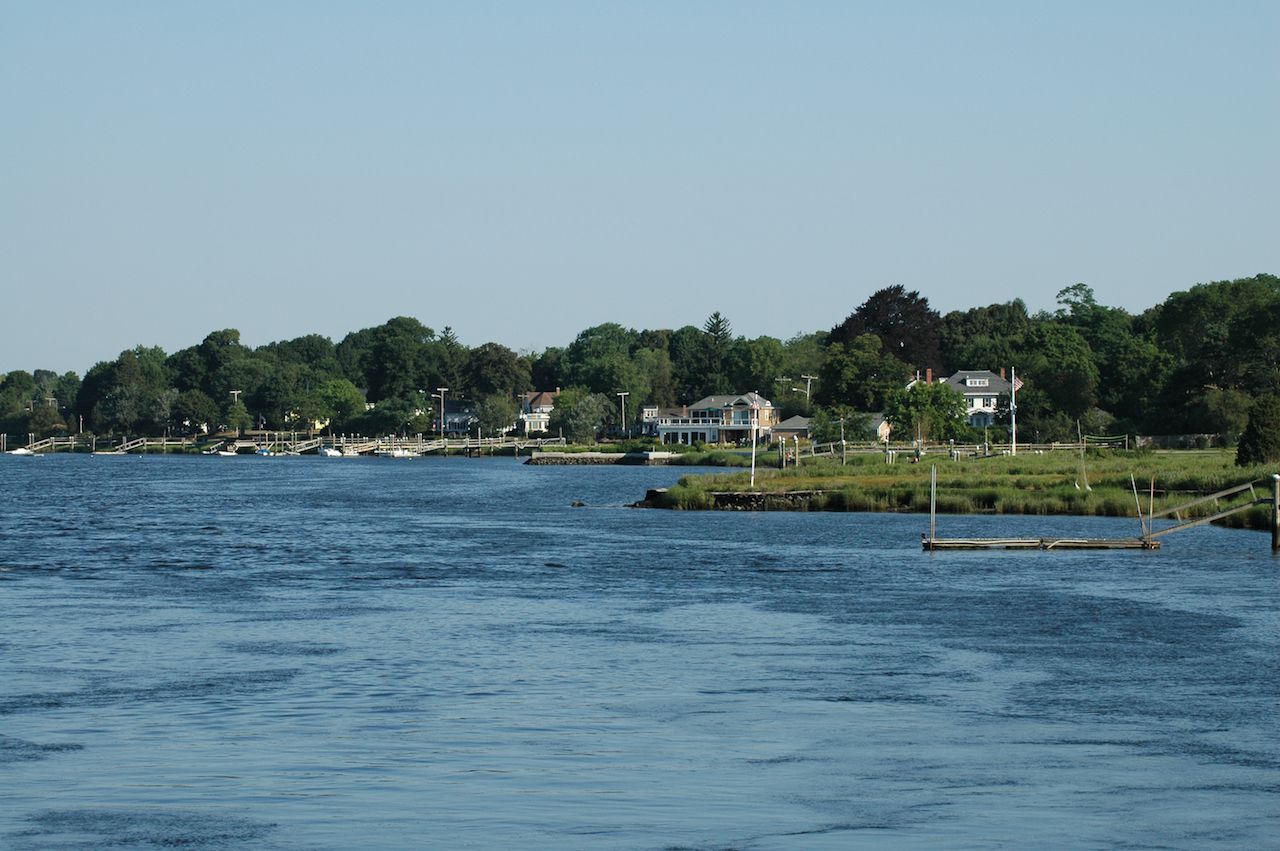
The eighth-least populous state placed 37th for highest foreclosure rate in September. A total of 64 homes went into foreclosure out of 481,168 total housing units, making the foreclosure rate for the Ocean State one in every 7,518 households. The counties with the most foreclosures per housing unit were (from highest to lowest): Providence, Kent, Washington, Bristol, and Newport.
danlogan

Ranking 37th in population, the Cornhusker State placed 36th this month with a foreclosure rate of one in every 7,125 homes. With a total of 840,802 housing units, the state had 118 foreclosure filings. The counties with the most foreclosures per housing unit were (from highest to lowest): Clay, Gosper, Burt, Webster, and Morrill.
marekuliasz

Coming in at 19th in population, the Show-Me State took the 35th spot for highest foreclosure rate in September. Of its 2,782,081 homes, 391 went into foreclosure, making for a foreclosure rate of one in every 7,115 homes. The counties with the most foreclosures per housing unit were (from highest to lowest): Barton, Scott, Lincoln, Bates, and Newton.
DepositPhotos.com

Ranked 38th in population, the Gem State received the 34th spot due to its 109 housing units that went into foreclosure this month. With 742,145 total housing units, the state’s foreclosure rate was one in every 6,809 households. The counties with the most foreclosures per housing unit were (from highest to lowest): Lewis, Lemhi, Owyhee, Gem, and Bonneville.
shanecotee

Ranked 22nd for most populous state, the Land of 10,000 Lakes obtained the 33rd spot for highest foreclosure rate in September. It has 2,470,483 housing units, of which 382 went into foreclosure, making the state’s foreclosure rate one in every 6,467 households. The counties with the most foreclosures per housing unit were (from highest to lowest): Kanabec, Isanti, Redwood, Mille Lacs, and Chisago.
JoeChristensen

The 21st most populous state ranked 32nd for highest foreclosure rate this month. Of the Centennial State’s 2,454,873 housing units, 399 went into foreclosure, making for a foreclosure rate of one in every 6,153 homes. The counties with the most foreclosures per housing unit were (from highest to lowest): Washington, Mesa, Morgan, Weld, and Pueblo.
Unsplash

The Last Frontier saw 52 foreclosures in September, making the foreclosure rate one in every 6,073 homes. This caused the third-least populous state, with a total of 315,797 housing units, to claim the 31st spot. The boroughs with the most foreclosures per housing unit were (from highest to lowest): North Slope, Matanuska-Susitna, Juneau, Anchorage, and Kodiak Island.
Recommended: What Is a Short Sale?
Chilkoot

The country’s least populous state claimed the 30th spot for highest foreclosure rate this month. With 271,818 housing units, of which 45 went into foreclosure, the Equality State’s foreclosure rate was one in every 6,040 households. The counties with the most foreclosures per housing unit were (from highest to lowest): Sweetwater, Carbon, Campbell, Natrona, and Uinta.
AnujSahaiPhotography

With 461 foreclosures out of 2,718,369 total housing units, America’s Dairyland and the 20th most populous state secured the 29th spot with a foreclosure rate of one in every 5,897 households. The counties with the most foreclosures per housing unit were (from highest to lowest): Dodge, Richland, Douglas, Marinette, and Juneau.
FierceAbin

Sorted as 14th in population, the Grand Canyon State withstood 535 foreclosures out of its total 3,056,890 housing units. This puts the foreclosure rate at one in every 5,714 homes and into the 28th spot for the second month in a row. The counties with the most foreclosures per housing unit were (from highest to lowest): Cochise, Pinal, Yuma, Graham, and Yavapai.
wanderluster

With 647 homes going into foreclosure, the 12th most populous state ranked 27th for highest foreclosure rate this month. Having 3,596,100 total housing units, the Old Dominion saw a foreclosure rate of one in every 5,558 households. The counties and independent cities with the most foreclosures per housing unit were (from highest to lowest): Lunenburg, Martinsville City, Waynesboro City, Buena Vista City, and Lancaster.
ABEMOS / istockphoto

Listed as 24th in population, the Yellowhammer State came in 26th for highest foreclosure rate in September. Of its 2,278,526 homes, 455 went into foreclosure, making for a foreclosure rate of one in every 5,008 homes. The counties with the most foreclosures per housing unit were (from highest to lowest): Chambers, Geneva, Fayette, Jefferson, and Coffee.
James Deitsch

Ranked 42nd in population, the Pine Tree State placed 25th for highest foreclosure rate this month. With a total of 737,782 housing units, Maine saw 152 foreclosures for a foreclosure rate of one in every 4,854 homes. The counties with the most foreclosures per housing unit were (from highest to lowest): Penobscot, Somerset, Oxford, Washington, and Piscataquis.
DepositPhotos.com
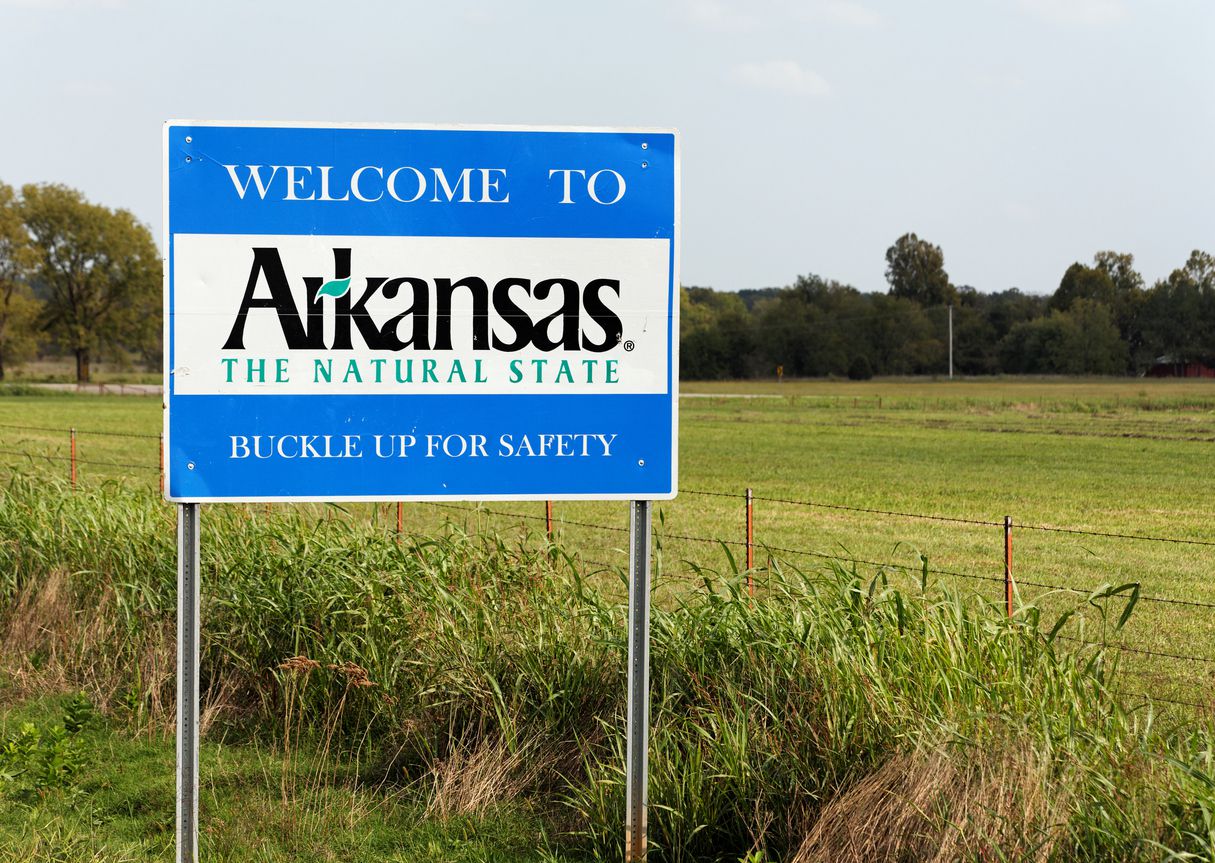
Listed as the 33rd most populous state, the Land of Opportunity ranked 24th for highest foreclosure rate in September. The state contains 1,361,880 housing units, of which 290 went into foreclosure, making its latest foreclosure rate one in every 4,696 households. The counties with the most foreclosures per housing unit were (from highest to lowest): Lonoke, Scott, Bradley, Cleveland, and Greene.
wellesenterprises / istockphoto
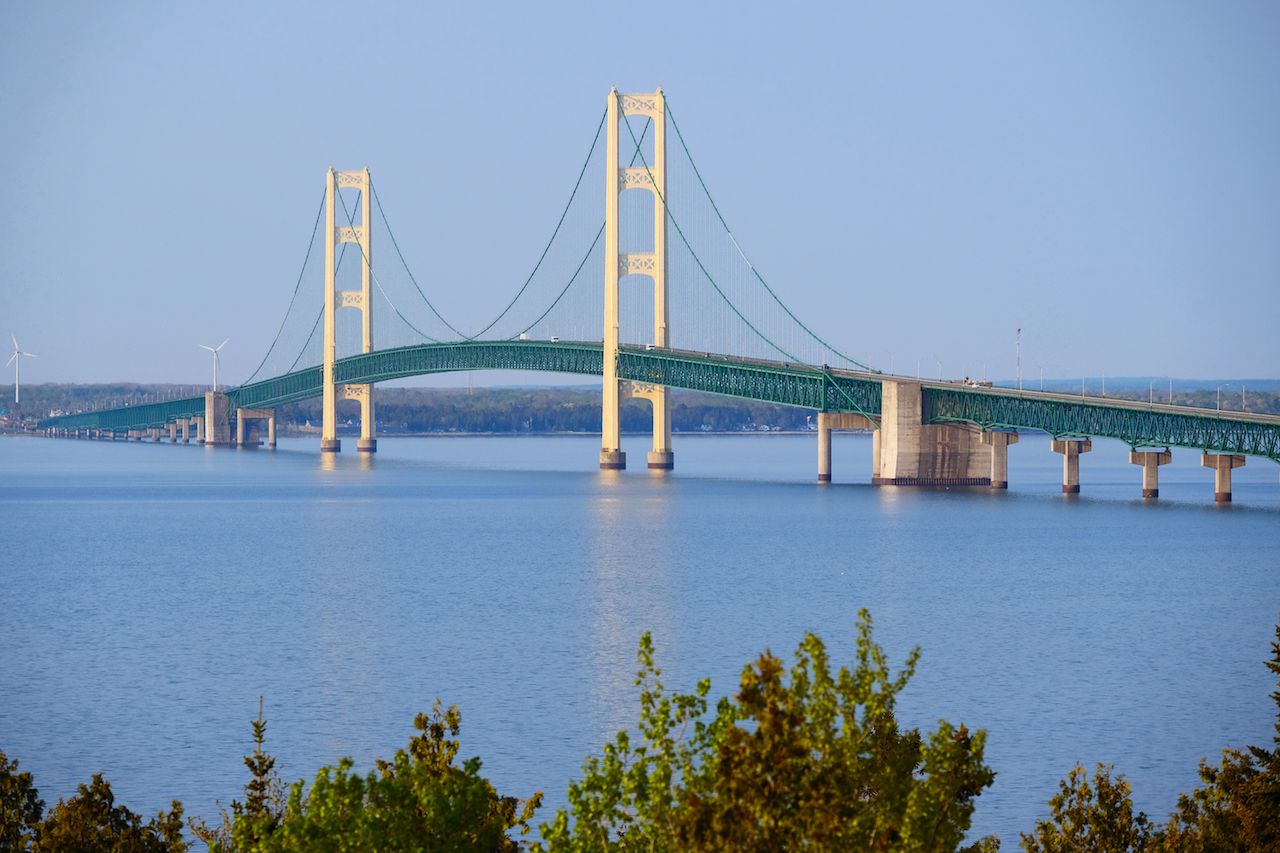
Ranked 10th in population, the Wolverine State secured the 23rd spot this month with a foreclosure rate of one in every 4,316 homes. With a total of 4,566,504 housing units, the state had 1,058 foreclosure filings. The counties with the most foreclosures per housing unit were (from highest to lowest): St. Joseph, Midland, Van Buren, Jackson, and Muskegon.
haveseen

Sorted as 25th in population, the Pelican State placed 22nd for highest foreclosure rate in September. Louisiana had a foreclosure rate of one in every 4,296 households, with 481 homes out of 2,066,323 housing units going into foreclosure. The parishes with the most foreclosures per housing unit were (from highest to lowest): Plaquemines, De Soto, La Salle, Franklin, and West Baton Rouge.
DenisTangneyJr
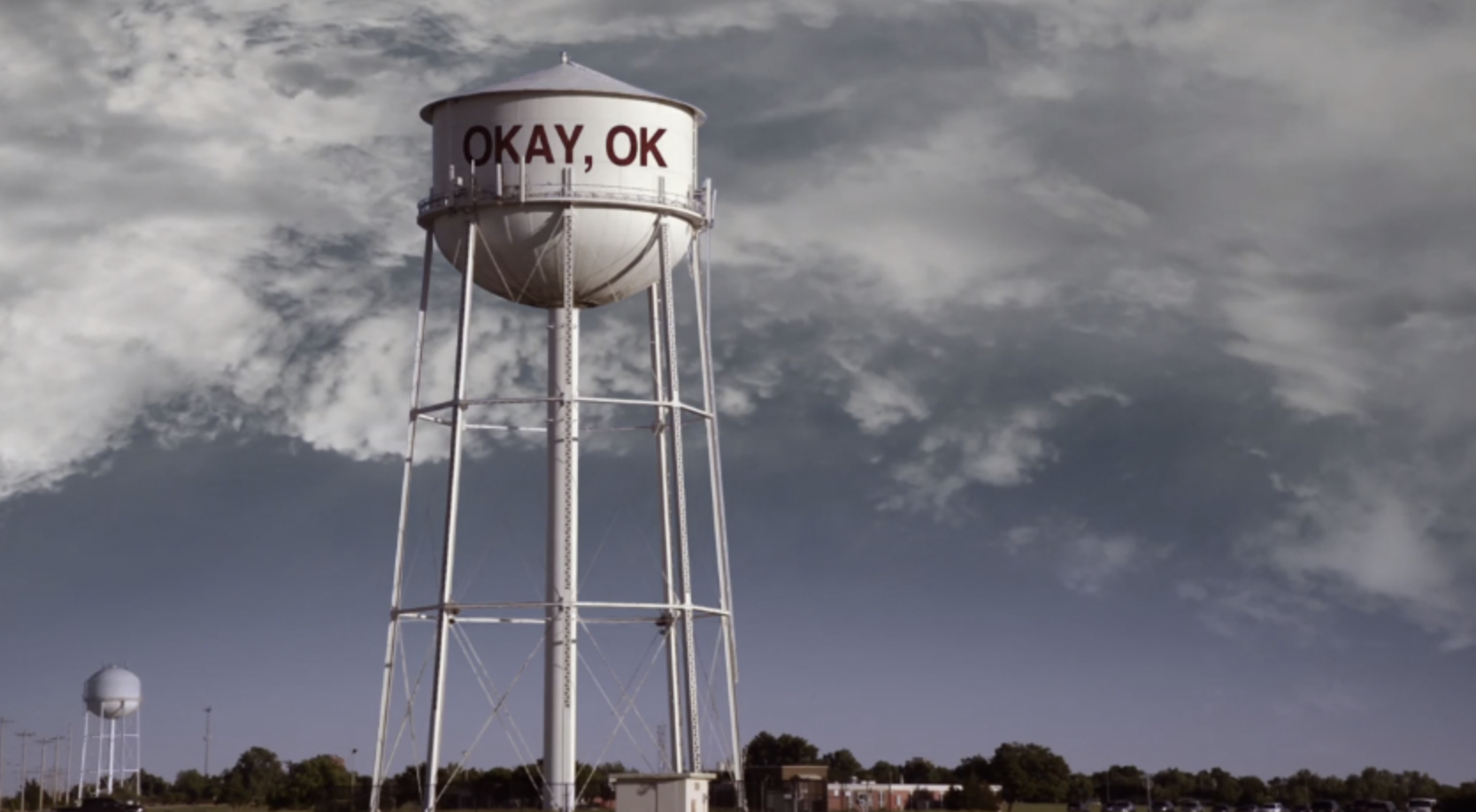
The Sooners State landed the 21st spot this month. With housing units totaling 1,741,721, the 28th most populous state saw 420 homes go into foreclosure at a rate of one in every 4,147 households. The counties with the most foreclosures per housing unit were (from highest to lowest): Tulsa, Oklahoma, Garfield, Ottawa, and Cleveland.
Recommended: 4 Signs You May Be Ready to Buy
Wiki
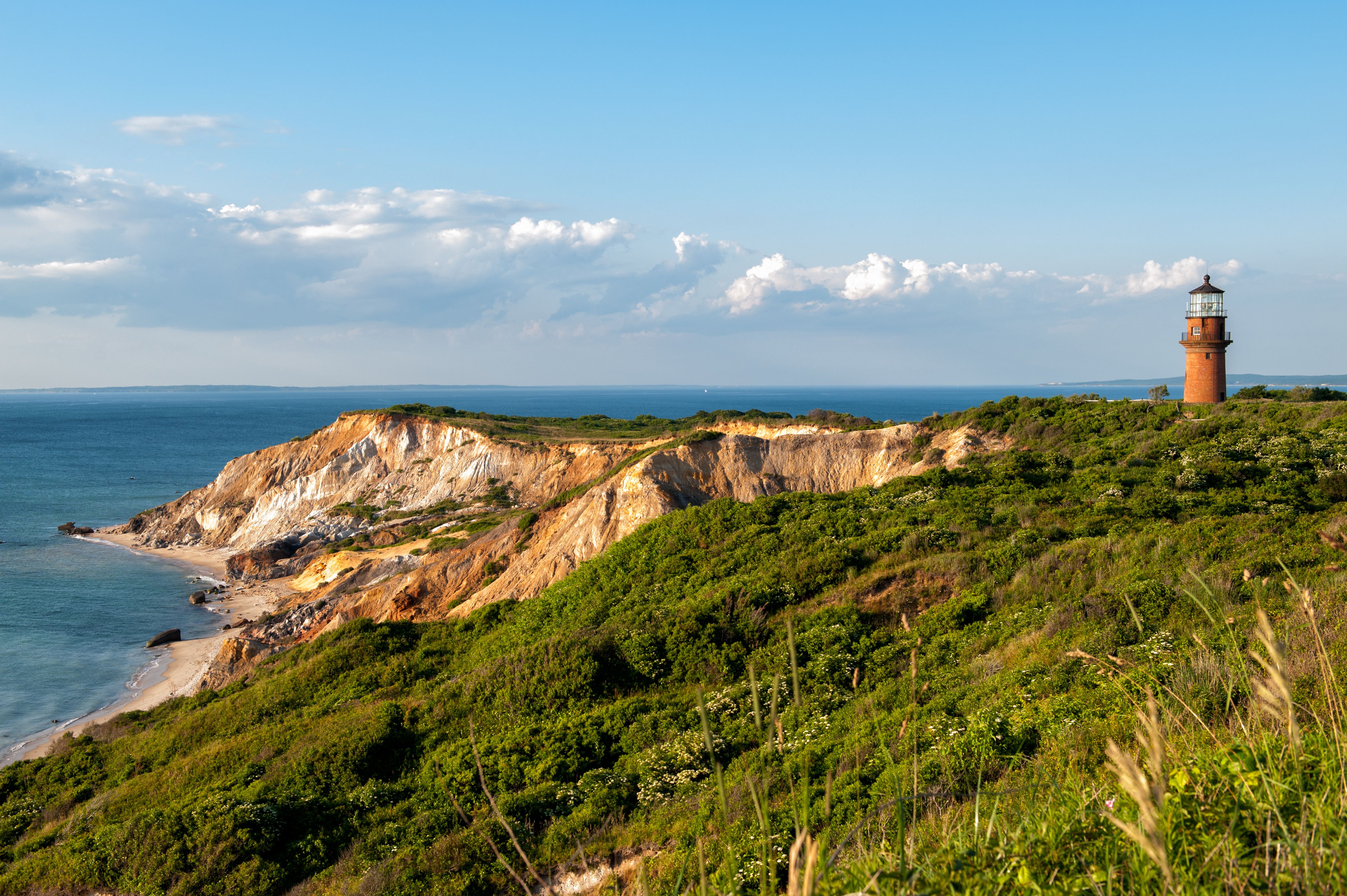
The 15th most populous state ranked 20th for highest foreclosure rate in September. Of the Bay State’s 2,979,634 housing units, 732 went into foreclosure, making for a foreclosure rate of one in every 4,071 homes. The counties with the most foreclosures per housing unit were (from highest to lowest): Franklin, Berkshire, Dukes, Hampden, and Plymouth.
Rolf_52

Ranked eighth in population, the Peach State took the 19th spot for highest foreclosure rate this month. Of its 4,375,039 homes, 1,089 were foreclosed on. This puts the state’s foreclosure rate at one in every 4,017 households. The counties with the most foreclosures per housing unit were (from highest to lowest): Evans, Wheeler, Henry, Jefferson, and Peach.
Depositphotos.com
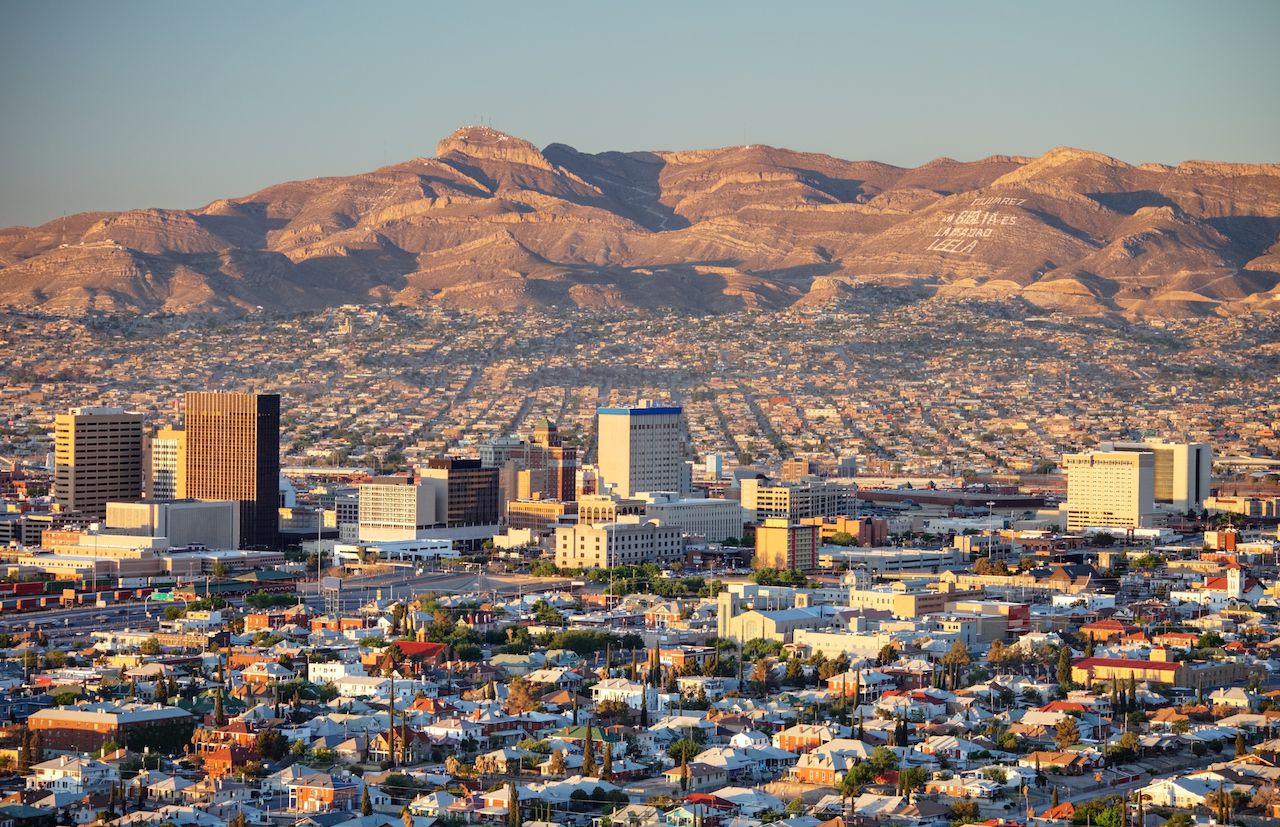
The Lone Star State withstood 2,990 foreclosures in September. With a foreclosure rate of one in every 3,824 households, this puts the second-most populous state in the U.S., with a whopping 11,433,880 housing units, into 18th place. The counties with the most foreclosures per housing unit were (from highest to lowest): Liberty, Culberson, Yoakum, Grimes, and Dimmit.
DenisTangneyJr
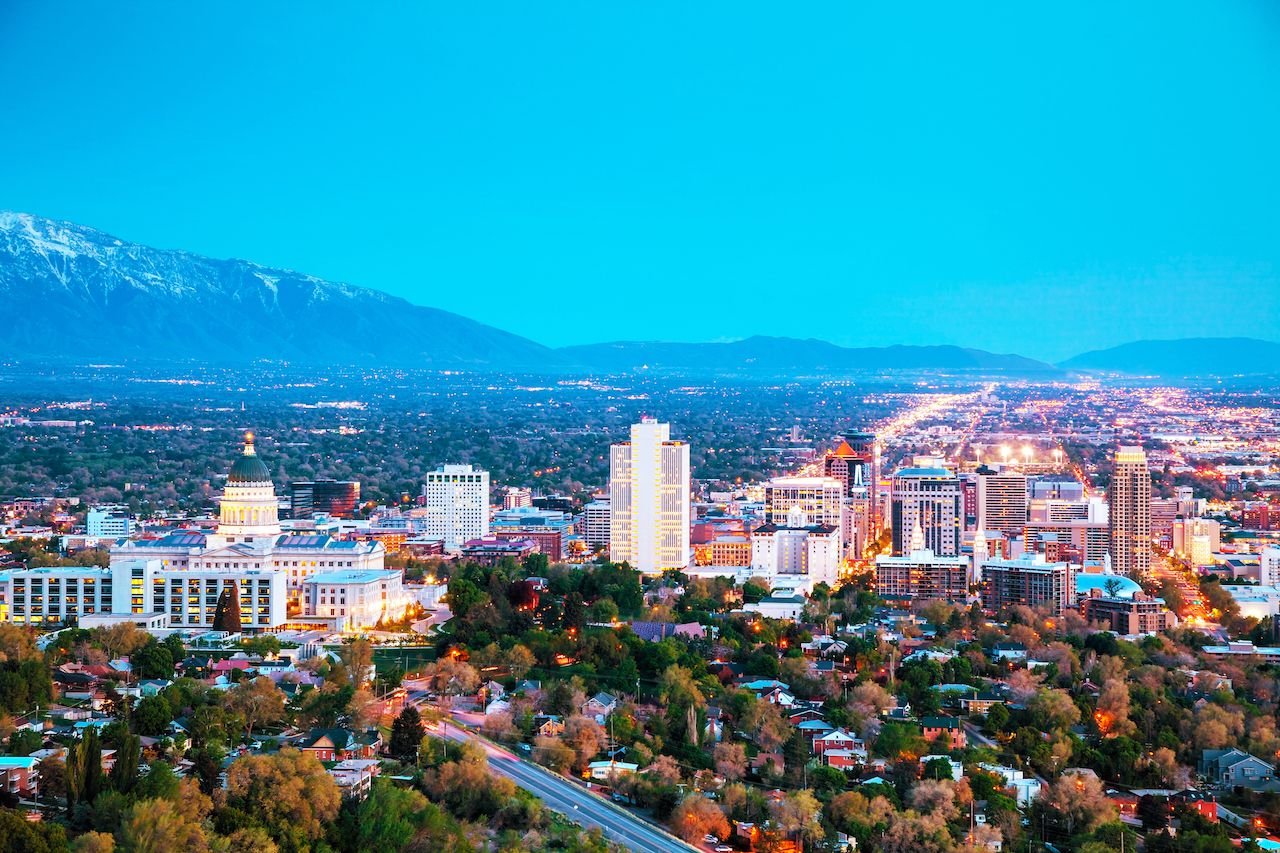
The Beehive State placed 17th for highest foreclosure rate this month. Of its 1,133,558 housing units, 307 homes went into foreclosure, making the 17th most populous state’s foreclosure rate one in every 3,692 households. The counties with the most foreclosures per housing unit were (from highest to lowest): Juab, Carbon, Garfield, Tooele, and Utah.
AndreyKrav

The Hawkeye State had the 16th highest foreclosure rate in September. With 388 out of 1,407,100 homes going into foreclosure, the 31st most populous state’s foreclosure rate was one in every 3,627 homes. The counties with the most foreclosures per housing unit were (from highest to lowest): Webster, Fayette, Grundy, Keokuk, and Benton.
JoeChristensen

The 36th most populous state claimed the 15th spot for highest foreclosure rate this month. Of the Land of Enchantment’s 937,397 homes, 275 went into foreclosure, making for a foreclosure rate of one in every 3,409 homes. The counties with the most foreclosures per housing unit were (from highest to lowest): Torrance, Valencia, Union, Curry, and Otero.
Davel5957
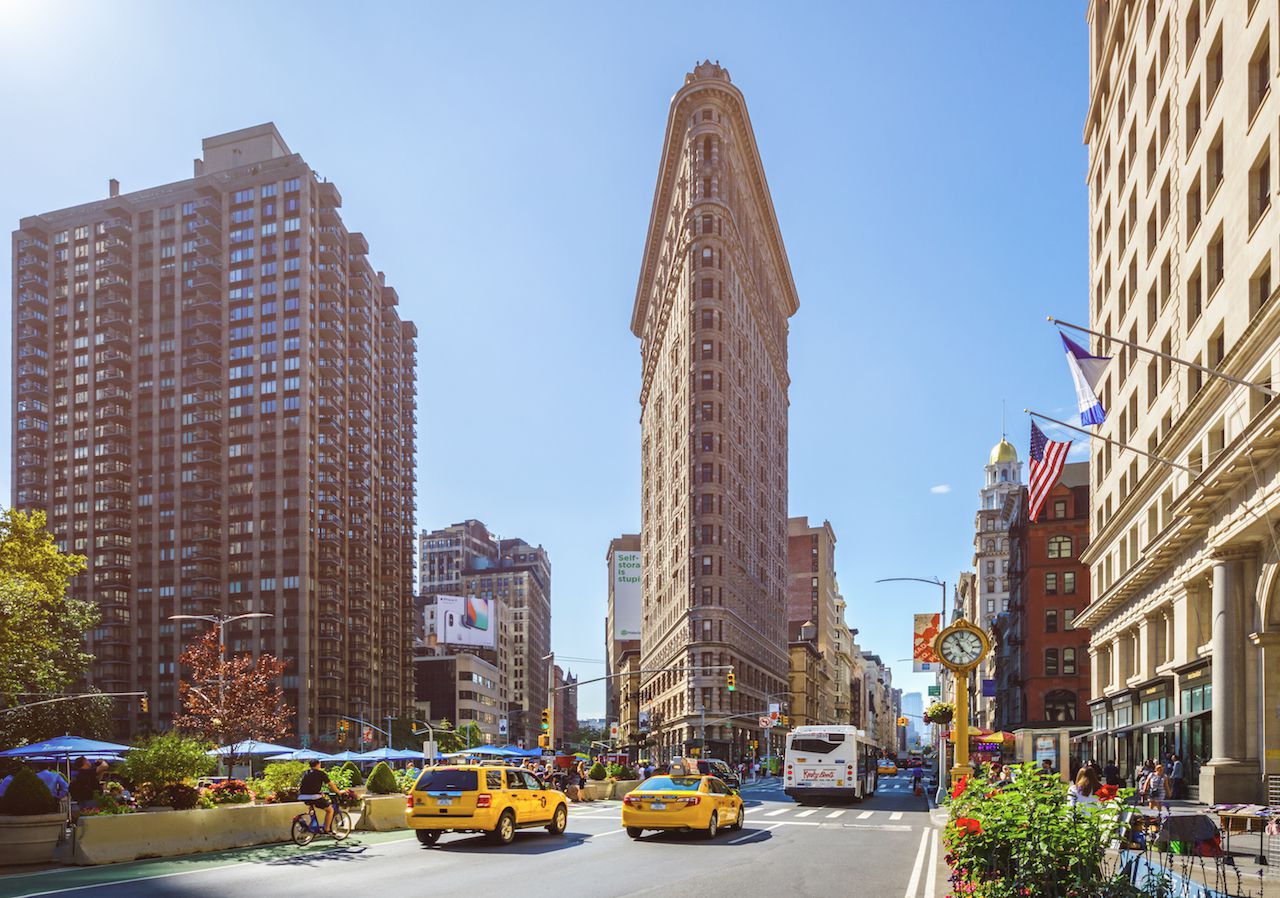
With 2,532 out of a total 8,449,178 housing units going into foreclosure, the Empire State claimed the 14th spot for the second month in a row. The fourth-most populous state’s foreclosure rate was one in every 3,337 households. The counties with the most foreclosures per housing unit were (from highest to lowest): Montgomery, Orange, Nassau, Jefferson, and Lewis.
Eloi_Omella

The Keystone State had the 13th highest foreclosure rate in September. The fifth-most populous state saw 1,733 homes out of 5,728,788 total housing units go into foreclosure, making the state’s foreclosure rate one in every 3,306 households. The counties with the most foreclosures per housing unit were (from highest to lowest): Philadelphia, Delaware, Allegheny, Schuylkill, and Montgomery.
AppalachianViews

The 17th largest state by population, the Crossroads of America landed the 12th spot with a foreclosure rate of one in every 3,158 homes. Of its 2,911,562 housing units, 922 went into foreclosure this month. The counties with the most foreclosures per housing unit were (from highest to lowest): Benton, Pulaski, Newton, Howard, and Lake.
f11photo

The country’s most populous state ranked 11th for highest foreclosure rate once again. Of its impressive 14,328,539 housing units, 4,789 went into foreclosure, making the Golden State’s foreclosure rate one in every 2,992 households. The counties with the most foreclosures per housing unit were (from highest to lowest): Lake, Trinity, Mendocino, Kern, and Plumas.
Recommended: Your 2022 Guide to All Things Home
mlauffen

The ninth-most populous state claimed 10th place once more for highest foreclosure rate. Out of 4,673,933 homes, 1,598 went into foreclosure. This puts the Tar Heel State’s foreclosure rate at one in every 2,925 homes. The counties with the most foreclosures per housing unit were (from highest to lowest): Perquimans, Chowan, Greene, Gaston, and Northampton.
” Darwin Brandis”

The Land of Lincoln claimed the ninth spot for highest foreclosure rate this month. Of its 5,412,995 homes, 1,872 went into foreclosure, making the sixth-most populous state’s foreclosure rate one in every 2,892 households. The counties with the most foreclosures per housing unit were (from highest to lowest): Montgomery, Kankakee, St. Clair, Madison, and Will.
ibsky

With 539 of its 1,527,039 homes going into foreclosure, the Constitution State had the eighth highest foreclosure rate at one in every 2,833 households. In this 29th most populous state, the counties that had the most foreclosures per housing unit were (from highest to lowest): Windham, Hartford, New Haven, New London, and Fairfield.
traveler1116
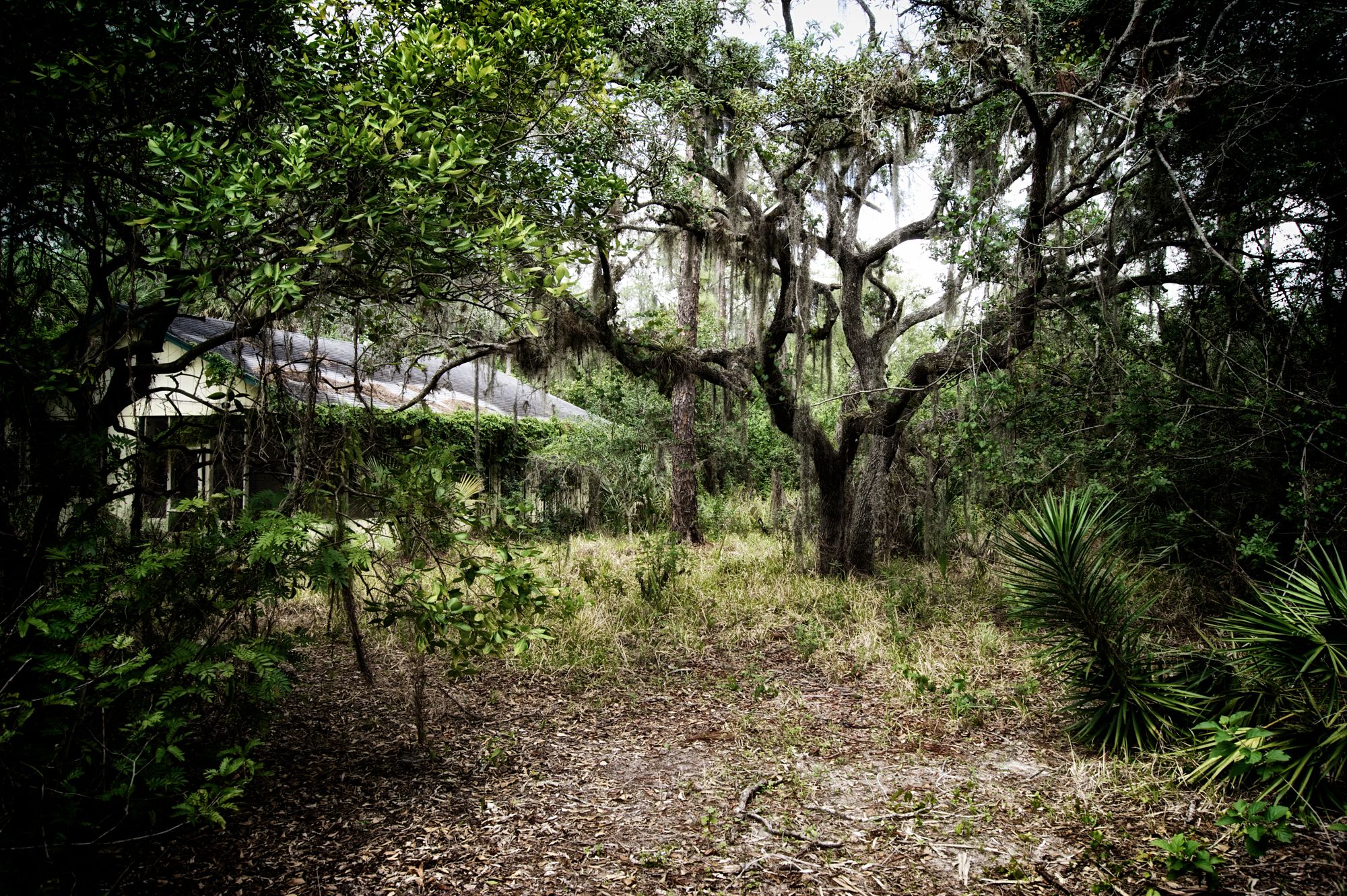
The third-most populous state in the country has a total of 9,764,897 housing units, of which 3,619 went into foreclosure. This puts the Sunshine State’s foreclosure rate at one in every 2,698 homes and into seventh place. The counties with the most foreclosures per housing unit were (from highest to lowest): Baker, Gulf, Osceola, Charlotte, and Levy.
Depositphotos.com

The Buckeye State placed sixth in September with a foreclosure rate of one in every 2,658 homes. With a total of 5,232,733 housing units, the seventh-most populous state had a total of 1,969 filings. The counties with the most foreclosures per housing unit were (from highest to lowest): Guernsey, Cuyahoga, Muskingum, Lucas, and Pickaway.
espiegle/iStock

With a foreclosure rate of one in every 2,531 homes, the Garden State ranked fifth for highest foreclosure rate this month. The 11th most populous state contains 3,738,342 housing units, of which 1,477 went into foreclosure. The counties with the most foreclosures per housing unit were (from highest to lowest): Cumberland, Salem, Gloucester, Sussex, and Camden.
aimintang
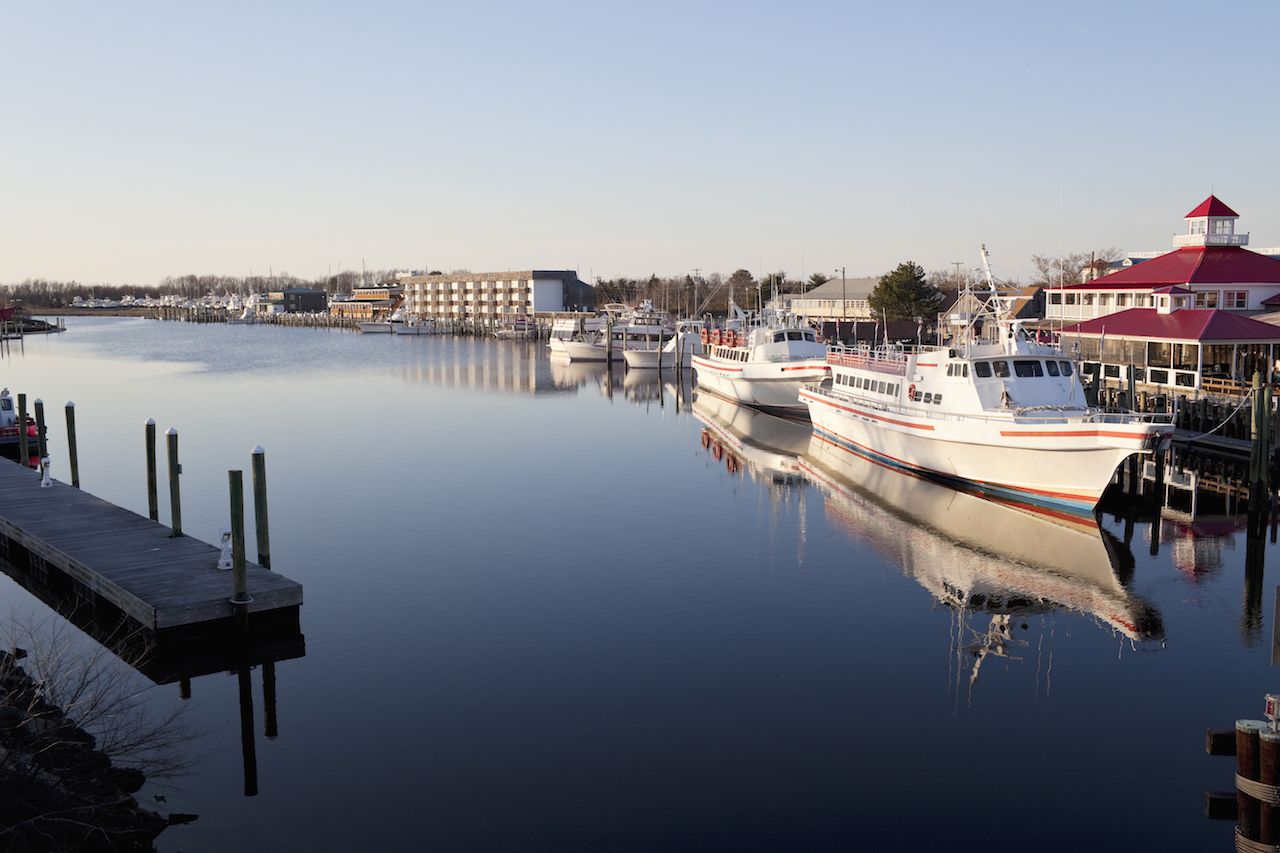
The sixth-least populous state in the country, the Small Wonder took fourth place in September. With one in every 2,380 homes going into foreclosure and a total of 445,104 housing units, the state saw 187 foreclosures filed. Having only three counties in the state, the most foreclosures per housing unit were (from highest to lowest): Kent, Sussex, and New Castle.
mdgmorris
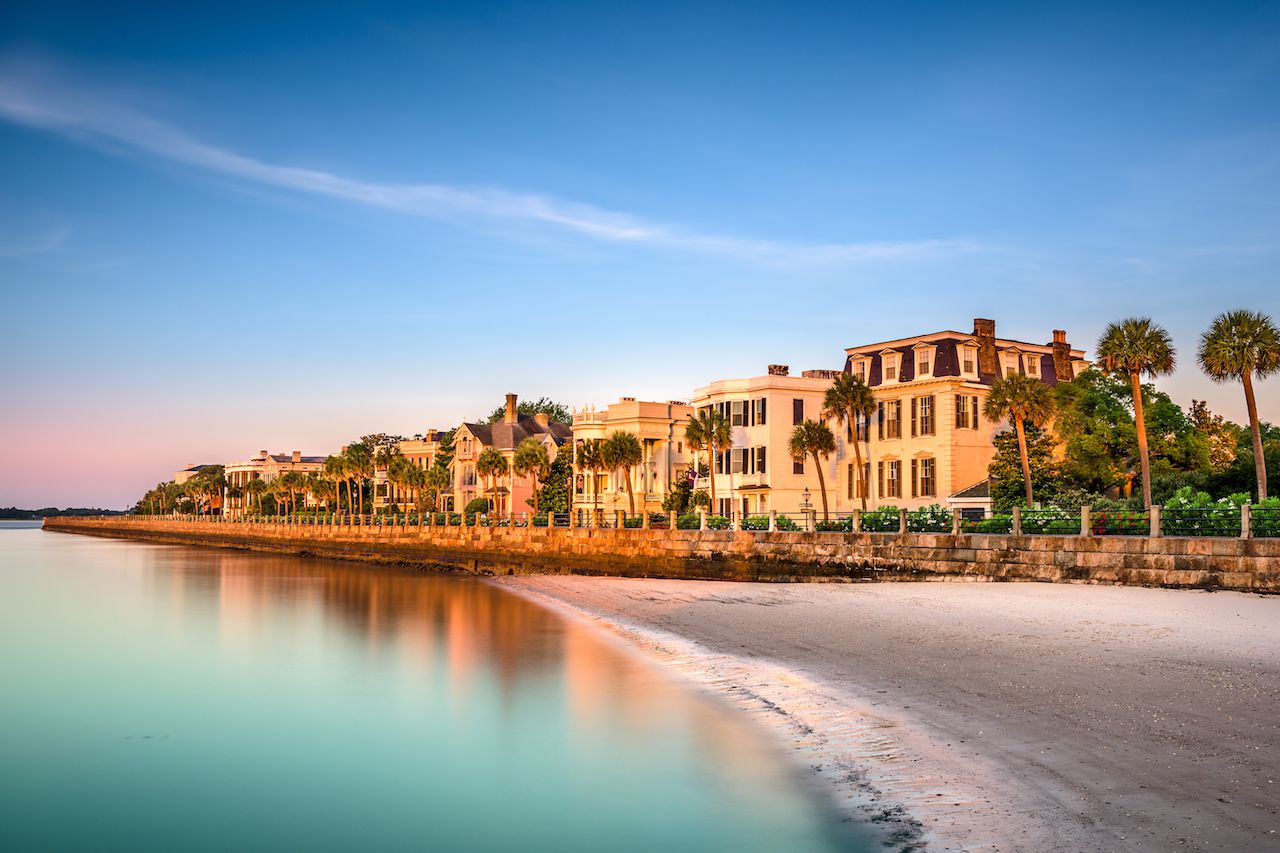
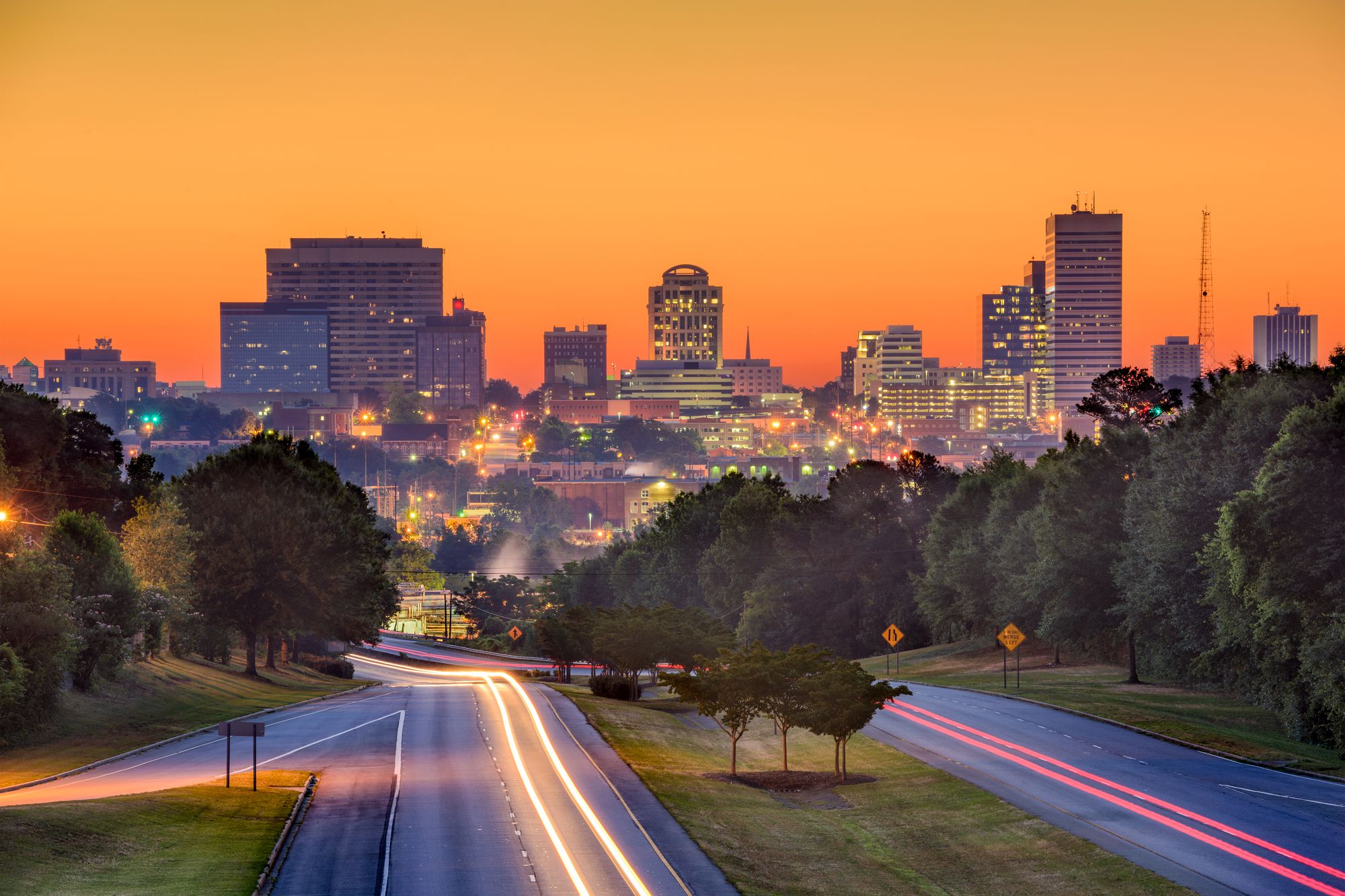
The 23rd most populous state had the third highest foreclosure rate yet again with one in every 2,260 homes going into foreclosure. Of the Palmetto State’s 2,325,248 housing units, 1,029 were foreclosed on this month. The counties with the most foreclosures per housing unit were (from highest to lowest): Kershaw, Dorchester, Bamberg, Marion, and Chester.
SeanPavonePhoto
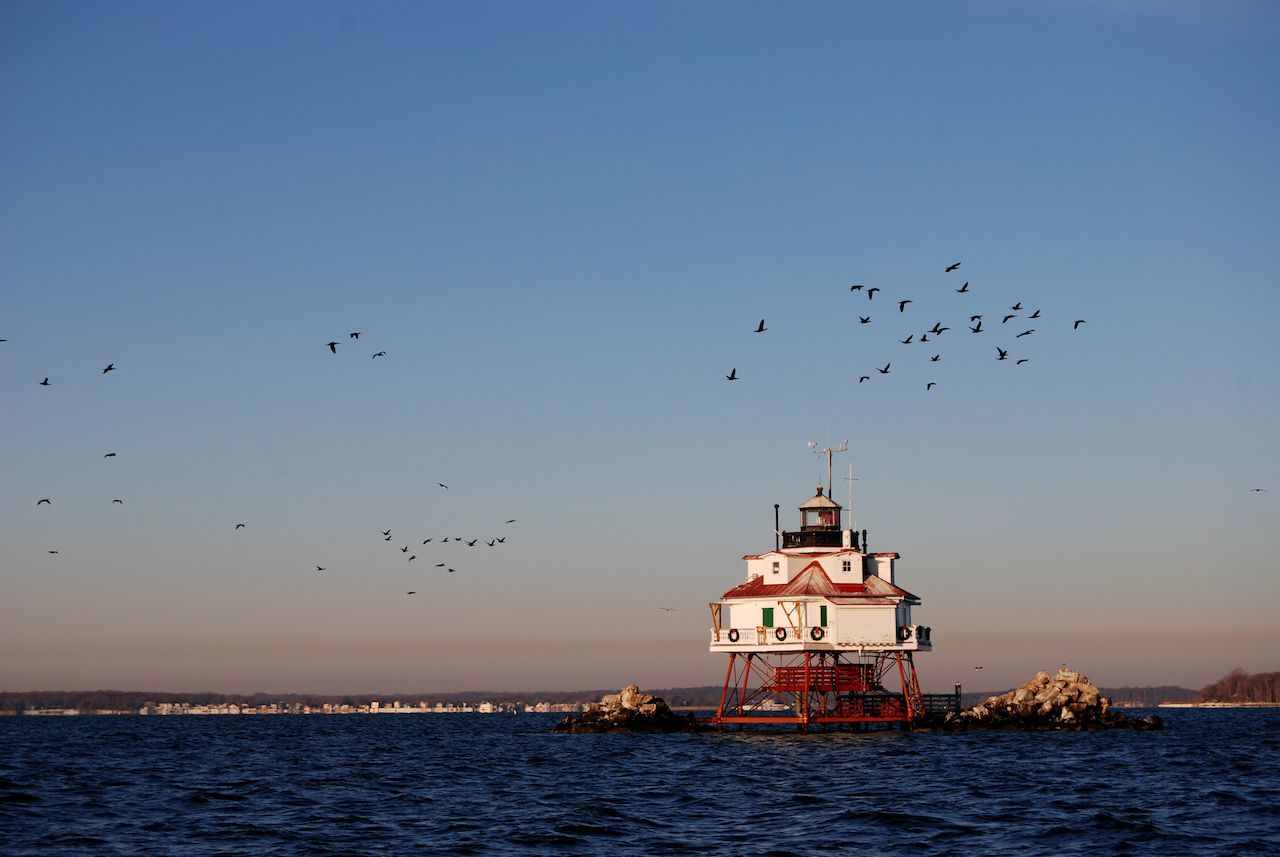
Ranked 18th for most populous state, America in Miniature placed second for highest foreclosure rate this month. With a total of 2,516,341 housing units, of which 1,117 went into foreclosure, the state’s foreclosure rate was one in every 2,253 households. The counties and independent city with the most foreclosures per housing unit were (from highest to lowest): Caroline, Kent, Baltimore City, Dorchester, and Charles.
James_Lane

The Land of Lincoln made the top spot for highest foreclosure rate for the fourth month in a row, the longest of any state. Of its 5,426,429 homes, 2,260 went into foreclosure, making the sixth-most populous state’s foreclosure rate one in every 2,401. The counties with the most foreclosures per housing unit were (from highest to lowest): Mason, Livingston, Rock Island, Logan, and Marshall.
Byelikova_Oksana / istockphoto
Of all 50 states, California had the most foreclosure filings (4,789), and Vermont had the least (4). As for the states with the highest foreclosure rates, Nevada, Maryland, and South Carolina took the top three spots, respectively.
Two regions – the Southeast and the Mideast – tied for having the largest presence among the 10 states that ranked the highest for foreclosure rates. The states in the Southeast region were (from highest to lowest): South Carolina, Florida, and North Carolina. The states in the Mideast region were (from highest to lowest): Maryland, Delaware, and New Jersey.
The Plains region had the largest presence among the 10 states that ranked the lowest for foreclosure rates. These states were (from highest to lowest): Kansas, North Dakota, and South Dakota.
Learn More:
This article originally appeared on SoFi.comand was syndicated by MediaFeed.org.
SoFi Loan Products
SoFi loans are originated by SoFi Lending Corp. or an affiliate (dba SoFi), a lender licensed by the Department of Financial Protection and Innovation under the California Financing Law, license # 6054612; NMLS # 1121636. For additional product-specific legal and licensing information, see our disclosures.
SoFi Home Loans
Terms, conditions, and state restrictions apply. SoFi Home Loans are not available in all states. See our criteria for more information.
External Websites: The information and analysis provided through hyperlinks to third party websites, while believed to be accurate, cannot be guaranteed by SoFi. Links are provided for informational purposes and should not be viewed as an endorsement.
zimmytws / istockphoto

Depositphotos
Featured Image Credit: malerapaso/istockphoto.