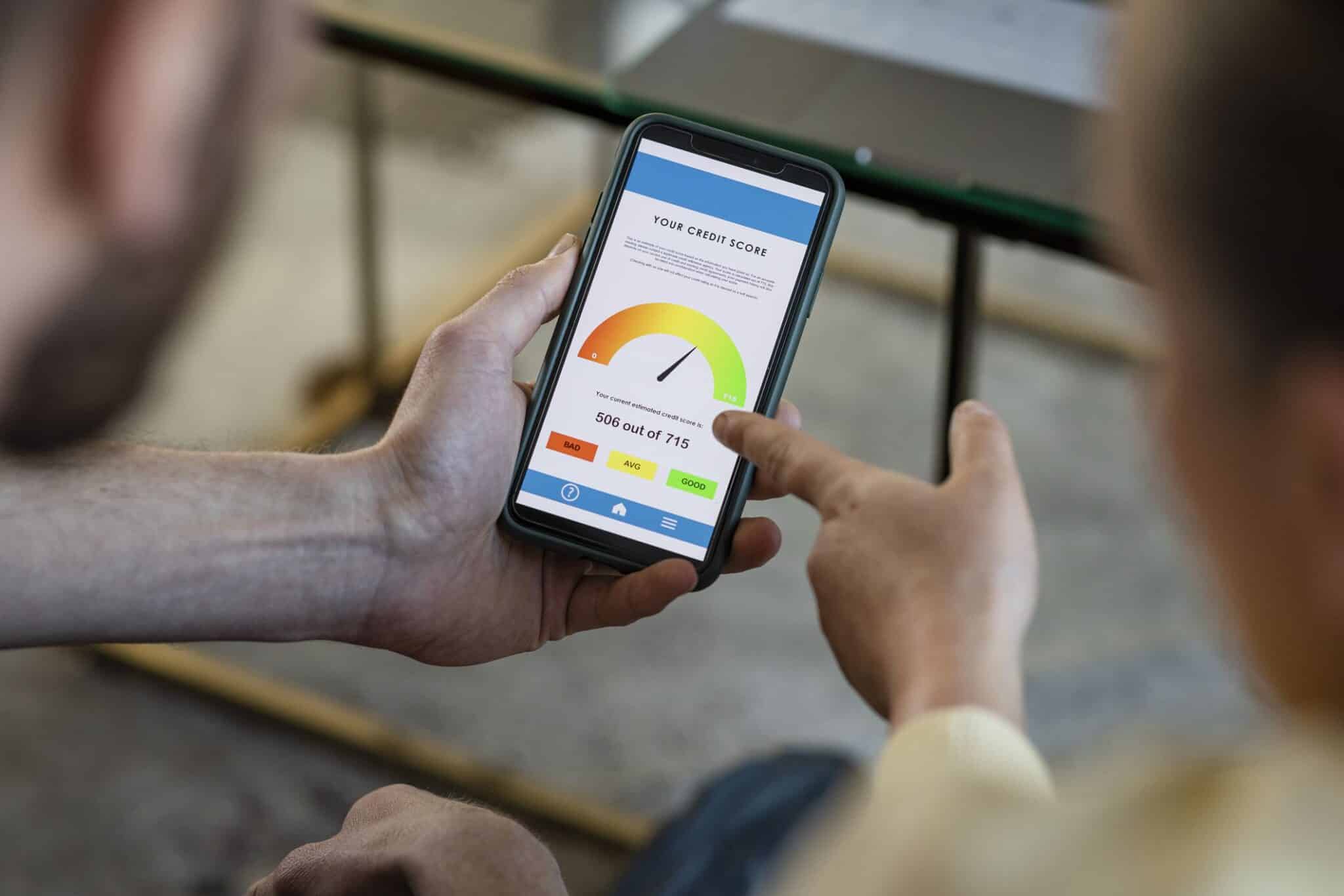
Your credit score is one of the most important tools used when it comes time to shop for a loan, apply for a credit card, look for a new job, or rent an apartment. While every lender, landlord, and employer has its own credit score requirements, knowing what the average credit score is can help you determine where you’re at.
Keep reading to learn more about what the average credit score is, what a good credit score is, and ideas about how you could build your score.
Image Credit: SolStock/istockphoto.
What Is the Average Credit Score?
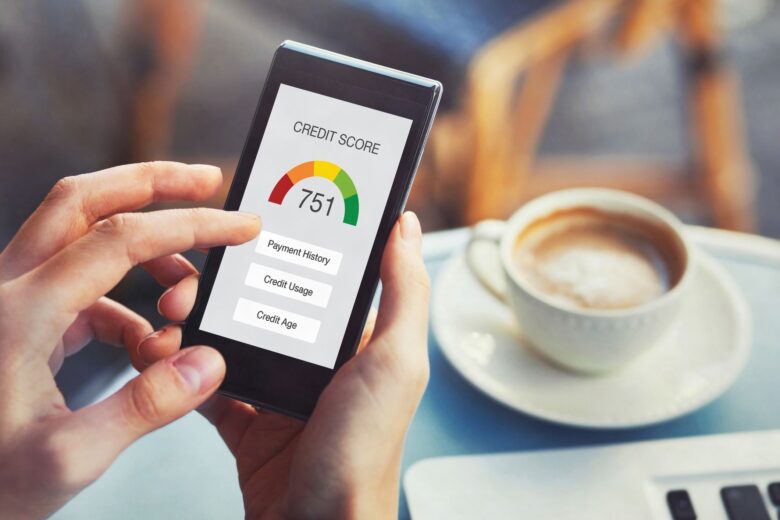
The credit score that most of us are familiar with is a FICO®, which ranges from 300 to 850. Credit reporting agency Experian® found that the average credit score in America was 714 as of 2022.
In general, credit scores have been rising during the last decade and even rose throughout 2020 during the coronavirus pandemic, which caused financial hardship for many consumers.
Image Credit: anyaberkut/istockphoto.
What Are the Average Scores By Age?

It takes time to build a credit score and your stage of life may correlate with how strong your score is. Generally, the older a consumer is, the better his or her credit habits and credit score are likely to be. If you analyze average credit scores by age, those who are 77 and older tend to have the highest average FICO® scores. Let’s look more closely at what the average credit score is for different generations.
- Generation Z (18-25): 679
- Millennials (26-41): 687
- Generation X (42-57): 706
- Baby boomers (58-76): 742
- Silent generation (77+): 760
Across the board, consumer’s credit scores tend to grow higher as they get older. That’s in part because making responsible credit moves over extended periods of time helps build credit scores.
Image Credit: tolgart/istockphoto.
What Is Considered a Decent Credit Score?
You may be wondering whether the national average credit score is good or whether it’s less than stellar.
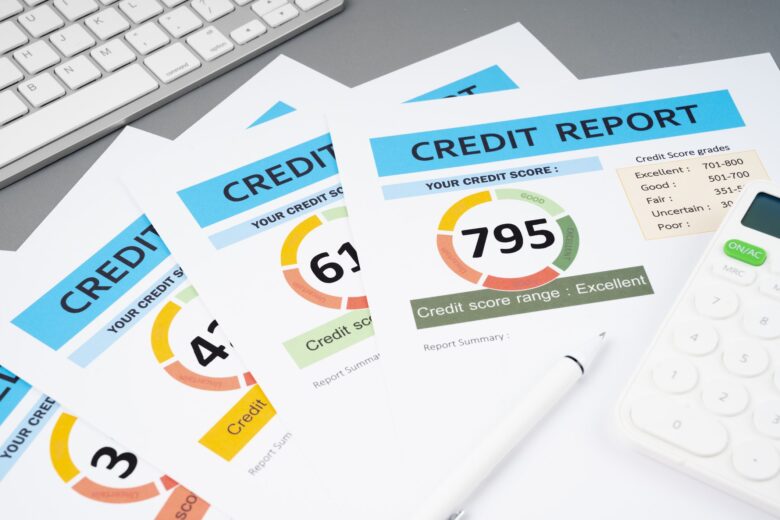
Generally, for a FICO® score to be considered “good,” it needs to be at least 670.
While not all lenders need to see a score this high, many do.
A score of 714, the current average, is well within the “good” range. Roughly 71% of Americans have a credit score of 670 or higher. For reference, FICO scores fall into a variety of categories that range both higher and lower than “good.”
- 800-850: Exceptional
- 740-799: Very good
- 670-739: Good
- 580-669: Fair
- 300-579: Very poor
Generally, the higher your credit score is, the more likely you are to get larger loan amounts, lower interest rates, and better repayment terms. When you’re applying for insurance, having a higher credit score can lead to lower insurance prices, and when you’re applying to rent an apartment, if you’ve got a good credit score, you may stand out when you’re compared to competing applicants.
(Learn more: Personal Loan Calculator)
Image Credit: Gam1983/istockphoto.
What Is a Credit Score?

Your credit score is based on your credit history and serves as an indicator of how creditworthy you are to lenders. Although FICO scores are used by many lenders, it’s worth knowing that consumers don’t have just one credit score, since different companies can use their own credit scoring models.
Credit scores are generally calculated using the following information about your financial life:
- Payment history
- Outstanding credit balances
- Length of credit history
- Applications for new credit accounts
- Mix of credit accounts (credit card, auto loan, et cetera)
Your credit score may be used in many different scenarios, but it typically comes into play in situations where someone needs to evaluate your credit risk. Creditors commonly use a credit score to help determine their risk when they lend money to a consumer.
In some cases, credit scores are used to evaluate how financially responsible a consumer is, which is why some landlords and employers may want to review your credit score.
Image Credit: milan2099/istockphoto.
How to Build Your Credit Score

Before you put your credit score to the test, you may be wondering what you can do to build it. While there’s no set formula you can follow to build your credit score a certain amount by a certain date, there are recommended steps you can take to help build your credit score over time.
Building a strong credit score doesn’t happen overnight and some of these actions may require time to take effect, although others may have a quicker impact.
Pay bills and loans on time. A history of missed payments doesn’t instill faith in lenders, which is why it’s important to pay your bills and loan payments on time. Setting up automatic payments or reminders to pay these bills can make it easier to avoid missing any payments.
Keep credit utilization low. Your credit utilization ratio is the amount you owe on your credit cards relative to the total amount of available credit. The less credit you’re using compared to how much you have available, the better. Keeping credit card balances low (at less than 30% of your limit) helps assure potential lenders that you’re able to pay their bills.
Have a long credit history. This tip requires patience, but having a long credit history can help build your credit score over time. Basically, the longer you’ve been making good credit decisions, such as paying loans on time, the more evidence there is that you’re a responsible borrower. Only apply for necessary credit. If you’ve recently applied for a lot of credit in a short time period, lenders may worry that your financial situation is in flux. If you’re getting ready to apply for important credit (like a mortgage), you may want to hold off on applying for any other credit that you don’t really need in order to avoid temporarily hurting your credit score.
Check your credit reports for errors. Credit reports can have mistakes, which can hurt your credit scores. Checking your credit report for errors can be worthwhile since they can be corrected. Not to mention, mistakes on your credit report may be a sign of identity theft.
If you think a mistake occurred, you’ll need to contact both the credit reporting company that made the report and the company that provided the information to the credit reporting agency. For example, if your credit report inaccurately states that you’re overdue on a credit card payment, you’ll need to let the credit reporting company know you believe a mistake has been made and will also need to contact the credit card company to make sure it updates the credit reporting company about the error.
Image Credit: tommaso79/istockphoto.
The Takeaway

Having a strong credit score reflects good financial health and can make the best deals on credit products more accessible. A credit score above 670 is considered “good,” and the average credit score of Americans is currently 714.
One of the most important things you can do to maintain or build good credit is to pay all of your bills on time. You also want to make sure your credit utilization ratio remains below 30%, check your credit report regularly for errors, and keep lines of credit open, if possible.
This article originally appeared on SoFi.com and was syndicated by MediaFeed.org.
Lantern By
SoFiSoFi receives compensation in the event you obtain a loan, financial product, or service through the Lantern marketplace. This Lantern website is owned by SoFi Lending Corp., a lender licensed by the Department of Financial Protection and Innovation under the California Financing Law, license number 6054612; NMLS number 1121636. (nmlsconsumeraccess). This site is NOT owned and operated by SoFi Bank. Loans, financial products, and services may not be available in all states.
All rates, fees, and terms are presented without guarantee and are subject to change pursuant to each provider’s discretion. There is no guarantee you will be approved or qualify for the advertised rates, fees, or terms presented. The actual terms you may receive depends on the things like benefits requested, your credit score, usage, history and other factors.
*Check your rate: To check the rates and terms you may qualify for, Lantern and/or its network lenders conducts a soft credit pull that will not affect your credit score. However, if you choose a product and continue your application, the lender(s) you choose will request your full credit report from one or more consumer reporting agencies, which is considered a hard credit pull and may affect your credit.
All loan terms, including interest rate, and Annual Percentage Rate (APR), and monthly payments shown on this website are from lenders and are estimates based upon the limited information you provided and are for information purposes only. Estimated APR includes all applicable fees as required under the Truth in Lending Act. The actual loan terms you receive, including APR, will depend on the lender you select, their underwriting criteria, and your personal financial factors. The loan terms and rates presented are provided by the lenders and not by SoFi Lending Corp. or Lantern. Please review each lender’s Terms and Conditions for additional details.
Many factors affect your credit scores and the interest rates you may receive. SoFi is not a Credit Repair Organization as defined under federal or state law, including the Credit Repair Organizations Act. SoFi does not provide “credit repair” services or advice or assistance regarding “rebuilding” or “improving” your credit record, credit history, or credit rating. For details, see the FTC’s website on credit (consumer.ftc.gov)
Financial Tips & Strategies: The tips provided on this website are of a general nature and do not take into account your specific objectives, financial situation, and needs. You should always consider their appropriateness given your own circumstances.¹
SoFi’s Insights tool offers users the ability to connect both SoFi accounts and external accounts using Plaid, Inc.’s service. When you use the service to connect an account, you authorize SoFi to obtain account information from any external accounts as set forth in SoFi’s Terms of Use. SoFi assumes no responsibility for the timeliness, accuracy, deletion, non-delivery or failure to store any user data, loss of user data, communications, or personalization settings. You shall confirm the accuracy of Plaid data through sources independent of SoFi. The credit score provided to you is a VantageScore® based on TransUnion® (the “Processing Agent”) data.
Personal Loan
SoFi Lending Corp. (“SoFi”) operates this Personal Loan product in cooperation with Engine by MoneyLion. If you submit a loan inquiry, SoFi will deliver your information to Engine by MoneyLion, and Engine by MoneyLion will deliver to its network of lenders/partners to review to determine if you are eligible for pre-qualified or pre-approved offers. The lenders/partners receiving your information will also obtain your credit information from a credit reporting agency. If you meet one or more lender’s and/or partner’s conditions for eligibility, pre-qualified and pre-approved offers from one or more lenders/partners will be presented to you here on the Lantern website. More information about Engine by MoneyLion, the process, and its lenders/partners is described on the loan inquiry form you will reach by visiting our Personal Loans page as well as our Student Loan Refinance page. Click to learn more about Engine’s Licenses and Disclosures, Terms of Service, and Privacy Policy.Personal loan offers provided to customers on Lantern do not exceed 35.99% APR. An example of total amount paid on a personal loan of $10,000 for a term of 36 months at a rate of 10% would be equivalent to $11,616.12 over the 36 month life of the loan.
Student Loan RefinanceSoFi Lending Corp. (“SoFi”) operates this Student Loan Refinance product in cooperation with Engine by MoneyLion. If you submit a loan inquiry, SoFi will deliver your information to Engine by MoneyLion, and Engine by MoneyLion will deliver to its network of lenders/partners to review to determine if you are eligible for pre-qualified or pre-approved offers. The lenders receiving your information will also obtain your credit information from a credit reporting agency. If you meet one or more lender’s and/or partner’s conditions for eligibility, pre-qualified and pre-approved offers from one or more lenders/partners will be presented to you here on the Lantern website. More information about Engine by MoneyLion, the process, and its lenders/partners is described on the loan inquiry form you will reach by visiting our Personal Loans page as well as our Student Loan Refinance page. Click to learn more about Engine’s Licenses and Disclosures, Terms of Service, and Privacy Policy.
NOTICE: The debt ceiling legislation passed on June 2, 2023, codifies into law that federal student loan borrowers will be reentering repayment. The US Department of Education or your student loan servicer, or lender if you have FFEL loans, will notify you directly when your payments will resume For more information, please go to https://docs.house.gov/billsthisweek/20230529/BILLS-118hrPIH-fiscalresponsibility.pdf https://studentaid.gov/announcements-events/covid-19
If you are a federal student loan borrower considering refinancing, you should take into account the new income-driven payment plan, SAVE, which replaces REPAYE, seeks to make monthly payments more affordable, and offers forgiveness of balances that were originally $12,000 or lower after 120 payments, among other improvements. Also, please note that once you refinance federal student loans you will no longer be eligible for current or future flexible payment options available to federal loan borrowers, including but not limited to income-based repayment plans, such as SAVE, or extended repayment plans.
Auto Loan RefinanceAutomobile refinancing loan information presented on this Lantern website is from Caribou, AUTOPAY, Engine by MoneyLion, and each of Engine’s partners (along with their affiliated companies). Caribou, AUTOPAY, and Engine by MoneyLion pay SoFi compensation for marketing their products and services on the Lantern site.
Auto loan refinance information presented on this Lantern site is indicative and subject to you fulfilling the lender’s requirements, including but not limited to: credit standards, loan size, vehicle condition, and odometer reading. Loan rates and terms as presented on this Lantern site are subject to change when you reach the lender and may depend on your creditworthiness, consult with the lender for more details. Additional terms and conditions may apply and all terms may vary by your state of residence.
Secured Lending DisclosureTerms, conditions, state restrictions, and minimum loan amounts apply. Before you apply for a secured loan, we encourage you to carefully consider whether this loan type is the right choice for you. If you can’t make your payments on a secured personal loan, you could end up losing the assets you provided for collateral. Not all applicants will qualify for larger loan amounts or most favorable loan terms. Loan approval and actual loan terms depend on the ability to meet underwriting requirements (including, but not limited to, a responsible credit history, sufficient income after monthly expenses, and availability of collateral) that will vary by lender.
BankingSoFi Lending Corp. (“SoFi”) operates this website in cooperation with Engine by MoneyLion presenting promotions for products and services offered by other banks, lenders, and financial institutions. If you select a promotion above, you will be connected to the website of the company offering the product. The promotions presented on this site are from companies that pay SoFi and Engine by MoneyLion compensation for marketing their products and services. This may affect whether a provider is featured on this site and could affect the order of presentation. Lantern and Engine by MoneyLion do not include all providers in the market or all of their available offerings. Click to learn more about Engine’s Licenses and Disclosures, Terms of Service, and Privacy Policy.
Image Credit: tolgart/istockphoto.
More from MediaFeed

Got student loan debt? Volunteering may pay off big time
Image Credit: wagnerokasaki/istockphoto.