
Indiana has about 530,000 small business owners who can apply for small business grants. Submitting an application and competing for Indiana small business grants can help you grow your small or medium-sized enterprise in the Hoosier State
.Indiana’s economy has a gross domestic product of $455.8 billion as of 2022. That’s the 19th largest GDP in the United States out of the 50 states and the District of Columbia. Small businesses contribute to the nation’s economy.
Small and medium-sized firms exported about $4.6 billion worth of goods from Indiana in 2020, which ranks 21st in the nation out of the 50 states and Washington, D.C., according to the most recent U.S. Census Bureau export data.Below we highlight some of the top small business grants in Indiana that you can explore.
(Learn more: Personal Loan Calculator)
Grants for Small Businesses in Indiana
If you’re looking for Indiana small business grants, here are some potential options to consider:
Federal Home Loan Bank of Indianapolis (FHLBI) Elevate Grants
- Program description: FHLBI Elevate grants can help you grow your Indiana firm and cover costs related to small business expansion and workforce development.
- Incentive: Eligible business owners can receive up to $20,000 to cover project expenses, such as technology enhancements, capital improvements, and workforce development.
- General requirements: Here are some of the general requirements for this grant:
- Partner with an FHLBI member institution
- Be a small business owner based in Indiana or Michigan
- Be active in business for at least 12 months
- Have average annual gross revenues of less than $1 million
- How to apply: Work directly with an FHLBI member institution to apply when the annual application opens.
City of South Bend Business Grants
- Program description: The city of South Bend offers a variety of grants that may partially reimburse eligible businesses for making capital improvements.
- Incentive: Eligible businesses can receive up to $20K for making visual enhancements in downtown South Bend and up to $112K for implementing an advanced sustainability project in select corridors.
- General requirements: Any business in South Bend may be eligible for a Vibrant Places matching grant, and businesses in the downtown area may be eligible for one Exterior Enhancement Grant per year.
- How to apply: Visit the City of South Bend website for additional information on these grants and how to apply.
Michigan City Urban Enterprise Association (MCUEA) Business Grant Program
- Program description: The MCUEA offers grants to eligible business owners who make exterior and interior improvements to their brick-and-mortar commercial establishments in Michigan City, Indiana.
- Incentive: Eligible businesses in the Michigan City Urban Enterprise Zone can receive up to $7,500 in reimbursements for making capital improvements.
- General requirements: You generally need to operate a business within the Michigan City Urban Enterprise Zone for a minimum period of one year to qualify for this grant.
- How to apply: Contact the Michigan City Urban Enterprise Association for information on when the business grant application opens.
City of Madison’s Preservation and Community Enhancement (PACE) Grant Program
- Program description: The PACE Grant Program provides matching grants to eligible property owners who rehab and improve the structural integrity of dilapidated buildings within the city of Madison, Indiana.
- Incentive: The PACE Grant Program offers the following incentives per category:
- Receive a Curb Appeal Grant of up to $5,000 for improving the appearance of your residential or commercial property within the hilltop target area
- Receive a Rehabilitation Grant of up to $7,500 for rehabbing your downtown historic property
- Receive a Dangerous Buildings Grant of up to $10,000 for the full demolition of an unsafe property within the city of Madison
- Receive a Dilapidated Structures Grant of up to $25,000 for the partial demolition and rehabilitation of a dilapidated structure within the city of Madison
- General requirements: Here are some of the general requirements for this grant:
- Own residential or commercial property in the city of Madison, Indiana
- Be current on all property taxes
- Have no current tax liens against the property
- Have no current litigation between you and the city of Madison
- Provide willingness to execute all legal agreements
- Properties which previously received PACE grant funds are not eligible for additional funding for two years following the previous grant’s final disbursement of funds
- How to apply: Contact the PACE Review Committee or Madison’s Planning Department if you’re interested in applying.
Downtown Danville Partnership Façade Improvement Grant Program
- Program description: Downtown businesses in Danville, Indiana, can receive partial reimbursements for making improvements to their storefronts and building exteriors.
- Incentive: Receive up to $5,000 per grant for making exterior façade improvements to your commercial property in downtown Danville, Indiana.
- General requirements: Here are some of the general requirements for this grant:
- Own a business in downtown Danville, Indiana
- Your business is located within the boundary of Clinton, Kentucky, Broadway, and Wayne streets
- Receive design approval in advance from the Town of Danville’s Design Review Committee
- How to apply: Go to the Downtown Danville Partnership website to submit your application online.
Who Provides Indiana Small Business Grants?
Local governments, nonprofits, and financial institutions affiliated with the Federal Home Loan Bank of Indianapolis may offer small business grants in Indiana.You can compare small business grants in Indiana with similar programs in other states, such as:
- California small business grants
- Colorado small business grants
- Florida small business grants
- New York small business grants
- Texas small business grants
- Wisconsin small business grants
Do You Have to Pay Back a Small Business Grant?
A small business grant typically comes with terms and conditions, and you may be responsible for paying back the grant if you violate those terms. In general, small and midsized business owners are not required to pay back an SMB grant absent any violations.
You typically have to sign a funding agreement to accept a small business grant. As mentioned above, the grant may come with certain conditions. Using the grant for an illegitimate purpose may violate the agreement and require business owners to pay back the grant.Small business grants may require you to spend the money by a certain date. You may also have to provide proof of payment and a written statement detailing how you’ve spent the grant.
Who Is Eligible for Indiana Small Business Grants?
You may qualify for Indiana small business grants if your business generates annual revenues of less than $1 million and you plan to implement a capital improvement project. Local business owners or operators of an enterprise with fewer than 500 employees may also be eligible for small business grants in Indiana.
The U.S. Small Business Administration’s Office of Advocacy generally defines a small business as an independent business having fewer than 500 employees. A small business, including individuals with freelancing business ideas, may be eligible for small business grants.
What Industries Does Indiana Support With Grants?
Indiana offers a variety of grants supporting the following industries:
- Agriculture
- Food services and drinking places
- Hair, nail, and skin care services
- Landscaping services
- Restaurants and other eating places
- Retail trade (store and nonstore retailers)
Indiana Resources for SMB Owners Looking for Funding
Here are some resources for small and medium-sized businesses looking for funding in the Hoosier State:
Indiana Small Business Development Center (SBDC)
The Indiana SBDC is a statewide program that can provide Indiana’s small business owners with the following services:
- Access to market research reports at no cost
- Confidential business counseling at no cost
- Workshops and training events
SBA District Office in Indiana
The U.S. Small Business Administration (SBA) is a federal agency that provides resources and support to small business owners. The SBA District Office in Indianapolis serves all 92 counties in Indiana.
Alternative Funding Sources for Small Businesses in Indiana
Here are some alternative funding sources for small businesses in Indiana:
Indiana State Small Business Credit Initiative (SSBCI)
Indiana’s SSBCI is a federally funded program for small business owners in the Hoosier State. Federal law — the American Rescue Plan Act of 2021 — allocates about $99 million to Indiana’s State Small Business Credit Initiative program.Here’s how Indiana plans to use the SSBCI funding:
- Indiana Angel Network Fund — $70.4 million. This program will help eligible startups access venture capital in the Hoosier State. It provides equity capital directly to startups through the Indiana Angel Network Fund alongside co-investors. Investments from the Indiana Angel Network may be made up to $1 million per company and typically require a minimum 1:1 co-investment.
- Indiana Loan Fund Investment Program — $28.7 million. This program can help Indiana small business owners access small business loans. This includes Indiana small businesses with fewer than 10 employees and firms owned and controlled by socially and economically disadvantaged individuals.
Indiana Microloan Lenders
Community-based nonprofits may offer microloans of up to $50,000 to Indiana small business owners, including microloans for women-owned small businesses in the Hoosier State. In general, microloans can range from $500 to $50K and may be available to startups.
Indiana SMB Loans from Private Lenders
Banks, credit unions, and private lenders may offer different types of small business loans to Indiana small business owners. Here are some of the funding products you may consider depending on your needs:
- Commercial real estate loans
- Equipment financing
- Small business loans for startups
- Working capital lines of credit
This article originally appeared on SoFi.com and was syndicated by MediaFeed.org.
Lantern By
SoFiSoFi receives compensation in the event you obtain a loan, financial product, or service through the Lantern marketplace. This Lantern website is owned by SoFi Lending Corp., a lender licensed by the Department of Financial Protection and Innovation under the California Financing Law, license number 6054612; NMLS number 1121636. (nmlsconsumeraccess.org
https://www.nmlsconsumeraccess.org/
). This site is NOT owned and operated by SoFi Bank. Loans, financial products, and services may not be available in all states.
All rates, fees, and terms are presented without guarantee and are subject to change pursuant to each provider’s discretion. There is no guarantee you will be approved or qualify for the advertised rates, fees, or terms presented. The actual terms you may receive depends on the things like benefits requested, your credit score, usage, history and other factors.
*Check your rate: To check the rates and terms you may qualify for, Lantern and/or its network lenders conducts a soft credit pull that will not affect your credit score. However, if you choose a product and continue your application, the lender(s) you choose will request your full credit report from one or more consumer reporting agencies, which is considered a hard credit pull and may affect your credit.
All loan terms, including interest rate, and Annual Percentage Rate (APR), and monthly payments shown on this website are from lenders and are estimates based upon the limited information you provided and are for information purposes only. Estimated APR includes all applicable fees as required under the Truth in Lending Act. The actual loan terms you receive, including APR, will depend on the lender you select, their underwriting criteria, and your personal financial factors. The loan terms and rates presented are provided by the lenders and not by SoFi Lending Corp. or Lantern. Please review each lender’s Terms and Conditions for additional details.
Many factors affect your credit scores and the interest rates you may receive. SoFi is not a Credit Repair Organization as defined under federal or state law, including the Credit Repair Organizations Act. SoFi does not provide “credit repair” services or advice or assistance regarding “rebuilding” or “improving” your credit record, credit history, or credit rating. For details, see the FTC’s website on credit (consumer.ftc.gov)
Financial Tips & Strategies: The tips provided on this website are of a general nature and do not take into account your specific objectives, financial situation, and needs. You should always consider their appropriateness given your own circumstances.¹
SoFi’s Insights tool offers users the ability to connect both SoFi accounts and external accounts using Plaid, Inc.’s service. When you use the service to connect an account, you authorize SoFi to obtain account information from any external accounts as set forth in SoFi’s Terms of Use. SoFi assumes no responsibility for the timeliness, accuracy, deletion, non-delivery or failure to store any user data, loss of user data, communications, or personalization settings. You shall confirm the accuracy of Plaid data through sources independent of SoFi. The credit score provided to you is a VantageScore® based on TransUnion® (the “Processing Agent”) data.
Personal Loan
SoFi Lending Corp. (“SoFi”) operates this Personal Loan product in cooperation with Engine by MoneyLion. If you submit a loan inquiry, SoFi will deliver your information to Engine by MoneyLion, and Engine by MoneyLion will deliver to its network of lenders/partners to review to determine if you are eligible for pre-qualified or pre-approved offers. The lenders/partners receiving your information will also obtain your credit information from a credit reporting agency. If you meet one or more lender’s and/or partner’s conditions for eligibility, pre-qualified and pre-approved offers from one or more lenders/partners will be presented to you here on the Lantern website. More information about Engine by MoneyLion, the process, and its lenders/partners is described on the loan inquiry form you will reach by visiting our Personal Loans page as well as our Student Loan Refinance page. Click to learn more about Engine’s Licenses and Disclosures, Terms of Service, and Privacy Policy.Personal loan offers provided to customers on Lantern do not exceed 35.99% APR. An example of total amount paid on a personal loan of $10,000 for a term of 36 months at a rate of 10% would be equivalent to $11,616.12 over the 36 month life of the loan.
Student Loan RefinanceSoFi Lending Corp. (“SoFi”) operates this Student Loan Refinance product in cooperation with Engine by MoneyLion. If you submit a loan inquiry, SoFi will deliver your information to Engine by MoneyLion, and Engine by MoneyLion will deliver to its network of lenders/partners to review to determine if you are eligible for pre-qualified or pre-approved offers. The lenders receiving your information will also obtain your credit information from a credit reporting agency. If you meet one or more lender’s and/or partner’s conditions for eligibility, pre-qualified and pre-approved offers from one or more lenders/partners will be presented to you here on the Lantern website. More information about Engine by MoneyLion, the process, and its lenders/partners is described on the loan inquiry form you will reach by visiting our Personal Loans page as well as our Student Loan Refinance page. Click to learn more about Engine’s Licenses and Disclosures, Terms of Service, and Privacy Policy.
NOTICE: The debt ceiling legislation passed on June 2, 2023, codifies into law that federal student loan borrowers will be reentering repayment. The US Department of Education or your student loan servicer, or lender if you have FFEL loans, will notify you directly when your payments will resume For more information, please go to https://docs.house.gov/billsthisweek/20230529/BILLS-118hrPIH-fiscalresponsibility.pdf https://studentaid.gov/announcements-events/covid-19
If you are a federal student loan borrower considering refinancing, you should take into account the new income-driven payment plan, SAVE, which replaces REPAYE, seeks to make monthly payments more affordable, and offers forgiveness of balances that were originally $12,000 or lower after 120 payments, among other improvements. Also, please note that once you refinance federal student loans you will no longer be eligible for current or future flexible payment options available to federal loan borrowers, including but not limited to income-based repayment plans, such as SAVE, or extended repayment plans.
Auto Loan RefinanceAutomobile refinancing loan information presented on this Lantern website is from Caribou, AUTOPAY, Engine by MoneyLion, and each of Engine’s partners (along with their affiliated companies). Caribou, AUTOPAY, and Engine by MoneyLion pay SoFi compensation for marketing their products and services on the Lantern site.
Auto loan refinance information presented on this Lantern site is indicative and subject to you fulfilling the lender’s requirements, including but not limited to: credit standards, loan size, vehicle condition, and odometer reading. Loan rates and terms as presented on this Lantern site are subject to change when you reach the lender and may depend on your creditworthiness, consult with the lender for more details. Additional terms and conditions may apply and all terms may vary by your state of residence.
Secured Lending DisclosureTerms, conditions, state restrictions, and minimum loan amounts apply. Before you apply for a secured loan, we encourage you to carefully consider whether this loan type is the right choice for you. If you can’t make your payments on a secured personal loan, you could end up losing the assets you provided for collateral. Not all applicants will qualify for larger loan amounts or most favorable loan terms. Loan approval and actual loan terms depend on the ability to meet underwriting requirements (including, but not limited to, a responsible credit history, sufficient income after monthly expenses, and availability of collateral) that will vary by lender.
BankingSoFi Lending Corp. (“SoFi”) operates this website in cooperation with Engine by MoneyLion presenting promotions for products and services offered by other banks, lenders, and financial institutions. If you select a promotion above, you will be connected to the website of the company offering the product. The promotions presented on this site are from companies that pay SoFi and Engine by MoneyLion compensation for marketing their products and services. This may affect whether a provider is featured on this site and could affect the order of presentation. Lantern and Engine by MoneyLion do not include all providers in the market or all of their available offerings. Click to learn more about Engine’s Licenses and Disclosures, Terms of Service, and Privacy Policy.
More from MediaFeed:
Credit card debt is out of control in these states

While credit card debt in the United States decreased from 2020 to 2021, the average cardholder still had $5,668 of credit card debt as of Q2 2021.
The average amount of credit card debt per person varies depending on age, race, income and location. MoneyGeek analyzed key credit card debt statistics to explore the state of debt in the U.S. and understand the factors associated with credit card debt.
DepositPhotos.com

While credit card debt increased slightly from Q1 2021 to Q2 2021, it has decreased substantially since the beginning of the COVID-19 pandemic in Q1 2020, according to data from the Federal Reserve Bank of New York.
The average credit card holder in the U.S. had $5,668 in credit card debt in Q2 2021 — that’s 1% higher than Q1 2021’s $5,611 average.
From the first Q1 2020 to Q2 2021, the average credit card debt per cardholder decreased by $766 or 12%. The average cardholder had $6,434 in Q1 2020.
In Q2 2021, the total credit card balance in the country reached $787 billion, 8.5% lower than the $893 billion recorded in Q1 2020. That means cardholders paid down $106 billion of credit card debt since the start of the COVID-19 pandemic.
Debt per capita was $53,897 during Q2 2021, $958 higher than the $52,939 reported in Q1 of the same year. In comparison, the total debt per capita was around $52,204 in Q1 2020.
MoneyGeek.com

How much credit card debt the average American has is impacted by where they live. Keep reading to find out what the average credit card debt is in your state.
MoneyGeek.com

Average Credit Card Debt: $4,289
JoeChristensen

Average Credit Card Debt: $4,376
FierceAbin

Average Credit Card Debt: $4,521
Thomas Kelley

Average Credit Card Debt: $4,582
knowlesgallery

Average Credit Card Debt: $4,587
stevegeer

Average Credit Card Debt: $4,633
Rex_Wholster

Average Credit Card Debt: $4,651
f11photo

Average Credit Card Debt: $4,653
DenisTangneyJr

Average Credit Card Debt: $4,676
DepositPhotos.com

Average Credit Card Debt: $4,681
HaizhanZheng

Average Credit Card Debt: $4,686
DepositPhotos.com
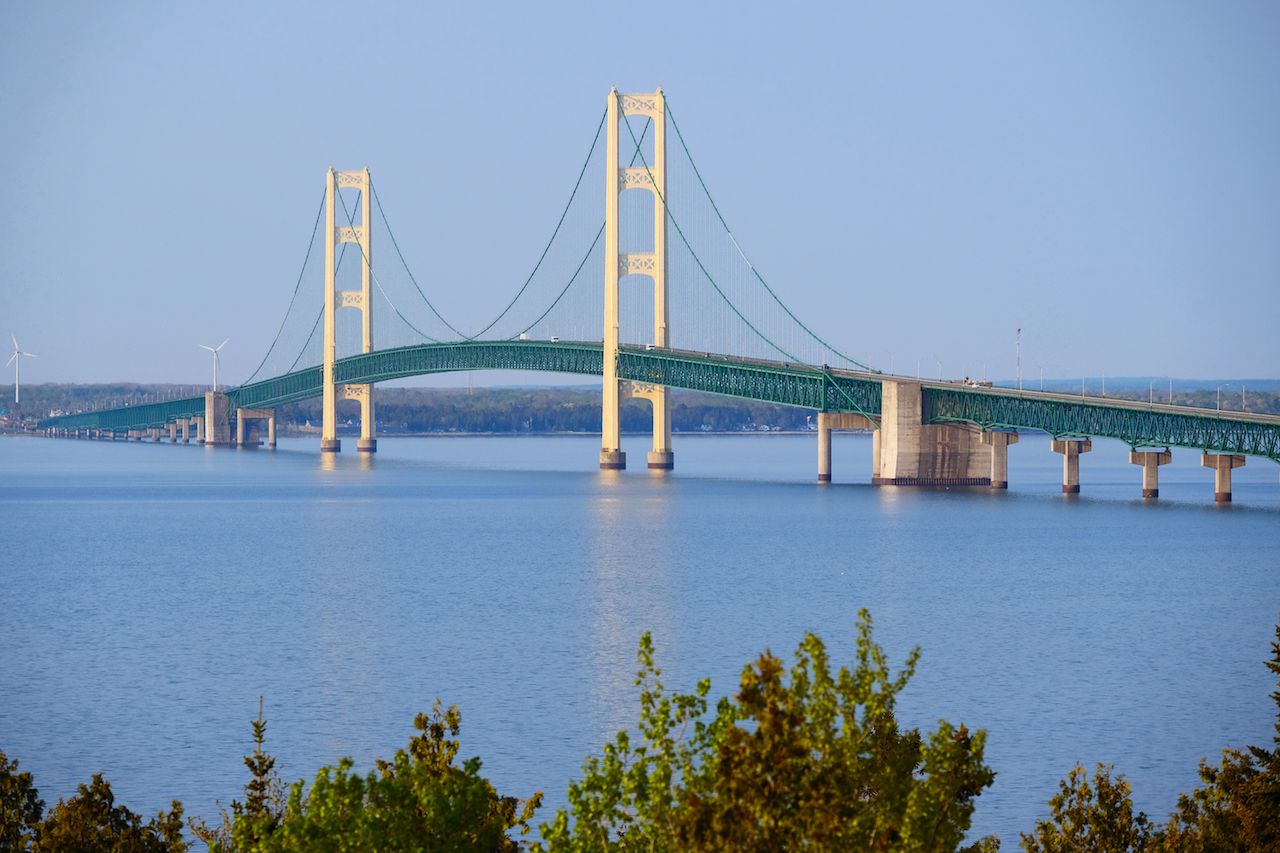
Average Credit Card Debt: $4,692
haveseen

Average Credit Card Debt: $4,767
JoeChristensen

Average Credit Card Debt: $4,785
YinYang
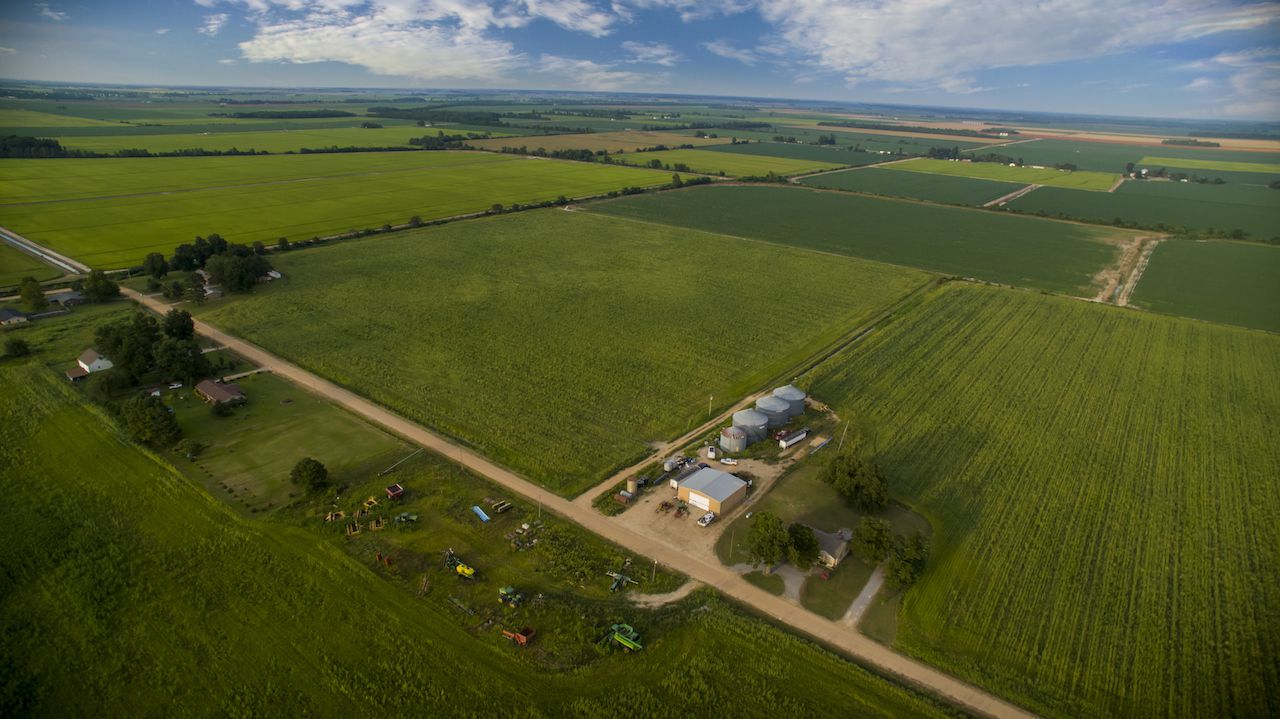
Average Credit Card Debt: $4,791
Rdlamkin

Average Credit Card Debt: $4,819
marekuliasz

Average Credit Card Debt: $4,865
sequential5

Average Credit Card Debt: $4,888
dypics

Average Credit Card Debt: $4,900
” 4kodiak”

Average Credit Card Debt: $4,948
Davel5957

Average Credit Card Debt: $4,950
eyecrave

Average Credit Card Debt: $5,006
Swarmcatcher

Average Credit Card Debt: $5,047
James Deitsch

Average Credit Card Debt: $5,063
Michael Pham

Average Credit Card Debt: $5,080
AppalachianViews

Average Credit Card Debt: $5,120
mlauffen

Average Credit Card Debt: $5,121
” Darwin Brandis”

Average Credit Card Debt: $5,127
DenisTangneyJr

Average Credit Card Debt: $5,141
Rolf_52

Average Credit Card Debt: $5,157
wanderluster

Average Credit Card Debt: $5,182
dschreiber29

Average Credit Card Debt: $5,238
republica
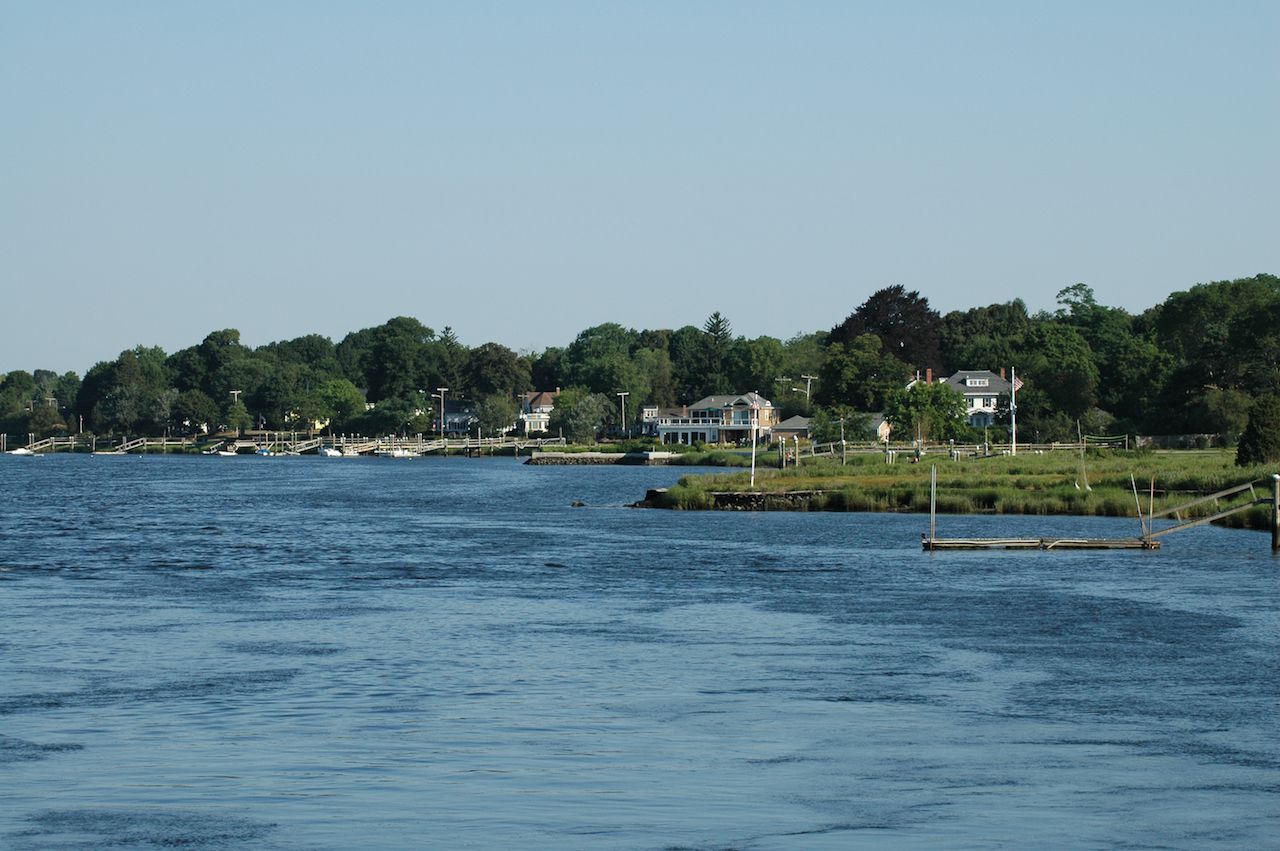
Average Credit Card Debt: $5,256
danlogan

Average Credit Card Debt: $5,271
DepositPhotos.com

Average Credit Card Debt: $5,310
SeanPavonePhoto
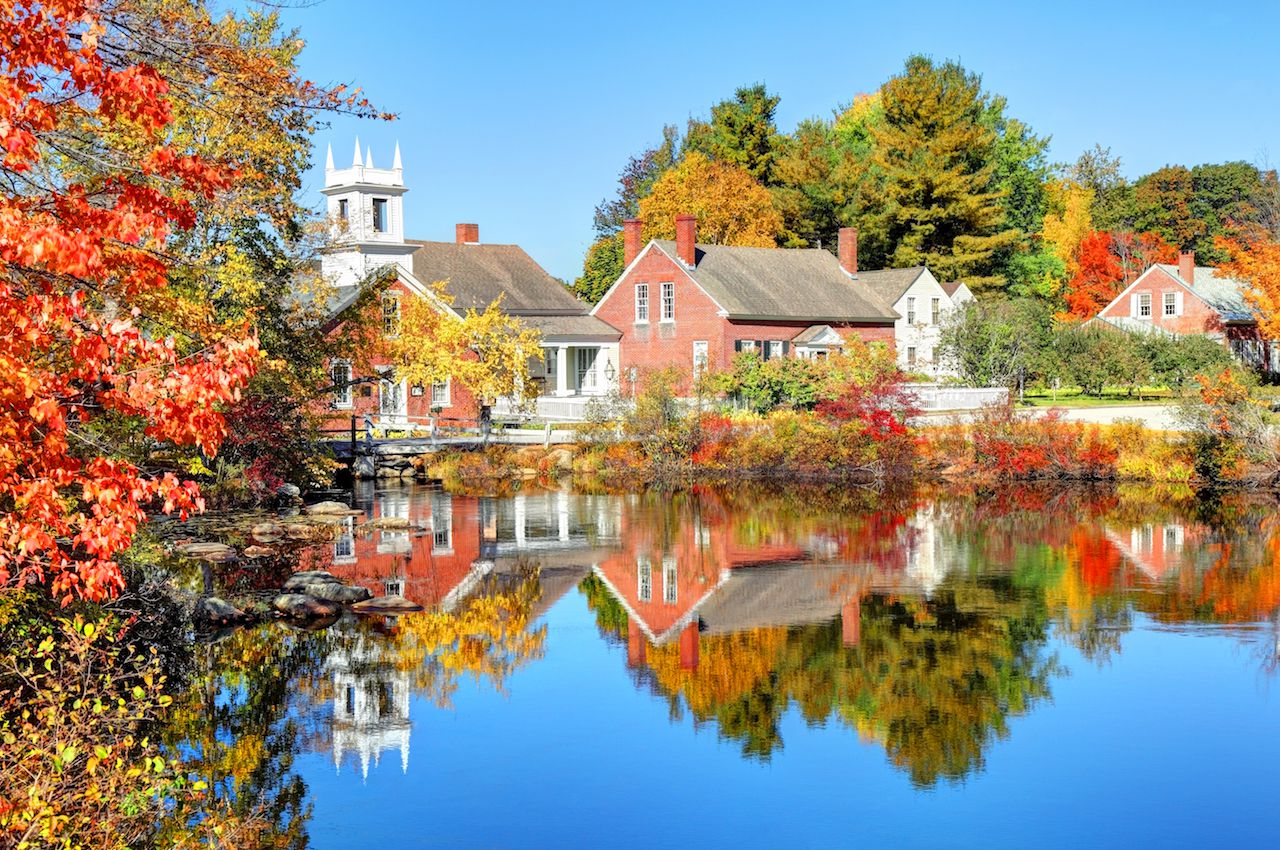
Average Credit Card Debt: $5,327
DenisTangneyJr

Average Credit Card Debt: $5,365
ibsky

Average Credit Card Debt: $5,414
Boogich

Average Credit Card Debt: $5,422
AlizadaStudios
Average Credit Card Debt: $5,462
Pixabay.com

Average Credit Card Debt: $5,541
Jacob Boomsma / istockphoto

Average Credit Card Debt: $5,614
Art Wager

Average Credit Card Debt: $5,623
DepositPhotos.com

Average Credit Card Debt: $5,671
DepositPhotos.com

Average Credit Card Debt: $5,693
SeanPavonePhoto

Average Credit Card Debt: $5,848
DenisTangneyJr

Average Credit Card Debt: $5,977
James_Lane

Average Credit Card Debt: $5,978
aimintang

Average Credit Card Debt: $5,992
DenisTangneyJr

Average Credit Card Debt: $6,040
traveler1116

Average Credit Card Debt: $6,617
Chilkoot

Credit card debt tends to vary by age. MoneyGeek’s analysis of data from the Federal Reserve’s 2019 Survey of Consumer Finances found that, on average, older adults have more credit card debt than younger adults.
Data showed that people 35 or younger have the lowest average credit card debt at $3,700. Around 48% of individuals in this age group carry debt.
Adults 75 or older have the highest average credit card debt at $8,100, but just 28% of people in this age group have debt.
Meanwhile, 52% of Americans 45–54 years old have credit card debt, making them the age group most likely to carry it. The average credit card debt for this age group is $7,700.
MoneyGeek.com

By analyzing data from the Federal Reserve’s Survey of Consumer Finances, MoneyGeek found that credit card debts and balances vary by household income.
Generally, households with higher incomes tend to have higher credit card debts. For instance, households in the highest income percentile — 90th to 100th — have an average of $12,600 of credit card debt. That’s more than three times more than the income bracket with the lowest average debt. Those with the lowest annual income percentile — less than the 20th — had the lowest average credit card debt ($3,800).
Americans in the 60th to 79.9th annual income percentile were most likely to carry debt; approximately 57% of individuals in this income bracket had credit card debt.
MoneyGeek.com

U.S. residents identifying themselves as white (non-Hispanics) reported an average of $6,900 credit debt, according to the Federal Reserve’s Survey of Consumer Finances. This group had the highest average credit card balance of any surveyed.
Black and African-American non-Hispanic cardholders recorded the lowest amount of credit card debt at an average of $3,900 per cardholder.
Hispanic and Latino cardholders had an average of $5,500 credit card debt per person during the same period.
Those who identified with a race outside those mentioned above or as multiple races averaged $6,300 of credit card debt.
Hispanics and Latino cardholders had the highest percentage of individuals with debt at 50%. Those who identified as other or multiple races had the lowest rate of individuals who carried debt at 44%.
Related:
This article
originally appeared on MoneyGeek.comand was
syndicated by MediaFeed.org.
MoneyGeek.com

alkir / iStock
Featured Image Credit: Vasyl Dolmatov / iStock.