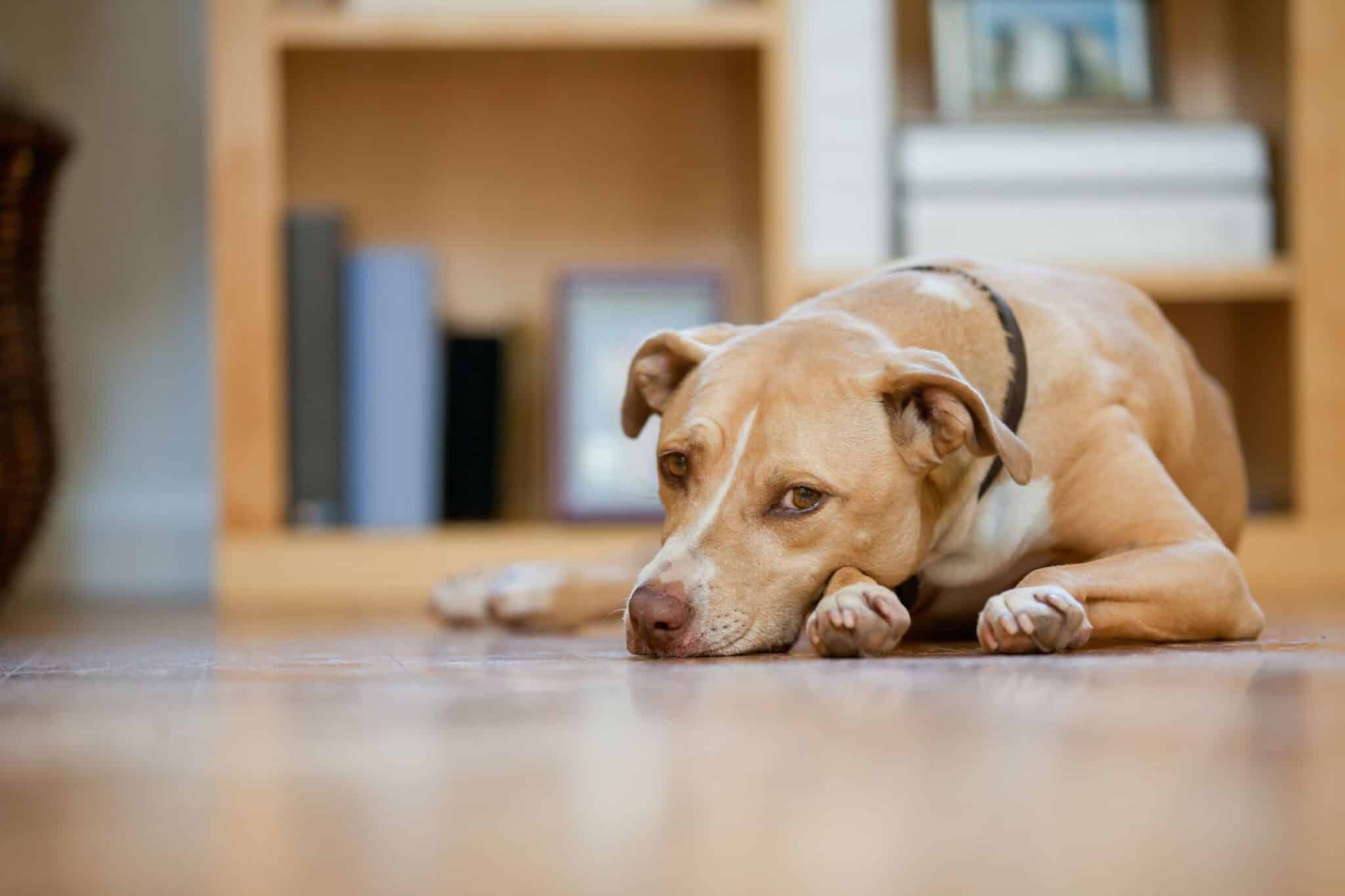
As our loyal companions grow older, the possibility of arthritis becoming a part of their lives increases. The condition affects joints and causes discomfort. Approximately 20% of dogs, especially those in their senior years, experience some form of arthritis. Early detection can ensure your pet continues to have the best quality of life. Here are ways your dog might be communicating that they’re grappling with arthritis.
Image Credit: AMR Image/istockphoto.
1. Decreased activity

Has your pup’s enthusiasm for playtime and walks dwindled lately? It’s possible that arthritis is behind their diminished activity levels. Consider modifying their exercise routine. Gentle, low-impact activities like swimming or short walks on softer surfaces can provide them with the movement they need while minimizing strain on their joints.
Image Credit: Chalabala/istockphoto.
2. Limping or struggling to move

If your dog’s usual enthusiastic steps are slightly faltering, as if they’re navigating a rough path, arthritis might be causing this hesitation. Consider placing soft bedding in their favorite spots. Additionally, joint supplements or anti-inflammatory medications prescribed by your vet can help manage their discomfort.
Image Credit: Capuski/istockphoto.
3. Morning stiffness

Ever had a morning where you feel a little creaky getting out of bed? Well, our furry friends experience that too. To alleviate your pup’s morning stiffness, consider gentle stretching exercises. Creating a warm and cozy sleeping area can also minimize their discomfort upon waking. Consulting your vet about pain management strategies, such as medications or therapies, can lead to mornings that are pain-free and filled with more tail wags.
Image Credit: MartinPrescott/istockphoto.
4. Changes in gait
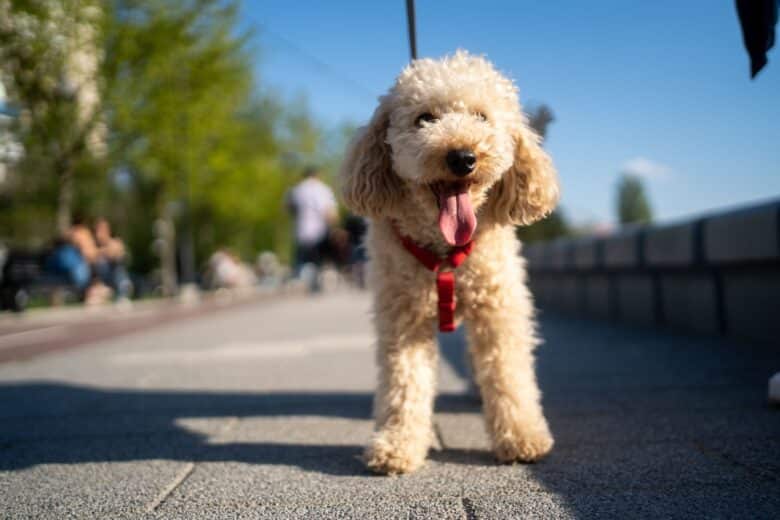
If your pup is taking shorter steps or wobbling a bit, it might be arthritis. You can help them by providing joint-friendly supplements containing glucosamine and chondroitin, which promote joint health. Adjusting their diet to maintain a healthy weight further eases the burden on their joints.
Image Credit: Nenad Cavoski/istockphoto.
5. Difficulty jumping

Your dog who once leaped with boundless joy now is looking unsure before jumping onto the bed or into the car. Providing steps or ramps for access to their favorite spots can make a world of difference. Incorporating joint-friendly foods rich in Omega-3 fatty acids and antioxidants can also contribute to their joint health.
Image Credit: Evrymmnt/istockphoto.
6. Behavioral changes
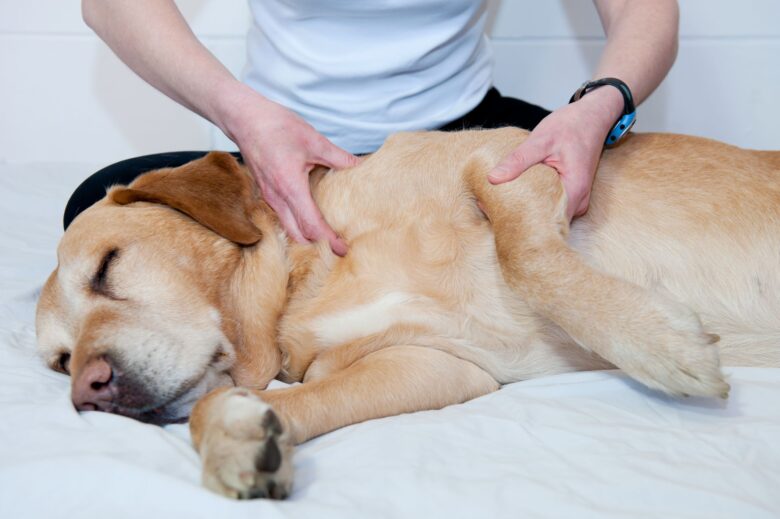
Dogs communicate through more than just barks and tail wags. Sometimes, they might seem a bit out of sorts, maybe a tad grumpier or less eager to join the play. Offering them a cozy, supportive bed, or engage in activities such as gentle massages or leisurely grooming sessions.
Image Credit: BigshotD3/istockphoto.
7. Weight gain

If your dog’s activity has slowed down due to arthritis, those extra treats might start showing up on the scale. Implement portion control and opt for low-calorie treats to manage their weight. Incorporating regular, low-impact exercise routines tailored to their comfort level supports their joint health.
Image Credit: Elena Gurova/istockphoto.
8. Joint sensitivity

Sensitive joints may cause a dog to react when you handle them, like they’re saying, “Easy there, it’s a bit sore.” Supportive bedding minimizes pressure on their joints. Consider providing them with heated pads to alleviate their discomfort. Regularly trimming their nails ensures proper weight distribution, as well.
Image Credit: inside-studio/istockphoto.
9. Puffy and warm joints

If you spot swelling and feel a touch of warmth, arthritis might be the cause behind these changes. Consulting your vet is key; they might recommend non-steroidal anti-inflammatory drugs to manage inflammation. Applying cool compresses can provide immediate relief from swelling. Modifying their environment to reduce physical exertion during these episodes can help with recovery.
Image Credit: Cavan Images/istockphoto.
10. Licking and chewing

If you catch them giving extra attention to certain joints, it’s a sign that spot is bothering them. To help the situation, gently redirect their attention with engaging toys or puzzles.
This article was produced and syndicated by MediaFeed.
Image Credit: Cheryl Paz/istockphoto.
More from MediaFeed

Cheap eats that’ll trim down your grocery bill
- Summer’s hottest radio hits, from 1958 through today
- Men over 60: These hobbies will keep you entertained & active
Like MediaFeed’s content? Be sure to follow us.
Image Credit: PeopleImages.