The landscaping industry never slows down. While spring and summer are the busiest seasons, there is plenty of work to be done all year round. If you’re thinking about starting a small landscaping business, it can be a great way to escape the traditional 9 to 5.
You have the best chance for success if your area isn’t oversaturated with providers. But even if it might seem a little tight, there’s probably a way to differentiate yourself by offering unique services.
In this article, we’ll discuss how to grow a landscaping business, including how to retain clients, expand your services, and get more leads, as well as financing options for when you need additional working capital and are looking to expand.
How to Retain Current Clients
One of the first lessons when starting a business is learning how to find and then retain clients.
One method is to encourage customers to sign up with a monthly contract by offering them a discount. With their bank information and a written agreement in place, you can do an automatic withdrawal once a month, which will stabilize your revenue. Customers who sign up on a monthly, seasonal, or yearly basis may be more likely to stay for the long haul if you consistently deliver top-notch service at a bargain price.
Next, offer additional services on an as-needed basis. Services you may consider are:
- Tree and bush pruning
- Leaf removal
- Gutter cleaning
- Snow removal / driveway cleaning
- Hardscaping — wall or path installation
- Planting trees or shrubs
- Tilling gardens
- Boulder installation
- Special requests
In addition to offering additional services and special requests, offer to give them a discount if they sign a contract. Once they know you can handle all of their yard’s needs, they may be less likely to take their money elsewhere.
Lastly, offer bundle services when and where you can. This does two things: It makes the customer feel as if they are getting a bargain, and it prevents customers from only choosing lower cost services, which can restrict your growth and profit margins.
Methods to Get More Leads for Landscaping Business
The first and most important method to growing a landscaping business (or any other) is to utilize referrals. This can be done any number of ways. For example, you can ask to leave a sign in their yard, give existing customers a discount when a friend or family member books and pays for your services, or you may offer a free, one time service, such as leaf removal.
Next, consider expanding your service area. While it may entail more driving, it’s possible to greatly increase your client base by just expanding your area of operations a few miles or more.
Lastly, if you’re not already doing so, consider expanding your services to include commercial real estate. This may require you to purchase additional insurance and hire an employee or two, but any additional costs you incur might pay for themselves very quickly. Realtors may also provide a good source of income, but keep in mind they may need fast-turnarounds to accommodate last minute showings.
Landscaping Services That Make the Most Profit
If you’re looking to make the most profit, it makes sense to center your services on tasks that bring in the most revenue. Nationwide, irrigation and lawn care appear to be the most profitable, while mowing and mulching bring in the least returns. However, because mowing and mulching will likely be how you acquire many customers (and possibly pay your bills), you may want to consider bundling those services with others, which we discussed above.
Other profitable services include:
- Downspout extension installation
- French drain installation
- Pond installation
- Garden bed construction
- Snow removal
- Post storm cleanups
- Tree removal
The trick is finding jobs that customers are unable to do themselves (as opposed to simply unwilling). Grass cutting for many people is simply something they don’t want to do in the heat of summer, but they would likely change their minds if companies decide to charge too much to increase their profit margins. Tree removal or pond installation, on the other hand, is a different story. Therefore, find jobs that the average customer can’t do to significantly increase your revenue.
How to Expand Your Current Lawn Care Services
When expanding the services you offer, utilize off-seasons to learn new skills. It’s unrealistic to learn and implement a new branch of landscaping while you’re fully booked with other projects. Also, if you anticipate you’ll need to hire additional employees, use your slower off-seasons to train them during this time, too.
Don’t forget to send current and past clients information about your additional services when you’re ready to move forward. For this, email and direct mail can go a long way.
Financing Options for Lawn Care Startups
Wondering how to start a landscaping business with no money? A lawncare business start up likely won’t find a magic bullet to its capital issues, but it may be surprised by what’s available.
Small business loans for new businesses do exist. They often require a personal guarantee and have less favorable loan terms, but the myth that a business must be in business for a minimum of two years before it can get a loan is not true. It is true for some lenders and loan products, but not all.
One of the top small business loans, the SBA 7(a) loan, is available for certain start ups that meet the eligibility requirements. So if you’re looking for a loan for landscaping, you may want to start here. Because SBA loans are insured by the federal government, they have some of the best terms in the industry.
However, other loans may be a good fit, too. Popular loan options for new businesses that may make great landscaping business loans include:
Equipment loans
Equipment loans use the purchased machinery itself as collateral to secure the loan. The repayment length typically coincides with the equipment’s useful life, which can make calculating taxes a little easier.
Merchant cash advances
Merchant cash advances provide borrowers with a lump sum. Instead of making monthly payments, a small percentage of each credit card sale is automatically forwarded to the lender. Because payment is guaranteed, no collateral is required.
Invoice financing
Unpaid customer invoices are used as collateral to secure the loan. Once payment is received, the borrower pays off the loan amount with interest. Invoice financing can be useful for working capital needs.
Invoice factoring
A third party buys a company’s unpaid invoices at a discount and collects payment on its behalf. Once payment is received, the remaining invoice is forwarded minus any fees. Other options besides small business loan include grants and crowdfunding.
However, success is not guaranteed for either as both are highly competitive. We suggest pursuing them, but know that bootstrapping and small business loans should likely be your primary strategies. (Learn more at $5,000 Personal Loans Pros and Cons)
The Takeaway
Launching and expanding a landscaping business can be done by just about anyone who understands how to retain their clients and offer the right services. When capital is needed, remember there are loan options regardless of how new your business is. From SBA loans, merchant cash advances, to equipment loans, there are often ways for small business owners to fund their projects and growth needs.
This article originally appeared on SoFi.com and was syndicated by MediaFeed.org.
Please understand that this information provided is general in nature and shouldn’t be construed as a recommendation or solicitation of any products offered by SoFi’s affiliates and subsidiaries. In addition, this information is by no means meant to provide investment or financial advice, nor is it intended to serve as the basis for any investment decision or recommendation to buy or sell any asset. Keep in mind that investing involves risk, and past performance of an asset never guarantees future results or returns. It’s important for investors to consider their specific financial needs, goals, and risk profile before making an investment decision.
The information and analysis provided through hyperlinks to third party websites, while believed to be accurate, cannot be guaranteed by SoFi. These links are provided for informational purposes and should not be viewed as an endorsement. No brands or products mentioned are affiliated with SoFi, nor do they endorse or sponsor this content.
Communication of SoFi Wealth LLC an SEC Registered Investment Advisor
SoFi isn’t recommending and is not affiliated with the brands or companies displayed. Brands displayed neither endorse or sponsor this article. Third party trademarks and service marks referenced are property of their respective owners.
Communication of SoFi Wealth LLC an SEC Registered Investment Adviser. Information about SoFi Wealth’s advisory operations, services, and fees is set forth in SoFi Wealth’s current Form ADV Part 2 (Brochure), a copy of which is available upon request and at here. Liz Young is a Registered Representative of SoFi Securities and Investment Advisor Representative of SoFi Wealth. Her ADV 2B is available at here.
The states where foreclosure rates are through the ceiling

Despite a slight dip this month, foreclosure rates in the U.S. are continuing to rise annually. According to property data provider ATTOM , the number of housing units with foreclosure filings in April was 32,977, a nearly 8% increase from the previous year. The expiration of COVID-era government programs such as foreclosure moratoriums and loan forbearance has largely influenced this rise in numbers, which has left many homeowners without any recourse.
With the U.S. median home price hovering around $380,000, home ownership is becoming increasingly difficult for new buyers and existing owners alike. Experts believe that high mortgage interest rates are exacerbating the situation, with the interest rate for a 30-year fixed mortgage lingering near 6.39% as of May 18th. This represents a week-over-week decrease of 0.04% and a year-over-year increase of 1.12%.
The Federal Reserve has been working to combat inflation by raising interest rates, but these hikes are also causing mortgage rates to rise, making it more expensive to finance a home or refinance an existing mortgage. Borrowers are advised to stay informed about their mortgage payments and to work closely with their lenders to explore options for assistance if needed.
Read on for the foreclosure rates in April 2023 – plus the five counties or county equivalents with the highest rates within those states.
William_Potter / iStock
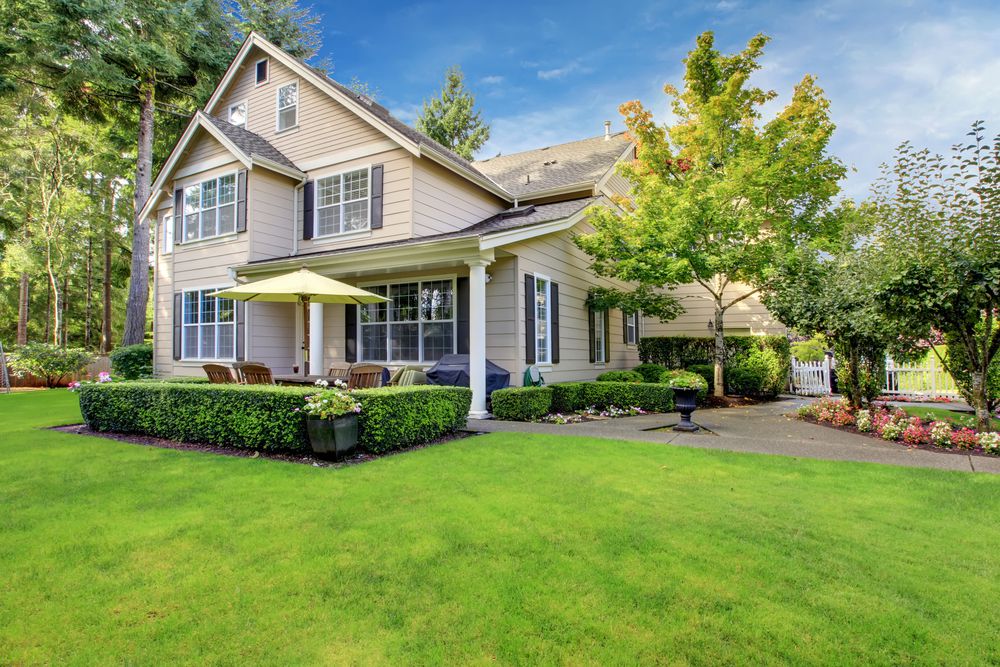
As previously noted, foreclosure rates decreased marginally compared to last month, but are up slightly compared to last year. Read on for April foreclosure rates for all 50 states — plus the District of Columbia — beginning with the state that had the lowest rate of foreclosure filings per housing unit.
DepositPhotos.com
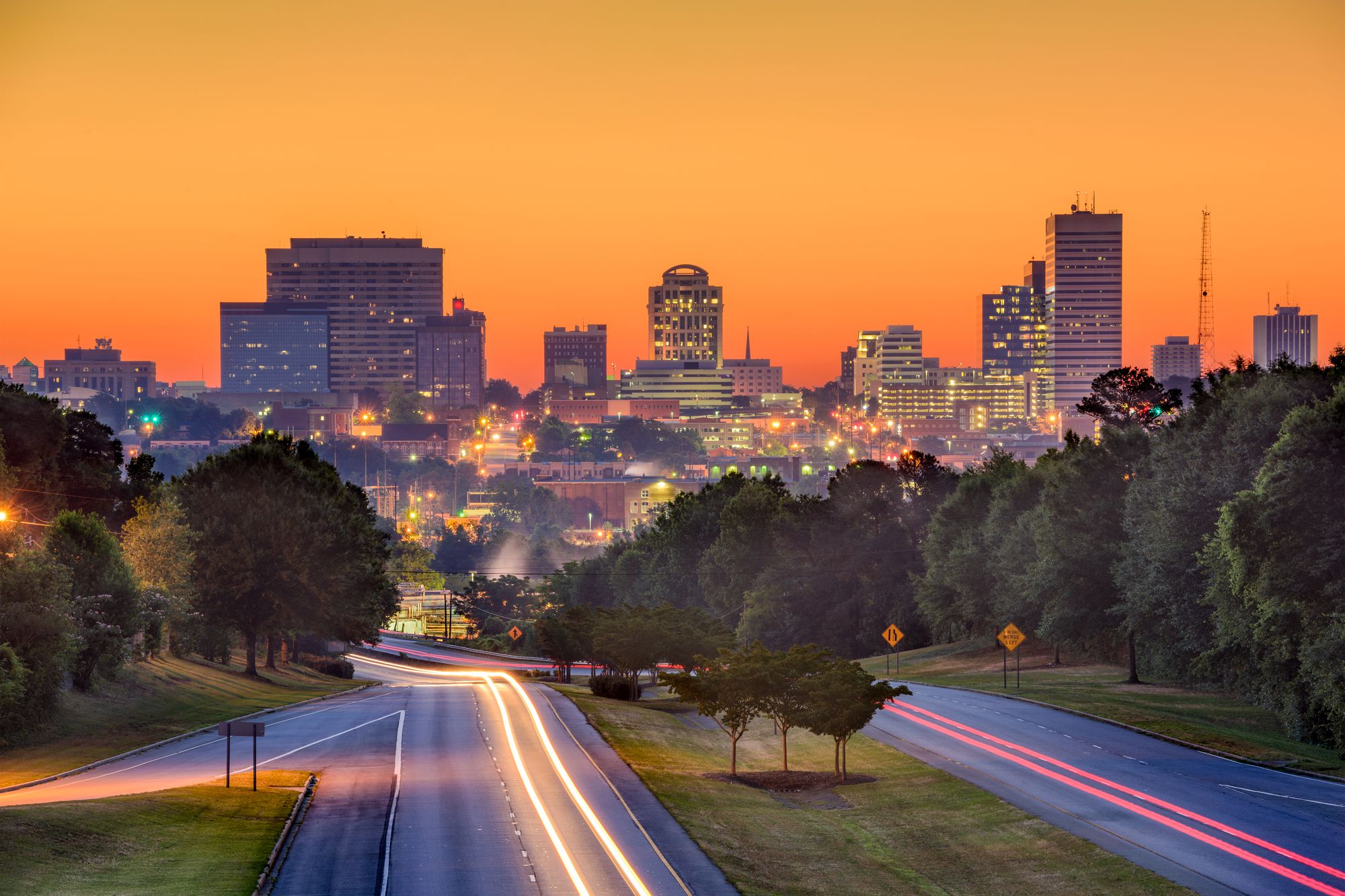
Ranking in population between Vermont and Alaska, the country’s second-and-third-least populous states, Washington, D.C. observed 114 foreclosures in April, up 42.5% from the previous month. With a total of 344,306 housing units, the foreclosure rate of the Nation’s Capital was one in every 3,020 households, putting it in between the states of Nevada (#8) and Indiana (#9).
DepositPhotos.com
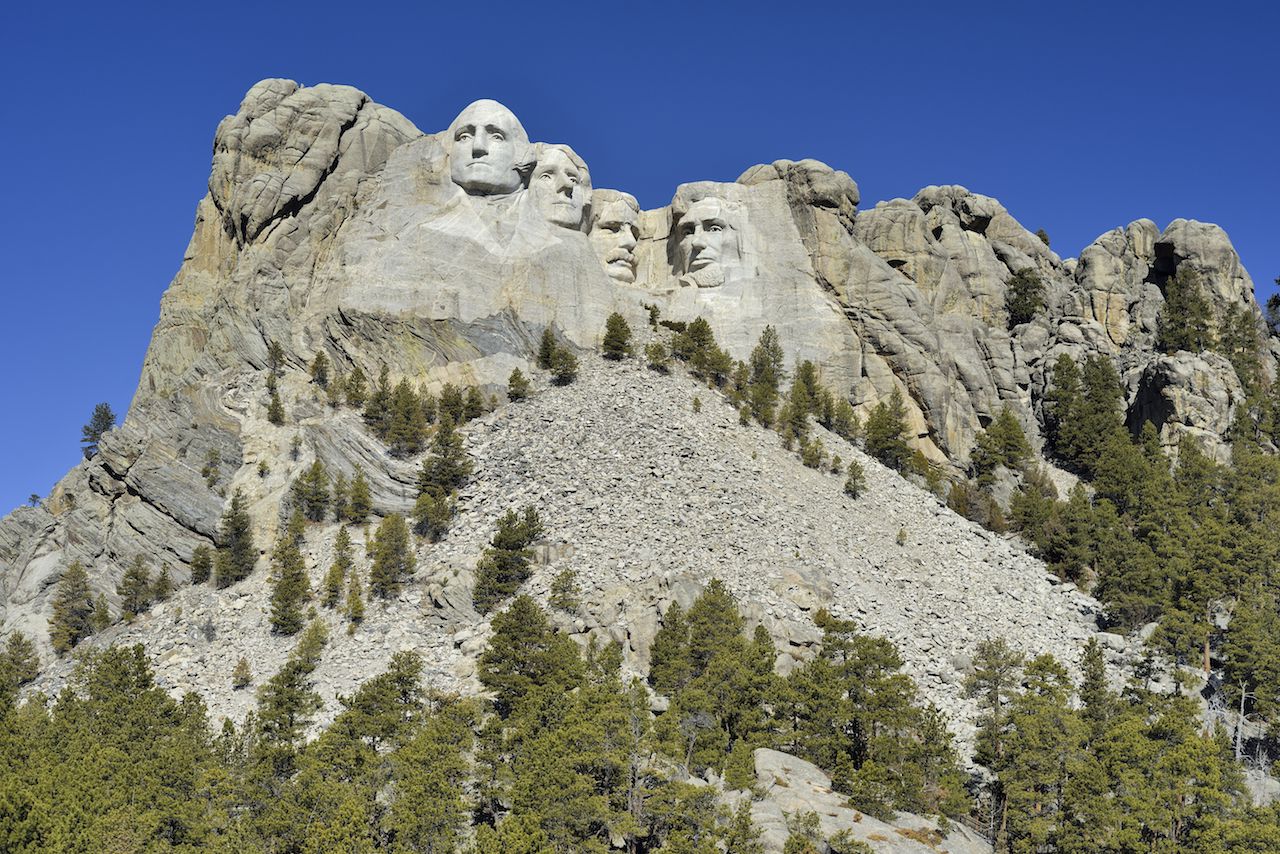
The Mount Rushmore State nabbed the 50th spot for its foreclosure rate for the eighth month in a row. Having 388,373 total housing units, the fifth-least populous state had a foreclosure rate of one in every 55,482 households with 7 foreclosures. Only four counties in South Dakota saw foreclosures. The counties with the most foreclosures per housing unit were (from highest to lowest): Meade, Codington, Minnehaha, and Lincoln.
RiverNorthPhotography

In 49th place for population, the Green Mountain State also ranked 49th for its foreclosure rate this month. Of the state’s 333,519 housing units, 9 homes went into foreclosure at a rate of one in every 37,058 households. The counties with the most foreclosures per housing unit were (from highest to lowest): Washington, Rutland, Franklin, Windham, and Chittenden.
” DonLand”

Listed as 44th in population, the Treasure State rated 48th for highest foreclosure rate. With 29 foreclosures out of 512,553 housing units, Montana’s foreclosure rate was one in every 17,674 homes. The counties with the most foreclosures per housing unit were (from highest to lowest): Fallon, Powell, Lincoln, Roosevelt, and Custer.
YinYang

The Peace Garden State’s foreclosure rate was one in every 16,823 homes. This puts the fourth-least populous state — with 370,111 housing units and 22 foreclosures — in 47th place. The counties with the most foreclosures per housing unit were (from highest to lowest): Williams, Ward, Stutsman, Morton, and Stark.
sequential5
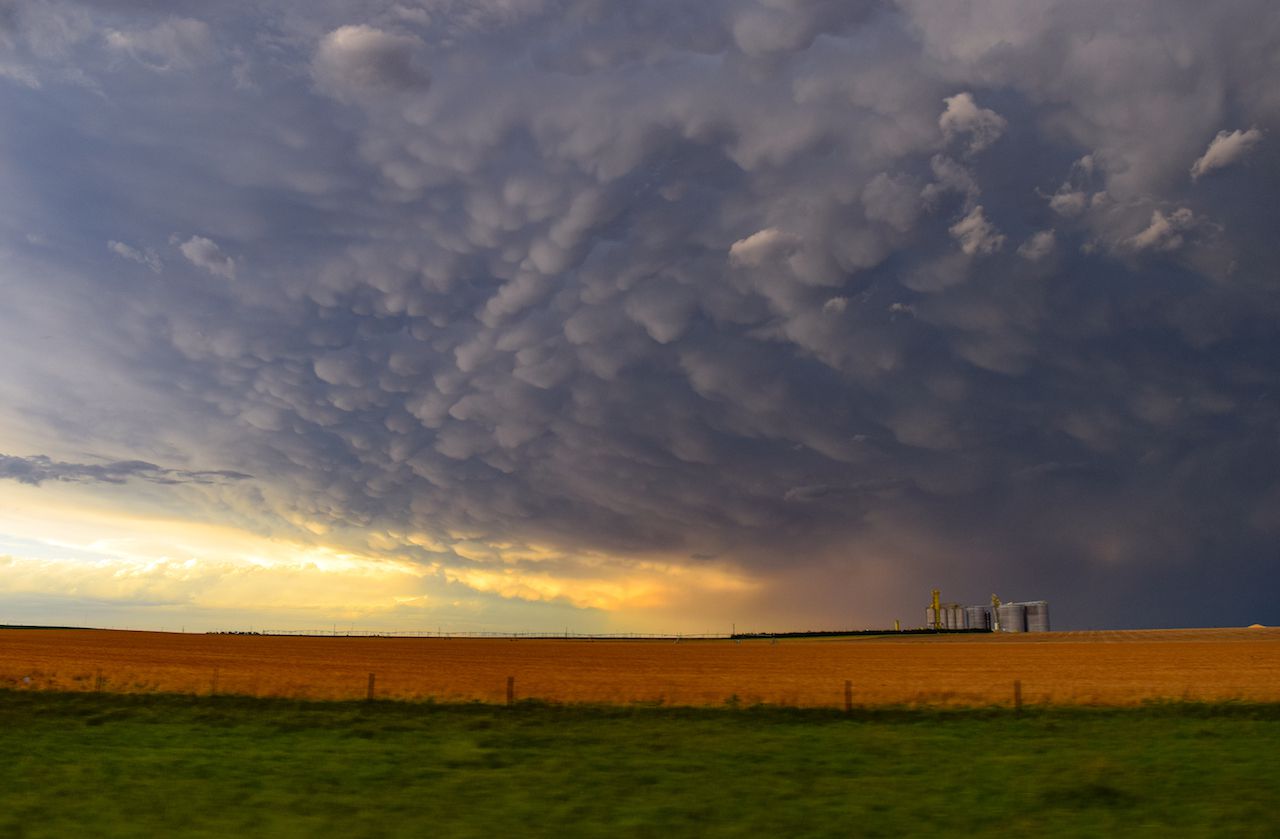
The Sunflower State ranked 46th in April. With 1,272,290 homes and a total of 82 housing units going into foreclosure, the 35th most populous state’s foreclosure rate was one in every 15,516 households. The counties with the most foreclosures per housing unit were (from highest to lowest): Scott, Brown, Stafford, Franklin, and Barber.
Michael Pham

The eighth-least populous state placed 45th for highest foreclosure rate. A total of 33 homes went into foreclosure out of 481,168 total housing units, making the foreclosure rate for the Ocean State one in every 14,581 households. Only three counties in Rhode Island saw foreclosures. The counties with the most foreclosures per housing unit were (from highest to lowest): Providence, Newport, and Kent.
danlogan
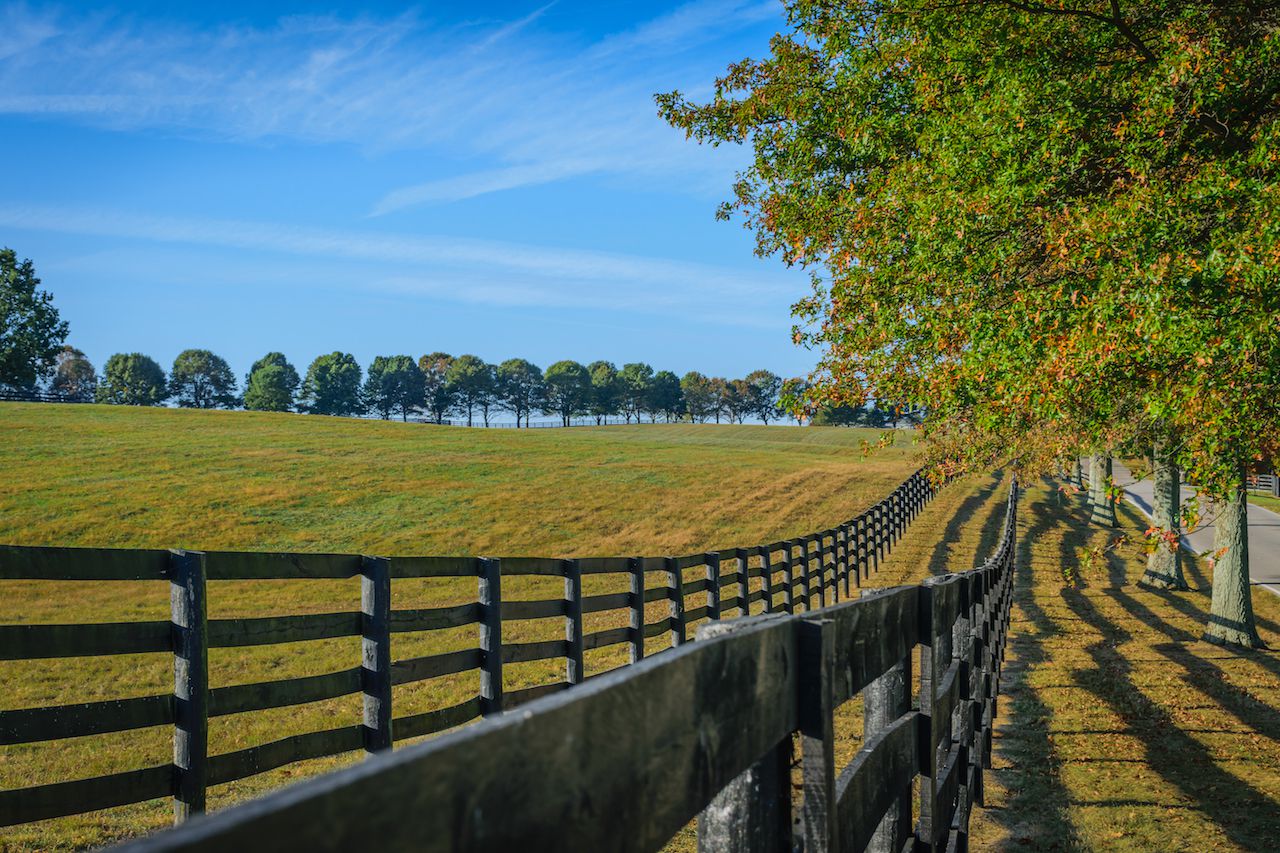
With a total of 1,988,420 housing units, the Bluegrass State saw 158 homes go into foreclosure, thus landing in 44th place in April. This puts the foreclosure rate for the 26th most populous state at one in every 12,585 households. The counties with the most foreclosures per housing unit were (from highest to lowest): Hardin, Carroll, Union, Kenton, and Boyd.
Thomas Kelley

Sorted as 13th in population, the Evergreen State ranked 43rd again for highest foreclosure rate. Of its 3,170,695 housing units, 266 went into foreclosure, making the state’s foreclosure rate one in every 11,920 households. The counties with the most foreclosures per housing unit were (from highest to lowest): Chelan, Lincoln, Cowlitz, Island, and Kitsap.
4nadia

The 15th most populous state ranked 42nd for highest foreclosure rate in April. Of the Bay State’s 2,979,634 housing units, 252 went into foreclosure, making for a foreclosure rate of one in every 11,824 homes. The counties with the most foreclosures per housing unit were (from highest to lowest): Plymouth, Franklin, Hampden, Berkshire, and Worcester.
Rolf_52

Ranked 39th in population, the Mountain State claimed the 41st spot this month. It has a total of 859,437 housing units, of which 75 went into foreclosure. This means that the foreclosure rate was one in every 11,459 homes. The counties with the most foreclosures per housing unit were (from highest to lowest): Pleasants, Randolph, Kanawha, Marshall, and Ohio. (Learn more with Tips on Buying a Foreclosed Home.)
hkim39 // istockphoto

The country’s least populous state claimed the 40th spot for highest foreclosure rate this month. With 271,818 housing units, of which 27 went into foreclosure, the Equality State’s foreclosure rate was one in every 10,067 households. The counties with the most foreclosures per housing unit were (from highest to lowest): Converse, Weston, Carbon, Uinta, and Campbell.
AnujSahaiPhotography

The 27th most populous state ranked 39th again for highest foreclosure rate in April. Of the Pacific Wonderland’s 1,798,864 homes, 195 went into foreclosure, making for a foreclosure rate of one in every 9,225 homes. The counties with the most foreclosures per housing unit were (from highest to lowest): Malheur, Lake, Tillamook, Columbia, and Crook.
HaizhanZheng
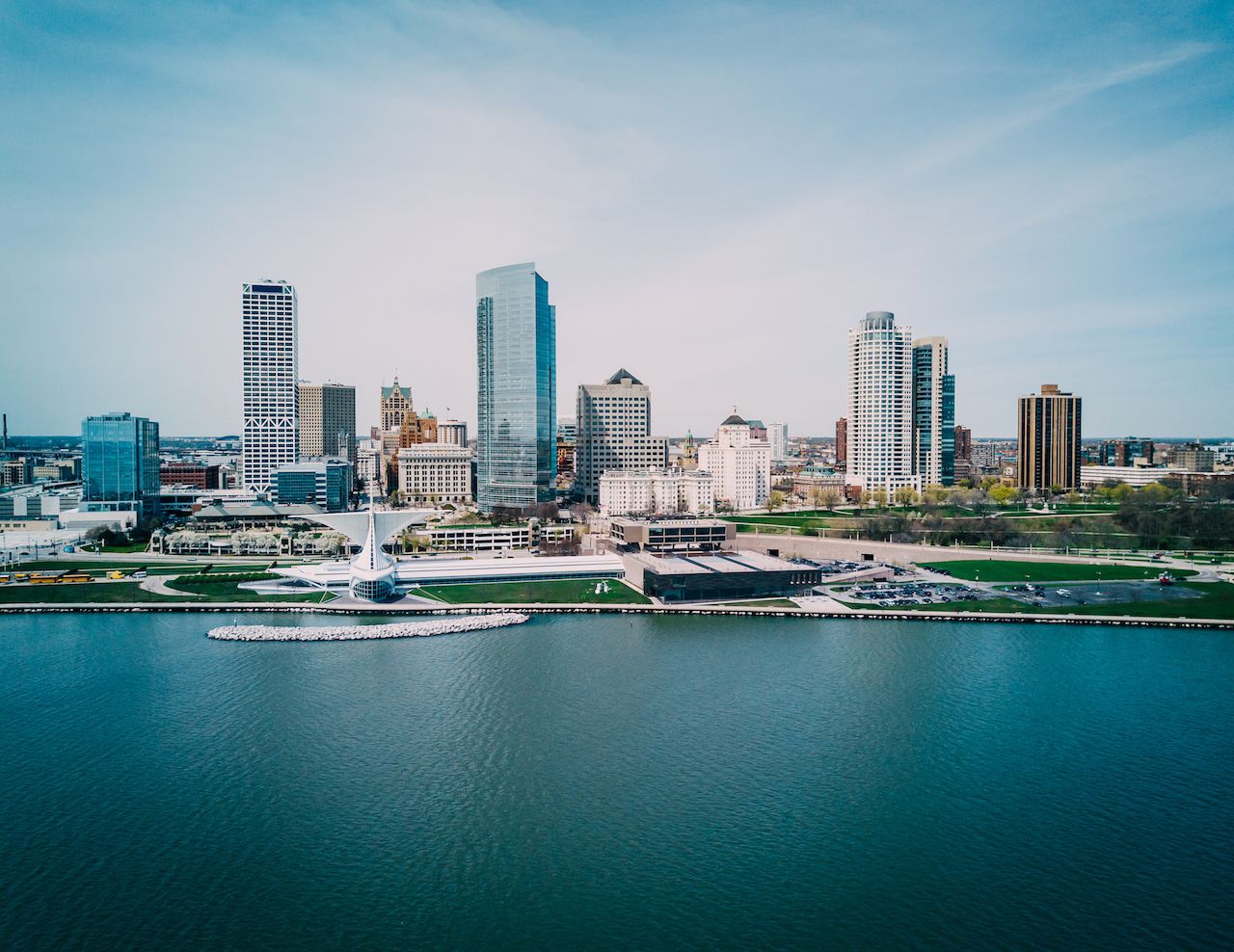
With 297 foreclosures out of 2,718,369 total housing units, America’s Dairyland and the 20th most populous state secured the 38th spot with a foreclosure rate of one in every 9,153 households. The counties with the most foreclosures per housing unit were (from highest to lowest): Douglas, Dodge, Kenosha, Marquette, and Juneau.
FierceAbin

The Granite State, also the 41st most populous state in the U.S., ranked 37th for highest foreclosure rate. New Hampshire saw 78 of its 636,480 homes go into foreclosure, making for a foreclosure rate of one in every 8,160 households. The counties with the most foreclosures per housing unit were (from highest to lowest): Strafford, Grafton, Rockingham, Coos, and Hillsborough.
DenisTangneyJr
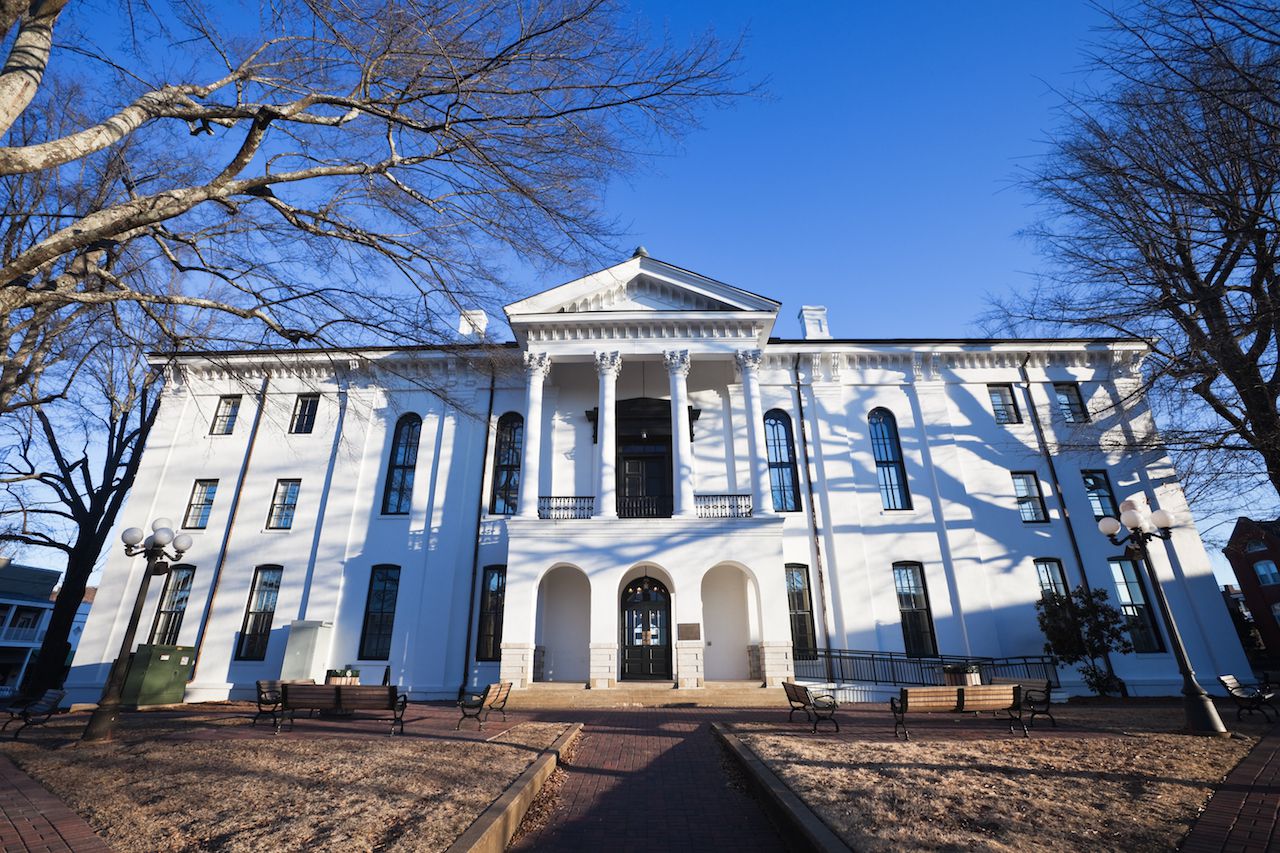
Ranked 34th in population, the Magnolia State experienced 164 foreclosures out of 1,317,375 housing units. This puts the foreclosure rate at one in every 8,033 homes and in the 36th spot in April. The counties with the most foreclosures per housing unit were (from highest to lowest): Clay, Itawamba, Simpson, Copiah, and Leflore.
stevegeer

Coming in at 19th in population, the Show-Me State came in 35th for highest rate of foreclosures in April. Of its 2,782,081 homes, 380 went into foreclosure, making for a foreclosure rate of one in every 7,321 homes. The counties with the most foreclosures per housing unit were (from highest to lowest): Webster, Dent, Barton, Mississippi, and Moniteau.
DepositPhotos.com

Ranked 16th in population, the Volunteer State endured 416 foreclosures out of its 3,011,124 housing units. This puts the foreclosure rate at one in every 7,238 households and in 34th place. The counties with the most foreclosures per housing unit were (from highest to lowest): Hancock, Rhea, Monroe, McNairy, and Fentress.
Swarmcatcher
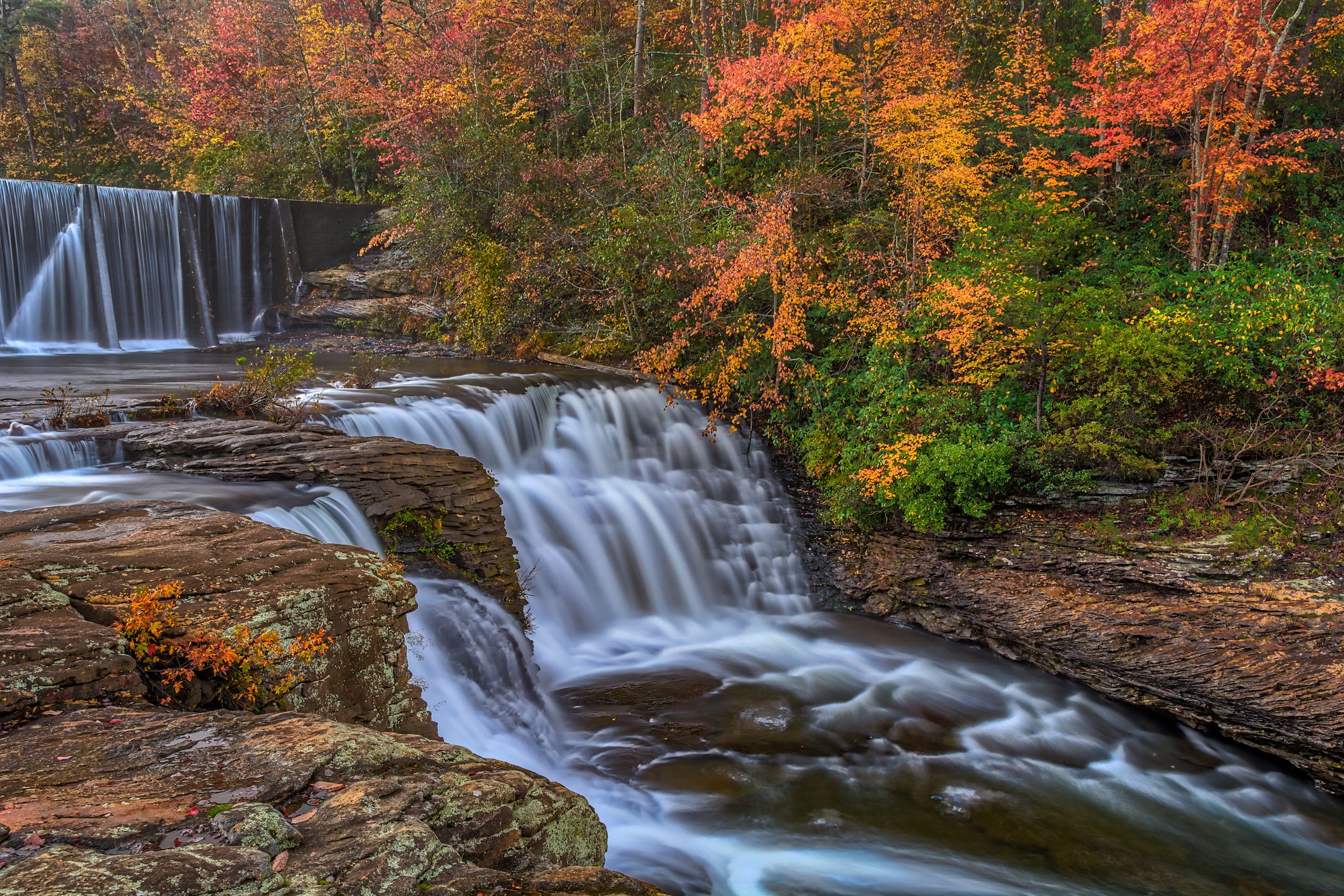
Listed as 24th in population, the Yellowhammer State came in 33rd for highest foreclosure rate this month. Of its 2,278,526 homes, 315 went into foreclosure, making for a foreclosure rate of one in every 7,233 homes. The counties with the most foreclosures per housing unit were (from highest to lowest): Calhoun, Henry, Monroe, Washington, and Clarke.
James Deitsch

With 508 homes going into foreclosure, the 12th most populous state ranked 32nd for highest foreclosure rate in April. Having 3,596,100 total housing units, the Old Dominion saw a foreclosure rate of one in every 7,079 households. The counties and independent cities with the most foreclosures per housing unit were (from highest to lowest): Surry, Covington City, Galax City, Franklin City, and Hopewell City.
ABEMOS / istockphoto

Ranked 38th in population, the Gem State received the 31st spot due to its 111 housing units that went into foreclosure in April. With 742,145 total housing units, the state’s foreclosure rate was one in every 6,686 households. The counties with the most foreclosures per housing unit were (from highest to lowest): Minidoka, Power, Gooding, Payette, and Bonneville. (Recommended: What Is a Short Sale?)
shanecotee
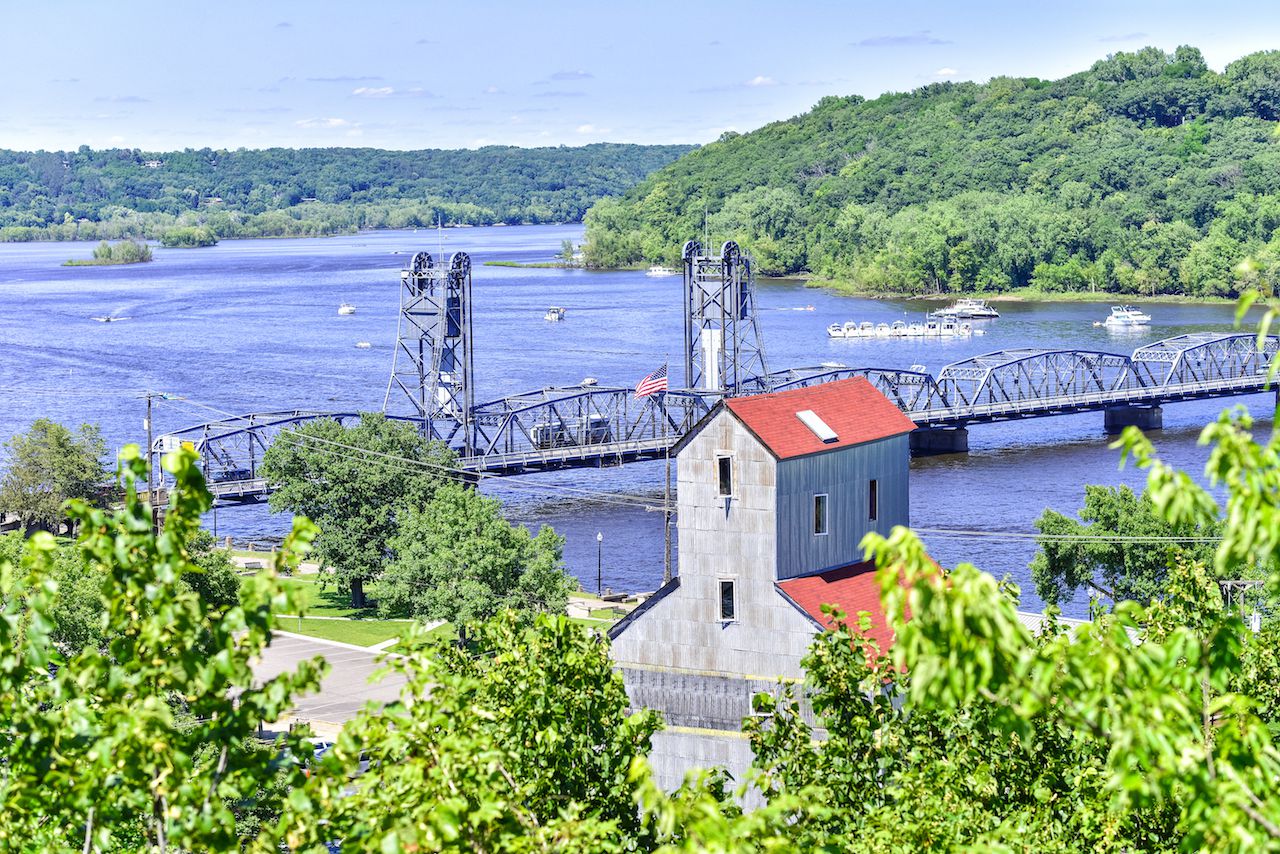
Ranked 22nd for most populous state, the Land of 10,000 Lakes obtained the 30th spot for highest foreclosure rate in April. It has 2,470,483 housing units, of which 378 went into foreclosure, making the state’s foreclosure rate one in every 6,536 households. The counties with the most foreclosures per housing unit were (from highest to lowest): Sherburne, Chisago, Faribault, Cottonwood, and Steele.
JoeChristensen
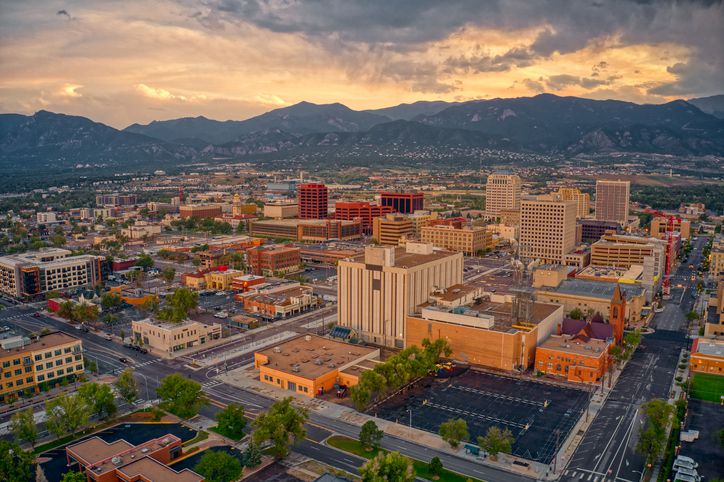
The 21st most populous state ranked 29th for highest foreclosure rate this month. Of the Centennial State’s 2,454,873 housing units, 377 went into foreclosure, making for a foreclosure rate of one in every 6,512 homes. The counties with the most foreclosures per housing unit were (from highest to lowest): Logan, Prowers, Bent, Pueblo, and Fremont.
Jacob Boomsma / istockphoto
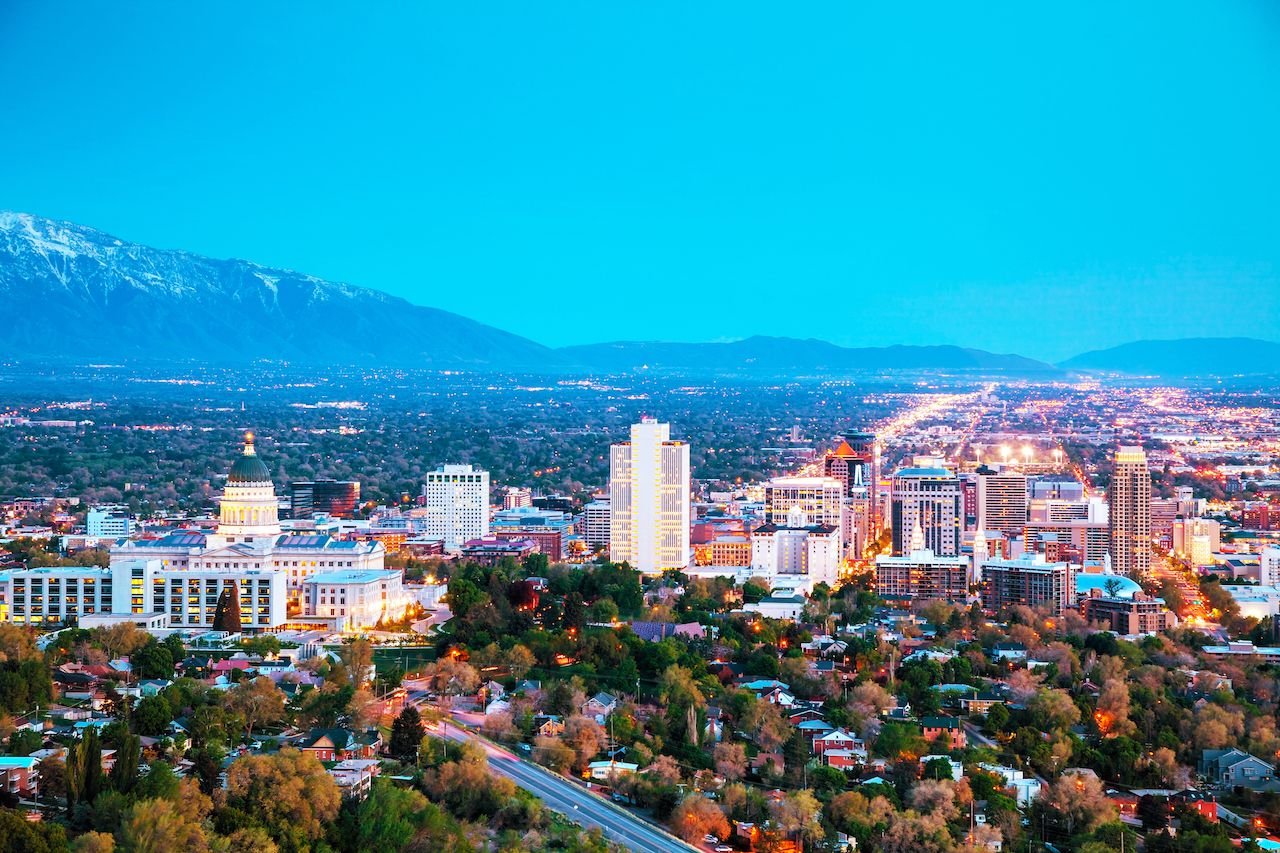
The Beehive State placed 28th for highest foreclosure rate. Of its 1,133,558 housing units, 175 homes went into foreclosure, making the 30th most populous state’s foreclosure rate one in every 6,477 households. The counties with the most foreclosures per housing unit were (from highest to lowest): Box Elder, Carbon, Tooele, Utah, and Juab.
AndreyKrav

Listed as the 33rd most populous state, the Land of Opportunity took the 27th spot for highest foreclosure rate in April. The state contains 1,361,880 housing units, of which 222 went into foreclosure, making its latest foreclosure rate one in every 6,135 households. The counties with the most foreclosures per housing unit were (from highest to lowest): Dallas, Calhoun, Clay, Howard, and Poinsett.
Tara Ballard
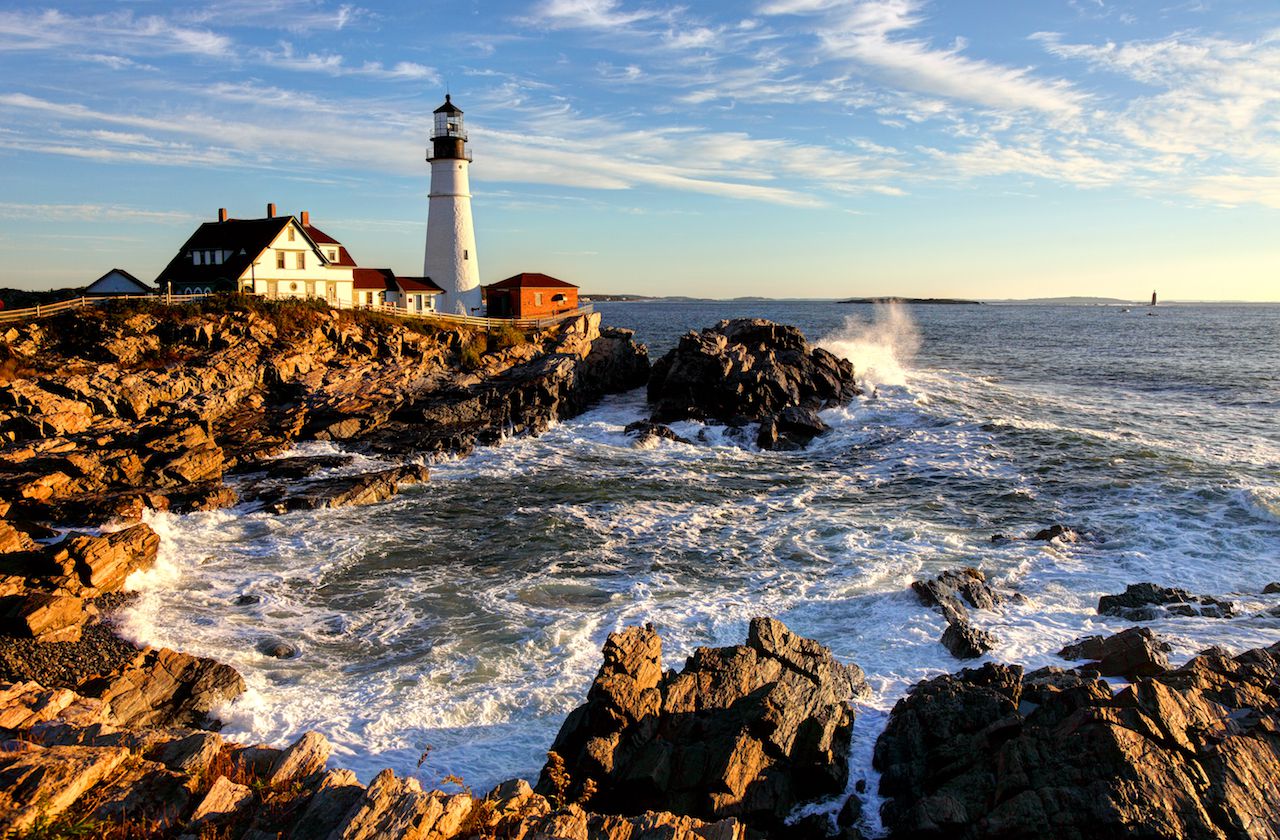
Ranked 42nd in population, the Pine Tree State placed 26th for highest foreclosure rate. With a total of 737,782 housing units, Maine saw 122 foreclosures for a foreclosure rate of one in every 6,047 homes. The counties with the most foreclosures per housing unit were (from highest to lowest): Piscataquis, Penobscot, Franklin, Androscoggin, and Somerset.
DepositPhotos.com

Sorted as 14th in population, the Grand Canyon State withstood 541 foreclosures out of its total 3,056,890 housing units. This puts the foreclosure rate at one in every 5,650 homes and in the 25th spot. The counties with the most foreclosures per housing unit were (from highest to lowest): Graham, Santa Cruz, Pinal, Cochise, and Yuma.
wanderluster

Ranking 37th in population, the Cornhusker State placed 24th with a foreclosure rate of one in every 5,532 homes. With a total of 840,802 housing units, the state had 152 foreclosure filings. The counties with the most foreclosures per housing unit were (from highest to lowest): Red Willow, York, Hamilton, Scotts Bluff, and Hitchcock.
marekuliasz

The Paradise of the Pacific, and the 40th most populous state, came in 23rd for highest foreclosure rate in April. Of its 556,937 homes, 101 went into foreclosure, making for a foreclosure rate of one in every 5,514 households. Only three of the five counties in the state saw foreclosures. They were (from highest to lowest): Hawaii, Honolulu, and Maui.
Art Wager
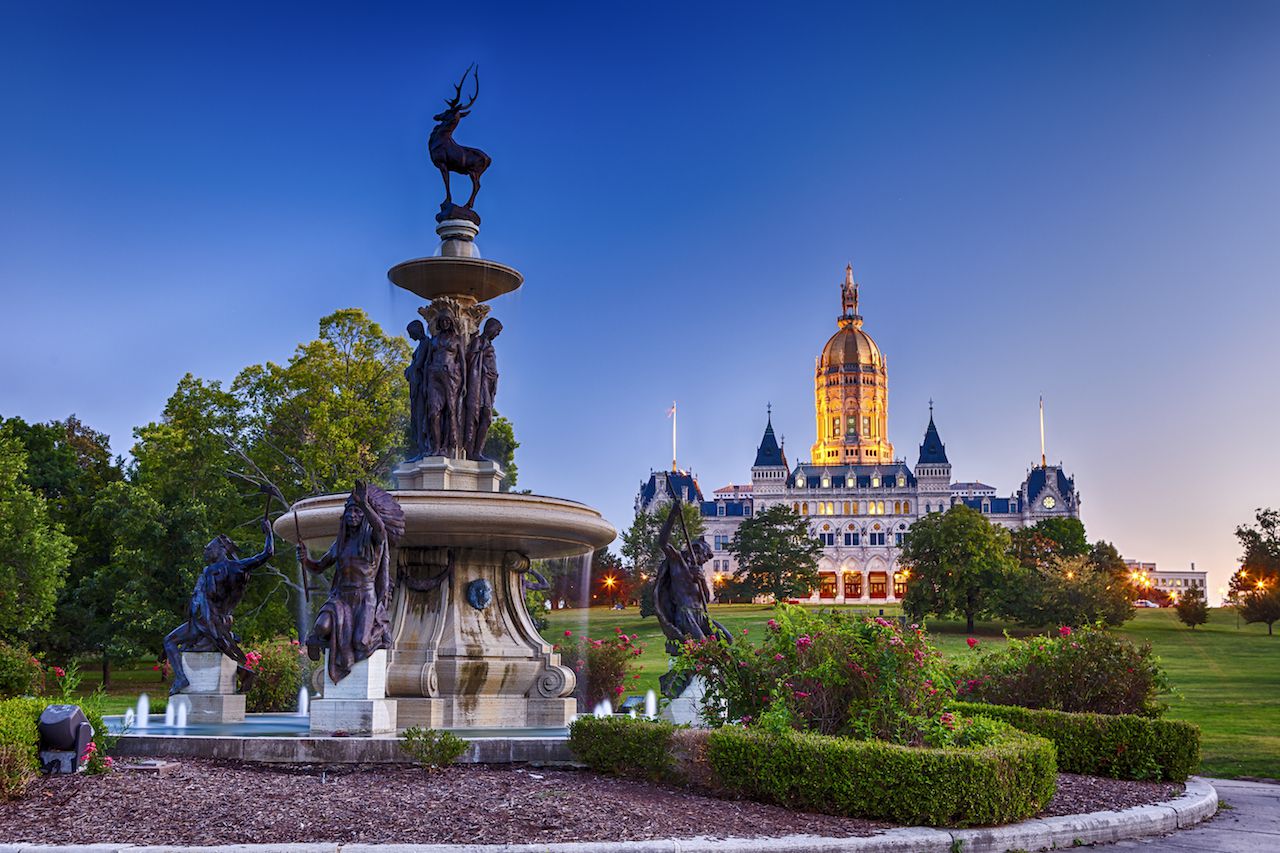
With 317 of its 1,527,039 homes going into foreclosure, the Constitution State had the 22nd highest foreclosure rate at one in every 4,817 households. In the 29th most populous state, the counties that had the most foreclosures per housing unit were (from highest to lowest): Windham, Litchfield, Hartford, New London, and Fairfield.
traveler1116
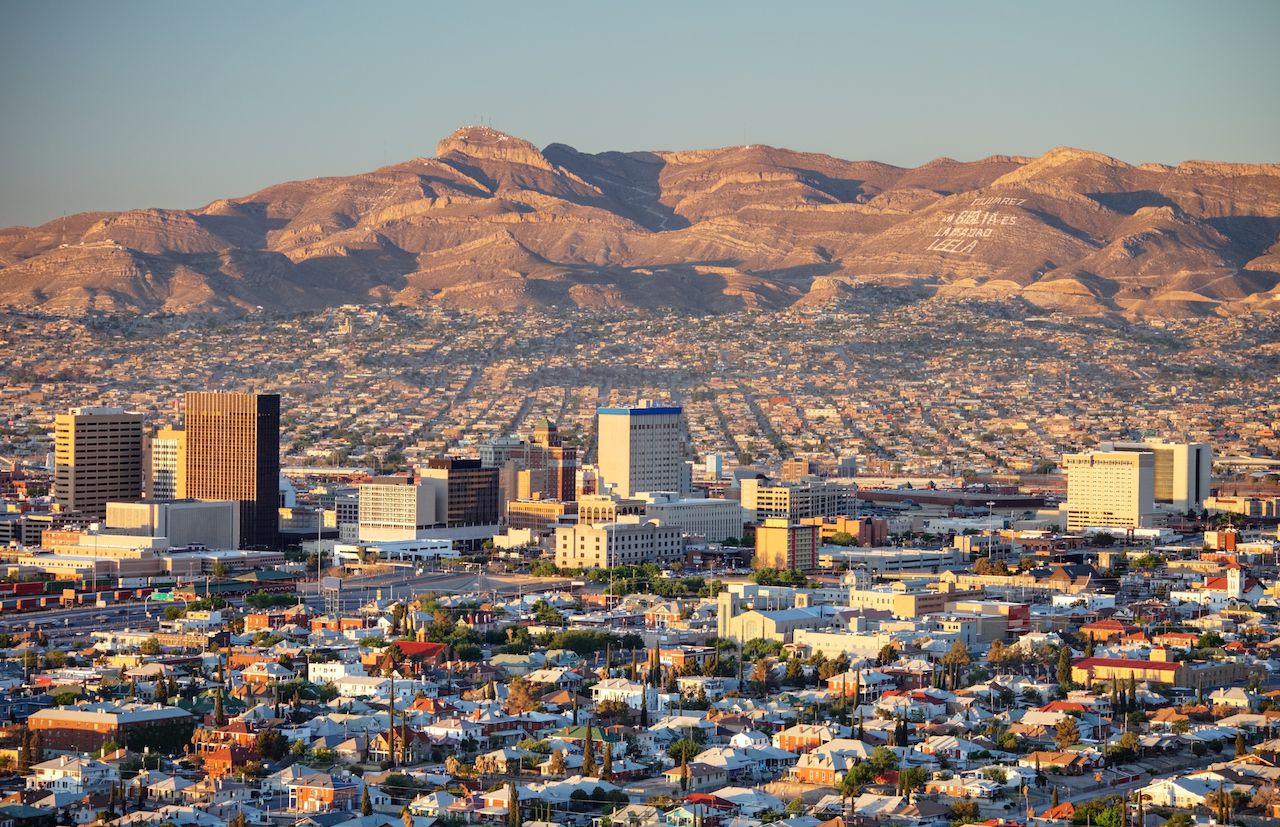
The Lone Star State withstood 2,440 foreclosures this month. With a foreclosure rate of one in every 4,686 households, this puts the second-most populous state in the U.S., with a whopping 11,433,880 housing units, into 21st place. The counties with the most foreclosures per housing unit were (from highest to lowest): Kaufman, Liberty, Tom Green, Scurry, and Atascosa. (You can learn more with 4 Signs You May Be Ready to Buy)
DenisTangneyJr
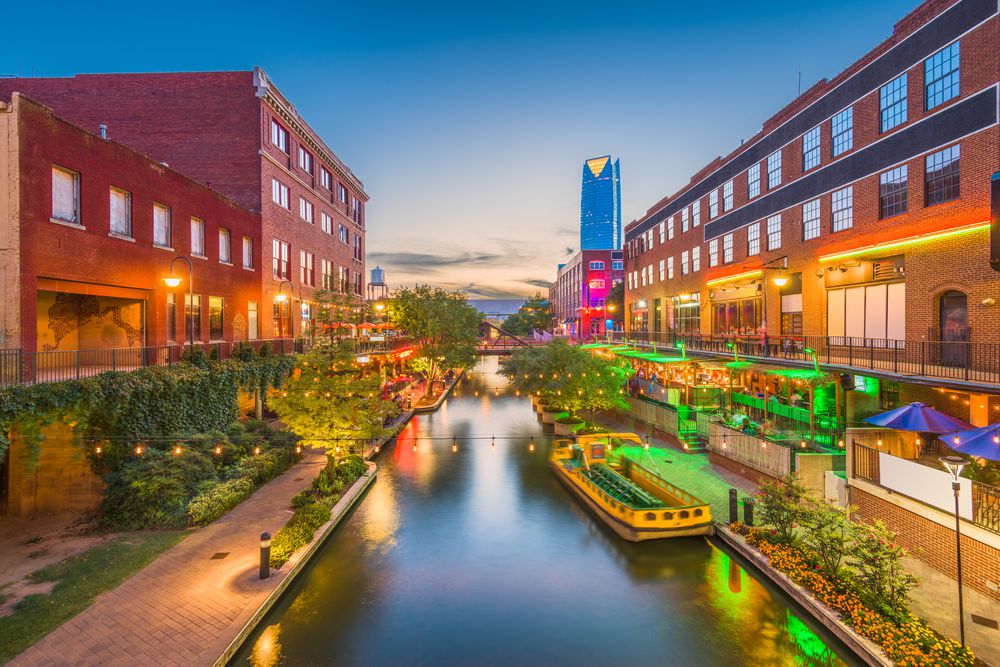
The Sooners State landed the 20th spot in April. With housing units totaling 1,741,721, the 28th most populous state saw 377 homes go into foreclosure at a rate of one in every 4,620 households. The counties with the most foreclosures per housing unit were (from highest to lowest): Canadian, Garfield, Dewey, Grady, and Logan.
DepositPhotos.com

The ninth-most populous state claimed 19th place for highest foreclosure rate in April. Out of 4,673,933 homes, 1,026 went into foreclosure. This puts the Tar Heel State’s foreclosure rate at one in every 4,555 homes. The counties with the most foreclosures per housing unit were (from highest to lowest): Tyrrell, Gates, Camden, Nash, and Jones.
” Darwin Brandis”
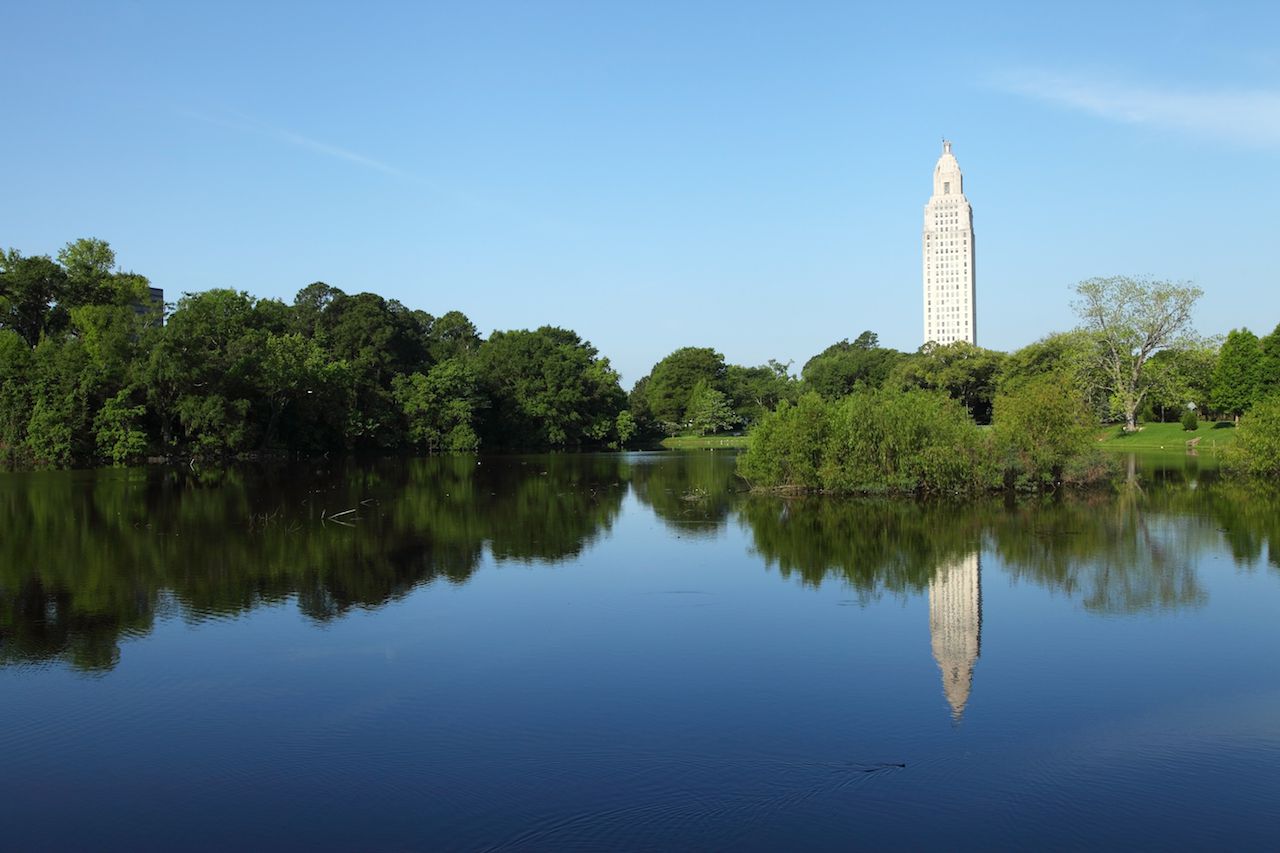
Sorted as 25th in population, the Pelican State placed 18th for highest foreclosure rate this month. Louisiana had a foreclosure rate of one in every 4,260 households, with 485 homes out of 2,066,323 housing units going into foreclosure. The parishes with the most foreclosures per housing unit were (from highest to lowest): Tangipahoa, Livingston, Beauregard, Washington, and Plaquemines.
DenisTangneyJr

Ranked 10th in population, the Wolverine State secured the 17th spot with a foreclosure rate of one in every 4,256 homes. With a total of 4,566,504 housing units, the state had 1,073 foreclosure filings. The counties with the most foreclosures per housing unit were (from highest to lowest): Shiawassee, Lapeer, Lenawee, Montcalm, and Eaton.
RiverNorthPhotography

Ranked eighth in population, the Peach State took the 16th spot for highest foreclosure rate. Of its 4,375,039 homes, 1,043 were foreclosed on. This puts the state’s foreclosure rate at one in every 4,195 households. The counties with the most foreclosures per housing unit were (from highest to lowest): Irwin, Taliaferro, Pulaski, Lamar, and Warren.
Depositphotos.com
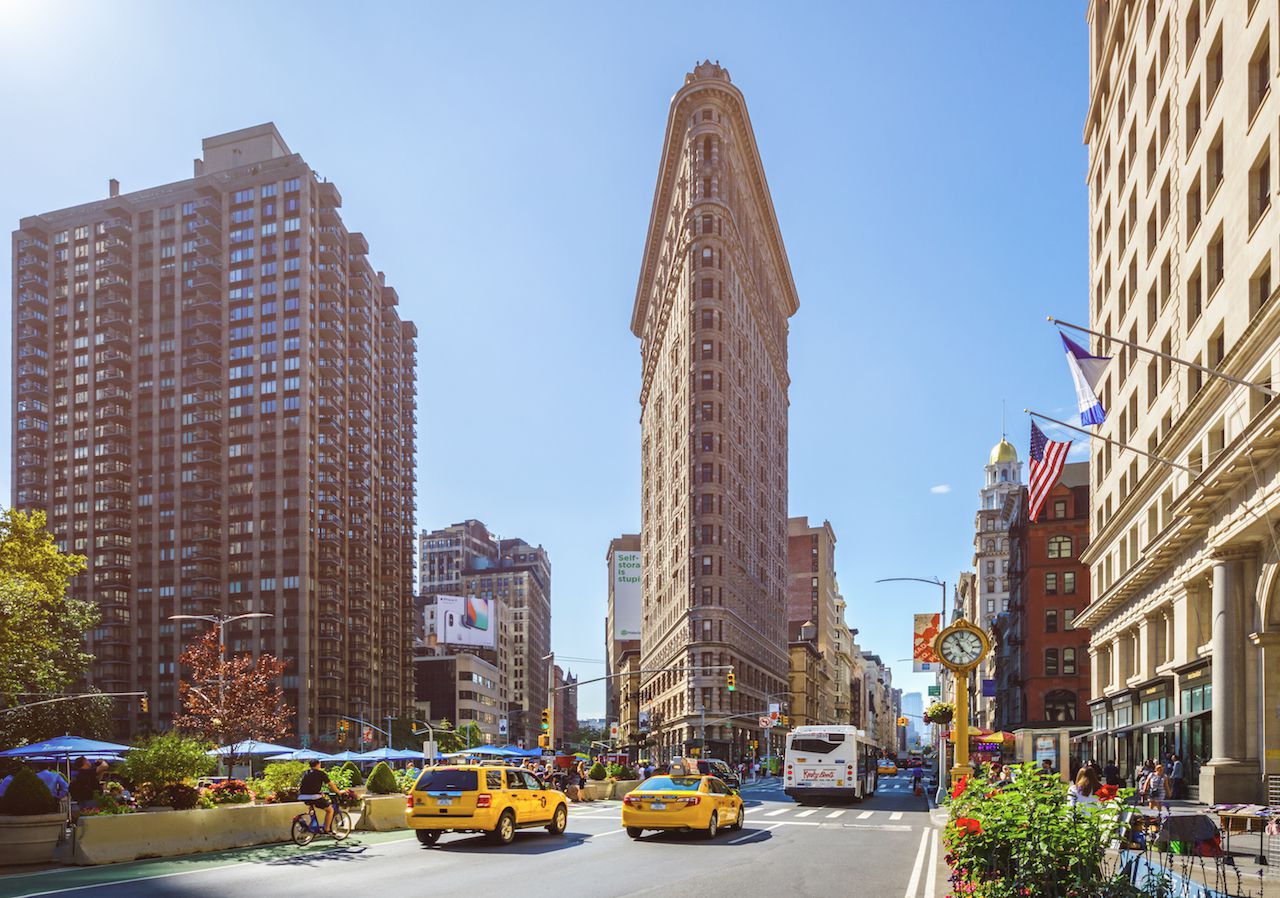
With 2,050 out of a total 8,449,178 housing units going into foreclosure, the Empire State claimed the 15th spot in April. The fourth-most populous state’s foreclosure rate was one in every 4,122 households. The counties with the most foreclosures per housing unit were (from highest to lowest): Orange, Nassau, Putnam, Richmond, and Suffolk.
Eloi_Omella

The 36th most populous state claimed the 14th spot for highest foreclosure rate. Of the Land of Enchantment’s 937,397 homes, 233 went into foreclosure, making for a foreclosure rate of one in every 4,023 homes. The counties with the most foreclosures per housing unit were (from highest to lowest): Otero, Eddy, Chaves, San Juan, and Dona Ana.
Davel5957

The Last Frontier saw 79 foreclosures in April, making the foreclosure rate one in every 3,997 homes. This caused the third-least populous state, with a total of 315,797 housing units, to claim the 13th spot. The boroughs with the most foreclosures per housing unit were (from highest to lowest): Kodiak Island, Ketchikan Gateway, Matanuska-Susitna, Anchorage, and Kenai Peninsula.
.
Chilkoot

The country’s most populous state ranked 12th for highest foreclosure rate. Of its impressive 14,328,539 housing units, 3,604 went into foreclosure, making the Golden State’s foreclosure rate one in every 3,976 households. The counties with the most foreclosures per housing unit were (from highest to lowest): Lake, Humboldt, Shasta, Riverside, and Siskiyou.
Art Wager
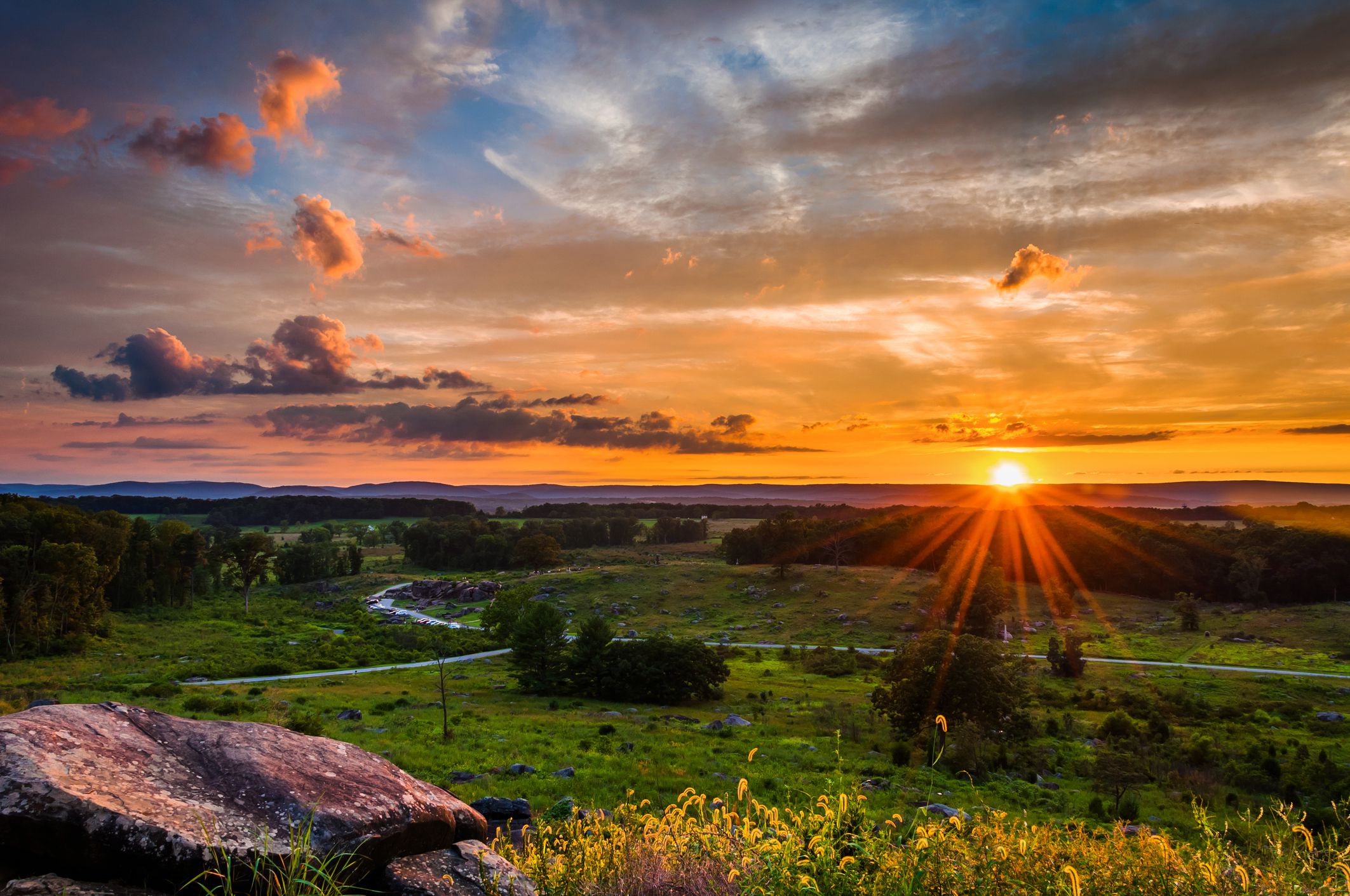
The Keystone State had the 11th highest foreclosure rate this month. The fifth-most populous state saw 1,455 homes out of 5,728,788 total housing units go into foreclosure, making the state’s foreclosure rate one in every 3,937 households. The counties with the most foreclosures per housing unit were (from highest to lowest): Delaware, Philadelphia, Berks, Montgomery, and Susquehanna. (You can learn more withYour 2023 Guide to All Things Home.)
AppalachianViews
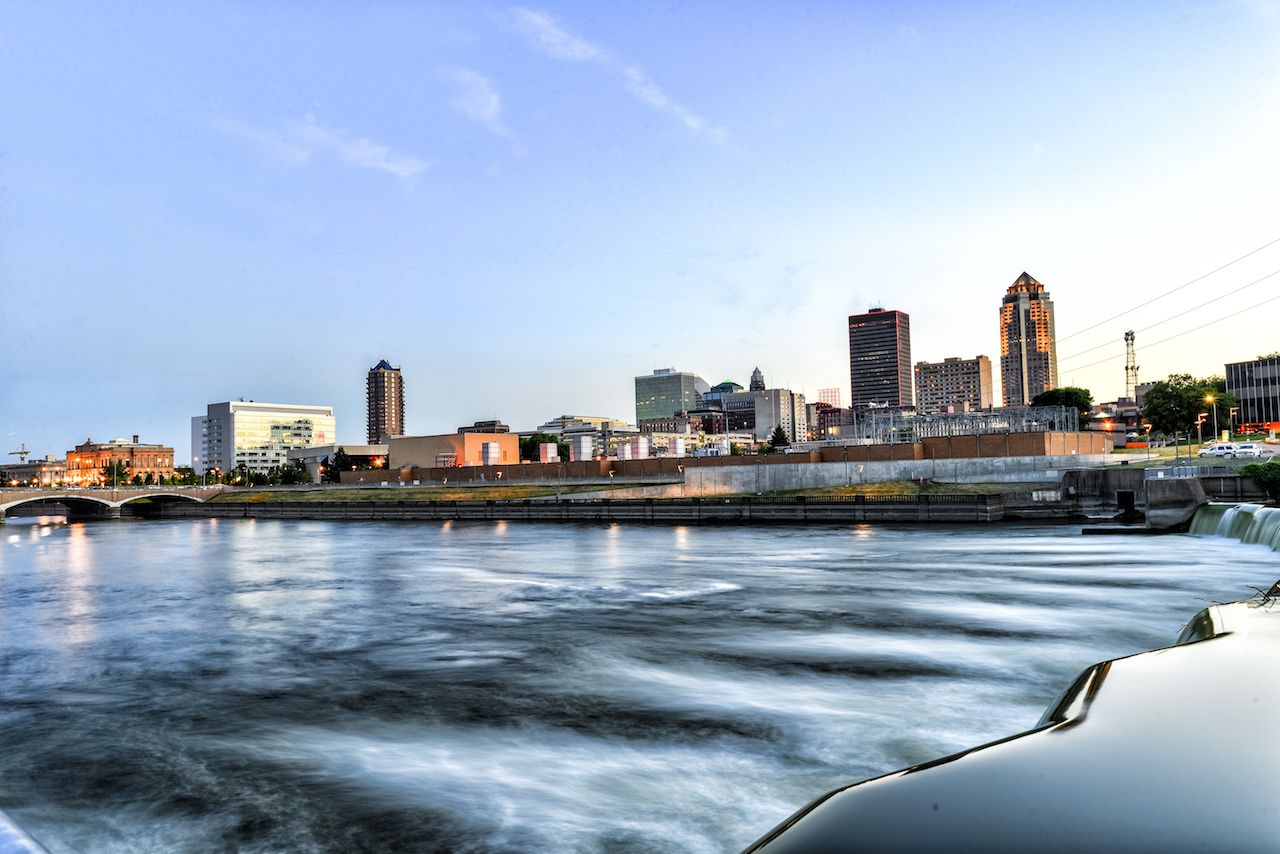
The Hawkeye State had the 10th highest foreclosure rate this month. With 394 housing units out of 1,407,100 homes going into foreclosure, the 31st most populous state’s foreclosure rate was one in every 3,571 homes. The counties with the most foreclosures per housing unit were (from highest to lowest): Jasper, Tama, Lucas, Lee, and Union.
JoeChristensen
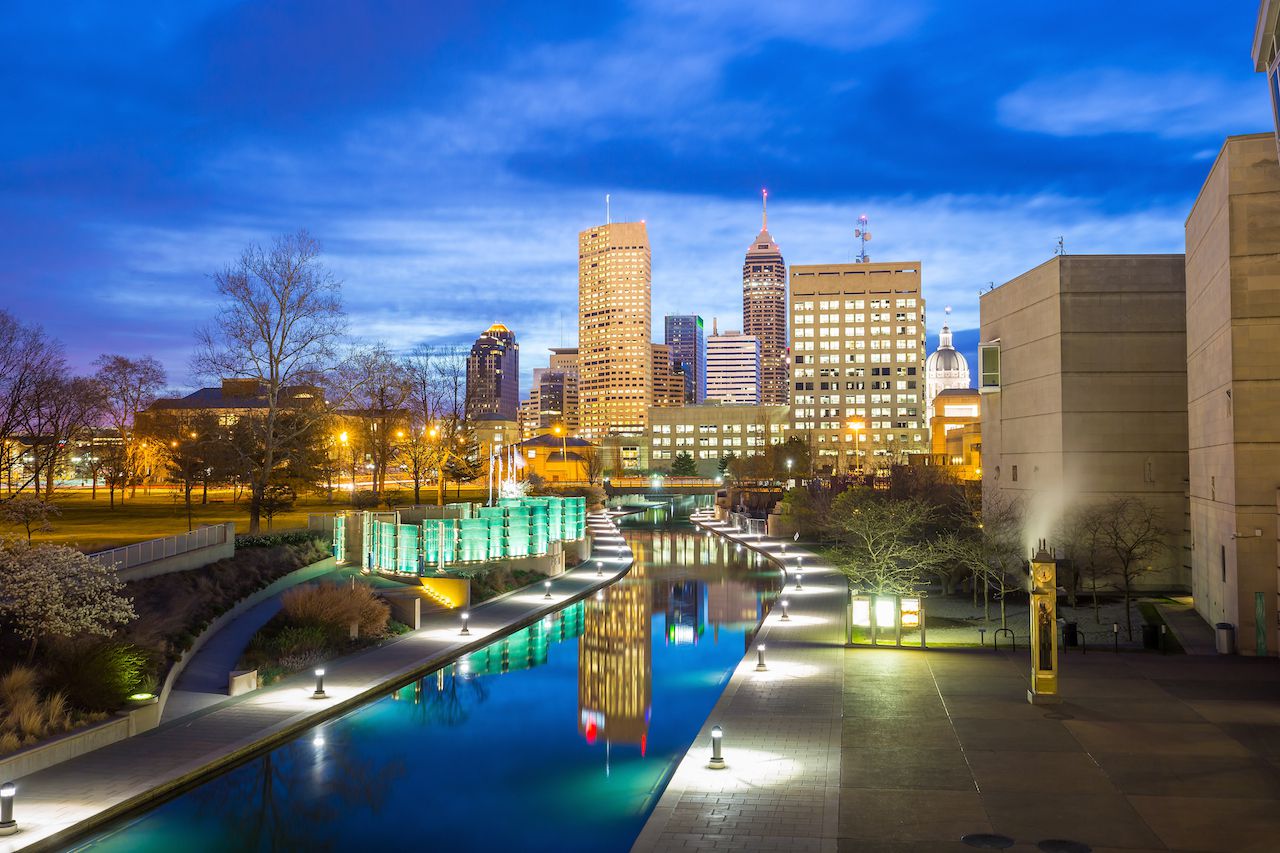
The 17th largest state by population, the Crossroads of America landed the ninth spot with a foreclosure rate of one in every 3,546 homes. Of its 2,911,562 housing units, 821 went into foreclosure in April. The counties with the most foreclosures per housing unit were (from highest to lowest): Starke, Wayne, Jasper, Grant, and Delaware.
f11photo
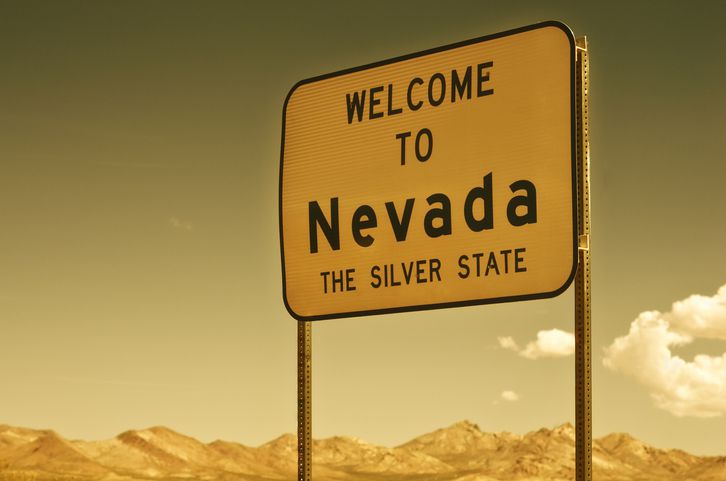
Ranked 32nd in population, the Silver State took the eighth spot for highest foreclosure rate. With one in every 2,899 homes going into foreclosure, and a total of 1,269,846 housing units, the state had 438 foreclosure filings. The counties with the most foreclosures per housing unit were (from highest to lowest): Clark, Nye, Humboldt, Lyon, and Washoe.
Byelikova_Oksana / istockphoto

The third-most populous state in the country has a total of 9,764,897 housing units, of which 3,374 went into foreclosure. This puts the Sunshine State’s foreclosure rate at one in every 2,894 homes and into seventh place. The counties with the most foreclosures per housing unit were (from highest to lowest): Osceola, Hamilton, Polk, Duval, and Gadsden.
csfotoimages/ iStock
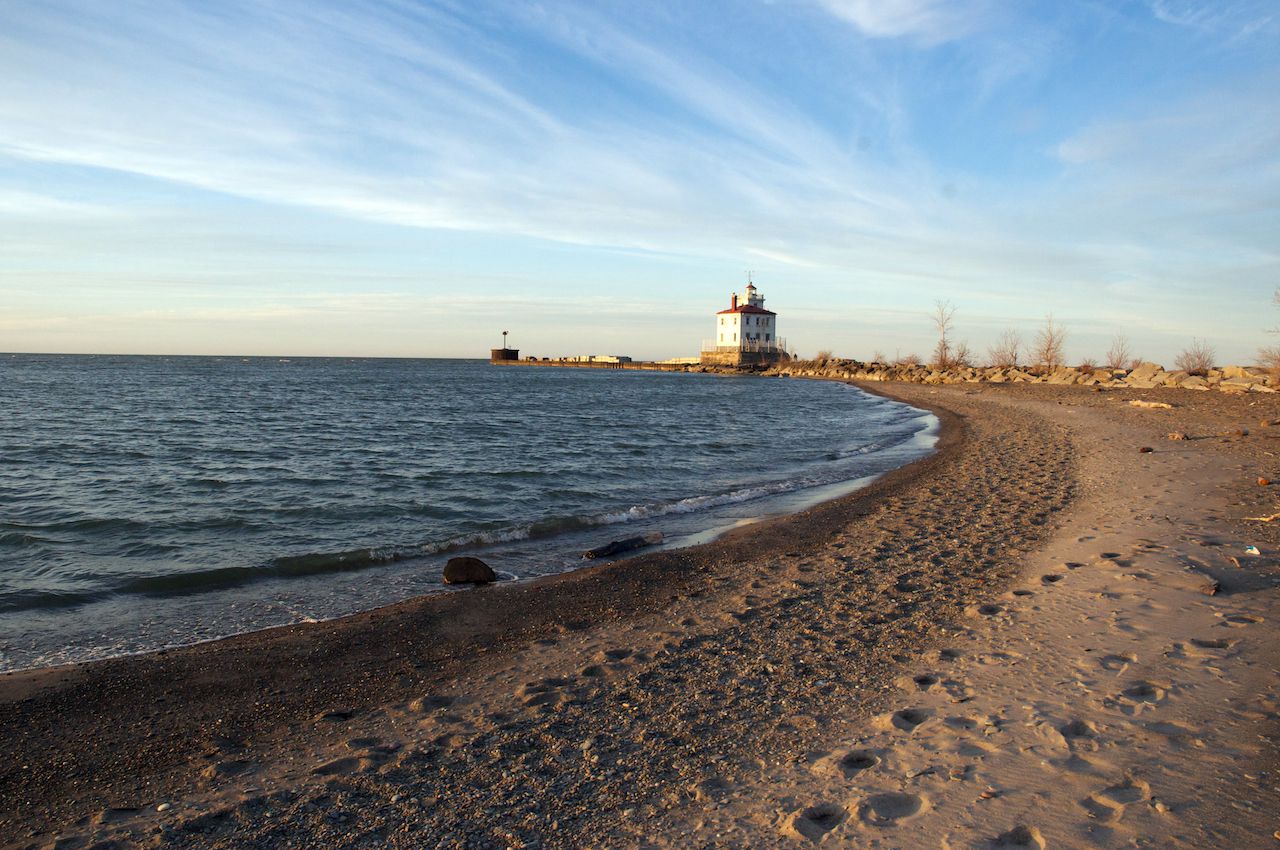
The Buckeye State placed sixth in April with a foreclosure rate of one in every 2,728 homes. With a total of 5,232,733 housing units, the seventh-most populous state had a total of 1,918 filings. The counties with the most foreclosures per housing unit were (from highest to lowest): Cuyahoga, Auglaize, Huron, Butler, and Lucas.
dypics
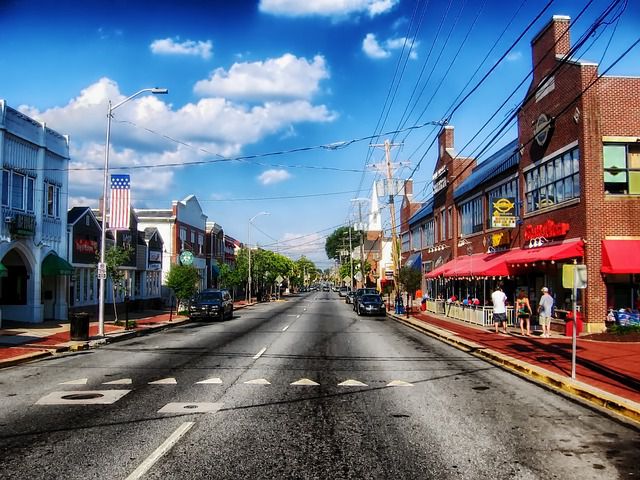
The sixth-least populous state in the country, the Small Wonder took fifth place this month. With one in every 2,603 homes going into foreclosure and a total of 445,104 housing units, the state saw 171 foreclosures filed. Having only three counties in the state, the most foreclosures per housing unit were (from highest to lowest): Kent, New Castle, and Sussex.
Pixabay.com
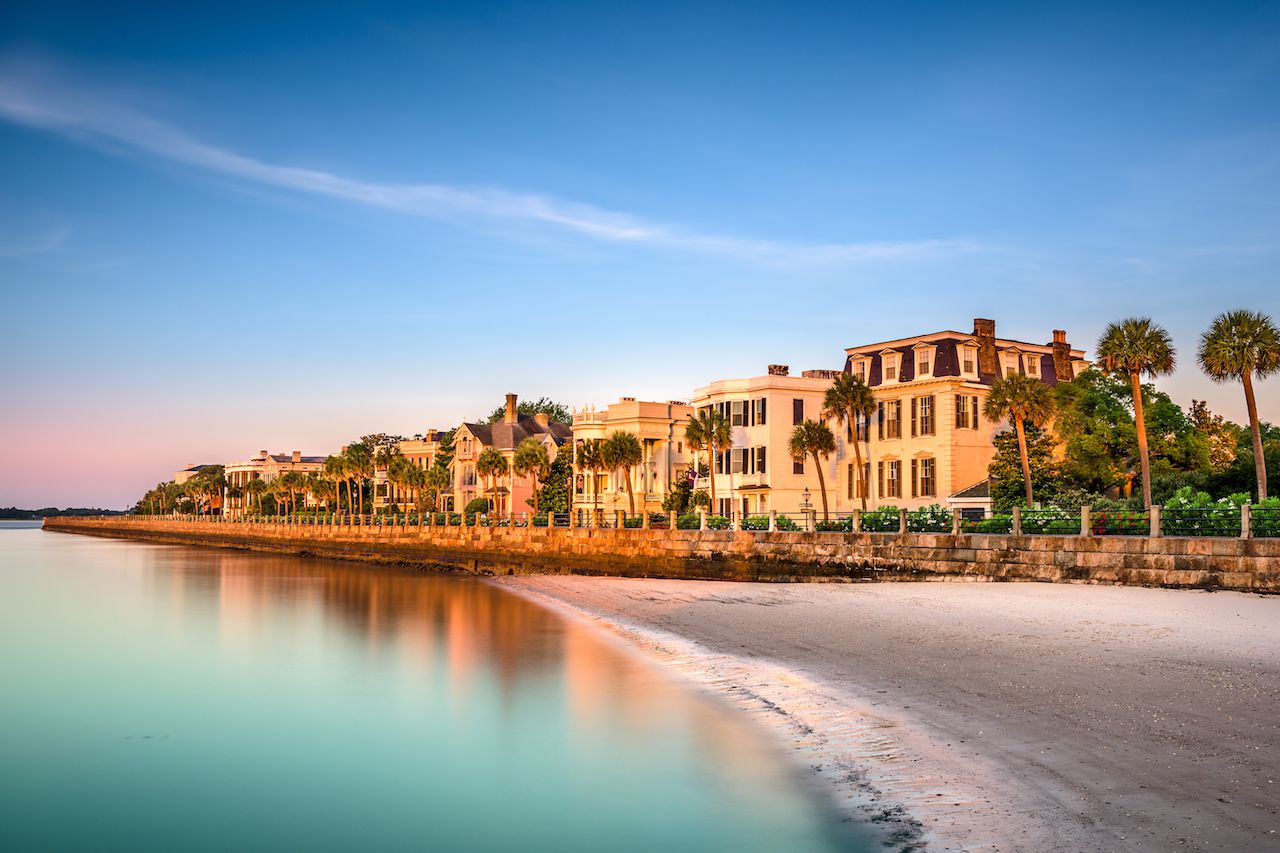
The 23rd most populous state had the fourth highest foreclosure rate with one in every 2,495 homes going into foreclosure. Of the Palmetto State’s 2,325,248 housing units, 932 were foreclosed on this month. The counties with the most foreclosures per housing unit were (from highest to lowest): Kershaw, Dorchester, Fairfield, Williamsburg, and Richland.
SeanPavonePhoto

With a foreclosure rate of one in every 2,334 homes, the Garden State placed third for highest foreclosure rate in April. The 11th most populous state contains 3,738,342 housing units, of which 1,602 went into foreclosure. The counties with the most foreclosures per housing unit were (from highest to lowest): Camden, Cumberland, Atlantic, Burlington, and Sussex.
Ultima_Gaina / istockphoto
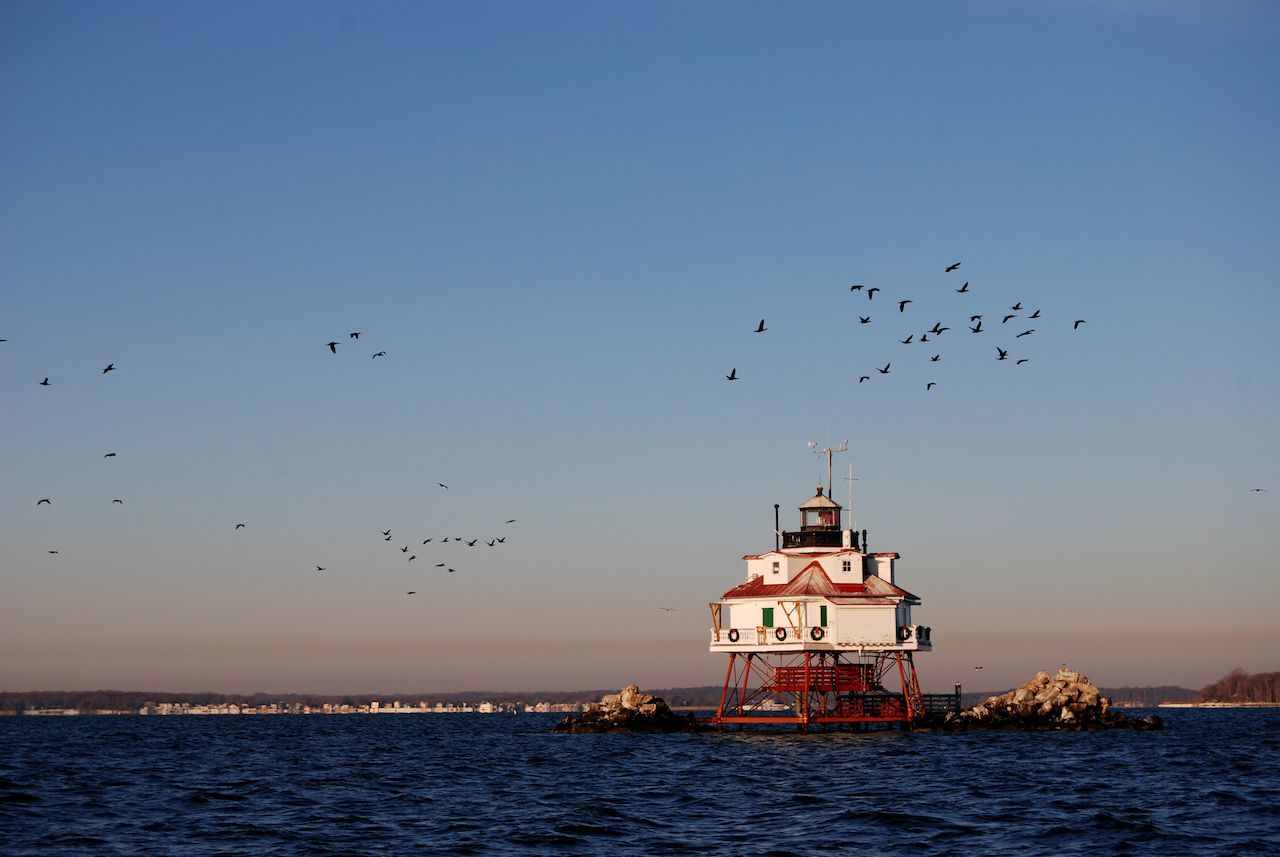
Ranked 18th for most populous state, America in Miniature placed second for highest foreclosure rate in April. With a total of 2,516,341 housing units, of which 1,102 went into foreclosure, the state’s foreclosure rate was one in every 2,283 households. The counties with the most foreclosures per housing unit were (from highest to lowest): Charles, Prince George’s County, Cecil, Calvert, and Kent.
James_Lane

The Land of Lincoln has once again claimed the first spot for highest foreclosure rate. Of its 5,412,995 homes, 2,437 went into foreclosure, making the sixth-most populous state’s foreclosure rate one in every 2,221. The counties with the most foreclosures per housing unit were (from highest to lowest): Dewitt, Stark, St. Clair, Livingston, and Will.
ibsky
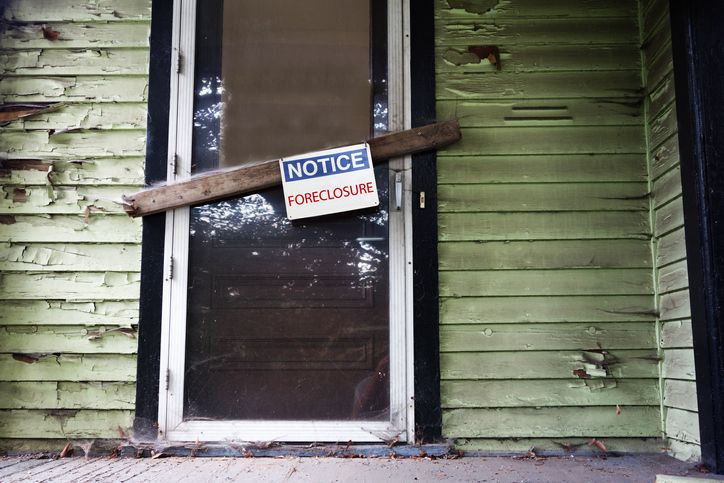
Of all 50 states, California had the most foreclosure filings (3,604), and South Dakota had the least (7). As for the states with the highest foreclosure rates, Illinois, Maryland, and New Jersey took the top three spots, respectively.
Two regions – The Great Lakes and the Mideast – tied for having the largest presence among the 10 states that ranked the highest for foreclosure rates. The states in the Great Lakes region were (from highest to lowest): Illinois, Ohio, and Indiana. The states in the Mideast region were (from highest to lowest): Maryland, New Jersey, and Delaware.
Two regions – The Plains and New England – tied for having the largest presence among the 10 states that ranked the lowest for foreclosure rates. The states in the Plains region were (from highest to lowest): Kansas, North Dakota, and South Dakota. The states in the New England region were (from highest to lowest): Massachusetts, Rhode Island, and Vermont.
This article originally appeared on SoFi.comand was syndicated by MediaFeed.org.
SoFi Loan Products
SoFi loans are originated by SoFi Lending Corp. or an affiliate (dba SoFi), a lender licensed by the Department of Financial Protection and Innovation under the California Financing Law, license # 6054612; NMLS # 1121636. For additional product-specific legal and licensing information, see our disclosures.
SoFi Home Loans
Terms, conditions, and state restrictions apply. SoFi Home Loans are not available in all states. See our criteria for more information.
External Websites: The information and analysis provided through hyperlinks to third party websites, while believed to be accurate, cannot be guaranteed by SoFi. Links are provided for informational purposes and should not be viewed as an endorsement.
zimmytws / istockphoto

Depositphotos
Featured Image Credit: SerhiiKrot/istockphoto.