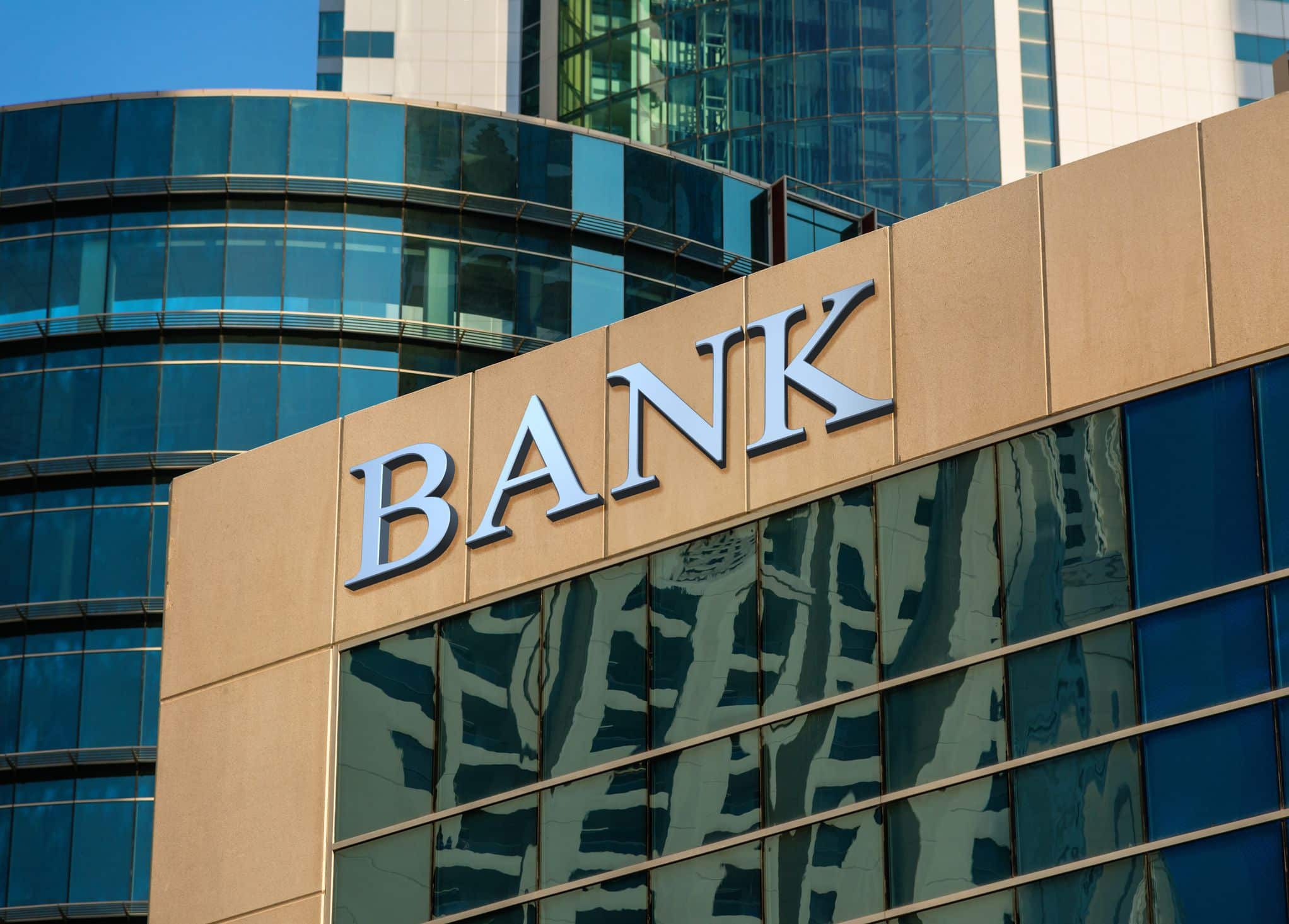
When you deposit your hard-earned money into a small business bank account, the last thing you want to worry about is whether the bank is healthy. It used to seem like banks were too big to fail, but the 2008 recession and 2023 bank runs that led to several banks failing or requiring bailouts showed otherwise. It can be difficult to know if a bank is likely to fail—and whether or not your deposits are protected.
And it’s a valid concern, according to the FDIC there have been 563 FDIC-insured bank failures in the United States since 2001. There are ways to determine if a bank is trustworthy, including ensuring your bank is FDIC insured. This article will discuss some factors that may indicate whether a bank is healthy and why it’s important to know.
Image Credit: ultramarine5/istockphoto.
How to tell if a bank might be in trouble

So, is your money safe in the bank—really? No one wants to find out their bank is in trouble, but it’s important to be aware of any potential warning signs. Here are some red flags that a bank may be struggling:
- Bad news: If a bank that a business uses is in the news for doing a lot of staff layoffs or closing multiple branches, this could be a sign they are in trouble. Especially if the bank has a recent history of surprising or negative news, or if it’s under regulatory scrutiny.
- Poor customer service: A decrease in customer service levels, such as longer wait times or an increase in unhelpful customer service representatives. This could be a sign of low employee morale.
- Higher fees: An increase in fees, especially for accounts and services you previously could use for free, is a bad sign.
It’s key to keep an eye on the news and watch for any such developments involving banks, as they may be signs of deeper issues that could impact the safety of a business’s deposits.
Image Credit: Liubomyr Vorona/istockphoto.
How to determine if a bank is safe?
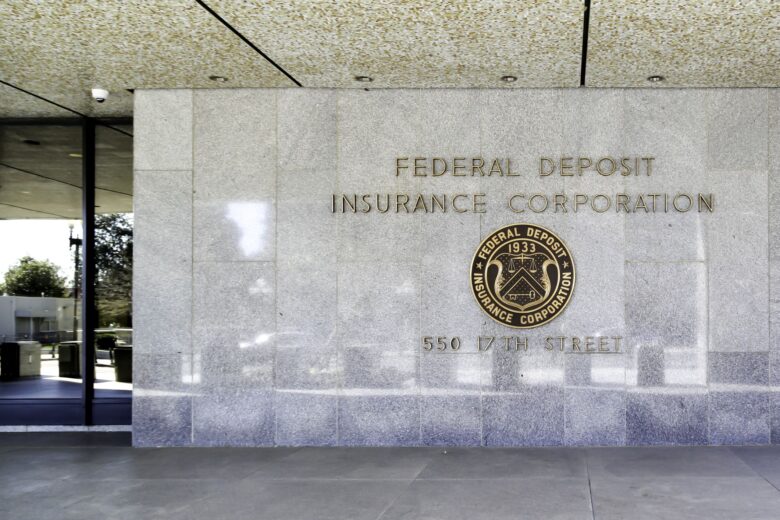
Depositing money into a bank is a smart way to take advantage of financial products and services while keeping funds safe. But are banks safe? Use these determiners to gauge how safe money is in a given bank:
It’s FDIC-insured
If a bank is FDIC-insured, the money is insured up to $250,000. Banking with an FDIC-insured bank means the agency will reimburse you for any deposits up to an insurance limit of $250,000.
The $250,000 limit is per depositor, per institution. FDIC insurance covers you in case a bank fails. If you have a credit union account, the National Credit Union Administration (NCUA) provides the same insurance.
Image Credit: JHVEPhoto/istockphoto.
It has a strong balance sheet

A bank’s balance sheet shows its financial position at a given time. It lists the bank’s assets, which are the resources it owns or controls, and its liabilities, which are the obligations it owes to others. The difference between the assets and liabilities is the bank’s capital, representing the owners’ stake in the bank.
To examine the details of a bank’s balance sheet, you can use the FDIC database. Look for a bank with strong capital levels.
Image Credit: tupungato/istockphoto.
Its financial ratios are good
If you want to compare the performance and health of different banks and credit unions, you need reliable and consistent data. One source of such data is the Federal Financial Institutions Examination Council (FFIEC), which collects and publishes financial information from thousands of institutions across the US.
The FFIEC website offers a variety of reports and tools that you can use to analyze and compare financial ratios, trends, risks, and other indicators. You can access these reports by selecting the type of institution, the reporting period, and the geographic area. You can also download the data in various formats or use the online query tool to customize the search process.
One of the key uses of the FFIEC data is financial ratios. These are useful measures of how well a financial institution manages its assets, liabilities, income, and expenses. They can help you assess a bank or credit union’s profitability, liquidity, efficiency, and solvency.
Image Credit: JHVEPhoto/istockphoto.
Its bank ratings are positive

Another way to check the financial health and stability of a financial institution is to look at its ratings from independent agencies that evaluate its performance and risk profile.
Some of the most reputable rating services for banks and credit unions are Moody’s, Standard & Poor’s (S&P), and Fitch Ratings. These agencies use different criteria and scales to assign ratings that reflect the institution’s ability to meet its obligations, withstand adverse economic conditions, and protect its depositors. You can access these ratings online or by contacting the agencies directly.
For example, S&P rates banks using letter grades. The higher, the better, where AAA is the highest. The lowest rating is D. A bank with an AAA rating has a strong balance sheet and the ability to manage debts.
Even FDIC-insured banks can struggle financially, so it’s still important to do research and stay informed about any potential red flags that could indicate trouble for the bank.
Image Credit: Boris Jovanovic/istockphoto.
How FDIC insurance works

FDIC insurance is an important protection for bank customers, offering peace of mind and security for deposits. With FDIC insurance, if something happens to the bank, you won’t lose money.
The FDIC’s $250,000 coverage is per depositor, per account ownership category at each insured bank. If you have multiple accounts at different banks, the deposits can still be fully protected as long as they don’t exceed the limit at each bank.
Image Credit: Daenin Arnee/istockphoto.
FDIC insurance coverage by account type

FDIC insurance is not only per bank, but it’s also per depositor, per account ownership type at the bank. The key account types include:
- Accounts with a single holder
- Joint accounts
- Trust accounts
- Business accounts
So whether it’s a personal or business bank account, the FDIC insurance limit is $250,000 across the account types. For example:
- You own a business
- You have two business bank accounts at one bank
- The FDIC insurance for both accounts is $250,000
- So if you have $100,000 in one account and $200,000 in another, the insurance covers just $250,000
You can have more than $250,000 in deposits with insurance at a bank if you have accounts with different ownership types. For example:
- You own two businesses
- Each business has a bank account at one bank
- The FDIC insurance for each account is $250,000
- So if you have $100,00 in one account and $200,000 in another, both accounts have full coverage for $300,000 total
The same applies for personal funds. If you have a single-holder account and an account with a joint holder—both are the same bank. Thus, each account has insurance for up to $250,000.
However, if you have a checking and a savings account where you’re the only holder, you only have insurance up to $250,000 for both accounts. But if you and a partner have a joint account, the insurance is $500,000—$250,000 for each of you.
Image Credit: Oscar Gutierrez Zozulia/istockphoto.
Identifying FDIC-insured banks

The best way to ensure a bank is FDIC-insured, whether you’re looking to open a business bank account or assess your current bank, is via the agency itself. Here are some things to do to ensure your bank is insured:
- Use the FDIC tool to search for your bank
- Call the FDIC at 877-275-3342
- Ask your banker about their FDIC coverage
- Look for an FDIC sign at your local branch
FDIC insurance covers bank failure, but it does not cover identity theft or fraud. You’ll also want to protect your bank account in other ways.
Image Credit: GaudiLab/istockphoto.
Tips to keep your own bank account safe

Beyond doing due diligence on your bank, there are other tips and tricks you can use to keep your cash safe, such as:
- Use unique pins: Make sure your debit card PIN is unique and avoid anything obvious, such as 1234 or your birth year.
- Create strong passwords: Avoid anything obvious for your password, such as a family pet. Also try to avoid using the same password you use for other services, such as your Netflix login.
- Log in responsibly: Avoid logging into your bank’s website when on public Wi-Fi if possible.
- Enable additional security layers: Opt into additional security measures, such as two-factor authentication (2FA) and text alerts (also known as SMS).
- Report fraud as quickly as possible: If fraud or identity theft does occur, notify your bank immediately and lock all your bank and credit cards.
Keeping your money in banks has its advantages; for example, it’s a bit harder for thieves to take it or for accidents to happen. If you keep your cash at home, keep it somewhere safe from floods and fires.
This article originally appeared on QuickBooks and was syndicated by MediaFeed.org.
Image Credit: R.M. Nunes/istockphoto.
More from MediaFeed

Have you fallen for any of these huge American money scams?
Image Credit: dragana991/istockphoto.