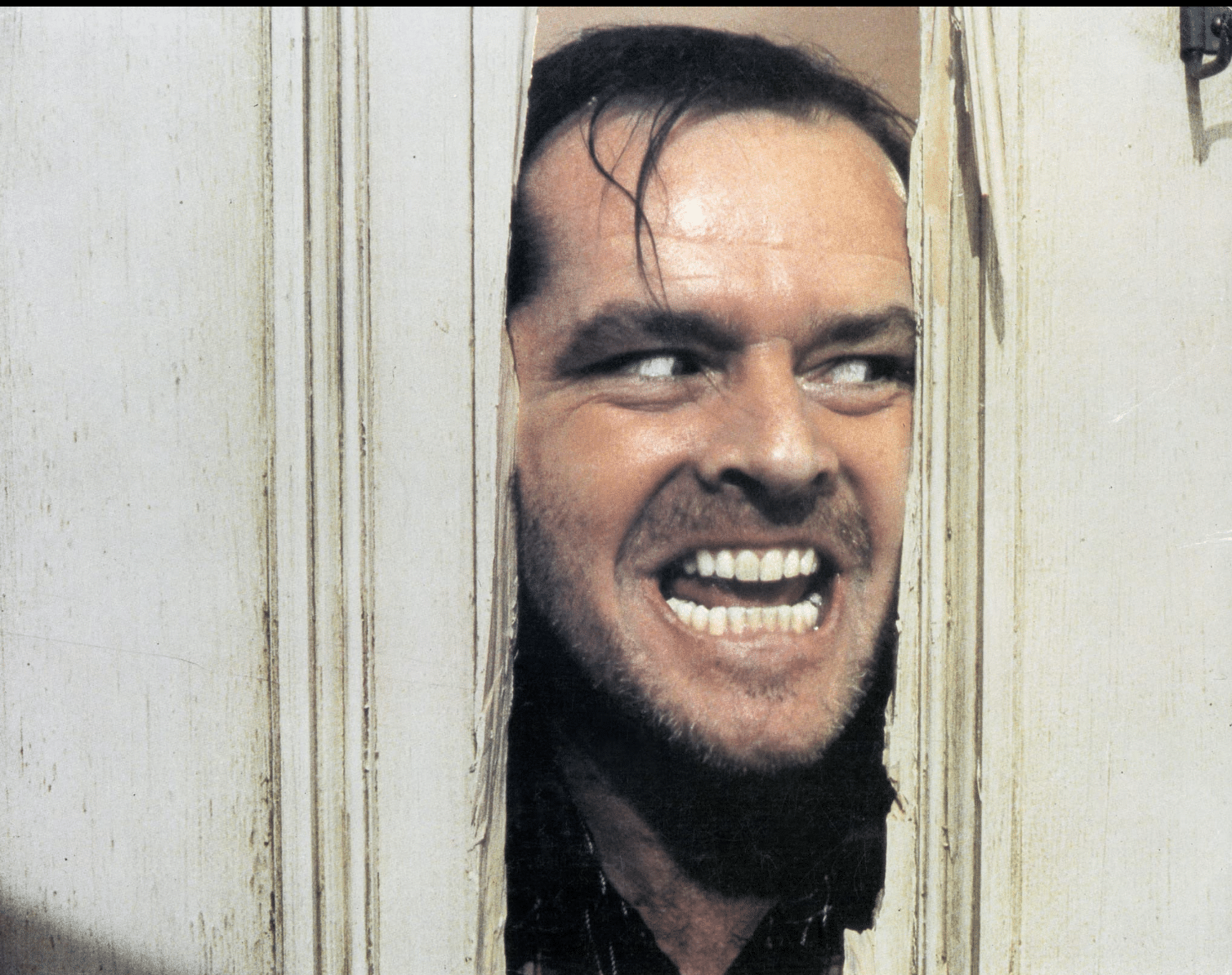
Loving a movie adaptation doesn’t always guarantee the same sentiment from the original authors who poured their hearts and souls into the books, only to see them “butchered” on the Silver Screen.
If you thought “the book was better than the movie,” imagine how these 9 authors felt seeing their lifework adapted to the big screen.
1. J.D. Salinger – ‘My Foolish Heart’
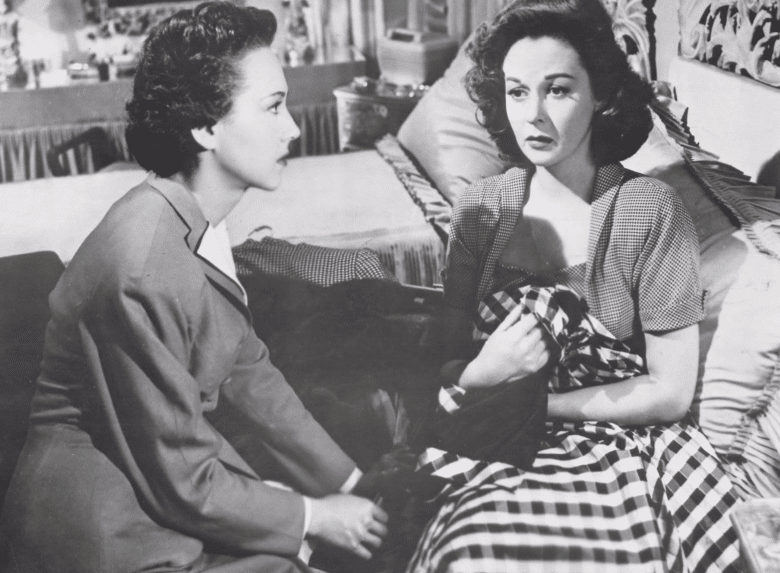
When it comes to J.D. Salinger’s literary gems, such as “Catcher in the Rye” and “Franny and Zooey,” the big screen has remained uncharted territory. According to The Hollywood Reporter, a star-studded lineup of Hollywood heavyweights, including Goldwyn, Billy Wilder, Marlon Brando, Jack Nicholson, Tobey Maguire, Leonardo DiCaprio, John Cusack, and Jerry Lewis, all attempted to acquire the coveted rights to J.D. Salinger’s seminal 1951 novel, “The Catcher in the Rye.” And there is a good reason why. Back in 1949, Salinger cautiously agreed to have his short story “Uncle Wiggly in Connecticut” adapted into a melodrama directed by Mark Robson, subsequently titled “My Foolish Heart,” and… well, hated it, obviously. So much so that the writer—who allegedly was not thrilled with the silver screen—swore never to give up the rights to his work ever again. The film, with its exaggerated swooning love story, stood in stark contrast to Salinger’s usual introspective and contemplative themes.
2. Roald Dahl – ‘Willy Wonka & The Chocolate Factory’
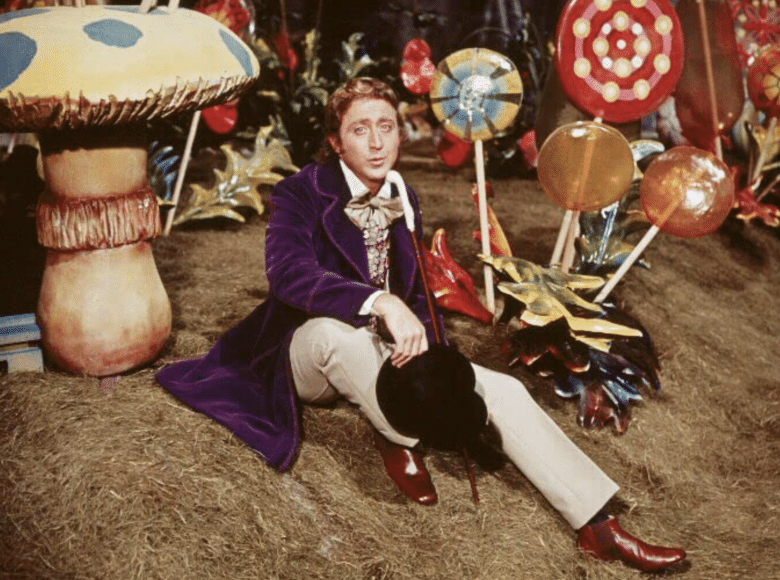
Roald Dahl didn’t hold a strong dislike for the 1971 Warner Bros. film “Willy Wonka and the Chocolate Factory” per se; rather, he didn’t consider it the scrumdiddlyumptious spectacle he had envisioned for his whimsical masterpiece, “Charlie and the Chocolate Factory.” Despite being paid $300,000 to write an original draft of the film’s script, Dahl had concerns about the creative decisions made during the production, including aspects such as the Oompa-Loompas’ appearance and some deviations from his book, as mentioned in “Storyteller: The Life of Roald Dahl” by Donald Sturrock. Dahl was particularly displeased with the casting of Gene Wilder, whom he found too bouncy and ‘pretentious.’ According to Sturrock, the British author eventually came to tolerate the film, acknowledging that there were ‘many good things’ in it. However, it is clear that he never truly embraced or liked it.
3. Anthony Burgess – ‘A Clockwork Orange’
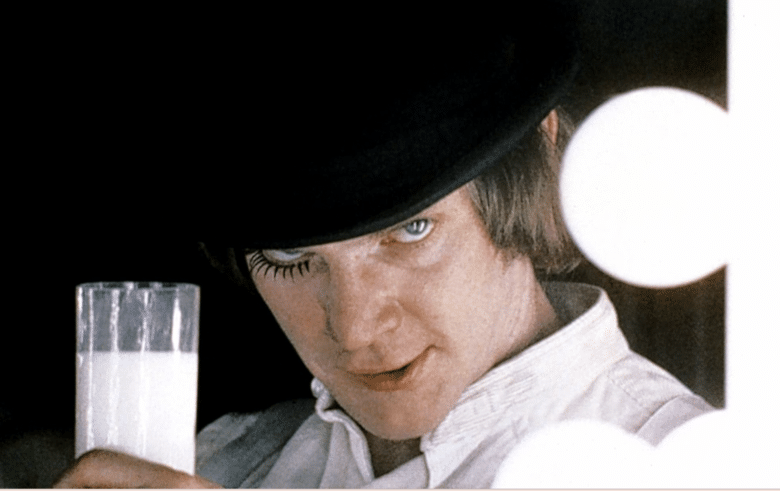
Initially, Anthony Burgess seemed pleased with the adaptation of his dystopian masterpiece, A Clockwork Orange. However, this positive sentiment quickly soured as he discovered certain changes made by the director. Burgess took particular issue with the removal of the 21st and final chapter of the book from the film’s plot. But above all, the author felt shortchanged in terms of financial compensation for the adaptation as the royalties he received fell disappointingly short of his expectations. All of these grievances ultimately led Anthony Burgess to regret ever having written A Clockwork Orange in the first place. In his own words, he bemoaned, “The book I am best known for, or only known for, is a novel I am prepared to repudiate: written a quarter of a century ago, a jeu d’esprit knocked off for money in three weeks, it became known as the raw material for a film which seemed to glorify sex and violence.” Burgess believed that the film had facilitated a widespread misunderstanding among readers, an interpretation that would persist until his last breath. Reflecting on this predicament, he concluded, “I should not have written the book because of this danger of misinterpretation.”
4. Ken Kesey — ‘One Flew Over the Cuckoo’s Nest’
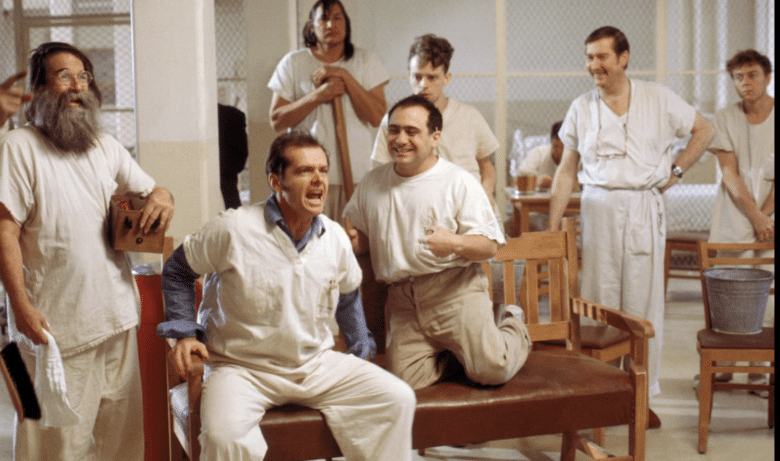
Ken Kesey, the author of One Flew Over the Cuckoo’s Nest, never actually watched the movie adaptation of his own book, which of course, doesn’t mean he didn’t hate it. Because he did. Despite being initially involved in the production of the 1975 film, Kesey quit after two weeks due to a financial dispute. Kesey later claimed he never watched it and was particularly upset that they didn’t keep the viewpoint of Chief Bromden. However, the movie went on to sweep five major Academy Awards, including Best Picture, Best Director, Best Actor, Best Actress, and Best Adapted Screenplay.
5. Stephen King — ‘The Shining’
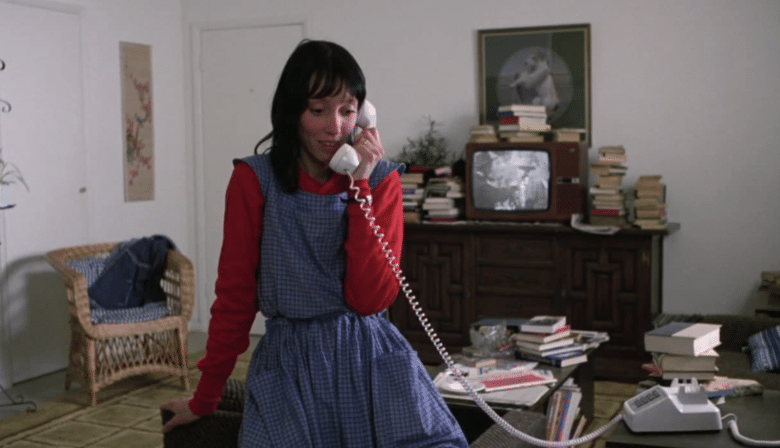
Obviously, Stanley Kubrick didn’t care about keeping these authors happy. As it goes, Stephen King experienced a chilling disappointment when witnessing Stanley Kubrick’s adaptation of “The Shining.” The cold and pragmatic nature of Kubrick clashed with King’s vision of supernatural evil, resulting in a film that portrayed the Overlook Hotel as a domestic tragedy rather than a conduit for otherworldly malevolence. “I’d admired Kubrick for a long time and had great expectations for the project, but I was deeply disappointed in the end result,” King revealed in a 1983 interview with Playboy. “Kubrick is a very cold man—pragmatic and rational—and he had great difficulty conceiving, even academically, of a supernatural world. Kubrick just couldn’t grasp the sheer inhuman evil of the Overlook Hotel. So he looked, instead, for evil in the characters and made the film into a domestic tragedy with only vaguely supernatural overtones. That was the basic flaw: because he couldn’t believe, he couldn’t make the film believable to others.” King’s dissatisfaction extended to Jack Nicholson’s performance, believing that the character of Jack Torrance was portrayed as insane from the outset, contrary to his intentions. The adaptation left King feeling as though his novel had become a beautifully crafted vehicle lacking an essential engine.
6. P.L. Travers — ‘Mary Poppins’
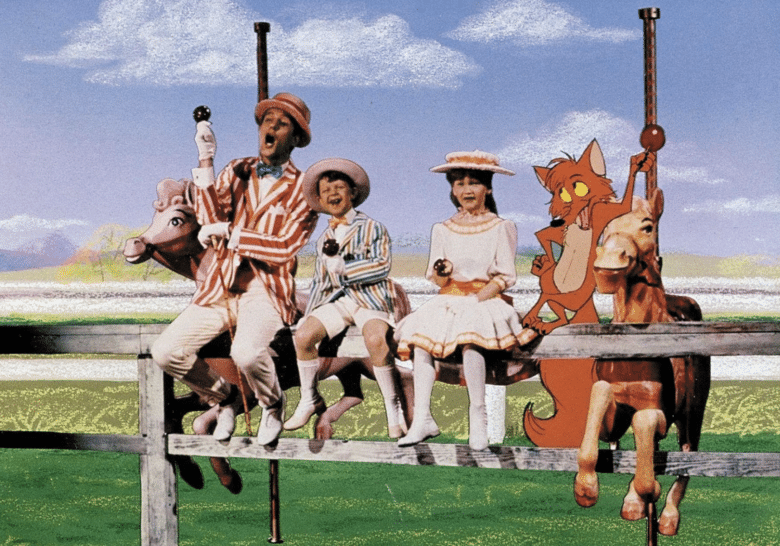
The author of “Mary Poppins” hated the Disney adaptation of the enchanting world she created so much that it served as a plot for the 2013 movie “Saving Mr. Banks.” In the movie, 65-year-old Travers P.L. Travers (played by Emma Thompson) can be seen crying tears of regret while watching the premiere of the film. Travers, who had script approval, found her edits largely disregarded, leaving her disheartened by the movie’s departure from her original vision. Perturbed by the downplayed strict side of Mary Poppins and loathing the animated sequences, Travers reluctantly vowed never to let Disney touch the rest of the series.
7. Truman Capote — ‘Breakfast at Tiffany’s’
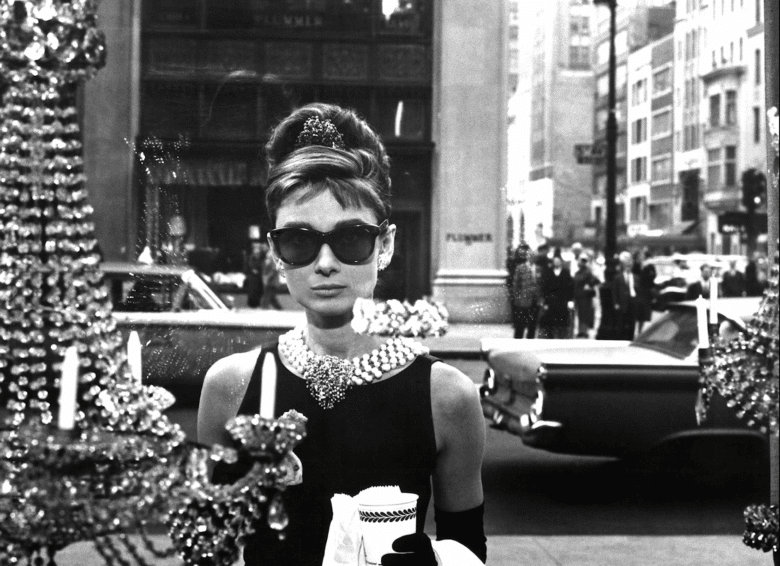
Could you fathom anyone other than Audrey Hepburn bringing the elegant socialite Holly Golightly to life in the timeless 1961 film “Breakfast at Tiffany’s?” Well, Truman Capote could. In fact, the original author of the book had a different leading lady in mind: Marilyn Monroe. Capote firmly believed that only Monroe could embody the essence of the iconic party girl, Holly Golightly. Yet, when the role ultimately went to Audrey Hepburn, Capote’s disappointment ran deep, leading him to relentlessly criticize the film adaptation as the “most miscast” production. According to biographer Gerald Clarke, “Holly was Capote’s favorite creation.”
8. Donn Pearce — ‘Cool Hand Luke’
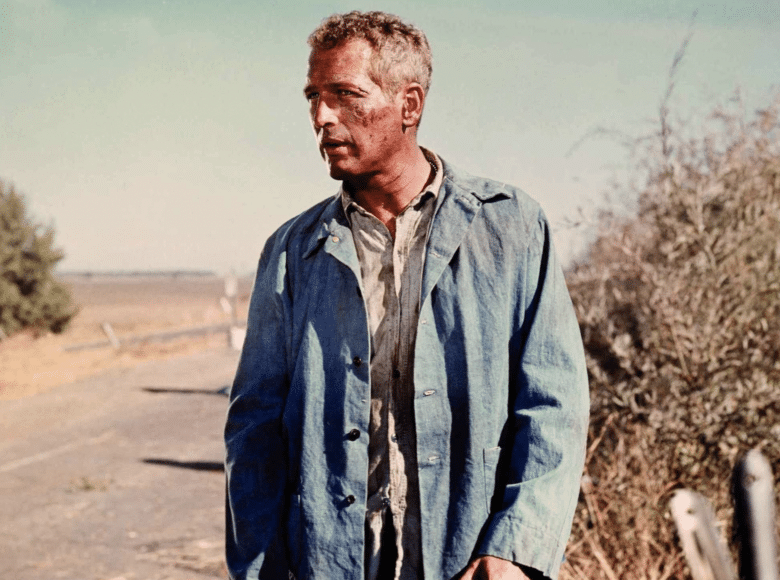
Donn Pearce, the author of “Cool Hand Luke,” was initially hired to adapt his own book into a screenplay. The story was inspired by Pearce’s personal experiences during his two years on a prison road gang. However, the filmmakers decided to bring in a more seasoned screenwriter, Frank Pierson, to work on the script. Pearce had a difficult time accepting the changes made to his story, feeling that the film deviated too much from his original vision. As a result, he requested his name be removed from the credits. Despite his grievances, “Cool Hand Luke” went on to become a critically acclaimed film, earning Paul Newman an Academy Award nomination for his portrayal of the rebellious Luke Jackson.
9. Bret Easton Ellis —’The Informers’ and ‘American Psycho’
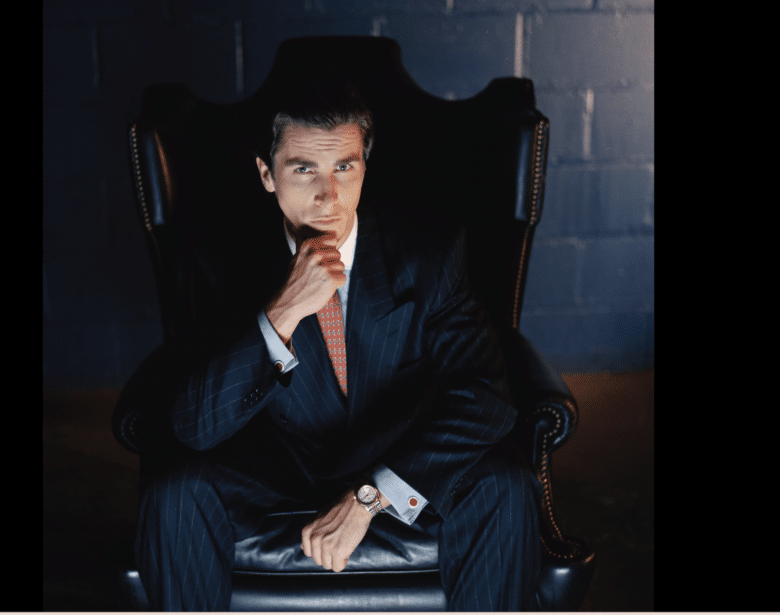
Bret Easton Ellis, the acclaimed author known for his provocative works, holds a rather critical stance towards the film adaptations of his books. While he acknowledges that some adaptations, like “The Rules of Attraction,” have their merits, he remains dissatisfied with many others. Regarding 2009’s “The Informers,” a film he was involved in, Ellis commented that its failure stemmed from various reasons, none of which he deemed his own fault.
However, when it comes to “American Psycho,” Ellis strongly believes that it should never have been turned into a movie. He argues that the novel’s strength lies in its unreliable narrator and the ambiguity surrounding the events. According to Ellis, film as a medium demands concrete answers, which diminishes the inherent intrigue of the story. He asserts that whether viewers know if the protagonist did it or if it all happens in his head, the book loses its gripping appeal when definitive answers are provided.
Methodology
We examined movies that were adapted from popular books, analyzing IMDb trivia and thoroughly researching the authors’ biographies in order to uncover their perspectives on the adaptations.
This story was produced and syndicated by MediaFeed.
- Hot dogs, apple pie & other classic American foods that aren’t American at all
- Skip the crowds this summer at these secret national parks
Like MediaFeed’s content? Be sure to follow us.