
Credit scores have become synonymous with credit reports over the years, but there are some key differences you should know about. For one thing, you might be surprised to find upon reviewing your free credit reports that you won’t see your credit scores on them. Here’s more of what you need to know about the differences between credit scores and credit reports.
Image Credit: Depositphotos.
1. They’re two different products

The first thing you should understand about the differences between credit reports and credit scores is that they are two different products
Credit reports are generated by credit reporting agencies, also known as credit reporting bureaus or credit reporting companies. There are three credit reporting agencies: Equifax, Experian, and TransUnion.
Credit scores, on the other hand, are created by credit scoring companies. The two main credit scoring companies are FICO® and VantageScore®.
The lines between the two different types of companies are blurring, though, as they can partner together. (For example, Equifax, Experian, and TransUnion® all worked together to develop VantageScore®, even though it’s an independently run company. The companies also can create their own independent credit scores.) But more on that later.
In the meantime, what you need to know is that credit scores and credit reports are not the same, and you shouldn’t expect to see one of your credit scores when you obtain one of your free credit reports.
Image Credit: DepositPhotos.com.
2. You have three credit reports and many credit scores
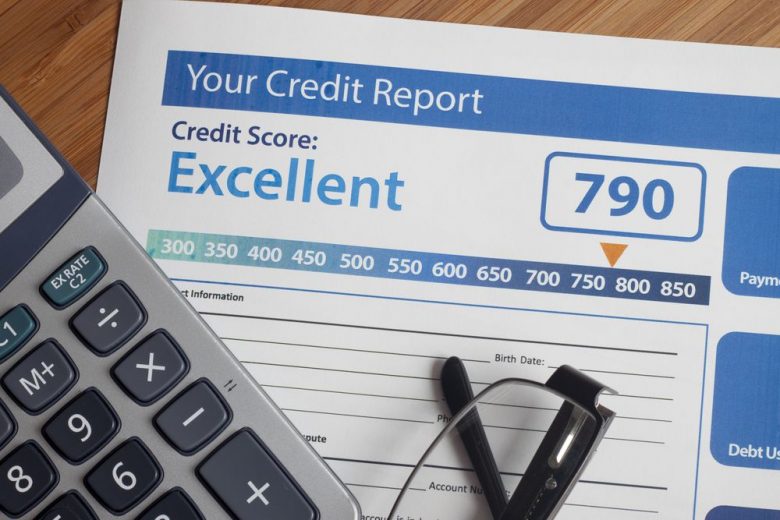
You can probably already surmise that you don’t just have one credit report and you don’t have just one credit score. The very fact that there is more than one company for each should make that clear. However, you might be surprised to know just how many of each you have.
Credit reports are simple to number. There are three major credit reporting agencies — therefore everyone has three credit reports. There are also companies that track your banking behavior and create reports on those, but those reports are not the same as your credit reports.
Tracking the number of credit scores you might have, on the other hand, is a bit more complicated. Although there are two major credit scoring companies, each one has multiple models of their scores. For example, FICO® has specific credit scores for auto loans as well as specific credit scores for mortgages and other types of credit.
What’s more, as FICO® and VantageScore® update their models, lenders using them don’t always update things on their end. Thus, several models of the same credit score can be in rotation at the same time, making it that much harder to know what score a specific lender might see when running your application for credit.
The main takeaway to understand here is that everyone has multiple credit reports and multiple credit scores, so seeing one doesn’t mean you’ve seen them all. The good news is, credit scores are put into ranges, so if you focus on the range instead of the number, you can have a fairly good idea of the current state of your credit.
Image Credit: DepositPhotos.com.
3. You can’t always see your credit reports and credit scores in the same place

There’s a number of ways to see your credit reports, but when you obtain your free annual credit reports from AnnualCreditReport.com, you won’t see your credit scores on them.
However, some services enable you to see one of your credit scores for free, and from which you can also review items that are on one of your credit reports. For example, if you sign up for Upturn, you can see both your VantageScore 3.0 from TransUnion® and individual cards showing each item that’s on your TransUnion® credit report.
You can also pay to see both a version of your credit score and a version of your credit report at the same time. FICO®, Equifax, Experian, and TransUnion® all have products that you can pay for to view one of your credit scores as well as items from one or more of your credit reports (along with other services, such as alerts to changes on the scores and reports they’re showing you).
Image Credit: Anchiy.
4. Though not the same, credit reports influence credit scores

Credit scores and credit reports may be two different products, but that doesn’t mean they don’t relate to one another. In fact, the information on your credit reports will help to determine your credit scores.
When you pull up your credit reports, you’ll see specific information on each financial account you hold. That information includes your balances, your payment history, the length of time you’ve had those accounts, and so on. All of these heavily influence your credit scores.
The information above can be derived from your credit reports, which is why it’s so important to review them and ensure their accuracy regularly.
Image Credit: Johnny Greig/istockphoto.
5. You can dispute your credit reports but not your credit scores

So, what can you do if your credit reports aren’t accurate? You can dispute them. Unfortunately, you can’t dispute your credit scores — but getting your credit reports corrected will affect change on your credit scores. Remember, they’re different products, but the information on your credit reports will be used to determine your credit scores.
If you see a mistake on your credit reports, you can dispute the mistake through the credit reporting agency showing that mistake. You can also use free tools from companies like Upturn to help you find and dispute mistakes on your TransUnion® credit report with the click of a button.
Once the dispute is resolved and a change is made to the credit report in question, then your credit scores should reflect that change, though not necessarily right away.
This article originally appeared on UpturnCredit.com and was syndicated by MediaFeed.org.
Image Credit: pixelfit.