

If you’ve spent any length of time in the Personal Finance community, you’ve heard the standard advice a million times. Create a budget, spend less than you earn, make steady investments… yada, yada, yada.
While those fundamentals are certainly important, I’m not going to bore you with another round of those again.
Instead, as I sit here reflecting on the moves I made to save $100,000 by age 25, and then hit over $250,000 by age 28, I’m going to focus on all the things I did to make myself look like a total oddball.
Isn’t that more fun?
Because after all, to get unusual achievements, it takes unusual action.
Hopefully, by sharing these, we can blow past the regular money advice, step off the beaten path, and start focusing on the fringe-like money moves it takes to fast track your finances.
Image Credit: Depositphotos.
1. I started investing early. I mean, really early…

In the investing world, “young” is typically considered anytime before you’ve started panicking about your upcoming retirement. If you’ve only got a couple gray hairs, even better.
So, I flipped that script.
Instead of beginning my investment career during a midlife crisis, I pushed it up a couple decades. I made my first investment before I could drive.
Most teenagers save a little bit of cash so they can make it rain on their high school crush at the movie theater’s concession stand.
And while I was just as susceptible to that high school drama as the next dude, I saved a portion of my minimum wage earnings for another purpose.
Inspired by a high school math teacher who explained how a few years of compound interest could make anyone a millionaire, I made my first investment when I was just 15. I took $500 from my leftover summer earnings, and I shuffled it from bank to bank, searching for the highest interest rates on Certificate of Deposits.
The feeling of my money earning its own money was absolutely intoxicating.
By the time I was 18, I’d worked up the courage to invest my first dollar in the stock market. At first, I tried to be the next Warren Buffett, pouring myself into financial statements and predictably, making some costly mistakes.
Eventually, I wised up to passive index investing ideas like the three fund portfolio. Throughout college, I continued funneling any extra change I could find into these funds.
The result? By the time I was 25 and made my grand appearance to the world as “The Money Wizard” with $100,000 to my name, my money already had a decade of compound interest at its back.
Image Credit: Credit: kwanchaichaiudom / iStock.
2. I rented a mediocre-at-best apartment in the ‘burbs

After graduating college, I suddenly found myself adulting in a new city.
As a native Texan, I’d just accepted my first job in finance in Denver. I was excited to try my hand at a brand new city and state, but I had a big decision about the place I should get.
I’d read up on the average American budget, and I knew the typical American spent 37% of their money on housing. The way I saw it, saving a couple hundred bucks a month on rent could be the easiest money I ever made.
So, I found myself a basic place in the suburbs. Sure, I didn’t get to brag about whatever downtown high rise I was renting (in the world of millennials, living in the burbs is about as cool as admitting you’re a Star Trek fan.)
But my choice to live a few minutes outside of the trendy downtown meant I was saving almost $500 a month. With that money, my savings continued to build each month, without even trying.
Plus, with the cash I was saving on rent, I could easily hire an Uber driver to send me back into the action whenever I felt the urge.
Image Credit: DepositPhotos.com.
3. I said no to materialism

Around the same time, I stumbled onto the idea of minimalism.
For whatever reason, the idea that less is more is completely foreign to our culture. We could blame the strategic deployment of billions of dollars from the most sophisticated marketing budgets in the world, or maybe it’s just an innate human desire to own stuff.
Whatever the case, I started questioning whether spending money on the latest gadget would actually make me happier, or whether using that same money to get myself closer and closer to financial freedom would be a better decision.
I began passing on expensive artwork, junky knick-knacks, and an overflowing wardrobe that I knew I’d never wear. I made a game for myself, to see how often I could walk through a shopping mall, art festival, or gift shop completely unfazed. Could I appreciate something for what it was, without succumbing to the immediate urge to own it?
To my surprise, this adjustment was way easier than I expected. Because when you know your money is going towards a higher purpose, buying a cheap piece of whatever feels like a total waste compared to building investments and buying your freedom.
Image Credit: DepositPhotos.com.
4. I kept my beater as long as possible

After my epiphany about materialism, vehicles found themselves as one of the items most in my crosshairs of questioning.
My salary was pegged at $50,000, and I didn’t want to become yet another $50K Millionaire. You know the type … gets a job, becomes overly impressed they’re no longer making minimum wage, and promptly gives away all that newfound earning power to a sneaky car salesman.
So instead, I drove my 13-year-old beater pickup truck for as long it could last, saving hundreds each month in a new car payment.
Image Credit: DepositPhotos.com.
5. I killed all recurring bills
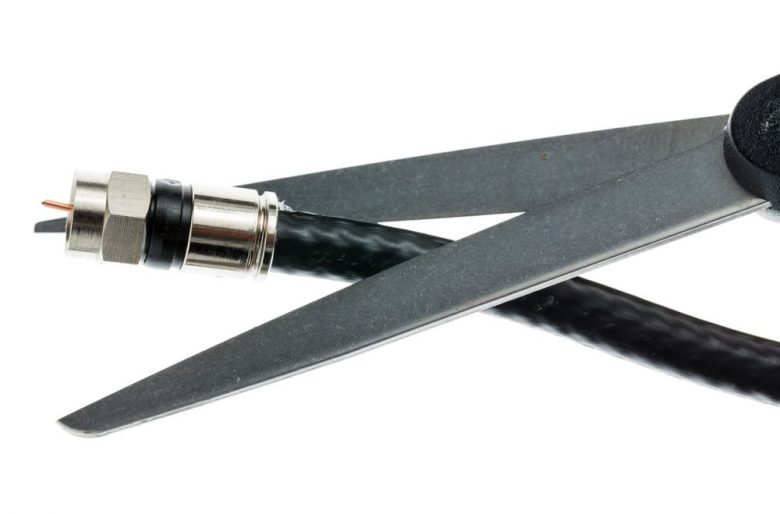
Amazed by how much easier saving was thanks to my cheap rent and nonexistent car payment, I started wondering what other automatic savings I could build into my budget.
I soon placed any monthly payment right in the center of my budgetary ax. It didn’t matter how big or small the bill, if I was cutting a check for it every month, I seriously reconsidered whether I should keep paying for it.
I canceled my cable. I passed on the premium music app. I renegotiated down my gym membership, and I said no to the thousands of insurance offers I was being pitched.
(Don’t like doing this yourself? sign up for a service like Trim and they’ll negotiate it down for you.)
Combined, these built another hundred dollars or so of savings into my budget every month. Savings which would repeat, each and every month, with zero effort on my end.
Image Credit: DepositPhotos.com.
6. I replaced expensive hobbies with cheap ones

Soon thereafter, I came to an interesting realizing about our free time. We choose our hobbies, and yet their prices range all the way from insanely-freaking-expensive to actually earning you money. And yet, we seem to enjoy them no matter what, otherwise they wouldn’t be our hobbies.
So, when we’re not yet millionaires, why not choose the cheaper options?
I started questioning nightly bottle service at ‘da clubs, and instead built frugal hobbies into my lifestyle.
With my cable cord already cut, I diverted that couch time towards blogging, which to my surprise, can actually be a pretty profitable hobby. I started reading books about finance, learning how to cook, and enjoying the great outdoors with friends.
I focused more on going to the gym, which was a fixed cost whether I was lazy or used their services every day.
Might as well get my money’s worth!
That said, I did still keep snow skiing, which just might be the most expensive hobby in the world. You know, for balance’s sake.
Image Credit: DepositPhotos.com.
7. When it came time to buy the home, I slashed the suggested home price in half.

When it finally came time to move on from renting, I wanted to keep the savings rolling.
So, despite the squeals from my Realtor and lender, who both have an inherent interest in me spending as much money as possible, I pegged my budget at about half what my peers were purchasing. (On my now ~$80,000-a-year salary, even Mint.com suggested I buy a $485,000 house!)
That decision worked out A-OK, since I was able to find the house of my dreams for just $180,000, and continue saving huge chunks of my paycheck every month.
Image Credit: gradyreese.
Want to improve your finances? Don’t be afraid to live differently

You may be saying:“Yeah, that’s all great Money Wizard, but enough about you. What about me?”
Here’s the thing about my story. While the steps I took might have been unusual, none of those steps were all that difficult.
Switching out a few hobbies? Saying no to mindless purchases? Tempering the home budget? None of these choices significantly impacted my daily life.
What did impact my life? Freeing up thousands of dollars in the monthly budget.
For me, I’m using those savings to put myself on pace for something equally unusual – the ability to completely walk away from mandatory work when I’m still in my thirties.
Maybe you have a similar goal. Or maybe, you’re saving to invest in a side business, grow your discretionary income, or even just build up your first emergency fund.
In any case, the question remains. What strange steps could you take to improve your finances today?
As Dave Ramsey says, “Live like no one else now so later you can live like no one else.”
This article originally appeared on WalletHacks.com and was syndicated by MediaFeed.org.
Image Credit: DepositPhotos.com.



