Normally, making a deposit into your bank account is no big deal. However, if you’re planning to deposit a large sum of cash, there are a few things you should know beforehand. Cash deposits over $10,000 are subject to being reported by the bank to the federal government.
Even if you split up the deposit into several smaller ones, it may still be reported by your bank.
So how much cash can you deposit at once? Can you deposit a large sum of cash in your checking account? And when do banks report deposits to the IRS?
Here’s a guide to making deposits over $10,000 into your bank.
Image Credit: Andrey Maximenko/istockphoto.
Why Does the IRS Track Large Deposits?
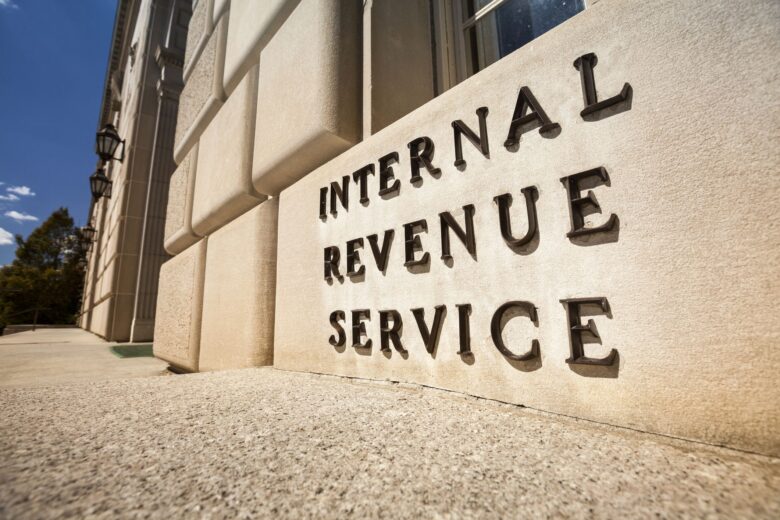
The IRS monitors activities that may be related to financial crimes. And, under a federal law called the Bank Secrecy Act, banks and credit unions must report potentially suspicious financial transactions and keep records of specific activities, including cash deposits that exceed $10,000. The reason: Large deposits, such as depositing more than 10k, could be a sign of unscrupulous activities, like money laundering.
Tracking large deposits may help law enforcement organizations and regulators reduce money laundering and tax evasion. The Bank Secrecy Act includes civil and criminal penalties for not complying with the requirements.
Image Credit: Pgiam/istockphoto.
When Do Banks Report Deposits to the IRS?

Banks are required to report deposits over $10,000 to the IRS within 15 days of receiving the money. The bank files a Currency Transaction Report with the Financial Crimes Enforcement Network when a cash deposit or a series of cash deposits by one customer exceeds $10,000. The IRS can use data from Currency Transaction Reports to enforce tax regulations.
Another type of report, called a Suspicious Activity Report, is filed in relation to suspicious activity. For example, if a suspect transaction is canceled at the last minute, even if the transaction was for under $10,000, the bank might file a Suspicious Activity Report.
Image Credit: Victorburnside/istockphoto.
What Happens When a Suspicious Deposit is Reported?

Once a suspicious deposit is reported, a paper trail is created for regulators and law enforcement agencies. This is how it works.
Customer Identification Information is Provided
When a large or suspicious amount of money is deposited, the bank files a Currency Transaction Report with the Financial Crimes Enforcement Network, as mentioned. The bank must verify and include the customer’s identification as part of the report. This includes the customer’s name, Social Security number, account numbers, as well as other details.
Multiple Separate Transactions Are Combined
All cash transactions that are completed within a short period of time by the same person are combined and treated as a single transaction. These transactions will count toward the $10,000 limit.
There’s a Search for “Structuring”
Structuring is when a person deposits multiple transactions in order to avoid triggering the $10,000 limit. If the bank thinks a customer is deliberately structuring, the bank will file a Suspicious Activity Report, which may lead to additional inspection of the account activity.
Filing and Recordkeeping is Completed
The bank files a Currency Transaction Report with the Financial Crimes Enforcement Network within 15 days of the flagged transaction. Banks must retain records for five years after the date of the report.
Image Credit: Liudmila Chernetska/istockphoto.
Deposits Over $10k

For deposits over $10,000, the financial institution has to file a Currency Transaction Report to the Financial Crimes Enforcement Network. The report includes the depositor’s name, Social Security number, occupation, account numbers, address, date of birth, and the amount and types of transactions.
Image Credit: Liubomyr Vorona/istockphoto.
Does the Law Apply to Withdrawals?

The rules are the same for cash withdrawals as for cash deposits. If you withdraw from your account more than $10,000 in cash, the bank will report it to the IRS.
Image Credit: selensergen/istockphoto.
How Much Cash Can You Deposit at Once?

Still wondering how much cash can you deposit? You’re allowed to deposit as much cash at once as you like. For instance, you may need to deposit more than $10,000 when you’re moving money from one bank account to another, depositing money earned from a sale of a valuable item, or depositing money you’ve earned from your job. Just know that when you deposit more than $10,000, the bank is required to report it to the federal government.
To avoid any potential problems with your work earnings, you could set up direct deposit with your employer. That way, you don’t have to deposit the money yourself. If you’ve never used direct deposit, you can ask your HR department how it works and have direct deposit explained to you.
In addition, if you have a large sum of money to put in the bank, you may want to consider an account with a higher interest rate to help you earn more with your money. You can compare high-yield savings accounts to find one.
Image Credit: ViktoriiaNovokhatska/istockphoto.
The Takeaway

If you deposit more than $10,000 in cash into your bank account, it will be reported to the government, including the IRS. As long as you’re not doing anything illegal, you likely don’t need to stress about it. But it’s helpful to be aware of it.
When you have a large sum of money to deposit, you may be looking for the right kind of account for it — maybe you’re deciding between a checking vs money market account, for instance.
This article originally appeared on SoFi.com and was syndicated by MediaFeed.org.
Please understand that this information provided is general in nature and shouldn’t be construed as a recommendation or solicitation of any products offered by SoFi’s affiliates and subsidiaries. In addition, this information is by no means meant to provide investment or financial advice, nor is it intended to serve as the basis for any investment decision or recommendation to buy or sell any asset. Keep in mind that investing involves risk, and past performance of an asset never guarantees future results or returns. It’s important for investors to consider their specific financial needs, goals, and risk profile before making an investment decision.
The information and analysis provided through hyperlinks to third party websites, while believed to be accurate, cannot be guaranteed by SoFi. These links are provided for informational purposes and should not be viewed as an endorsement. No brands or products mentioned are affiliated with SoFi, nor do they endorse or sponsor this content.
Communication of SoFi Wealth LLC an SEC Registered Investment Advisor
SoFi isn’t recommending and is not affiliated with the brands or companies displayed. Brands displayed neither endorse or sponsor this article. Third party trademarks and service marks referenced are property of their respective owners.
Communication of SoFi Wealth LLC an SEC Registered Investment Adviser. Information about SoFi Wealth’s advisory operations, services, and fees is set forth in SoFi Wealth’s current Form ADV Part 2 (Brochure), a copy of which is available upon request and at www.adviserinfo.sec.gov. Liz Young is a Registered Representative of SoFi Securities and Investment Advisor Representative of SoFi Wealth. Her ADV 2B is available at www.sofi.com/legal/adv.
Image Credit: RomarioIen/istockphoto.
More from MediaFeed

15 tax forms you probably should know about
Image Credit: Larry_Reynolds/istockphoto.