I had too much food in my fridge and it was going bad — lettuce, spinach, strawberries, blueberries. The lettuce and spinach, especially, were not my friends.
The vibrant greens turned gooey and discolored.
Into the trash they went. And then I repeated the cycle again. And again.
When I Googled how to properly store spinach and lettuce, I found out about a problem I didn’t realize was so big: food waste.
Turns out that in America we waste about 30-40% of our food, according to the U.S. Department of Agriculture. That’s about 119 billion pounds of food, or equal to about 130 billion meals. But here’s the kicker: That food doesn’t go to the 34 million food-insecure individuals in the U.S. It goes to landfills, where it rots and produces harmful greenhouse gases like methane.
Wanted: a plan of action for food waste
Food insecurity, methane, my wasted cash. This wasn’t just a big problem out there. It was my problem, too.
It was time to figure something out.
TL;DR
A food waste action plan for every level of commitment
Greenhorn: Eat your leftovers.
Green Belt: Do some meal planning. Shop in your fridge and pantry before heading to the store.
Green Goddess: Compost in an old armoire. (Seriously. Read on to find out how!)
The articles I read online were helpful but too much information all at once. I decided just to wing it and go small, by limiting the times I used the grocery delivery service Instacart. Adding items to my cart was just too easy; I only needed to click a button on my phone.
I shopped in person instead, saving the delivery fee and buying what was on my grocery list, not everything that caught my eye.
Turtle to the rescue
Then I had an excellent realization. I could have a partner in this project: my turtle, Lee. (No weird naming thing here. My human partner, Brandon, got the little guy when Brandon was 10 and named him then.)
Lee has a love of fresh produce. Once I started thinking about food waste, before I tossed any past-their-prime greens or berries, I asked myself: “Could Lee eat this?” Usually, he could.
But help from a turtle can only get a person so far.
Expert advice on food waste
One good thing about being a journalist is that you can call up experts and they’ll share their knowledge with you for free.
So I got in touch with Isaias Hernandez, aka the Queer Brown Vegan, an environmental advocate and educator with a bachelor’s degree in environmental science, though he has other relevant experience as well.
“My relationship to food waste draws upon my lived experiences growing up in poverty,” Hernandez told me. As a child, he lived in Section 8 housing and depended on public assistance programs like food stamps, food banks, and going to local churches to receive food.
He’s known for a long time how to use what he and his family had on hand.
Hernandez said our food systems are not designed to deal with the environmental impacts of food waste. The fact that some big grocery stores find it easier to trash good food than give it away is a sign the system needs fixing.
As a food waste newbie, I knew I couldn’t fix the system (yet). But Hernandez did have some practical tips that I could use at home.
His first suggestion was that I take up composting. “You get an old upcycled furniture piece, like a wardrobe or something, and you fill it up with dirt and worms.” It wouldn’t stink or take up a lot of room in my small apartment, he explained.
For someone with an aversion to slimy lettuce and a lack of upcycled armoires at my disposal, that felt like a challenge for another day.
But his second suggestion made a lot of sense. Individual foods can have lots of uses, not just one, he told me. I could think of food as “multidimensional,” he said.
“Let’s say that you have an orange and you want to make orange juice. But then you have the skin leftover. Why not use the skin as zest?”
Zesting was not previously in my lexicon. But just look at these orange zest uses: Exfoliating scrub, healing salve, orange cake with icing. Consider zest noted.
Shop your fridge
Then I spoke to another food waste expert, Anne-Marie Bonneau, the Zero Waste Chef, a blogger and cookbook author.
As it happens, she wrote about orange zest recently, too. Is zesting taking over?
Bonneau suggested “shopping” in my fridge and pantry before going to the grocery store.
“Look at what you have on hand and let that dictate what you’re going to cook next,” she explained.
Next shopping day, I checked my stores first.
Two days ago, Brandon and I had eaten my version of bangers and mash, which consisted of sausages marinated in Korean BBQ sauce, garlic mashed potatoes and broccoli.
We finished the sausages first because they were incredible.
But we had mashed potatoes and broccoli left over. Instead of tossing these foods right away or letting them sit in the back of the fridge until they were no good and then tossing them, I defrosted a pack of chicken breasts to go along with them. And once the mashed potatoes and broccoli were gone, I made rice to go with the chicken.
I patted myself on the back for viewing the mashed potatoes and broccoli as multidimensional. (Shoutout to Queer Brown Vegan!)
Another tip Bonneau shared: “Store food in jars or in glass.” You are more likely to reach for the food in glass containers because you can see it. This tip extends to when you are eating in restaurants, too. “Take a container with you for the leftovers. It’s such a simple thing,” she said.
Be the change you want to see in the world
After a while, I noticed that the things I was doing started to add up — my impulse control with Instacart, choosing to plan meals and buy more intentionally, shopping in my fridge. Even the orange zest.
And Bonneau was right. These food waste solutions were so simple and easy to integrate into my routine that I’m still using them. Not only that, I’m saving money on my grocery bill every week.
Contributing to the good and not the bad is making me happier. And little Lee, now the recipient of dinged-up produce I might have previously thrown in the trash? Well, he might be the happiest of all.
This article originally appeared on EDF.org and was syndicated by MediaFeed.org.
Are you making climate change worse?

Climate change is a real threat — but it’s one you can help combat. By understanding how big companies and common household items impact the environment, you can make more informed and sustainable choices in the products you use and companies you support.
Nastco / istockphoto

Despite promises to align banking and lending practices with the Paris Agreement — an international treaty on climate change — top 35 global investment banks have largely failed.
Banks including JP Morgan Chase, Wells Fargo, Citibank and Bank of America contributed over $150 billion each to fossil fuel companies since 2016, according to the Rainforest Action Network’s Banking on Climate Change Fossil Fuel Finance Report 2020. Combined with 31 others, these banks funneled a combined total of nearly $2.7 trillion into fossil fuels in just four short years.
Not only is the fossil fuel industry pushing global warming to dangerous levels, but it’s also contributing to devastating water and air pollution. And it’s not just our environment that pays for it. Significant health problems are a direct result of climate change, including heart disease, lung cancer, respiratory failure and strokes.
Green alternative: Open an account with a smaller, ethical neobank
Neobanks are online-only fintech companies that offer benefits like minimal fees, competitive interest rates and less waste production since there aren’t any physical branches.
For example, neobank Aspiration is up front about its policies on working with fossil fuel companies and has green practices that back your banking habits. It plants trees with every swipe of your debit card and offers carbon offsets to help reduce your contribution to climate change.
When you compare environmentally friendly neobanks, do your due diligence and check its owners. Although some fintechs purport sustainable environmental policies, you should work with a company that is transparent about where its money and investments go.
DepositPhotos.com

Look into where the electricity for your home comes from. Many parts of the country rely on fossil fuels to power their cities — though some make use of clean energy sources. Wasting energy by not turning off the lights or running the AC with the windows open can contribute to higher greenhouse gas emissions.
Likewise, driving a car that isn’t fuel efficient also increases your impact on the environment. But even electric and hybrid car owners should be aware of where their power comes from. If your city mainly uses coal or natural gas for electricity, then you won’t be cutting fossil fuel emissions as much as you think.
Green alternative: Use more energy-efficient products
While you don’t have to go all out and refit your home with energy-efficient appliances and products all at once, making the switch when you do need to replace your dishwasher, water heater or other big appliances will add up. Check for an Energy Star Label and compare a wide range of options before settling. Not only will you help the environment, but you’ll also save money in the long run by buying more energy-efficient options.
In the meantime, stay mindful. Check your electric company’s peak hours. Running your dishwasher or washing machine at non-peak times will save you money and reduce the pressure on your area’s infrastructure.
Limiting your use of the dryer — air-drying your clothes reduces your energy consumption and helps keep your clothes intact longer — and your HVAC system will also decrease your individual impact on the environment.
gyro/ istockphoto

It’s old news that cattle and factory farms are bad for the environment. Not only do cows produce methane — a major greenhouse gas — but their water and food consumption is staggering. And in quite a few parts of the world, forests are removed to make way for pastures, which further compounds the harm they do to the environment. Other animals have their own impacts, but by far, unsustainable red meat production is a major contributor to climate change.
Green alternative: Go local and plant-based
Shopping for in-season, local produce — and actually eating it — is an easy way to reduce your carbon footprint. This doesn’t necessarily mean going vegetarian or vegan. Rather, try to incorporate more vegetables and legumes into your diet. Opting for poultry or fish instead of red meat is another more sustainable option. Freeze what you don’t use, eat your leftovers and compost when you’re able.
If you continue to eat meat, cut down on your portions and continue to add more plants to your diet. You should also reach out to local farmers and butchers. Supporting local, animal-based businesses reduces the toll of factory farming on the environment and help increase demand for farms in your area.
But don’t assume going plant-based is without consequences. Monoculture — when farms and plantations produce only one crop — can damage an ecosystem’s biodiversity, especially when crops replace natural forests. Almonds and palm oil trees are major contributors to water consumption and deforestation. Always check the labels of the foods you buy and do your part in researching how the staples in your diet affect the environment.
Johnnieshin

Beauty products are often packaged in hard plastic with mixed ingredients — making them nearly impossible to recycle. And the chemicals found in many beauty products, as well as the water and palm oil used in the manufacturing process, all play a role in making most beauty products extremely unsustainable. So unless you’re willing to DIY all of the products in your beauty routine, you need to research how your products are made to understand the full scope of their impact on the environment.
Green alternative: Support businesses with environmentally friendly practices
As with most advice, there is a reason the first word in the green mantra is reduce: The less you consume, the less demand there is for products. Cut back on your makeup and beauty routine where possible to avoid producing excess waste. This is generally the most sustainable option, but if you can’t, investing in products with eco-friendly ingredients is a positive change you can make to your routine.
But keep in mind that many common terms like natural and green don’t have set definitions. Any company can claim its products are environmentally friendly — and many do. Always consult the list of ingredients and look into how products are produced to be sure you’re buying from a truthful and transparent company.
Pay attention to packaging as well. A natural or eco-friendly product packaged in plastic — or even plastic-coated cardboard — is still contributing to climate change. There are some mascara brands, for instance, that come in bamboo tubes and are refillable. Metal and glass containers are also more sustainable, so look for products with this type of packaging when you can.
DepositPhotos.com
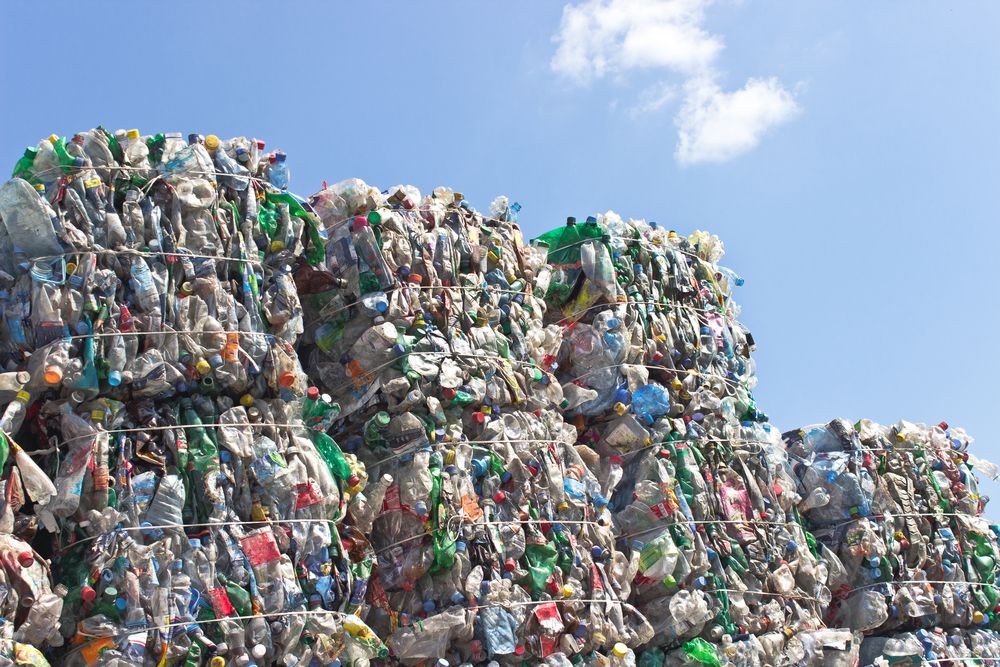
The convenience of a paper towel, cleaning wipe or plastic straw may be hard to beat — but we all know how much our trash contributes to climate change and the destruction of natural environments. Not only are reusable items more cost effective, they are a simple way to reduce your overall waste.
Green alternative: Invest in reusable products
Although it can be tempting and easy to buy single-use products, don’t fall into this trap. For every disposable product you buy, there’s a reusable product that saves you money and helps you reduce your total waste. And for real savings, you can visit bulk and no-waste stores that allow you to fill up your own containers with shelf-stable foods and other products like soap and shampoo.
Reusable grocery bags, water bottles and coffee mugs are simple switches for everyday use. Using a metal safety razor with a replaceable blade may be intimidating at first, but it cuts down on the plastic used to make the razor and the packaging it comes in.
If you buy single-use cleaning supplies, consider an all-purpose cleaner and rags instead. It may still use energy to wash your rags after a spill, but throwing away paper towels has a much more damaging effect on the environment. And like other daily reusable products, you’ll spend less by cutting up an old shirt and buying a cleaning concentrate than new bottles and paper products every few weeks.
DepositPhotos.com

It should come as no surprise that physical mail contributes to climate change. Even if you recycle everything mailed to you when possible, the paper manufacturing process and the fossil fuels used to deliver the mail to you have an impact on the environment. And while using your computer or phone does have a small carbon footprint, it’s minimal when compared to the waste produced by physical mail.
Green alternative: Go paperless
The quickest way to reduce your physical mail is to go paperless. Most banks and fintech companies offer a paperless billing system that sends transaction receipts and account updates to your email. Using your bank’s app to complete transactions — rather than writing physical checks or using cash — also helps reduce the amount of paper waste you create.
If you receive a high volume of unsolicited mail, you can add yourself to the Federal Trade Commission’s national opt-out list or reach out to each company directly. Unsubscribe from coupons and physical store newsletters and receive them as an email instead. Reject a physical receipt when you shop and opt for digital instead. Going paperless where you can has a monumental impact on how you contribute to climate change.
DepositPhotos.com

As helpful as it is to pay attention to your own waste production and contribution to climate change, this isn’t an individual issue. Large corporations are responsible for their impacts — and many largely go unchecked. It may be small, but working with an environmentally friendly neobank will literally help you put your money behind the issues that matter most to you.
This article originally appeared on Finder.com and was syndicated by MediaFeed.org.
DepositPhotos.com
Featured Image Credit: AndreyPopov/istockphoto.