As part of its goal to protect 30 percent of U.S. lands and water by 2030, the Biden administration on Tuesday announced two new national monuments and asked the Secretary of Commerce to consider establishing a new National Marine Sanctuary in the U.S. waters around Pacific Remote Islands in the next 30 days.
The two new monuments are the Avi Kwa Ame National Monument in Nevada–which is sacred to Indigenous communities and contains one of the largest forests of Joshua trees in the world–as well as the Castner Range National Monument in Texas on the site of a former military training and testing site. Together, they cover nearly 514,000 acres of public lands, the White House said.
“Both Avi Kwa Ame and Castner Range are worthy of being national monuments. They’re beautiful places, critical habitats for wildlife and important to their local communities,” Environment America Public Lands Campaign Director Ellen Montgomery said in a statement emailed to EcoWatch. “The president’s actions will protect Joshua trees and Gila monsters in Nevada and the western burrowing owl in Texas. This will mean more nature, scenery, wildlife and history for future generations to experience in both of these monuments.”
President Joe Biden was set to announce the new monuments and marine conservation effort at the White House Conservation in Action Summit Tuesday. The White House announcement ahead of the summit touted Biden’s conservation legacy, noting that he had protected more land and water during his first year than any president since John F. Kennedy and calling the 30 by 30 goal the “most ambitious land and water conservation agenda in American history.” However, the announcement comes a little more than a week after the President approved the controversial Willow oil drilling project on Alaska’s North Slope, despite the opposition of Indigenous Alaskans, which has undermined his legacy on both the climate crisis and environmental protections. That doesn’t take away from the value of the new protected areas to the communities that championed them and the wildlife that calls them home, however. Here’s the rundown on the newest protected areas in the U.S.
Avi Kwa Ame
We are thrilled that #AviKwaAme will be Nevada’s newest national monument! We hope the designation from @POTUS will happen SOON & will respect the boundaries requested by Tribes.
Learn more about this sacred land: https://t.co/l5I4AwJ3dW pic.twitter.com/QEmF0Ax1oK
— Monuments For All (@MonumentsForUSA) March 13, 2023
Avi Kwa Ame is home to a mountain of the same name, also called Spirit Mountain, which plays an important role in several Indigenous creation stories. The Mojave, Chemehuevi and some Southern Paiute people honor it as one of the most sacred places on Earth, while it is also important to the Cocopah, Halchidhoma, Havasupai, Hopi, Hualapai, Kumeyaay, Maricopa, Pai Pai, Quechan, Yavapai and Zuni Tribes. In addition to the Gila monster, the desert landscape also shelters the desert bighorn sheep and desert tortoise.
“The President’s action today will safeguard hundreds of thousands of acres of cultural sites, desert habitats, and natural resources in southern Nevada, which bear great cultural, ecological, and economic significance to our state,” the group Honor Avi Kwa Ame said in a statement Tuesday. “Many of our coalition members have traveled to the nation’s capital to witness this historic designation today, as have members of the Tribal governments who have organized and spoken out for protection for Avi Kwa Ame for years prior. We look forward to President Biden making this designation official this afternoon, and want to once again thank him, his administration, the Interior Department, and Nevada’s congressional delegation. Together, we will honor Avi Kwa Ame today – from its rich Indigenous history, to its vast & diverse plant and wildlife, to the outdoor recreation opportunities created for local cities and towns in southern Nevada by a new gorgeous monument right in their backyard.”
Castner Range
🚨 BREAKING: @CastnerRangeNM will be designated a national monument today, protecting 6,600k acres in Texas! Thanks to TCA grantees: @NuestraTierraNM @ShiftMonumental and @FronteraLandAll this iconic landscape is now protected. Thank you @POTUS #Castner4Ever pic.twitter.com/ssIScroR0r
— ConservationAlliance (@conservationall) March 21, 2023
The Castner Range National Monument also contains important sites for Tribal Nations including the Apache and Pueblo peoples and the Comanche Nation, Hopi Tribe, and Kiowa Indian Tribe of Oklahoma. Further, the monument will connect to Franklin Mountains State Park, which will give more space for wildlife like the American peregrine falcon, Golden eagle, mountain plover, Texas horned lizard, Black-tailed prairie dog and Baird’s swallow to roam. In addition to animal biodiversity, the high desert landscape also provides habitat for the Mexican poppy and its vibrant spring blooms. The range was used by the military for training through World War II, the Korean War and Vietnam War before being closed in 1966. The monument will give the space new life.
“Once the area is sufficiently remediated to be safe for public access, Castner Range will offer unique opportunities for the El Paso community to experience, explore, and learn from nature,” the White House wrote. “President Biden is committed to expanding access to nature for underserved communities that have historically had less access to our public lands, like those bordering Castner Range.”
Pacific Remote Islands
The waters surrounding the #PRI is a cultural seascape used by Polynesians, Micronesians, and possibly Melanesians who relied on the intact ecosystems for #voyaging. Preservation of the area is critical to Indigenous cultures and its marine ecosystems. 👉🏽https://t.co/n0wLvBQ57C pic.twitter.com/jvHAIx5dCF
— Pacific Remote Islands Coalition (@PRIcoalition) August 1, 2022
In addition to designating the new monuments on land, Biden also said he would direct Secretary of Commerce Gina Raimondo to evaluate the possibility of expanding the Pacific Remote Islands National Monument into a National Marine Sanctuary. The monument as it stands provides shelter for an abundance of marine life including green and hawksbill turtles, pearl oysters, giant clams, reef sharks, coconut crabs, groupers, humphead and Napoleon wrasses, bumphead parrotfish, dolphins and whales. Extending the protections would meet the U.S. goal of protecting 30 percent of its waters, the White House said.
“America’s natural heritage includes not just towering mountains and sweeping plains, but also vast oceans teeming with wildlife – from colorful coral reefs to giant whales,” Environment America Washington Legislative Office Executive Director Lisa Frank said in a statement emailed to EcoWatch. “We’re fortunate to have some of the most pristine ocean ecosystems around the Pacific Remote Islands, but as our oceans heat up, acidify and face threats from plastic pollution to overfishing and drilling, we need to do more to safeguard our seas. Today’s announcement is a great step toward expanding ocean protections in the tropical Pacific.”
This article originally appeared on EcoWatch and was syndicated by MediaFeed.
More from MediaFeed:
- Inside NASCAR legend Tony Stewart’s luxury hunting preserve
- This is the #1 most-hated fast food chain in America
- 18 best Costco membership benefits
Like MediaFeed’s content? Be sure to follow us.
8 hot national parks you’ll need to reserve in 2023
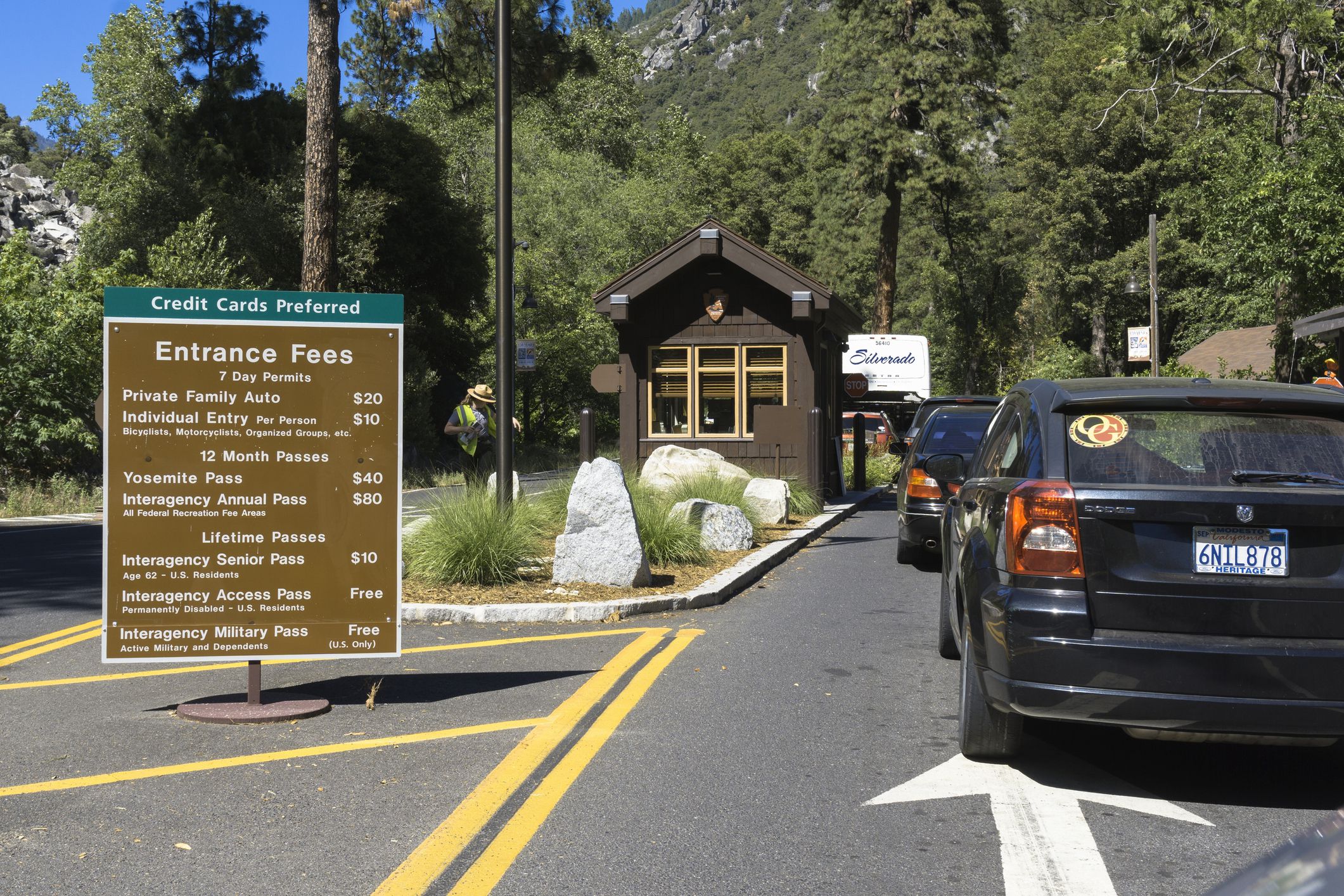
If you’ve visited a national park within the past few years, maybe you’ve encountered one (or several) of these frustrating situations: long lines at entrance stations, traffic backups, crowded hiking trails, jam-packed parking areas, selfie stick-wielding tourists at scenic overlooks, full campsites, and overflowing trash cans, to name a few.
The problem? Our nation’s most stunning natural landscapes are getting a little too popular for their own good.
The COVID-19 pandemic only made the problem of overcrowding worse at many of the 423 sites managed by the National Park Service. With international travel bans in place throughout 2020 and 2021, more Americans decided to explore the awe-inspiring destinations right in their own backyards.
As a result, some national parks are implementing reservation systems to help limit crowds and ensure visitors have a good experience. If your 2023 travel plans include stops at the below national parks, you’ll need a reservation to enter some or all areas within the park — here’s what you need to know.
RiverNorthPhotography/istockphoto
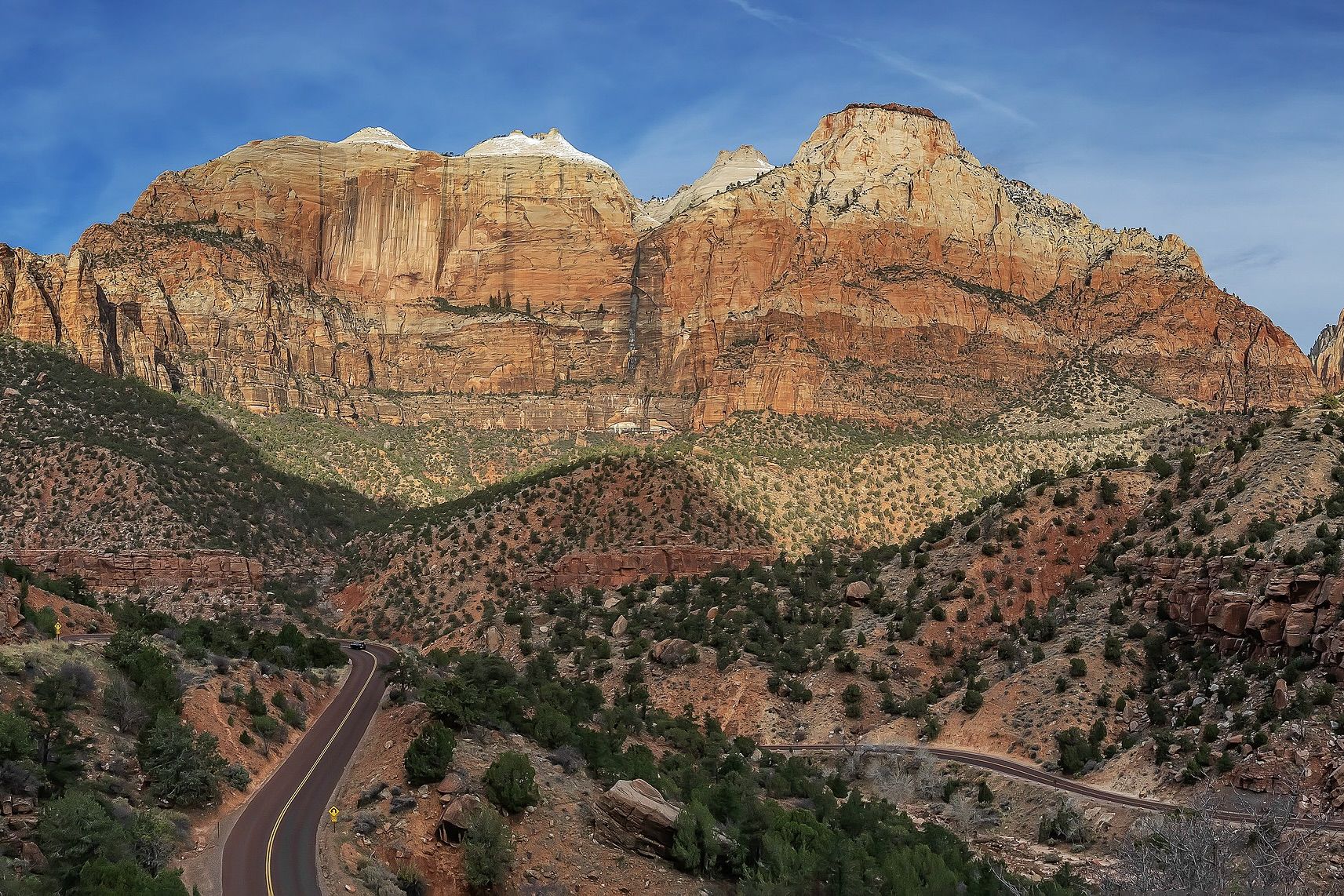
You’ll need a reservation at Utah’s Zion National Park only if you hope to want to hike up Angels Landing, the 1,488-foot rock formation that’s gotten pretty congested in recent years. You can apply for a $6 permit during several seasonal lottery periods or during a lottery the day before you hope to hike.
Wikimedia Commons
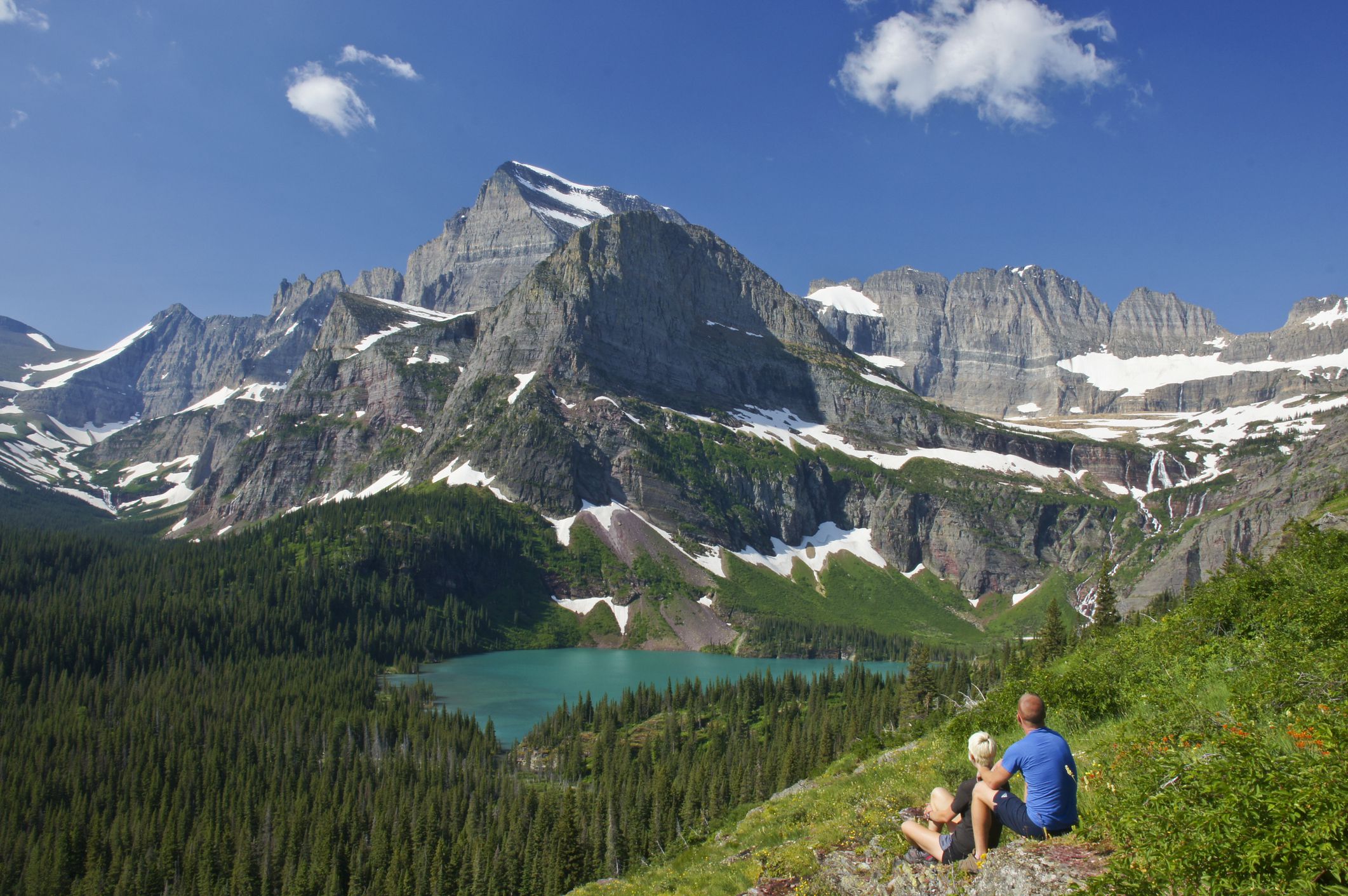
Glacier National Park in northwestern Montana has launched a pilot program for 2023 that requires visitors to make separate vehicle reservations for four areas within the park: Going-to-the-Sun Road, the North Fork, Two Medicine, and Many Glacier. Each region within the park has its own reservation dates, times, and rules, so read through the frequently asked questions thoroughly while plotting out an itinerary.
Bkamprath / istockphoto

If your trip to Acadia National Park in southern Maine involves driving to the summit of Cadillac Mountain, you’ll need a reservation starting mid-May. The good news: You don’t need a reservation for any other area of the park. And if you plan to walk, bike, or take a taxi up Cadillac Summit Road, you can head up without a reservation — they’re required only for personal vehicles.
ejesposito/istockphoto

From May 25 through Oct. 22, you’ll need what Rocky Mountain National Park calls a timed entry permit, aka a reservation, depending what time of day you plan to visit. Your reservation gives you a two-hour window during which you can enter the park; stay as long as you’d like. You’ll need a separate timed entry permit if you hope to visit the Bear Lake Road Corridor, which tends to get busy.
Dan Martin / istockphoto
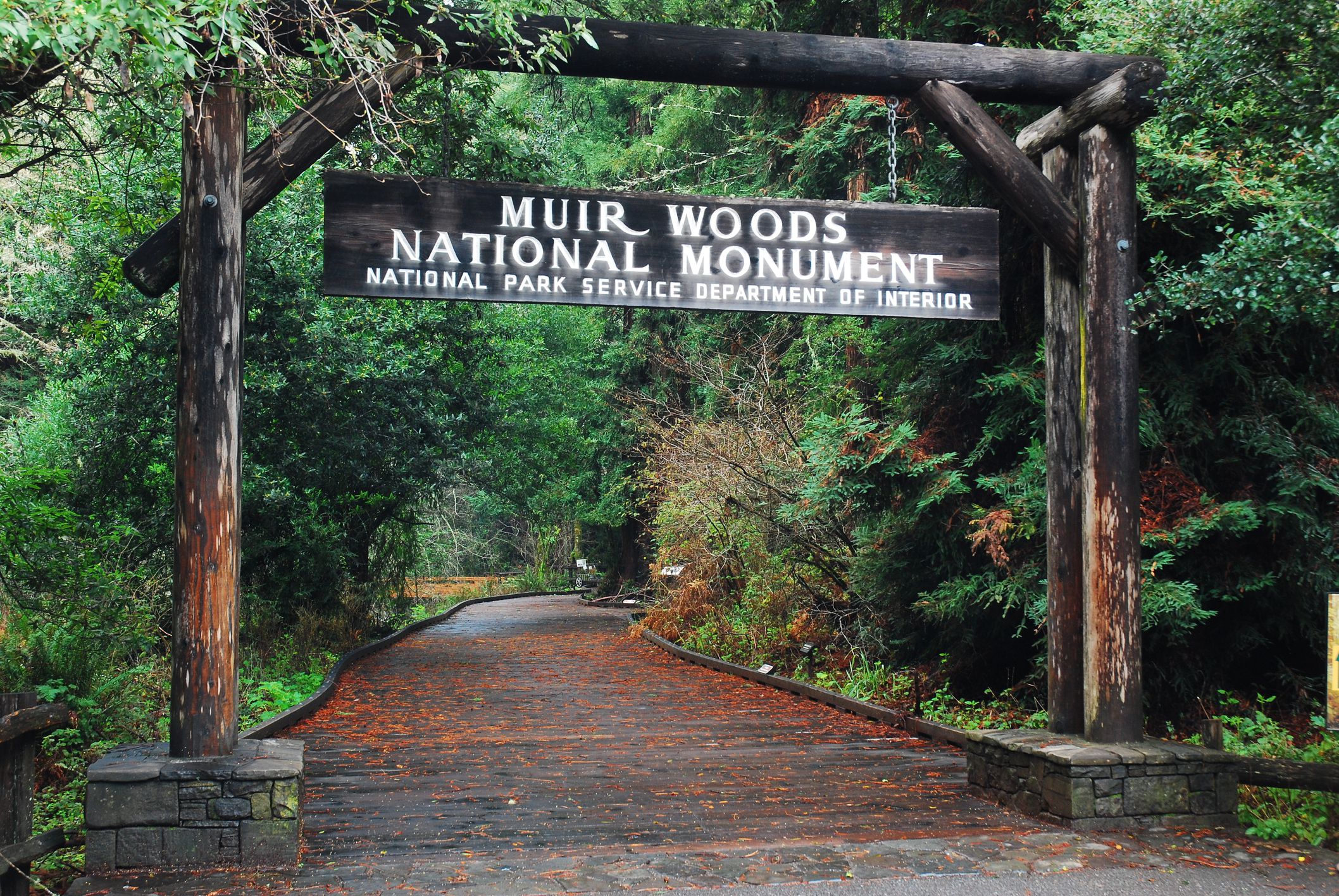
Just north of San Francisco, Muir Woods National Monument sees a lot of visitors all year long. It first implemented its reservation system in 2018 and has kept it in place ever since. You’ll need a reservation whether you drive yourself or ride a shuttle, and you’ll pay a reservation fee on top of the standard park entrance charge.
Kirkikis/istockphoto

Heading out west to see the more than 2,000 natural stone arches at Arches National Park? From April 1 to Oct. 31, you’ll need a timed entry ticket to enter this popular park between 7 a.m. and 4 p.m. Outside of those hours, you can get in with just your park pass.
Mackenzie Reed / NPS Photo

You’ll need a day-use ticket if you hope to hike the trails on Old Rag Mountain inside Virginia’s Shenandoah National Park from March 1 to Nov. 30.
tonda / istockphoto

Unlike most other parks, Haleakalā National Park sees the biggest crowds in the wee hours of the morning — just in time to catch the sunrise from the summit of the 10,023-foot Haleakalā volcano. As such, the park requires reservations for vehicles arriving between 3 a.m. and 7 a.m.
Which national park are you excited to visit this summer?
This article originally appeared on Simplemost and was syndicated by MediaFeed.
More from MediaFeed:
- The creepiest unsolved mysteries in America
- Ranch dressing, root beer & other fave foods that foreigners hate
- The most breathtaking hikes in America
Like MediaFeed’s content? Be sure to follow us.
dypics/istockphoto
StellaMc/ istockphoto
Featured Image Credit: istockphoto.