Inflation’s Downward Trend
Ever since peaking at 9.1% last June, the rate of inflation in the US has been on a reassuring downward trend. It hit 6.5% in December. Despite this good news, in the grand scheme, 6.5% remains well above the Federal Reserve’s goal of 2%.
For the remainder of the year, the Fed plans to base its rate decisions on three key sectors that provide both insight into and influence over inflation: goods, housing, and core services.
3 Sectors to Watch
Goods: During the pandemic, the prices of manufactured goods skyrocketed, due mainly to supply chain bottlenecks. These bottlenecks have largely since opened back up. This means that the prices of manufactured goods should ease over the coming months, which would be a positive sign for the Fed, investors, and consumers.
Housing: Record-low interest rates and a surge in remote work caused housing prices to go through the roof over the past few years. But while the cost of housing may keep rising through the spring, experts expect it should start to decelerate come summer.
Core services: Wage inflation is another economic factor that could keep the overall rate of inflation higher. Due to the tight labor market, Fed officials expect wage inflation to continue for the immediate future.
Of these three factors, core services is the only one that the Fed still views as a major issue.
Incoming Recession?
Economists expect that we could reach the Fed’s goal of 2% inflation by the end of the year. However, reaching this goal could come at a cost — namely, a recession.
The Fed has raised interest rates incredibly quickly over the past year to fight off high inflation. But increased interest rates will most likely stifle consumer spending and lead to more layoffs on top of the onslaught already seen across the tech industry. In other words, the US could enter a recession.
Remember, these are simply projections. The future, as always, remains unclear. But it’s still a good idea to start preparing today for a possible recession by year’s end. The easiest way to do so is to build an emergency fund. These should consist of 3 to 6 months of living expenses. A tall ask, to be sure, but a year is plenty of time to hope for the best and prepare for everything else.
Learn More:
This article originally appeared on SoFi.com and was syndicated by MediaFeed.org.
Please understand that this information provided is general in nature and shouldn’t be construed as a recommendation or solicitation of any products offered by SoFi’s affiliates and subsidiaries. In addition, this information is by no means meant to provide investment or financial advice, nor is it intended to serve as the basis for any investment decision or recommendation to buy or sell any asset. Keep in mind that investing involves risk, and past performance of an asset never guarantees future results or returns. It’s important for investors to consider their specific financial needs, goals, and risk profile before making an investment decision.
The information and analysis provided through hyperlinks to third party websites, while believed to be accurate, cannot be guaranteed by SoFi. These links are provided for informational purposes and should not be viewed as an endorsement. No brands or products mentioned are affiliated with SoFi, nor do they endorse or sponsor this content.
Communication of SoFi Wealth LLC an SEC Registered Investment Advisor
SoFi isn’t recommending and is not affiliated with the brands or companies displayed. Brands displayed neither endorse or sponsor this article. Third party trademarks and service marks referenced are property of their respective owners.
Communication of SoFi Wealth LLC an SEC Registered Investment Adviser. Information about SoFi Wealth’s advisory operations, services, and fees is set forth in SoFi Wealth’s current Form ADV Part 2 (Brochure), a copy of which is available upon request and at www.adviserinfo.sec.gov. Liz Young is a Registered Representative of SoFi Securities and Investment Advisor Representative of SoFi Wealth. Her ADV 2B is available at www.sofi.com/legal/adv.
More from MediaFeed:
9 smart investments to hedge against inflation

It’s no secret that inflation has arrived and is here to stay. To protect yourself from the adverse effects of inflation, it’s essential to invest your money in smart ways.
fizkes / iStock

A few things can cause inflation, but the most common is when the government prints more money than there is demand for. Printing more money causes the value of each dollar to go down, and it becomes more expensive to buy goods and services.
CasPhotography/istock
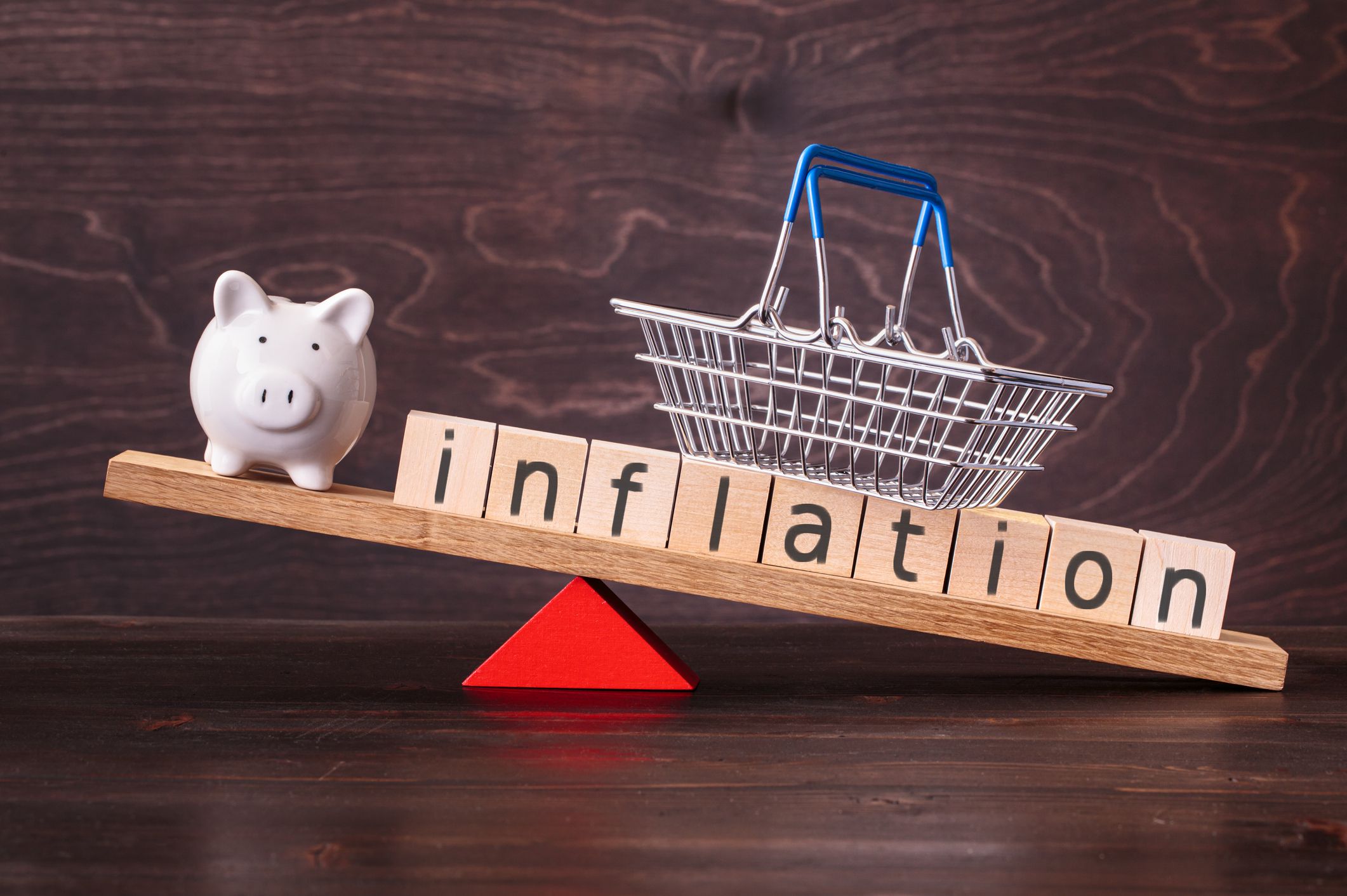
Inflation can have a lot of adverse effects on the economy. When the value of money goes down, people tend to hold onto their cash instead of spending it.
Not spending money can lead to a decrease in demand, which can cause businesses to lay off workers or even go out of business.
Yingko/istock

Inflation can also affect asset values. A decrease in the value of money can lead to a decrease in the value of these assets. For example, when the value of money goes down, it can be more expensive to buy stocks and other investments.
marchmeena29 / istockphoto

There are a few things you can do to protect yourself from inflation. One is to invest your money in assets that will maintain their value over time. Another is to keep up with current events and make sure you know how inflation affects the economy. Finally, make sure you’re not taking on too much debt, as inflation affects this.
Here are nine investments that can help you protect your savings from inflation.
fotopoly/istock

TIPS, or Treasury Inflation-Protected Securities, are a type of bond issued by the U.S. government. The value of these bonds increases as inflation rises, so they can be a great way to protect your money from the harmful effects of inflation.
The downside of investing in TIPS is that they tend to have a low yield, so that you won’t earn a lot of money on your investment. However, the security of knowing your investment is protected from inflation makes them a wise choice for anyone looking to shield their money from rising prices.
Depositphotos
Bonds are another investment that can help you protect yourself from inflation.
Bonds can be a great way to make sure your money is safe and will maintain its value even if inflation rises. When you buy a bond, you’re lending money to a government or company in exchange for regular interest payments over a set period of time.
The downside of investing in bonds is that they can be risky if the company or government you’ve lent money to goes bankrupt. So, it’s essential to do your research before investing in bonds and know exactly to whom you’re lending money.
DepositPhotos.com

Gold is a popular investment during times of inflation, as it tends to hold its value even when the dollar falls. The preservation of its value makes gold an excellent option for anyone looking to protect their money from price fluctuations.
The downside of investing in gold is that it can be expensive, and there’s no guarantee that the price will go up over time. So, it’s essential to do your research before buying gold and make sure you’re comfortable with the risks involved.
DepositPhotos.com

Real estate is another asset that often performs well during times of inflation. When prices rise, people tend to invest in real estate to earn a higher return on their investment. The earning potential can make real estate a wise choice for anyone looking to shield their money from inflation.
The downside of investing in real estate is that it can be risky, and it can take a long time to see a return on your investment. So, it’s essential to do your research before buying property and make sure you’re comfortable with the risks involved.
DepositPhotos.com

Commodities are items like gold, silver, oil and wheat used as investments during times of inflation. They are used as investments because they tend to hold their value even when the dollar falls.
The downside of investing in commodities is that they can be volatile, and it’s difficult to predict how prices will change over time. So, it’s essential to do your research before buying commodities and make sure you’re comfortable with the risks involved.
NiseriN / iStock

Mutual funds are a type of investment that allows you to invest in various assets, including stocks, bonds, and commodities. Mutual funds can be a great way to spread your risk and protect your money from the adverse effects of inflation.
The downside of investing in mutual funds is that they can be expensive, and it can take a while to see a return on your investment. So, it’s essential to do your research before buying into a mutual fund and make sure you’re comfortable with the risks involved.
DepositPhotos.com

Stocks are another option for protecting yourself from inflation. When you buy stocks, you’re investing in shares of a company. Investing in these shares means that you become part-owner of the company and stand to earn dividends if the company does well.
The downside of investing in stocks is that they can be risky, and it’s difficult to predict how prices will change over time. So, it’s essential to do your research before buying into stock and make sure you’re comfortable with the risks involved.
Pinkypills / istockphoto

Silver is a type of commodity that often performs well during times of inflation. Silver performs well because it tends to hold its value even when the dollar falls.
The downside of investing in silver is that it can be volatile, and it’s difficult to predict how prices will change over time. So, it’s essential to do your research before buying into silver and make sure you’re comfortable with the risks involved.
alexis84 / istockphoto

Floating-rate bonds are a type of bond that has a variable interest rate. Having a variable interest rate means that the interest rate will change depending on how the economy is doing.
The upside of investing in floating-rate bonds is that they offer a higher return than regular bonds and are less risky than stocks or commodities.
The downside of investing in floating-rate bonds is that they can be volatile, and it’s difficult to predict how prices will change over time. So, it’s essential to do your research before buying into a floating-rate bond and make sure you’re comfortable with the risks involved.
JJ Gouin / istockphoto

Inflation can be a severe threat to your financial security. However, by investing in the right assets, you can protect yourself from its adverse effects. So, before you invest your money, make sure you understand how inflation can impact your portfolio and choose investments that will help you stay ahead of the curve.
This article originally appeared on MaxMyMoney.org and was syndicated by MediaFeed.org.
Kerkez/istockphoto

Deposit Photos
Featured Image Credit: Khanchit Khirisutchalual/iStock.