There are two kinds of fake cheeses in the world. One is the kind that is unashamedly fake due to regulations not being universal. The prime example is parmesan cheese made outside the European Union, where countries do not necessarily recognize parmesan’s Protected Designation of Origin. In the USA, the name “Parmigiano-Reggiano” is protected but “parmesan” isn’t, so anything can be called parmesan.
The other kind of fake cheese is that which is misleadingly passed off as the real thing to deliberately deceive people. The prime example of this is, well, parmesan.
Parmesan
According to the Parmigiano Reggiano Cheese Consortium, the governing body for authentic parmesan cheesemakers, the fake parmesan market worldwide is worth around $2 billion a year — which is almost as much as the real market, which is about $2.4 billion.
This is obviously of great concern for financial reasons and for the reputation of parmesan. Anyone trying a cheap fake parmesan for the first time and wondering what the fuss is all about may not go back for second helpings. It’s of such concern to the Parmigiano Reggiano Cheese Consortium that it’s recently been working with p-Chip, a technology company specializing in tracking devices, and with Kaasmerk Matec, which makes cheesemarks. The result is a digital label that has a microchip in it smaller than a grain of salt and safe to eat. This tells the buyer (whether wholesaler, retailer, or customer) if the parmesan is authentic.
If you want to buy authentic Parmigiano-Reggiano cheese, don’t be fooled by the packaging trying to look Italian.
Check that it says Parmigiano-Reggiano on the label and not merely “parmesan”; look to see that it says “Made in Italy”; and look for the PDO stamp. Even so, it may not be genuine, as it’s even easier to make a fake label than it is to make fake cheese.
One notable case regarding fake parmesan was that of Michelle Myrter, who was president and corporate officer of Castle Cheese of Philadelphia. In 2015 she was charged with “the misdemeanor of aiding and abetting the introduction of misbranded and adulterated food into interstate commerce, in violation of provisions of the Federal Food, Drug and Cosmetic Act.” A disgruntled fired manager tipped off the authorities that “fillers” including sawdust were being used instead of cheese.
The company had been found to be passing off parmesan and Romano cheeses as genuine when both were found to contain other, cheaper cheeses. As head of the company, Myrter was responsible, whether she knew of the misdeeds or not — though as it had been going on for three years, she certainly ought to have known. The company, which she had inherited from her father and looked forward to passing on to her children, was fined $1 million and she was placed on probation. The company had to file for bankruptcy.
@punkrockparmigiano #answer to @trucker_commie how to tell the difference between real and fake Parmigiano Reggiano & Pecorino Romano! #fyp #cheese #parmigiano #pecorino ♬ original sound – Emilia
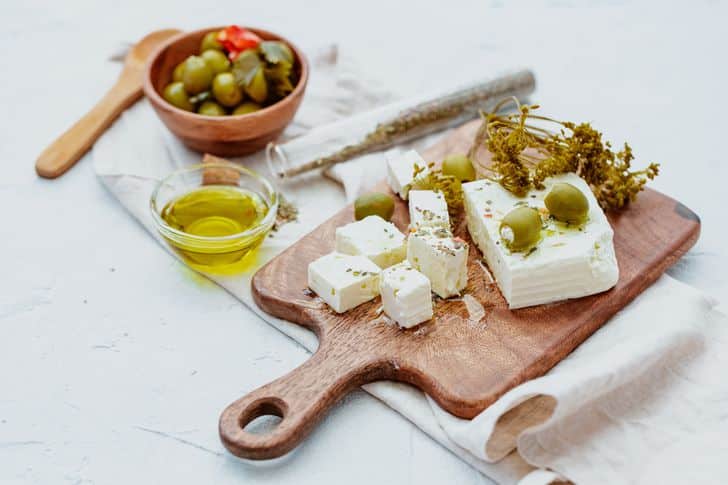
Feta
Feta is another big cheese when it comes to fakery, and like parmesan this can be either deliberate or as the result of regulations. The Greek cheese has also had PDO status within the European Union since 2002, but this didn’t stop cheesemakers in Denmark, which is also in the EU, from labeling their cheeses as feta. The case wasn’t resolved until July, when the European Court of Justice ruled in Greece’s favor. In the United States, anyone can call a cheese feta, but if you want the real deal, look for the “Made in Greece” note and the PDO label. Cheese purporting to be feta has also been found in Israel and Australia, beyond the reach of the EU courts.
Buffalo mozzarella
Buffalo mozzarella made in Italy also has PDO status within the European Union and must be made in specific regions of Italy with 100% buffalo milk, according to specific production standards — but that doesn’t stop even Italians from faking it. In 2014 police made 13 arrests at a cheesemaker’s near Caserta in the Campania region of southern Italy. Two of those arrested were public health officials who had been giving the makers a warning whenever they were about to be inspected. The factory had been using cheaper cow’s milk instead of the authentic buffalo milk. Moreover, the milk wasn’t even Italian. There was also a case of a dairy in Spain that was caught making “Buffalo mozzarella” with Spanish cow’s milk.
Emmental
Things get very complicated when it comes to the famous Swiss cheese AOP Emmentaler, or Emmental as it’s more commonly known. It has protected status in Switzerland, which is recognized in several other countries — including Jamaica, for some reason, but not in the United States, where “Emmental” and “Swiss cheese” are used interchangeably. Switzerland is not in the European Union, so can’t enforce protection of its cheese beyond its own borders using the the PDO system. Instead it uses AOP system geographical designation labels. France and Germany also make regional cheeses they refer to as specific types of Emmental, such as Emmental de Savoie.
Swiss cheesemakers estimated that about 10% of Emmentals that were labeled and sold as genuine were fake and not made to the original’s rigorous standards. To discourage shops in Switzerland from encouraging the deception, Emmental makers got together and in 2014 developed a unique bacteria that could be placed in the cheese without changing its appearance, texture, or taste. Anyone suspected of selling fake Emmental can have their stocks seized by the cheese police, who will send samples to a laboratory in Bern for testing. It’s not known if the fake cheesemakers have also now come up with a way of making the real bacteria, or perhaps even a fake one.
Kosher cheese
Finally there’s the case of the cheese that literally wasn’t kosher. In 2017, the Creation Foods Company of Ontario in Canada was fined heavily for labeling cheese as kosher when it wasn’t. The company was charged by the Canadian Food Inspection Agency and fined $25,000 in Canadian dollars for supplying mozzarella and cheddar to two Jewish youth camps with forged kosher certificates.
There is one company that hasn’t yet had legal problems for selling fake cheeses, and it’ll proudly offer to sell you fake brie, fake manchego, fake gouda, and even fake parmesan—without getting into trouble with the authorities. It’s the Fake Food Display Co., which makes all kinds of fake foods for shop displays and for use as movie props.
Cheese is certainly big business worldwide, as well as being the food most commonly stolen from stores, according to a study by the Center for Retail Research. Apparently 4% of cheese goes missing from the food shelves, more than any other product. Presumably the cheeselifters can spot the real thing.
This article originally appeared on The Cheese Professor and was syndicated by MediaFeed.org.
More from MediaFeed:
- 25 things about adulting your parents really should’ve told you
- The must-visit dive bar in every single state
- What people in their 90s regret the most
Like MediaFeed’s content? Be sure to follow us.
Easy, tasty sheet pan dinners for lazy winter nights
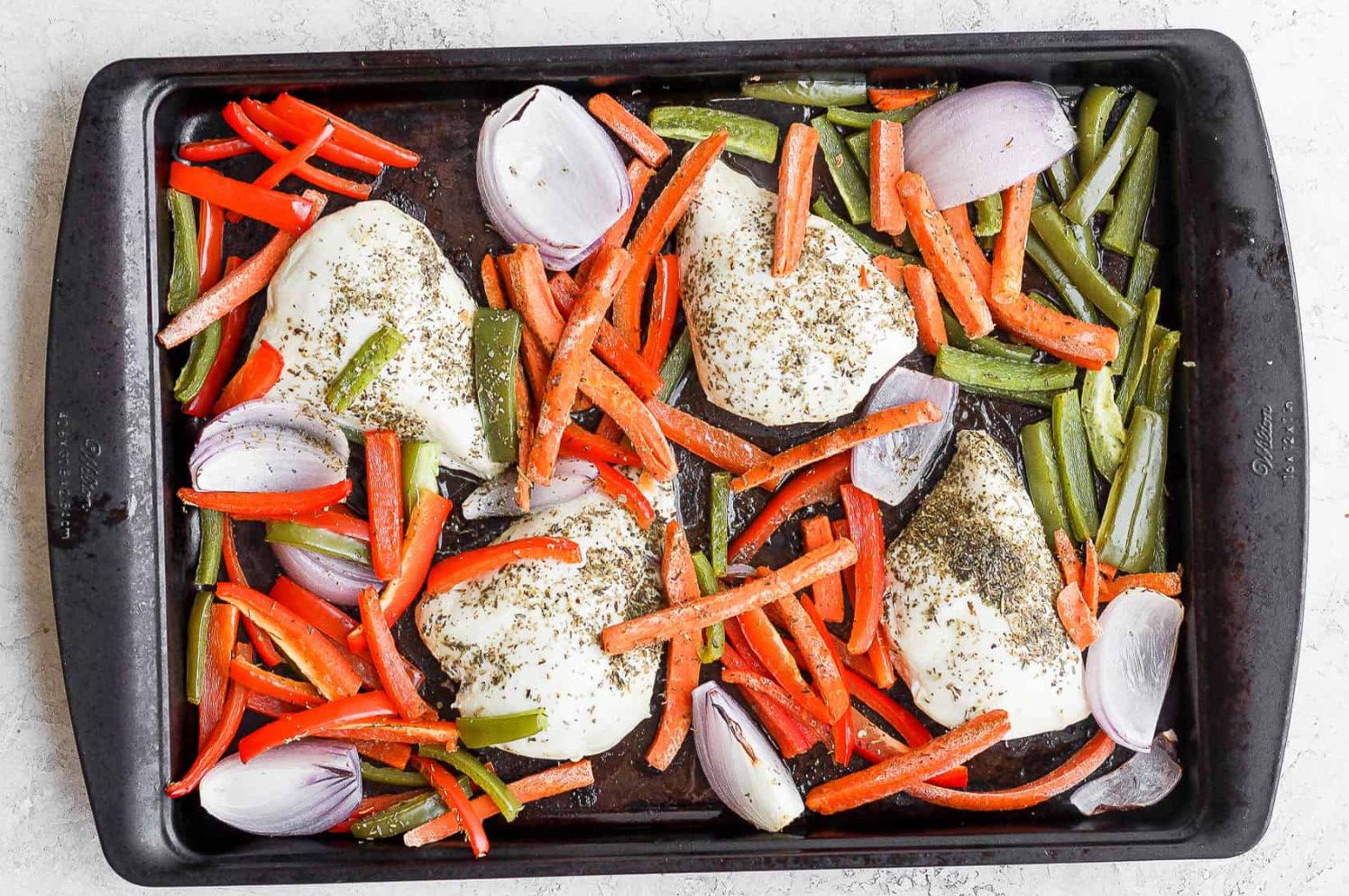
If you’ve ever wondered what a sheet pan meal is or how to make sheet pan meals, this guide will help you and give you great ideas to try. You’ll see that there’s no need for a recipe as long as you keep in mind this simple guide.
A sheet pan meal is a full meal (protein and vegetable or vegetables) cooked together on a sheet pan in a hot oven, typically 425 Fahrenheit. The food combos are endless, but the recipes share a few attributes. They are fairly low fat, come together within an hour and dirty just one pan.
feelgoodfoodie.net

To achieve success with a dinner’s worth of ingredients at high heat, you need a large pan with a rolled edge.
- Technically, sheet pans that fit into home ovens are called half-sheet pans. A true sheet pan (26″ x 18″) is made for the larger professional oven. Baking websites and restaurant supply stores will label what you want as “half sheet pans.”
- Seek out heavy aluminum pans without nonstick coatings. Non-stick coatings will inhibit browning and not last very long when used in high heat
- Make sure your pan has a rolled edge of about 1″ to keep ingredients and juices from spilling all over the oven. (This is one reason rimless cookie sheets do not work.)
- Jelly roll pans (created specifically for rolled cakes) are slightly smaller (about 15″ x 10″) and also work but will not fit as many ingredients.
feelgoodfoodie.net
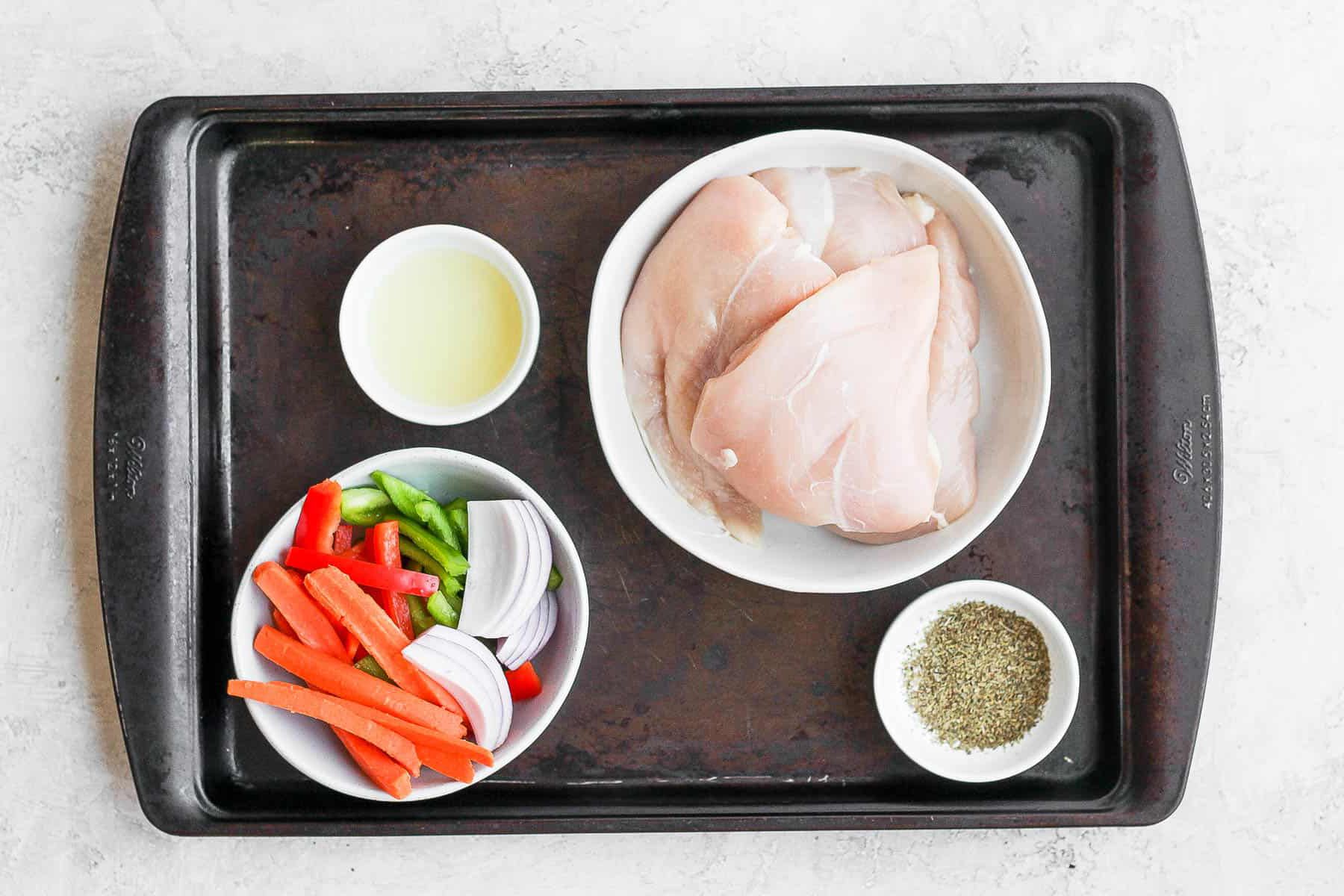
The basic formula is:
- 2 pounds of protein
- 2 -3 cups of chopped vegetables
- 1-2 tablespoons oil (usually olive oil)
feelgoodfoodie.net
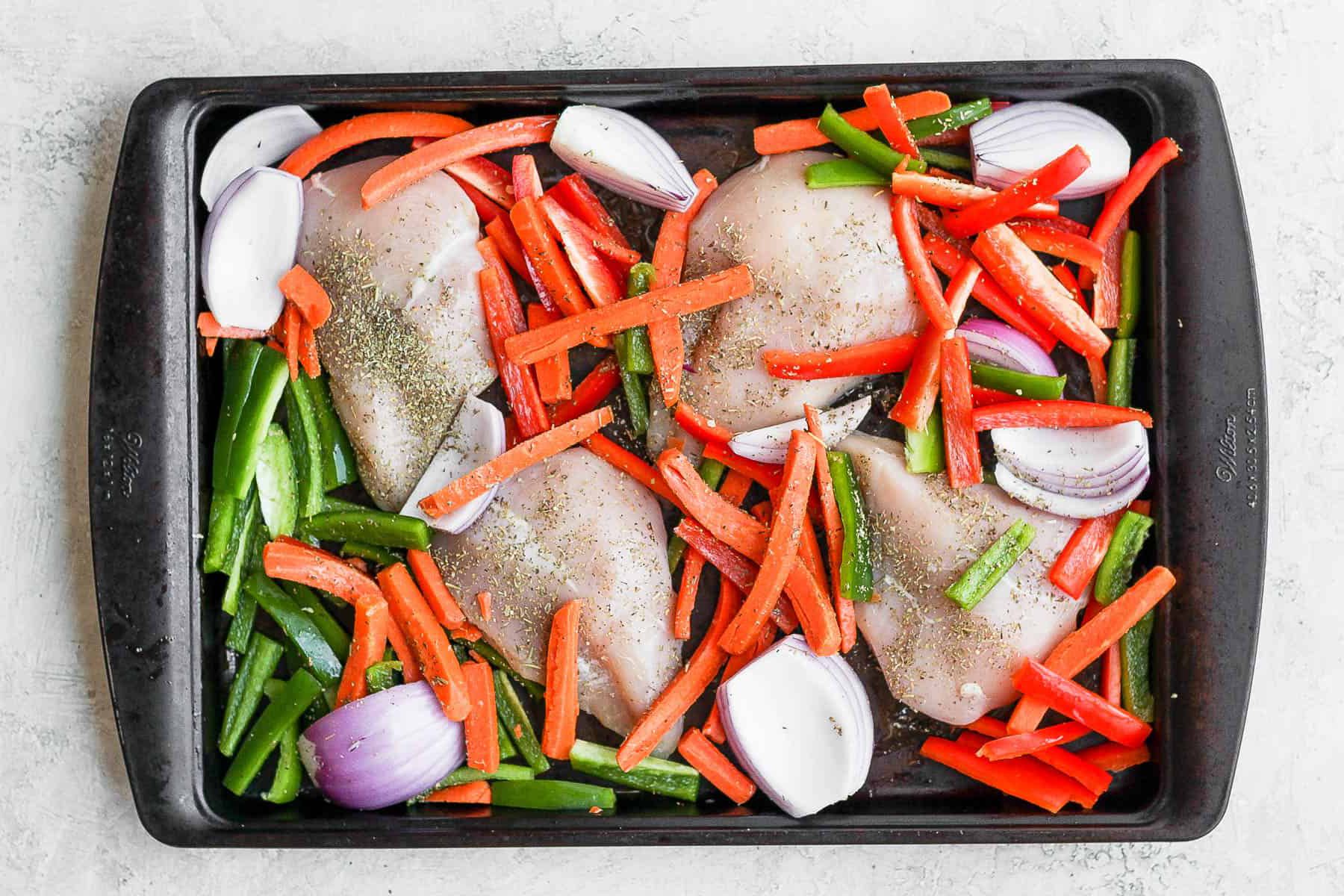
Use up to two pounds of protein per half sheet pan. At 425 Fahrenheit, most proteins cook in 30 minutes or faster. All times are approximate. Bone-in meats take the longest. Fish goes fastest. Shrimp takes less than 10 minutes. Know the doneness temps for your protein and check it often.
- Shrimp: Depending on size, 3-10 minutes
- Salmon and white fish: Depending on thickness 12-25 minutes
- Tofu: 20 minutes
- Lamb chops: 10- 20 minutes, depending on thickness
- Chicken, bone-in or boneless: 20 -30 minutes
- All types of whole sausages: about 25 minutes
feelgoodfoodie.net

Typically, about 2-3 cups of chopped veggies will fill out the pan. Remember, vegetables lose water and shrink when they roast. Same-size pieces make for even cooking. Times given are estimates for a temperature of 425 Fahrenheit and average-sized pieces.
- Root vegetables, like carrots: 30 minutes
- Potatoes: Small pieces and wedges, 25-30 minutes
- Soft squashes, like zucchini: 15-20 minutes
- Hard winter squashes: in pieces, 30 minutes
- Broccoli, cauliflower, Brussels sprouts: 25-30 minutes
- Cabbage: depending on the cut, 15-30 minutes
- Leafy vegetables, like kale: 10-20 minutes
- Cherry tomatoes: 20-25 minutes until bursting
- Onions: cut into wedges or thick slices, about 15-20 minutes
And more! Almost anything can be added to a sheet pan: Try asparagus, eggplant or fennel. And mix companionable veggies, like onion wedges and bell peppers, together!
feelgoodfoodie.net

Count on adding at least two tablespoons of oil (olive oil is the go-to) per sheet pan meal. Add more if your mixture seems dry. If you are starting with a protein, make sure it is well oiled. But remember, it is particularly important to toss and completely coat vegetables in oil.
Deposit Photos

- Cook some sheet pan meals in stages. For instance, delicate morsels should be added once sturdier proteins are partially done. One example: When cooking chicken and mushrooms together, add the mushrooms when the chicken is halfway done.
- Conversely, a quick-cooking protein like shrimp should be added after a dense vegetable like broccoli has been baking for 12 minutes or so.
- Size matters, too. If cooking potatoes with a relatively quick-cooking fish, slice the potatoes very thin.
- For the speediest cooking, consider preheating your sheet pan prior to adding ingredient. Just beware of hot splatters when food hits the pan.
- Placement matters: Some foods cook better apart. For instance, for crispy roast potatoes with chicken, make sure the ingredients are spread out evenly on the pan with the chicken separated from the potatoes
- But for softer potatoes drenched in chicken drippings, place thinly sliced potatoes underneath a piece of skin-on, bone-in chicken.
- For the best roasty- toastiness, give each piece of food its own real estate on the pan. Food needs air circulation to brown, otherwise, it steams and gets soggy.
- For even browning, flip food partway through cooking.
- Food will have browner, more caramelized edges if it is in direct contact with the pan, but cleanup is definitely easier if you line with parchment paper or aluminum foil. Your choice.
- Sauces containing sugar (think BBQ sauces, sweet and sour mixtures or anything with balsamic vinegar) can be added but only in the last few minutes of cooking; otherwise, they will burn.
OksanaKiian / iStock

- Aioli
- Sliced avocado
- Chutney
- Cucumber yogurt sauce
- Herbs
- Lebanese garlic sauce
- Lemon squeeze
- Tahini sauce
margouillatphotos / istockphoto

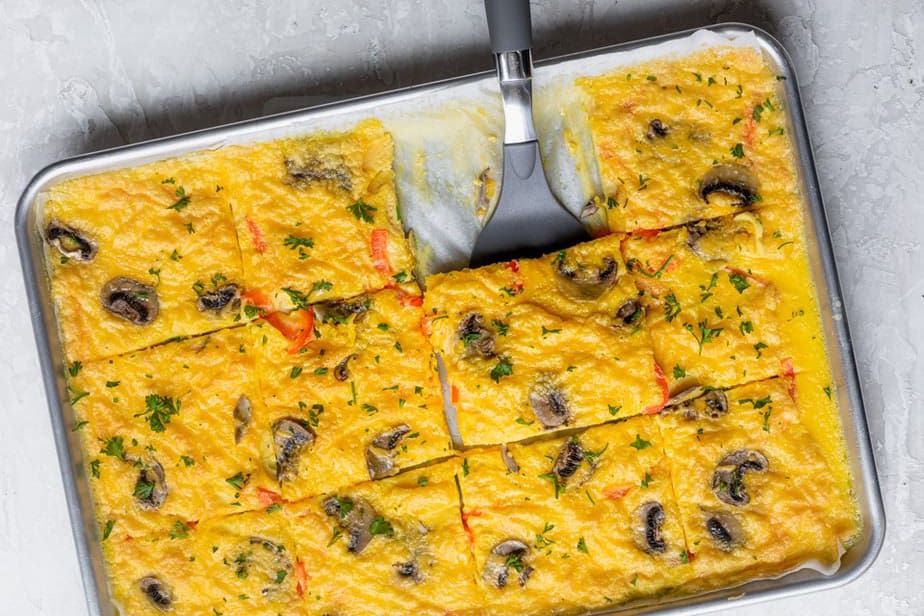
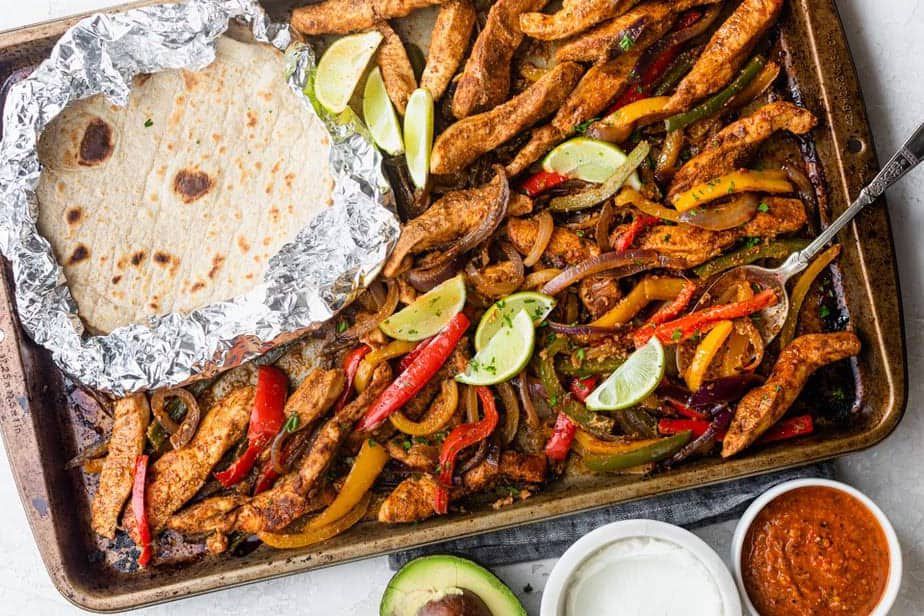
Sheet pan dinners are great for busy weeknights and beginning cooks. Get ideas from the recipes above and others, but feel free to freestyle. They are great fridge-clearers, too. You can start with some of the recipes below.
Angelika Heine / iStock

feelgoodfoodie.net

feelgoodfoodie.net

feelgoodfoodie.net
feelgoodfoodie.net
This article originally appeared on Feelgoodfoodie.net and was syndicated by MediaFeed.org.
feelgoodfoodie.net

whitehorsetavernnewport.com
Featured Image Credit: VictoriaBee/istockphoto.