

That end of 2021 saw a Bitcoin bull run like few assets have ever had — and then for most of 2022 that bull run came to a crashing halt for Bitcoin and for countless other cryptocurrencies.
To the extent that Bitcoin is the oldest and largest cryptocurrency, it can be something of a market leader — or it has been lately, with many other cryptos also succumbing to the long “crypto winter” of 2022.
The price of Bitcoin (BTC) started 2021 at around $30,000, only to more than double and hit north of $60,000 by mid-April. After falling again, it then spiked back up to nearly $68,000 in November 2021, marking two dramatic bull runs within a calendar year.
All that said, 2022 has been quite a different story, with BTC prices falling below $20,000 — and cryptocurrencies like Ethereum (ETH) Dogecoin (DOGE), Solana (SOL), Cardano (ADA), showing similar dramatic drop-offs in value. Now the big question for crypto traders is whether they can expect another crypto bull run in 2023.
Let’s take a look at some of the key indicators, crypto predictions, and possibilities for Bitcoin and other cryptocurrencies during the next few months.

While it’s hard to accurately make Bitcoin projections — or crypto predictions in general — a look back at Bitcoin’s recent history may be helpful in determining if another bull run is ahead for BTC, and potentially other crypto.
Bitcoin investors likely remember the bull run of 2017, during which the cryptocurrency reached a valuation of nearly $20,000. Much of that rally was fueled by hype over several initial coin offerings (ICOs) — including Brave, Kik, and Filecoin — and people who hoped to benefit from rising prices in the short term.
ICOs are when companies raise funds by issuing new tokens to investors who become backers of the blockchain project. But after the ICO bubble popped in early 2018, Bitcoin’s price subsequently crashed. While many of today’s top cryptocurrencies didn’t yet exist, a few also stumbled at this time, including ETH, DOGE, and ADA.
This wasn’t surprising to many experts, who often say that the cryptocurrencies markets are likely to be turbulent, as they fight for credibility.
In 2019, Facebook announced its Libra cryptocurrency, which contributed to another Bitcoin rally, with values topping out at around $11,000. However, when some supporters of the Libra project backed out and Congress questioned CEO Mark Zuckerberg about regulatory concerns, Bitcoin’s price declined to $6,000 and $7,500 during the second half of 2019, along with many other cryptocurrencies. The Libra project, renamed Diem, has since shuttered.
Bitcoin climbed to a new record in 2020, as stimulus packages, meant to prop up economies during the Covid-19 pandemic, led to money finding its way into fringe markets like cryptocurrencies.
How the Crypto Competition Grew
However, there were also signs that different types of cryptocurrencies were gaining wider mainstream acceptance. Prominent investors announced they were buying Bitcoin as a hedge, and payment providers like PayPal announced they would allow customers to use cryptocurrencies.
Accordingly, the crypto markets gained steam. That was led by Bitcoin, which saw its value break its previous high-mark of $20,000 in December 2020. Then, during the first several months of 2021, the bull run continued until Bitcoin hit more than $61,000. Its value did fall to less than $30,000 in the subsequent months, but that drop was a precursor to another bull run.
Between July and October 2021, Bitcoin again saw its value soar, hitting almost $67,000. But after that, its value fell. The economic climate, including high inflation and drops in the stock market, have coincided with a bear run for Bitcoin, and as of November 4, 2022, Bitcoin was trading at around $20,000.
Bitcoin Prediction: What Determines a Crypto’s Price?
Numerous factors affect the price of any crypto, including Bitcoin, and since it is a global currency, Bitcoin’s value can be affected by events around the world. No central actor or authority determines the price of most crypto; it’s set by the market, and by supply and demand from traders and investors. The price can also vary from one exchange to another.
Market Demand
The main factor that determines any crypto’s price is whether investors want to buy or not, or what we typically refer to as “demand.” If good news comes out about Bitcoin or other cryptocurrencies, or bad news comes out about another type of investment, that can cause people to buy Bitcoins (increase demand) and hike the price up.
Conversely, bad news about cryptocurrencies can cause people to sell. News doesn’t necessarily have to be overtly negative to spook the market, either.
Similarly, the rules of supply and demand affect the Bitcoin market. Only 21 million Bitcoins will ever be created, and if investors see a strong long-term market for Bitcoin, they may want to own a piece of the pie.
Recommended: Why Is Bitcoin So Volatile?
Altcoins
Although Bitcoin is the biggest and likely most well-known cryptocurrency, there are thousands of other altcoins available on the market. When good news comes out about other projects, may investors sell off some of their Bitcoin to purchase altcoins.
Also, new projects offer ICOs which can sometimes have a high return in a short amount of time. If a promising ICO comes to market, it might draw attention away from Bitcoin.
Market Manipulation
Both large financial institutions and individual investors can have an effect on the market. Some crypto holders, known as “whales,” own a significant enough amount of a particular crypto that they can move its price if they make a large purchase or sale.
Cost of Production
The main costs associated with producing Bitcoin are electricity and mining equipment. Although Bitcoin is a digital currency, it must still be mined. The way Bitcoin is designed, only about one block on Bitcoin’s blockchain network can be mined every ten minutes.
If more miners join the network, the more competitive mining becomes, which makes the cost of producing each Bitcoin more expensive. Miners have to invest in new, faster equipment and are less likely to receive a pay out. These costs can have an effect on Bitcoin’s price.
Recommended: How Does Bitcoin Mining Work?
Regulations
Each country has different definitions and regulations for Bitcoin and cryptocurrencies, or none at all. When news comes out about regulatory decisions, it can cause investors to buy or sell. It is important to note that cryptocurrency is currently unregulated in the United States, though that’s likely to change in the coming years.
Cryptocurrencies faced regulatory hurdles in the U.S. in 2021. The Securities and Exchange Commission rejected several applications for a Bitcoin exchange-traded fund, damping hopes that an ETF version of the cryptocurrency will be trading on U.S. stock exchanges anytime soon. In September 2022, the Biden administration released a first look at potential crypto regulations framework.
In addition, cryptocurrencies experienced volatility after China clamped down on the market, issuing warnings about trading and mining.
Fiat Currency Crises
Crypto has become the preferred currency for many people around the world who may not have access to banking, or who are living in a country going through a fiat currency crisis.
In Venezuela, for example, Bitcoin’s popularity has grown as inflation and sanctions have resulted in the devaluation of the Venezuelan Bolivar. El Salvador, too, even went so far as to make Bitcoin its official legal tender in 2021.
What Determines the Price of Crypto as a Whole?
The same market forces that determine the value of Bitcoin can and do drive value for the crypto market as a whole. Supply and demand is obviously the key driver, but there are a few other key things at play as well.
Demand
As mentioned, investor demand is perhaps the primary driving force propelling values in the crypto market overall. This will likely become more apparent as the crypto space grows over time; more coins or tokens will likely be created, but they won’t all be in demand. As such, their values will likely remain low.
Expected Growth
Demand can be spurred by the expected growth, in value or in market cap, of the crypto space. If investors expect the crypto market, as a whole, to grow, they might be inspired to buy cryptocurrencies in anticipation of that growth, with the idea being that they’re “getting in early” on an investment. That, in turn, increases demand.
Public Sentiment
The markets owe a lot to sentiment. If people are pessimistic about the future, they may be less willing to spend or invest money. Conversely, if they’re optimistic, they may be looking to invest or prepare for what’s ahead. For example, if they expect the crypto market to grow, as mentioned, they’re feeling optimistic about the space, and increase demand for tokens, driving the market higher.
Returns From Conventional Investments
A final factor that may play a role in determining the crypto market’s performance is how well conventional markets are performing. If investors are not getting their desired returns from the stock market, they may be looking at alternatives to generate those higher returns. Over the past few years, the high returns and growth in the crypto space has been an obvious candidate. As more investors pile into the crypto market, the higher the demand, and thus, the higher valuations can go.
However, as we’ve seen, the crypto market is very volatile, and presents big risks for investors chasing high returns.
What’s Holding Bitcoin Back?
While there are big economic factors at play that have led to Bitcoin’s decline during 2022, a few other factors have been holding it back from seeing bigger, significant growth in recent years.
Adoption and Use
Since Bitcoin is a relatively new technology, it takes time for companies to build up tools and use cases for it. At this point, the infrastructure is getting stronger and it’s easy for novice investors to buy and sell Bitcoin at the touch of a button.
However, many people holding Bitcoin don’t own it because they plan to use it for everyday purchases, but rather, because they view it as a long-term, safe-haven investment with a lot of potential upside. It should be noted, again, that investing in Bitcoin and other cryptocurrencies is inherently very risky.
Traditionally, there haven’t been many retailers that would accept Bitcoin. Now, you can use bitcoin or other cryptocurrencies at Starbucks, Amazon, Nordstrom, and many other retailers. Retailers may change their policies, however, which is something to keep in mind.
Lack of Clear Regulation
Experienced investors tend to be very careful about what they invest in. If an asset doesn’t have clear legal regulations and guidelines, they may not choose to take the risk of investing in it. As mentioned, the Biden administration has outlined some frameworks for regulating the crypto space, and it’s likely that formal rules will be introduced in the next few years.
Waiting on Institutions
If large corporations start holding some of their wealth in Bitcoin, or financial institutions otherwise demonstrate support of cryptocurrencies, that could add legitimacy, which could drive new investors to the market.
A survey released in 2021 by Fidelity Digital Assets found that 52% of institutional investors — which could include pension funds, family offices, investment advisers and hedge funds — owned digital assets like Bitcoin.
However, a separate survey by JPMorgan released in 2021 found that 78% of institutional investors are not planning on investing in crypto. However, the survey also found that a majority also think crypto is “here to stay.”
What Happened in the First Half of 2022?
A combination of economic headwinds, mostly related to the Covid-19 pandemic, seemingly crashed together in early 2022, slowing the economy, driving up inflation rates, and dragging down the value of stocks, precious metals, and even the crypto markets.
Crypto Market Crash
Between May and June 2022, the crypto markets lost roughly $1 trillion in value. It’s hard to say what, exactly, caused it. But as mentioned, asset classes of all types saw similar drawdowns. In what is now being called the “crypto winter,” the down market has persisted into the second half of 2022.
Effects on Bitcoin
Bitcoin was not spared from the ongoing crypto winter. You need look no further than the massive drop in Bitcoin’s value to see the effects: Bitcoin started the year trading at nearly $48,000, but by the middle of June, was trading at less than $19,000.
Effects on the Crypto Market as a Whole
Bitcoin’s value was just one victim of the market’s crash; the crypto market as a whole went down with it. Again, the crypto market crash, and subsequent flattening between the beginning of 2022 and the end, as trillions of dollars in value were wiped out in a manner of months. All of the major coins were affected, too, including Ethereum. Some stablecoins were destabilized, too.
A few crypto firms and related financial firms even went belly-up as well.
NFT Values Wiped Out
Non-fungible tokens, or NFTs, also saw their value effectively wiped out during the first part of 2022. After NFTs saw a huge bull run in 2020 and 2021, as investors bought into the hype, the average price of NFTs nosedived in 2022. In fact, the average price of NFTs fell from nearly $4,000 to less than $300 in just a couple of months, a similar downward trajectory to what was seen among many cryptocurrencies.
What Will Happen in 2023?
It’s easy to look at most of 2022 and walk away convinced never to invest in the crypto space after such a monumental drop in value. But it’s important to remember that this year has seen a rare combination of both global events and economic headwinds leading to an overall downturn.
That said, there are some things to keep an eye on to try and get a read on what might happen in the crypto space during the remainder of 2022, heading into 2023.
The US Economy
The U.S. continues to face a number of major economic and sociopolitical unknowns. There are midterm election results to deal with, rising interest rates, high inflation, and the prospect of a recession, for instance. And in many respects, the economy is still recovering from the pandemic.
It’s hard to say how that might affect Bitcoin, but some economists believe that a U.S. recession could be rocket fuel for a Bitcoin bull run. If investors lose faith in the U.S. dollar and the stock market, they may turn to the cryptocurrency market once again as a safe haven. Although, to be fair, it hasn’t proven to be much safer than the stock market this year.
Key Technical Indicators
Some technical indicators could signal that Bitcoin is heading towards a bull run, but technicals are not always trustworthy predictions. Depending on how you combine charts and analysis, which likely will involve some advanced knowledge and skill, the market can also look like it’s heading towards a downward spiral.
New Regulations
As mentioned, China has been cracking down on the cryptocurrency market, causing volatility in prices. Meanwhile, the U.S. government is already discussing future rules and regulations for the crypto space. The Biden administration has made it clear that regulation is coming, but it’s also worth noting that changes to the composition of Congress after the midterm elections may disrupt things.
Stablecoins Around the World
Numerous countries are considering developing or already working on their own digital currencies and stable coins. The U.S., Russia, India, France, and other nations have announced plans to enter the digital currency market. In addition to several Caribbean nations, China is probably the farthest along out of the major economies, having launched a central bank digital currency (CBDC).
As these projects progress, they could add legitimacy to the market and challenge some fiat currencies. Bitcoin’s price may go up in the short term as these announcements come out, but whether its value will hold in the long run as the world transitions towards digital currency has yet to be seen.
Market Competition
Of course, Bitcoin is not the only game in town, and other crypto projects are giving it a run for its money.
Another top-tier cryptocurrency is Ethereum. Ethereum has had a boom given the interest in NFTs, which often take the form of digital versions of art or collectibles that are linked to a blockchain , which is one of the many potential uses of blockchain.
Dogecoin had a meteoric rise in 2021, mostly fueled by social platforms that have also been behind the rallies of meme stocks like GameStop and AMC. Elon Musk was a proponent before an appearance on the TV show Saturday Night Live, when he called Dogecoin a “hustle.” Since such developments, the price of Dogecoin has suffered, losing much of its value.
Cardano (ADA) has also had a big rally and become one of the largest cryptocurrencies by market cap. It’s expected to have some features that make it the basis for decentralized finance (DeFi) and NFT projects. It’s another coin that developed a following on social-media platforms like Reddit.
Downside Risks
As is the case with any investment, it’s crucial for investors to do their own research and take expert predictions with a grain of salt. The cryptocurrency market is still in its infancy relative to other markets, so there isn’t much data to go on when making predictions, and unpredictable circumstances can have significant effects on the market.
Bitcoin is a risky investment. Investors should consider making their own decisions about their level of risk based on a proper analysis of all the various factors that come into play.
Finally, remember that the past is not a prediction of the future, and just because trend lines indicate a bull run is coming doesn’t mean they’re correct. In such a complex, fast-changing market, it’s important to stay informed and do due diligence.
The Takeaway
2022 has been an eventful year for cryptocurrencies, although not in a way that most investors would have liked. The crypto market has lost a lot of value, but that doesn’t mean a bull run couldn’t be around the corner — especially when you consider the rise and fall of crypto values across the board, over the last decade or so.
For keeping track of the market, buying crypto, or buying and selling more traditional assets, using a streamlined secure app might be the way to go.
FAQ
How long do crypto bull runs typically last for?
It’s difficult, if not impossible to say, given that the crypto markets have only been in operation for a little more than a decade. The market has experienced bull and bear markets during that time, but it’s likely too early to determine what a “typical” bull run’s duration could be.
What do people think Bitcoin will be worth in 2025?
Expert opinions are all over the place, with some people predicting another massive bull run for Bitcoin, while others thinking that it’ll continue to dwindle. Nobody knows for sure. Prospective investors should be prepared to stomach big losses, though, if they’re willing to chase big potential gains.
How high is Bitcoin’s price likely to go?
There’s no limit to how high Bitcoin’s price could go, with some people thinking that it could top six-figures at some point in the future. Again, nobody knows what will happen, so just as Bitcoin’s price could soar, it could also drop further.
Learn More:
- Recommended: Are There Bitcoin ETFs?
- Recommended: Take a closer look at what fiat currency is
This article originally appeared on SoFi.com and was syndicated by MediaFeed.org.
SoFi Invest®
The information provided is not meant to provide investment or financial advice. Also, past performance is no guarantee of future results.
Investment decisions should be based on an individual’s specific financial needs, goals, and risk profile. SoFi can’t guarantee future financial performance. Advisory services offered through SoFi Wealth, LLC. SoFi Securities, LLC, member FINRA / SIPC . SoFi Invest refers to the three investment and trading platforms operated by Social Finance, Inc. and its affiliates (described below). Individual customer accounts may be subject to the terms applicable to one or more of the platforms below.
1) Automated Investing—The Automated Investing platform is owned by SoFi Wealth LLC, an SEC registered investment advisor (“Sofi Wealth“). Brokerage services are provided to SoFi Wealth LLC by SoFi Securities LLC, an affiliated SEC registered broker dealer and member FINRA/SIPC, (“Sofi Securities).
2) Active Investing—The Active Investing platform is owned by SoFi Securities LLC. Clearing and custody of all securities are provided by APEX Clearing Corporation.
3) Cryptocurrency is offered by SoFi Digital Assets, LLC, a FinCEN registered Money Service Business.
For additional disclosures related to the SoFi Invest platforms described above, including state licensure of Sofi Digital Assets, LLC, please visit sofi.. Neither the Investment Advisor Representatives of SoFi Wealth, nor the Registered Representatives of SoFi Securities are compensated for the sale of any product or service sold through any SoFi Invest platform. Information related to lending products contained herein should not be construed as an offer or prequalification for any loan product offered by SoFi Bank, N.A.
Crypto: Bitcoin and other cryptocurrencies aren’t endorsed or guaranteed by any government, are volatile, and involve a high degree of risk. Consumer protection and securities laws don’t regulate cryptocurrencies to the same degree as traditional brokerage and investment products. Research and knowledge are essential prerequisites before engaging with any cryptocurrency. US regulators, including FINRA , the SEC , and the CFPB . PDF File, have issued public advisories concerning digital asset risk. Cryptocurrency purchases should not be made with funds drawn from financial products including student loans, personal loans, mortgage refinancing, savings, retirement funds or traditional investments. Limitations apply to trading certain crypto assets and may not be available to residents of all states.
External Websites: The information and analysis provided through hyperlinks to third-party websites, while believed to be accurate, cannot be guaranteed by SoFi. Links are provided for informational purposes and should not be viewed as an endorsement.
Financial Tips & Strategies: The tips provided on this website are of a general nature and do not take into account your specific objectives, financial situation, and needs. You should always consider their appropriateness given your own circumstances.
2Terms and conditions apply. Earn a bonus (as described below) when you open a new SoFi Digital Assets LLC account and buy at least $50 worth of any cryptocurrency within 7 days. The offer only applies to new crypto accounts, is limited to one per person, and expires on December 31, 2022. Once conditions are met and the account is opened, you will receive your bonus within 7 days. SoFi reserves the right to change or terminate the offer at any time without notice.
More from MediaFeed:
14 reasons to buy crypto in 2022

The primary benefit of Bitcoin and most other cryptocurrencies based on blockchain technology is that many of them lack a central authority, payment processor, or company owner. From this stems several other benefits, such as ease of transactions, potential for higher return for traders, and even relatively good network security.
Since crypto networks tend to be peer-to-peer, meaning that people can transact directly with one another. Let’s look at some of the advantages of cryptocurrency in this crypto guide.
Ivan-balvan / iStock

Crypto transactions can be made easily, generally at a low cost, and in a relatively private manner. Using a smartphone app, hardware wallet, or exchange wallet, almost anyone can send and receive a variety of cryptocurrencies.
Some types of cryptocurrencies, including Bitcoin, Litecoin, and Ethereum, can be purchased with cash at a Bitcoin ATM. A bank account isn’t always required to use crypto, so it’s possible that someone could buy Bitcoin at an ATM using cash, then send those coins to their digital wallet or phone. This may be a huge advantage for people who might lack access to the traditional financial system.
Related Slideshow: 38 ways to earn passive income
Deposit Photos
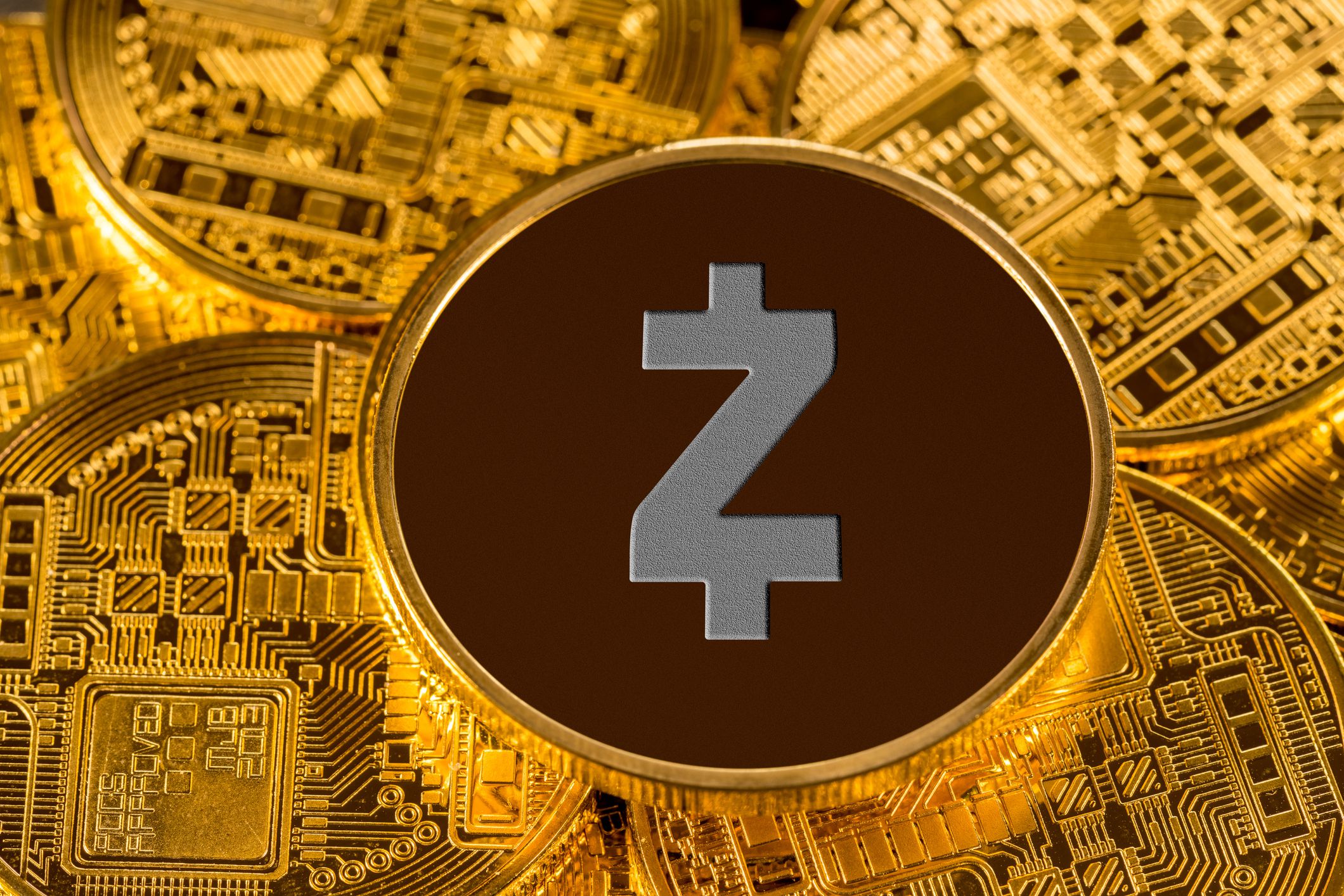
Because cryptocurrencies are rooted in cryptography and blockchain security, decentralized cryptocurrencies tend to make for secure forms of payment. As such, the relative security of cryptos may be one of the biggest benefits for users.
Crypto security, in large part, is determined by hash rate. The higher the hash rate, the more computing power is required to compromise the network. Bitcoin is considered to be the most secure cryptocurrency, as it tends to have a higher hash rate than other networks.
Note, though, that using a crypto exchange is only as secure as the exchange itself, however. Most incidents of crypto being hacked involve exchanges being hacked or users making mistakes, like falling for phishing scams.
BackyardProduction / iStock

While some people may only want to invest in cryptocurrency to take advantage of (prospective) price appreciation, others might find benefit in the ability to use crypto as a medium of exchange.
Bitcoin and Ether transactions can range from a few cents, to several dollars or more. Other cryptocurrencies, like Litecoin, XRP, and others, might be able to be sent for less. Payments for most cryptos settle within minutes, and some within seconds. Conversely, wire transfers at banks can cost significantly more, and often take three to five business days to settle.
tigerstrawberry / iStock
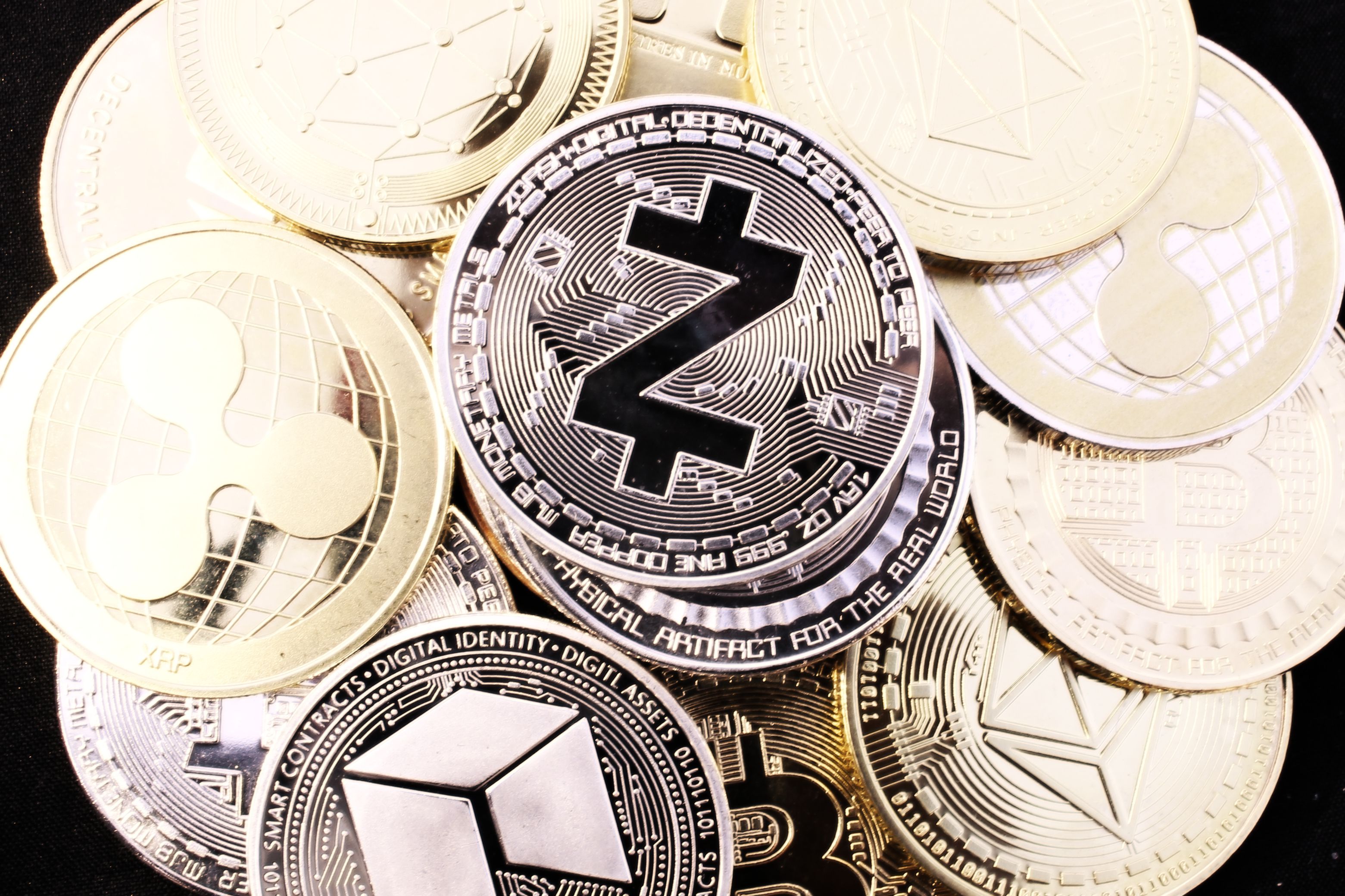
The cryptocurrency industry has been one of the fastest-growing markets that most of us have seen in our lifetimes, especially since the industry got its start with the debut of Bitcoin back in 2009.
The total market cap of the cryptocurrency market in 2013 was about $1.6 billion. By September 2022, it’s worth more than $930 billion. That, too, is including the so-called “crypto winter” that the crypto markets experienced for much of 2022.
So, while the industry as a whole has seen incredible growth over the past decade, it’s important to keep in mind that markets ebb and flow.
BeneathBlue / iStock

Bitcoin has been one of the best-performing assets of the last 13 years. When it debuted in 2009, Bitcoin essentially had no value, but in the following years, it would rise to a fraction of a penny, and then eventually to tens of thousands of dollars. This represents millions of percentage points’ worth of gains. By comparison, the S&P 500 index of stocks returns an average of about 8% per year.
Some altcoins have outperformed Bitcoin by wide margins at times, although many of those later saw their prices collapse. Gains like these might be among the most well-known cryptocurrency benefits. The losses, on the other hand, may be among the most well-known drawbacks. And that’s important to note, as crypto prices have fallen quite a bit, as of late. For example, during 2022, Bitcoin’s price has fallen by more than 60% as of September.
That type of volatility has characterized prices in the crypto space, which has been one of the key benefits of cryptocurrency for day traders and speculators, too. Taking advantage of the fluctuations in price can help traders earn returns, even if prices fall.
DepositPhotos.com

Privacy can be a big benefit of cryptocurrency, but crypto isn’t always as private as some people might think. Blockchains create a public ledger that records all transactions forever. While this ledger only shows wallet addresses, if an observer can connect a user’s identity to a specific wallet, then tracking transactions becomes possible.
While it’s worth noting that most crypto transactions are pseudonymous, there are ways to make more anonymous transactions. Coin mixing services group transactions together in a way that makes it hard to pick them apart from one another, which can make it difficult to track for outside observers. Individuals who run a full node also make their transactions more opaque because observers can’t always tell if the transactions running through the node were sent by the person running the node or by someone else.
Methods like these are for more advanced users and could prove difficult for those new to crypto. So while absolute privacy is really not one of the main positives of cryptocurrency, transactions are still generally more private than using fiat currency with third-party payment processors.
Michael Burrell / iStock

Cryptocurrency has become known as a non-correlated asset class.
Theoretically, crypto markets largely function independently of other markets, and their price action tends to be determined by factors other than those affecting stocks, bonds, and commodities. Though that theory has been tested this year, as assets of all types of slipped, including cryptocurrencies. It’s worth noting, though, that during the last few years, cryptos have begun to sometimes trade in tandem with stocks for short periods of time.
So, in terms of diversification, cryptocurrencies offer investors another vehicle with which to try and grow their money outside of stocks, ETFs, or bonds. Crypto has its own unique risks, but it is another avenue for potential returns for investors.
utah778/ istockphoto

Mineable cryptocurrencies with a limited supply cap, like Bitcoin, Litecoin, and Monero, to name a few, were traditionally thought to be good hedges against inflation. Because monetary inflation can occur when central banks and governments print more money (increasing the supply), things that are more scarce tend to appreciate in value.
With more and more new dollars chasing fewer and fewer coins, the price of these fixed-supply coins as measured in dollars has a higher chance of going up. Additionally, the Bitcoin protocol, for example, is also designed to keep those coins scarce regardless of what happens with monetary policy.
The potential of cryptos to stand up to inflation has been yet another test this year, as we’ve experienced higher rates of inflation than in several decades. As mentioned, crypto prices have fallen, but it’s hard to say how much of that has to do with inflation. Crypto may still serve as a hedge, but it may not be as ironclad of a concept as it once was.
Yingko/istock

Cryptocurrencies have no regard for national borders. An individual in one country can send coins to someone in a different country without any added difficulty. With traditional financial services, getting funds across international borders can take a long time and come with hefty fees. In some cases, doing so might not even be possible due to regulations, sanctions, or tensions between specific countries.
But again, cryptocurrency gets around all of that, as users can engage in peer-to-peer transactions from anywhere in the world.
SPmemory / iStock

Some of the benefits of cryptocurrency extend to people who don’t have access to, or perhaps don’t trust, the traditional financial system. Due to its decentralized and permission-less nature, one of the benefits of cryptocurrency is that anyone can participate outside of that system.
People don’t need permission from any financial authority or government to use the crypto ecosystem. (Though it’s worth noting that Bitcoin mining is banned in China, and that there may be other local rules and regulations to take not of.) Participants also don’t necessarily need to have a bank account. There are billions of people today who are “unbanked,” meaning they have no access to the financial system, including bank accounts. With crypto, however, the only thing those people need is a smartphone, and they can essentially become their own bank.
Farknot_Architect / iStock

One of the great benefits of crypto is that it can be used to exchange value between two parties. This can be done independently of any third-party, making the transaction about as free as it can get. It’s similar to handing a dollar bill to a friend on the street.
Banks, or other payment processors, can choose to cut off services to anyone for any reason. This can make things difficult for some journalists, political dissidents, or other individuals working in nations with oppressive government regimes. Because there is no central authority governing Bitcoin or most other cryptocurrencies, it’s very difficult to stop anyone from using them.
Cylonphoto / iStock
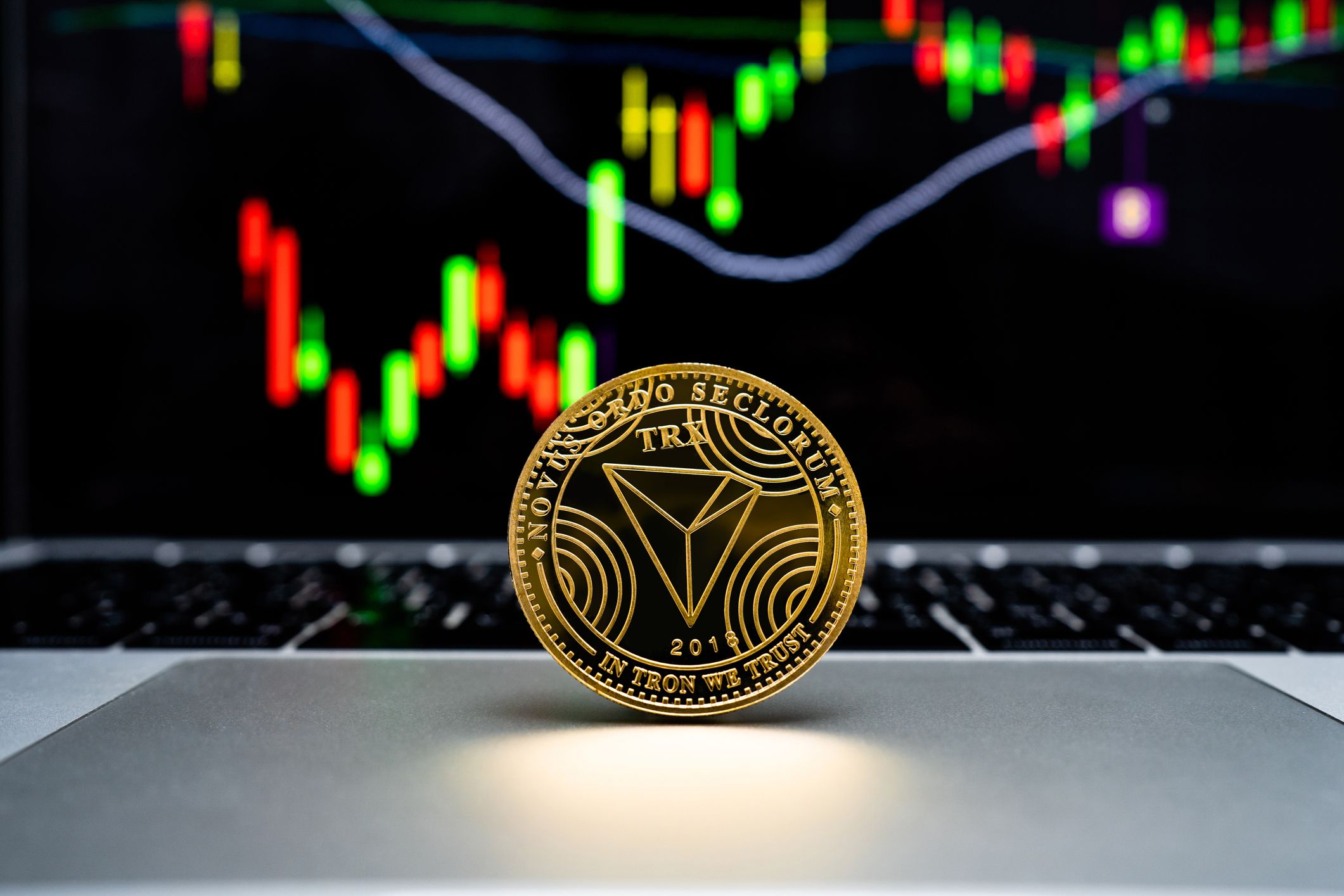
Stock markets, like the New York Stock Exchange (NYSE), are only open on weekdays during the regular business hours of 9:30 am to 4:30 pm Eastern Time. During nights, weekends, and on holidays, most traditional financial markets are not open for business.
Crypto markets, on the other hand, operate 24 hours a day, seven days a week, without exception. Some of the only things that could interrupt a person’s ability to trade cryptocurrency would be a power outage, internet outage, or centralized exchange outage.
Phira Phonruewiangphing / iStock

Some cryptocurrency projects take measures to become more efficient or resource-intensive. That’s a big difference between, say, the traditional banking system, which is often stuck utilizing outdated technologies and protocols.
One example: “The Merge,” which involved Ethereum moving from a Proof-of-Work model to a Proof-of-Stake model, effectively ending mining operations, and instead, adopting a much more efficient operating model. The ability of cryptos to change things up in a big way, and on a widespread, operating level, means that it has another advantage over traditional systems.
bernardbodo / iStock

Some cryptos can be designed specifically for certain projects or uses. Some cryptos, for instance, are designed to work with metaverse projects or games, and can be used to help create in-game assets or tokens.
Others, like Ripple (XRP), are designed for use by businesses to make transactions. There are myriad ways crypto can be designed or adapted for specific uses.
Dennis Diatel Photography/iStock

Transactional freedom, security, and ease of transaction are among the most important advantages of cryptocurrency. Many cryptos are designed to have unique advantages over fiat currencies or the traditional banking system, even if they don’t have widespread use or adoption yet.
Of course, there are potential flaws as well — volatility being a major downside.
As with anything, though, those interested in buying, selling, and trading crypto would be wise to do their research before getting involved in the crypto market.
Chinnapong/iStock
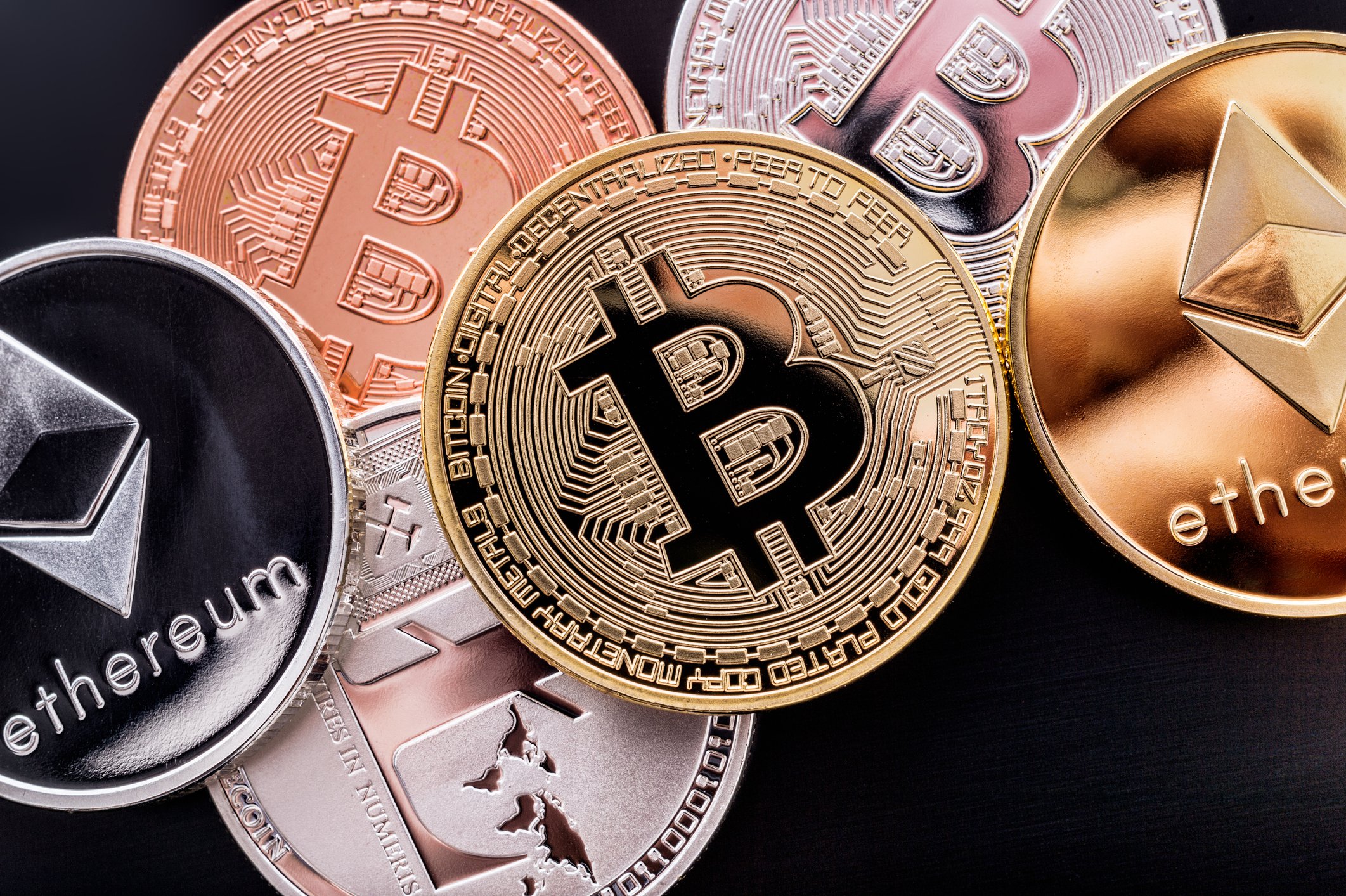
Is cryptocurrency a good investment?
Cryptocurrency can be a worthwhile investment, and has numerous benefits for investors. It is, however, a speculative investment, and there are lots of risks unique to the crypto markets. As such, investors should do their homework before getting in the market.
What should you know before trading cryptocurrency?
There are many considerations to take into account before trading crypto, including the fact that there are numerous exchanges, ways to trade, and coins on the market. Prospective traders should also know that fees may be involved, and that crypto is a highly volatile asset class.
How do I weigh up the pros and cons of each cryptocurrency?
Many cryptocurrencies are similar, but most are their own, individual projects. As such, researching how they each work, what their intended use is, and what the potential drawbacks are for each crypto is a good place to start when weighing pros and cons.
Learn More:
This article originally appeared on SoFi.com and was syndicated by MediaFeed.org.
SoFi Invest
The information provided is not meant to provide investment or financial advice. Investment decisions should be based on an individual’s specific financial needs, goals and risk profile. SoFi can’t guarantee future financial performance. Advisory services offered through SoFi Wealth, LLC. SoFi Securities, LLC, member FINRA / SIPC . SoFi Invest refers to the three investment and trading platforms operated by Social Finance, Inc. and its affiliates (described below). Individual customer accounts may be subject to the terms applicable to one or more of the platforms below.
1) Automated Investing—The Automated Investing platform is owned by SoFi Wealth LLC, an SEC Registered Investment Advisor (“Sofi Wealth“). Brokerage services are provided to SoFi Wealth LLC by SoFi Securities LLC, an affiliated SEC registered broker dealer and member FINRA/SIPC, (“Sofi Securities).
2) Active Investing—The Active Investing platform is owned by SoFi Securities LLC. Clearing and custody of all securities are provided by APEX Clearing Corporation.
3) Cryptocurrency is offered by SoFi Digital Assets, LLC, a FinCEN registered Money Service Business.
For additional disclosures related to the SoFi Invest platforms described above, including state licensure of Sofi Digital Assets, LLC, please visit sofi.Neither the Investment Advisor Representatives of SoFi Wealth, nor the Registered Representatives of SoFi Securities are compensated for the sale of any product or service sold through any SoFi Invest platform. Information related to lending products contained herein should not be construed as an offer or prequalification for any loan product offered by SoFi Bank, N.A., or SoFi Lending Corp.
Crypto: Bitcoin and other cryptocurrencies aren’t endorsed or guaranteed by any government, are volatile, and involve a high degree of risk. Consumer protection and securities laws don’t regulate cryptocurrencies to the same degree as traditional brokerage and investment products. Research and knowledge are essential prerequisites before engaging with any cryptocurrency. US regulators, including FINRA , the SEC , and the CFPB , have issued public advisories concerning digital asset risk. Cryptocurrency purchases should not be made with funds drawn from financial products including student loans, personal loans, mortgage refinancing, savings, retirement funds or traditional investments. Limitations apply to trading certain crypto assets and may not be available to residents of all states.
Financial Tips & Strategies: The tips provided on this website are of a general nature and do not take into account your specific objectives, financial situation, and needs. You should always consider their appropriateness given your own circumstances.
2Terms and conditions apply. Earn a bonus (as described below) when you open a new SoFi Digital Assets LLC account and buy at least $50 worth of any cryptocurrency within 7 days. The offer only applies to new crypto accounts, is limited to one per person, and expires on December 31, 2022. Once conditions are met and the account is opened, you will receive your bonus within 7 days. SoFi reserves the right to change or terminate the offer at any time without notice.
Marc Bruxelle / istockphoto

Khanchit Khirisutchalual/iStock
Featured Image Credit: Cylonphoto / iStock.



