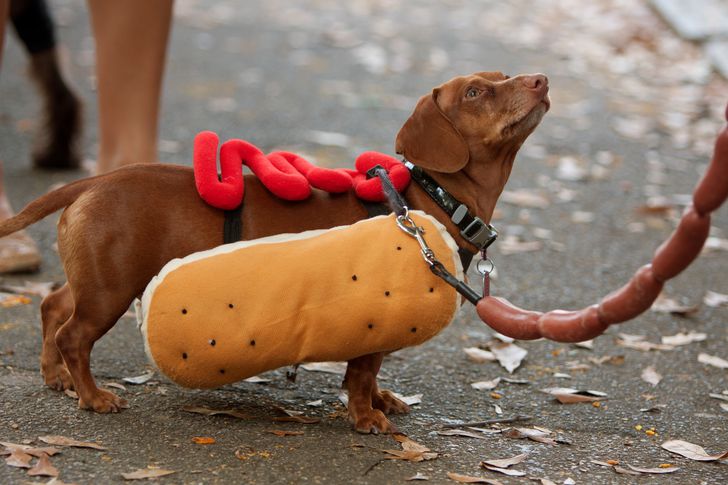
Halloween is no small feat in the United States. With the average consumer estimated to spend more than $100 on Halloween-related items in 2022, it’s a multibillion dollar industry.
Sponsored: Worried you don’t have enough money for Halloween? Find a financial advisor who can help.
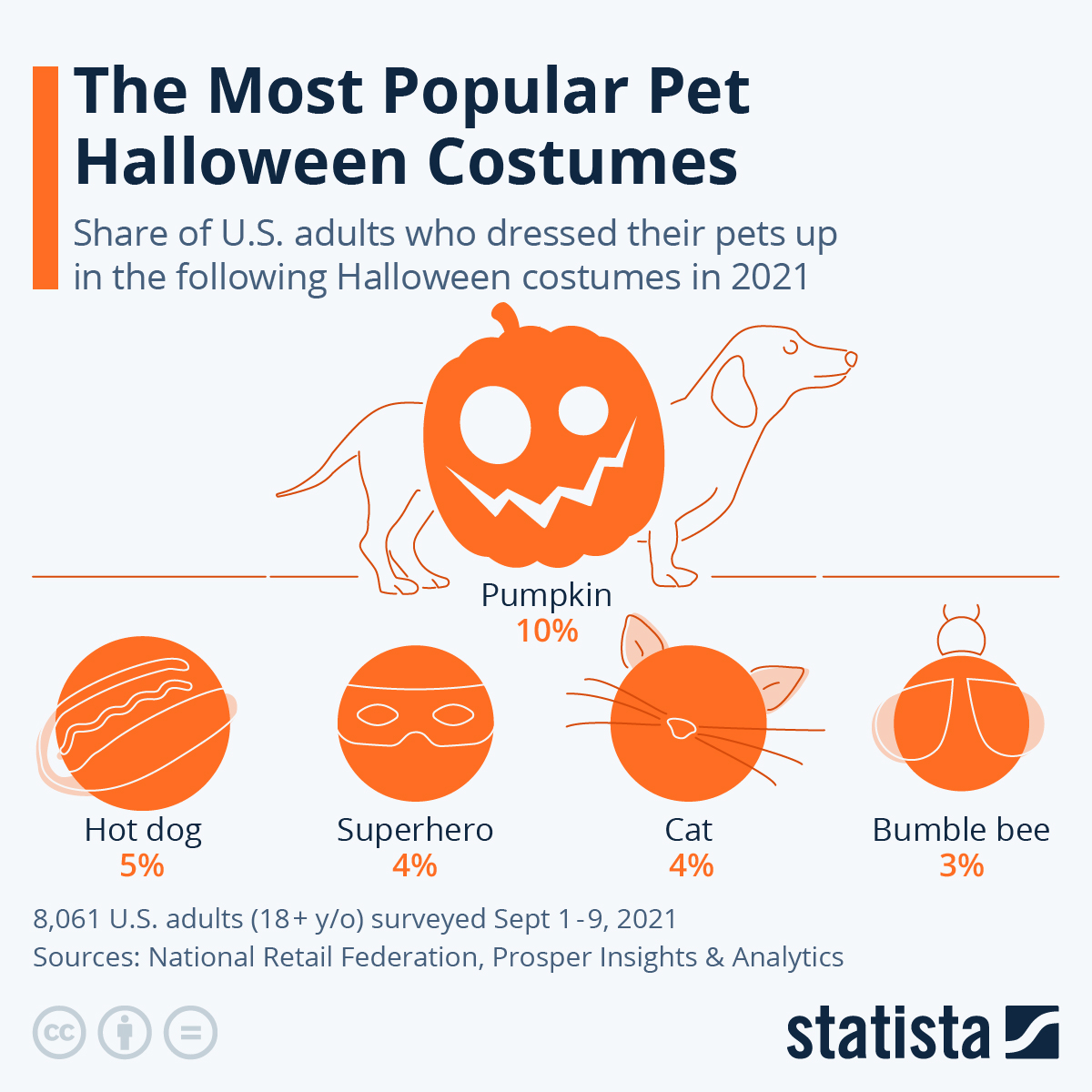 You will find more infographics at Statista
According to the Statista Dossier Halloween in the U.S., planned total expenditure has blown up from $3.3 billion in 2005 to nearly three times that, at a predicted $10.6 billion in 2022.
Of all the Halloween-related items, consumers choose to spend the most money on costumes each year, and in some cases that even extends to their pets.
As our chart shows, using data from the National Retail Federation, when it comes to dressing up their cats and dogs, U.S. adults’ favorite costume of choice is a pumpkin, followed by a hot dog, superhero, cat and finally a bumble bee.
This article originally appeared on Statista.com and was syndicated by MediaFeed.org.
More from MediaFeed:
How 13 of the most popular dog breeds got their names

Some dog breed names are obvious (just watch a retriever with a tennis ball), but others take some digging to understand. Once you learn the origins of these 13 names, you’re likely to nod your head in recognition.
Most of these are descriptive in that they reflect how people used the dogs before they became the pets that some of us let up on the couch when we shouldn’t today.
BartekSzewczyk / istockphoto

Poodles come from Germany, where they were called “Pudelhund.” This meant something like “puddle, water or splashing dog” because poodles were used to hunt water birds, so you can think of “poodle” as meaning “puddle.”
disqis/ istockphoto

Since we just had the Pudlehund, I bet you won’t be surprised to hear that the dachshund, with that same “hund” meaning “dog” at the end, also comes from Germany. The “dachs” part means “badger” in German, and these dogs likely got their name because they were used to hunt badgers.
Ирина Мещерякова/ istockphoto

Terriers get their name from an Old French word for “earth,” as in “dirt,” because when they are hunting, they’ll go after their prey into burrows. In modern French, “le terrier” actually means “burrow.”
Schnauzers are a type of terrier (this breed was first introduced in 1923), and their name means “growler” in German.
Pitbulls are also terriers. The pitbull terrier may get the “pit” part of its name from the idea of putting dogs into a pit to fight.
Pictures-and-Pixels/ istockphoto
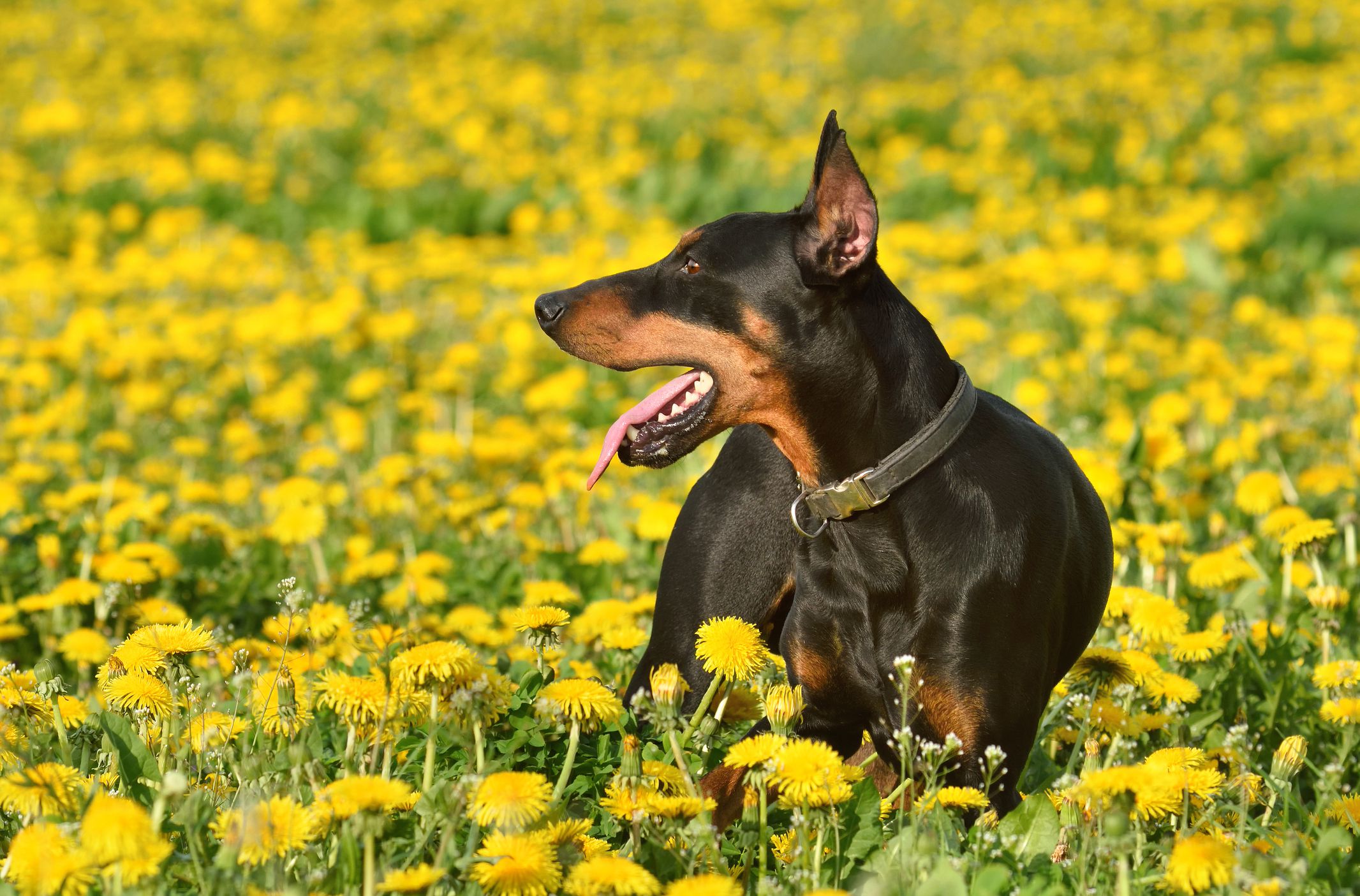
The Doberman pinscher (and that’s “pinscher” with and S-C-H, not “pincher”) gets the “Doberman” part of its name from a German dog breeder named Louis Dobermann. Even though it’s spelled differently, the “pinscher” part of the name does come from the German word for “pinch,” probably relating to how the Doberman’s ears are usually clipped or pinched.
eAlisa/ istockphoto
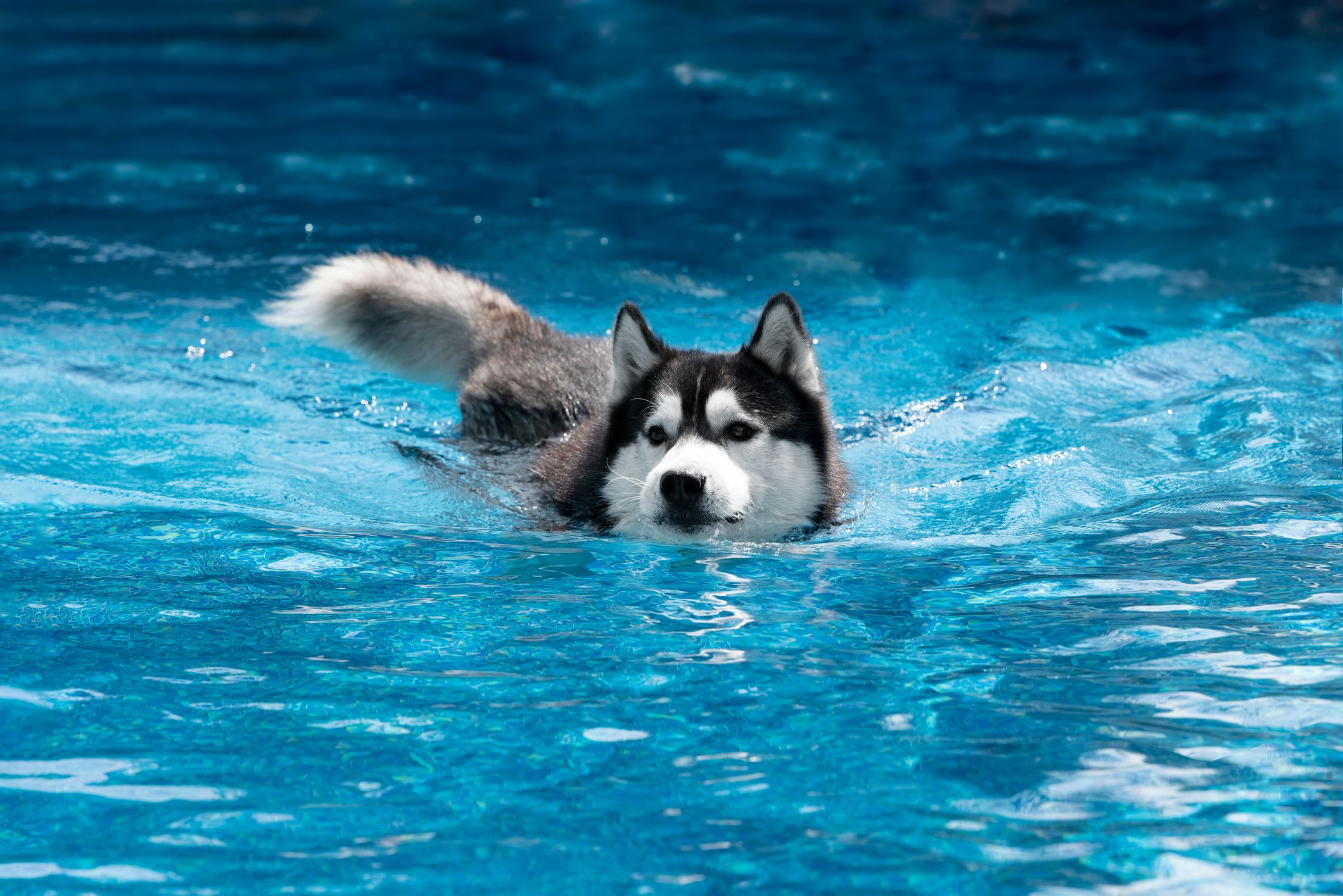
Siberian huskies were first bred to be sled dogs by the indigenous Chukchi people of Russia and were brought to Alaska by a Russian fur trader during the Nome Gold Rush of the early 1900s. Since they became the sled dogs of the Inuit, the dogs get their English name in a roundabout way from the word “Eskimo,” which was what outsiders called the Inuit.
Earlier versions of the word included “Ehuskemay,” “Huskemaw” and “Uskemaw.” If you focus on the sounds, you can imagine how “Ehuskemay dog” or “Huskemaw” dog would become “husky dog.”
And as you may remember from the recent “words for snow” episode, most of the native peoples of North America prefer not to be called Eskimos. For Canadians, the better term is Inuit.
Rabinger Photography/ istockphoto
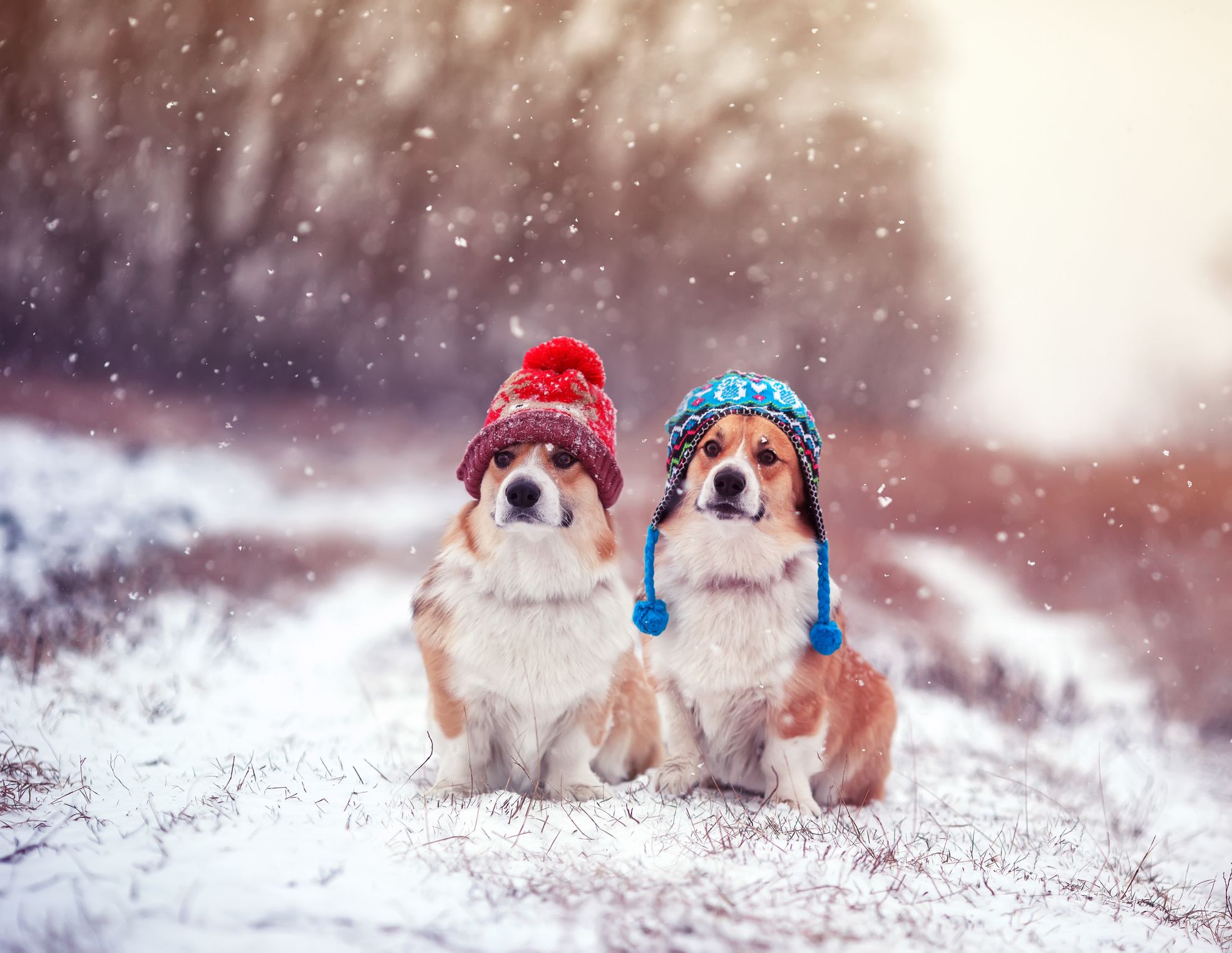
Our next dog is the corgi, of which there are two types: the Pembroke Welsh Corgi and the Cardigan Welsh Corgi. These are very old breeds, and there are a variety of origin stories. However, in one common tale, the Pembrokes were brought to the western part of Wales by Flemish weavers in the year 1107, and the Cardigans were brought by Norse settlers.
There’s no doubt however, about the word “corgi.” It’s Welsh for “dwarf dog.” Cute little dwarves!
Nataba/ istockphoto

Beagles probably get their name from a French word that means “noisy person.”
Tetiana Garkusha/ istockphoto

Bulldogs were originally used for baiting bulls.
Deborah McCarthy / istockphoto
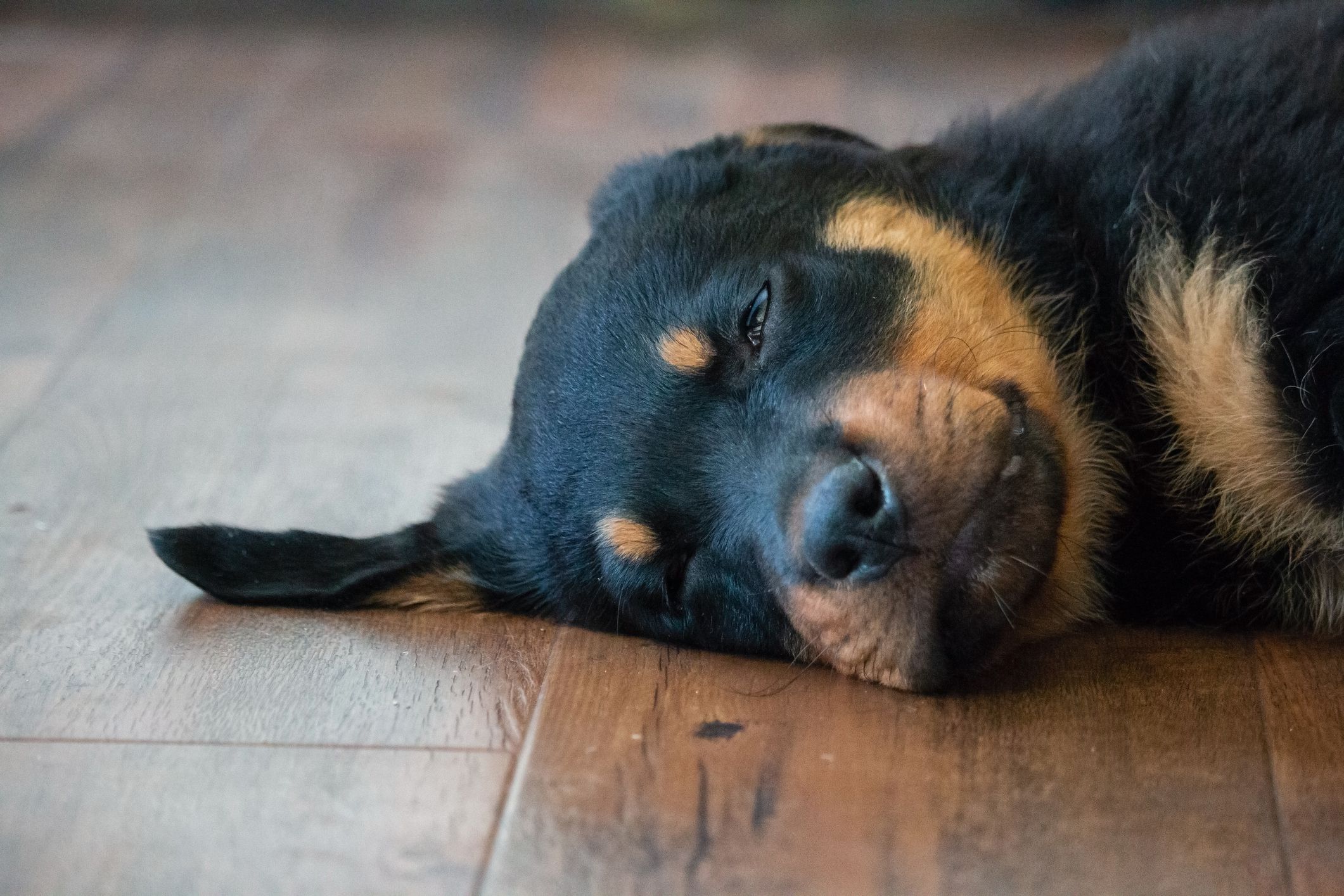
Rottweilers come from a town called Rottweil in southern Germany.
docksnflipflops/ istockphoto
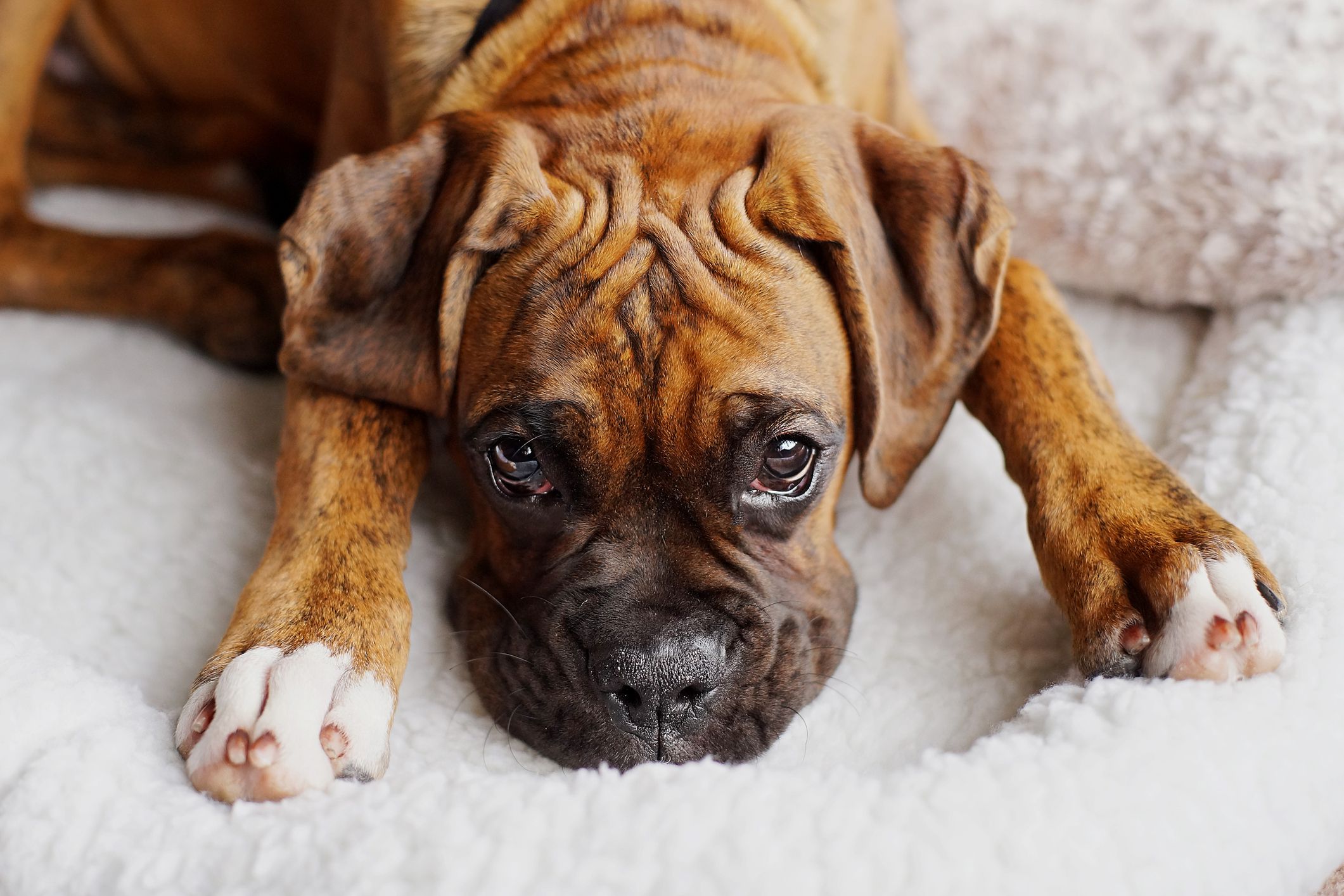
Boxers get their name because they are pugnacious like boxers in a fighting ring.
katyerin/ istockphoto
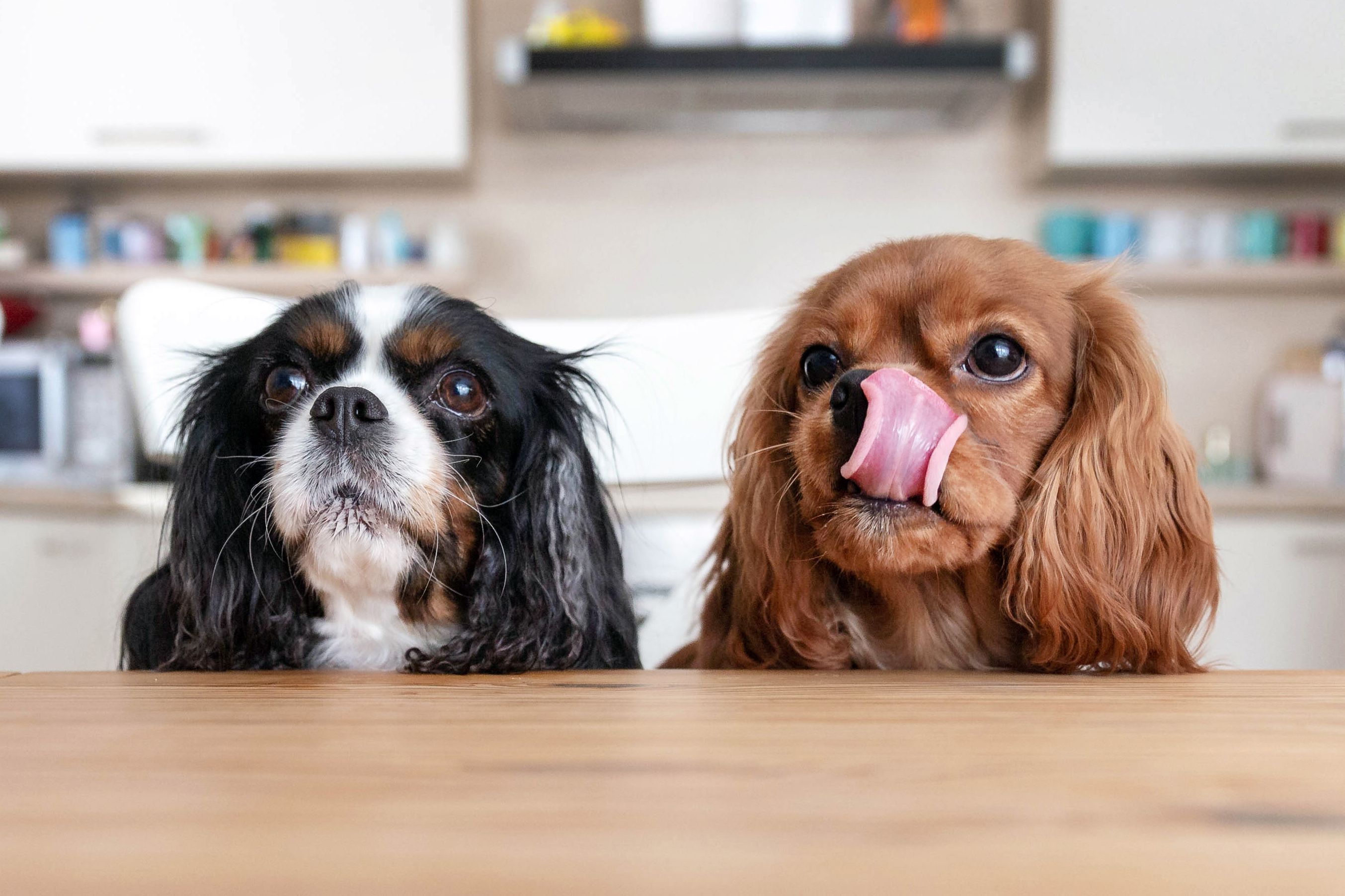
Spaniels were thought to originate from Spain.
fotyma/ istockphoto

Shih tzus were bred in China and come from the Chinese words for “lion dog” because they resemble lions.
Drazen Zigic/ istockphoto

Mastiff comes from the Latin word for “tame” or “mild.”
This article originally appeared on QuickAndDirtyTips.com and was syndicated by MediaFeed.org.
Bigandt_Photography/ istockphoto

DepositPhotos.com
Featured Image Credit: BluIz60 / iStock.