Mortgage interest rates are on the rise, so is refinancing a bad idea? Not necessarily. the answer depends on how long you plan to stay in your house and the amount of equity you have built up so far. Refinancing isn’t always about a better rate — perhaps you want to make improvements to your home, finance an education or boost your retirement income. Refinancing your mortgage could provide you with the additional funds you need.
There are typically two reasons to refinance your mortgage. One is to lower your interest rate, and the other is to extract equity from your home. A cash-out refinance will replace your existing mortgage loan with a new larger mortgage loan, but you will receive an amount in cash that is the difference between the two loans.
There are upfront costs to refinancing, and you should make sure that if you refinance, you will be in your home long enough to gain from the savings to cover the refinancing costs. The LendingTree refinance calculator will tell you how long you will need to stay in your home after refinancing to break even.
Image Credit: DepositPhotos.com.
Rising home values are encouraging refinancing

Homes have been going up in value in recent years, which gives people confidence that if they borrow against their equity it will not put them at undue risk because their properties will continue to increase in value.
In fact, refinanced property appreciation rose in the U.S. from 9% in 2016 to 14% in 2017, according to Freddie Mac. In the West, the median appreciation increased from 17% in 2016 to 23% in 2017, 8% to 12% in the South, 5% to 8% in the Northeast, and from 6% to 10% in the Midwest.
According to a report last year from the Joint Center for Housing Studies at Harvard University, “With national house prices rising sufficiently to help owners rebuild home equity lost during the downturn, and with both household incomes and existing home sales on the rise, we expect to see continued growth in the home improvement market.”
Image Credit: DepositPhotos.com.
The 10 top candidates for refinancing

That brings us to our first candidates for refinancing: home fixer-uppers. But updating the kitchen is just one reason why you might be a good fit. LendingTree determined the top 10 candidates for mortgage refinancing in 2018 based on expert insights from LendingTree Chief Economist Tendayi Kapfidze. Are you one of them?
Image Credit: DepositPhotos.com.
10. People with a home equity line of credit (HELOC)

While many people are taking advantage of HELOCs for debt consolidation, they do come with significant risk. HELOCs are attractive options because the money can be used for any purpose. However, HELOCs typically have adjustable interest rates that will rise. Some have caps, and some banks may offer the option to convert to a fixed-rate loan, but unless the money borrowed is used to make significant improvements in the home, the interest paid is not tax-deductible. Think about paying off a HELOC while interest rates are relatively low.
Image Credit: .
9. People with an adjustable-rate mortgage (ARM)

An ARM is a mortgage that will cost more each month as interest rates creep up. If you plan to stay in your home, consider a fixed-rate mortgage instead.
“If you have an adjustable rate mortgage, you’re exposing yourself to the risk that rates could move higher and your payments will reset at a higher amount,” said Kapfidze. “If you want to remove risk and have the certainty of fixed payments, then refinance into a fixed loan.”
Image Credit: DepositPhotos.com.
8. People who have recently increased their income

If you have strong cash flow, you might be able to afford a higher monthly payment on a mortgage. By refinancing to a short-term loan, you could pay down your mortgage quicker by tolerating a higher monthly payment. You might also qualify for a lower interest rate because of your stronger financial position.
Image Credit: DepositPhotos.com.
7. People who have recently improved their credit score
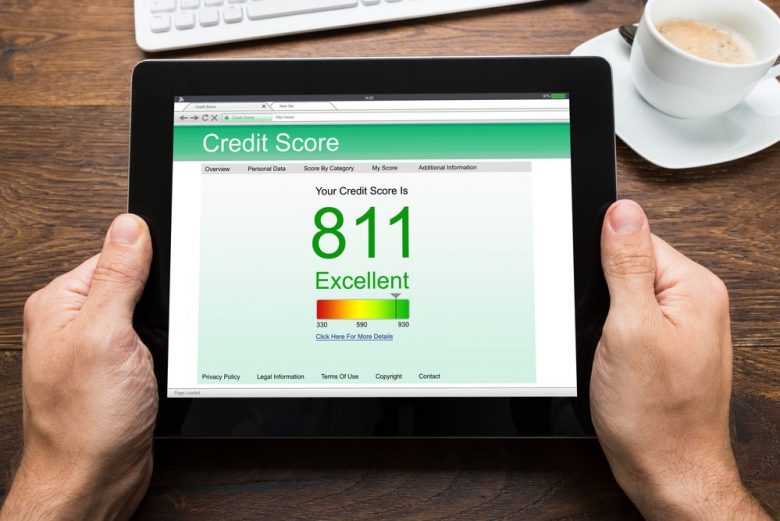
If you bought your home when you had a lower credit score, you might have bought it on an FHA mortgage and are paying a mortgage insurance premium (MIP) to insure against default. But if your credit score has improved and your home has increased in value, you might be able to eliminate mortgage insurance via refinancing to a conventional loan.
Image Credit: DepositPhotos.com.
6. People who bought their homes before 2008

Interest rates have been on the rise recently. That means that there are fewer people who might be able to lock into a lower rate. However, if you bought your home prior to 2008 when interest rates were higher, you could find a lower rate in today’s market. “There are a significant number of borrowers who could refinance and get lower rates,” Kapfidze said. “A lot of these people are basically people who just haven’t taken advantage of the opportunity to refinance over the past couple of years.”
Image Credit: DepositPhotos.com.
5. People who want cash for retirement

Perhaps your retirement income is a little less than you had planned, or you would like to enjoy yourself a little more now that you are retired. If you have been in your house for a significant amount of time, refinancing might give you a little more spending money in your pocket. “A cash-out refinance can be a good option because you get cash. With that cash, you can pay down your high interest debt and borrow money at a lower rate for many other types of loans.” said Kapfidze.
One word of caution, however. If you refinance with a 30-year loan, depending on your age, you could be extending payments well into retirement, which would affect how much money you have to spend later in life.
Image Credit: DepositPhotos.com.
4. People considering starting a small business

Have you been longing to become an entrepreneur? Now might be the time to cash out some equity from your home and live your dream. Starting a business could pay high dividends in the future. Depending on when you bought your home, according to Kapfidze, “Refinancing might leave you with a slightly higher interest rate, but you’ll be able to take some money out from the value of your home and use that money for other purposes like investing in a small business.”
Image Credit: DepositPhotos.com.
3. People seeking to pay for education

Unsecured debt, such as credit card debt, often has a high interest rate because there is no collateral to back it. By refinancing, you can consolidate your unsecured debt. This might improve your credit score making it easier for you to obtain other loans. Cash-out refinancing might give you enough funds to pay for an education rather than taking out a student loan for yourself or your children.
Image Credit: DepositPhotos.com.
2. People seeking to consolidate debt

Are you finding it hard to pay off credit card debt? According to the U.S. Securities and Exchange Commission, credit card debt carries high interest rates, up to 18% in some cases. Refinancing your mortgage might help you to pay off your higher interest debt. It is true that refinancing now when interest rates are on the rise might leave you with a higher interest rate on your mortgage, but using cash from your home equity to pay off credit card debt could be a smart move to reduce your debt load overall.
Just be sure that your spending habits get back on course once the refinancing removes your current debt, otherwise you might find yourself in an even worse position – with a higher rate on your mortgage and increasing credit card debt.
Image Credit: DepositPhotos.com.
1. People seeking to remodel their homes

Home improvements can be a wise investment; they have the potential to boost both your standard of living and the value of your home. But they require cash. If you have owned your home for a number of years, you have most likely built up a significant amount of equity, and a cash-out refinance might be a sensible way to obtain the funds to pay for supplies and contractors.
According to Kapfidze, “Right now, refinancing might leave you with a higher interest rate, but you can take take some money out from the value of your home and use that money for home renovations or home improvements.”
This article originally appeared on LendingTree.com and was syndicated by MediaFeed.org.
Image Credit: DepositPhotos.com.