Social Security is a federal program that pays retired workers a monthly benefit. Benefits may also go to people with disabilities, widows, or the children of Social Security recipients, though 76% of all payments go to retired workers. Social Security benefit payments are funded through the payroll taxes that employers withhold from their workers’ paychecks.
Based on the latest Census Bureau data, almost one third of U.S. households received Social Security benefits in 2019. The exact percentage varied by state, however; West Virginia has the highest percentage of Social Security recipients, with about 42% of households receiving benefits.
In most states, the income from Social Security — $1,656 per household, on average — makes up at least 40% of all retirement income. Losing Social Security either in full or in part would make it significantly more difficult for seniors to pay for daily living expenses in retirement. Based on our previous research into the cost of retirement in each state, the average retirement wouldn’t be affordable in any state if Social Security were defunded.
Unfortunately, the Social Security Administration (SSA) in a 2020 report said that it expects its reserve funds to run out in 2034. At that point, Social Security payroll taxes will be the sole source of money for benefit payments and benefits will be reduced to 76% of their full value.
That means that if we did nothing at all, nearly every senior would still lose out on thousands of dollars of income that they need to survive in retirement.
In this report, we look at which states rely the most on Social Security, and how much it would cost seniors in these states if Social Security were lost. We conclude that if nothing is done to save and bolster Social Security, then seniors around the country will find it difficult if not impossible to pay for their expenses in retirement.
Image Credit: Halfpoint / istockphoto.
How Social Security works

Social Security is a federal program that provides income to retirees, people with disabilities and the families of those individuals. As a refresher, here’s a brief look at how Social Security is funded and who can receive benefits.
Related: Social Security & retirement — what you need to know
Image Credit: Depositphotos.
How is Social Security funded?

Social Security is funded through a payroll tax that just about all workers in the U.S. must pay, including resident aliens, most nonresident aliens, and undocumented workers. Some police officers, teachers, judge and other government employees do not have to pay Social Security tax because they pay into separate pension funds.
In most cases, 6.2% of your income comes out of your paycheck and goes into the Social Security Trust Fund, which is administered by the Social Security Administration (SSA). Employers contribute an equal amount so that the final contribution for each worker is equal to 12.4% of that person’s pay. If you’re self employed, you have to pay the full 12.4% yourself, but there’s also a tax deduction that refunds you for the 6.2% that’s normally paid by an employer. (Learn more about self-employment taxes.)
Image Credit: zimmytws / istockphoto.
Who can receive Social Security benefits

Residents and citizens are eligible to receive retirement benefits once they have worked and paid Social Security taxes for at least 10 years. Once they reach age 62, they can begin receiving benefits if they retire. However, full benefits are only available if they wait until their full retirement age, which the SSA calculates based on birth year. Over time, the full retirement age has been increasing, and is currently 67 for people born in 1960 or later. The value of benefits increases for someone who waits until after their full retirement age to claim benefits.
Image Credit: istockphoto/Zinkevych.
How long will social security funding last?

The 2020 report from the Social Security Administration states that it only expects to be able to make full Social Security payments until 2034. After 2034, the SSA will only be able to pay 76% of full benefits. Of course, this assumes there is no decrease in the collection of Social Security payroll tax. Any interruption to the collection of payroll taxes could mean benefits are reduced further. In one scenario, in which payroll taxes are cut starting in 2021, the SSA estimated that the trust fund’s reserves would run out in the middle of 2023, about 11 years sooner than anticipated.
While President Trump and Republican leaders have vowed that they will not make any cuts to Social Security, the Trump administration has proposed a couple of changes that could impact Social Security funding. President Trump enacted a payroll tax deferral in August 2020 and he has said that he would like to make that deferral a permanent payroll tax tax cut in 2021.
Image Credit: BackyardProduction / istockphoto.
Where people rely on Social Security the most for retirement income

Social Security provides vital income for many individuals and families because they do not have much (or any) other retirement income. According to Census Bureau data, only 57.3% of households have money in retirement accounts, including 401(k) plans and IRAs. Even for people who do have retirement income outside of their Social Security benefits, the benefits generally make up more than 40% of their total retirement income each year.
Nationally, 41.2% of a household’s retirement income is their Social Security payments; in 10 states, Social Security benefits make up at least 45% of retirement income.
From least to most reliant on Social Security, here’s a countdown of all 50 states and Washington, D.C..
Image Credit: monkeybusinessimages / istockphoto.
51. Washington, D.C.

Average monthly Social Security income: $1,427
Average monthly non Social Security income: $3,633
Social Security income as a percentage of all retirement income: 28.2%
Image Credit: f11photo / istockphoto.
50. Alaska

Average monthly Social Security income: $1,471
Average monthly non Social Security income: $3,268
Social Security income as a percentage of all retirement income: 31.0%
Image Credit: DepositPhotos.com.
49. California

Average monthly Social Security income: $1,617
Average monthly non Social Security income: $2,891
Social Security income as a percentage of all retirement income: 35.9%
Image Credit: DepositPhotos.com.
48. Maryland

Average monthly Social Security income: $1,673
Average monthly non Social Security income: $2,922
Social Security income as a percentage of all retirement income: 36.4%
Image Credit: DepositPhotos.com.
47. Colorado

Average monthly Social Security income: $1,648
Average monthly non Social Security income: $2,769
Social Security income as a percentage of all retirement income: 37.3%
Image Credit: DepositPhotos.com.
46. Virginia

Average monthly Social Security income: $1,697
Average monthly non Social Security income: $2,786
Social Security income as a percentage of all retirement income: 37.9%
Related: Think Social Security will fail? Here’s how to plan for retirement
Image Credit: DepositPhotos.com.
45. Nevada

Average monthly Social Security income: $1,612
Average monthly non Social Security income: $2,625
Social Security income as a percentage of all retirement income: 38.1%
Image Credit: Getty.
44. Massachusetts

Average monthly Social Security income: $1,655
Average monthly non Social Security income: $2,653
Social Security income as a percentage of all retirement income: 38.4%
Image Credit: DepositPhotos.com.
43. New Mexico

Average monthly Social Security income: $1,536
Average monthly non Social Security income: $2,393
Social Security income as a percentage of all retirement income: 39.1%
Image Credit: Getty.
42. New York

Average monthly Social Security income: $1,647
Average monthly non Social Security income: $2,570
Social Security income as a percentage of all retirement income: 39.1%
Image Credit: istockphoto/Chaay_Tee.
41. Illinois

Average monthly Social Security income: $1,667
Average monthly non Social Security income: $2,579
Social Security income as a percentage of all retirement income: 39.3%
Image Credit: IanDikhtiar.
40. Hawaii

Average monthly Social Security income: $1,749
Average monthly non Social Security income: $2,676
Social Security income as a percentage of all retirement income: 39.5%
Image Credit: DepositPhotos.com.
39. Connecticut

Average monthly Social Security income: $1,798
Average monthly non Social Security income: $2,700
Social Security income as a percentage of all retirement income: 40.0%
Image Credit: Sean Pavone / istockphoto.
38. Louisiana

Average monthly Social Security income: $1,453
Average monthly non Social Security income: $2,162
Social Security income as a percentage of all retirement income: 40.2%
Image Credit: Billy Hathorn / Wikipedia Commons.
37. Georgia

Average monthly Social Security income: $1,610
Average monthly non Social Security income: $2,380
Social Security income as a percentage of all retirement income: 40.3%
Image Credit: DepositPhotos.com.
36. Delaware

Average monthly Social Security income: $1,842
Average monthly non Social Security income: $2,691
Social Security income as a percentage of all retirement income: 40.6%
Related: 15 Social Security secrets retirees need to know
Image Credit: Getty.
35. Texas

Average monthly Social Security income: $1,588
Average monthly non Social Security income: $2,320
Social Security income as a percentage of all retirement income: 40.6%
Image Credit: earleliason.
34. Florida

Average monthly Social Security income: $1,697
Average monthly non Social Security income: $2,465
Social Security income as a percentage of all retirement income: 40.8%
Image Credit: DepositPhotos.com.
33. New Jersey

Average monthly Social Security income: $1,790
Average monthly non Social Security income: $2,576
Social Security income as a percentage of all retirement income: 41.0%
Image Credit: ChrisBoswell / istockphoto.
32. Washington

Average monthly Social Security income: $1,746
Average monthly non Social Security income: $2,462
Social Security income as a percentage of all retirement income: 41.5%
Image Credit: DepositPhotos.com.
31. Rhode Island

Average monthly Social Security income: $1,602
Average monthly non Social Security income: $2,252
Social Security income as a percentage of all retirement income: 41.6%
Image Credit: istockphoto.
30. Oregon

Average monthly Social Security income: $1,707
Average monthly non Social Security income: $2,369
Social Security income as a percentage of all retirement income: 41.9%
Image Credit: istockphoto.
29. Arizona

Average monthly Social Security income: $1,759
Average monthly non Social Security income: $2,395
Social Security income as a percentage of all retirement income: 42.3%
Image Credit: Sean Pavone / istockphoto.
28. Ohio

Average monthly Social Security income: $1,584
Average monthly non Social Security income: $2,164
Social Security income as a percentage of all retirement income: 42.3%
Image Credit: NatChittamai.
27. Montana

Average monthly Social Security income:$1,588
Average monthly non Social Security income: $2,150
Social Security income as a percentage of all retirement income: 42.5%
Image Credit: Jeff the quiet / Wikimedia Commons.
26. Wyoming

Average monthly Social Security income: $1,759
Average monthly non Social Security income: $2,367
Social Security income as a percentage of all retirement income: 42.6%
Image Credit: Jacob Boomsma / istockphoto.
25. Kentucky

Average monthly Social Security income: $1,538
Average monthly non Social Security income: $2,019
Social Security income as a percentage of all retirement income: 43.2%
Image Credit: hstiver / istockphoto.
24. South Carolina

Average monthly Social Security income: $1,681
Average monthly non Social Security income: $2,211
Social Security income as a percentage of all retirement income: 43.2%
Image Credit: SeanPavonePhoto / istockphoto.
23. Utah

Average monthly Social Security income: $1,771
Average monthly non Social Security income: $2,319
Social Security income as a percentage of all retirement income: 43.3%
Image Credit: AndreyKrav.
22. North Carolina

Average monthly Social Security income: $1,655
Average monthly non Social Security income:$2,148
Social Security income as a percentage of all retirement income: 43.5%
Image Credit: ” Darwin Brandis”.
21. Alabama

Average monthly Social Security income: $1,611
Average monthly non Social Security income: $2,084
Social Security income as a percentage of all retirement income: 43.6%
Image Credit: DepositPhotos.com.
20. Maine

Average monthly Social Security income: $1,579
Average monthly non Social Security income: $2,041
Social Security income as a percentage of all retirement income: 43.6%
Image Credit: Getty.
19. Minnesota

Average monthly Social Security income: $1,747
Average monthly non Social Security income: $2,257
Social Security income as a percentage of all retirement income: 43.6%
Image Credit: Scruggelgreen.
18. North Dakota
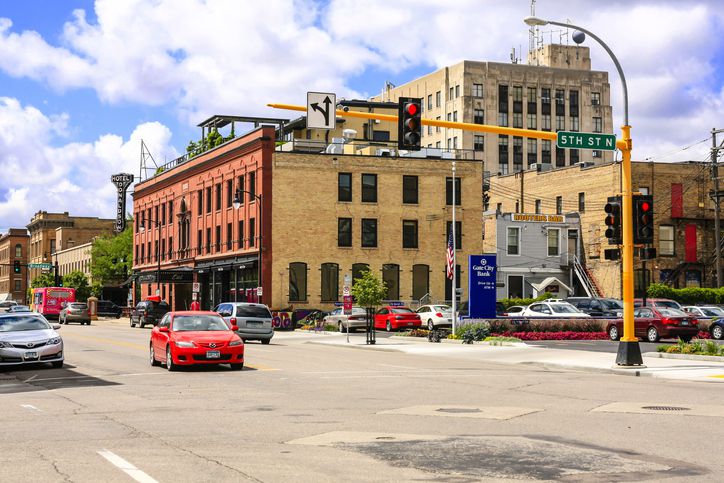
Average monthly Social Security income: $1,599
Average monthly non Social Security income: $2,064
Social Security income as a percentage of all retirement income: 43.6%
Image Credit: csfotoimages / istockphoto.
17. Missouri

Average monthly Social Security income: $1,620
Average monthly non Social Security income: $2,027
Social Security income as a percentage of all retirement income: 44.4%
Image Credit: DepositPhotos.com.
16. Oklahoma

Average monthly Social Security income: $1,583
Average monthly non Social Security income: $1,983
Social Security income as a percentage of all retirement income: 44.4%
Image Credit: DepositPhotos.com.
15. Vermont

Average monthly Social Security income: $1,665
Average monthly non Social Security income: $2,080
Social Security income as a percentage of all retirement income: 44.5%
Image Credit: istockphoto.
14. Mississippi

Average monthly Social Security income: $1,532
Average monthly non Social Security income: $1,904
Social Security income as a percentage of all retirement income: 44.6%
Image Credit: SeanPavonePhoto/istockphoto.
13. New Hampshire

Average monthly Social Security income: $1,767
Average monthly non Social Security income: $2,198
Social Security income as a percentage of all retirement income: 44.6%
Image Credit: DepositPhotos.com.
12. Arkansas

Average monthly Social Security income: $1,555
Average monthly non Social Security income: $1,919
Social Security income as a percentage of all retirement income: 44.8%
Image Credit: Deposit Photos.
11. Wisconsin

Average monthly Social Security income: $1,711
Average monthly non Social Security income:$2,092
Social Security income as a percentage of all retirement income: 45.0%
Image Credit: DepositPhotos.com.
10. South Dakota

Average monthly Social Security income: $1,586
Average monthly non Social Security income: $1,925
Social Security income as a percentage of all retirement income: 45.2%
Image Credit: istockphoto.
9. Idaho

Average monthly Social Security income: $1,701
Average monthly non Social Security income: $2,056
Social Security income as a percentage of all retirement income: 45.3%
Image Credit: DepositPhotos.com.
8. Pennsylvania

Average monthly Social Security income: $1,687
Average monthly non Social Security income: $2,021
Social Security income as a percentage of all retirement income: 45.5%
Image Credit: weaver1234.
7. Michigan

Average monthly Social Security income: $1,717
Average monthly non Social Security income: $2,051
Social Security income as a percentage of all retirement income: 45.6%
Image Credit: DepositPhotos.com.
6. Tennessee

Average monthly Social Security income: $1,645
Average monthly non Social Security income: $1,921
Social Security income as a percentage of all retirement income: 46.1%
Image Credit: DepositPhotos.com.
5. Nebraska

Average monthly Social Security income: $1,689
Average monthly non Social Security income: $1,960
Social Security income as a percentage of all retirement income: 46.3%
Image Credit: Miriam Bade / istockphoto.
4. West Virginia

Average monthly Social Security income: $1,609
Average monthly non Social Security income: $1,823
Social Security income as a percentage of all retirement income: 46.9%
Image Credit: Sean Pavone / istockphoto.
3. Kansas

Average monthly Social Security income: $1,719
Average monthly non Social Security income: $1,917
Social Security income as a percentage of all retirement income: 47.3%
Image Credit: Getty.
2. Iowa
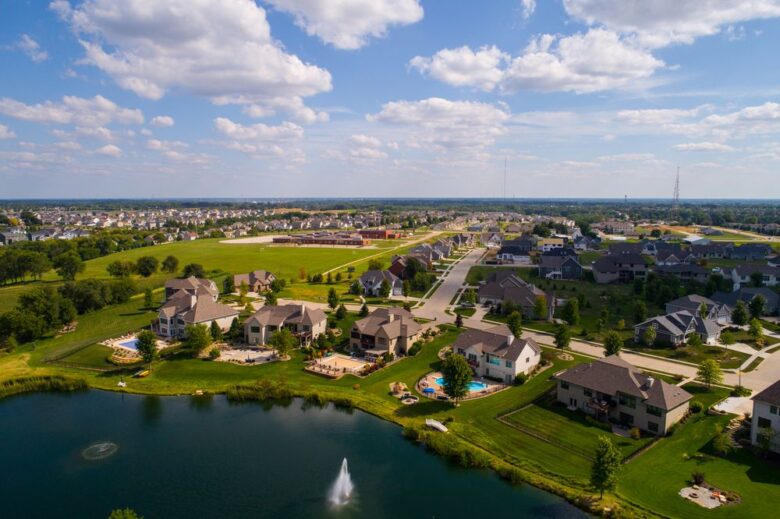
Average monthly Social Security income: $1,680
Average monthly non Social Security income: $1,850
Social Security income as a percentage of all retirement income: 47.6%
Image Credit: DepositPhotos.com.
1. Indiana

Average monthly Social Security income: $1,691
Average monthly non Social Security income: $1,710
Social Security income as a percentage of all retirement income: 49.7%
This article originally appeared on PolicyGenius.com and was syndicated by MediaFeed.org.
Image Credit: DepositPhotos.com.