
My Ph.D. supervisor, a brilliant and inspiring man, used to jokingly tell me that he had passed his prime and that it was up to me to make the Nobel-prize winning discovery for our group. After all, Albert Einstein was just 26 years old when he wrote his paper on Special Relativity.
But are we really at our smartest in our 20s? What about the wisdom and experience that come with age? At what age do we strike the right balance between cognitive ability and expertise? When does our intelligence peak?
Fluid versus crystallized intelligence
It’s an inescapable fact that our cognitive abilities are destined to decline at some point. We will have a harder time remembering where we placed our keys or recalling the details of our favorite family story. However, our intelligence is, unsurprisingly, multi-faceted. We have fluid intelligence – that’s our ability to think quickly, solve new problems and identify patterns – but we also have what psychologists call crystallized intelligence, which reflects our learned knowledge and ability to relate to our surroundings. These two forms of intelligence are thought to peak at different times in our lives.
In fact, in a recent study, published in the journal Psychological Science, researchers at Harvard and MIT found that even different aspects of fluid intelligence peak at different ages. Additionally, they found that there is not an age when even most of our brain’s abilities are at their peak.
The study, led by Joshua Hartshorne and Laura Germine and funded in part by the National Institutes of Health and the National Science Foundation, utilized a series of online cognitive games and tests available for anyone to try. This easy access dramatically increased the number of participants over a range of ages and thus formed the basis for the uniqueness of the new research.
Historically, finding participants that are past college age but pre-retirement (in other words, roughly between 25 and 65 years of age) that are willing and able to participate in studies that require visits to laboratories for testing has proven challenging. The online study included roughly three million people over its first few years, including nearly 50,000 in each individual investigation. Hartshorne and Germine also compared their results to findings from much earlier, in-person studies and found those smaller studies supported their internet-based findings.
When does our intelligence peak?
Luckily for those of us who are no longer in our 20s, the results of the study showed that we don’t have to put ourselves out to pasture just yet. If you do not have access to the original article, the World Economic Forum has reposted some of the plots from the study for reference. For example, 50,000 test participants showed that our ability to process information quickly peaks at around age 18 or 19. Our short-term memory tops out around the age of 25 and levels off for about a decade before it starts to slowly decline. Likewise, our skill at recognizing faces (along with many visual short-term memory tasks) is greatest when we are in our early 30s.
Our ability to assess other people’s emotions, however, doesn’t reach its peak until we are in our 40s or 50s. Our overall knowledge, including vocabulary, and our big-picture comprehension also don’t top out until we are around 50 years old on average. After that, they decline but just slightly before leveling off during our 60s (and eventually declining again in our mid-70s).
Why do our brains change as we age?
Researchers believe that changes in our brain’s structure may be linked to the changes observed in our cognitive abilities, but more research is needed to fully understand the details of that possible connection. Just last week, researchers in the UK took a huge step in this direction by releasing a large dataset of newborn baby brain scans. This effort is being called groundbreaking and will allow a step-by-step look at human brain development at these crucial early stages.
The peak age for intellectual activity also appears to be shifting. For example, Nobel Prize winners are doing their award-winning work later and later, a result that is consistent across fields of study. The peak age for creativity in physics appears to be around 48 years old on average. So, even if you still can’t find your keys, it may not be too late to write that novel or to tackle that next project when inspiration strikes.
Want to see how you stack up? You can check out the puzzles and brain teasers from Hartshorne and Germine’s study at www.gameswithwords.org and testmybrain.org.
This article originally appeared on QuickandDirtyTips.com and was syndicated by MediaFeed.org.
More from MediaFeed:
39 facts about marijuana we’re betting you didn’t know
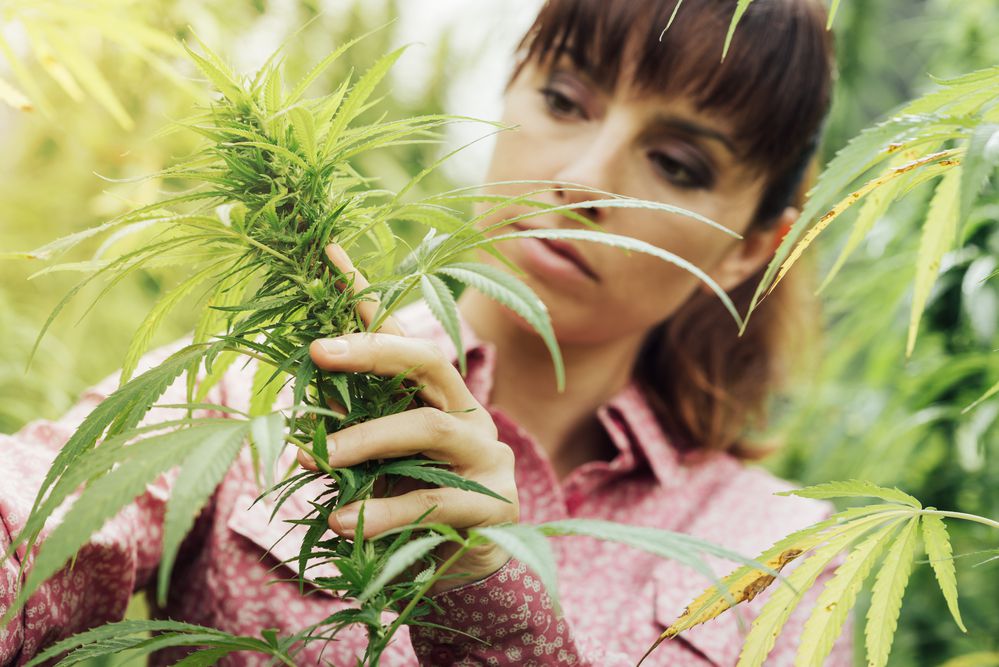
Cannabis is a booming business in states where legalization has been in effect for years and the trend seems on pace to continue.
In fact, more
and more U.S. states have legalized marijuana for medical and/or recreational uses. In fact, most
states have some form of legalization.
So
with so much talk of marijuana out there, it’s time to separate the
facts from the fiction. Here are 39 of the most surprising and unusual
facts about marijuana that you may not know:
DepositPhotos.com

According
to a study,
“9 percent of those who try marijuana develop dependence.”
Compared to other substances like cocaine and heroin, marijuana
dependency is low. However, marijuana is also much more widely used
than other substances.
Niyaz_Tavkaev / istockphoto

Even
with all the confusion around laws and its history of illegality,
researchers
say that 42% of Americans have tried marijuana.
Heath Korvola/Getty Images

Multiple
studies have found that marijuana is safer than alcohol.
SPONSORED: Find a Qualified Financial Advisor
1. Finding a qualified financial advisor doesn’t have to be hard. SmartAsset’s free tool matches you with up to 3 fiduciary financial advisors in your area in 5 minutes.
2. Each advisor has been vetted by SmartAsset and is held to a fiduciary standard to act in your best interests. If you’re ready to be matched with local advisors that can help you achieve your financial goals, get started now.
invizbk/istockphoto

We
tend to think of Colorado and Washington when we think about legal
weed, but both Alaska and Oregon legalized recreational marijuana use and possession just a few years later.
DepositPhotos.com

Scientists
at California Pacific Medical Center studied a compound derived from
marijuana and discovered that it may
prevent metastasis in some aggressive cancers. The scientists
were studying CBD, the substance in marijuana that is non-psychoactive.
DepositPhotos.com

Despite
pushes for legalization, there are still a
lot of arrests made in the U.S. for marijuana possession. In
2015, 650,000 people were arrested because of violations related to
marijuana. That’s 40% of drug arrests in the country and one arrest
every 50 seconds! And these arrests are still disproportionately
focused on black and Latino communities.
DepositPhotos.com

Illegal
marijuana tends to be stronger
than legal marijuana. This is partly because legal marijuana is
more carefully measured for consistency and potency.
DepositPhotos.com

While
there are conflicting reports on the effect of marijuana on
teenagers, in adults negative cognitive effects like changes in
memory, perception and thoughts tend to be temporary. There is
currently no evidence that marijuana
use, even among heavy users, will permanently damage an adult’s
memory or cognition.
DepositPhotos.com

Despite
North Korea’s strict stance on other drugs, marijuana is not
even considered a drug in the country.
DepositPhotos.com
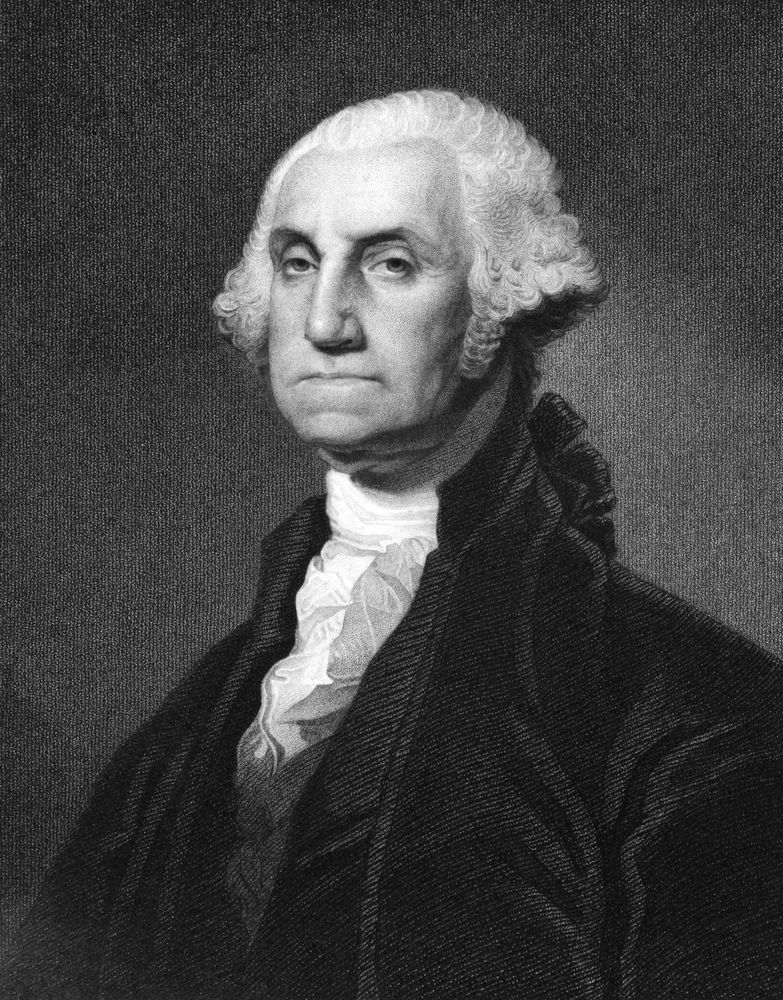
In
the 1700s, both George Washington and Thomas Jefferson grew
hemp and in the 1800s marijuana was sold in some drugstores for
relief of migraines and menstrual cramps.
DepositPhotos.com

Marijuana
started
to get banned in the U.S. in the early 1900s. The 1930s saw the
country’s first drug czar, Harry Anslinger, who started to make
claims that marijuana turned youth into homicidal maniacs.
DepositPhotos.com

In
2013, Uruguay
became the first country in the world to allow its citizens to grow,
sell and consume marijuana legally.
DepositPhotos.com

The
ACLU has tracked multiple cases where people were sentenced to
life in prison without parole for marijuana possession. In one case,
the person possessed 32 grams of marijuana (that’s just over an ounce). In another, they acted as
a go-between for the sale of just $10 of marijuana.
DepositPhotos.com

In
2010, legalization produced such a boom in Colorado that medical
marijuana dispensaries outnumbered Starbucks stores by a ratio of 3
to 1.
DepositPhotos.com
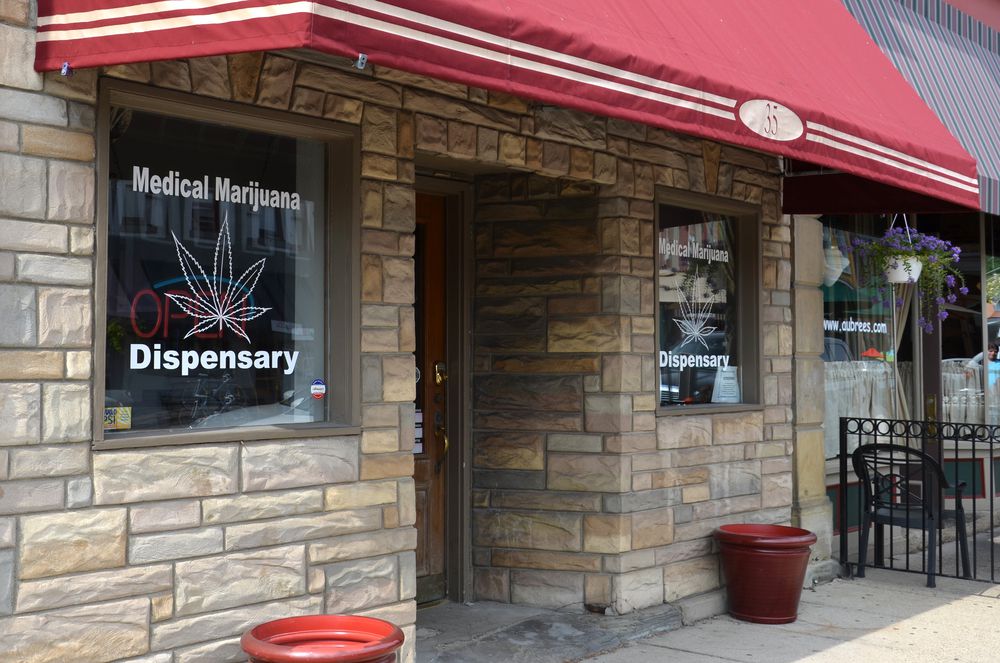
In
2015, legal marijuana was the fastest-growing
industy in the U.S., with a market of $2.7 billion.
DepositPhotos.com
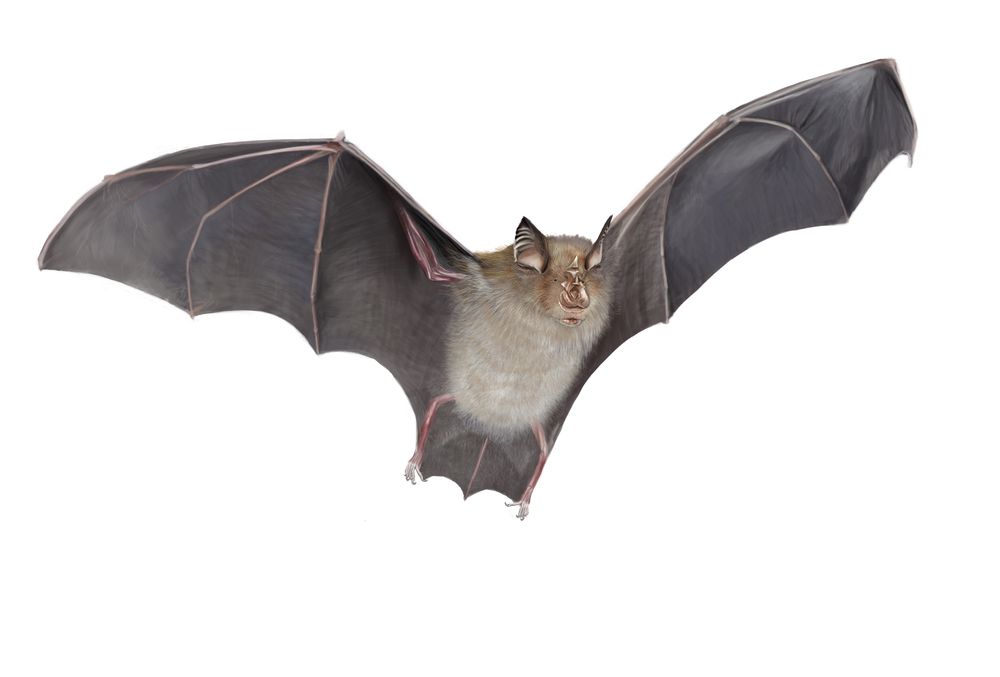
James
Munch served as the U.S. Official Expert on “Marihuana” from 1939 to
1962. During that time he testified under oath that marijuana had
turned
him into a bat.
DepositPhotos.com

The
earliest
recorded use of cannabis is from China in 6,000, B.C., when
cannabis seeds were used for food.
DepositPhotos.com

The
oldest stash of marijuana ever found also came
from China. Researchers discovered 789 grams of dried cannabis
“cultivated for psychoactive purposes” in a 2,700-year-old
tomb in China.
DepositPhotos.com

In
India, Bhang shops
sell cannabis-infused drinks like bhang lassi and bhang thandai,
particularly during the celebration of Holi.
DepositPhotos.com

In
1971 or 1972, the first
online transaction happened, well before Amazon or eBay. What was
it? Marijuana sold between students at Stanford and MIT.
DepositPhotos.com

Bob
Marley was
buried on May 21, 1981, along with his red Gibson Les Paul
guitar, a Bible open to Psalm 23 and a stalk of marijuana.
DepositPhotos.com

Overdosing
on marijuana is technically possible, but extraordinarily
unlikely. In theory, a person would have to consume almost 1,500
pounds of marijuana in just 15 minutes to overdose, making it a
practical impossibility.
DepositPhotos.com

In
2015, legal marijuana outsold
Girl Scout cookies.
DepositPhotos.com
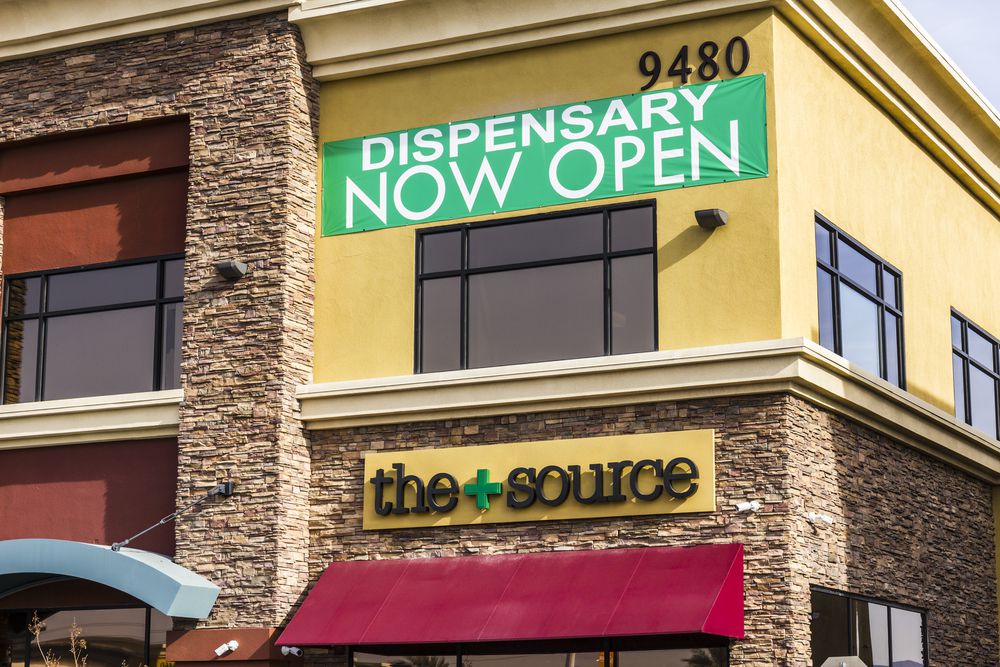
Sales
of marijuana are on
the rise. Sales in 2020 grew 46% according to one report.
DepositPhotos.com
By
2022, yearly
marijuana sales in the U.S. could hit $22 billion. This is partly
due to more and more states opening medical and sometimes
recreational marijuana markets.
DepositPhotos.com

After
California changed its marijuana laws in 1976, prankster Danny
Finegood hung curtains over the Hollywood sign to change it to
“Hollyweed.” It happened again on New Year’s Day, 2017, when another prankster scaled Mount Lee to change the sign.
DepositPhotos.com
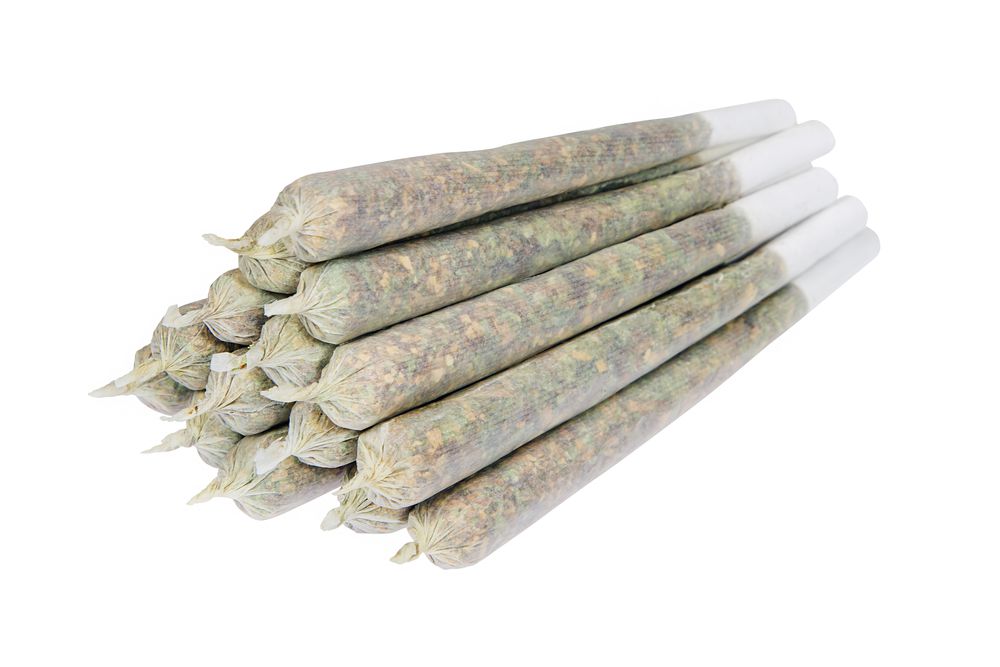
In
1982, a man with a rare and painful type of bone tumor condition,
Irvin Rosenfeld, sued the federal government for access to marijuana
medicine – and won, paving the way for others with qualifying
conditions. Today, he gets his marijuana from the federal government,
picking up 300 joints every 30 days.
DepositPhotos.com

A study of pipe fragments from William Shakespeare’s garden revealed traces of cannabis.
claudiodivizia / istockphoto

On
his 20th birthday, Bill Murray joked about having bombs in
his suitcase while in an airport. When agents searched his luggage,
they instead found $20,000
worth of marijuana.
DepositPhotos.com

In
2017, farmers in Italy started cultivating
cannabis in order to decontaminate polluted soil. The plants
helped pull heavy metals out of the ground.
DepositPhotos.com

As of
2020, 34 U.S. states have legalized marijuana in some form.
DepositPhotos.com

A
study of 6,000 teenagers in the U.K. found that high-achieving
teens were more likely than their peers to drink alcohol and use
cannabis.
DepositPhotos.com

There
was a real Mary
Jane. Mary Jane Rathburn, or Brownie Mary, baked and distributed
marijuana brownies for AIDS patients.
DepositPhotos.com

The
Easter Island statues may have moved. How? With ropes
made of hemp, the fibers of the marijuana plant.
DepositPhotos.com

Estrogen
levels may make some people more
sensitive to THC, the active ingredient in cannabis. Female rats
were at least 30% more sensitive to the properties of THC, including
pain relief.
DepositPhotos.com

Marijuana
may have some therapeutic
benefits for sick pets. But proceed with caution. Dogs and cats
can also die from marijuana toxicosis.
DepositPhotos.com

People
can be allergic
to pot. Experts found that people are sometimes, though rarely,
allergic to the pollen or smoke of the marijuana plant.
DepositPhotos.com

Marijuana
can cause “cannabinoid
hyperemesis syndrome,” a condition characterized by “cyclic
episodes of nausea and vomiting.”
DepositPhotos.com

During
World War II, the Office of Strategic Services investigated marijuana
as a means of inducing detainees to spill
their secrets.
This article was produced and syndicated by MediaFeed.org.
DepositPhotos.com

LagunaticPhoto / istockphoto
Featured Image Credit: Depositphotos.