The average person eats, drinks and breathes between 74,000 and 121,000 microplastic particles every year – and that is considered an underestimate. Human Consumption of Microplastics by Cox et al. published in Environmental Science & Technology presents an analysis of 26 studies from around the world and calculates the average amount of microplastics found in common consumables.
Here are the average number of microplastic particles found per gram/liter/cubed meter in selected consumables.
Image Credit: torwai / iStock.
Honey
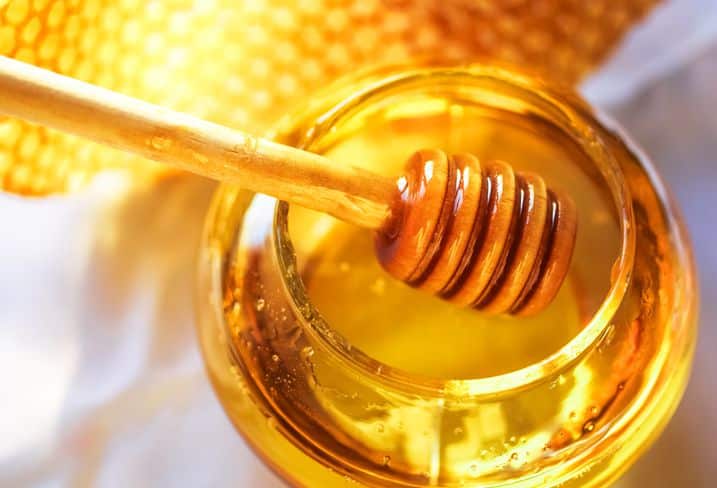
Average number of microplastic particles: 0.10
Image Credit: rvbox / istockphoto.
Salt

Average number of microplastic particles: 0.11
Image Credit: Deposit Photos.
Sugar

Average number of microplastic particles: 0.44
Image Credit: Luis Echeverri Urrea / istockphoto.
Seafood

Average number of microplastic particles: 1.48
Image Credit: Olesia Shadrina / istockphoto.
Tap water

Average number of microplastic particles: 4.24
Image Credit: dusanpetkovic/istockphoto.
Air

Average number of microplastic particles: 9.80
Image Credit: evgenyatamanenko/istockphoto.
Beer

Average number of microplastic particles: 32.27
Image Credit: Taveesaksri/ istockphoto.
Bottled water

Average number of microplastic particles: 94.37
Image Credit: DepositPhotos.com.
Biggest known sources of microplastic

The biggest known source of microplastic that enters our bodies is bottled water. Based on four separate studies, the average number of particles per liter is 94. Beer has the second highest number, at 32, but it is the third-place spot that may cause the most alarm.
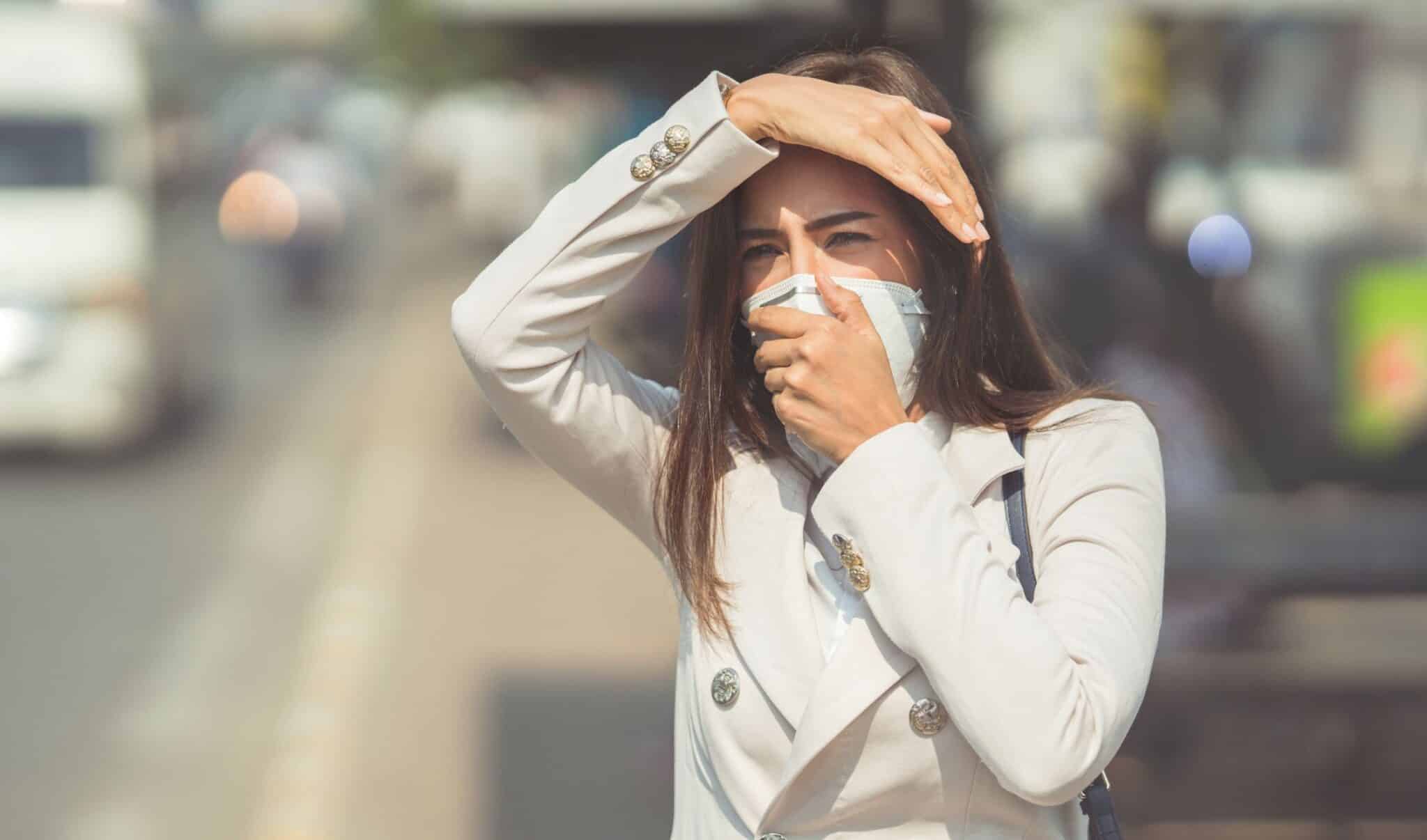
Air inhaled by humans, based on two studies conducted in France and Turkey, contains an average of 9.80 particles per meters cubed. For reference, the EPA’s Exposure Factors Handbook says that a 31-to-51-year-old inhales an average of 16 cubed meters of air per day.
This article
originally appeared on Statista.com and was
syndicated by MediaFeed.org.
Image Credit: rukawajung / istockphoto.