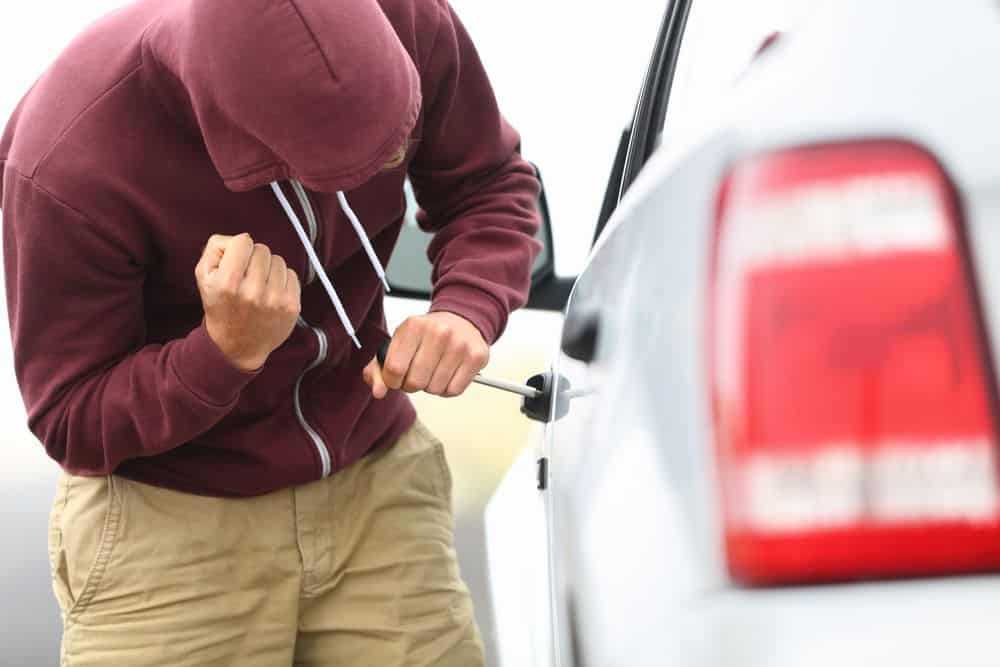
Car thefts have soared in recent years. In some U.S. cities, 2020 was the worst year for car theft in decades. Over 880,000 vehicles were stolen nationwide in 2020, which is around one vehicle every 36 seconds. Nearly 90,000 more vehicles were stolen in 2020 than in 2019, and the trend only seems to be continuing. Cities like Chicago, Washington D.C., and New York City all also saw an uptick in carjackings in 2021.
Experts at the National Insurance Crime Bureau (NICB) have pointed to economic downturn and job loss during the pandemic, along with depleted school and social programs, to help explain the severe increase in auto thefts.
And there’s also the issue of what one NICB expert calls “owner complacency,” or simply not securing your car. The New York Times reported in January 2021 that police saw an increase in drivers leaving their key fobs and smart keys in their cupholders, giving thieves easier access to vehicles.
Image Credit: DepositPhotos.com.
How we ranked the cities

Using 2020 U.S. Census Bureau data, we identified the top 100 most populated metro statistical areas (MSAs) in the country. We then used four key metrics to determine which of those metro areas were the best and worst for vehicle theft.
We used the top 100 most populated metropolitan statistical areas in the United States as the basis for our index. Each MSA was given a score from 1 to 100 in four different categories, and each category was weighted according to relevance, with the theft rate being the most heavily weighted category. The lowest score was the “worst” city for auto thefts and the highest score was the “best.”
Here are the top cities, ranked from best to worst, for car theft.
Image Credit: AleksandarNakic.
25. Springfield, Massachusetts

Total score: 314
Image Credit: Sean Pavone/istockphoto.
24. Portland-Vancouver-Hillsboro, Oregon

Total score: 310
Image Credit: DepositPhotos.com.
23. Jackson, Mississippi
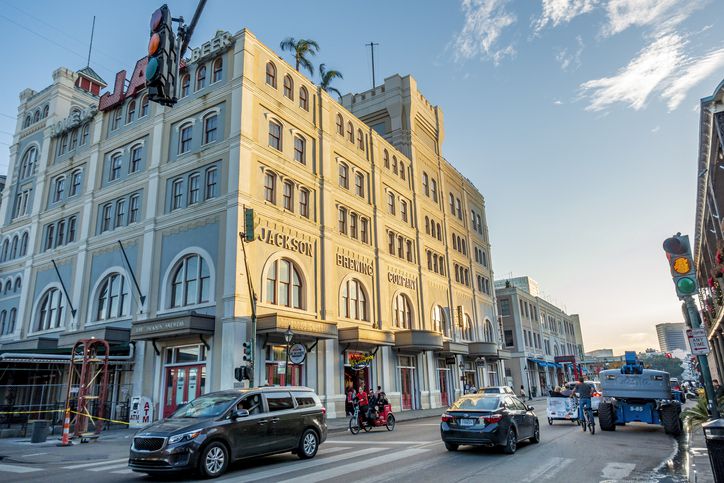
Total score: 310
Image Credit: sfe-co2 / istockphoto.
22. Little Rock-North, Arkansas

Total score: 307
Image Credit: Deposit Photos.
21. Minneapolis

Total score: 301
Image Credit: DepositPhotos.com.
20. San Antonio-New Braunfels, Texas

Total score: 294
Image Credit: SeanPavonePhoto / iStock.
19. New Orleans-Metairie, Louisiana

Total score: 289
Image Credit: DepositPhotos.com.
18. Fresno, California

Total score: 279
Image Credit: StellaMc / istockphoto.
17. Seattle-Tacoma-Bellevue, Washington
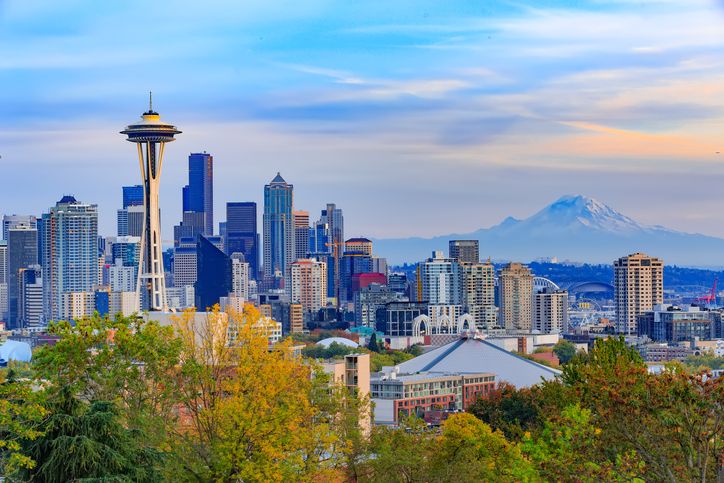
Total score: 278
Image Credit: aiisha5 / istockphoto.
16. Houston-The Woodlands, Texas

Total score: 277
Image Credit: RoschetzkyIstockPhoto.
15. Memphis, Tennessee

Total score: 258
Image Credit: DepositPhotos.com.
14. Wichita, Kansas

Total score: 248
Image Credit: Deposit Photos.
13. Albuquerque, New Mexico
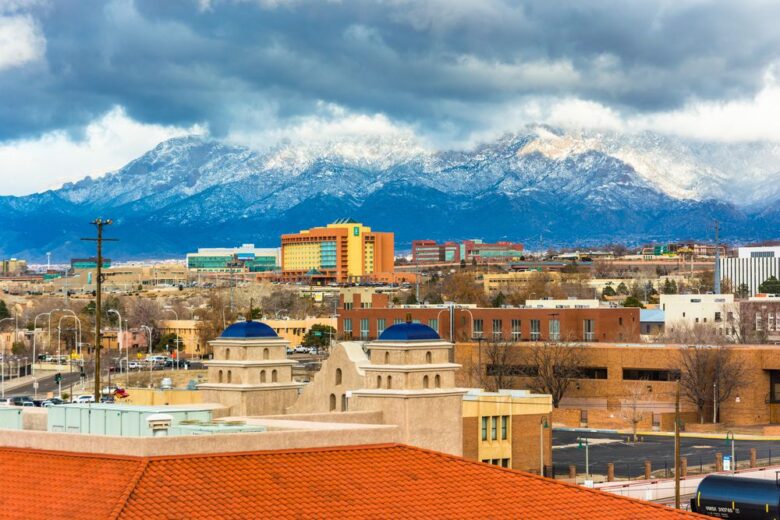
Total score: 244
Image Credit: DepositPhotos.com.
12. Riverside, California

Total score: 227
Image Credit: DepositPhotos.com.
11. St. Louis, Missouri

Total score: 226
Image Credit: istockphoto.
10. Louisville-Jefferson, Kentucky

Total score: 193
Image Credit: istockphoto/alexeys.
9. Chattanooga, Tennessee

Total score: 186
Image Credit: Kruck20 / istockphoto.
8. Salt Lake City, Utah
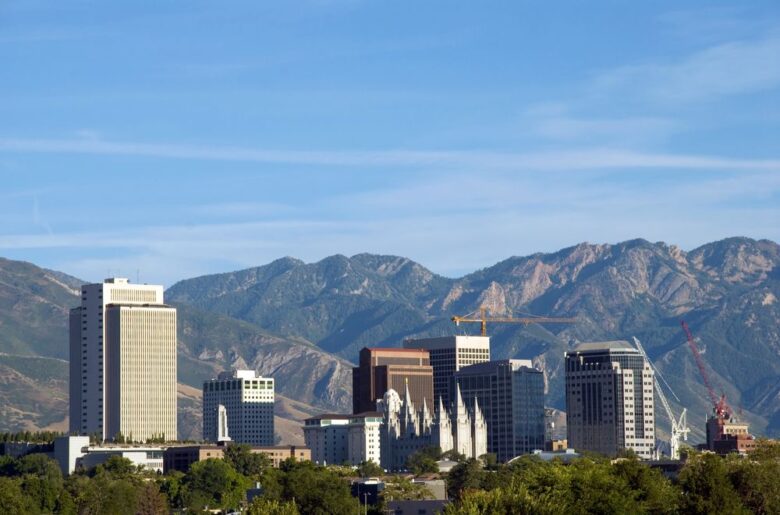
Total score: 182
Image Credit: DepositPhotos.com.
7. Los Angeles-Long-Beach, Anaheim, California

Total score: 168
Image Credit: DepositPhotos.com.
6. Kansas City, Missouri

Total score: 158
Image Credit: DepositPhotos.com.
5. San Jose-Sunnyvale-Santa Clara, California

Total score: 136
Image Credit: DepositPhotos.com.
4. Tulsa, Oklahoma

Total score: 126
Image Credit: Johnny Warrior / istockphoto.
3. Bakersfield, California

Total score: 96
Image Credit: DepositPhotos.com.
2. San Francisco–Oakland-Berkeley, California

Total score: 89
Image Credit: DepositPhotos.com.
1. Denver-Aurora-Lakewood, Colorado

Total score: 77
Image Credit: Deposit Photos.
Does car insurance cover car theft?

Car insurance only covers car theft if your policy includes comprehensive coverage. Comprehensive coverage is typically required if you are leasing or financing your car, but most drivers should consider adding it even if it’s not required. This type of coverage is designed to protect your car if it’s damaged or destroyed by something other than a collision — like theft, vandalism, fire or falling objects.
If your car is stolen, you’ll need to report it to the police and then call your insurance company. To use your comprehensive coverage, you have to pay a deductible before your insurer will kick in the costs to cover your stolen car. If your claim is accepted, your insurer will reimburse you for the actual cash value (ACV) of your stolen vehicle, which means that depreciation is factored into your claim payout.
For example, say your car was ten years old when it was stolen. With actual cash value, its age will be factored into your reimbursement — so you won’t be receiving the same amount of money that you paid for the car if you bought it as new (or the cost to replace it with a new car).
Related: Learn more about comprehensive coverage
Image Credit: AndreyPopov / iStock.
How does location factor into car insurance rates?

When calculating your car insurance premiums, insurers will look at your ZIP code to help assess risk. The car theft rate or accident rate in your area can have a big impact on your rates. If you live in a city or town that reports frequent car theft or break-in claims, your car insurance rates may be higher than someone who lives in a place with a lower theft rate.
Related: Learn more about what affects your auto insurance premiums
Image Credit: bluegame / iStock.
How does a stolen car affect insurance rates?

If you have a full coverage auto insurance policy (meaning one that includes comprehensive and collision coverage in addition to liability) your policy will cover a stolen car. If you file a comprehensive claim for a stolen car, your rates may go up when you renew your policy — even though it likely wasn’t your fault your car was stolen.
“A vehicle theft claim can raise rates at your policy renewal just like any other claim,” says Deante’ Peake, licensed property and casualty operations sales manager at Policygenius. “When you file a claim to an insurer, you become a higher risk in the insurance company’s eyes. Based on statistical data, after you file one claim, the likelihood of you submitting another claim in the future increases. So, to overall balance the loss of the claim that has to be paid and the increased risk, insurers raise the rates of the insured. In some cases, they may even raise the rates of everyone in your area, especially if multiple claims were filed in that geographic region.”
Consider shopping around to see rates from different insurance companies if your car insurance does go up — some insurers may offer you a better deal, regardless of your theft claim.
Image Credit: djedzura / iStock.
Methodology

We used the top 100 most populated metropolitan statistical areas in the United States as the basis for our index. Each MSA was given a score from 1 to 100 in four different categories, and each category was weighted according to relevance, with the theft rate being the most heavily weighted category. The lowest score was the “worst” city for auto thefts and the highest score was the “best.”
In the last category, recovery rate by state, each MSA was ranked according to their state’s score on a scale of 1 to 44 (not all 50 states are represented in the top 100 MSAs). The state with the most recovered vehicles was given a score of 44 and the state with the least recovered vehicles was given a score of 1.
-
2020 motor vehicle theft rate per 100,000 residents: We used 2020 data
— the most recent data available — from the National Insurance Crime Bureau (NICB) to determine the theft rate of each of the top 100 most populated metropolitan statistical areas. The rates factor in population, and are based per 100,000 residents. This was given a value of six times the baseline.
-
Percentage increase in motor vehicle theft rate from 2019 to 2020. We compared 2019 and 2020 data from the NICB to calculate the percentage increase or decrease in theft rate from 2019 to 2020. This was given a value of two times the baseline.
-
Percentage increase in cost for a full coverage policy vs. state minimum coverage: Rates courtesy of Quadrant Information Services for every ZIP code in the top 100 most populated MSAs and were based on full coverage policies with liability amounts of 50/100/50. We compared those rates to the rates for the minimum car insurance requirements in each city. Rates provided are average costs, so your quotes may differ. This was given a value of one times the baseline.
-
Vehicle recovery by state in 2020: 2020 rates courtesy of the NICB. Recovery rate is listed by state, not by MSA. These rates do not factor in whether or not the vehicle was recovered as usable or totaled. This was given a value of one times the baseline.
You can find a full list of sources on Policygenius.
This article originally appeared on Policygenius.com and was syndicated by MediaFeed.org.
Image Credit: AleksandarNakic.
More from MediaFeed

These 2 Western cities are the most financially fit in the US
Image Credit: Nadasaki / istockphoto.