9 Ways Aging Ovaries Affect Your Health Beyond Fertility
For years, the conversation around ovarian aging has focused primarily on fertility and egg count. However, recent research is shedding light on the broader implications of ovarian health and how it may influence various aspects of a woman’s well-being. Understanding these changes can pave the way for better health outcomes as women age.
The ovary is not just about reproduction; it’s an important hormone-producing organ that plays a significant role in regulating numerous bodily functions. Here are nine surprising ways that aging ovaries affect your health beyond fertility.
9. Hormonal Shifts
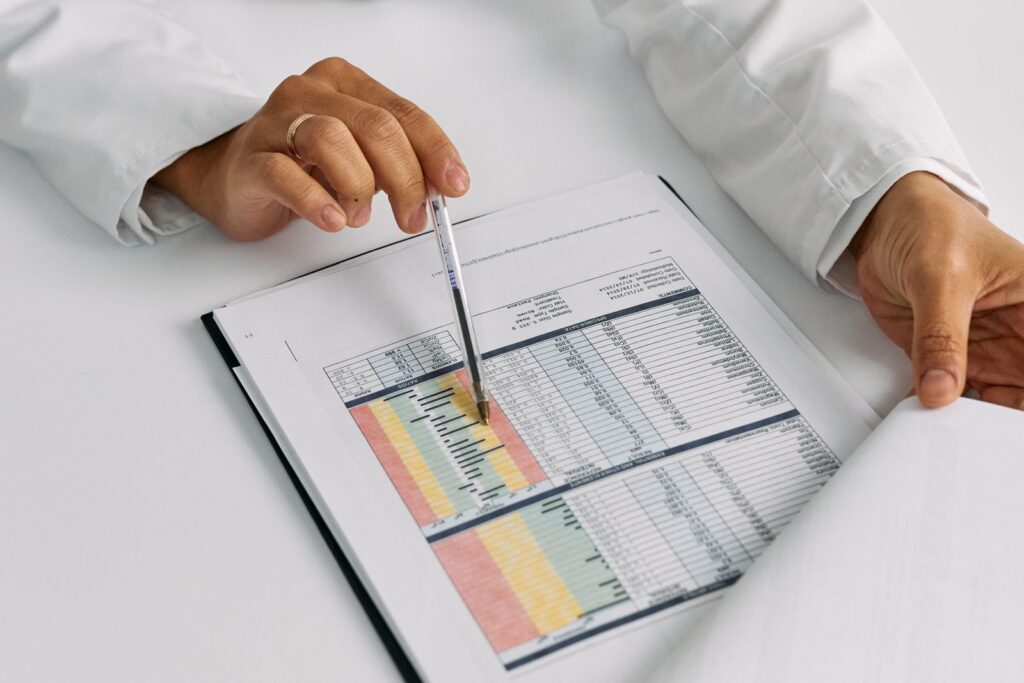
As ovaries age, they produce hormones like estrogen and progesterone less efficiently.
This decline can lead to disruptions in menstrual cycles and impact other systems such as bone density and cardiovascular health, highlighting the interconnected nature of ovarian health and overall well-being.
8. Bone Density Concerns
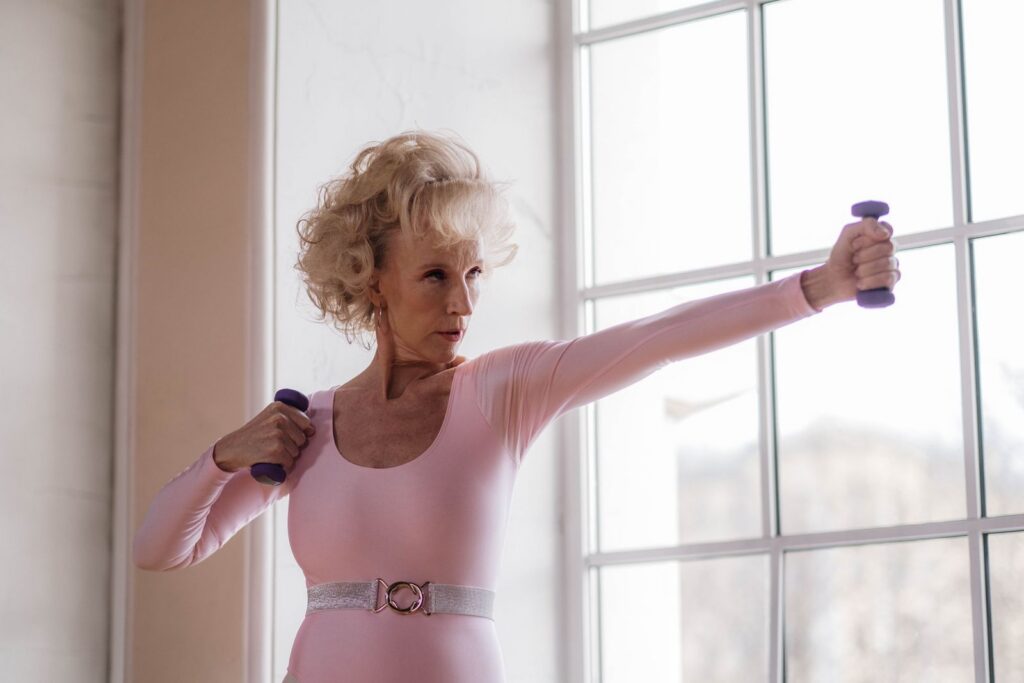
Estrogen plays a critical role in maintaining bone strength.
As its production wanes with ovarian aging, women may experience a decrease in bone density, increasing the risk of osteoporosis and fractures. Regular exercise and a calcium-rich diet can help mitigate these effects.
7. Cardiovascular Health
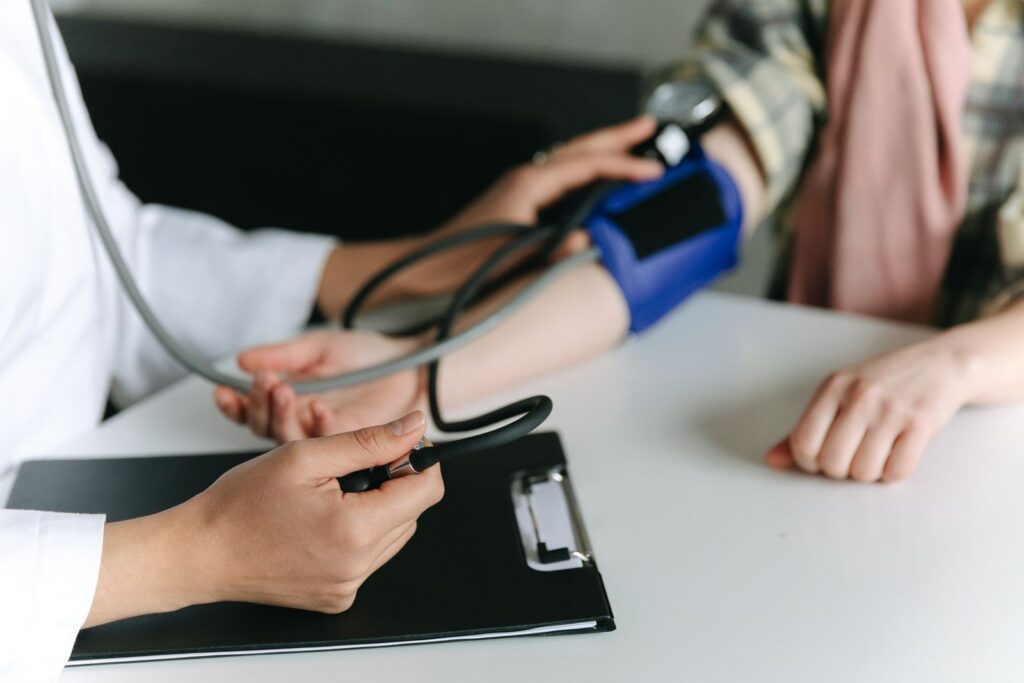
The decline in estrogen also affects heart health.
Lower hormone levels can lead to changes in blood vessel function and cholesterol levels, potentially increasing the risk of heart disease. Maintaining a heart-healthy lifestyle is crucial during this time.

6. Metabolic Changes
Ovarian aging can impact metabolism, and may lead to weight gain and altered fat distribution.
These changes can be managed through a balanced diet and regular physical activity, which help maintain a healthy weight and metabolic rate.

5. Cognitive Function
Estrogen is known to influence brain function.
As ovarian hormone production diminishes, some women may notice changes in memory, focus, or cognition. Engaging in mental exercises and maintaining social connections can support brain health.

4. Immune System Dynamics
Ovarian aging affects the immune system, impacting how the body responds to inflammation and repairs tissue.
This can lead to increased susceptibility to infections and slower recovery from injuries. A healthy lifestyle with a focus on nutrition and stress management can help bolster immune function.

3. Skin and Hair Changes
Declining estrogen levels can affect skin elasticity and hair texture.
Women may notice drier skin and changes in hair volume and shine. Hydration, a nutrient-rich diet, and proper skincare can help manage these changes.

2. Emotional Well-being
Hormonal fluctuations can influence mood and emotional health.
Women may experience mood swings or increased anxiety. Practices like mindfulness, regular exercise, and seeking support from friends or professionals can promote emotional balance.

1. Overall Aging Process
The aging of ovaries is a part of the larger aging process.
Understanding these changes can support better health outcomes and more personalized care as women age. Prioritizing overall health through lifestyle choices can support the aging process.
Read more:
- 10 Daily Habits That May Be Aging You Faster
- 9 Best Anti-Aging Serums Proven to Transform Your Skin
- 10 Links Between Happiness and Heart Health
Ask us! What questions do you have about content, strategy, pop culture, lifestyle, wellness, history or more? We may use your question in an upcoming article!
Like MediaFeed’s content? Be sure to follow us.
This article originally appeared on Resourcebuzz and was syndicated by MediaFeed.co.