9 subtle signs your dog thinks they’re the boss of the house
Dogs really are here to make life better, and most days that’s exactly what they do. Somewhere along the way, though, plenty of well-meaning owners let a few small things slide, and a dog notices every single one.
And, yes, that may translate into chaos at home,
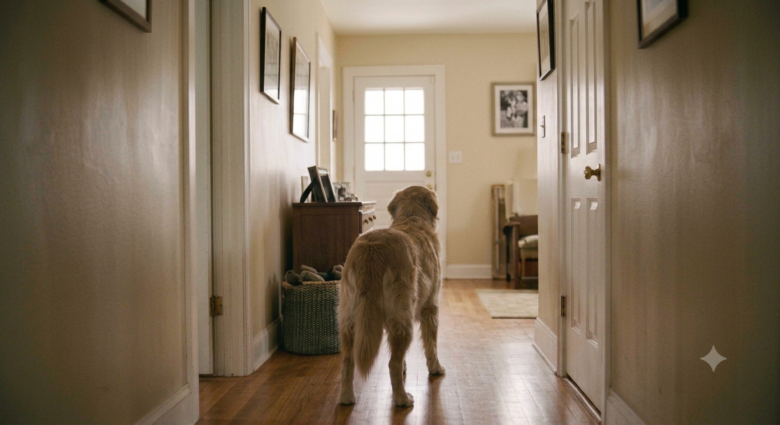
The doorway isn’t yours anymore
A dog that squeezes through first, every time, or plants itself in the frame until it decides to move, isn’t in a hurry to get anywhere. Trainers call this a boundary-testing moment, a small daily referendum on who actually controls movement through the house.

That couch cushion has an owner now, and it isn’t you
Ask a dog to move off its favorite spot and watch what happens. Stiffening. A low growl. Pretending not to hear at all. Any of it means the cushion has stopped being something the dog is allowed to use and started being something it owns outright.
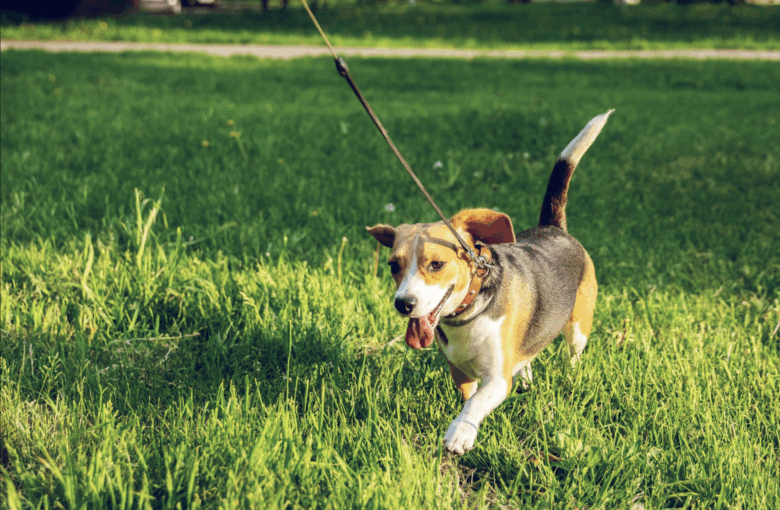
Every walk, same result: the dog decides the pace
Not an occasional lead on a walk. Every walk. Pulling ahead, refusing to slow down, dictating the whole route without much input from the leash holder. That’s control over direction and speed, asserted daily, on one of the only shared activities in a dog’s schedule.
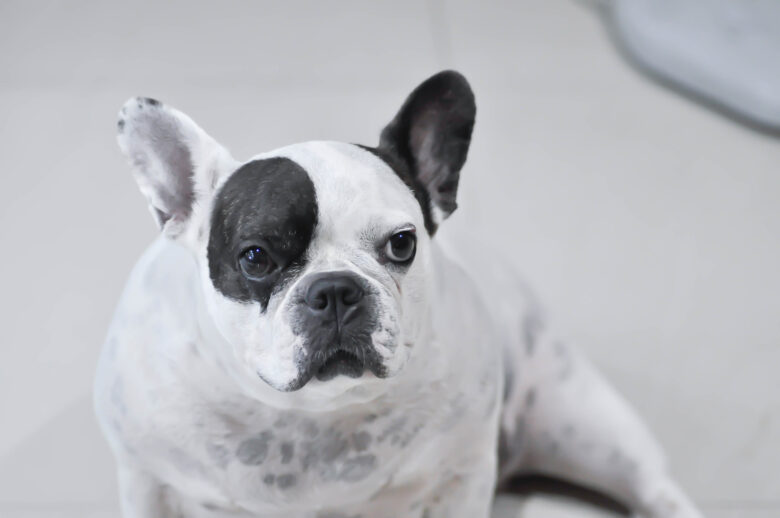
Selective hearing, and it’s very selective
Sits instantly for a treat. Stares blankly at the exact same word with empty hands. That’s not confusion. According to The Dog Today’s breakdown of boundary-testing, situational obedience like this is a dog quietly sorting which rules are worth following and which aren’t.
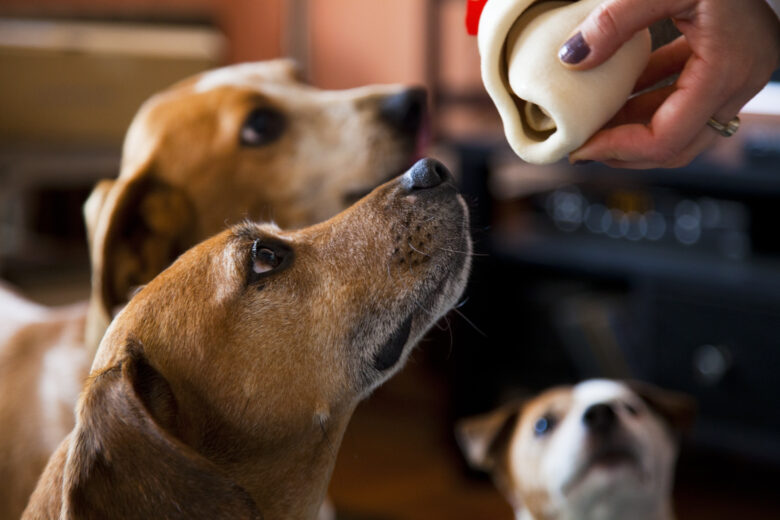
Freezing over a bone like it’s under attack
Stiffening at a food bowl. Growling if someone sits in “their” chair. Guarding a toy nobody was reaching for. All of it falls under resource guarding, one of the most recognized signs that a dog has decided certain objects belong to it and only it.
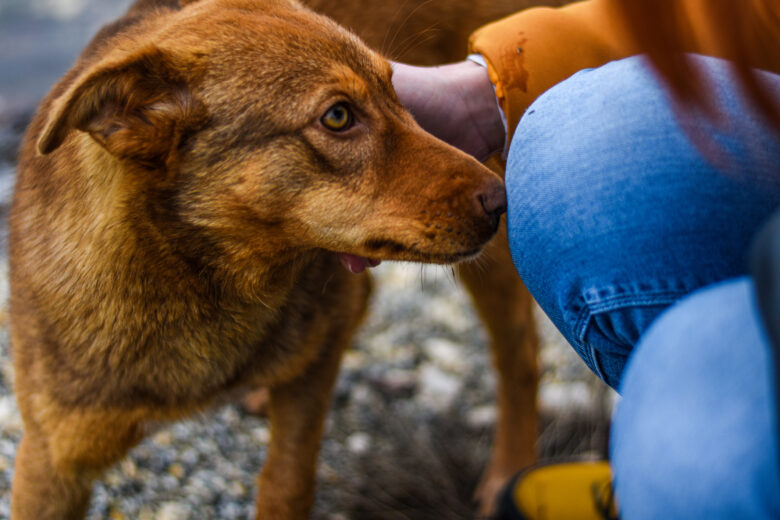
A nudge that turns into a demand
Gentle nose bumps for attention read as sweet, and often they are. The pattern shifts the moment ignoring it triggers pawing, barking, or outright insistence. Demanding affection on a fixed schedule is the behavior worth watching for.
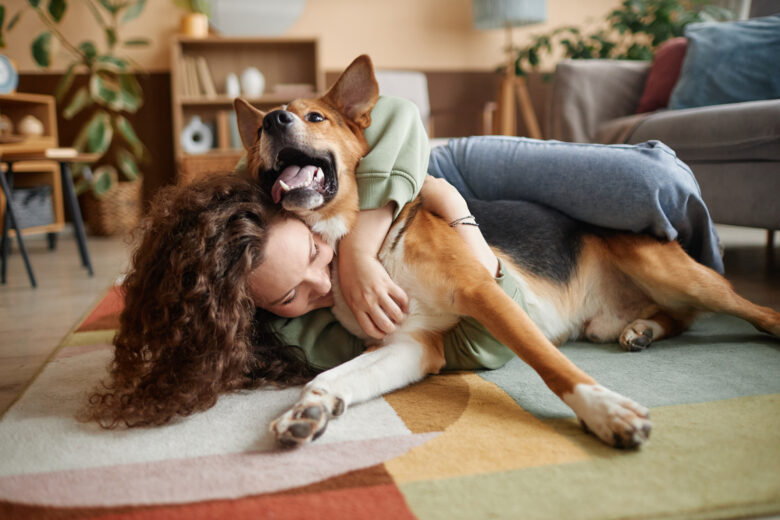
Full body weight, not a cuddle
Genuine affectionate leaning is soft. Loose. A dog pressing its entire weight against someone, hard enough to actually move them, is using physical presence to control space rather than just seeking closeness. The difference is obvious once someone’s actually looking for it.
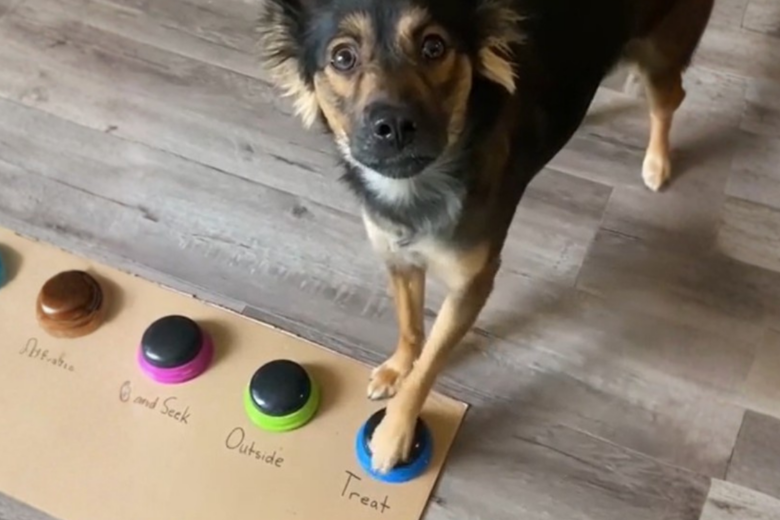
The stare that doesn’t break
Dogs typically look away as a submission signal. One that doesn’t, holding a steady, unblinking gaze straight through a correction, is showing exactly the confident, unbothered posture of an animal that doesn’t feel any particular need to back down.
“Off,” said for the fortieth time
Jumping on the bed once is a mistake. Jumping on it again, and again, every single time after being told to get down, is a dog re-running the same experiment to see if the rule still holds. It’s boundary-pushing, plain and simple, dressed up as forgetfulness.
The bottom line
None of this makes a dog a bad dog. It makes it an animal paying close attention to which rules actually get enforced and adjusting accordingly, which is exactly what a smart, observant dog does when nobody’s holding the line consistently.
Ask us! What questions do you have about content, strategy, pop culture, lifestyle, wellness, history or more? We may use your question in an upcoming article!
Related:
Like MediaFeed’s content? Be sure to follow us.
This article was syndicated by MediaFeed.co.